Showers will occur at times in the Sabaragamuwa province and in Kandy, Nuwara-Eliya, Galle and Matara districts. Several spells of showers may occur in the Western and North-western provinces.
Showers or thundershowers may occur at a few places in the Uva, Northern and Eastern provinces during the afternoon or night.
Strong winds of about (40-50) kmph can be expected at times over Western slopes of the central hills and in Western, Sabaragamuwa, Southern, North-western and North-central provinces.
The general public is kindly requested to take adequate precautions to minimize damages caused by temporary localized strong winds and lightning during thundershowers
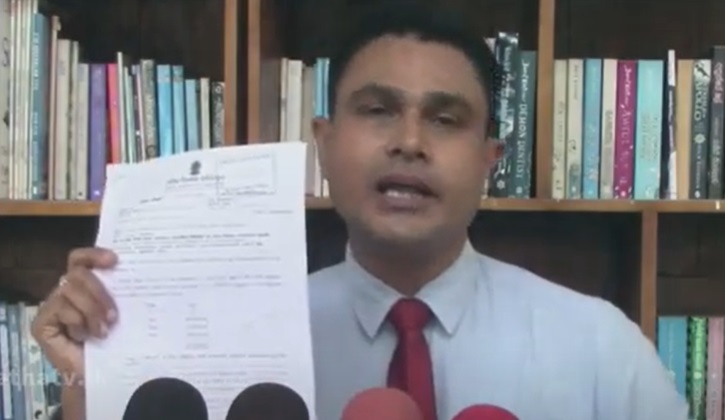
July 15, Colombo (LNW): A major corruption scandal has come to light at the Colombo National Hospital, where chemical reagents worth billions of rupees were allegedly procured in violation of proper procedures, posing a serious risk to patient health and safety.
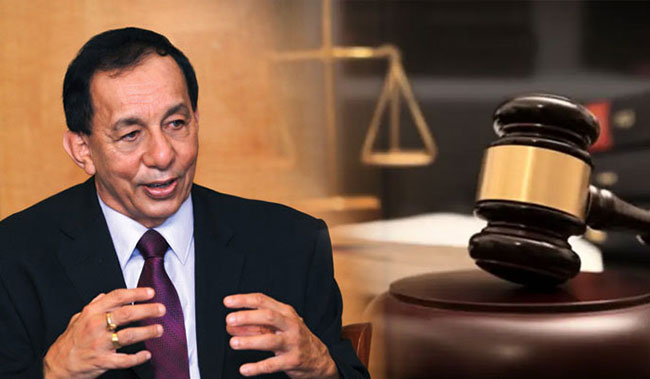
The revelations were made by Dr. Chamal Sanjeewa, Chairman of the Trade Union Alliance of Medical Professionals on Civil and Medical Rights, citing a government audit report released in June this year.
According to Dr. Sanjeewa, the scale of the malpractice is staggering—allegedly fifteen times worse than the much-publicized corrupt deal involving former Health Minister Keheliya Rambukwella.
While Rambukwella is accused of authorizing the procurement of substandard immunoglobulin injections worth Rs. 130 million, the irregular purchases at the National Hospital’s laboratory over the past three years exceed Rs. 2.5 billion in value.
The audit report states that these reagents were bought regionally without approval from the hospital’s Medical Supplies Division. Alarmingly, reagents worth over Rs. 13 million have already expired, while chemicals worth another Rs. 5 million were purchased after their expiry date.
Furthermore, reagents valued at Rs. 8 million were accepted into the lab despite having less than a month of usable shelf life left.
Dr. Sanjeewa also raised concerns about outdated laboratory equipment still in use, stating that many devices had been phased out internationally. He questioned who approved these procurements, who made the recommendations, and who accepted the goods—urging the Criminal Investigation Department (CID) to conduct a thorough investigation.
He warned that tens of thousands of patients may have received test results based on expired or degraded chemicals, severely affecting the accuracy of medical diagnoses. This, he said, could lead to fatal consequences—for instance, a heart patient being misdiagnosed as healthy, or a kidney patient being sent home without proper treatment.
“The scale of harm caused to patients by this negligence could far exceed the fallout from Keheliya’s actions,” Dr. Sanjeewa asserted.
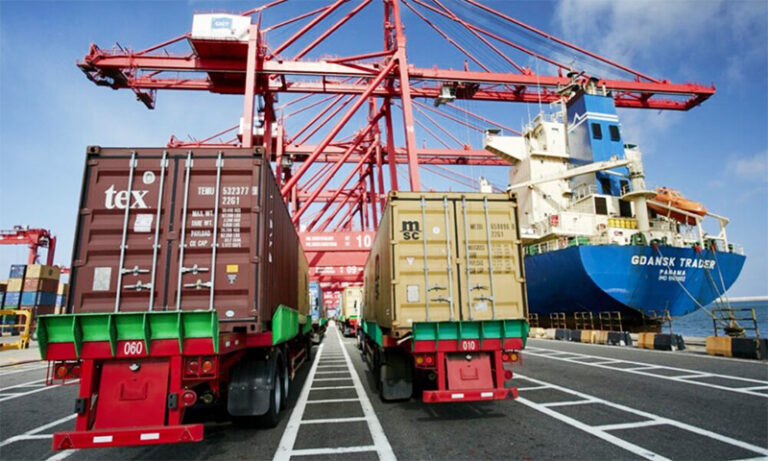
July 15, Colombo (LNW): In a scandal that threatens to shake public trust in Sri Lanka’s border control systems, Sri Lanka Customs has come under intense scrutiny over the controversial release of 323 shipping containers between July 2024 and January 2025—without adequate inspection.
The Criminal Investigation Department (CID) has launched an ongoing investigation, with Customs now cooperating by providing evidence and initiating a post-clearance audit.
Customs Spokesperson and Additional Director General Seevali Arukgoda confirmed that a comprehensive audit is underway. “We’ve provided all support and evidence required by the CID,” he said, emphasizing that post-clearance audits are a standard part of global trade facilitation.
Arukgoda explained that due to the impracticality of physically checking every shipment, Customs relies on risk management and audits conducted after clearance. “Every consignment, whether examined or not prior to release, is subject to post-audit,” he noted.
However, this justification is being sharply questioned following revelations from a committee report which uncovered that 999 high-risk containers were released on 13 separate occasions—without any physical inspection.
This deviation from standard protocol, reportedly done to reduce port congestion, has potentially exposed the country to severe national security threats, health risks, and substantial revenue losses.
More disturbingly, the committee flagged concerns that some containers might have carried dangerous items, including narcotics or weapons.
The report has strongly criticized the Director General of Customs for overstepping legal boundaries and authorizing the releases outside the framework of the Customs Ordinance.
The gravity of the findings has prompted several urgent recommendations:Immediate discontinuation of the current container clearance method used by the internal committee
A full-scale post-clearance audit to calculate the extent of revenue loss
A forensic audit on all 999 containers cleared under the disputed system
Deployment of Artificial Intelligence (AI) for smarter container scanning
Improved data-sharing systems between importers and Customs for better transparency
Despite these serious concerns, Customs has yet to receive the final committee report, and thus has refrained from commenting on its recommendations. But the silence only deepens the sense of urgency for accountability and reform.
This episode is not just a failure of administrative protocol—it is a clear breach of public trust. With national security, public health, and state coffers potentially compromised, swift legal and disciplinary action against wrongdoers is imperative. Anything less would send a dangerous message that corruption and negligence can go unchecked at the highest levels of border enforcement.
The scandal serves as a wake-up call for the government: systems must be modernized, oversight must be strengthened, and most importantly, those responsible—whether by action or inaction—must face the full force of the law.
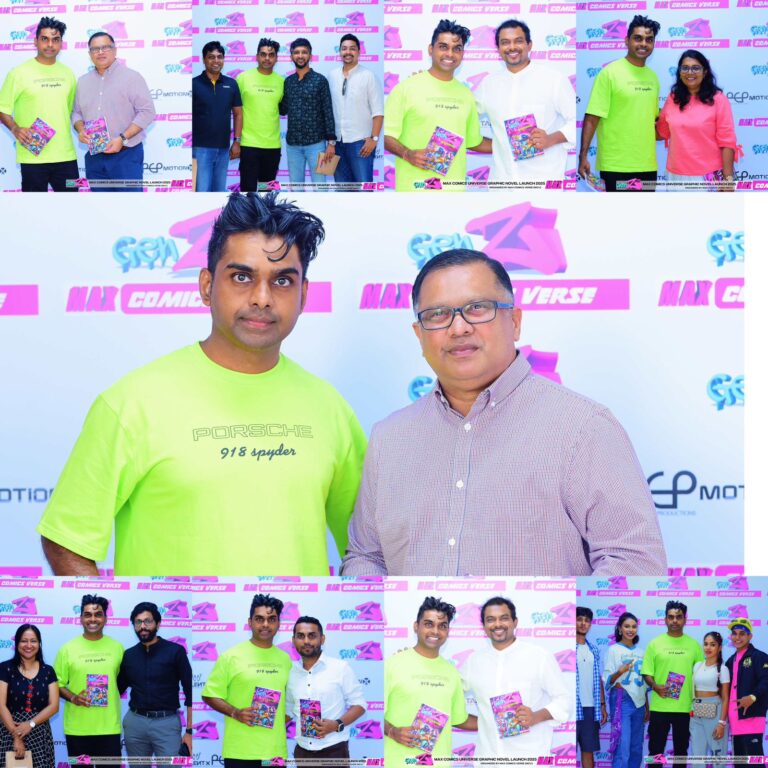
Rashika Hennayake 15 July Colombo LNW : Creative minds and industry leaders from Sri Lanka and India recently came together at the National Library Auditorium in Colombo to celebrate the launch of Gen Z, the debut printed graphic novel by Max Comics Universe (MCV).
The event marked a milestone in the region’s creative and entertainment landscape. It also introduced MCV as a bold new initiative envisioned by its Chief Executive Officer, Mr Prasad Ranasinghe, to build an immersive and integrated storytelling platform. Originating in South Asia, MCV aims to engage a global audience through its diverse narrative offerings.
The first copy of the Gen Z was presented to Mr Sajith Gunaratne, General Manager of Ceylon Agro Industries, Prima Group Sri Lanka, followed by presentations to Mr Rohan Somawansa, Mr Saliya Weerasekara, and music icons Mr Bathiya Jayakodi and Mr Santhush Weeraman.
MCV is positioned as more than a traditional comic book imprint. The venture spans a wide array of storytelling formats, ranging from graphic novels and animated features to television segments, with future ambitions extending into augmented and virtual reality experiences, as well as interactive gaming.
Highlighting the company’s visionary pursuits, Mr Ranasinghe remarked, “Max Comics Universe is a unique storytelling world where we bring fictional superheroes, super-evil villains – and a lot of soul. Right now, we’re focused on graphic novels and building our characters, but we’re dreaming big, from cartoons and films to immersive digital experiences and even exploring spiritual and mythical realms in a respectful, creative way.”
The creative ethos of MCV seeks to blend imaginative fiction with reflections on everyday heroism. Its narratives explore themes such as ancient mythologies, cosmic narratives, guardians, and parallel dimensions while grounding these concepts in values drawn from real life.
With several additional graphic novels currently under development and visual media projects in production, Max Comics Universe is positioning itself as a rising contributor to South Asia’s cultural and entertainment export. The brand’s long-term ambition is to deliver narratives that are globally resonant, yet rooted in regional identity.
The Gen Z graphic novel is now available worldwide in both e-book and print formats. Download your copy at https://books2read.com/u/bzkwYz. To learn more or place an international order, visit https://maxuniverse.co.
July 15, Colombo (LNW): Landmark roadmap to revitalise local industry unveiled at fourth Sri Lanka Coffee Festival in Kandy
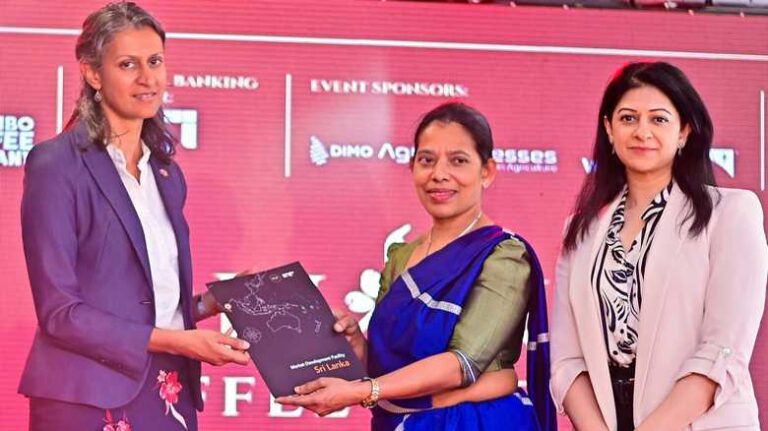
In a significant step towards revitalising Sri Lanka’s specialty coffee sector, the country’s Department of Export Agriculture (DEA) has joined hands with Australia’s Market Development Facility (MDF) to develop a comprehensive roadmap aimed at strengthening and expanding the local coffee industry.
This initiative, announced at the fourth-annual Sri Lanka Coffee Festival held in Kandy on July 8–9, 2025, underscores deepening bilateral collaboration between the two nations and marks a turning point for Sri Lanka’s long-overlooked coffee sector.
The new roadmap, which will be developed under a Memorandum of Understanding (MoU) signed between the DEA and MDF, will assess the current status of the market, identify gaps, and propose key action points to enhance production quality and competitiveness.
MDF will support the DEA by improving coffee processing methods, conducting sector-relevant training, and providing training modules to farmers and processors across the country.
Australia has supported Sri Lanka’s coffee revival journey since 2017 through MDF. Speaking at the festival, Australian Deputy High Commissioner to Sri Lanka Lalita Kapur said, “It’s been a long but rewarding road and we’re pleased to see the sector gaining greater recognition every year. Coffee is one of the sectors that demonstrates the benefits of private investment, helping boost Sri Lanka’s export earnings and inclusive growth.”
The festival, jointly organised by the DEA, MDF and the Lanka Coffee Association (LCA), also commemorated 200 years of coffee cultivation in Sri Lanka with the launch of a commemorative stamp. It attracted farmers, processors, roasters, retailers, baristas, coffee enthusiasts, and investors, reflecting the growing interest in Sri Lankan specialty coffee both locally and internationally.
DEA Director General Damayanthi Samarasinghe hailed the occasion as a pivotal moment for the sector. “As coffee becomes a priority crop, this partnership aims to expand high-quality production and develop a national roadmap that opens up new trade and investment opportunities — especially with markets like Australia,” she noted.
Adding global prestige to the event, Sunalini Menon, President of Coffeelab India and known as “Asia’s First Lady of Coffee,” participated virtually, sharing valuable insights on international standards and quality benchmarks.
The festival also recognised excellence in the sector by awarding the Best Farmer and Best Processor, while schoolchildren were celebrated through a coffee-themed art competition. Visitors enjoyed barista demos, coffee tastings, and interactive discussions on emerging market opportunities and innovations in coffee cultivation and processing.
Chairperson of the Lanka Coffee Association Kushan Samararatne called the event a milestone in unifying the coffee sector. “This partnership demonstrates how far we’ve come. Sri Lanka is steadily gaining ground as a serious player in the specialty coffee world.”
The festival was supported by Colombo Coffee Company as the Gold Sponsor and Hatton National Bank as the official Banking Partner, signalling strong commercial interest in Sri Lanka’s evolving coffee industry.
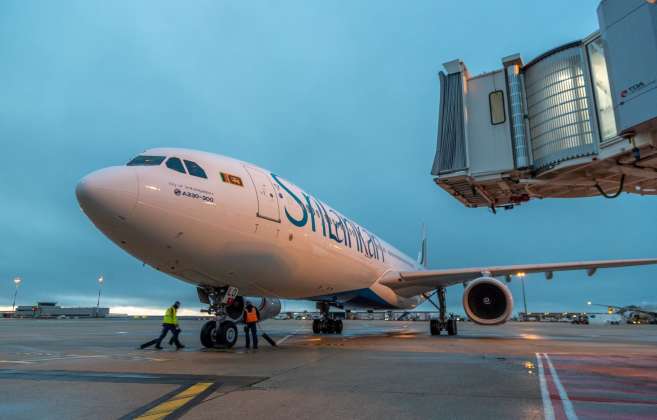
July 15, Colombo (LNW): Sri Lanka’s Commercial High Court has extended an enjoining order barring any legal proceedings to wind up the country’s national carrier, SriLankan Airlines, over a bond default, until July 30. The extension was granted following submissions by legal representatives of the airline and the Trustee of the defaulted bond, as the legal battle over a significant financial default continues to unfold.
The dispute arises from a $175 million international bond issued by SriLankan Airlines, which the airline defaulted on. With accrued interest, the outstanding claim has now ballooned to approximately $209 million.
The bond in question was issued with a government guarantee in 2019 to support the financially troubled airline’s operations. However, amid the country’s worsening economic crisis over the last few years, SriLankan Airlines has struggled to meet its debt obligations.
Lawyers representing the Trustee of the bond had earlier moved to demand full payment of the defaulted amount and signaled intentions to initiate legal proceedings to wind up the airline. In response, the legal team for SriLankan Airlines filed for an enjoining order, successfully halting any winding-up action temporarily.
At the recent court hearing, attorneys for SriLankan Airlines argued that under Sri Lankan company law, the foreign representatives of the bondholders do not have the legal standing to seek a winding-up order against the airline.
They further informed the court that the government, as the sole shareholder of the airline, is currently engaged in negotiations with bondholders in an attempt to reach a mutually acceptable solution without triggering liquidation.
SriLankan Airlines, which has been grappling with chronic losses and operational inefficiencies for over a decade, is at the center of the government’s state-owned enterprise reform agenda. The airline has posted significant financial losses year after year and was further hit by the COVID-19 pandemic and the country’s broader economic collapse in 2022, which saw Sri Lanka defaulting on its sovereign debt for the first time in its history.
The current legal impasse also raises questions about the implications for Sri Lanka’s broader debt restructuring program and its commitment to creditors. Legal experts point out that allowing SriLankan Airlines to be wound up would set a precedent with wide-ranging ramifications, particularly as the country continues to navigate a complex restructuring process with both bilateral and commercial creditors.
Meanwhile, bondholders are closely watching how the government addresses this dispute, especially amid wider privatization plans for the national carrier. The Finance Ministry had earlier announced a restructuring plan that could include strategic partnerships or full divestiture of SriLankan Airlines.
The case will be taken up again on July 30, with the court expected to hear further arguments on the legal standing of the bondholders and the government’s efforts to resolve the matter outside of litigation.
July 15, Colombo (LNW): President Anura Kumara Dissanayake yesterday (14) hosted Sultan A. Al‑Marshad, Chief Executive Officer of the Saudi Fund for Development (SFD), at the Presidential Secretariat to review existing development projects and chart a course for future collaboration.
The leaders evaluated ongoing SFD-funded initiatives across Sri Lanka and discussed strategic priorities for the next phase of cooperation. A key outcome from the meeting was Saudi Arabia’s interest in supporting the island’s digitalisation agenda, aimed at enhancing efficiency in public service delivery.
President Dissanayake reiterated the deep-rooted friendship between Sri Lanka and Saudi Arabia, thanking them for unwavering financial and logistical assistance provided during the recent economic downturn.
He emphasised that any new financing from the SFD will be directed towards initiatives identified by communities as most needed—ensuring that projects address real, on-the-ground priorities.
The delegation from Saudi Arabia included H.E. Khalid Hamoud Nasser Aldasam Alkahtani, Ambassador to Sri Lanka, and Dr Saud Ayid Al‑Shammari, Director General of Asia Operations at the SFD. Sri Lanka was represented by a senior ministerial delegation including Dr Anil Jayantha Fernando (Minister of Labour and Deputy Minister of Economic Development), Roshan Gamage (Senior Additional Secretary to the President), Dr Harshana Suriyapperuma (Secretary to the Ministry of Finance) and R.M.S.P.S. Bandara (Director General of External Resources).
Both sides expressed optimism that the renewed discussions would lead to impactful, people-centred projects—especially in the digital and infrastructural sectors—strengthening bilateral ties and supporting Sri Lanka’s ongoing recovery and development goals.
July 15, Colombo (LNW): The Colombo Stock Exchange (CSE) marked an historic achievement today (15) as the All Share Price Index (ASPI) climbed past the 19,000-point threshold, a landmark moment for the nation’s capital markets.
The ASPI breached this new high at approximately 9.34 a.m., signalling renewed investor confidence.
Just a day prior, the index had closed at 18,838.39 points, reflecting a gain of 297.13 points. Trading activity remained robust, with the previous session’s turnover reaching approximately Rs. 9.49 billion— underscoring sustained market engagement from both institutional and retail investors.
Analysts attribute the surge to a combination of stable macroeconomic indicators, renewed domestic and foreign investment flows, and buoyant corporate earnings expectations.
Market observers caution that whilst today’s milestone is a cause for celebration, maintaining momentum will depend on continued economic stability, policy clarity, and consistent corporate performance.
July 15, Colombo (LNW): Former SriLankan Airlines chairman Nishantha Wickramasinghe has been granted bail by the Colombo Magistrate’s Court following his arrest and detention by the Commission to Investigate Allegations of Bribery or Corruption (CIABOC) on graft allegations.
Chief Magistrate Thanuja Lakmali reviewed submissions from both CIABOC officials and the defence before making the decision. Wickramasinghe was released upon posting a cash bail of Rs. 50,000, and providing three sureties of Rs. 5 million each.
In addition to the bail terms, the court placed a restriction on his international travel pending the outcome of the investigation.
Authorities have indicated that further legal proceedings will follow, as the ongoing inquiry examines the allegations involving the former chairman’s tenure at the national carrier.
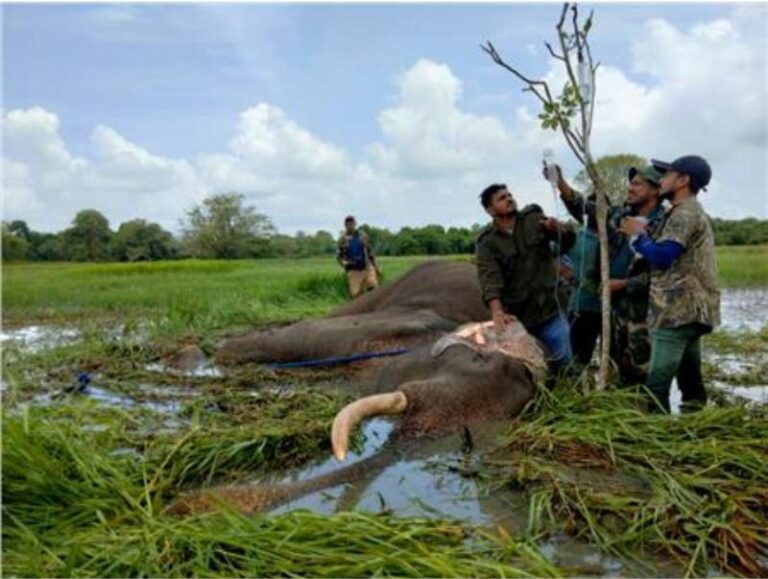
July 15, Colombo (LNW): The revered wild tusker known as ‘Bhathiya’, who had been receiving continuous veterinary care for severe injuries, died this morning in the Polpithigama area, marking a poignant loss for Sri Lanka’s wildlife conservation efforts.
Bhathiya had sustained serious gunshot wounds approximately two months ago, prompting an emergency response from a dedicated veterinary team led by Professor Ashoka Dangolla, former Dean of the Faculty of Veterinary Medicine at the University of Peradeniya.
Despite tireless efforts to stabilise his condition, including daily treatment and the use of specialised care protocols, Bhathiya’s health continued to deteriorate.
The situation became more complicated when the tusker recently fell into a water pit, further aggravating his condition. In recent days, his mobility had declined significantly due to muscle wasting and poor blood circulation, with veterinarians describing his state as critical.
In a final effort to aid his recovery, the medical team attempted to reposition the elephant yesterday (14), hoping it would improve blood flow and relieve pressure on his limbs. However, Bhathiya’s body could no longer withstand the trauma and stress, and he succumbed to his injuries early the next day.
Estimated to be between 30 and 35 years old, Bhathiya was widely admired for his commanding stature and graceful build. His presence in the wild was symbolic of the country’s rich elephant heritage, and his loss has left a visible void in the Nikaweratiya and Polpithigama regions, where he was often sighted.