Home Blog Page 510

TISL Challenges Companies Bill in Court Over  ownership Transparency

0

The Sri Lankan government has introduced the Companies (Amendment) Bill, 2025, in Parliament, aiming to reform and modernize the existing Companies Act No. 7 of 2007 to better align with international standards, particularly on corporate transparency and anti-money laundering efforts.

 While the move has been broadly welcomed, it has sparked controversy over its limited provisions on public access to beneficial ownership data.

Key amendments proposed in the bill include the introduction of a Beneficial Ownership Information (BOI) register, a new treasury share regime for listed companies, and the legal recognition of single-shareholder companies.

These reforms are intended to boost transparency, strengthen compliance, and facilitate corporate flexibility. The treasury share provision will allow listed firms to repurchase their own shares, while the single-shareholder clause enables a company to be formed by a single individual or entity, including the Treasury Secretary.

A central feature of the bill is the requirement for companies to disclose their beneficial owners—individuals who ultimately control or benefit from a company’s operations. This measure is aimed at curbing financial crimes such as money laundering, terrorist financing, and tax evasion by exposing opaque corporate ownership structures. However, the bill only permits access to limited beneficial ownership data, such as full names and ownership nature, and solely upon request.

Transparency International Sri Lanka (TISL) has strongly opposed these limitations, arguing that the bill undermines the core objective of effective oversight. The organization filed a public interest petition in the Supreme Court on June 19, challenging the legality and adequacy of Clause 7 of the proposed amendments, which governs the BOI framework.

TISL asserts that anonymous and concealed corporate ownership can be exploited for illicit purposes, including transnational crime and political influence. It contends that establishing a publicly accessible, digitally integrated BOI register is a national security necessity and a vital tool for tackling corruption and illicit financial flows.

Although Sri Lanka’s Governance Action Plan 2025 and the National Anti-Corruption Action Plan 2025–2029 pledge to create a publicly accessible online BOI register, TISL argues the bill falls short of this commitment. Section 130A(6) requires the Registrar only to maintain a list, with no obligation to proactively publish it online or link it with other government databases.

Further, Section 130D restricts access to minimal data on an individual, request-driven basis, limiting the ability of law enforcement, journalists, and civil society to track illegal activities in real time.

TISL also warned that this restricted model contradicts international anti-corruption standards, including recommendations by the IMF’s 2023 Governance Diagnostic Assessment. The group emphasized that timely, transparent access to ownership data is essential for asset recovery, fraud detection, and prevention of illicit asset transfers.

 In its petition, TISL has asked the Supreme Court to rule that Clause 7 violates constitutional rights under Article 12(1) (equal protection of the law) and Article 14A (access to information), insisting that genuine transparency must include proactive, publicly available data in line with global norms.
IMF Urges Urgent Overhaul of Sri Lanka’s Corruption-Prone Procurement System

0

The International Monetary Fund (IMF) has called on Sri Lanka to urgently implement a comprehensive legal framework to reform its public procurement system, warning that the current process is vulnerable to corruption, inefficiency, and arbitrary decision-making.

This recommendation forms a critical component of the IMF’s broader governance reform agenda, which seeks to promote greater transparency and accountability in Sri Lanka’s public financial management system. A recent IMF-backed diagnostic report exposed deep-rooted structural flaws in the procurement mechanism, citing the absence of a central regulatory authority and outdated procedures that fall short of international best practices.

The IMF cautioned that unless swift reforms—particularly the enactment of a robust Public Procurement Law—are introduced, Sri Lanka risks undermining its efforts to restore public trust and attract foreign investment.

Currently, public procurement in Sri Lanka is highly fragmented across ministries, departments, and the Cabinet. While line ministry secretaries are responsible for procurement execution, high-value contracts are often routed through Cabinet Appointed Procurement Committees (CAPCs) and ultimately the Cabinet itself. However, this process suffers from inconsistent procedures and excessive discretion in decision-making.

A landmark 2006 Court of Appeal decision highlighted this issue by ruling that the Cabinet is not legally bound to adhere to Procurement Guidelines or Appeals Board recommendations. This legal precedent has since raised concerns about unchecked power in awarding lucrative contracts.

In response, the IMF has urged the immediate activation of the National Procurement Commission (NPC), granting it full authority to oversee procurement practices and scrutinize unsolicited proposals. An 18-month action plan has also been proposed to fast-track the reform process.

A major focus of the reform agenda is the full implementation of the Procurement Management Information System (PROMISe), which remains in its pilot phase. This digital tool is designed to automate and track procurement activities—from bid submission to contract signing—but its effectiveness will depend on staff capabilities and integration with existing audit mechanisms.

To enhance transparency, the IMF recommends the government publish details of all contracts exceeding Rs. 1 billion and include data on competitive bidding levels, particularly in agencies with poor track records. These disclosures should be made biannually on a dedicated public website.

Experts emphasize that transitioning to a digital, rules-based procurement system could transform governance in Sri Lanka, especially if complemented by stronger audit processes and accountability measures.

As the nation continues to recover from a severe economic crisis, the IMF stresses that reforming procurement is essential—not only to cut wasteful spending but also to rebuild public confidence and ensure fair use of taxpayer funds.

Sri Lanka Highlights Ceylon Tea at UNESCO’s International Tea Day in Paris

0

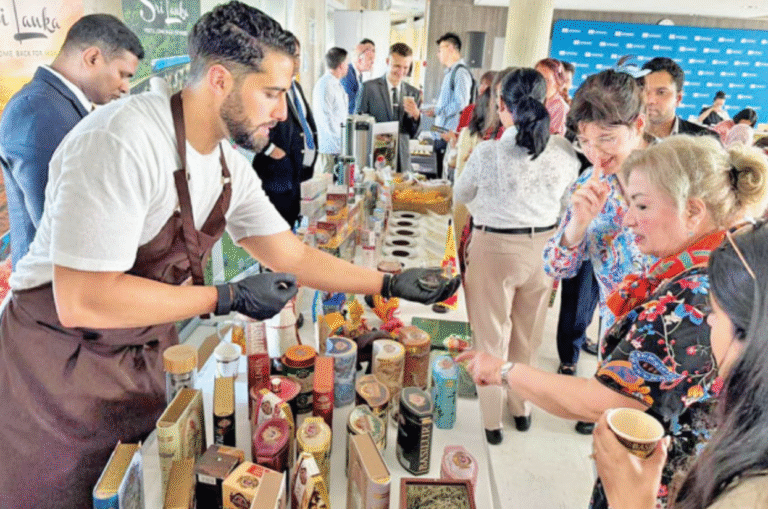
Sri Lanka proudly showcased its iconic Ceylon Tea at the International Tea Day celebrations held at the House of UNESCO in Paris, marking the fourth consecutive year of participation in the prestigious global event.

The event served as a platform to promote Sri Lanka’s rich tea heritage and reaffirm its position as a leading producer of premium-quality tea on the world stage.

Sri Lanka’s Ambassador and Permanent Delegate to UNESCO, Manisha Gunasekera, was present at the celebration, representing the country’s commitment to cultural diplomacy and global branding through its most famous export.

Colombo High Court Postpones Case Against Former CBSL Governor Cabraal to October 10

0

The Colombo High Court on Wednesday (June 26) postponed to October 10 the hearing of the case against former Central Bank Governor Ajith Nivard Cabraal and four others, who are accused of causing a financial loss of over Rs. 1.8 billion to the Sri Lankan government by investing public funds in Greek government bonds in 2012.

During the court proceedings, it was disclosed that the defense has filed three revision petitions before the Court of Appeal, challenging the rejection of preliminary objections in the case. These petitions are scheduled to be heard on September 19.

Citing the pending appellate court proceedings, the High Court judge ruled that it would be appropriate to resume the case after a decision is made by the Court of Appeal. The judge further emphasized that hearings would not be held merely for public display, underscoring the importance of procedural fairness and judicial integrity.

Accordingly, the next hearing at the Colombo High Court has been fixed for October 10.

‘Clean Sri Lanka’ Launches Road Safety Awareness Campaign to Curb Accidents

0

As part of the ‘Clean Sri Lanka’ initiative, a new nationwide programme has been launched to raise public awarenessand improve attitudes toward road safety, with the goal of reducing the rising number of daily road accidents.

Two awareness events under the theme ‘Clean Steps – Safe Roads – Be United for Road Safety’ were held on Wednesday (June 26) at the Rabindranath Tagore Memorial Auditorium of the University of Ruhuna and Matara Beach Park.

In collaboration with the Sri Lanka Police, a road safety demonstration took place near Matara Beach Park at 8:00 a.m., drawing the participation of approximately 1,300 students from schools in the Matara educational zone.

The campaign is aimed at instilling road discipline among schoolchildren from an early age, nurturing their development into responsible and law-abiding citizens. It also seeks to strengthen school road safety clubs, while educating students on traffic lawsaccident prevention, and responsible road use.

The programme reflects the Government’s broader effort to promote public safety and civic responsibility under the ‘Clean Sri Lanka’ umbrella, extending its reach beyond environmental concerns to include essential aspects of everyday life such as road safety.

UN Human Rights Chief Voices Strong Support for Sri Lanka’s Reconciliation and Reform Agenda

0

United Nations High Commissioner for Human Rights Volker Türk has expressed full support for the path Sri Lanka is taking under the leadership of President Anura Kumara Dissanayake, particularly in the areas of national unity, reconciliation, and the protection of human rights.

The High Commissioner made these remarks during a meeting with President Dissanayake at the Presidential Secretariat on Wednesday (June 26), as part of his official visit to Sri Lanka.

Türk commended the ongoing political and social transformation in the country and noted the broad public confidence placed in the President and his administration by communities across both the North and South. He said his visit allowed him to gain a clear understanding of the changes currently underway and expressed optimism that the Sri Lankan people are beginning to look toward a brighter future.

One of the central topics of discussion was the issue of missing persons, with the High Commissioner emphasizing that families across all regions endure the same pain and uncertainty. He urged the Government to uphold the trust placed in it by these families and to deliver on long-delayed expectations.

Both parties agreed on the need to strengthen and restructure the institutional framework responsible for addressing the missing persons issue, noting that past political cultures had often hindered these mechanisms from fulfilling their mandate effectively.

President Dissanayake acknowledged the emotional and political weight of the issue, noting that his movement has personally experienced the trauma of disappearances. He reaffirmed his Government’s deep commitment to advancing reforms that promote national reconciliation and protect human rights.

The President also emphasized that restoring economic stability remains a top priority, stating that while the challenges are significant, his administration is determined to tackle them head-on. He called for continued international support, especially from institutions like the UN Human Rights Office, to help accurately present Sri Lanka’s reality to the world and improve its global standing.

The meeting was attended by several senior UN officials, including:

  • Marc-André Franche, UN Resident Coordinator in Sri Lanka
  • Rory Mungoven, Chief of the Asia-Pacific Section, OHCHR
  • Elaine Chan, OHCHR Desk Officer
  • Laila Nazarali, Senior Human Rights Adviser, UN Resident Coordinator’s Office
  • Azam Bakeer Markar, Development Coordination Officer
  • Anthony Headley, Public Information Officer, OHCHR

Representing the Sri Lankan Government were:

  • Justice and National Integration Minister Harshana Nanayakkara
  • Public Security and Parliamentary Affairs Minister Ananda Wijepala
  • Senior Additional Secretary to the President Roshan Gamage
  • And other senior officials.

The meeting underscores growing international recognition of Sri Lanka’s efforts to move toward reconciliation, reform, and renewed engagement with the global community.

WEATHER FORECAST FOR 27 JUNE 2025

0

Showers will occur at times in the Western, Sabaragamuwa and North-western provinces and in Nuwara-Eliya, Kandy, Galle and Matara districts.

Fairly heavy falls about 50 mm are likely at some places in the Western and Sabaragamuwa provinces.

Showers or thundershowers may occur at a few places in the Uva and Eastern provinces during the afternoon or night.

Fairly strong winds of about (30-40) kmph can be expected at times over Western slopes of the central hills and in Northern, North-central and North-western provinces and in Trincomalee and Hambantota districts.

The general public is kindly requested to take adequate precautions to minimize damages caused by temporary localized strong winds and lightning during thundershowers.

Donor Agencies Raise Alarm over Sri Lanka’s Electricity Act Amendments

0

By: Staff Writer

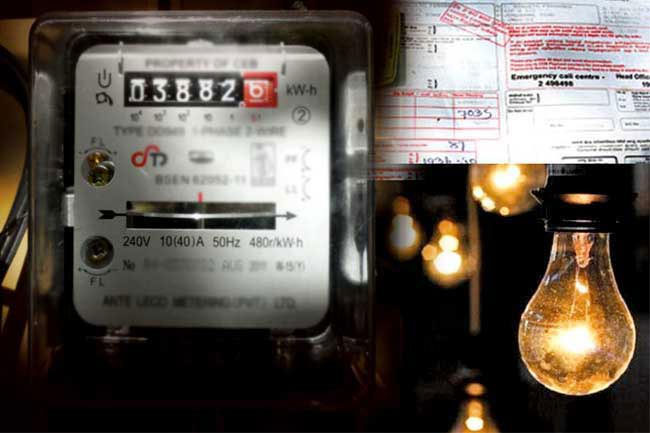
June 26, Colombo (LNW):Three of Sri Lanka’s key international development partners—the World Bank, Asian Development Bank (ADB), and Japan International Cooperation Agency (JICA)—have jointly voiced concerns over proposed amendments to the 2024 Electricity Act.

In a letter addressed to Energy Minister Eng. Kumara Jayakody, the donor agencies warned that several provisions in the revised bill risk undermining principles of good governance, financial sustainability, and regulatory independence in the power sector.

The concerns, outlined by World Bank and IFC Country Manager Gevorg Sargsyan, ADB Country Director Takafumi Kadono, and JICA’s Sri Lanka Chief Representative Kenji Kuronuma, come at a crucial time as Sri Lanka seeks to modernize its power sector amidst growing investment needs.

The letter, also shared with members of Parliament’s Sectoral Oversight Committee and key government ministries, urges a rethink of specific clauses in the draft legislation that could compromise the effectiveness of planned reforms.

A major point of contention is the amendment to Section 17, which mandates permanent government ownership of several entities, including the National System Operator (NSO) and the proposed Generation and Distribution Companies.

While acknowledging the rationale behind maintaining public control of critical infrastructure, the donors caution that enshrining such ownership in law could deter private sector participation and strain public finances.

The donors are also concerned about the bundling of unrelated assets into the National Transmission Network Service Provider (NTNSP). The inclusion of LTL Holdings—which operates over 1 GW in power generation assets—and Sri Lanka Energies—owner of mini-hydro plants—under the NTNSP umbrella, risks mixing core transmission responsibilities with unrelated generation and manufacturing operations.

This, they argue, would blur the separation between transmission and generation functions, undermining efforts to reduce conflicts of interest and increase transparency in the sector.

The letter also questions the proposed merger of LECO with the Distribution Company. LECO, which operates independently of the Ceylon Electricity Board (CEB), has a track record of innovation and efficiency. Absorbing it wholesale into a newly formed distribution entity, without a clear legal and operational framework, could erode these gains and reintroduce inefficiencies.

Furthermore, the donor trio flagged a key change in tariff-setting authority. The revised bill shifts language from the regulator setting tariffs “in accordance with the national tariff policy” to doing so “in consultation with the Ministry of Finance.” Donors warn that this vague phrasing could lead to legal ambiguities over who ultimately holds decision-making power, potentially weakening regulatory independence.

The agencies emphasized that the proposed amendments, if enacted without due consideration, could jeopardize Sri Lanka’s energy reform goals and violate terms agreed under World Bank and ADB funding arrangements. More broadly, they warn the changes may diminish investor confidence in the country’s energy sector—at a time when attracting capital is crucial.

The letter concludes with a strong appeal to realign the amendments with the core intent of the Electricity Act: promoting good governance, competition, transparent regulation, and long-term financial health of the power sector.

Government Moves to Streamline Tourism Sector with National Council

0

By: Staff Writer

June 26, Colombo (LNW): In a significant move aimed at overhauling Sri Lanka’s tourism sector, the government is preparing to establish a powerful National Tourism Council (NTC), which is expected to unify and streamline the country’s fragmented tourism governance system.

A policy paper outlining the proposal was submitted to the Cabinet last week, and pending approval, the Council will commence operations. Until then, a newly formed Presidential Tourism Unit has been tasked with performing its functions on an interim basis.

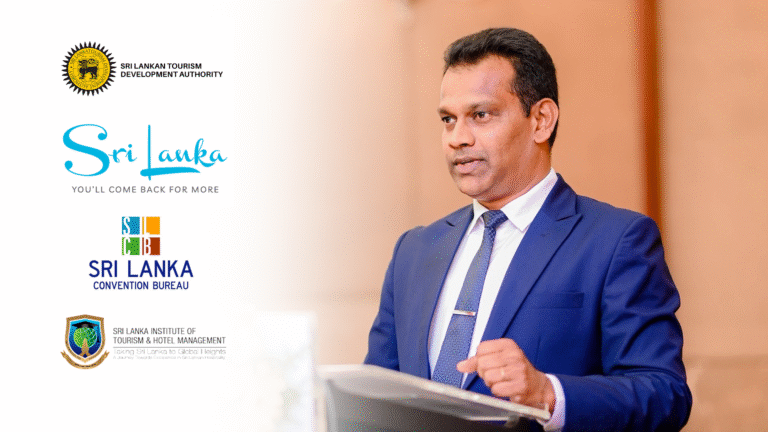
Deputy Tourism Minister Prof. Ruwan Ranasinghe described the proposed Council as the apex body that will oversee the existing tourism institutions in Sri Lanka.

Under this new structure, key organisations such as the Sri Lanka Tourism Development Authority (SLTDA), Sri Lanka Tourism Promotion Bureau (SLTPB), and the Sri Lanka Convention Bureau (SLCB) will be brought under the purview of the Council.

However, the Sri Lanka Institute of Tourism and Hotel Management (SLITHM), which focuses on training and human resources development, will continue to operate as an autonomous entity.

Prof. Ranasinghe highlighted that overlapping mandates, institutional silos, and prolonged bureaucratic delays have for years hindered the growth and development of tourism in Sri Lanka. These inefficiencies have delayed critical infrastructure projects and undermined investor confidence.

He stated that the establishment of the National Tourism Council would eliminate long-standing bottlenecks while ensuring greater coherence, accountability, and coordination in planning and executing tourism sector initiatives.

The announcement follows a major development earlier this month when President Anura Kumara Dissanayake introduced a new tourism integration unit under the Presidential Secretariat on June 6.

This move aims to synchronise various sectors of the tourism trade to create a unified strategy and robust framework capable of achieving Sri Lanka’s ambitious tourism goals. One of the primary objectives is to transform Sri Lanka into a premier year-round travel destination, reducing dependence on seasonal tourist flows.

During a high-level meeting at the Presidential Secretariat, the President met with prominent stakeholders, including hoteliers, tour operators, and private investors, to discuss methods to increase tourist arrivals during traditionally slow periods. The discussion focused on the need for a cohesive strategy to ensure sustainable and inclusive growth in the tourism industry.

The proposed National Tourism Council comes at a time when tourism accounts for nearly five percent of Sri Lanka’s GDP, yet the industry continues to struggle due to poor coordination among institutions, insufficient infrastructure, and a lack of targeted promotion during off-seasons.

While the new Council promises greater efficiency, its effectiveness will depend on competent leadership, inclusive stakeholder engagement, and insulation from political interference. If implemented with integrity and vision, it could mark a turning point in making Sri Lanka a truly competitive and sustainable global tourism destination.

Ceylon Tea Exports Brew Growth Amid Global Uncertainty

0

By: Staff Writer

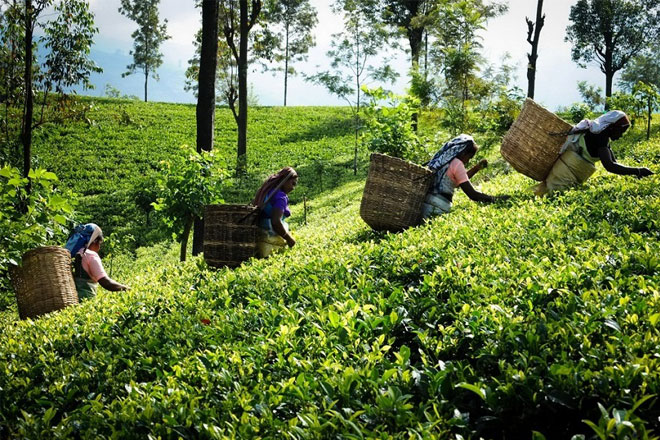
June 26, Colombo (LNW):Sri Lanka’s tea exports in volumes and values have increased in May, resulting in a solid growth during the first five months, despite the ongoing geopolitical volatility and economic uncertainty.

As the global tea trade continues to navigate in ambiguity, Sri Lanka’s tea industry appears to be holding steady with total export volumes in May reaching 21.87 million kilos, marking a year-on-year (YoY) increase of 2.42 million kilos compared to the 19.45 million kilos registered in May 2024.

Forbes & Walker Research said the performance reflects a resilient rebound across most product segments, although bulk tea exports lagged behind.

The average Free on Board (FOB) price for May rose to Rs. 1,804.31 per kilo, up Rs. 32.07 from the same period last year. In Dollar terms, the gain was a modest $ 0.12 YoY, but indicative of sustained international demand despite global economic headwinds.

In the cumulative period from January to May, exports totalled 103.28 million kilos, a notable increase of 5.12 million kilos from the 98.16 million kilos shipped in the same period last year. This upward trend was seen across all categories, except for bulk tea, which continues to face price and logistical pressures.

Despite the growth in volume, Forbes & Walker Research said the average FOB value during the first five months dropped slightly in Rupee terms by Rs. 15.87 to Rs. 1,756.46 compared to Rs. 1,772.33 in 2024.

In contrast, the same period from January to May 2025 saw an increase of $ 0.15 per kilo in Dollar terms, highlighting a currency effect that could be playing in Sri Lanka’s favour.

Cumulatively, all categories except bulk tea and packeted tea registered gains in Rupee-denominated FOB values, while in Dollar terms gains were recorded across the board.

Forbes & Walker Research said Iraq emerged as the top importer of Ceylon Tea in the first five months, buying 14.47 million kilos, an 18% increase from12.29 million kilos a year ago.

Libya followed with a dramatic surge in purchases, importing 9.42 million kilos, up 324% YoY, whilst Russia slipped to the third place with 9.12 million kilos marking a decline of 15% from 10.67 million kilos in the corresponding period of 2024.

The UAE with 7.20 million kilos saw a 30% YoY decrease and was placed in fourth position followed by Iran at fifth place who has recorded 5.87 million kilos, an 18% YoY increase surpassing Türkiye at 5.78 million kilos with an 18% YoY decrease.

Chile secured the seventh place with 4.74 million kilos edging over China’s 4.22 million kilos, Saudi Arabia at 3.56 million kilos and Germany at tenth position with 3.27 million kilos for the year in progress.