June 24, World (LNW): In the early hours of Tuesday (24), Iranian state media declared the commencement of a ceasefire with Israel, marking what was claimed to be the end of nearly two weeks of escalating hostilities.
The televised report was accompanied by prominent graphics proclaiming the truce, giving the impression of a formal resolution.
However, the announcement was quickly overshadowed by fresh alerts from Israeli defence officials warning of potential incoming missile attacks from Iranian territory.
This apparent contradiction has cast immediate doubt on the viability and sincerity of the ceasefire, with signs that the fighting may not yet be over.
The announcement came on the twelfth day of a conflict that has seen widespread destruction and mounting casualties, particularly in Iran, where hundreds are reported to have been killed.
Israeli losses have also been reported, with more than two dozen fatalities and substantial damage to infrastructure in the country’s north.
Adding to the confusion, former US President Donald Trump took to his Truth Social platform to declare, “the ceasefire is now in effect”, urging both parties to honour it. “Please do not violate it!” he added in a brief message.
June 24, Colombo (LNW):Foreign Minister Vijitha Herath has announced that the government is actively monitoring the status of Sri Lankans working in the Middle East due to the ongoing conflicts in the region.
He emphasized that the Ministry of Foreign Affairs is prepared to take necessary action in collaboration with Sri Lankan embassies and diplomatic missions in the affected countries.
The Minister reaffirmed that ensuring the safety and well-being of Sri Lankan citizens abroad remains a key priority for the government.
June 24, Colombo (LNW): President Donald Trump announced that Israel and Iran have agreed to a “complete and total” ceasefire, set to take effect within hours.
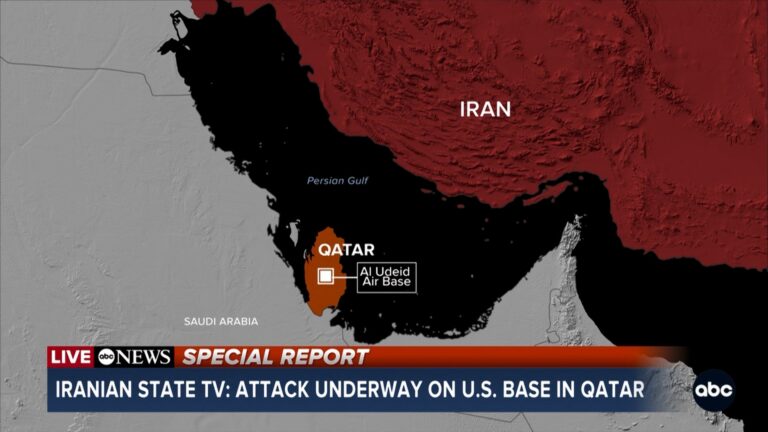
The announcement came Monday, shortly after an Iranian missile strike targeted Al Udeid Air Base in Qatar, which hosts U.S. forces.
“On the assumption that everything works as it should, which it will, I would like to congratulate both Countries, Israel and Iran, on having the Stamina, Courage, and Intelligence to end, what should be called, ‘THE 12 DAY WAR,’” Trump said in a social media post.
June 24, Colombo (LNW): Several spells of showers will occur in the Western, Sabaragamuwa and North-western provinces and in Galle, Matara, Kandy and Nuwara-Eliya districts.
Showers or thundershowers may occur at a few places in the Uva province and in Ampara and Batticaloa districts during the afternoon or night.
Fairly strong winds of about (30-40) kmph can be expected at times over Western slopes of the central hills and in Northern, North-central and North-western provinces and in Trincomalee and Hambantota districts.
The general public is kindly requested to take adequate precautions to minimize damages caused by temporary localized strong winds and lightning during thundershowers.
June 23, World (LNW): The United States Department of Defense has officially confirmed that Iran launched a barrage of short- and medium-range ballistic missiles targeting Al Udeid Air Base in Qatar — one of Washington’s most critical military installations in the Middle East.
According to a senior Pentagon official, the missiles were launched directly from Iranian territory. Whilst the scale and precision of the attack are still being assessed, preliminary reports indicate that no US personnel were injured. Surveillance and intelligence teams are continuing to monitor developments closely, with further information expected as assessments continue.
The strike, aimed at the base which houses thousands of American troops and serves as the operational centre for US Central Command (CENTCOM), underscores a sharp escalation in tensions following recent US military activity linked to Iranian nuclear facilities.
In a sign of the wider regional implications, the UK government responded swiftly. Armed Forces Minister Luke Pollard delivered an urgent statement to Parliament within minutes of the news breaking. Whilst confirming that the situation was developing rapidly, he refrained from disclosing specific operational details.
“This is a fast-changing situation and we are monitoring it closely,” Pollard told MPs. “The UK Government utterly condemns any escalation.”
The minister stressed that force protection protocols had been elevated to their highest level for British personnel stationed across the Gulf region. “We have robust measures in place to protect our armed forces personnel, and their safety is our top priority,” he added.
The UK maintains a notable military presence in the Gulf, including at bases in Bahrain and the United Arab Emirates, in close cooperation with US forces. British military assets, particularly those related to maritime security and air surveillance, are seen as integral to the broader Western posture in the region.
This latest incident marks a new phase in the volatile US-Iran relationship and is expected to provoke serious discussions amongst Western allies over potential retaliatory measures, strategic stability in the Gulf, and the safety of coalition forces spread across the region.
June 23, World (LNW): Tehran has acknowledged the launch of a missile strike targeting the United States’ main military installation in Qatar, marking a significant escalation in the regional standoff following alleged attacks on Iranian nuclear facilities attributed to Washington.
On Monday (23), Iran’s Islamic Revolutionary Guard Corps (IRGC) confirmed it had fired missiles at Al Udeid Air Base, located just outside Doha. The strike, which Iranian sources have dubbed “Annunciation of Victory”, comes as part of what officials in Tehran have described as a calculated response to recent US military actions against Iranian infrastructure.
The operation was first reported by Iran’s semi-official Tasnim News Agency.
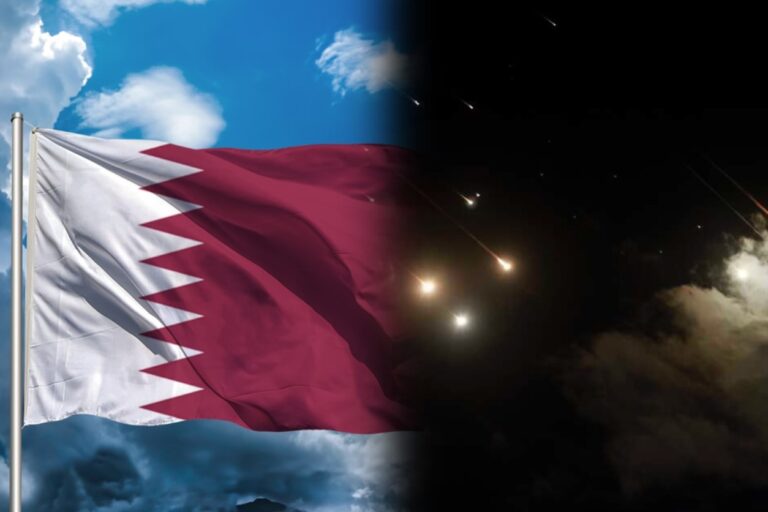
In the hours following the attack, dramatic scenes unfolded over Doha’s skies, with flares lighting up the capital and loud explosions being reported by residents. While the origin of the flashes—whether air defence countermeasures or incoming projectiles—was not immediately clear, the Qatari Ministry of Defence later confirmed that missile interception systems were activated and had successfully neutralised the threat.
“There were no casualties or damage to critical infrastructure,” the ministry stated, attributing the outcome to the swift deployment of defence protocols and the preparedness of Qatari forces. The country’s airspace was briefly closed as a precaution, with incoming flights diverted and outbound flights suspended until the situation was deemed secure.
This attack marks a notable shift in regional dynamics, with Iran choosing to strike a US military facility hosted on the territory of a Gulf state long viewed as a diplomatic bridge between Washington and Tehran. Al Udeid Air Base, operational since the mid-1990s, is the largest American military outpost in the Middle East, home to nearly 10,000 personnel and a strategic hub for US Central Command operations across Iraq, Syria, and Afghanistan.
Iran’s Supreme National Security Council released a statement attempting to assuage concerns in Qatar, saying the missiles were deliberately aimed away from populated zones. “This was a measured and limited response that in no way endangers the safety of our Qatari brothers and sisters,” the statement read. Tehran also reaffirmed its commitment to maintaining close bilateral ties with Doha.
However, Qatari officials were quick to denounce the action. In a strongly worded statement, authorities described the missile strike as a “grave infringement of national sovereignty” and called for restraint from all parties to prevent a broader regional conflagration.
Meanwhile, the US and UK embassies in Doha issued security advisories urging their nationals to remain indoors and avoid unnecessary movement, highlighting the volatile and uncertain nature of the situation. The advisories remain in place as of Monday evening.
Commentators in Tehran have offered a variety of interpretations regarding the nature of the attack. Some speculate it may have been deliberately limited in scope, potentially part of a pre-arranged sequence designed to avoid open warfare.
This would mirror previous episodes such as the January 2020 missile attack on Iraqi bases following the assassination of General Qasem Soleimani — an event which also saw prior warnings issued through back channels, allegedly to minimise casualties.
Yet, others caution that the implications of this latest move are far from predictable. With tensions simmering and hostilities broadening beyond Iraq and Syria into the Gulf’s political and territorial space, the potential for miscalculation remains dangerously high.
Analysts now await Washington’s response, which could determine whether the current tit-for-tat cycle remains contained or spirals into something far more destabilising for the region.
June 23, Colombo (LNW):Iran launched missile strikes Monday on U.S. military bases in Qatar and Iraq, in what it described as retaliation for recent American airstrikes on Iranian nuclear facilities.
The attacks have sharply escalated tensions in an already volatile region.
In Doha, the capital of Qatar, residents paused as missiles streaked across the night sky. Interceptor systems engaged, and at least one missile was visibly struck midair.
Iranian state television confirmed the strikes, declaring an attack on U.S. forces at Qatar’s Al Udeid Air Base.
June 23, Colombo (LNW):The discovery of the ring embedded with a a ruby or a sapphire links medieval Slovakian church to ancient Sri Lankan gemstone trade.
A rare medieval bishop’s ring discovered at a centuries-old Slovakian castle has been found to contain a Sri Lankan sapphire, revealing an unexpected link between ancient Sri Lanka and medieval Europe’s ecclesiastical elite.
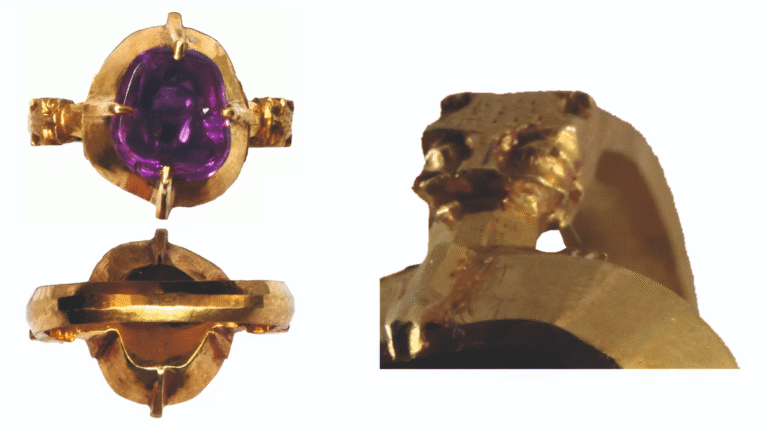
Archaeologists in Slovakia have confirmed that a striking gold ring unearthed at Zvolen Castle in central Slovakia—dating back more than 700 years—features a reddish-purple sapphire that originated from Sri Lanka. The find, recently published in the Journal of Archaeological Science: Reports, underscores Sri Lanka’s longstanding significance in the global gemstone trade, which dates back to Roman times.
The ring, believed to have been worn by a high-ranking bishop, was first discovered in 2001 by a treasure hunter but only came into the hands of archaeologists in March 2023. Led by Noémi Beljak Pažinová from Constantine the Philosopher University in Nitra, the research team employed advanced non-invasive techniques such as Raman spectroscopy and micro-X-ray fluorescence to analyze the ring’s materials.
They confirmed the ring was crafted from 18-karat gold and held a 2-carat corundum gemstone—either a ruby or a sapphire. Trace element analysis pointed to the gem’s origin being Sri Lanka, a well-known source of high-quality sapphires that were traded along ancient routes stretching from the Indian Ocean to the Middle East and into Europe.
“This gemstone most likely traveled through historical trade routes, possibly via Aleppo or Constantinople,” Beljak Pažinová said. “The corundum’s unique chemical composition matches that of Sri Lankan sapphires, which were prized in antiquity for their clarity and deep color.”
The ring is decorated with lion motifs on either side of the gemstone—symbols of power, protection, and resurrection in Christian iconography. Such rings were not mere ornaments but held deep religious and societal significance. As bishops were required to wear rings as symbols of their office, researchers believe the ring belonged to a prominent ecclesiastical figure.
Despite the ring’s ecclesiastical associations, details of its original owner and how it was lost remain unclear. Zvolen Castle, once a key medieval stronghold, fell into decline in the late 14th century.
The ring was recovered from a residential courtyard within the castle, suggesting it may have been lost during a period of turmoil or abandonment.
This extraordinary discovery not only sheds light on the opulence of medieval European clergy but also highlights Sri Lanka’s historical role in global commerce—particularly in the highly sought-after gemstone trade that connected distant civilizations centuries ago.
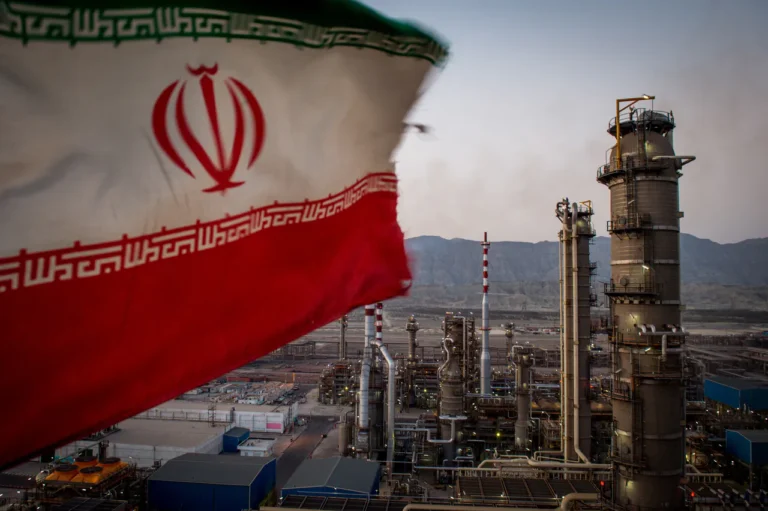
June 23, Colombo (LNW): The Ceylon Petroleum Corporation (CPC) has announced its readiness to implement contingency measures in the face of a possible global fuel crisis, triggered by escalating conflict in the Middle East. The move comes as global oil prices surged to their highest levels since January, following a U.S. strike on Iranian nuclear facilities and a potential blockade of the critical Strait of Hormuz.
Brent crude prices rose by 72 cents to $77.73 a barrel, while U.S. West Texas Intermediate crude climbed 71 cents to $74.55, according to Reuters. The price surge is largely attributed to growing fears of supply disruption as tensions heighten in the Persian Gulf region.
The situation intensified after the Iranian parliament reportedly voted to close the Strait of Hormuz — a key maritime passage through which about 20% of the world’s oil and gas is transported. The narrow 21-mile-wide strait is considered a vital chokepoint, with approximately 20 million barrels of oil passing through it daily from major exporters like Saudi Arabia, Iran, and the UAE, according to the U.S. Energy Information Administration (EIA).
Despite these developments, the CPC stated that there would be no immediate adjustment in local fuel prices. However, officials acknowledged that Sri Lanka is not immune to global market pressures and is actively preparing for potential supply chain disruptions.
CPC officials indicated that the effects of the global oil market instability could stretch into August and September. As a precautionary step, the corporation is testing crude oil samples from alternative sources such as Nigeria, in case imports from traditional suppliers are disrupted.
Economic analysts in Sri Lanka have raised red flags about the looming economic consequences. Professor Priyanga Dunusinghe of the University of Colombo warned that the situation could drive inflation and potentially cost the country around USD 500 million in additional oil import expenses.
He emphasized the importance of swift government action: “The government must prioritize diversifying exports and expanding foreign exchange sources to mitigate the impact. Implementing the proposed Economic Transformation Act should be an immediate priority.”
With tensions in the Middle East showing no signs of abating, experts stress that the ripple effects of rising oil prices could strain Sri Lanka’s fragile post-crisis economy. CPC’s proactive stance and economic policy adjustments may prove crucial in navigating the potential energy crisis looming on the horizon.
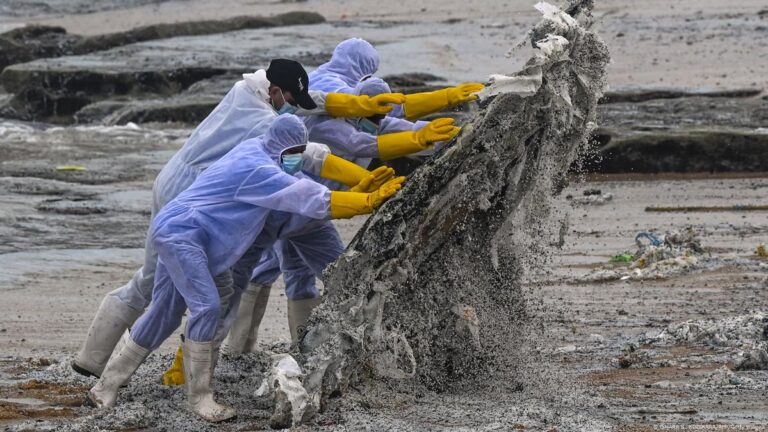
June 23, Colombo (LNW): Sri Lanka’s northern coast is once again grappling with an environmental crisis as nurdles—tiny plastic pellets used in manufacturing—wash ashore, sparking memories of the devastating X-Press Pearl maritime disaster in 2021.
The latest contamination has been traced to the Liberia-flagged container ship MSC ELSA 3, which sank off the coast of Kerala, India, on May 25. According to the Indian Coast Guard, the vessel was carrying 640 containers, including 13 with hazardous chemicals, along with 85 metric tonnes of diesel and 367 metric tonnes of furnace oil. All 24 crew members were safely rescued.
Though an initial oil spill was contained by Indian authorities, the environmental aftermath has worsened with the dispersal of nurdles. Strong southwest monsoon winds have carried the plastic pellets from Indian shores to Sri Lanka’s northern regions.
First reports of the nurdles came from Mannar, where seabird observer Lahiru Walpita found unusual white pebbles on the beach. He later discovered over 20 bags, each weighing 25 kg, scattered across a 2-km stretch—most still sealed, indicating recent origins rather than remnants from the 2021 X-Press Pearl spill.
“These plastic pellets are now spreading along the northern coast,” said Padma Abeykoon, Additional Secretary of the Ministry of Environment. “We’ve initiated cleaning operations and are closely monitoring the situation with Indian authorities.”
Wildlife experts fear ecological consequences. Nurdles are often mistaken for food by seabirds such as little terns and bridled terns—species currently in breeding season near Adam’s Bridge Marine National Park. Ingestion could lead to death or reproductive failure, according to Walpita.
Sri Lanka’s Marine Environment Protection Authority (MEPA) has activated the National Oil and Hazardous Noxious Substances Spill Contingency Plan. MEPA General Manager Jagath Gunasekara confirmed that, despite the wreck being over 300 nautical miles from Sri Lanka, the risk of toxic chemical contamination remains low for now. “We’re continuously testing water quality as a precaution,” he said.
Indian authorities have temporarily banned fishing within 20 nautical miles of the wreck to mitigate risks, especially from calcium carbide—a reactive substance on board that can release explosive acetylene gas on contact with water.
In a troubling development, another ship—the MV Wan Hai 503—caught fire on June 7 near the same region. Carrying over 2,100 metric tonnes of fuel and hazardous cargo, it is being treated as a higher environmental threat, though Indian officials say the situation is under control.
The recurrence of nurdle pollution highlights the urgent need for stronger maritime safety standards and regional cooperation. Sri Lanka is still pursuing compensation for the X-Press Pearl disaster, with legal proceedings ongoing in international courts.