Home Blog Page 518

Government Falls Short on Food Security Measures with 6.3 million people starving

0

By: Staff Writer

April 21, Colombo (LNW): Sri Lanka is grappling with a deepening food crisis, with over 6.3 million people currently facing moderate to severe levels of food insecurity. Despite signs of economic recovery since the collapse of 2022, the government has struggled to implement effective, long-term strategies to safeguard food security, leaving millions vulnerable.

The crisis has been fuelled by soaring food prices—some of the highest in the world—and a sharp decline in household purchasing power. These economic pressures have severely restricted access to nutritious food, especially for young children. Health experts report rising rates of undernutrition and growth faltering among children under five, underscoring the growing humanitarian toll.

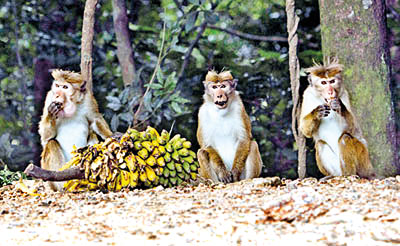
Compounding the crisis are the worsening effects of climate change. Erratic weather patterns, frequent droughts, and flash floods have severely disrupted agriculture, particularly in the country’s dry zones. Meanwhile, unchecked wildlife damage—including crop destruction by monkeys and peacocks—has resulted in an estimated 20% drop in overall production.

International agencies have stepped in to fill the gaps. The World Food Programme (WFP), in collaboration with local authorities, is working to expand access to fortified foods and support smallholder farmers.

Yet experts warn that these interventions, while essential, are not a substitute for a comprehensive national policy. The International Water Management Institute (IWMI) has also stressed the need for better integration of water and energy resources to ensure food system resilience—another area where government response has lagged.

Adding further pressure is a deteriorating global economic environment. A recent report by the United Nations Conference on Trade and Development (UNCTAD) described Sri Lanka as being caught in a “perfect storm” of financial instability, unsustainable debt, and weakening economic growth. Food price volatility, according to the report, will continue to plague countries like Sri Lanka in the months ahead.

UNCTAD also highlighted the risk posed by external trade shocks. Sri Lanka, which relies heavily on the United States for exports—valued at nearly USD 2.9 billion annually—was recently hit by a 44% tariff under the Trump administration. Though implementation of the tariff has been paused for 90 days, it has already sparked concerns over the country’s economic resilience.

With the global economy expected to slow to 2.3% growth this year, UNCTAD warns that low-income countries will bear the brunt of reduced investment and rising uncertainty. For Sri Lanka, the ongoing food crisis is a stark indicator of the government’s inadequate preparedness and lack of coordinated strategy.Despite international support, the path forward remains uncertain. Unless swift and sustained action is taken to address both structural vulnerabilities and immediate food needs, millions of Sri Lankans will continue to face a precarious future.

Sri Lanka EPF Delivers Record Real Returns amid Debt Restructuring, Deflation

0

By: Staff Writer

April 21, Colombo (LNW): In 2025, Sri Lanka’s Employees’ Provident Fund (EPF)—the retirement fund for private sector workers managed by the Central Bank—has emerged as a standout performer in terms of real returns, despite being part of the government’s broader domestic debt restructuring (DDR) initiative. This marks a significant moment for the fund, with implications for both savers and economic policy observers.

In 2024, the EPF declared an 11% interest rate on member balances, following an even higher 13% return in 2023. While nominal returns were slightly lower this year, deflationary conditions amplified their real value.

The Colombo Consumer Price Index registered a 1.7% decline in prices during 2024, largely due to a deflationary monetary stance and the strengthening of the Sri Lankan rupee. Consequently, the real return on EPF balances hit 12.7%—the highest in recent memory—up from 9% in 2023.

This performance comes amid tight monetary policies adopted by the Central Bank since September 2022, including the appreciation of the rupee from 363 to below 300 by the end of 2024. These policies, coupled with easing global commodity prices due to improved U.S. monetary policy, helped suppress inflation.

 As a result, the EPF delivered double-digit real returns for the first time in decades—an exceptional achievement for a state-managed retirement fund.Despite undergoing debt restructuring as part of the IMF-supported program to reduce rollover risk, the EPF has managed to both preserve capital and enhance its real value.

The restructuring involved trading in existing government bonds for lower-yield alternatives or facing a 30% tax on income, up from 14%. The Central Bank opted to exchange bonds, mitigating the tax burden while maintaining stability in returns.

In terms of financial performance, the EPF reported a 2.9% increase in interest income, reaching Rs. 455.1 billion. Dividend income rose sharply by 82.9% to Rs. 5.5 billion, and fair value gains on listed equities nearly doubled to Rs. 49.2 billion, highlighting a healthy performance in its equity portfolio alongside its traditional government securities investments.

The broader monetary environment remains a concern. Under a new legal framework, the Central Bank is now targeting 5% inflation annually, with a permitted ceiling of 7%. Critics argue that this risks a return to inflationary conditions, undermining purchasing power—especially for retirees and low-income earners.

Historically, stable or deflationary environments yielded real interest rates equal to nominal ones. Economists caution that reintroducing inflation could reignite social unrest, especially if essential costs like food rise disproportionately.

As 2025 progresses, the EPF’s strong real returns and stable asset base offer a rare positive indicator in Sri Lanka’s economic recovery, though its future sustainability will depend on careful navigation of monetary policy, inflation targeting, and continued protection during fiscal consolidation efforts.

MP Chamara Sampath remanded again over financial misconduct allegations

0

April 21, Colombo (LNW): New Democratic Front MP Chamara Sampath Dasanayake has been ordered to remain in remand custody until May 05, as investigations into alleged financial irregularities during his time in office continue to unfold.

The decision was handed down by the Badulla Magistrate’s Court earlier today (21), following his formal appearance before the bench.

Dasanayake, who served as Chief Minister of the Uva Province prior to entering national politics, is currently the subject of a criminal inquiry into suspected misuse of public resources.

At the heart of the allegations lies an incident in which he is said to have misappropriated funds earmarked for early childhood education initiatives.

Specifically, investigators allege that he solicited a sum of one million rupees under the pretext of supporting preschools, using the official Provincial Council’s letterhead to confer legitimacy upon the request.

Rather than ensuring the funds reached their intended beneficiaries, it is claimed that the entire amount was instead directed into Dasanayake’s personal bank account by way of a cheque.

The transaction has raised significant concern among anti-corruption authorities and triggered renewed calls for transparency in the management of provincial finances.

The accused was initially remanded in connection with this case earlier this month, and today’s proceedings merely extend his custody as legal teams prepare for further hearings.

BREAKING: Pope Francis Dies at 88: A Humble Shepherd’s Final Journey

0

By: Isuru Parakrama

April 21, World (LNW): This morning, the Catholic world was plunged into mourning as the passing of Pope Francis was formally announced from the Vatican.

Cardinal Kevin Farrell, Camerlengo of the Apostolic Chamber, delivered the news from the Casa Santa Marta at 9:45 AM, stating that the Bishop of Rome had died peacefully at 7:35 AM after a prolonged period of illness.

Jorge Mario Bergoglio, known to the world as Pope Francis, passed away at the age of 88. Remembered as a deeply pastoral figure, his life was marked by unwavering commitment to the marginalised and a mission to reshape the Catholic Church in the image of compassion, humility, and reform.

His death, though long anticipated due to his fragile health, has left a profound void across religious and secular communities alike.

Pope Francis had been under medical care at the Agostino Gemelli Polyclinic Hospital since mid-February 2025, following a recurring battle with respiratory complications. His condition deteriorated in the days after his admission, with doctors confirming bilateral pneumonia by February 18.

Though he returned to the Vatican’s Casa Santa Marta to continue his recovery after 38 days in hospital, it became increasingly evident that his health was in sharp decline.

Health issues had accompanied him for most of his adult life. In 1957, as a young seminarian in Buenos Aires, Bergoglio underwent surgery to remove a portion of his lung damaged by infection.

In his later years, these early complications returned to haunt him, most notably in the form of frequent respiratory illnesses. In November 2023, he cancelled a high-profile visit to the United Arab Emirates due to lung inflammation and influenza.

The years that followed were marked by declining stamina, though his resolve remained steadfast.

Pope Francis’ papacy, which began in 2013, will be remembered as one of radical humility and outreach. He consistently redirected the Church’s focus toward service, particularly to the poor and vulnerable, emphasising mercy over judgement and dialogue over dogma.

His critics often challenged the pace of reform or his stance on certain issues, but few denied his profound moral clarity and personal integrity.

In a symbolic act that now bears deeper meaning, Pope Francis had personally approved a revised edition of the liturgical book governing papal funerals just a year prior, in April 2024.

This updated Ordo Exsequiarum Romani Pontificis reflects his desire for simplicity and spiritual focus, eschewing the traditional trappings of grandeur in favour of a ceremony rooted in faith and discipleship. His funeral, which is yet to be formally announced, is expected to honour these wishes.

Under the new funeral directives, the verification of death will occur in the chapel rather than the late Pope’s private quarters, and his body will be placed directly into the coffin without the previously required interval for public viewing.

According to Archbishop Diego Ravelli, Master of Apostolic Ceremonies, this change symbolises Pope Francis’ vision of the papacy as a ministry of service rather than an office of power.

Archbishop Ravelli noted, “This revised rite underscores that the burial of the Roman Pontiff is that of a shepherd and a follower of Christ, not that of a worldly dignitary.”

As bells tolled across Rome and flags were lowered, tributes poured in from around the world. Messages of sorrow, gratitude, and remembrance flowed not just from heads of state and fellow religious leaders, but also from the countless individuals who saw in Francis a rare and genuine spiritual father.

Whether speaking from the loggia of St. Peter’s Basilica or embracing the poor on the streets of Rome, he embodied the Gospel’s call to love without condition.

In life and now in death, Pope Francis has left behind a Church transformed—not in doctrine, perhaps, but in posture. He bent the Church’s ear closer to the cries of the forgotten and turned its gaze to the peripheries, where faith and suffering meet in their rawest forms.

His passing may mark the end of an era, but his example will endure—as both an invitation and a challenge to those who follow.

Foreign reserves see sharp boost amid IMF support and currency management

0

By: Isuru Parakrama

April 21, Colombo (LNW): Sri Lanka’s foreign reserve position experienced a significant uplift in March 2025, marking a notable improvement in the island’s external finances.

This development follows the receipt of a key disbursement from the International Monetary Fund (IMF), alongside the Central Bank’s active intervention in the domestic currency market.

New figures reveal that the country’s gross official reserves climbed by US$ 431 million during March, elevating the overall total to approximately US$ 6.52 billion.

A major share of this increase stemmed from the arrival of the fourth instalment under the IMF’s Extended Fund Facility—a financial support arrangement designed to stabilise Sri Lanka’s economy in the wake of its severe debt crisis.

The tranche, valued at around US$ 334 million, forms part of a broader US$ 2.9 billion stabilisation package expected to extend through to 2027.

In tandem with IMF support, the Central Bank of Sri Lanka (CBSL) continued its focused effort to strengthen reserves through foreign currency absorption. Over the course of March, the Bank acquired a significant US$ 401.9 million from domestic banking sources without engaging in any parallel sales, a strategy intended to carefully manage the appreciation trajectory of the Sri Lankan Rupee.

This is a sharp rise compared to the net acquisition of just US$ 70.3 million recorded in February. Altogether, foreign currency purchases for the first quarter of 2025 have amounted to US$ 484.5 million.

Authorities have clarified that such monetary operations are part of a calibrated strategy to shield the rupee from appreciating too rapidly, which could disrupt the competitiveness of Sri Lankan exports and remittances.

Despite the Central Bank’s efforts, the rupee has experienced a mild depreciation of 2 per cent against the US dollar since the beginning of the year.

As of April 17, the currency held steady at an average exchange rate of Rs. 298.71 to the dollar, unchanged from the previous week but notably stronger than the Rs. 300.24 observed in April 2024.

The recent improvement in reserve accumulation also reflects broader macroeconomic dynamics. Overseas remittances have surged to their second-highest monthly level in recent history, providing a welcome buffer to the country’s foreign exchange position.

At the same time, tourist inflows have remained strong, bolstered by renewed interest in Sri Lanka’s travel sector and improved international perception of the island’s post-crisis stability.

Meanwhile, export performance, though challenged by fluctuating global trade conditions and the threat of new tariff regimes from key partners like the United States, has remained largely resilient. Revenue from other services, particularly in sectors such as logistics, IT, and professional consulting, has further supported the external account.

Whilst near-term headwinds remain—including the prospect of tightening external credit markets and persistent fiscal vulnerabilities—Sri Lanka’s ability to build up its foreign currency reserves in early 2025 signals cautious optimism.

ETF sees asset growth despite majority of accounts remaining dormant

0

April 21, Colombo (LNW): At the close of 2024, Sri Lanka’s Employees’ Trust Fund (ETF) saw a notable rise in its financial standing, despite a strikingly low rate of active participation amongst its members.

Data released by the Central Bank of Sri Lanka (CBSL) reveal that of the 16.3 million member accounts registered under the ETF, only 2.3 million—just 14.11 per cent—were actively maintained during the year.

This low engagement rate did little to stifle the fund’s overall performance, which saw strong year-on-year expansion across several key indicators.

The ETF’s total asset base grew by 12.7 per cent, ending the year with a value of Rs. 591.3 billion.

The increase in contributions and returns suggests that whilst few members are actively engaging with their accounts, the fund’s long-term investments continue to yield considerable returns.

One of the most prominent signs of this upward trajectory was the increase in employer participation. The number of contributing employers rose from 74,927 in 2023 to 80,008 by the end of 2024, indicating a steady, if moderate, formalisation of employment and adherence to mandatory contributions.

Total member balances also expanded in step, growing by 11.9 per cent year-on-year to reach Rs. 564.3 billion. Contributions for the year totalled Rs. 42.0 billion, marking a 12.9 per cent rise.

However, the total amount disbursed to members in the form of superannuation benefits fell by 12.7 per cent, with only Rs. 33.4 billion paid out—raising questions about accessibility, awareness, or procedural hurdles that may limit withdrawals.

From an investment perspective, the fund remained heavily reliant on government securities, which accounted for an overwhelming 94.7 per cent of the total investment portfolio.

By the end of 2024, investments in government instruments stood at Rs. 550.5 billion, having increased by 14.7 per cent over the year. Overall, ETF investments grew to Rs. 581.1 billion, up 12.8 per cent from the previous year.

Despite the structural issues suggested by the dormancy of most accounts, the fund posted an 11.9 per cent return on investment for its members in 2024—an encouraging figure for the long-term health of the trust and for the value it offers to contributors.

Nevertheless, concerns remain regarding the disconnect between account activity and fund performance. Analysts argue that the high volume of inactive accounts reflects deeper systemic issues, such as job instability, gaps in enforcement, or insufficient financial literacy amongst workers regarding their retirement savings.

With only a fraction of the fund’s members actively engaged, questions are being raised about whether the fund’s growth is truly reflective of wider social security inclusion or merely the result of a small segment of compliant employers and account holders.

Election complaints: Highest single-day figure recorded ahead of Local Polls!

0

April 21, Colombo (LNW): Election-related grievances surged dramatically on April 19, with authorities registering 162 new complaints—marking the highest single-day figure recorded since the campaign period commenced on March 20.

The complaints, logged by 4.30 pm, reflect a mounting atmosphere of political unrest and intensifying contestation ahead of Sri Lanka’s Local Government elections.

A total of 1,874 complaints have been formally documented within the past month, according to figures released by the Election Commission.

These include a wide range of alleged legal violations, underscoring deepening concerns around the integrity and conduct of the electoral process at grassroots level.

The complaints have been channelled through two principal mechanisms established for monitoring and response. Of the overall tally, 145 cases were received by the National Centre for Election Complaint Management—tasked with centralised oversight of electoral irregularities—while a much larger share, 1,720 complaints, were reported at district-level centres across the island, reflecting the geographical spread of tensions.

Though most complaints relate to breaches of election laws—ranging from misuse of state resources and unauthorised propaganda to procedural violations—nine incidents of physical violence have also been reported, raising alarms about deteriorating conditions in the pre-election environment.

Election monitoring groups have expressed particular concern that such developments could escalate further as polling day nears.

Sweeping educational reforms set to launch in 2026 aimed at bridging school inequality

0

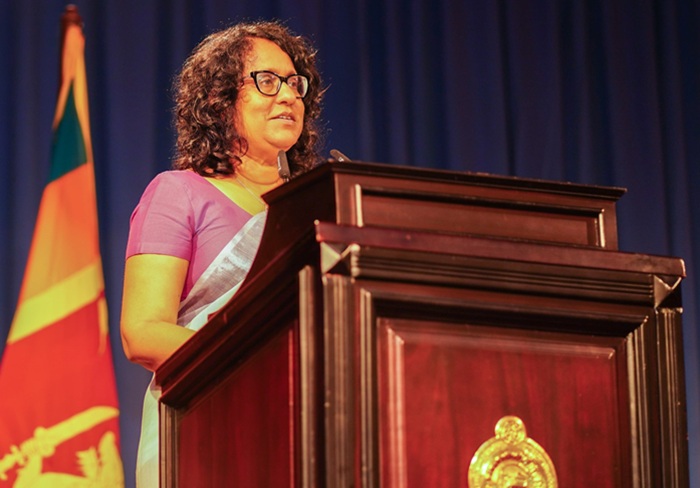
April 21, Colombo (LNW): Prime Minister Dr Harini Amarasuriya unveiled plans to introduce far-reaching reforms intended to eliminate longstanding disparities between schools nationwide.

The initiative, earmarked for implementation in 2026, will serve as a central pillar of the government’s broader vision for educational transformation.

Speaking at a public meeting held at the Irattaperiyakulam Town Hall in the Vanni District, the Prime Minister outlined her government’s commitment to reshaping the educational landscape in a way that prioritises equality, inclusion, and long-term empowerment.

The event drew a large audience, including local parliamentarians and members of the National People’s Power (NPP) movement, which leads the current administration.

A cornerstone of the proposed reform is a commitment to guarantee all children across the country access to thirteen uninterrupted years of education. The move is designed to close the gap between urban and rural schools, and between students of differing socio-economic backgrounds.

The Prime Minister emphasised that the new system will depart from a rigid, examination-heavy structure, making way for a curriculum that fosters broader development and cultivates essential life skills.

Dr Amarasuriya highlighted that the upcoming national budget has earmarked the largest-ever allocation for education in Sri Lanka’s post-independence history. This investment, she stated, reflects the government’s understanding that a meaningful transformation of the sector requires changes at every level—from pedagogy and curriculum design to infrastructure and teacher training.

To support this transition, the Prime Minister announced plans to revamp the country’s teacher education institutions. Particular attention is being paid to the improvement of teacher training standards and the upgrade of physical infrastructure at training colleges.

As part of this effort, a Sinhala-medium teacher training college in Vavuniya District, which had been dormant for several years, is to be rehabilitated and reopened using newly allocated budgetary funds.

Dr Amarasuriya stressed that the reform programme is not just an administrative undertaking, but a moral obligation to future generations. She explained that the vision underpinning the project is to build an education system capable of equipping students not only with academic knowledge but with resilience, critical thinking, and a strong ethical foundation.

The objective, she said, is to ensure that education becomes a force for empowerment rather than exclusion.

The public meeting also saw the participation of Deputy Minister of Co-operative Development Upali Samarasinghe, along with Vavuniya District MPs S. Thilakanathan and M. Jegatheeswaran. Several NPP candidates for local government seats and members of the public were present to hear first-hand about the government’s ambitions for the education sector.

Vatican honours 167 Easter Sunday victims in Sri Lanka as Martyrs of Faith

0

April 21, Colombo (LNW): A profound gesture of recognition has come from the Vatican, as 167 Sri Lankan Catholics who perished in the coordinated Easter Sunday bombings of 2019 have been formally honoured as martyrs.

The announcement was made by the Archbishop of Colombo, His Eminence Cardinal Malcolm Ranjith, during a poignant ceremony held to mark six years since the devastating attacks.

The victims, who died during services at St. Anthony’s Shrine in Kochchikade and St. Sebastian’s Church in Katuwapitiya, have now been officially inscribed in the Catalogue of the Witnesses of the Faith by the Dicastery for the Causes of Saints—a body within the Roman Curia responsible for the canonisation process and recognising those who have died for their beliefs.

The acknowledgment designates the deceased as Heroes of Faith, a deeply meaningful designation within the Catholic tradition that highlights both the brutality of the event and the spiritual endurance of those who were targeted.

This declaration comes as Sri Lanka continues to grapple with the aftermath of one of its darkest days, when multiple suicide bombings on April 21, 2019 claimed the lives of more than 260 people and injured hundreds more across several locations, including churches and luxury hotels.

The attacks, orchestrated by a local Islamist extremist group with alleged international links, sent shockwaves through the nation and provoked a global outcry.

Speaking at the memorial mass held at St. Anthony’s Shrine—one of the two churches directly affected by the blasts—Cardinal Ranjith said the Vatican’s recognition is not only a spiritual tribute but also a call to the wider world to remember the victims not merely as casualties, but as individuals who died upholding their faith in the face of senseless violence.

The Archbishop presided over the solemn service, attended by grieving families, members of the clergy, and a wide cross-section of the public. As prayers were offered and candles lit, there was a prevailing atmosphere of reflection, reverence, and quiet resilience.

Mourners were not only honouring those who died but also renewing their calls for truth, accountability, and justice—demands that have echoed for years amid widespread criticism of investigative delays and political inertia.

Cardinal Ranjith has remained a vocal critic of successive governments for what he describes as an inadequate response to the tragedy and an apparent reluctance to pursue justice for those affected.

On numerous occasions, he has insisted that the true masterminds behind the attacks remain unidentified and that the pursuit of justice has been clouded by political interference and bureaucratic apathy.

The Vatican’s recognition, therefore, carries not only spiritual significance but also a symbolic reminder of the global Church’s solidarity with Sri Lanka’s Christian community.

By acknowledging the victims as martyrs, the Holy See reinforces a narrative of faith enduring in the face of terror—an affirmation many survivors and relatives have clung to amid a continuing struggle for closure.

Six Years On: A Nation Still Healing from the Scars of Easter Sunday

0

By: Isuru Parakrama

April 21, Colombo (LNW): Six years have passed since the morning of April 21, 2019, when Sri Lanka was shaken to its core by a series of coordinated bombings that tore through churches and luxury hotels, claiming the lives of over 260 innocent people and injuring over 500 more.

As the country marks the sixth anniversary of the Easter Sunday attacks, memories remain painfully vivid, and the call for justice continues to echo across communities, transcending religious and ethnic boundaries.

The attacks, which targeted Catholic worshippers celebrating Easter Mass and foreign guests at high-end Colombo hotels, were carried out by a group of Islamist extremists affiliated with a local militant outfit.

Their actions shattered a decade of relative peace following the end of Sri Lanka’s brutal civil war in 2009. For many, it felt like history had cruelly repeated itself, replacing the hope of reconciliation with fear, uncertainty, and grief.

Time, whilst offering some solace, has not dulled the pain for the families who lost their loved ones in the carnage. Parents who lost children, spouses robbed of their partners, and survivors bearing both physical and psychological scars continue to navigate a world that changed forever in the space of a few minutes.

The wounds inflicted that day run deep, etched not only into personal lives but also into the collective conscience of the nation.

Every year since 2019, solemn memorials have been held in the affected churches—St. Sebastian’s Church in Negombo, St. Anthony’s Shrine in Kochchikade, and Zion Church in Batticaloa—where survivors, families of victims, and members of the clergy come together in prayer and remembrance.

The sight of flickering candles, photographs of the departed, and tearful tributes are stark reminders of what was lost. Though some survivors have found ways to rebuild, the scars of that dark morning are permanent.

Beyond the personal tragedies, questions surrounding accountability, justice, and prevention remain largely unanswered. Investigations and commissions were launched with promises of transparency and reform, yet many families and citizens feel betrayed by the lack of concrete outcomes.

Key findings have been mired in political wrangling, bureaucratic delays, and a perceived absence of will to prosecute those responsible for negligence. The perceived inaction has bred frustration, with victims’ families questioning whether the lessons of that day have truly been learned.

Religious leaders, particularly within the Catholic Church, have persistently called for justice and truth, demanding clarity about the lapses in intelligence that allowed the attacks to unfold despite prior warnings.

The Archbishop of Colombo, His Eminence Cardinal Malcolm Ranjith, a vocal advocate for accountability, has been unwavering in his calls for answers, representing not only his congregation but a broader national yearning for closure and truth.

Despite the pain, moments of unity have emerged. In the aftermath of the attacks, communities of all faiths and backgrounds stood together in solidarity. Buddhists, Hindus, Muslims, and Christians lit candles and held vigils side by side, determined not to let violence divide them.

It was a powerful statement against extremism—that Sri Lanka’s mosaic of faiths and ethnicities could coexist, even amidst profound sorrow.

This sixth anniversary is a poignant time for reflection—not only to remember the innocent lives lost but also to ask what kind of society Sri Lanka wishes to become.

“Are the lessons of Easter Sunday being translated into policies that safeguard pluralism, social cohesion, and security? Has the tragedy become a catalyst for change, or has it faded into the routine of political cycles?

For many Sri Lankans, the memory of Easter Sunday remains not just a national tragedy, but a personal marker of grief, resilience, and unresolved pain. The need to remember is not merely ceremonial—it is essential to honour the victims, to demand justice, and to ensure that such horror is never repeated. Only through sustained reflection and honest reckoning can the country move towards healing.

As church bells ring once more across the island on this solemn day, they do so not only in mourning but as a call to conscience. Six years on, Sri Lanka stands at a crossroads—still bearing the weight of its sorrow, still demanding the truth, and still striving, however haltingly, toward peace.