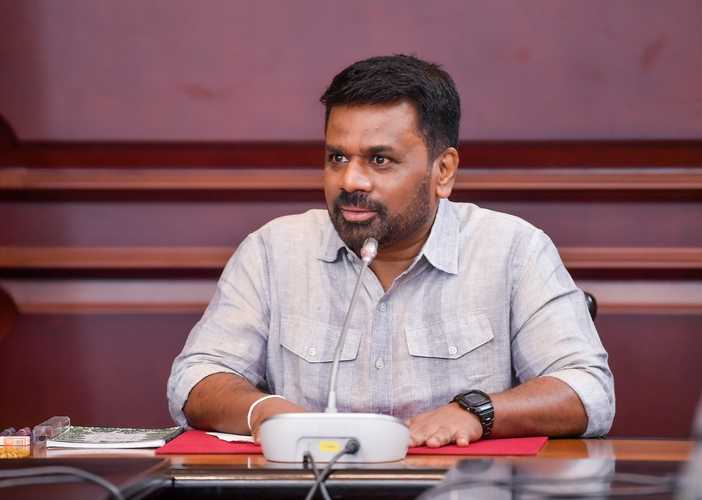
President Anura Kumara Dissanayake stated that Sri Lanka will not be allowed to fall into an economic crisis similar to the one experienced in 2022, despite growing public concerns over the current economic situation.
The President made these remarks yesterday (22) while attending a ceremony marking the resumption of construction work on the Nintavur Cultural Centre in Ampara.
Addressing the gathering, President Dissanayake acknowledged that the country is currently facing economic pressure due to the escalating conflict in the Middle East, which has affected fuel prices, foreign exchange flows, tourism, and exports. However, he stressed that the government has the capacity to manage the situation effectively.
He said the administration remains committed to the mandate given by the public to build a strong economy, combat corruption, uphold the rule of law equally for all citizens, and reduce excessive political privileges.
The President noted that significant progress has already been made in enforcing the law regardless of political power, wealth, or social status, while steps have also been taken to remove special privileges previously enjoyed by politicians, including pension benefits.
Commenting on the economy, President Dissanayake explained that rising global fuel prices and increased import costs due to the Middle East conflict had created pressure on the Sri Lankan rupee and increased demand for US dollars.
He added that tourism revenue and some export earnings had also been affected, contributing to the current economic strain.
However, the President rejected comparisons to the 2022 financial collapse, emphasizing that Sri Lanka’s current financial position is far stronger than it was at that time.
“In 2022, the country did not have sufficient rupees and the Central Bank had almost no dollar reserves. Today, the Central Bank holds nearly USD 7 billion in reserves, and we expect to receive another USD 700 million soon,” he said.
The President assured the public that the government would not allow shortages of essential goods such as fuel, gas, milk powder, or fertilizer to occur again.
He also highlighted the government’s recent relief efforts during Cyclone Ditwah and amid the economic impact of Middle East tensions, stating that the administration remains focused on protecting the public during difficult periods.
President Dissanayake further said that although the country is facing economic pressure, the situation is being managed systematically and responsibly, adding that attempts to create fear by comparing the current conditions to 2022 are misleading.
Chief Health Epidemiologist Dr. Palitha Karunapema says viral meningitis is currently spreading among schoolchildren in several areas of the country, but stressed that there is no need for undue public fear.
Speaking to the media, Dr. Karunapema stated that the disease was first reported from Deniyaya and has since been identified in several other areas.
According to health authorities, 28 cases have been reported from Diyatalawa, 13 from Welimada, and 25 from Rikillagaskada.
He confirmed that investigations and medical testing have identified the illness as viral meningitis, and that health officials are continuing to closely monitor the situation.
Dr. Karunapema noted that the disease is primarily affecting schoolchildren, with common symptoms including high fever, headache, nausea, and vomiting.
“All affected patients have been admitted to hospitals, and with proper treatment the disease can be cured within five to seven days. Therefore, there is no need for undue fear,” he said.
He further stated that necessary measures are already being taken to control the spread of the illness and ensure all patients receive proper medical care.
The Epidemiologist also urged the public to remain cautious during the ongoing rainy season and Vesak period and to follow health guidelines to minimise transmission.
He warned that the infection can spread through contaminated food and water, stressing the importance of maintaining proper hygiene practices.
Health authorities are also working closely with schools to reduce the risk of further spread among students, he added.
The Government has taken urgent steps to introduce new cyber security laws as the threat of cyber-attacks against Sri Lanka continues to increase, Digital Economy Deputy Minister Eranga Weeraratne told Parliament.
Responding to questions raised by New Democratic Front (NDF) MP Ravi Karunanayake under Standing Order 27/2 yesterday, the Deputy Minister said the proposed Cyber Security Act is currently in the draft stage.
He stated that the government expects to enact the new cyber law, along with the proposed “Cyber Crimes Regulatory Authority,” by the end of this year in order to address the growing threat of cyber-attacks.
“The Government acknowledges that cyber security has now become a matter related to national security, economic stability, public trust and digital sovereignty,” Weeraratne said.
He noted that the rapid expansion of digital public services, digital payment systems, identity card systems, cloud infrastructure, and citizen services has increased opportunities for cyber-related crimes in Sri Lanka.
According to the Deputy Minister, the government is moving away from a reactive approach and towards a coordinated national cyber resilience strategy through policy reforms, cyber security systems, guidelines, and public awareness initiatives.
He further pointed out that Sri Lanka currently has no legal requirement mandating the reporting of cyber security incidents to the Sri Lanka Computer Emergency Readiness Team (SLCERT).
“The proposed Cyber Security Act is currently in the draft stage. The new cyber law and the proposed ‘Cyber Crimes Regulatory Authority’ under it are expected to be enacted by the end of this year,” he added.
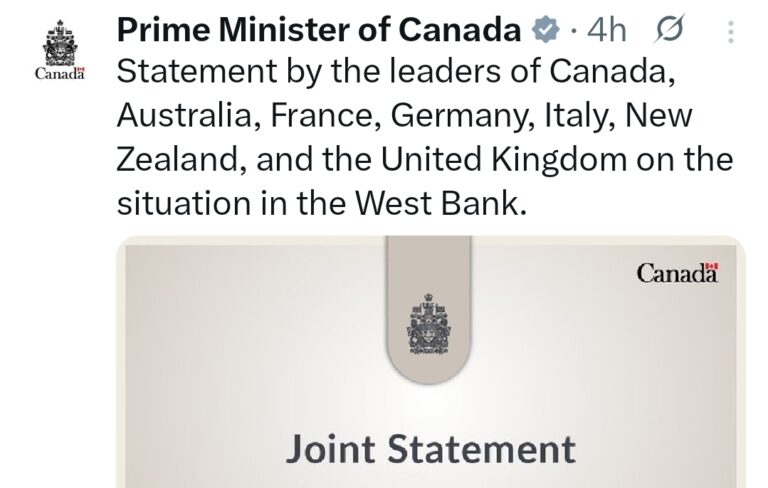
Seven countries, including Canada, the United Kingdom, France, and Germany, have issued a joint statement expressing concern over the worsening situation in the West Bank, warning that Israeli settlement expansion and settler violence are undermining prospects for a two-state solution.
The statement, issued on Friday by the leaders of Canada, Australia, France, Germany, Italy, New Zealand, and the United Kingdom, said settler violence in the West Bank had reached “unprecedented levels” in recent months.
The countries reiterated that Israeli settlements in the West Bank are considered illegal under international law and warned that proposed construction projects in the E1 area could effectively divide the West Bank in two.
They described the planned expansion as a “serious breach of international law.”
The joint statement also urged businesses not to engage in settlement-related construction projects, cautioning that such involvement could carry legal and reputational risks.
The seven nations called on the Israeli government to halt settlement expansion, ensure accountability for settler violence, investigate allegations involving Israeli forces, and ease financial restrictions imposed on the Palestinian Authority.
They further reaffirmed their support for a negotiated two-state solution based on relevant United Nations Security Council resolutions, with Israel and Palestine existing side by side in peace and security.
The Sri Lankan rupee showed signs of recovery at the close of interbank transactions today (May 22), with the selling rate of the US dollar falling below the Rs. 340 mark at several commercial banks.
The rupee had experienced sharp depreciation and significant volatility against the US dollar over the past few days.
The highest selling rate was recorded yesterday (May 21), when the value of the US dollar climbed to Rs. 354, reflecting an increase of Rs. 12 compared to the previous day.
According to the latest rates issued this afternoon by several leading commercial banks, the selling rates of the US dollar were as follows:
Bank of Ceylon – Rs. 336.50
People’s Bank – Rs. 338.86
Commercial Bank – Rs. 342.50
Hatton National Bank – Rs. 340.00
Sampath Bank – Rs. 340.50
Nations Trust Bank – Rs. 336.49
The movement comes amid continued attention on exchange rate fluctuations and ongoing efforts by authorities to stabilise the currency market.
South-West monsoon is gradually getting established over the island.
Showers or thundershowers will occur at times in Western, Sabaragamuwa and North-western provinces and in Galle, Matara, Kandy and Nuwara-Eliya districts.
Heavy falls about 100 mm are likely at some places in Western and Sabaragamuwa provinces and in Galle and Matara districts.
A few showers will occur in Anuradhapura district.
Showers or thundershowers may occur at a few places in Uva province and in Ampara and Batticaloa districts after 1.00 pm.
Fairly strong winds about (30-40) kmph can be expected at times over Western slopes of the central hills, Northern, North-central, North-western and Southern provinces and in Trincomalee district.
The general public is kindly requested to take adequate precautions to minimize damage caused by temporary localized strong winds and lightning during thundershowers
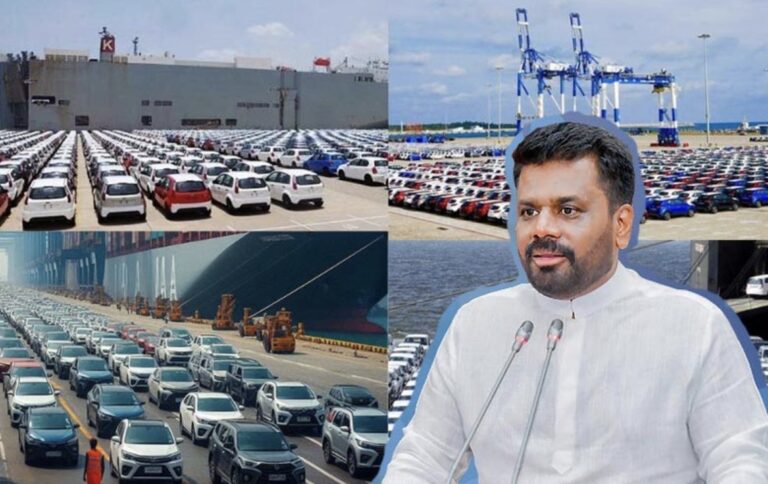
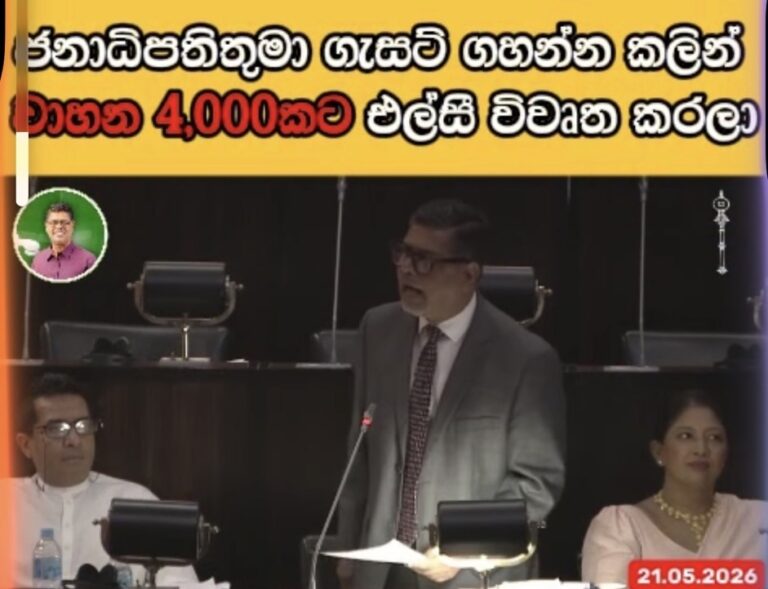
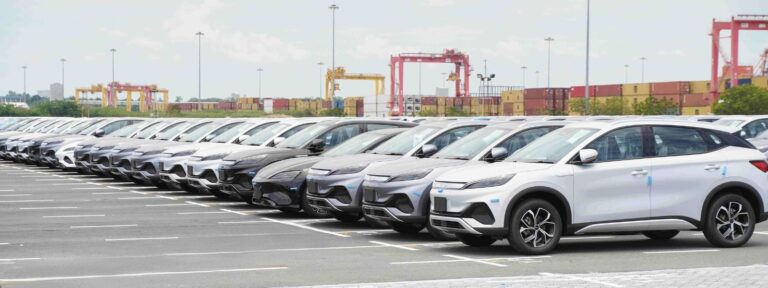
Questions were raised both inside and outside Parliament by opposition politicians after customs import taxes on vehicles were increased by 50% from May 16, while 1,782 Letters of Credit (LCs) had reportedly been opened for vehicle imports on the previous day, May 15.
Opposition members alleged that certain leading companies had opened LCs for large quantities of vehicles due to an internal information leak regarding the impending tax increase. They further claimed that those companies were expected to gain unfair profits as a result.
However, an additional clause has now been added to the extraordinary gazette notification issued by President Anura Kumara Dissanayake in his capacity as Minister of Finance regarding the tax revision.
According to the new clause, even if LCs were opened on or before May 15, the 50% surcharge mentioned in the gazette must still be imposed if any amendment is made to the number of vehicles, vehicle identification number (VIN), vehicle details, or technical specifications of the vehicles.
Customs sources explained that companies importing vehicles in bulk usually do not open LCs with engine numbers or chassis numbers included at the initial stage. Those details are generally provided later by vehicle manufacturers. However, the LCs become fully effective only after such numbers are added.
As a result, customs sources stated that all companies that opened LCs on or before May 15 for bulk vehicle imports are likely to be subject to the new 50% tax surcharge.
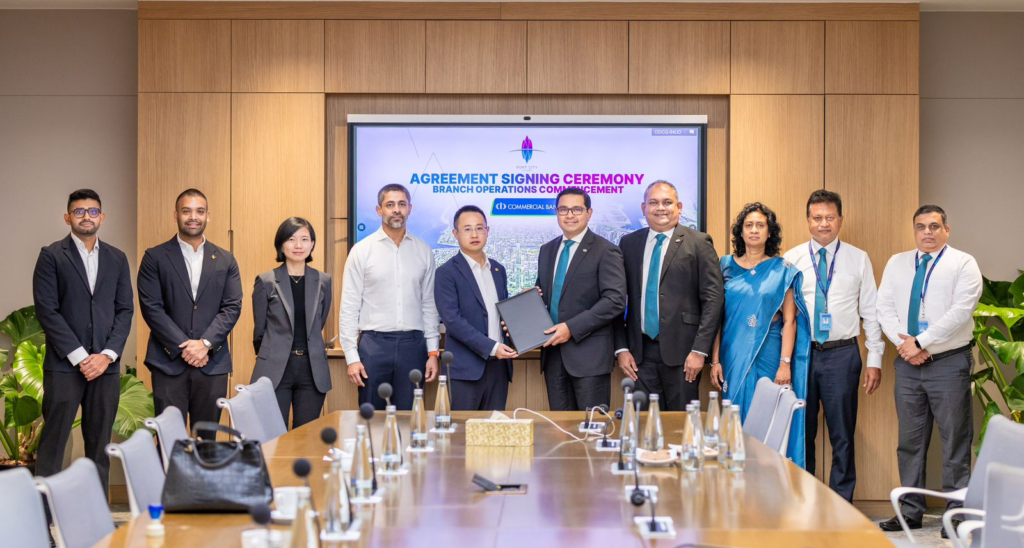
Demonstrating its commitment to supporting the nation’s next phase of economic transformation, Commercial Bank of Ceylon has become the first bank in Sri Lanka to enter into an agreement to establish a fully-fledged branch at Port City Colombo, marking a significant step in the Bank’s strategic expansion into the country’s emerging international financial hub.
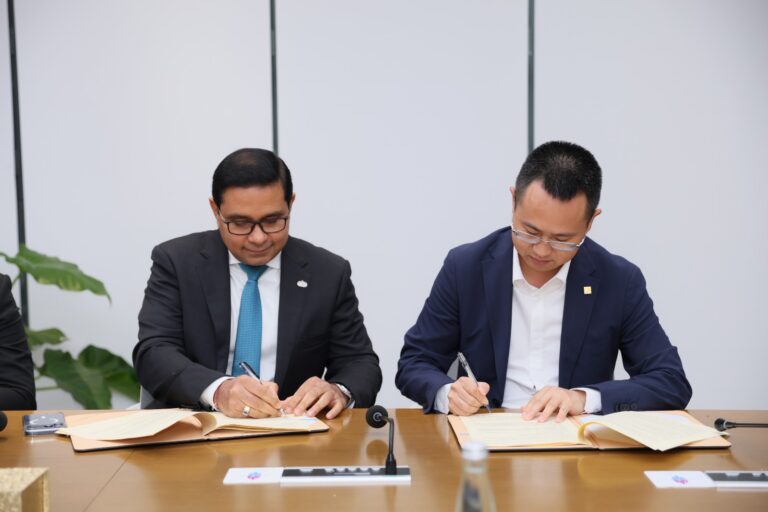
The agreement was signed by Mr. Sanath Manatunge, Managing Director/CEO of Commercial Bank, and Mr Xiong Hongfeng, Managing Director of CHEC Port City Colombo (Pvt) Ltd. The partnership further reinforces Commercial Bank’s position at the forefront of Sri Lanka’s evolving financial landscape.
The proposed branch will function as a fully-fledged banking branch, offering a full spectrum of products and services tailored to the needs of corporates, investors, businesses and retail customers operating within the Port City Colombo ecosystem. These will include digital banking facilities, trade services, foreign currency transactions, corporate banking solutions, deposits, lending, card services and remittance facilities.
By establishing a presence within Port City Colombo, the Bank said it aims to further strengthen its ability to support cross-border business and investment flows while positioning itself to meet the sophisticated requirements of global investors, multinational corporates and high-net-worth individuals expected to operate within the Special Economic Zone.
Commenting on this ground breaking initiative, Mr. Sanath Manatunge, Managing Director/CEO of Commercial Bank said the Bank’s decision to establish a fully-fledged branch within Port City Colombo reflects both its long-term confidence in the project and its readiness to support the evolving needs of a globally integrated financial ecosystem.
“As Sri Lanka’s largest private sector bank with a strong track record in serving corporates, international clients and high-value businesses, we see Port City Colombo as a pivotal development in the country’s economic future,” he said. “Our presence within this Special Economic Zone will enable us to seamlessly support cross-border transactions, facilitate international trade and investment, and deliver world-class banking solutions backed by advanced digital capabilities. Being the first bank to formaliseplans for a full-service branch within Port City Colombo reaffirms our role as a pioneer in driving financial innovation and supporting national development.”
A 269-hectare extension of Sri Lanka’s central business district, Port City Colombo is being developed as a multi-service Special Economic Zone designed to serve as a regional financial centre, business and lifestyle hub. One of the largest public-private partnership projects in the country, it is envisioned as a catalyst for high-value investments, underpinned by advanced infrastructure, cutting-edge technology and a progressive regulatory framework.
“Our role as master developer goes beyond building the city itself. It is about creating the foundations for a functioning international business and financial hub,” said Mr XiongHongfeng, Managing Director of CHEC Port City Colombo (Pvt) Ltd. “The establishment of institutions such as Commercial Bank within Port City Colombo is an important part of that process, because it brings real operational depth and credibility into the ecosystem from an early stage. It reflects the broader momentum behind the project and the growing shift towards a more globally connected, investment-driven economy in Sri Lanka.”
Designed as a vibrant, future-ready urban development, Port City Colombo will feature a mix of commercial, residential and leisure components, including a yacht marina, duty-free retail spaces and luxury waterfront developments. With a strong focus on attracting international businesses and investments, it is expected to play a transformative role in positioning Sri Lanka as a competitive regional hub for financial and professional services.
With this latest milestone, Commercial Bank further consolidates its leadership in Sri Lanka’s banking sector while aligning its growth strategy with the country’s ambitions to build a globally connected, investment-driven economy.
The first Sri Lankan bank with a market capitalisation exceeding US$ 1 Bn., and the first bank in the country to be listed among the Top 1000 Banks of the World, Commercial Bank has the highest capital base among all Sri Lankan banks, is the largest private sector lender in Sri Lanka, and the largest lender to the country’s SME sector. Ranked No. 1 in the Business Today Top 40, the Bank is recognised as the most respected and most-awarded Bank in Sri Lanka, is a leader in digital innovation and is the country’s first 100% carbon-neutral bank.
Commercial Bank operates more than 270 strategically-located branches and an extensive network of automated machines island-wide, and has the widest international footprint among Sri Lankan banks, with 21 branches in Bangladesh, a fully-fledged Tier I Bank with a majority stake in the Maldives, a microfinance company in Myanmar, and a representative office in the Dubai International Financial Centre (DIFC). The Bank’s fully-owned subsidiaries, CBC Finance PLC. and Commercial Insurance Brokers (Pvt) Limited, also deliver a range of financial services via their own branch networks.
The allegation raised by Opposition MP Mujibur Rahman is not a minor procedural complaint. If proven true, it strikes at the very core of governance, market integrity, and public trust. The charge is simple but explosive: that politically connected companies and businessmen received advance information about the President’s vehicle import surcharge Gazette and rushed to open Letters of Credit before the announcement became public.
According to the figures presented, 1,782 brand-new vehicles had LCs opened on May 15 — just one day before the surcharge was officially announced. That timing alone raises serious questions. In any functioning democracy, such an extraordinary coincidence would immediately trigger a transparent investigation. Who were the importers? Which companies opened the LCs? Which banks facilitated them? Who knew about the Gazette before publication? The public has a right to know.
Poor Governance
This is not merely about vehicle imports. It is about whether insider access to government decisions has become a business model for a privileged few. When ordinary citizens struggle under crushing taxes, inflation, and economic hardship, the perception that a select circle profits from confidential state decisions is deeply damaging. Sri Lanka has already paid a terrible price for economic mismanagement, opaque policymaking, and the culture of patronage that contributed to the country’s collapse in 2022. Any hint that lessons have not been learned will destroy what little confidence remains.
If billions in revenue were indeed lost because importers beat the surcharge deadline using advance information, then this is not just unethical — it borders on economic sabotage against the state itself. Every rupee lost is money denied to public services, debt reduction, and economic recovery. Governments cannot preach fiscal discipline to the public while allowing privileged insiders to exploit confidential policy decisions for private gain.
The silence from the authorities is equally troubling. The government must immediately publish the names of the companies involved, the dates of the LCs, and the number of vehicles imported under each entity. Transparency is the only antidote to suspicion. If there was no wrongdoing, then disclosure will clear the air. If wrongdoing occurred, those responsible must be held accountable regardless of political connections.
Sri Lankans were promised a new political culture after the economic crisis — one based on accountability, meritocracy, and clean governance. Yet allegations such as these reinforce the belief that governments change but the system remains the same: insiders win, the public pays.
What does this government stand for? That is now the defining question. Does it stand for transparency and equal treatment under the law? Or does it stand for protecting a network of politically connected business interests with privileged access to state information?
The answer will not come from speeches or press conferences. It will come from whether the government has the courage to expose the companies involved and allow a fully independent investigation into how such a suspicious sequence of events occurred.
Sri Lanka’s temporary 50% surcharge on vehicle imports, introduced abruptly on 15 May 2026, has ignited fierce debate over economic management, transparency, and the possibility of insider advantage within the import sector. While the government claims the move is necessary to protect the rupee and reduce pressure on foreign reserves, the dramatic surge in vehicle import Letters of Credit opened just before the deadline has created suspicions of information leaks and preferential treatment.
Under the directive issued by President and Finance Minister Anura Kumara Dissanayake, passenger cars, buses, and goods transport vehicles became subject to a steep 50% import surcharge for a period of three months beginning May 16. Essential transport categories such as motorcycles and three-wheelers were exempted in an effort to reduce hardship on lower-income consumers and small businesses.
What has caused controversy is the revelation that 380 separate Letters of Credit covering 1,782 vehicles valued at USD 23.71 million were finalized before the cutoff time. These imports remain fully exempt from the surcharge, allowing those importers to avoid massive additional costs that competitors must now bear.
Opposition figures and market observers argue that the sudden concentration of LC approvals cannot be dismissed as coincidence. Many believe certain importers received advance warning of the policy change, enabling them to secure exemptions before the announcement became public. Such actions, if proven, would represent a serious breach of market fairness and public trust.
The issue extends far beyond the vehicle trade itself. Sri Lanka is currently facing renewed pressure on its foreign exchange market as global oil prices rise and international uncertainty weakens investor confidence. The rupee has already lost significant value against the dollar in recent weeks, while demand for foreign currency continues to climb.
Economic experts explain that exchange markets often react not only to actual trade flows but also to fear and speculation. Businesses expecting further depreciation tend to accelerate dollar purchases, while exporters hold back conversions waiting for better rates. These psychological market forces described by economist John Maynard Keynes as “animal spirits” — can rapidly intensify volatility and trigger self-fulfilling currency crises.
In this context, the government defended the surcharge as an emergency measure designed to curb non-essential imports and stabilize the economy. Officials maintain that the policy is temporary and intended to reduce a rapidly expanding import bill that increased by over USD 2 billion within two months.
Nevertheless, the pre-deadline vehicle import surge may have produced the opposite short-term effect. The immediate need to settle nearly USD 24 million worth of imports has increased pressure on already strained reserves and intensified dollar demand at a time of accelerating rupee depreciation.
Consumers and dealers are also bracing for further price hikes. Industry representatives warn that vehicle prices are already climbing sharply due to exchange rate instability and new tax adjustments. Although the government insists strict anti-loophole measures will prevent abuse of the exempted imports, public skepticism remains high.
For many Sri Lankans, the controversy reflects a larger concern about whether economic policies are being implemented transparently or whether privileged insiders continue to gain advantages while ordinary citizens bear the burden of inflation, currency instability, and rising living costs.