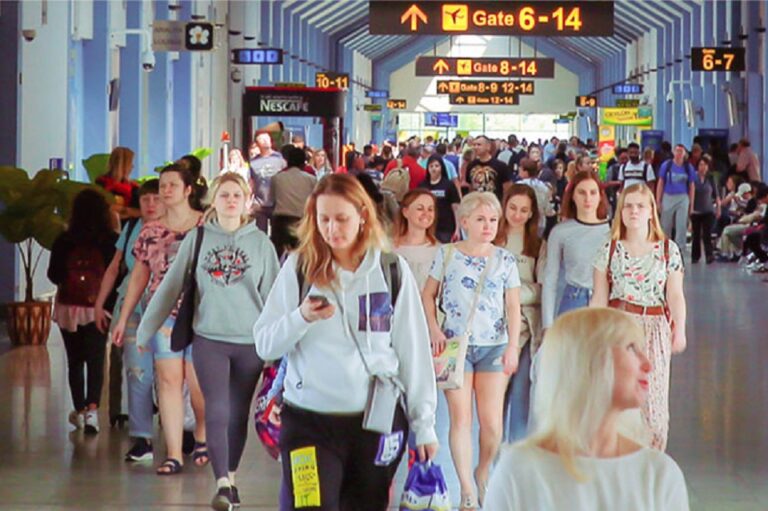
Sri Lanka welcomed 816,191 tourists from January 1 to April 15, 2025, reflecting a strong recovery in the tourism sector following the country’s unprecedented economic downturn.
According to statistics from the Sri Lanka Tourism Development Authority (SLTDA), India emerged as the top source market, contributing 136,535 visitors. Russia followed closely with 102,273 tourist arrivals during the same period. These two countries also led the tourist arrival figures for March, securing market shares of 17.1% and 12.7% respectively.
Tourist arrivals from the United Kingdom reached 22,447 in March 2025, up from 21,540 during the corresponding period last year. For the first fifteen days of April, Sri Lanka recorded 93,915 arrivals. Of these, 18,220 were from India, accounting for 19.4% of the total, while the UK, Russia, Australia, and Germany contributed 11,425, 8,705, 6,604, and 7,746 arrivals respectively.
From January to March, the data shows dynamic growth across several source markets. India continued to dominate with 118,315 arrivals—representing a 22.9% year-over-year increase—driven by geographic proximity and cultural ties. Russia retained a strong position with 93,568 visitors, though its growth was more modest at 2.6%.
European markets showed mixed but largely positive trends, with France and the Netherlands recording significant growth of 30.0% and 38.0% respectively. This surge is likely attributed to improved flight connectivity, higher disposable incomes, and successful promotional campaigns.
Tourist arrivals from the United Kingdom and Australia also surged, growing by 18.5% and 25.7% respectively, indicating growing appeal across diverse demographics. However, arrivals from China declined by 7.3%, pointing to ongoing post-pandemic recovery challenges or intensified competition from alternative destinations.
Emerging markets such as Poland (11.6% growth) and the United States (11.3%) also posted promising gains, signaling a broader diversification of Sri Lanka’s tourism base.
Defence Secretary Air Vice Marshal Sampath Thuiyakontha convened a special meeting on April 17, instructing the Commanders of the Tri-Forces to implement a comprehensive security programme ahead of Easter Sunday.
The measures, he said, must be carried out in close coordination with the Ministry of Public Security to ensure effective execution.
Emphasizing the need for a peaceful and secure environment for religious observance, the Defence Secretary noted that the initiative is aimed at preventing any disruptions similar to the tragic Easter Sunday attacks of 2019.
He stressed that Christians must be able to attend services without fear or inconvenience.
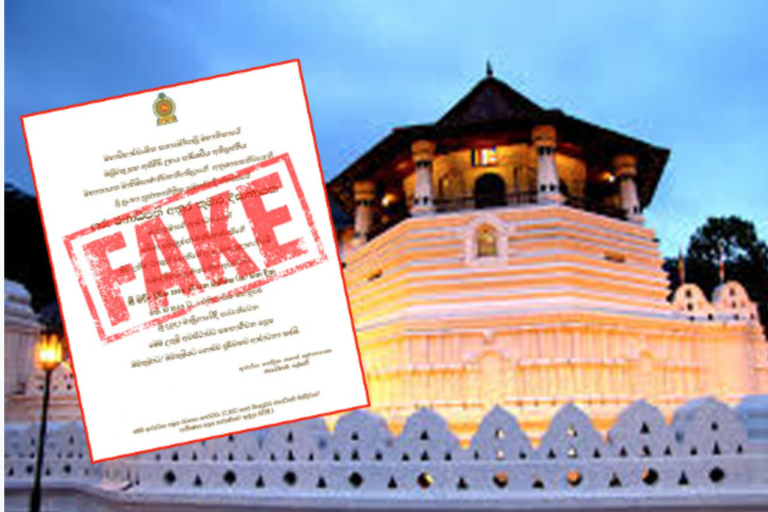
The President’s Media Division (PMD) has issued a warning to the public regarding a fraudulent invitation being circulated ahead of the “Siri Dalada Wandanawa” (Exposition of the Sacred Tooth Relic).
According to the PMD, the fake document falsely claims to be issued in the name of the Secretary to the President, Dr. Nandika Sanath Kumanayake, and instructs recipients to report to the President’s House in Kandy to attend the inauguration ceremony.
The PMD clarified that no official invitations have been issued to individuals for the event and dismissed the invitation as entirely fraudulent.
The statement further denied rumours circulating on social media that a special VIP queue has been arranged for the exposition based on this forged invitation, stressing that such claims are baseless and misleading.
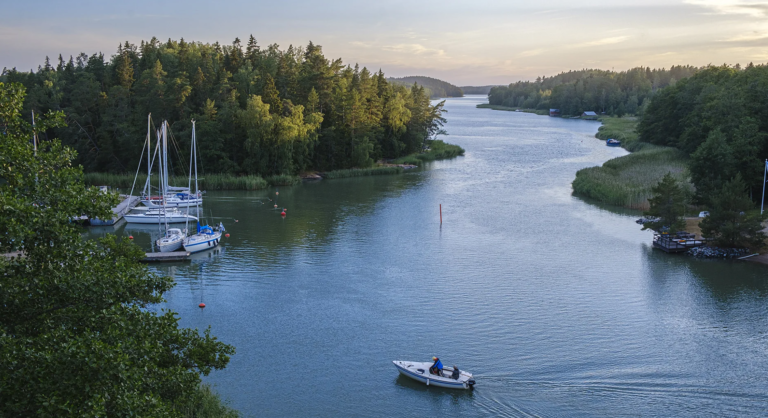
Finland has topped the World Happiness Rankings for the eighth year running – but the real appeal for travellers lies in the country’s deeply-lived values of balance, nature and everyday contentment.
Finns tend to accept the accolade of supreme happiness, bestowed on them by the UN’s World Happiness Report in March 2025 for the eighth time in a row, with a collective shrug and eye roll. But Finnish travel operators are celebrating as travellers increasingly make the connection between Finland and happiness, hoping to come and experience that Finnish brand of happiness for themselves.
However, don’t expect to be greeted with howls of laughter and cheerful quips when you land at Helsinki Airport or disembark from one of the Baltic ferries in the capital’s harbour. There is some truth in the perception of Finland being a no-nonsense, down-to-earth kind of nation. Generally, Finns are flattered – happy, even – to be honoured by the report’s conclusions, but while graciously accepting them, they feel “happiness” isn’t really the right word. Instead, “contentment”, “fulfilment” or “life satisfaction” are widely considered more appropriate terms. As Finnish President Alexander Stubb recently posted on Facebook: “No one can be happy all the time, and sometimes circumstance makes it difficult. But getting the basics right – security, freedom and equality – is a good start.”
But while the concept of happiness in Finland may be nuanced and culturally specific, it is deeply embedded in the fabric of daily life. Rather than seeking constant highs, the Finnish approach is rooted in balance, connection and quiet contentment – qualities that increasingly resonate with visitors. And for travellers, this state of being is not just something to observe but one to get involved with first-hand, through embracing the country’s nature, sauna culture, food, sustainable design and lifestyle.
“We see Finnish happiness as a summary of these five elements,” says Teemu Ahola, director of international operations at Visit Finland, “but we don’t measure or collect data to evaluate happiness as a single attraction in itself”.
Finland has been named the happiest country in the world for the eighth year in a row (Credit: Getty Images)
To experience these tangible, authentic aspects of Finnish life that underpin its consistent happiness ranking, Ahola suggests Finnish sauna culture as an increasingly popular, most globally identifiable attraction; and stresses that Finland is a safe country, naming the risk of bumping into free-roaming reindeer in northern Lapland as one of the few potential hazards for visiting tourists. Meanwhile, he adds, a new and confident generation of Finnish chefs has earned international respect for and interest in the Finnish culinary scene.
2025’s Happiest Countries
The 2025 top 10 happiest countries, in descending order, consist of Finland, Denmark, Iceland, Sweden, the Netherlands, Costa Rica, Norway, Israel, Luxembourg and Mexico. The Report’s findings are based on Gallup poll scores for inequality (or absence thereof), social support, GDP per capita, life expectancy, freedom, generosity, perceptions of corruption, positive emotions, and willingness to donate and volunteer. “Caring and Sharing” were chosen as general themes for the 2025 report, timely reminders of the societal virtues of empathy and community.
Finland is home to the world’s northernmost Michelin star restaurant, Tapio, in Ruka-Kuusamo; and the Saimaa Lakeland region was named a European Region of Gastronomy in 2024. Many restaurants across Helsinki celebrate the edible riches – mushrooms, berries, fish and game – that are accessible to all in the country’s endless forests, coastal archipelagos and inland waterways through Finland’s Jokaisenoikeudetor “Everyman’s Right”, a law that grants everyone the freedom to roam and forage.
Connect with nature
Helsinki, where most visitors start or end their trip, offers a first-hand glimpse of this national contentment. This is a seaside city, spread over a beautiful natural archipelago and reclaimed land. It’s easy to grab a city bike from one of the dozens of stands around town and head off to explore the coast-hugging cycling routes or disappear into Central Park, a belt of forest that stretches from the city centre to its northern periphery.
The endorphin boost experienced by this kind of freewheeling adventure and access to plentiful natural resources ties directly into the UN’s happiness metrics of life expectancy, freedom and positive emotions. This connection can be found at the heart of SaimaaLife, a nature and wellness company in eastern Finland’s sprawling Saimaa Lakeland region, run by mental health expert and guide Mari Ahonen.
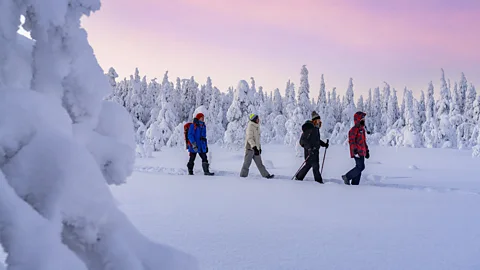
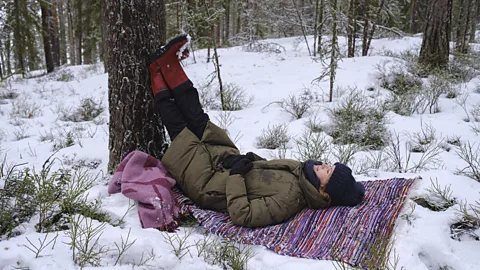
Ahonen is an enthusiastic advocate of the mental balance that Finnish nature and lifestyle have to offer and leads her guests through shinrin-yoku (forest bathing), traditional lakeside saunas, wild swimming, foraging trips for mushrooms and berries and cooking over an open fire.
Mari Ahonen runs forest bathing tours in the Saimaa Lakeland region where guests can connect to nature (Credit: Tim Bird)
“We Finns can be too modest,” she says. “We should notice the World Happiness status in a positive way. I’m a living example of having been able to develop a business with the support that has been available for my entrepreneurship. Some people say it’s a lottery win to be born in Finland.”
A lottery win, that is, in the form of life satisfaction and balance; of living comfortably and having “enough” in a material sense. This ceiling of expectation shouldn’t be confused with a lack of ambition or resourcefulness. After all, this is the birthplace of mobile communications pioneer Nokia, the distinctive garden tool and scissor brand Fiskars and textile and clothing icon Marimekko.
Stoic and stubborn
Finland isn’t immune from economic pressure or controversies, however, and the long, dark winters can put a strain on mental health. The Finnish idea of happiness also includes a dose of sisu: a hard-to-translate concept of resilience, fortitude, courage and grit. Finnish-Canadian author Katja Pantzar, who has written extensively about this perceived national quality, explains that it’s “a mindset that allows people and communities to work together in the face of challenges rather than give up or blame and attack others”.
She notes that the top four nations in the World Happiness Report are all Nordic countries with strong welfare systems designed to support the collective good. “Happiness is very culturally specific,” she said. “In Finland, there are many examples of everyday happiness that are available and accessible to everyone, whether it’s nature – every person in Finland is on average about 200m from the nearest forest, park, seashore or natural body of water – saunas, public libraries, safe and efficient public transport, free clean drinking water, education or healthcare.”
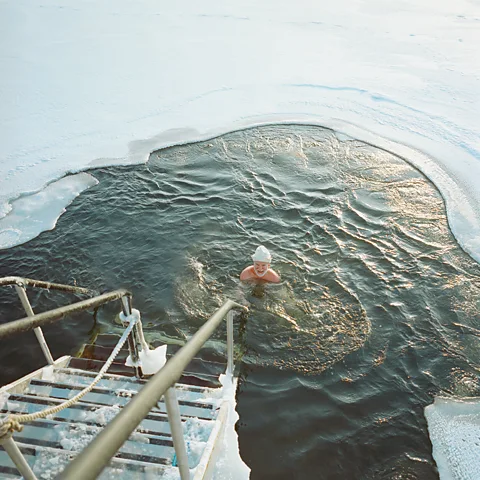
The Finnish tradition of contrast therapy blends the soothing warmth of a sauna with the exhilarating shock of cold exposure (Credit: Getty Images)
Pantzar also highlights the mood-boosting properties of contrast therapy – hot saunas followed by cold dips – as an accessible, every-day mood booster. “It’s incredibly easy to do in Helsinki, surrounded by the sea,” she says. “When you don’t need to travel great distances or pay large fees to have a quick dip, it’s easier to do more regularly, before or after work or on your lunch break.”
And while some Finns remain sceptical of the “happiest nation” label, most seem to appreciate what they have. “I don’t find it easy to think of Finland as the happiest country in the world,” says pensioner Juha Roiha. “In poorer countries like Thailand and Nepal, people seem relaxed in spite of any hardship. In Finland, you might sometimes hear people say that they’d be happier somewhere else. But within ourselves, with what we have, we’re happy.”
Happy Land – Finding the Inner Finn, a travel memoir by Tim Bird, will be published by Eye Books in the UK in January 2026. It takes a “sideways” look at Finland’s happiness status.
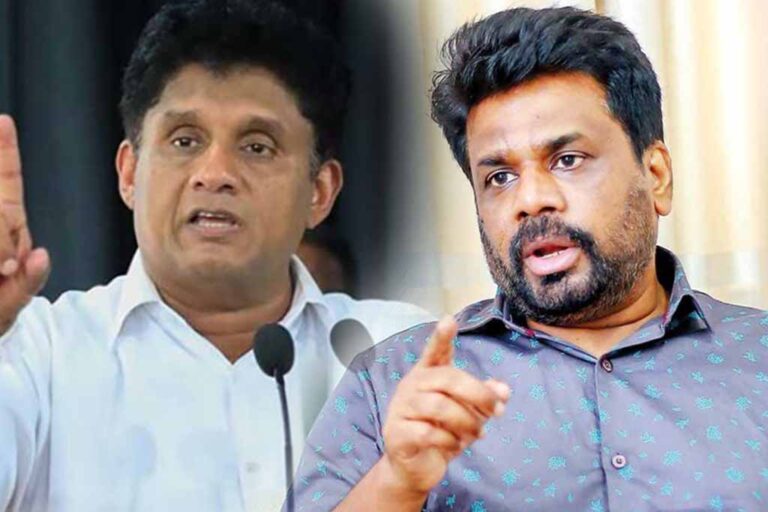
Opposition Leader Sajith Premadasa has sharply criticized President Anura Kumara Dissanayake over recent comments suggesting that the allocation of government funds to local councils may depend on which party controls them.
Speaking earlier today, President Dissanayake stated: “Before allocating funds, we have to inquire who is sending the proposal. If the Mannar Urban Council is with the NPP, then we will allocate funds with our eyes closed. However, if it is with another party, we will have to study the proposal at least 10 times. Why is this? Because we are not sure of those people.”
In response, Premadasa condemned the statement, calling it a blatant attempt to mislead the public and an example of “cheap political gimmicks.”
“This kind of politics is short-lived. The President is trying to fool the people by implying that only NPP-controlled councils will receive funding. Don’t be discouraged by such petty political intimidation,” he said.
The Department of Meteorology has issued a warm weather advisory for residents in the Northern, North-Central, North-Western, Western, Southern, and Eastern provinces, as well as the Rathnapura and Monaragala districts.
The heat index — the temperature as felt by the human body due to humidity and actual temperature — is expected to reach the ‘Caution Level’ in several areas today (April 18).
“This is the condition your body actually feels, not just the recorded air temperature,” the Met Department stated.
Authorities warn that prolonged sun exposure and outdoor activity may lead to fatigue and, if continued, can cause heat cramps.
Residents are urged to stay hydrated, avoid strenuous outdoor activities, and take necessary precautions to protect themselves from heat-related health risks.
Sri Lanka Police has introduced a comprehensive traffic management and guidance system for the upcoming exposition of the Sacred Tooth Relic (Siri Dalada Wandanawa), set to begin tomorrow (April 18) at the Sri Dalada Maligawa in Kandy.
A total of 10,000 police officers have been deployed to ensure the safety of devotees and manage traffic during the sacred event.
Additionally, the Police Information Technology Division has launched a dedicated online platform to assist devotees with essential information and real-time guidance. Attendees can access updates and instructions through the official website: daladadekma.police.lk.
The initiative aims to enhance the overall experience for pilgrims and improve coordination between the public and police during the religious event.
The Ministry of Defence has announced that heightened security measures will be in place across the country ahead of Easter Sunday on April 20.
Defence Secretary Air Vice Marshal Sampath Thuyacontha (Retd) has directed the commanders of the Tri-Forces to coordinate with the Ministry of Public Security to ensure the safety of the public, particularly during Easter services on April 18 and 20.
In parallel, Acting Inspector General of Police (IGP) Priyantha Weerasooriya has instructed Senior DIGs, SSPs, and OICs to strengthen security measures nationwide. Special attention is being given to churches expected to draw large congregations, with plans to deploy security personnel in and around these locations.
We live in an era dominated by citizen journalism and an overwhelming flow of mainstream media that spans the globe. From the moment we wake to the moment we sleep, we’re inundated with information—scrolling, tapping, swiping, constantly seeking meaning in fleeting soundbites and bite-sized clips. In this relentless churn, the noble art of journalism—built on patience, persistence, and principle—often fades into the background, overlooked and at times forgotten.
So, if one of the old guard were to fall, would it be like a tree crashing in a forest—would anyone even notice?
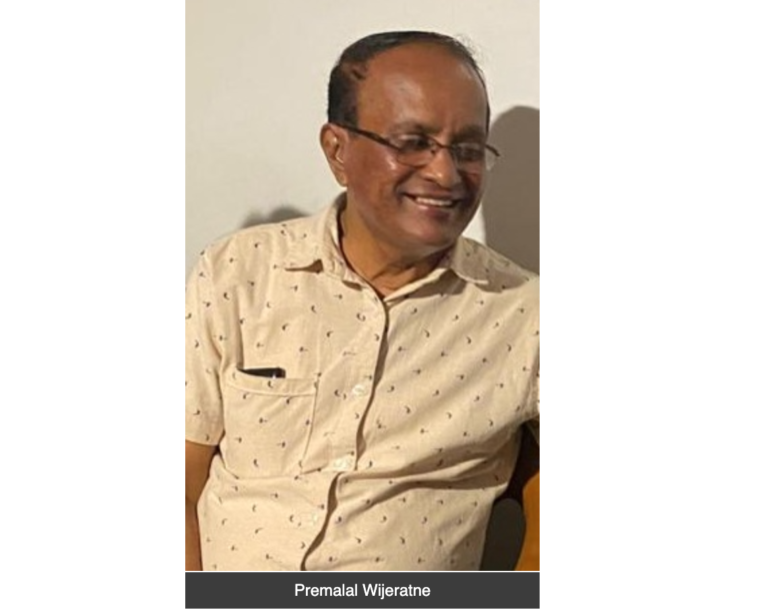
Premalal Wijeratne passed away early this morning, surrounded by his family. It was a heart attack, an ailment he’d quietly lived with, perhaps for the last 25 years. He was, first and foremost, a devoted family man, a loving husband and father. But beyond the bounds of his home, he was something rare: a man who genuinely cared. Even his enemies were not beyond his concern. If he knew someone was in trouble, he would move mountains to help. What some saw as obsession, others experienced as salvation. He had a gift for pulling off the impossible, smoothing jagged edges with quiet force and relentless commitment.
For me, he was something more. He was one of the best old-school journalists I’ve ever known — literally a bloodhound. He could unravel the most tangled story, chasing it down with a kind of dogged brilliance that’s hard to come by today. He did something few journalists do anymore i.e. he followed through. Even after a story hit the headlines, he would stay with it, track its ripples, and make sure it reached a real, meaningful conclusion. In a media landscape obsessed with speed and novelty, this alone made him exceptional.
Today, stories are assembled like instant noodles, two minutes and done. But Premalal came from a different tradition. His journalism was built slowly, with care and rigour. He verified, cross-verified, and triple-checked. He never relied on a single source, and often had more than three. It wasn’t just about facts; it was about truth. The story behind the story. “A journalist must have a nose,” he used to tell me — meaning, a scent for what lies beneath. That, perhaps, is what modern journalism misses the most.
His notebook, which was battered and bruised, was a testimony of the journey he took with each and every story; a virtual mind map of information that wound its way through intricate investigations. It was filled with phone numbers, notes on conversations he had with his contacts, and even his thoughts and doubts. A treasure trove of information gathering in the traditions of Woodward and Bernstein.
I first met Premalal 45 years ago, when I was a cub reporter at The Sun. He was already a respected senior at the sister paper, Dawasa. Back then, he was the news editor, one of the top jobs given only to the most seasoned veterans. Later, we worked together at The Sunday Leader, where he handled the police round, as he always had. He later joined me again, in the News 1st newsroom.
Premalal brought his old-school values with him and never let them go. In a fast-paced TV and radio newsroom full of young people, that sometimes caused friction. But as News Director, I didn’t bring him in to adapt. I brought him in to anchor us in integrity. And that he did, especially in the most sensitive areas — police, parliament, and court reporting where he found the right people to manage these areas. He shaped the foundation of that newsroom, even going on to manage Sirasa Radio, a flagship outlet in our multi-platform, multicultural news operation.
Over time, though, his refusal to change became a burden. He couldn’t type his own stories because he didn’t know how to use a computer. And in a newsroom that increasingly demanded journalists to produce their own video, audio, and text, he slowly became an outsider, and eventually, he had to move on.
But that wasn’t the end for him. He returned to print journalism and continued contributing to various papers, staying active until the very end. Journalism was in his blood, and he never stopped.
Premalal Wijeratne will go down as one of the greatest journalists this country has known. His name deserves a place in our Hall of Fame. His passing leaves a hole; not just for his family, but for all of us who knew that we could call him in a desperate moment, when we needed justice, or help, or simply hope. For me, he is no longer at the other end of the line, and no one can take his place.
Sleep well, my friend. You lived your life with honour, belief, and unwavering faith. A just reward awaits you now, as you begin your next assignment. I will always have you in my heart. You were a good friend.
New research is showing just how much plants and crops rely on a host of darkness-dwelling creepy crawlies.
Think pollination, and you will likely picture a butterfly or bee flitting between flowers. But while these are indeed important pollinators, both the natural world and our food supplies rely on a host of other creatures, some of them decidedly less appealing.
And recent research has also shown that pollinator diversity is just as vital for ecosystems and cultivated plants as the sheer numbers of pollinators, and found that this diversity is on the decline for similar reasons.
Scientists estimate that 3-5% of fruit, vegetable and nut production is lost globally as a result of inadequate pollination, affecting the availability of healthy food and threatening human health.
From cockroaches and beetles to the tiny “bees of the seas”, here are some of the most unexpected, and occasionally disconcerting, pollinators the world continues to rely on – even if we don’t always see them.
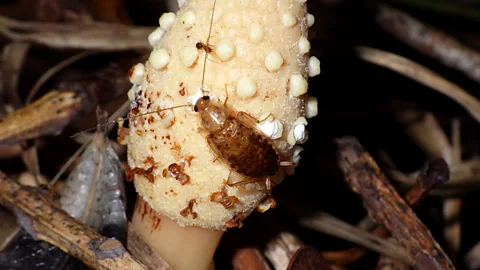
Cockroach Margattea satsumana in the process of pollinating a Balanophora tobiracola plant in Japan (Credit: Kenji Suetsugu)
Cockroaches
Cockroaches are, in the words of one study, “among Earth’s most despised creatures“. But recent research suggests they play a beneficial and long overlooked role as plant pollinators – especially in the darker areas of forest often avoided by the world’s more beloved bees and butterflies.
“Traditionally, pollination has been associated with bees, flies, moths and butterflies,” says Kenji Suetsugu, a professor of biology at Kobe University in Japan. “However, emerging studies reveal that unexpected visitors such as cockroaches can play significant roles under certain conditions.”
These “alternative pollinators”, he adds, are often particularly important in environments where conventional pollinators are scarce, such as “in dense, shaded understories where light is limited and typical pollinators are infrequent”.
As soon as the first ever flowers unfurled from their buds in the early Cretaceous period, they were visited by pollinators. But those first soft landings on their petals weren’t by bees or butterflies
In fact, a growing body of research suggests that cockroaches act as pollinators in a rich and varied range of ecosystems – a role that previously went mostly unnoticed by researchers, since the creatures are nocturnal and less obvious in their interactions with plants than bees. In recent years, cockroach pollination has been reported for plant species such as Clusia blattophila, which grows on rocky outcrops in French Guiana, and the rare and endangered Vincetoxicum hainanense in China, amongst others.
Suetsugu has studied the role of cockroaches in pollination in dense, evergreen forests on Yakushima Island, a lush, subtropical island off Japan. He was specifically interested in cockroach-assisted pollination of Balanophora tobiracola, a mushroom-shaped parasitic plant.
Since cockroaches are elusive and nocturnal, he used several tricks to better understand their interactions with this plant. For example, he set up a waterproof digital camera in front of one flowering plant which took photos of it in 50-second intervals from dusk till dawn for around three weeks. The resulting photographs – more than 34,000 shots – showed cockroaches visiting the flower at night. Suetsugu also captured cockroaches after they’d visited the plant to identify and count the pollen grains on their bodies.
To investigate how a single cockroach visit affected the plant’s chance of setting fruit, he enclosed five of the plant’s flowers with a fine mesh and opened it only for one visit by the Margattea satsumana cockroach (the most frequent cockroach visitor for this plant), then closed it again. He compared this with other treatments of the plant, such as covering the flowers with mesh for the entire flowering period, to exclude all pollinators.
The study, published in 2025, provides “the first direct evidence of effective cockroach pollination” in this type of plant, says Suetsugu. “In the case of a single visit [by a cockroach], nearly 40% of flowers developed pollen tubes, a strong indicator of successful pollination.”
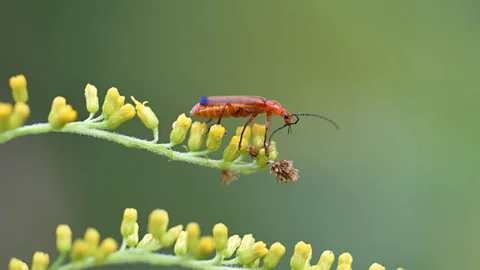
A goldenrod soldier beetle pollinates a goldenrod flower (Credit: Getty Images)
Beetles
As soon as the first ever flowers unfurled from their buds in the early Cretaceous period, they were visited by pollinators. But those first soft landings on their petals weren’t by bees or butterflies – instead, it’s thought that the pioneers of pollination may have had six scuttling legs and tough, shiny shells. They were beetles.
Beetles remain important pollinators to this day, often visiting flowers with the most seemingly unpromising allure – little nectar, greenish flowers, and an overpowering, possibly putrid smell, a set of traits known as “beetle pollination syndrome“.
Despite millions of years of evolution, beetles remain among the most frequent pollinators of primitive flowers which emerged among the dinosaurs, such as magnolias. And unlike the more well-known modern pollinators, many beetles like to operate at night, flying or crawling towards the warmth and delectable scent emitted by certain beetle-specialised flowers, such as lowiaceae orchids in Borneo which smell strongly of faeces – a favourite of dung beetles.
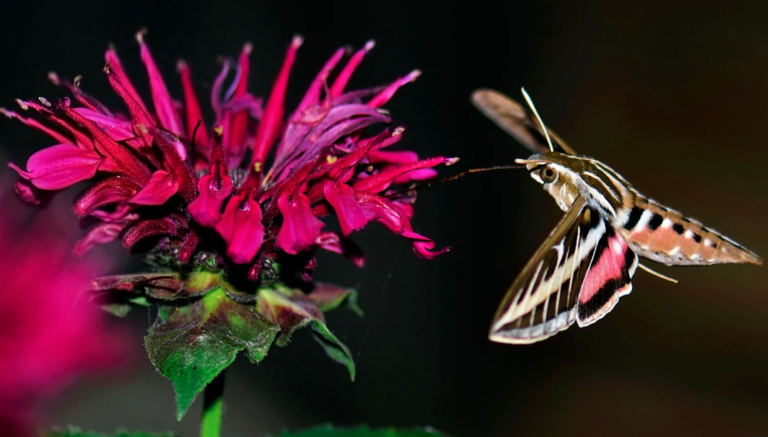
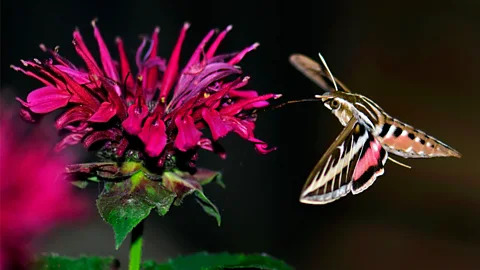
The white-lined sphinx moth, sometimes known as a “hummingbird moth”, is a widespread pollinator (Credit: Alamy)
Moths
As they hover above wild tobacco flowers, hawkmoths unfurl their 8cm (3in)-long proboscis to drink up its nectar – among their favourite meals. As they do this, grains of pollen are also pulled – as if by magic – across air gaps of several millimetres or even centimetres.
Do slugs and snails pollinate?
(Credit: Kenji Suetsugu)
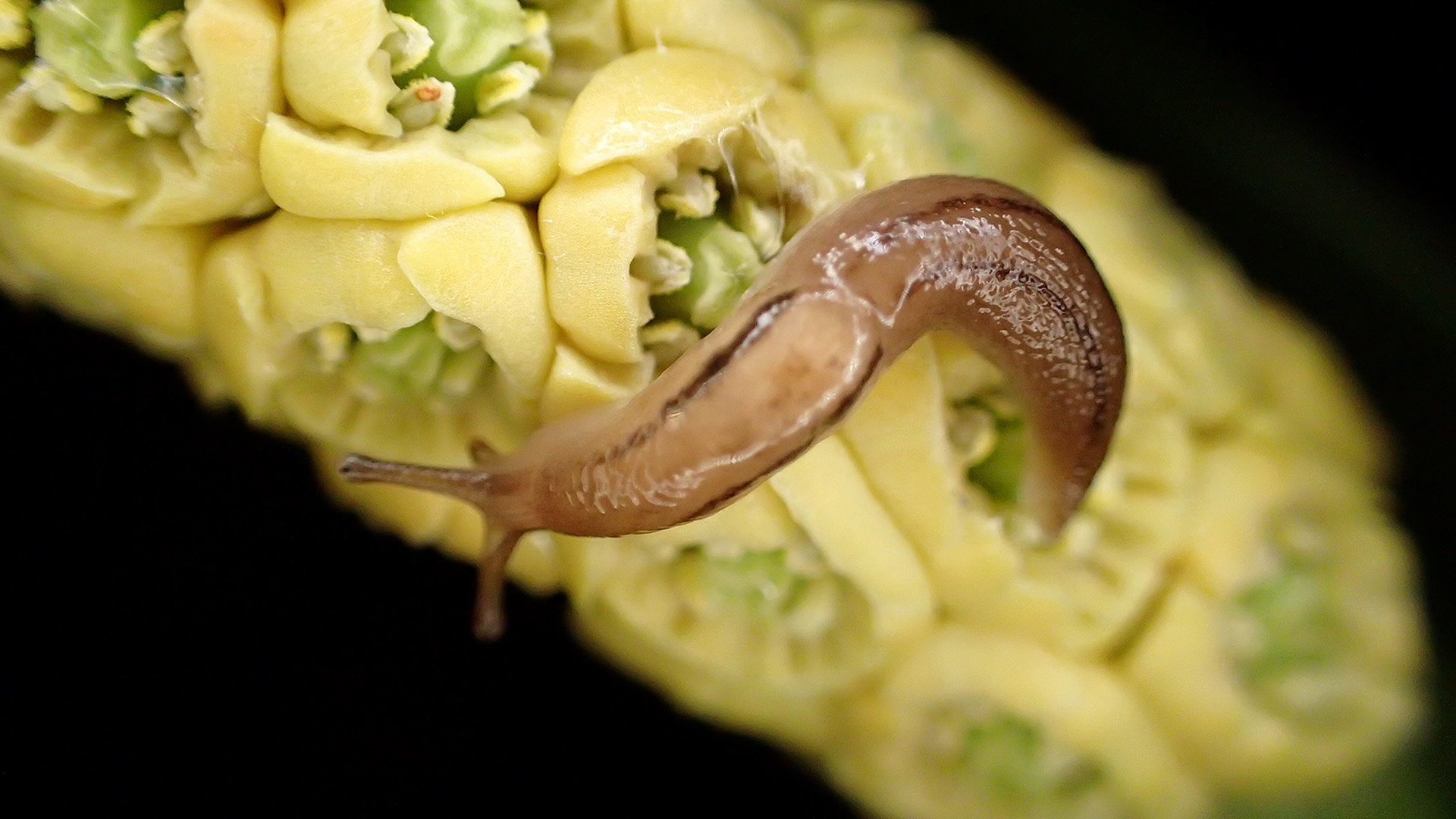
Suetsugu’s research on overlooked pollinators in Japan may also help solve a 100-year-old mystery in the field of pollination studies: do slugs and snails pollinate?
The idea that slugs and snails can pollinate plants is frequently mentioned in textbooks, but “robust evidence is surprisingly scarce”, says Suetsugu. This type of pollination, known as malacophily, sounds plausible: as slugs and snails glide over flowers, they pick up pollen and transfer it. However, given that snails and slugs eat flowers, it is unclear whether such visits ultimately help reproduction – or whether they gobble up the flowers before there is any chance of fruiting.
A 2019 study by Suetsugu found that a type of slug, Ambigolimax valentianus, transferred pollen via fine threads of viscous mucus after visiting flowers of the Rohdea japonica plant –but that this did not lead to fruiting.
This happens because, incredibly, moths collect so much static electricity whilst in flight that pollen is pulled through the air towards them. The fact that they don’t need to touch flowers in order to pollinate them makes them very good pollinators.
The majority of pollination research has tended to focus on day-flying insects, but researchers are now probing what is happening at night.
In 2023, researchers from the University of Sussex, UK, discovered moths may even be more efficient pollinators than bees. The team studied both daytime and nocturnal pollinator visits to bramble plants, a widespread species across Europe which is important to pollinators for its pollen and nectar. While the study found that 83% of all visits were made in the day, and just 17% made under cover of darkness (almost exclusively by moths), it also found the moths were able to pollinate the flowers more quickly than their daytime counterparts.
The authors say nocturnal pollination is understudied. As moths have been shown to transport pollen from wide variety of plant species, further research is needed to fully appreciate the role they and other nocturnal insects play in pollinating, they say.
Another recent study from the University of Sheffield, UK, found moths account for a third of all urban pollination. However, a lack of native plant species and diversity of plant life in cities, coupled with scent-stifling air pollution, is still leaving moths struggling to find their next meal. Now, experts are warning of an “alarming” global decline in moth abundance and diversity.
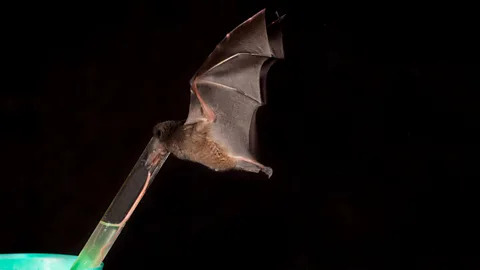
A tube-lipped nectar bat feeds on sugar water in a 2006 experiment to measure the size of its lengthy tongue (Credit: Alamy)
Bats
Bats are another oft-overlooked furry night-time pollinator. While most bats eat mainly insects, at least 500 plant species in the tropics and subtropics are pollinated largely by nectar-feeding bats. Scientists say that bat pollination (chiropterophily) could have advantages: their large size means they can transfer a lot of pollen at once, and they fly long distances compared with many other pollinators. However, the large size of bats can also make pollination by them energetically expensive for plants.
One example is the endangered greater long-eared bat, native to the south-western US and Mexico. It feeds mainly on the pollen and nectar of agave (used to make mezcal and tequila) and various cacti, hovering above the plants just like a hummingbird to feed. Along with the lesser long-nosed bat, it is the main pollinator of agave.
In fragmented tropical habitats, nectar bats play an important role in keeping certain plants populations healthy, but also in pollinating crops for farmers. However, researchers have warned that bats’ status as a long-overlooked pollinator means there is a lack of knowledge of how dependent crops are on bats for harvest yield and quality.
A 2020 study found, for example, that bats were the main pollinators of pitayas (dragon fruit), a major crop in central Mexico – and that when bats were excluded from pollinating this crop, yields decreased by 35%. Experts have also warned that decreased populations of bats could lead to a fall in agave abundance.
Like many other pollinators, bats are being impacted by environmental change around the world, with researchers warning that these changes are putting the pollination services bat species provide at risk.
Experiments have shown the marine isopod idotea balthica move spermatia on its body from male to female alga, increasing fertilisation (Credit: Alamy)
‘Bees of the seas’
Despite their tiny, inconspicuous flowers, seagrasses are capable of reproducing with no help from animals. Turtle grass, for example, a seagrass which grows in shallow seas across the Caribbean, has miniscule, pollen-producing male flowers and female flowers which don’t produce pollen. In coordinated cycles, the female flowers open, followed by male flowers, which release pollen into the tides after sunset.
A decade ago, it was widely believed this was the only way that seagrasses pollinated, with pollinating animals only visiting flowers that bloom in the open air. But in an experiment at an aquarium in Mexico in 2016, ecologist Brigitta van Tussenbroek from the Universidad Nacional Autónoma de México and her colleagues showed marine crustaceans were in fact playing a role.
Mostly, these bugs are at the whims of ocean currents, but when waters are calm, they are able to swim purposefully, earning them the nickname ‘the bees of the seas’
“At the onset of the night, many small organisms that were hiding during the day from predators started swimming around,” she says. The majority were barely visible crustacean larvae, which approached the male flowers to feed on the energy-rich pollen embedded in “a slimy and sticky substance”.
“Some of this substance and pollen attached to their body parts when they swim around, while also being tossed to-and-fro by the water movement,” says van Tussenbroek. On the receiving end, the female flowers have “tentacle-like stigmas which capture the small pollen-carrying organisms”, thus depositing the pollen grains.
Mostly, these invertebrates are at the whims of ocean currents, but when waters are calm, they are able to swim purposefully, she adds, earning these bugs the nickname “the bees of the seas”.
“This was a complete surprise,” says van Tussenbroek, and upended the belief that small free-moving fauna played no role at all in pollinating seagrass.
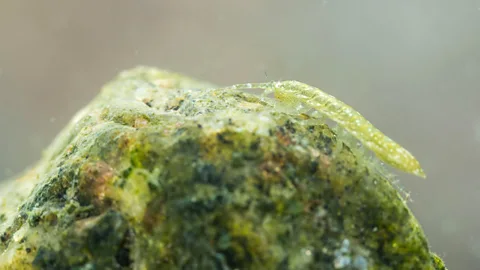
But perhaps even more surprising was the discovery in 2022 that tiny Baltic isopods help transport the pollen-like “spermatia” produced by red algae. Does it count as pollination if there is no pollen? The researchers call it “animal-mediated fertilisation” and ask what this means for our understanding of pollination, which is believed to have developed around 130 million years ago when flowering plants first appeared on land.
The discovery opens the possibility that these kinds of symbiotic interactions might have developed completely separately on land and in water – and that animal-mediated fertilisation may have emerged in the sea well before plants moved ashore.