Home Blog Page 645

Election Commission confirms Postal Voting schedule for 2025 LG Polls

0

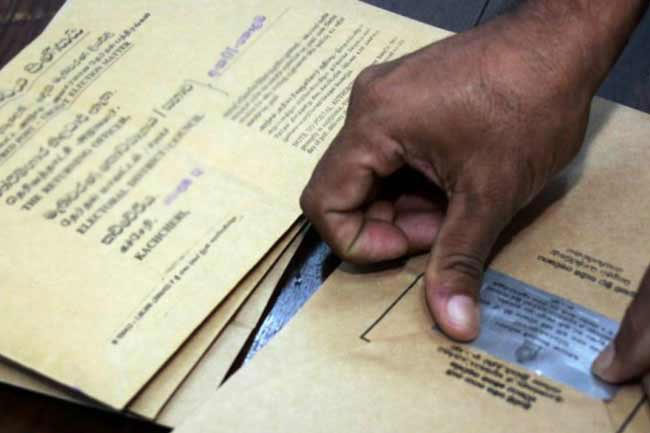
March 27, Colombo (LNW): The Election Commission of Sri Lanka has officially announced the schedule for postal voting in the upcoming 2025 Local Government Elections, ensuring eligible voters have multiple opportunities to cast their ballots ahead of the main polling day.

According to the commission’s statement, postal voting will take place on April 22, 23, and 24 across all District Secretariats and designated election offices.

These arrangements cater to government employees, security personnel, and other eligible individuals who are unable to vote in person on election day due to official duties.

In an effort to maximise voter participation, additional dates have been allocated for those unable to mark their postal ballots during the initial period.

Voters who miss the primary voting window will have the chance to complete the process on April 28 and 29 at designated centres.

The Election Commission has assured that all necessary logistical and security measures will be in place to facilitate a transparent and orderly voting process.

MP Chamara Sampath arrested over corruption allegations

0

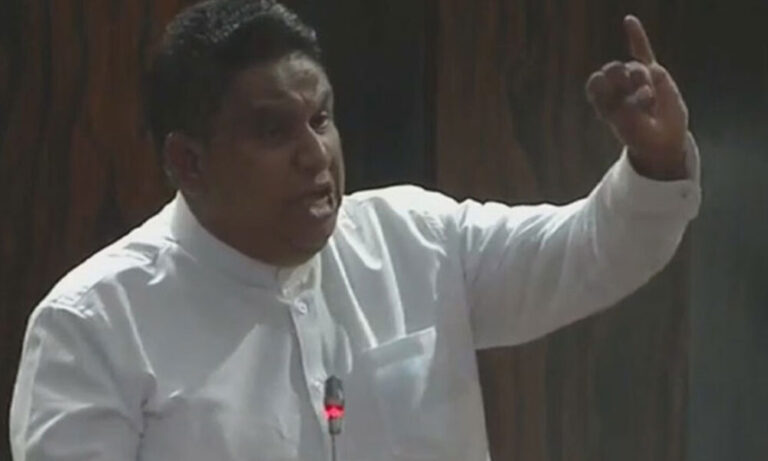
March 27, Colombo (LNW): Badulla District MP Chamara Sampath Dassanayake, a member of the New Democratic Front (NDF), has been taken into custody by the Commission to Investigate Allegations of Bribery or Corruption (CIABOC).

His arrest follows an inquiry into alleged financial irregularities linked to his tenure as the Chief Minister of Uva Province.

According to sources within the Bribery Commission, Dassanayake had been summoned for questioning regarding suspected misuse of public funds and administrative misconduct during his time in provincial office.

Following extensive interrogation, authorities deemed it necessary to detain him for further legal proceedings.

The investigation reportedly centres on allegations that provincial resources were misappropriated for personal or political gain, though officials have yet to disclose specific details of the accusations.

Dassanayake is set to be presented before the Colombo Magistrate’s Court, where legal proceedings will determine the next course of action.

Govt moves forward with parliamentary process to remove suspended Police Chief

0

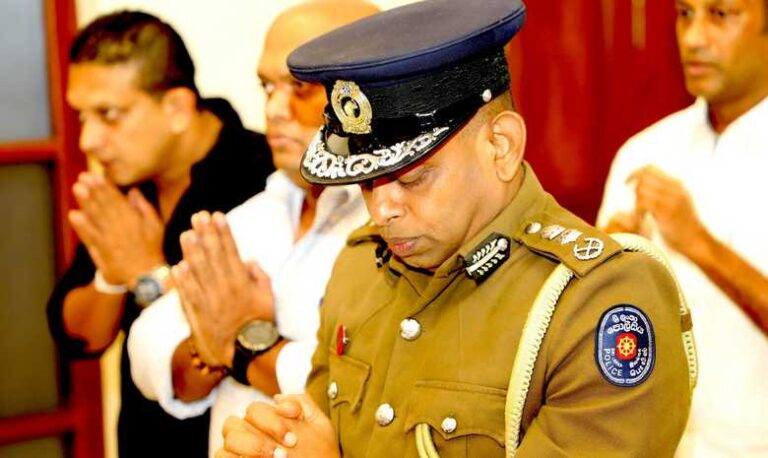
March 27, Colombo (LNW): The Sri Lankan government has initiated the formal process to remove suspended Inspector General of Police (IGP) Deshabandu Tennakoon, following the legal framework outlined in the Removal of Officers (Procedure) Act, No. 5 of 2002, Cabinet Spokesman Minister (Dr.) Nalinda Jayathissa confirmed.

Speaking at a press briefing, Jayathissa outlined the steps required to dismiss the embattled police chief. Under the existing legislation, a motion seeking the removal of the IGP must be supported by at least 75 members of Parliament.

However, in a show of significant backing, 115 MPs have already signed the proposal, which has been formally submitted to the Speaker.

On Tuesday, a group of National People’s Power (NPP) lawmakers put forward the motion, listing 27 corruption allegations against Tennakoon.

Opposition Leader Sajith Premadasa has also lent his support, stating that the Samagi Jana Balawegaya (SJB) will back the initiative in Parliament.

Jayathissa expressed confidence that the motion would secure the necessary parliamentary approval when it is taken up for debate during the upcoming sittings on April 8 or 9. He further explained that, alongside the parliamentary vote, a special investigative committee would be appointed to examine the allegations against Tennakoon.

This committee will be formed with nominations from the Chief Justice and will include a serving Supreme Court judge, the chairman of the National Police Commission, and a senior government administrator. Their findings will be compiled into a report and submitted to Parliament for final endorsement.

In response to concerns regarding the ongoing legal proceedings surrounding Tennakoon’s appointment, the minister assured that the parliamentary process would not interfere with court hearings.

“All allegations against him will be investigated thoroughly,” Jayathissa stated, highlighting some of the most serious claims, including accusations that Tennakoon unlawfully received salaries from external institutions while serving in a government position.

He also referenced suspicions about an unlicensed distillery allegedly operated at Tennakoon’s residence, which the Criminal Investigation Department (CID) has been tasked with investigating.

Further inquiries will also be made into the suspended police chief’s international travel records, though Jayathissa noted that specific details might not be disclosed publicly due to the sensitive nature of the probe.

“There will be no selective justice,” he added, insisting that the law would be applied impartially. “No one is above the legal system, and all necessary measures will be taken to ensure accountability.”

Public trust in governance essential for tax compliance: Deputy Minister

0

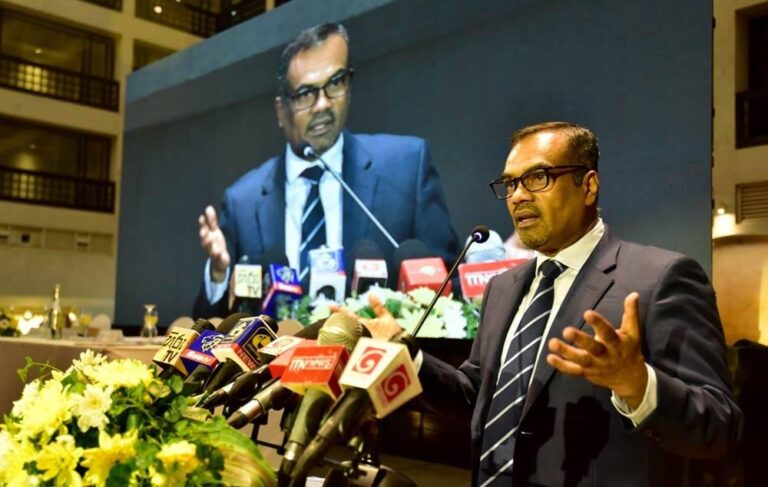
March 27, Colombo (LNW): Encouraging citizens to willingly pay taxes requires a shift in public perception and a transparent government free from corruption, Deputy Minister of Labour and Economic Development Prof. Anil Jayanta Fernando stated.

Speaking at the annual conference of the Inland Revenue Commissioners Association, he highlighted the importance of rebuilding trust in state institutions to foster a more cooperative approach to taxation.

Fernando pointed out that tax compliance has historically been low due to widespread scepticism about how government funds are managed. Many citizens, he noted, have been reluctant to contribute financially, fearing their hard-earned money would be misused through fraud and mismanagement.

This deep-rooted distrust has led to an environment where tax evasion is seen as justifiable resistance rather than an unlawful act.

“If a government operates with integrity, without corruption or theft, people will be more willing to pay their taxes because they will see it as a contribution to their own well-being and the development of the nation,” he explained. “However, as long as the perception of corruption persists, tax compliance will continue to be a challenge.”

The Deputy Minister further criticised the government’s approach of enforcing tax collection through stringent regulations rather than fostering voluntary compliance. He warned that reliance on coercion, rather than building public confidence, reflects systemic dysfunction and could ultimately prove counterproductive.

Fernando acknowledged that the public is slowly beginning to notice a shift under the current administration, with fewer allegations of financial misconduct than in previous governments.

This, he suggested, could pave the way for a more constructive tax culture, where citizens view taxation as a means of strengthening the nation rather than an unfair burden.

“A government that upholds transparency and remains free from corruption will create a stronger, more financially stable country,” he asserted. “People should feel that their taxes are being put to good use, funding essential services and national progress, rather than lining the pockets of the few.”

He concluded by reiterating that taxation policies should go hand in hand with accountability and ethical governance, as only a responsible administration can expect genuine cooperation from its citizens in matters of public finance.

Sri Lanka’s monetary policy remains steady as economy shows signs of recovery

0

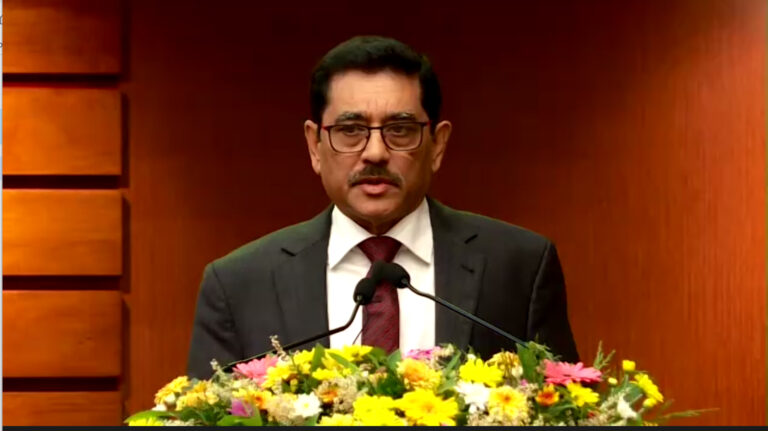
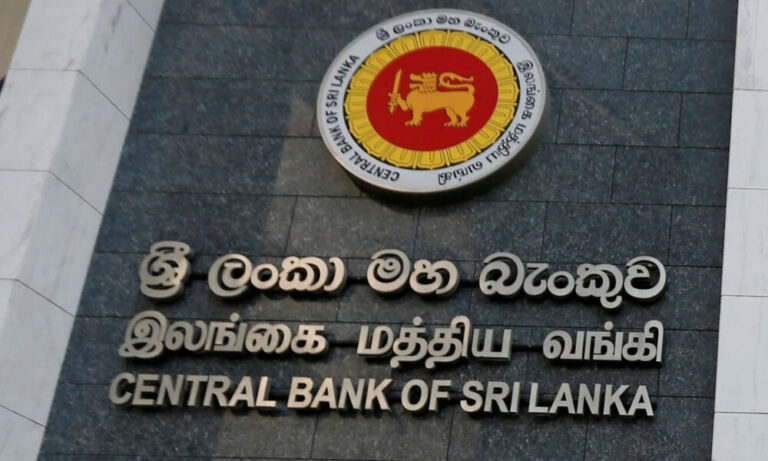
March 27, Colombo (LNW): Sri Lanka’s central bank has reaffirmed its current monetary stance, asserting that existing policies are well-aligned with the country’s economic trajectory and inflation targets.

Central Bank Governor P. Nandalal Weerasinghe stated that the monetary policy is effectively filtering through the economy and is poised to support inflation returning to positive territory in the latter half of the year.

The Central Bank of Sri Lanka maintained its overnight policy rate at 8% for the second consecutive meeting, a move that aligned with the expectations of most economists. Weerasinghe, speaking to Bloomberg TV, described this as the most appropriate course of action at present, given the country’s economic indicators.

Following a challenging period of contraction, Sri Lanka’s economy rebounded with a 5% expansion in 2024, reversing the 2.3% decline experienced the previous year. Authorities anticipate this momentum to continue, though global uncertainties—such as fluctuations in commodity prices and potential economic shifts stemming from US trade policies—will be monitored closely.

The $3 billion International Monetary Fund (IMF) bailout package has played a pivotal role in stabilising the nation’s financial situation. Since its historic default in 2022, Sri Lanka has implemented stringent tax hikes and policy measures to meet the IMF’s loan conditions.

However, further economic reforms, including adjustments to energy pricing and adherence to fiscal targets, remain necessary to secure additional financial support from the global lender.

Weerasinghe emphasised the need for Sri Lanka to remain committed to fiscal discipline and governance reforms, stating that there is strong confidence within the administration to continue on the same path. Maintaining this approach is crucial for sustaining financial stability and fostering investor trust.

Meanwhile, economic analysts caution that excessive monetary easing could lead to overheating, triggering a surge in imports, placing strain on foreign reserves, and weakening the national currency. The central bank, therefore, appears unlikely to risk such outcomes by altering its policy stance prematurely.

In addition to IMF assistance, Sri Lanka recently secured approximately $334 million in fresh loans and is engaged in negotiations to finalise debt restructuring agreements with key bilateral creditors, including India and members of the Paris Club.

Archbishop endorses Sacred Tooth Relic exposition as a symbol of religious harmony

0

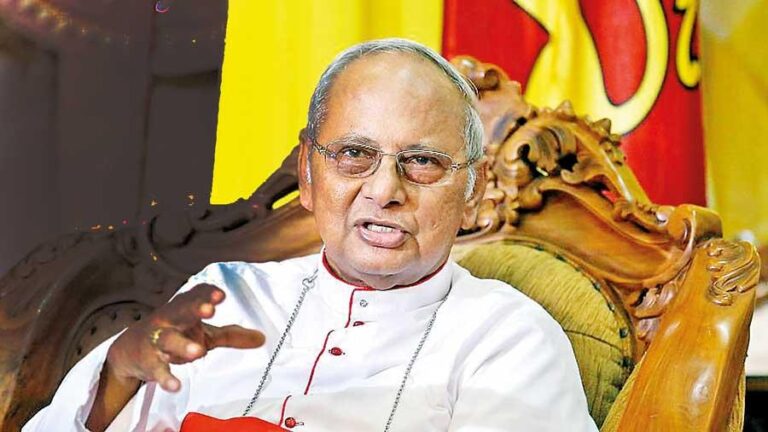
March 27, Colombo (LNW): Archbishop of Colombo, His Eminence Cardinal Malcolm Ranjith, has expressed strong support for the upcoming exposition of the Sacred Tooth Relic of the Buddha, describing it as a significant step towards strengthening religious harmony in Sri Lanka while preserving the nation’s Buddhist heritage.

Speaking on the matter, the Cardinal commended the government and the Venerable Mahanayaka Theras for their role in facilitating this revered event. He emphasised that the exposition is not merely a Buddhist ritual but a national occasion that holds deep cultural and spiritual significance for all Sri Lankans.

He urged citizens, regardless of religious background, to support and respect the event, highlighting that interfaith understanding and mutual respect are key to ensuring unity in the country.

In particular, he called upon the Catholic community to view the exposition as a meaningful occasion that reinforces peace and coexistence among different faiths.

Media watchdog demands transparency on state media reforms and China agreement

0

March 27, Colombo (LNW): The Free Media Movement (FMM) has urged the government to ensure transparency and accountability in its proposed restructuring of Sri Lanka’s state-owned media institutions, calling for public disclosure of any related agreements signed with China during President Anura Kumara Dissanayake’s recent visit.

In a strongly worded statement, the FMM expressed concern over the government’s failure to provide details on a bilateral agreement reportedly linked to state media, despite repeated requests from local media organisations.

The watchdog stressed that any reform process involving Sri Lanka Rupavahini Corporation, Sri Lanka Broadcasting Corporation, and Independent Television Network—three institutions that have long faced financial difficulties—should be made public.

While acknowledging the need for financial sustainability, the FMM underscored the importance of ensuring that any restructuring plan does not reinforce state media’s historical role as government propaganda outlets.

Instead, it argued, the reforms should focus on transforming these entities into independent public service broadcasters that serve the interests of citizens rather than political agendas.

The organisation also raised concerns over the use of state resources, particularly broadcasting frequencies, questioning whether the undisclosed agreement with China is linked to the proposed media restructuring.

The lack of government transparency has fuelled speculation about potential foreign influence in shaping the future of Sri Lanka’s media landscape.

In light of these concerns, the FMM called on the government to immediately reveal the terms of any agreements signed with China regarding state media.

Additionally, it urged authorities to open the restructuring process to public consultation, allowing input from media professionals and the broader public.

Such an approach, the statement argued, would foster an environment that upholds press freedom and strengthens independent journalism in the country.

Sri Lanka criticises UK sanctions on former officials, calls move unilateral

0

March 27, Colombo (LNW): Sri Lanka’s Ministry of Foreign Affairs, Foreign Employment, and Tourism has voiced its concerns over the recent decision by the United Kingdom to impose sanctions on three former military commanders and a former minister, calling it a unilateral action that complicates ongoing national reconciliation efforts.

In response to a press release issued by the UK’s Foreign, Commonwealth & Development Office (FCDO) on 24 March 2025, titled “UK Sanctions for Human Rights Violations and Abuses during the Sri Lankan Civil War”, the Sri Lankan government acknowledged the UK’s decision but expressed discontent over its implications.

The ministry noted that the sanctions involve an asset freeze and travel restrictions on the designated individuals, three of whom previously held senior positions within the Sri Lankan armed forces.

Furthermore, the statement highlighted the UK government’s assertion that the sanctions align with a political commitment made during the UK election campaign to prevent impunity for alleged human rights violations.

The Sri Lankan government, however, reiterated its position that any historical allegations should be addressed through domestic accountability mechanisms rather than external interventions.

The ministry emphasised that Sri Lanka is actively working to strengthen its domestic frameworks for accountability and reconciliation. It argued that external punitive measures do not contribute constructively to this process but rather create additional challenges in achieving long-term national unity.

The government’s official stance was conveyed by Foreign Minister Vijitha Herath during a meeting with British High Commissioner to Sri Lanka, Andrew Patrick, at the Ministry of Foreign Affairs.

As tensions over human rights concerns continue to shape diplomatic relations, Sri Lanka has reiterated its commitment to national reconciliation while urging international partners to respect its sovereign processes in dealing with past conflicts.

CBSL Maintains Policy Rate at 8% to Support Inflation Target and Economic Growth

0

The Monetary Policy Board of the Central Bank of Sri Lanka (CBSL) has decided to maintain the Overnight Policy Rate (OPR) at 8.00%, expressing confidence in its current monetary stance to guide inflation towards the 5% targetwhile supporting economic growth.

The decision was made during the Board meeting on March 25. In its monetary policy review statement, CBSL highlighted that inflation remains negative due to repeated electricity tariff and fuel price reductions but is expected to turn positive by mid-2025 as deflationary conditions ease.

CBSL reported that Sri Lanka’s economy recorded a strong recovery in 2024 after two years of contraction, with indicators suggesting continued growth momentum. Other key takeaways include:

  • Market interest rates have continued to decline, in line with the eased monetary policy stance.
  • Credit flows to the private sector remain strong, supporting domestic economic activity.
  • External sector performance has been better than expected, with robust exports, rising imports, and a widened trade deficit.
  • Earnings from tourism and worker remittances have strengthened the external current account.
  • Foreign inflows into government securities have increased, reflecting improved investor confidence.
  • Sri Lanka’s foreign reserves have grown, supported by increased net foreign purchases by CBSL and the fourth tranche of the IMF-EFF programme.

While the risks to inflation and growth remain balanced, CBSL remains watchful of global trade and geopolitical uncertainties. It reaffirmed that monetary policy decisions will be data-driven to maintain price stability and sustain economic growth.

The next monetary policy review statement is scheduled for May 28, 2025.

Apparel Exporters Warn of Shifting trading houses following SVAT Removal

0

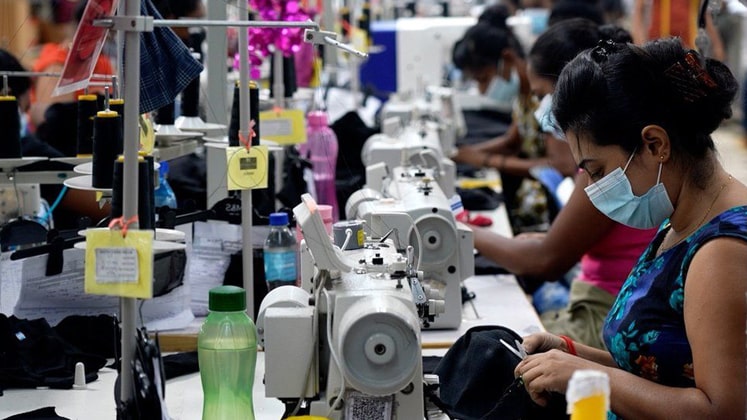
Sri Lanka’s apparel exporters have raised concerns that local export trading houses adhering to the United States’ ‘First Sale for Export’ rule may be forced to relocate overseas due to the proposed elimination of the Simplified Value-Added Tax (SVAT). 

The move, they warn, could weaken the country’s competitive edge in the global market.

Under the First Sale for Export Rule, manufacturers sell their goods to a trading house based in Sri Lanka, which then facilitates transactions with the ultimate buyer in the US or another intermediary. 

These middlemen, who play a crucial role in ensuring quality and compliance, operate within Sri Lanka, thereby keeping value addition and margins within the country. However, the planned removal of SVAT could disrupt this arrangement significantly.

Currently, SVAT allows trading houses to operate without the immediate burden of VAT payments, as they do not have to pay the tax upfront and later claim refunds. 

Without this system, trading houses will have to incur VAT costs initially, seek refunds later, and face additional administrative challenges, increasing operational expenses and cash flow issues.

According to Yohan Lawrence, Secretary General of the Joint Apparel Export Forum, Sri Lanka hosts 12 active trading houses, which account for approximately 50% of total apparel exports. 

He warns that, if SVAT is eliminated, these trading houses may shift operations to other countries, leading to significant revenue losses for Sri Lanka.

Apparel exporters argue that they operate on narrow profit margins and any additional cost burden could make them less competitive compared to other global players. 

The removal of SVAT is part of a broader economic reform program under the International Monetary Fund (IMF), which aims to streamline the VAT process and improve efficiency in the export sector. 

However, exporters argue that unless VAT leakages are identified and addressed directly, the new policy may do more harm than good.

Another major concern is that without SVAT, exporters may reduce purchases from local suppliers due to the added tax burden. Domestic purchases would become subject to VAT under the new system, leading to increased costs and delays in recovering tax refunds, discouraging businesses from sourcing locally.

The IMF-backed fiscal reforms have prioritized revenue-based consolidation while continuing to support subsidies in other sectors. For example, the latest budget included a 15% tax on individual service exporters while simultaneously granting fertilizer subsidies to vegetable and rice farmers. 

With import restrictions and taxes in place, rice prices in Sri Lanka remain significantly higher—by 40% to 50%—than in neighboring countries.

Impact of SVAT Removal on Apparel Exports

The elimination of SVAT could have a profound impact on Sri Lanka’s apparel industry, which is a key contributor to the nation’s export revenue. With trading houses potentially relocating to tax-friendly jurisdictions, the country risks losing a significant portion of its export value. 

Moreover, increased operational costs and cash flow challenges could push apparel manufacturers to reconsider their sourcing strategies, potentially shifting their supply chains to international markets rather than supporting domestic suppliers.

 In the long run, this policy change could weaken Sri Lanka’s position as a leading apparel exporter, reducing foreign exchange inflows and employment opportunities in the sector.