Home Blog Page 684

27 Sri Lankans Return Home from Lebanon Amid Middle East Crisis

0

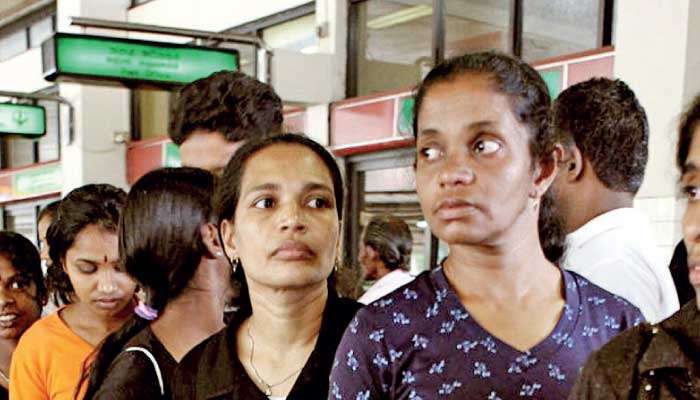
Twenty-seven Sri Lankans stranded in Lebanon due to the ongoing Lebanon-Israel conflict arrived safely at Katunayake Airport on Wednesday (4) night. Among them were five children, three women, and 19 men.

The repatriation was facilitated by the International Organization for Migration (IOM), in coordination with the Sri Lankan Embassy in Lebanon and the Ministry of Foreign Affairs.

Efforts to bring Sri Lankans back home from Lebanon have been ongoing, with flights scheduled on November 6, November 12, November 28, and December 1. So far, a total of 53 Sri Lankans have returned through these arrangements.

The latest group arrived at 11:30 p.m. on Emirates Airlines flight EK-648 from Dubai, marking another step in the government’s efforts to ensure the safety and well-being of its citizens abroad during the crisis.

US Court considers a 45-day stay for Hamilton Reserve Bank vs SL Govt. case

0

In a pivotal moment for Sri Lanka’s ongoing sovereign debt restructuring, the U.S. District Court for the Southern District of New York is considering a 45-day stay request filed by the Democratic Socialist Republic of Sri Lanka. 

The stay, sought by the Government, is critical to finalizing a complex debt exchange necessary to stabilize the nation’s economy and meet the requirements of an International Monetary Fund (IMF)-supported recovery program.

The dispute revolves around Hamilton Reserve Bank Ltd.’s (HRB) claim for $250 million in Sri Lankan International Sovereign Bonds (ISBs) that matured in 2022. 

Sri Lanka defaulted on these bonds amid a severe economic and humanitarian crisis. While HRB has pursued legal action, Sri Lanka argues that an additional stay would facilitate the debt restructuring process and prevent disruption to its recovery efforts. 

Judge Denise L. Cote has ordered HRB to file its opposition by 11 December 2024, with Sri Lanka’s reply due by 16 December 2024.

Sri Lanka’s debt restructuring is at a critical juncture. The country has achieved key milestones, including agreements with bilateral creditors in mid-2024 and private bondholder groups later in the year. 

These agreements addressed contentious issues such as aligning creditor terms with IMF program requirements and ensuring equitable treatment for all stakeholders. Most recently, on 25 November 2024, Sri Lanka initiated a debt exchange program that allows bondholders to swap their existing securities for restructured bonds. 

This exchange has garnered substantial support from major creditors and international financial institutions, reinforcing its potential to stabilize the economy.

However, HRB’s refusal to participate in restructuring negotiations poses a significant challenge. The bank has opted to pursue litigation, a move critics argue undermines collaborative efforts and prioritizes individual claims over collective recovery.

 HRB has also been accused of threatening to obstruct IMF funding, which could jeopardize Sri Lanka’s fragile recovery framework.

 If the Court denies the stay and rules in HRB’s favor, it could prompt other creditors to file lawsuits, leading to legal chaos and derailing the restructuring process.

Sri Lanka’s legal team emphasizes that granting the stay aligns with international principles and U.S. policy, which traditionally support sovereign nations’ good-faith negotiations in debt disputes. 

The Government contends that delaying HRB’s claim would not harm the bank, as accrued interest would compensate any postponement. Moreover, a stay would uphold the comparability of treatment principle, ensuring all creditors are treated equitably under the IMF-supported program.

While the Government’s restructuring efforts have earned support internationally, domestically, President Anura Kumara Dissanayake’s administration faces criticism. Allegations of corruption and inefficiency in State institutions have fueled doubts about the Government’s ability to deliver on its promises.

Sri Lanka’s Auto Assembly Industry Eyes US$2 billion Exports amid Challenges”

0

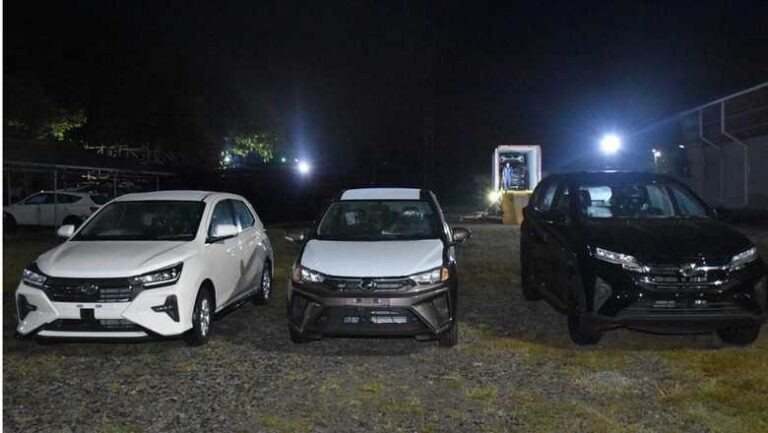
Sri Lanka’s local automobile assembly industry is set to expand significantly, with projections to increase exports of vehicles, two-wheelers, and components from the current $800 million to $2 billion within five years. 

This growth is expected to create 45,000 direct jobs, according to a senior member of the Local Assemblers’ Association.

Drawing inspiration from nations like Morocco, Thailand, and South Africa, the industry leverages strategic advantages such as location, skilled labor, and government incentives. 

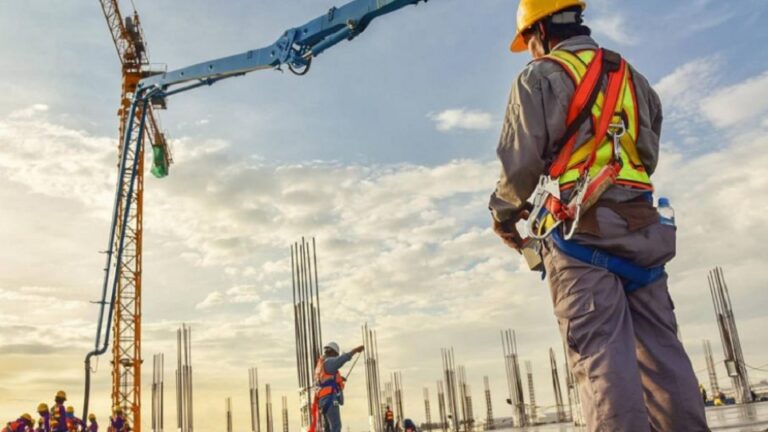
Sri Lanka’s Standard Operating Procedure (SOP) under the Ministry of Industries oversees over 17 assembly plants producing motorcars, SUVs, motorcycles, electric three-wheelers, and heavy trucks. 

These plants are supported by local manufacturers producing components like tyres, batteries, exhausts, and wiring systems.

The temporary ban on vehicle imports catalyzed the industry’s growth, creating over 10,000 indirect jobs and hiring over 5,000 technically skilled workers, including students and trainees. 

However, stakeholders warn that this progress is at risk due to potential unregulated imports of completely built units (CBUs), which could undermine local assemblies and their ecosystems.

Currently, over 20 global automotive brands, including Hyundai, Mahindra & Mahindra, TATA, and Hero, have partnered with local assemblers, contributing to a thriving below-250cc motorcycle market and bolstering Sri Lanka’s industrial reputation. 

The component manufacturing sector, which emerged from scratch, now meets international standards and attracts foreign investment, showcasing Sri Lanka’s growing technical capabilities.

The industry emphasizes its economic contributions, from boosting GDP and exports to creating jobs and fostering technological growth. 

Assemblers urge the government to ensure a fair and competitive tax policy between locally assembled units and CBU imports when the temporary suspension is lifted, safeguarding the sector’s progress and future potential.

Additionally, this industry has indirectly created more than 10,000 jobs over the past five years, establishing a complete ecosystem that risks being threatened if unregulated imports are allowed. They risk losing all the advancements made over this period. 

Although the SOP is a government policy to promote local industry, the new decision to open up completely built unit (CBU) imports will discourage more than 20 local assemblies of international brands operating in Sri Lanka.

Another crucial aspect is the component manufacturing sector, which has grown from nothing to one capable of developing components, scaling down manufacturing processes, and meeting international standards.

 “This growth has enabled major brands to set up operations in Sri Lanka, promoting the country’s technical capability on the world stage.”

 This has led to significant economic benefits, including job creation, GDP growth, and increased exports. Moreover, a thriving local assembly industry not only contributes to GDP and job creation but also enhances the country’s industrial image, attracts further foreign investments, and fosters technological and economic growth.

Debt Restructuring Nears Completion Amid Interim Budget Debate

0

Debt Restructuring Nears Completion Amid Interim Budget Debate

Labour Minister and Economic Affairs Deputy Minister Prof. Anil Jayantha Fernando announced in Parliament that the debt restructuring process is nearing its final stage, with efforts underway to conclude it by December 31.

The Minister made this statement while opening the debate on the motion related to the interim Vote on Account (VoA)yesterday (5). The VoA seeks Parliament’s approval for the Government to spend Rs. 1,403 billion during the first four months of 2025.

Prof. Fernando emphasized the urgent need for debt restructuring, noting that delays could result in an additional US$ 1.7 billion in interest arrears. He highlighted the current economic challenge, describing it as an “unsustainable debt trap,” and criticized previous borrowing practices for failing to contribute effectively to the country’s production processes.

Outlining the expenditure breakdown for the VoA, he stated:

  • Rs. 1,000 billion for recurrent expenses,
  • Rs. 425 billion for capital expenditure, and
  • Rs. 1,175 billion for foreign debt restructuring and servicing.

This amounts to an estimated total of Rs. 2,600 billion, while government revenue for the period is projected at Rs. 1,600 billion, necessitating a basic borrowing limit of Rs. 1,000 billion.

The Minister’s remarks underscore the critical importance of finalizing the debt restructuring process to ensure fiscal stability and economic recovery.

CEB to Submit Revised Electricity Tariff Proposal to PUCSL Today

0

December 06, Colombo (LNW): The Ceylon Electricity Board (CEB) has confirmed that it will submit its proposal for revising electricity tariffs to the Public Utilities Commission of Sri Lanka (PUCSL) today (06).

CEB Chairman Dr. Thilak Siyambalapitiya assured that the submission would proceed as planned. This proposal aims to revise tariffs for the first half of 2025, with implementation expected from the third week of January.

Under the former government, electricity tariffs were revised quarterly. However, in 2023, three revisions were made, while the current government has limited these changes to twice annually.

The submission follows an earlier tariff revision proposal in October for implementation in December. This included a proposed reduction of approximately 6% in electricity tariffs. However, PUCSL flagged significant errors in the document and requested corrections.

Despite granting multiple extensions—from November 8 to November 22, and finally to today—the PUCSL has warned that it will independently proceed with the tariff revision if the corrected proposal is not submitted on time.

UK-Sri Lanka Trade Mission Boosts Opportunities for Women Entrepreneurs

0

The UK-Sri Lanka Trade Mission, held from December 2-6 under the UK-funded SheTrades Commonwealth+ Program, is strengthening economic ties between the two nations while spotlighting women-led businesses. 

Co-organized by the International Trade Centre (ITC) and the Sri Lanka Export Development Board (EDB), the mission aims to enhance bilateral trade and expand UK market access for Sri Lankan women entrepreneurs in textiles, apparel, and processed agrifood sectors.

The initiative brings together 13 UK companies and 45 Sri Lankan women entrepreneurs, facilitating business-to-business (B2B) interactions and field visits across Colombo, Kurunegala, and Jaffna. 

The UK, Sri Lanka’s second-largest export market, saw an 8% rise in exports to $765.67 million during the first 10 months of 2024, highlighting the growing trade relationship.

The event’s opening in Colombo featured remarks by key figures, including British High Commissioner Andrew Patrick, Deputy Minister Chathuranga Abeysinghe, EDB Chairman Mangala Wijesinghe, and UN Resident Coordinator Marc-André Franche. 

High Commissioner Patrick emphasized the role of trade in empowering women and called for collective efforts to support women-led small and medium enterprises (SMEs) in global markets. Deputy Minister Abeysinghe lauded the initiative’s focus on geographic inclusivity, particularly in the northern region, and its potential to transform Sri Lanka’s economy.

EDB Chairman Wijesinghe highlighted the vital role of women entrepreneurs in fostering innovation and growth, stressing the need to address their underrepresentation in international trade. UN Resident Coordinator Franche echoed this sentiment, stating that achieving Sri Lanka’s export goals is impossible without prioritizing women entrepreneurs.

A panel discussion titled “Unlocking Sri Lanka’s Untapped Export Potential” featured experts from the UK Foreign Commonwealth and Development Office (FCDO), EDB, and private-sector leaders. The session explored strategies to enhance Sri Lankan exports, particularly from women-led businesses.

Preceding the B2B meetings, participants attended information sessions on sector overviews and export landscapes. Presentations covered the UK’s trade preferences, market entry requirements, and opportunities under the UK Developing Country Trading Scheme (DCTS).

Participants praised the initiative for fostering networking and knowledge-sharing. Khushnood Ahmed, Director of Hometex, described the mission as a positive step for women’s economic empowerment. Tayub Amjad of Zouk Group noted the value of the program in connecting with potential business partners.

The SheTrades Commonwealth+ Program, funded by the UK Government, promotes a gender-inclusive business ecosystem through policy advocacy, data insights, and partnerships with private and public sectors in Commonwealth countries and beyond. This mission underscores its commitment to empowering women entrepreneurs and driving inclusive economic growth.

SLPP Administrative Secretary Granted Bail Following Arrest for Disseminating False Information

0

December 06, Colombo (LNW): Renuka Perera, the Administrative Secretary of the Sri Lanka Podujana Peramuna (SLPP), was granted bail today by the Colombo Magistrate’s Court under conditions of a bond valued at 1 million rupees.

Perera was arrested earlier in the day by the Criminal Investigation Department (CID) in Kotikawatta. The arrest was made in connection with allegations of spreading false information related to the Maaveerar Day celebrations.

The court proceedings and subsequent bail underscore the ongoing scrutiny of individuals accused of disseminating misinformation, especially concerning sensitive national events. Further investigations are underway.

President Highlights Investment-Friendly Environment and Autonomy for BOI

0

December 06, Colombo (LNW): President Anura Kumara Dissanayake announced that Sri Lanka’s current political stability has fostered an environment conducive to investment, emphasizing the nation’s readiness to attract clean and impactful investments. He assured that political influence would play no role in granting new investment opportunities, and the Board of Investment of Sri Lanka (BOI) would be granted full autonomy to fulfill its mandate.

The President made these remarks during a meeting with senior BOI officials at the Presidential Secretariat in Colombo yesterday (05), as reported by the President’s Media Division (PMD).

Highlighting the importance of achieving both political and financial stability, President Dissanayake stated that the BOI holds a critical responsibility in driving the nation’s economic growth. He stressed the need for the BOI to remain committed to its duties and assured the institution of complete independence to attract meaningful and sustainable investments.

The President also revealed that the upcoming budget would allocate resources to enhance the BOI’s operational efficiency. Furthermore, he announced plans to establish five new investment zones across the country in the coming year, aiming to diversify and bolster the nation’s investment landscape.

The meeting was attended by Secretary to the President Dr. Nandika Sanath Kumanayake, BOI Chairman Arjuna Herath, BOI Director General Renuka M. Weerakone, and other senior officials.

Sri Lanka Original Narrative Summary: 06/12

0
  1. President Anura Kumara Dissanayake emphasized that he regards the media not as outsiders but as an integral part of the effort to build a better state and improve the lives of all citizens. He made these remarks during a meeting held with the heads of electronic media organizations at the Presidential Secretariat in Colombo, the President’s Media Division (PMD) reported.
  2. President Anura Kumara Dissanayake stated that with the political stability that has prevailed in the country today, an environment suitable for investment has been created. He further emphasized that there will be no political influence in granting new investment opportunities, such as those based on political affiliations. The President assured that the Board of Investment of Sri Lanka (BOI) would be granted full autonomy to attract clean investments that are beneficial to the country.
  3. The government has presented an interim Vote on Account for the initial four months of 2025, allocating close to Rs. 1,402 billion for maintaining state affairs and continuing ongoing projects.
  4. Sri Lanka vowed Thursday to complete its long-delayed foreign debt restructure within the month before a 2025 budget adhering to strict revenue targets set by the International Monetary Fund. The island nation defaulted on its $46 billion external debt in April 2022 after running out of foreign exchange to finance even the most essential imports such as food and fuel.
  5. The deadline for submitting income and expenditure reports for all candidates who contested in the parliamentary elections ends at midnight today. Executive Director of People’s Action for Free and Fair Elections (PAFFREL) Rohana Hettiarachchi emphasized that nearly 20% of these reports have already been submitted at the district level.
  6. The Administrative Secretary of the Sri Lanka Podujana Peramuna (SLPP) Renuka Perera has been released on bail by the Colombo Magistrate’s Court. He was arrested by the Criminal Investigation Department (CID) for allegedly posting false information on social media regarding ‘Mahaviru’ (Maaveerar Naal) commemorations in the North.
  7. The Embassy of Sri Lanka in Lebanon in association with the International Organization of Migration (IOM) has arranged to evacuate a total number of 55 vulnerable Sri Lankan workers from Lebanon on group basis. Accordingly, the latest group of 26 arrived in Colombo on 04 December in the evening, the Embassy of Sri Lanka in Beirut said.
  8. The World Bank has expressed its commitment to supporting the Government of Sri Lanka’s “Clean Sri Lanka” programme, as announced by World Bank Executive Director Parameswaran Iyer during a meeting with President Anura Kumara Dissanayake at the Presidential Secretariat. Congratulating the President on forming the new government, Mr. Iyer affirmed that all ongoing World Bank-supported projects in Sri Lanka will continue uninterrupted.
  9. Lanka Sathosa has announced measures to ensure the sale of rice and coconuts at controlled prices as announced by the Minister of Trade recently to ensure continuous supply during the festive season. Minister Wasantha Samarasinghe told Parliament yesterday that Rice Millers agreed to supply 200,000 kilos of rice daily, while one million coconuts will also be sold for Rs. 130 through Sathosa outlets.
  10. The Sri Lanka Under-19 team, led by Vihas Thewmika, will meet the India Under-19 team in the Asia Cup semi-final today at Sharjah Cricket Stadium, commencing at 10:30 a.m. The Sri Lanka youth team finished the league round with an unbeaten record, having back-to-back three wins, while the India team, led by Mohamed Amaan, lost to Pakistan in their first group match but fought back strongly to win the next two matches against UAE and Japan, finishing in second place in the points table to reach the semi-final.

President Stresses Proper Mechanism for Issuing Excise Licences

0

December 06, Colombo (LNW): President Anura Kumara Dissanayake has instructed officials to implement a structured and transparent mechanism for issuing excise licences. These directives were delivered during a meeting held yesterday (5) with senior officials of the Excise Department at the Presidential Secretariat.

The President underscored the importance of adhering to the law, avoiding abuse of power, and ensuring timely tax collection. Addressing challenges in excise tax collection and associated irregularities, he emphasized revamping the system to improve efficiency and transparency. Suggestions included collecting overdue taxes, revoking licences of blacklisted institutions, and tackling entities that fail to collect taxes appropriately.

Discussions also highlighted shortcomings in current tax collection regulations and weaknesses in the recruitment system for excise officers. President Dissanayake expressed concerns over the public’s negative perception of the Excise Department and stressed the need to manage its operations to support the national economy effectively.

Additionally, officials briefed the President on production and packaging challenges, drawing attention to the harmful effects of artificial toddy on public health.

Excise Commissioner Rohana Senarathna, Deputy Commissioner R.V.S. Tissa Kumara, Assistant Commissioner M.J. De Silva, Chief Financial Officer G.A. Chandani, Chief Accountant W.R. Paranagama, and other senior officials were present at the meeting.