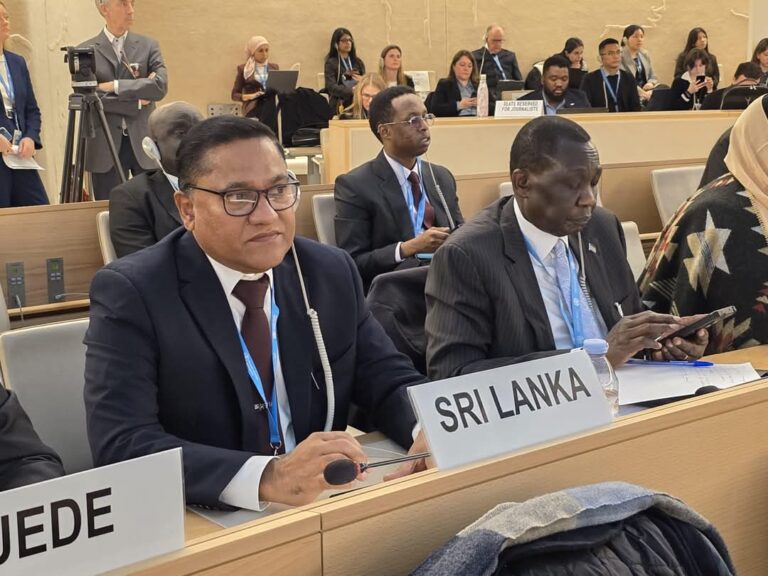
February 25, Colombo (LNW): Foreign Minister Vijitha Herath is currently attending the 58th session of the United Nations Human Rights Council (UNHRC) in Geneva, where he is participating in key discussions surrounding human rights and international collaboration.
During the event, the Minister held a series of important bilateral talks, including a meeting with H.E. Lord Collins of Highbury, the UK Parliamentary Under-Secretary of State.
Additionally, he engaged with UN High Commissioner for Human Rights, Volker Türk, and H.E. Ms. Varsen Aghabekian, the Minister of State for Foreign Affairs of Palestine, among other influential leaders.
On the agenda for tomorrow (26), Minister Herath will address the UNHRC, where he will reaffirm Sri Lanka’s unwavering commitment to ongoing dialogue, international cooperation, and the protection of human rights.
February 25, Colombo (LNW): A crucial meeting is set to take place next Thursday between President Anura Kumara Dissanayake and representatives from the Government Medical Officers’ Association (GMOA).
The discussion is expected to centre on the recent budgetary cuts that have significantly impacted doctors’ allowances and their leave entitlements.
According to Dr. Chamil Wijesinghe, the media spokesperson for the GMOA, the new budget has introduced sweeping changes that have reduced several key allowances for medical professionals, which has raised serious concerns within the medical community.
These cuts, he explained, directly affect the operational aspects of healthcare services, particularly after-hours care, and could have a detrimental impact on the overall quality of medical services in Sri Lanka.
Dr. Wijesinghe emphasised that if doctors are not adequately compensated for their work beyond regular hours, it would be impossible to maintain essential medical services in the country, particularly after 4 p.m.
He also pointed out that the current remuneration for doctors is already insufficient, with many practitioners working under increasingly difficult conditions.
The spokesperson further added that these financial reductions are demotivating for doctors and risk undermining the morale of the medical workforce.
Such measures, he argued, send a negative message to healthcare professionals who are already struggling with long hours and high levels of responsibility.
Additionally, Dr. Wijesinghe highlighted that the reduction in allowances effectively nullifies the impact of the basic salary increase proposed for doctors in the 2025 budget.
Whilst the increase was intended to address some of the financial concerns within the medical sector, the cuts to allowances have diminished its potential benefits, leaving many doctors feeling disillusioned.
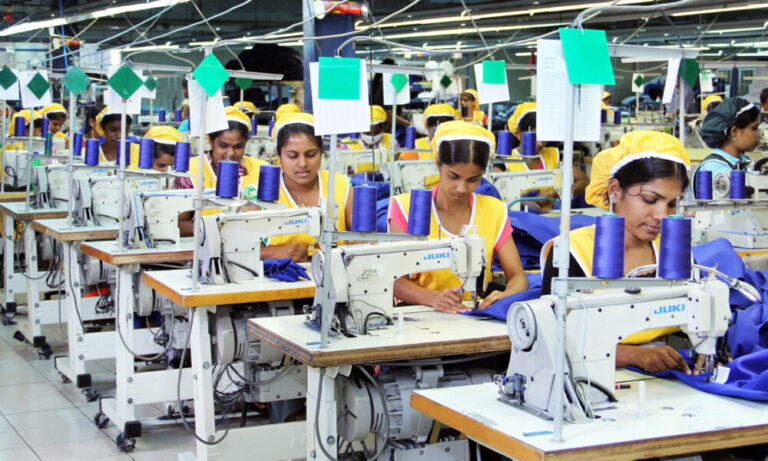
February 25, Colombo (LNW): The Joint Apparel Association Forum (JAAF) has welcomed Sri Lanka’s latest budget but has raised significant concerns about the potential impact of the premature removal of the Simplified Value-Added Tax (SVAT) system.
The Forum has cautioned that such a move, without a clear and thoroughly tested alternative, could have adverse effects on the apparel sector, a key contributor to the nation’s export economy.
JAAF emphasised the importance of ensuring a seamless transition from the SVAT system, which has been a vital part of the industry’s operations.
The Forum argued that any disruption in the VAT process could undermine the competitiveness of Sri Lanka’s apparel sector and erode investor confidence, which has already been strained in recent times.
To safeguard the liquidity of exporters, the organisation stressed the need for timely VAT refunds and a robust system to prevent any delays.
Furthermore, JAAF reiterated its long-standing call for a digitally-driven VAT refund mechanism, one that would significantly reduce human intervention, improve efficiency, and ensure transparency.
A poorly managed shift away from SVAT could result in cash flow constraints for exporters, disrupting their operations and potentially damaging Sri Lanka’s reputation as a reliable sourcing hub.
With global brands placing an increasing emphasis on supply chain stability, such disruptions could have far-reaching consequences.
The apparel sector remains a cornerstone of Sri Lanka’s export economy, contributing more than 40 per cent to the country’s total merchandise exports.
As such, JAAF has urged the government to collaborate closely with industry stakeholders to ensure that the VAT transition is handled smoothly, with a focus on incorporating efficient, digital refund systems to prevent operational disruptions.
In addition to VAT concerns, the Forum called for the proposed wage increases for the private sector to be accompanied by the removal of the two Budgetary Relief Allowance Acts.
This would allow the National Minimum Wage to be consolidated into a single figure, encompassing all allowances, thereby providing greater clarity and consistency for businesses and workers alike.
JAAF further stressed the importance of clear tax administration, the timely execution of trade facilitation measures, and a continued focus on enhancing export competitiveness.
February 25, Colombo (LNW): In a bid to support low-income families during the upcoming Sinhala and Tamil New Year, the government is preparing a relief package that will include essential food items at affordable prices.
The move is aimed at ensuring that the festive season remains accessible for those facing financial challenges.
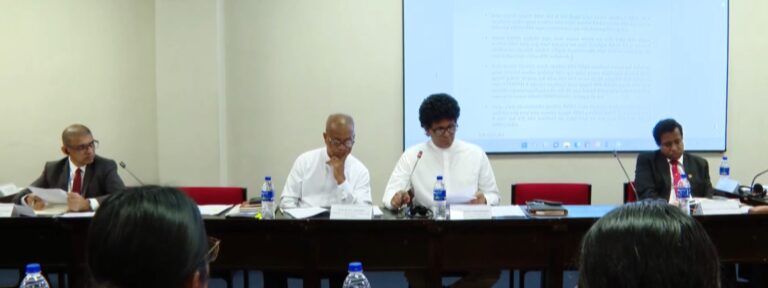
Yesterday (24), the Food Policy and Security Committee convened in Parliament to discuss the details of the initiative.
The committee, chaired by Ministers K.D. Lalkantha and Wasantha Samarasinghe, deliberated on how to ensure a steady supply of essential food items during the holiday period whilst keeping prices under control.
The aim is to avoid shortages of critical supplies, such as rice, lentils, and sugar, which often experience price fluctuations during peak demand times.
This year’s budget has earmarked Rs. 1 billion for the relief package, which will see essential food items offered at subsidised rates to low-income families during the festive season.
A major portion of the meeting was dedicated to ensuring the effective and transparent use of these funds to make sure the relief reaches those who need it most.
One of the key focuses of the committee was to minimise the volatility of essential commodity prices in the market, with particular emphasis on maintaining stability.
Additionally, there was considerable discussion about reducing the prices of bakery products, which often see significant price hikes during festive seasons.
Another significant topic raised during the meeting was the purchase of paddy. The committee reviewed the ongoing efforts to ensure sufficient paddy is bought under the loan facilities provided to rice mill owners.
It was noted that some rice mill owners may have diverted the loans intended for paddy procurement to other uses.
Reports suggest that several large-scale rice mill owners have secured loans exceeding Rs. 15 billion for paddy purchases, prompting the committee to call for a follow-up investigation into these transactions.
Ministers have directed officials to closely monitor this situation.
Furthermore, the committee expressed concern about the challenges faced by small-scale rice mill owners in acquiring paddy and discussed strategies to encourage them to participate in the procurement process.
February 25, Colombo (LNW): The debate on the second reading of the 2025 Budget Appropriation bill is set to conclude today (25).
The debate, which has been ongoing since 18 February, is set to culminate in a crucial vote scheduled for 6:00 PM this evening.
The budget, officially presented by President Anura Kumara Dissanayake in his capacity as the Minister of Finance, was initially introduced to Parliament last week.
This year’s budget represents Sri Lanka’s 79th, and it has been the focus of intense scrutiny and debate among lawmakers, reflecting the nation’s financial priorities for the year ahead.
The debate on the second reading, which spans seven days, will come to a close today, and the final decision will be made by Parliament through the scheduled vote.
This vote will determine whether the proposed allocations and financial plans outlined in the budget will proceed to the next stage of the legislative process.
Following the conclusion of the second reading debate, the next phase of deliberation—the Committee Stage—will begin on February 27 and will run until March 21.
This stage, which will take place over 19 days, including four Saturdays, allows for more detailed scrutiny and potential amendments to the budget proposals.
Finally, the third reading of the Appropriation Bill is set to take place on March 21, with a vote expected at 6.00 PM.
This final vote will determine whether the budget is formally approved, setting the financial framework for the country’s governance in the coming year.
February 25, Colombo (LNW): The Colombo Crimes Division (CCD) has made two further arrests in relation to the tragic murder of notorious underworld figure Sanjeewa Kumara Samararatne, commonly known as “Ganemulla Sanjeewa,” who was fatally shot at the Aluthkade No. 05 Magistrate’s Court on 19 February 2025.
These latest arrests, which took place yesterday (24), have brought the total number of suspects currently in custody to ten.
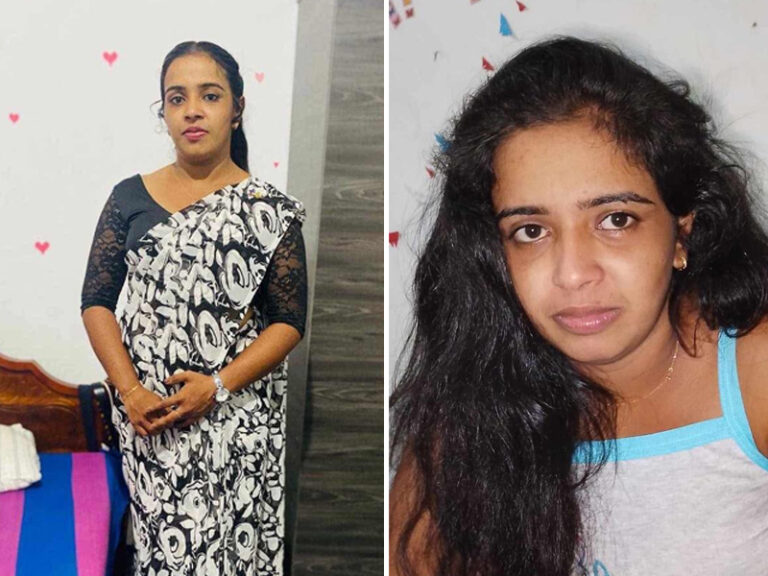
The newly apprehended individuals have been identified as the mother and younger brother of one of the key suspects, Ishara Sewwandi, who is accused of playing a significant role in facilitating the crime and covering up vital information.
Both suspects are charged with aiding and abetting the murder, as well as withholding crucial details from the authorities.
The arrested individuals are:
Pingpura Devage Chamidu Thiwanka Weerasinghe (23), from Katuwellegama, Negombo. He is accused of concealing information and providing assistance to the perpetrators of the crime.
Sesathpura Devage Samanthi (48), also from Katuwellegama, Negombo. She faces similar charges of aiding and abetting the murder and obstructing justice by failing to inform the police about the crime.
According to the Colombo Crimes Division, both individuals had prior knowledge of the planned murder but did not report it to the authorities. Instead, they are believed to have actively assisted the criminals, further complicating the investigation.
In addition to these arrests, police have launched an appeal to the public for help in locating another key suspect in the case. The woman, identified as Pingpura Devage Ishara Sewwandi, is suspected of being instrumental in aiding the shooter. Aged 25, Ishara Sewwandi resides at 243/01, Negombo Road, Jaya Mawatha, Katuwellegama, and holds a National Identity Card (NIC) numbered 995892480V. Police are urging anyone with information about her whereabouts to come forward.
To encourage the public’s cooperation, Acting Inspector General of Police (IGP) Priyantha Weerasuriya has announced a cash reward from the Police Reward Fund for anyone who provides information leading to the arrest of Sewwandi.
Authorities have assured that the identities of all informants will be kept confidential to protect their safety.
February 25, Colombo (LNW): The Human Rights Commission of Sri Lanka (HRCSL) has expressed deep concern over a growing number of complaints lodged against the police, citing serious allegations of torture, arbitrary arrests, unlawful detention, harassment, and inadequate responses to grievances.
These alarming claims were highlighted during a recent discussion aimed at addressing critical human rights issues within the Sri Lanka Police force.
The HRCSL revealed that it has been inundated with complaints involving police officers, many of which involve disturbing reports of violence and misconduct.
Torture, in particular, has been a recurring issue, with numerous citizens alleging abuse at the hands of law enforcement.
Additionally, there are increasing accusations of arbitrary arrests and unlawful detentions, along with instances where the police have failed to act on complaints made by victims of human rights violations.
During the dialogue, the commission acknowledged that the newly appointed police leadership is working to improve the situation, and there are efforts underway to address these systemic problems.
However, the HRCSL also stressed that much more needs to be done, particularly in holding perpetrators accountable.
The police force has set an ambitious target to drastically reduce the number of human rights violations within the next year, though details on how they plan to achieve this remain unclear.
One area of particular concern raised by the HRCSL was the role of the Special Investigation Unit (SIU) of the Sri Lanka Police, which is tasked with investigating police officers accused of committing severe human rights abuses, including torture and enforced disappearances.
The commission highlighted the disturbingly low rates of prosecution and conviction in such cases, underscoring the need for greater accountability within the force.
Moreover, the HRCSL voiced its concerns regarding the rights of human rights defenders, particularly their freedom to peacefully protest against government policies without fear of harassment or retaliation.
The commission called for stronger protection of these individuals, who play a crucial role in advocating for the rights of vulnerable communities.
Another area of focus was the lack of representation of female and Tamil-speaking officers within the police force. The HRCSL noted that this issue is particularly problematic in regions with significant Tamil populations, where the absence of Tamil-speaking officers can lead to miscommunication and discrimination.
In response, the Sri Lanka Police assured that future recruitment campaigns would address this imbalance.
The HRCSL also stressed the need for better training for police officers, particularly those who deal with sensitive cases involving women, children, online gender-based violence, and the LGBTQIA+ community. The Commission called for comprehensive training programmes that would equip officers to handle such cases with the utmost care and professionalism.
Acting Inspector General of Police, Priyanthya Weerasooriya, responded by confirming that the police have initiated actions under the Torture Act of 1994 to address allegations of abuse. He also agreed to issue advisory notes aimed at protecting human rights defenders, preventing custodial deaths, and safeguarding the rights of transgender individuals.
Additionally, the Acting IGP committed to raising awareness among officers regarding the HRCSL Act, which provides protections for commission officials from legal action.
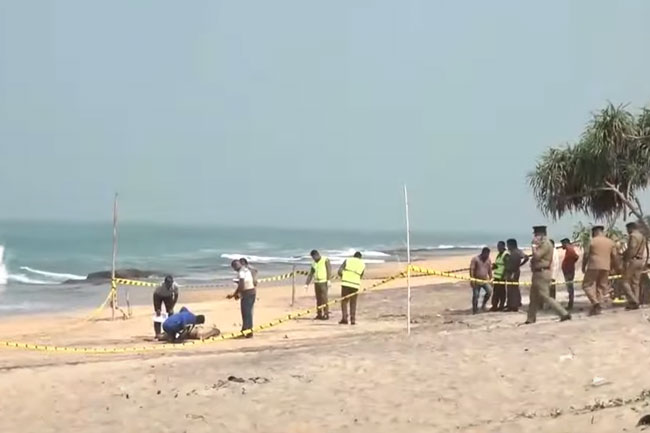
February 25, Colombo (LNW): Authorities have apprehended seven individuals, including a woman, in connection with the murder of a man at Uswetikeiyawa beach last Thursday (20).
The suspects, who were captured in various locations across the island, are believed to include the alleged shooter responsible for the fatal attack.
The tragic incident occurred on the evening of February 20, when a 29-year-old man was discovered lifeless at the popular Morganwatta beach.
He had sustained fatal gunshot wounds, and investigators quickly began piecing together the circumstances surrounding his death.
February 25, Colombo (LNW): Showers will occur at times in Northern, North-central, Eastern and Uva provinces and in Matale, Nuwara-Eliyaand Hambantota districts, and showers or thundershowers may occur at several places in Western and Sabaragamuwa provinces and in Galle and Matara districts in the evening or night, the Department of Meteorology said in its daily weather forecast today (25).
Fairly strong winds of (30-40) kmph can be expected at times over Northern, North-central, Eastern and North-western provinces and in Matale and Hambantota districts.
Misty conditions can be expected at some places in Western and Sabaragamuwa provinces and in Galle and Matara districts during the morning.
The general public is kindly requested to take adequate precautions to minimise damages caused by temporary localised strong winds and lightning during thundershowers.
Marine Weather:
Condition of Rain:
Showers may occur at several places in the sea areas extending from Kankasanthurai to Hambantota via Trincomalee and Batticaloa. Showers or thundershowers may occur at a few places in the sea areas extending from Colombo to Matara via Galle during the afternoon or Night.
Winds:
Winds will be north-easterly and speed will be (30-40) kmph. Wind speed can increase up to (50-55) kmph at times in the sea areas off the coast extending from Colombo to Kankasanthurai via Puttalam and Mannar and from Matara to Batticaloa via Hambantota and Pottuvil.
State of Sea:
The sea areas off the coasts extending fromColombo to Kankasanthurai via Puttalam and Mannar and from Matara to Batticaloa via Hambantota and Pottuvil will be rough at times. Other sea areas around the island will be Moderate.
February 24, Colombo (LNW): The Ceylon Electricity Board (CEB) recently initiated a reduction in solar power output to the national grid by instructing small-scale ground-mounted solar producers to scale down their generation between 11 AM and 1 PM. The directive, issued verbally on the morning of February 16, 2025, required each producer to cut production by 50 percent. However, it remains uncertain whether this measure will be repeated in the coming days.
Sameera Ganegoda, President of the Grid Connected Solar Power Association, stated that the affected plants all have a capacity exceeding 10 MW. He highlighted that the power purchase agreements (PPAs) between these producers and the CEB do not include provisions permitting such curtailments.
In response, the Public Utilities Commission of Sri Lanka (PUCSL) has requested an official report from the CEB regarding these unexpected power reductions, which were carried out without prior notice to the regulatory authority. Additionally, the PUCSL has sought clarification on CEB’s plans for managing solar power supply in the future.
This development follows the nationwide blackout that occurred on February 9, 2025. In an official statement, the CEB attributed the outage to a disturbance at the 33kV Panadura Grid Substation, which led to a sudden voltage drop across the power network.
At the time of the failure, over 50% of the national electricity demand was being met by solar photovoltaic (PV) generation, contributing 800 MW, while other sources included the Lakvijaya Power Plant at Norochcholai (470 MW) and hydropower plants (130 MW).
The CEB explained that the high penetration of non-synchronous solar PV generation resulted in low system inertia, making the grid susceptible to faults.
The disruption caused an imbalance between power generation and demand, leading to cascading failures and a complete system outage. A significant voltage drop triggered the disconnection of multiple solar PV systems, further destabilizing the grid.
As a precautionary measure to prevent similar incidents, the CEB announced plans to curtail ground-mounted solar PV generation during low-demand periods when necessary to minimize grid instability. However, this measure will not impact rooftop solar installations.
Industry experts have expressed concerns over the abrupt nature of these instructions, stating that they were unanticipated and lacked transparency.
They argue that the least-cost generation principle was violated, and it remains unclear how the specific power plants were chosen for curtailment and what criteria were used to determine the extent of these restrictions.
As the solar power sector seeks greater clarity, stakeholders are urging the CEB to establish transparent guidelines and consult with producers to ensure a fair and effective approach to managing grid stability while maximizing renewable energy contributions.