Home Blog Page 792

Sri Lanka’s Power Sector Shake-Up: CEB’s Debt Accumulation Raises Concerns

0

By: Staff Writer

October 13, Colombo (LNW): The Ceylon Electricity Board (CEB) is facing scrutiny as it undergoes a significant restructuring process under the Sri Lanka Electricity Act No.36 of 2024. Central to this restructuring is the controversial decision to transfer a large portion of CEB’s debt to its hydropower unit, a move that has raised concerns among experts, politicians, and the public.

Despite reporting a net profit of 93 billion rupees by June 2024, the CEB used these gains primarily to settle its outstanding debts to renewable energy developers, thermal power plants, and coal suppliers. This financial maneuver allowed the utility to lower electricity tariffs, even as its revenue declined. Impressively, the CEB saw a 67 percent profit rise to 34.5 billion rupees in the quarter ending June 2024, mainly due to reduced financial expenses.

However, Fitch Ratings has cautioned that deviating from the current cost-reflective tariff model could weaken CEB’s financial stability and threaten the broader power generation sector in Sri Lanka. It warned that should tariff reductions continue, the CEB might have to slash capital expenditures to meet its debt obligations.

The restructuring plan includes shifting a substantial portion of CEB’s debt to the company responsible for hydropower. This decision is part of the new electricity reforms aimed at keeping hydropower under government control, without opening it to private investments. Critics argue that this move could undermine the financial health of the hydropower sector, which has been a cornerstone of Sri Lanka’s energy stability.

The Power and Energy Ministry, in collaboration with the Treasury, has directed CEB to develop a plan to manage its existing debt. Yet, the precise details of how the debt will be allocated remain unclear. The restructuring strategy is supported by Section 18(3)(b) of the Sri Lanka Electricity Act No.36 of 2024, which stipulates that the financial liabilities of CEB will be distributed among its successor companies, with the hydropower unit bearing a significant portion of these obligations.

The act outlines the formation of several new entities, including a Treasury-owned company for hydropower, another for coal plants, and separate units for thermal and wind power, all operating under the Companies Act No.7 of 2007. This structure is designed to maintain government oversight through significant Treasury ownership.

While the CEB has reported a turnaround in its financial performance with a profit of 61.2 billion rupees for the fiscal year ending December 2023, following a loss of 298 billion rupees in the previous year, its rising fuel and thermal generation costs continue to pose challenges. Critics argue that the debt allocation to the hydropower unit jeopardizes one of the country’s most sustainable and cost-effective energy sources.

Amid the ongoing restructuring debate, concerns have also been raised about the lack of transparency and public involvement in the decision-making process. Questions are mounting over whether short-term financial relief is being prioritized over the long-term stability of Sri Lanka’s energy sector.

This restructuring plan has led to fears that once the sector opens to private investment, electricity tariffs will inevitably rise, as investors prioritize profitability over national energy responsibilities. Critics argue that if the restructuring goes ahead as proposed, it could place a disproportionate financial burden on the public and jeopardize the country’s long-term energy affordability and stability.

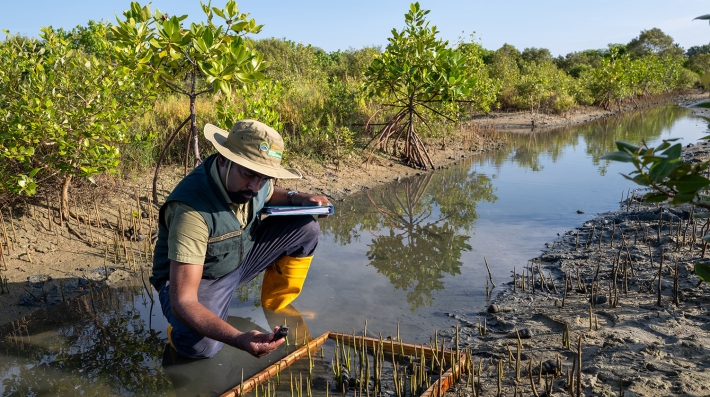
Sri Lanka to Restore 10,000 Hectares of Mangroves by 2030 with Community Efforts

0

By: Staff Writer

October 13, Colombo (LNW): Sri Lanka is set to restore 10,000 hectares of mangroves by 2030 through a collaborative initiative involving the Ministry of Crab restaurant and the United Nations Development Programme (UNDP). This effort is part of the Global Environment Facility (GEF)-funded Small Grants Programme (SGP) in the Mannar Landscape, which aims to empower local communities to engage in mangrove restoration over an 18-month period.

Mangroves are crucial for Sri Lanka’s economy and climate resilience, but they face significant threats from climate change and pollution. To address this, a large-scale initiative to increase the country’s mangrove cover by over 50% has been recognized as one of seven UN World Restoration Flagships. The project focuses on mangrove propagation, reforestation, and protection, involving local communities and grassroots organizations.

To kick off the initiative, Chef Dharshan Munidasa, founder of Ministry of Crab, and Azusa Kubota, UNDP Resident Representative in Sri Lanka, signed a letter of agreement. The project will collaborate with two local organizations, the Human Development Organization (HDO) and WeCAN, to plant 1,000 mangrove plants. The community will form youth groups to maintain and monitor the mangroves, create tree bands on saline land, and establish a plant nursery.

Mangrove forests are vital to Sri Lanka’s ecosystem, acting as a natural defense against coastal erosion and storm surges, and absorbing up to five times more carbon than traditional forests. They also play a significant role in improving water quality and providing livelihoods for coastal communities. By protecting these ecosystems, the project aims to strengthen the resilience of these communities, promote sustainable fishing and agriculture, and ensure a healthier environment.

Chef Munidasa highlighted the importance of mangroves to the Ministry of Crab’s mission and the broader ecosystem that sustains Sri Lanka’s iconic mud crabs. He emphasized the need for community and corporate involvement to preserve these natural resources and heritage.

Ministry of Crab has a strong commitment to sustainability, emphasizing responsible seafood sourcing practices. The restaurant has partnered with local suppliers who follow sustainable practices and supported the livelihoods of fishing communities. In line with this, the recent introduction of the “Mud Crab Fishery Management Regulations, 2024” by Sri Lanka’s Ministry of Fisheries aims to regulate mud crab harvesting and promote sustainability.

The mangrove restoration project in the Mannar Landscape also includes initiatives like zero plastic awareness training, waste management, soil and water conservation, and support for women-led enterprises. These efforts aim to build stronger, more environmentally conscious communities.

Azusa Kubota of UNDP praised the partnership, noting that the GEF-funded SGP initiative exemplifies the concept of “thinking globally, acting locally.” She emphasized the importance of community-based action in balancing human needs with environmental sustainability and expressed hope for more private sector involvement in these restoration efforts.

Ministry of Crab is dedicated to community building, with proceeds from its merchandise sales going directly to support these restoration projects, demonstrating its commitment to driving positive change at the grassroots level.

SL explores adoption of India’s GatiShakti National Master Plan for enhanced infrastructure development

0

By: Isuru Parakrama

October 13, Colombo (LNW): Sri Lanka is actively engaged in discussions with New Delhi regarding the potential adoption of India’s Prime Minister GatiShakti National Master Plan, an innovative project planning framework that has facilitated the approval of infrastructure initiatives valued at over INR 15 trillion since its inception three years ago.

Launched on October 13, 2021, the GatiShakti initiative is designed to bolster multi-modal connectivity and optimise infrastructure planning through the integration of data from various ministries and state governments.

This strategic approach aims to enhance efficiency, transparency, and coordination among different sectors involved in infrastructure development, thereby serving as a benchmark for other nations aspiring to improve their infrastructure frameworks.

India’s Ministry of Commerce and Industry has confirmed that diplomatic dialogues are ongoing not only with Sri Lanka but also with several other developing nations, including Nepal, Bangladesh, Madagascar, Senegal, and Gambia.

The goal of these discussions is to share best practices and foster collaborative efforts in infrastructure planning and implementation.

The potential adoption of the GatiShakti plan could provide Sri Lanka with a structured methodology to address its infrastructure challenges, thereby enhancing connectivity across various regions of the country.

By leveraging the expertise and experience garnered from India’s successful implementation, Sri Lanka aims to create a more integrated and efficient infrastructure landscape, which is crucial for its economic growth and development.

Schools in key Colombo and Gampaha zones to close amid severe weather

0

By: Isuru Parakrama

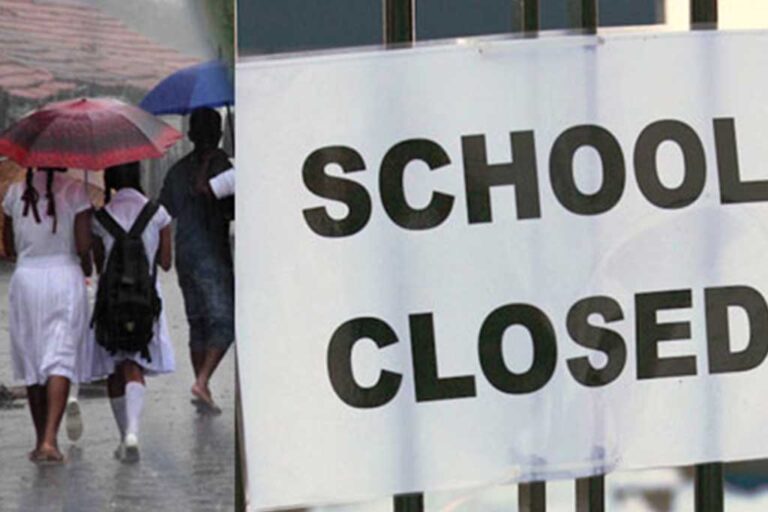
October 13, Colombo (LNW): The Western Province Education Ministry has announced the closure of all government schools in the Kaduwela and Kolonnawa Education Zones within Colombo District, as well as the Wattala Zonal Division in Gampaha District, due to the ongoing adverse weather conditions.

The decision takes effect tomorrow (14), prioritising student safety amid warnings of heavy rainfall and potential flooding in these areas.

The announcement follows increased concerns over the region’s vulnerability to severe weather, with authorities reporting potential disruptions, including flooding and landslides.

Educational officials have stressed the importance of ensuring that students and staff avoid unnecessary travel while conditions remain hazardous.

Schools in the affected zones will remain closed until further notice, with the Ministry closely monitoring weather updates to assess whether additional closures may be required in the coming days.

Meanwhile, parents and guardians are encouraged to stay informed via local news and official channels for updates on when schools may safely reopen.

Kelani River flood warnings extended as weather risks persist

0

By: Isuru Parakrama

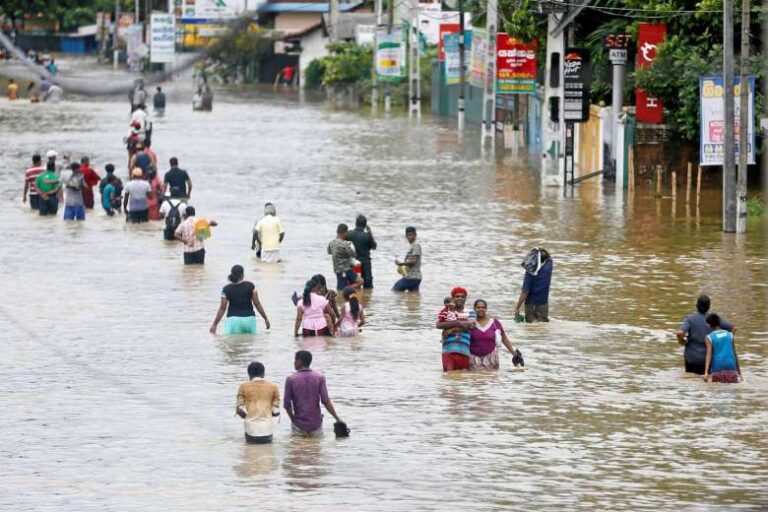
October 13, Colombo (LNW): The Irrigation Department has announced an extension of flood warnings for the Kelani River, cautioning that the alerts will remain in effect for the next 48 hours due to ongoing adverse weather conditions.

Authorities have urged residents in vulnerable areas to remain vigilant and adhere strictly to safety protocols, as the threat of flooding remains high.

The warning follows recent heavy rainfall that has caused water levels in the Kelani River to rise, putting surrounding communities at increased risk of floods.

The department stressed the importance of continued caution, advising residents to stay informed and prepared for potential evacuations if conditions worsen.

In addition to the immediate concerns along the Kelani River, the broader impact of the persistent rain is being closely monitored, with other rivers and low-lying areas potentially facing similar threats.

Local disaster management teams are on high alert, working with the Irrigation Department to respond swiftly to any emergency situations that may arise.

As Sri Lanka grapples with these ongoing weather-related challenges, residents are urged to take all necessary precautions and stay updated on weather forecasts, ensuring they are prepared for any further developments.

Surge in cancer cases raises alarms in SL: Over 33,000 diagnosed last year

0

By: Isuru Parakrama

October 13, Colombo (LNW): Health authorities in Sri Lanka have expressed concern over a sharp rise in cancer diagnoses, with over 33,000 new cases and 19,000 deaths recorded in the past year alone.

The alarming statistics were highlighted during the 21st Annual Academic Sessions of the Sri Lanka College of Oncologists (SLCO), recently held in Colombo.

Health Secretary Dr. Palitha Mahipala drew attention to the most prevalent forms of cancer, noting that amongst men, oral cancer remains the leading diagnosis, whilst breast cancer continues to dominate among women.

The significant rise in cancer cases is reflective of a broader global trend, with projections suggesting a 77 per cent increase in cases by 2050, particularly in low-income countries.

During his address, Dr. Mahipala emphasised the urgent need for preventive measures, urging Sri Lankans to reduce risk factors such as smoking, alcohol consumption, poor dietary habits, and sedentary lifestyles.

He stressed that the majority of cancer cases can be avoided through lifestyle changes, with only a small percentage linked to genetic predispositions.

Highlighting global data, Dr. Mahipala noted that in 2022, there were nearly 20 million new cancer diagnoses worldwide, resulting in almost 10 million deaths.

He added that in Sri Lanka, breast cancer, oral cancer, lung cancer, and colorectal cancer remain the most lethal forms of the disease. Last year, 4,555 women were diagnosed with breast cancer, whilst 1,990 men were identified as having oral cancer.

Over 76,000 affected by severe weather across 11 districts in SL

0

By: Isuru Parakrama

October 13, Colombo (LNW): The Disaster Management Centre (DMC) has reported that adverse weather conditions have severely impacted 76,218 individuals from 18,795 families across 11 districts in Sri Lanka.

Torrential rains, strong winds, and floods have caused widespread disruption, damaging homes and displacing residents in affected regions.

Emergency response teams have been mobilised to assist those in need, with the DMC coordinating relief efforts to provide shelter, food, and medical aid to affected communities.

Authorities have urged residents to remain vigilant as weather patterns remain unpredictable, with further warnings issued for potential landslides and flooding in vulnerable areas.

President makes debut political speech on NPP stage after assuming Office

0

By: Isuru Parakrama

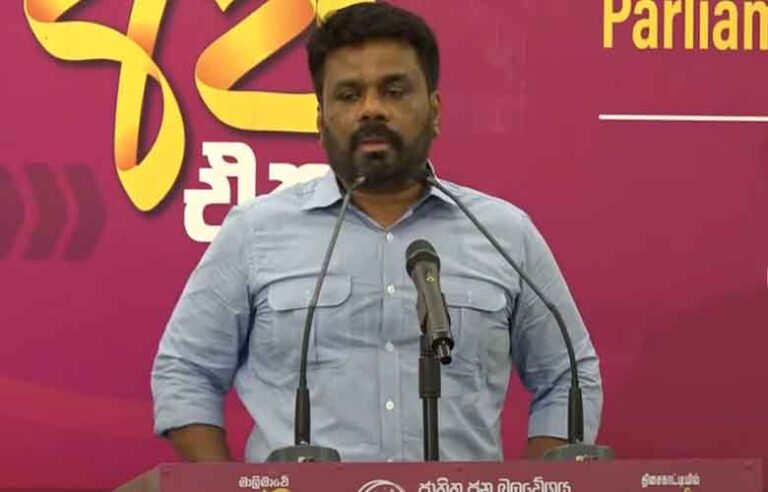
October 13, Colombo (LNW): President Anura Kumara Dissanayake has concluded his first political speech after assuming Office a short while ago (13).

He made his debut speech as the leader of the NPP at the “Parliamentary Election 2024 – Candidates’ Meeting” event organised by the Party this afternoon.

Dissanayake emphasised that the contest ahead does not solely comply with the number of votes to be secured, but a combination of culture and opinions, adding that the failed and obsolete political culture should be eradicated, aiming a new economic and political journey.

His position as the current Head of State and the Cabinet being held by only three Members of Parliament compel the administration to hold a difficult task, Dissanayake stressed, referring it to a “period of transitioning”, and therefore calling for a strong parliament majority for policy legislation.

He emphasised that during the transitioning period, the practice of patience must be mastered efficiently, aiming the broader goal of securing the majority.

President Dissanayake also pointed out that merely securing a strong majority, let alone a two-thirds majority, did not set examples of good governance in the history of Sri Lankan politics due to their subsequent decimation from one regime to another, suggesting that the concept of ‘a strong majority’ should stand for both quantitative and qualitative representation, which the public calls for.

The President addressed nominees for the upcoming General Election, thereby urging the NPP candidates to serve at their best for the latter part of being a majority.

He warned the NPP candidates to not betray the public’s trust upon their election to Parliament, advising them to serve what the public needs this nation to be.

Dissanayake also reiterated his commitment to fostering the party manifesto to build the nation.

Surge in cybercrime prompts international cooperation in SL

0

By: Isuru Parakrama

October 13, Colombo (LNW): Sri Lanka has seen a significant rise in cybercrime, prompting local authorities to intensify international cooperation to combat this growing threat.

Criminals—primarily foreign nationals—are targeting local bank account holders, including professionals, through sophisticated scams aimed at siphoning funds overseas, according to Police Media Spokesman DIG Nihal Thalduwa.

In response to the surge in cyber-related criminal activity, a team of 10 Chinese law enforcement officers recently arrived in Sri Lanka to assist local police.

Their presence follows a request made through diplomatic channels by Sri Lanka’s Criminal Investigation Department (CID).

Thalduwa emphasised that foreign nationals are behind the majority of cybercrimes in the country, with over 70 foreign individuals, mostly Chinese, arrested for their involvement.

Other cybercriminals apprehended in Sri Lanka include nationals from Malaysia and India.

A recent investigation highlights the international dimension of these crimes, as 20 Chinese nationals were questioned by local authorities for their involvement in financial fraud.

The rise in cybercrime underscores the need for national and global partnerships, as cybercriminals continue to exploit advanced technology to evade detection, even as financial institutions enhance their security systems.

Despite increased warnings from banks and cybersecurity experts, criminals are still able to bypass protective measures through phishing attacks and other technologically advanced methods.

Sri Lanka’s CID is now working to strengthen its legal frameworks while also building closer ties with global agencies such as Interpol and Europol to better address the international nature of these crimes.

The number of complaints regarding identity theft and stolen PINs has also risen sharply, reflecting growing vulnerabilities in the country’s expanding digital landscape, further stressing the need for continued vigilance and robust cybersecurity measures, according to an official from TechCERT, Sri Lanka’s Computer Emergency Response Team.

Mobile phone and accessories found in cells of notorious criminals at Boossa Prison

0

By: Isuru Parakrama

October 13, Colombo (LNW): In a recent security sweep at Boossa Prison, the Police Special Task Force (STF) uncovered a smartphone and various mobile phone accessories concealed within the cells of two infamous criminals, “Ganemulla Sanjeewa” and “Wele Suda“, both notorious for their involvement in organised crime and drug trafficking.

The discovery followed an intelligence tip-off received by STF officers stationed at the prison, prompting an emergency search on 13 October.

The operation, targeting several cells within the special section of A block, revealed a smartphone hidden behind the cell wall where Sanjeewa Kumara Samararatne, also known as “Ganemulla Sanjeewa“, is incarcerated.

In another part of the block, officers found mobile phone accessories similarly concealed within the cell of Samantha Kumara, widely known by the alias “Wele Suda“.

Both men have been key figures in Sri Lanka’s underworld, with deep ties to organised crime networks that extend beyond the prison walls.

The confiscated phone and accessories have since been handed over to prison authorities for further investigation.

The discovery has raised concerns about the ongoing influence of criminal elements even behind bars, with fears that mobile devices could facilitate communication with outside networks, enabling the continuation of illicit operations.

In response, prison authorities are expected to tighten security measures, with increased scrutiny on both prisoners and staff to prevent further breaches.

This incident is not the first of its kind; prisons across the country have grappled with similar challenges, as inmates connected to organised crime seek to exploit any gaps in security.

Authorities are calling for a thorough investigation into how these items were smuggled into the high-security facility, emphasising the need for robust measures to curb the influence of criminal gangs operating from within prisons.