
By: Staff Writer
June 11, Colombo (LNW): Sri Lanka’s labour reform programme received international attention this week as senior government officials sought stronger collaboration with the International Labour Organization (ILO) to advance worker rights, social justice and workplace protections.
The discussions took place during a meeting between Labour Minister and Deputy Finance Minister Dr. Anil Jayantha Fernando and ILO Director-General Gilbert F. Houngbo on the margins of the 114th Session of the International Labour Conference in Geneva.
The engagement provided Sri Lanka with an opportunity to present its evolving labour policy framework at a time when governments worldwide are grappling with economic uncertainty, technological disruption and changing workforce expectations.
During the talks, Dr. Fernando outlined a series of reforms being pursued by the Government, including efforts to modernise labour laws, strengthen social protection systems and improve access to opportunities in an increasingly digital economy.
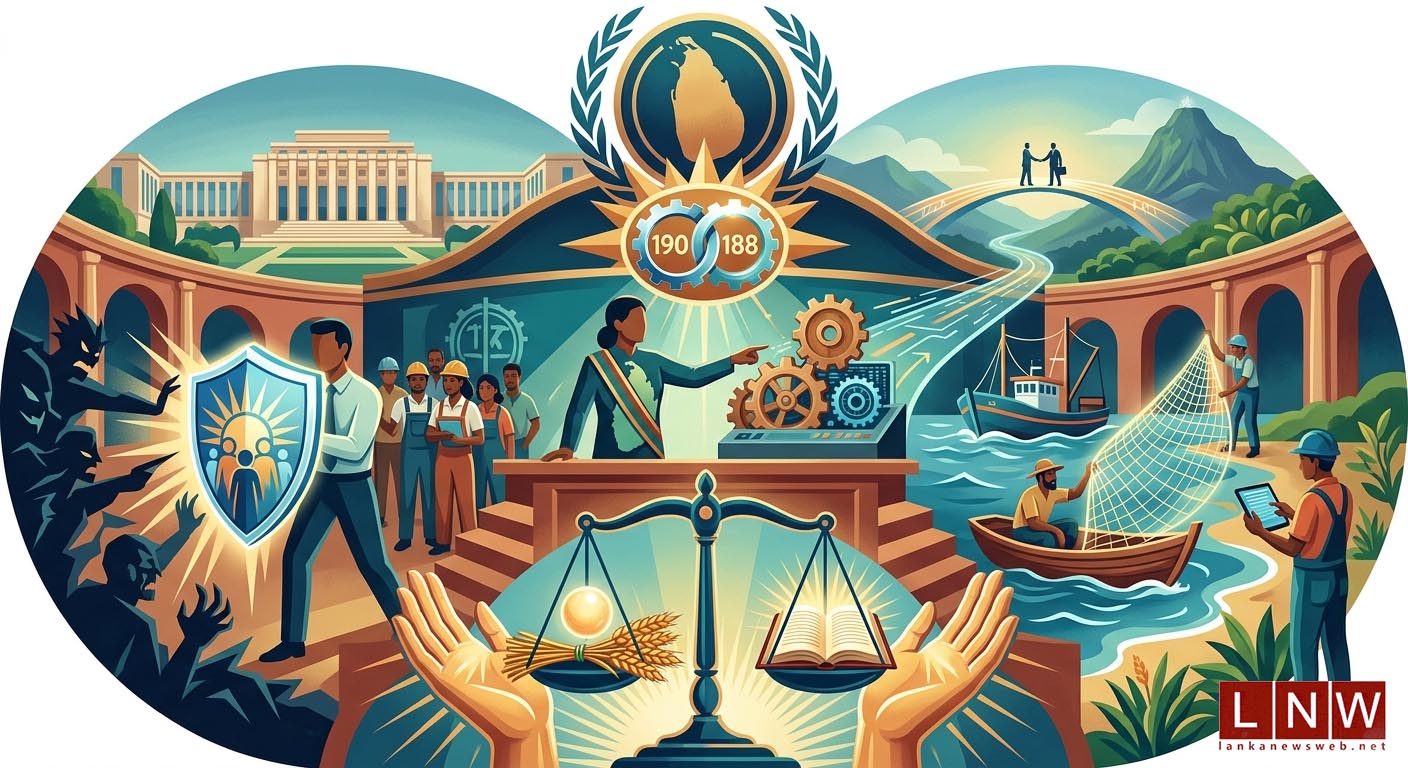
A major focus of the discussions was Sri Lanka’s recent ratification of ILO Convention No. 190, which addresses violence and harassment in the workplace. The convention is regarded internationally as a significant milestone in labour rights because it establishes clear obligations for governments to prevent workplace abuse and create safer working environments.
Government officials indicated that legal reforms necessary to implement the convention are already being developed, marking a crucial step from international commitment to domestic enforcement.
Another issue raised during the meeting was the potential ratification of Convention No. 188 on Work in Fishing. If adopted, the convention would strengthen protections for workers in one of Sri Lanka’s most important traditional industries. Labour advocates have long argued that fishermen and related workers require stronger safeguards covering working conditions, occupational health and social welfare benefits.
The Government’s push for labour reforms is also linked to broader economic and social objectives. Officials maintain that stronger labour standards can contribute to productivity, workforce stability and inclusive growth while enhancing Sri Lanka’s reputation among international partners and investors.
Observers say the timing of these reforms is significant. The rise of digital technologies and artificial intelligence is transforming labour markets across the globe, creating both opportunities and risks for workers. Countries are increasingly under pressure to develop policies that protect workers while remaining competitive in a rapidly changing economy.
Sri Lanka’s delegation attending the Geneva conference is expected to highlight these concerns, emphasising the need for global cooperation to ensure technological progress creates shared benefits rather than widening inequalities. The delegation is also expected to advocate for policies that help workers adapt to emerging technologies and changing employment patterns.
Houngbo responded positively to Sri Lanka’s reform efforts, acknowledging the country’s progress in embracing international labour standards. He also reaffirmed the ILO’s readiness to provide technical expertise and institutional support for future reforms.
The outcome of the Geneva discussions suggests that Sri Lanka’s labour agenda is gaining international recognition. However, the true measure of success will depend on how effectively these commitments are implemented on the ground and whether workers experience tangible improvements in their daily working lives.