
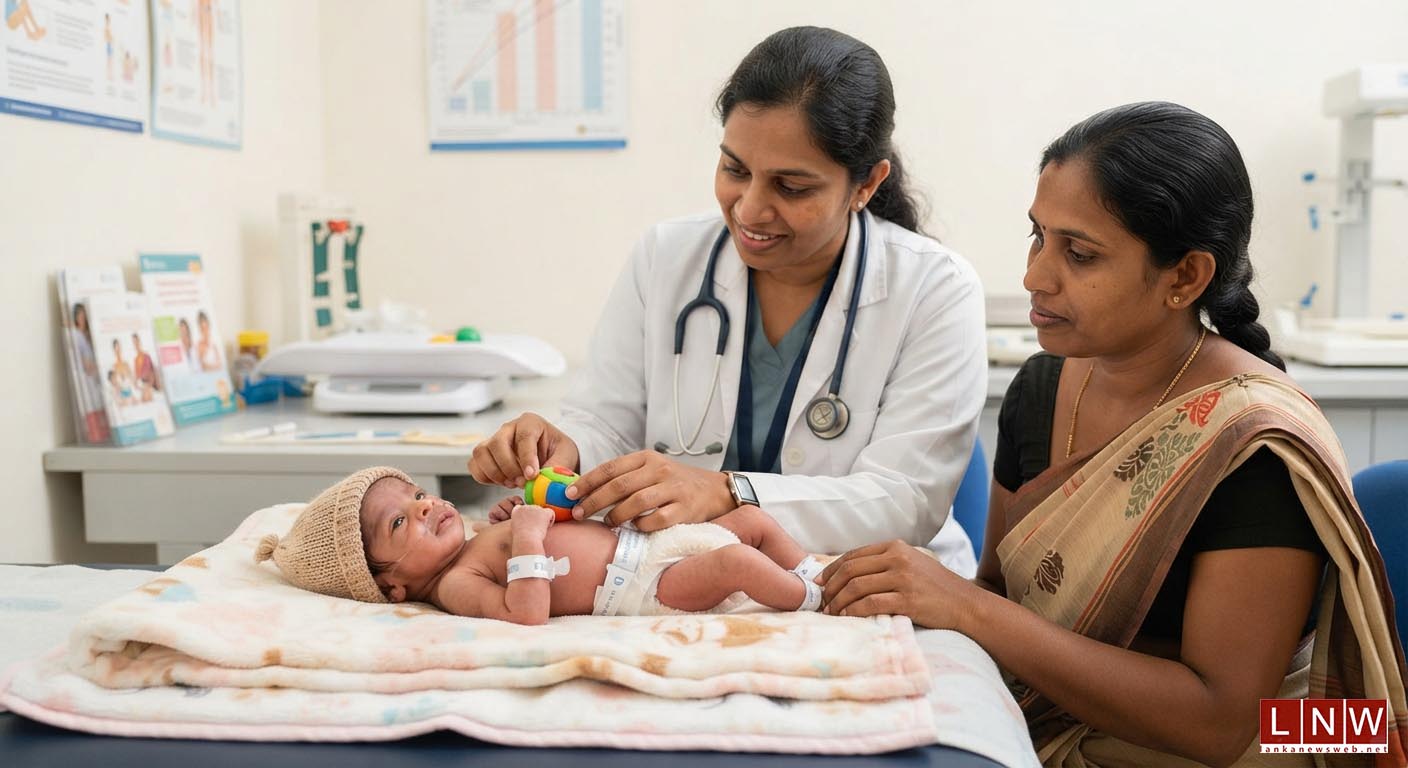
November 17, Colombo (LNW): Approximately one in every ten babies born in Sri Lanka arrives before completing the full period of pregnancy, raising concerns over the need to strengthen specialised newborn healthcare and ensure continued medical support beyond hospital discharge.
While improvements in modern medicine have greatly increased the survival prospects of premature infants, healthcare professionals warn that surviving the initial complications is only the first stage of their journey towards healthy development.
Babies born prematurely are particularly vulnerable to a range of medical conditions, including breathing difficulties, visual impairments and developmental challenges. Some of these complications may not become apparent until several weeks or months after the child has left a Neonatal Intensive Care Unit (NICU).
Medical specialists therefore emphasise that regular health assessments, developmental monitoring and timely medical intervention are essential to identify emerging problems and minimise their potential impact on a child’s future.
These concerns were brought into focus at an awareness event organised by the Perinatal Society of Sri Lanka on 15 November to mark World Prematurity Day. The programme highlighted the importance of improving care for premature infants, not only during their stay in hospital but throughout their early years.
Deputy Health Minister Dr Hansaka Wijemuni, addressing the gathering, stressed that the healthcare system must look beyond the immediate challenge of keeping premature babies alive.
He pointed out that children discharged following intensive neonatal treatment require structured follow-up programmes to monitor their physical growth, neurological development and general health. Without such continued attention, certain complications could go undetected, potentially affecting their quality of life.
The Deputy Minister also underscored the importance of a coordinated approach involving government healthcare institutions, medical professional bodies, private healthcare providers and other relevant organisations. Stronger partnerships, he said, would help expand the support available to premature infants and their families.
A special set of guidelines intended to improve the medical management, overall well-being and long-term health prospects of premature babies was also introduced at the event.
The Perinatal Society of Sri Lanka plays an important role in advancing maternal and newborn healthcare, bringing together specialists in obstetrics and gynaecology, paediatrics and neonatal medicine. Its work includes promoting medical research, professional training and the wider application of scientific knowledge to improve healthcare standards.
Health experts point out that the consequences of premature birth extend beyond the immediate medical needs of the infant. Families can face prolonged emotional, financial and practical difficulties, while untreated developmental complications may create additional demands on healthcare and social support systems.
Strengthening follow-up services and ensuring access to specialised care could therefore make a significant difference to the long-term prospects of premature children, while reducing the wider burden on families and society.