
By: Staff Writer
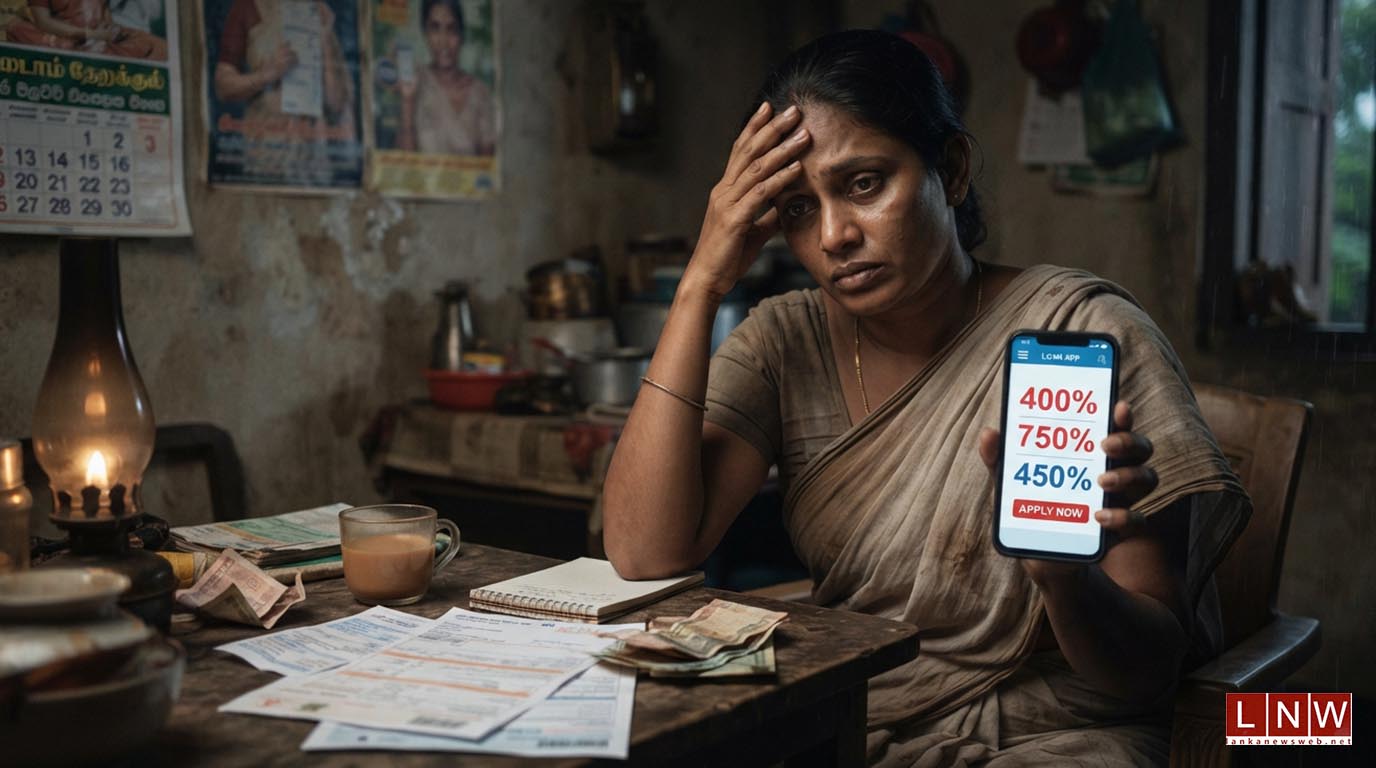
November 23, Colombo (LNW): Sri Lanka’s rapidly expanding digital microloan industry is emerging as a potentially dangerous financial trap for economically vulnerable households, with borrowers exposed to misleading advertisements, hidden charges, harassment and questionable personal-data collection in an industry operating without an effective regulatory authority.
A new report by the Colombo-based Centre for a Smart Future (CSF), titled Fast Cash, Hidden Risks: Digital Microloans in Sri Lanka, warns that digital lending platforms promoted through text messages and social media have created a growing consumer protection problem, particularly among households struggling with rising living costs and financial pressures following the economic crisis.
The report describes the sector as operating in a “regulatory black hole”, allowing digital lenders to expand while borrowers remain inadequately protected against unfair lending practices, opaque repayment conditions and aggressive debt-recovery methods.
The proliferation of these services has been driven partly by the inability of traditional banking institutions to accommodate individuals with limited access to formal credit. Digital platforms promise quick loans with minimal documentation, making them attractive to people seeking emergency money for food, medical expenses, household bills and other immediate financial needs.
However, the convenience of obtaining money within minutes may conceal substantial risks. CSF identifies misleading promotional material, unclear contractual conditions, hidden costs and problematic collection practices that could leave borrowers facing financial obligations they did not adequately understand when accepting loans.
The report also raises serious concerns about digital privacy. Loan applications reportedly demand extensive permissions to access mobile phone information, including contacts, call records, photographs and other personal data.
Such permissions raise questions about whether borrowers understand the extent of information being collected, how it is stored, whether it is shared with third parties and how it may potentially be used during debt recovery.
Although Sri Lanka’s Personal Data Protection Act establishes a framework for safeguarding personal information, CSF argues that digital lenders’ policies often fail to adequately explain the purpose of data collection, the nature of information accessed and the arrangements governing its disclosure.
The absence of effective regulatory oversight is central to the problem. The Central Bank does not currently exercise direct authority over these digital lending providers, as its mandate primarily covers regulated financial institutions and deposit-taking entities.
The newly enacted Microfinance and Credit Regulatory Act could provide a pathway towards supervision. However, the institution responsible for implementing and enforcing the legislation has yet to be established, while reported amendments could further postpone effective regulation.
Until that institutional framework becomes operational, vulnerable borrowers risk remaining exposed to lending practices that are difficult to challenge, raising the question of whether Sri Lanka’s expanding digital credit market is providing financial inclusion or creating another avenue for exploitation.