
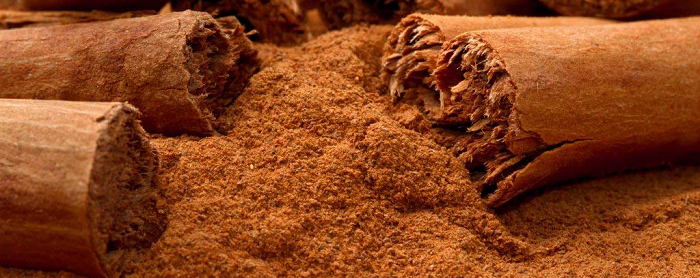
Sri Lanka has completed the national Geographical Indication (GI) registration of Ceylon Cinnamon, with the National Intellectual Property Office (NIPO) formally presenting the country’s first national GI certificate to the Sri Lanka Export Development Board (EDB).
The achievement follows a nearly decade-long effort involving the EDB, public and private sector institutions and stakeholders in the cinnamon industry. It comes after Ceylon Cinnamon became the first Sri Lankan product to receive Protected Geographical Indication (PGI) status from the European Union in February 2022.
Speaking at the event, Minister of Trade, Commerce, Food Security and Cooperative Development Wasantha Samarasinghe said that although Ceylon Cinnamon is indigenous to Sri Lanka, some countries try to market substitutes such as cassia as cinnamon. He said the GI certification would help protect the identity and reputation of Ceylon Cinnamon in international markets, and would also create opportunities to move beyond exporting cinnamon bark by developing value-added products using modern technology.
With cinnamon cultivation expanding beyond the Southern Province to areas including Vavuniya and Anuradhapura, the initiative is expected to help growers across the country raise their incomes. Sri Lanka aims to increase cinnamon export earnings from US$250 million in 2025 to US$1 billion by 2030, the Minister said.
He added that work is under way to secure national GI status for other Sri Lankan products, including kithul, palmyra-based products, Golden Pineapple, tea, pepper, king coconut, blue sapphires and Dumbara mats, with applications already submitted for some of them. Plans are also in place to promote these products at the “Expo” exhibition scheduled for January next year, expected to be held after a 15-year gap.