
By: Staff Writer
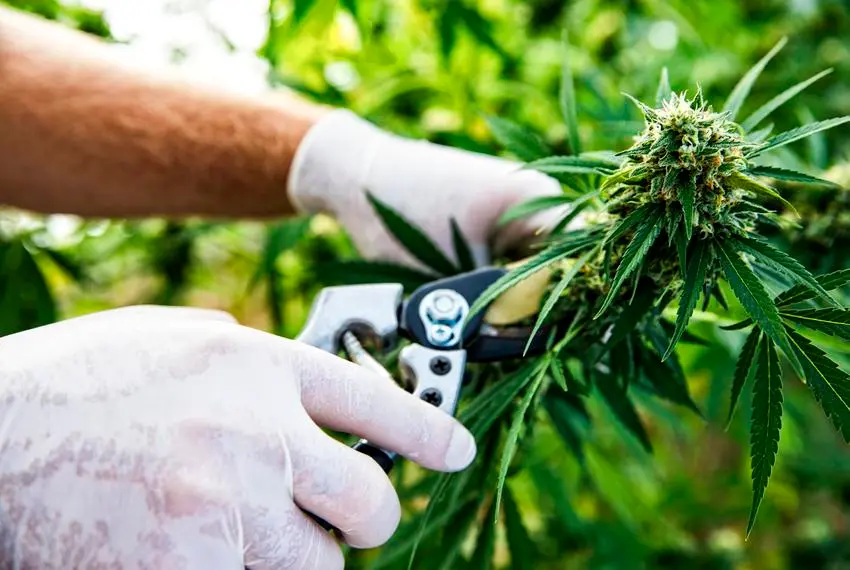
February 06, Colombo (LNW): Consequent to the government’s decision to cultivate one million indigenous herbs across Grama Niladari divisions (GN Divisions), a memorandum was presented to the cabinet to obtain legal status for calling for expressions of interest for the commercial cultivation of cannabis.
The aim is to cultivate cannabis as a medicinal herb to produce indigenous medicines for the export market .
State minister Sisira Jayakody said the 1971 Ayurvedic Act has been amended to allow for herbal cultivation. The attorney general’s draft will be submitted to the cabinet for approval, he said.
The expected legalization of cannabis exports will earn huge foreign exchange for the country. Investors will be chosen through the Ayurvedic Council, he said.
Meanwhile the Sri Lanka Ayurvedic Drugs Corporation (SLADC) has achieved its highest profit in years in 2023, recording a notable Rs. 195 million, State Minister of Indigenous Medicine Sisira Jayakody revealed yesterday.
He said this achievement marks a significant turnaround for the SLADC, highlighting the positive impact of the new management’s strategies.
“This profit is the highest since 2017,” Jayakody stated, emphasizing the remarkable progress made by the SLADC under its new leadership. He attributed this success to the implementation of effective measures by the new management, which have revitalized the corporation’s operations and financial standing.
State Minister Jayakody said in celebration of the 76th National Independence Day, the Government has launched a program to cultivate 1 million indigenous herbs across the country thereby boost domestic production of medicinal herbs and to reduce reliance on imports.
The program’s first phase began yesterday and will continue until 7 April. It focuses on all Grama Niladhari (GN) Divisions across the country, ensuring widespread participation and impact.
This initiative recognises the abundance of medicinal plants in Sri Lanka and aims to address the long-standing issue of importing indigenous medicines.
By promoting domestic cultivation, the program seeks to establish indigenous medicine as a viable commercial industry.
It also aims to reduce the cost of imported raw materials used in medicine production, ultimately saving valuable resources and strengthening Sri Lanka’s self-reliance in the healthcare sector.
Government-owned vacant lands are being repurposed for a novel initiative: cultivating medicinal plants.
