
December 11, Colombo (LNW): Insurance firms across Sri Lanka have moved quickly to ease the financial strain on those hit by Cyclone Ditwah, with authorities confirming that initial payouts for minor damages are already under way.
According to Finance Ministry Secretary Dr Harshana Suriyapperuma, the Insurance Regulatory Commission summoned all companies to coordinate a unified approach to supporting affected households and businesses.
Under this collective effort, insurers have begun processing claims relating to property losses, business disruptions, and fatalities. Where assessments allow, partial settlements are being released to help families and enterprises regain some stability while full verifications continue. Officials say the aim is to avoid bureaucratic delays and ensure that compensation reaches those in need as swiftly as possible.
Meanwhile, the government’s wider Rebuilding Sri Lanka initiative has drawn considerable backing, with nearly Rs 1.9 billion raised from local donors, the diaspora, and philanthropic organisations. The funds, according to the Presidential Media Division, will bolster ongoing recovery work ranging from emergency aid to long-term reconstruction.
Early assessments from the Ministry of Industry suggest a far-reaching blow to the productive sector. More than 3,200 enterprises—spanning large factories to small workshops—have reported varying degrees of damage. Gampaha district has recorded the highest number of affected establishments, and officials caution that current figures only reflect data already entered into the system, meaning the real scale may be considerably higher.
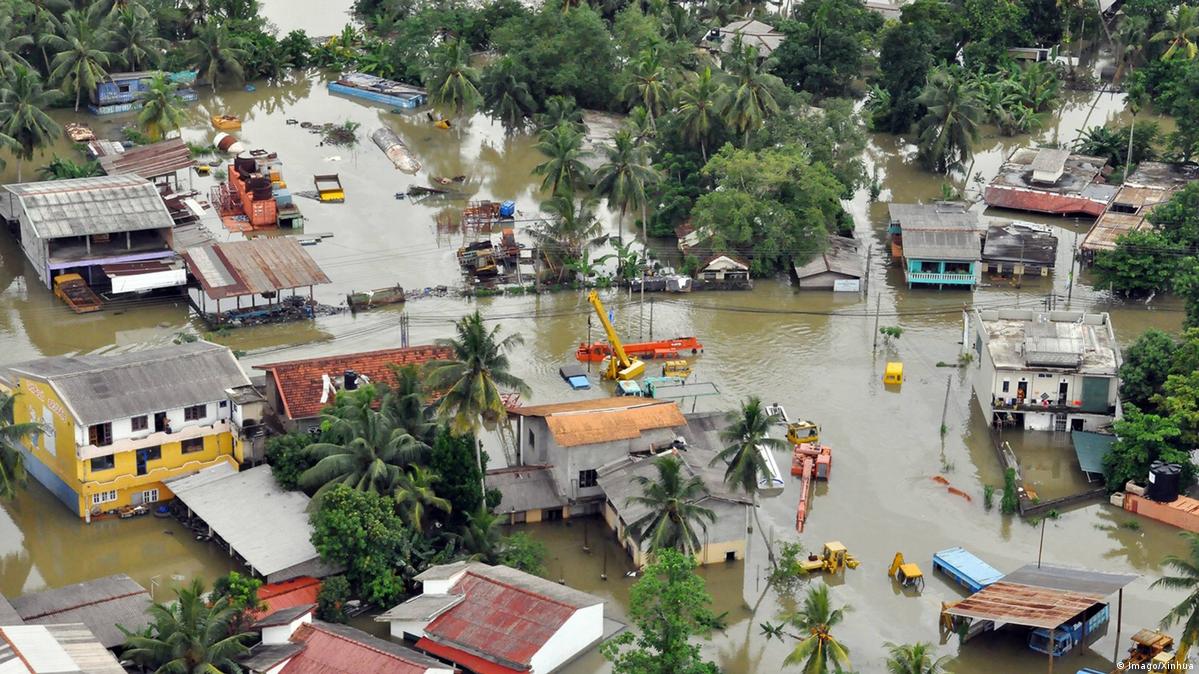
A fresh geospatial analysis by the United Nations Development Programme paints an even starker picture. It estimates that over 1.1 million hectares—close to a fifth of Sri Lanka’s territory—were submerged during the cyclone, impacting roughly 720,000 buildings. Infrastructure losses are equally severe, with thousands of kilometres of roads, hundreds of bridges, and extensive stretches of rail line damaged or destroyed.
With more than 600 fatalities and economic losses projected to exceed US $1.6 billion, Cyclone Ditwah stands as the country’s most devastating natural disaster since the 2004 tsunami. The UNDP’s findings indicate that more than half of those living in the flooded regions were already in precarious economic situations, suggesting that the cyclone’s aftermath could deepen inequality and prolong recovery for many communities.
Officials warn that while emergency relief is progressing, the scale of destruction means the path to normalcy will be long, demanding both sustained assistance and careful planning to prevent further hardship.