
By: Staff Writer
March 05, Colombo (LNW): While the Gulf conflict threatens short-term economic strain, it may also generate unexpected strategic openings for Sri Lanka particularly in shipping, labour migration, and logistics.
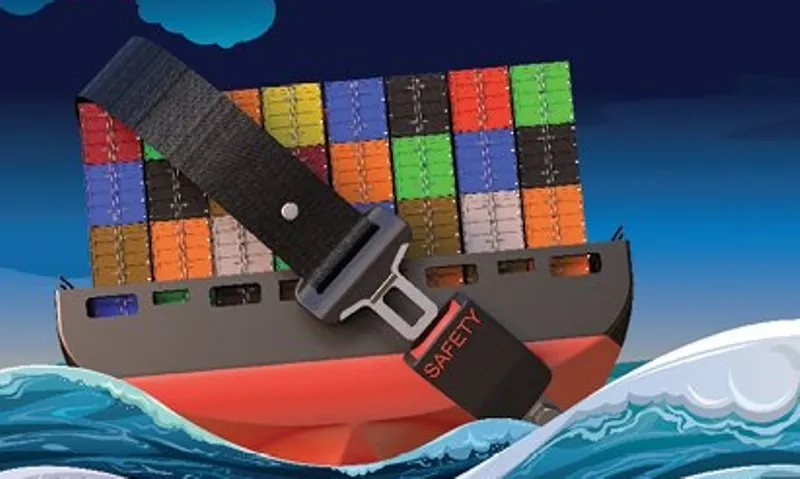
According to First Capital Research, maritime disruptions in the Middle East have already begun reshaping global shipping patterns. Instability near the Bab-el-Mandeb Strait and concerns around Gulf routes have prompted some vessels to divert around the Cape of Good Hope, increasing traffic across the Indian Ocean.
If sustained, these realignments could reinforce Colombo’s status as a mid-ocean transshipment hub. The Port of Colombo long positioned as a strategic logistics gateway between East and West—stands to benefit from higher vessel calls, bunkering demand, and related maritime services. For a country seeking foreign exchange inflows, such structural shifts could prove significant.
Labour markets present another complex dimension. Sri Lanka depends heavily on remittances from migrant workers in Gulf economies. Escalating regional instability could disrupt employment conditions, potentially affecting remittance inflows that underpin household incomes and foreign reserves.
However historical precedent suggests a more nuanced outlook. Following the 2003 Iraq conflict, construction booms in cities such as Dubai, Doha and Abu Dhabi drove increased demand for migrant labour. Reconstruction cycles and oil-financed infrastructure projects often expand employment opportunities for South Asian workers. Should energy revenues surge again, similar labour demand could offset initial disruptions.
Equity markets also reflect this dual narrative. The sharp sell-off at the Colombo Stock Exchange highlights investor anxiety. However, analysts suggest that if tensions remain contained, the correction may present selective entry points particularly in logistics, port operations, and firms linked to external inflows.
Currency dynamics further illustrate the balancing act. A stronger dollar and higher oil bills pressure the rupee, but increased shipping receipts or resilient remittance flows could provide partial buffers. The outcome hinges on whether the conflict escalates into a prolonged regional crisis or stabilises under a moderate scenario.
Ultimately, Sri Lanka’s exposure to Gulf instability underscores both vulnerability and adaptability. The same geographic positioning that amplifies its sensitivity to energy shocks also enhances its value as a maritime crossroads. If policymakers can manage inflation risks while leveraging emerging trade realignments, the crisis may yet yield opportunity.
For Sri Lanka, the Gulf war is not merely an external shockit is a test of economic resilience in an interconnected world.