
By Adolf
Living in Europe, six hours behind Sri Lanka, one observes global crises with a slightly delayed clock but often with clearer perspective. What is unfolding today with the latest round of air strikes and escalating military tensions is deeply troubling. It raises a fundamental question: who truly benefits from wars launched without a clear endgame?
Oil Prices
The immediate impact is already visible across global markets. Oil prices have surged dramatically, placing enormous pressure on fragile economies. For wealthy nations, this may mean higher fuel bills and rising inflation. But for poorer countries—many already struggling with debt, currency depreciation, and weak growth—the consequences are far more severe. A spike in energy costs quickly cascades into higher transport prices, increased food costs, and ultimately deeper poverty for millions.
Foreign Reserves
Countries like Sri Lanka know this cycle all too well. Energy imports strain foreign reserves, governments are forced into difficult fiscal choices, and the poorest segments of society pay the heaviest price. When geopolitical confrontations push oil prices upward, the ripple effects are felt not in the boardrooms of Washington or Tel Aviv, but in the kitchens of ordinary families across Asia, Africa, and Latin America.
Impotence of the UN
One would expect the international system to step in during such moments. Yet the reality is that the United Nations increasingly appears impotent in preventing or mediating major conflicts. Designed after the devastation of World War II to preserve global stability, the UN today often finds itself paralyzed by competing interests among major powers. Statements are issued, emergency meetings are convened, but the bombs continue to fall.
Role of China
This raises another question: what role should emerging global powers play? China now stands as a major geopolitical and economic force, while Russia retains enormous strategic influence. Together, they possess the diplomatic and political weight to push for restraint and negotiation. If the world is indeed becoming multipolar, then responsibility must also be shared. Stability cannot depend solely on one superpower.
Donald Trump
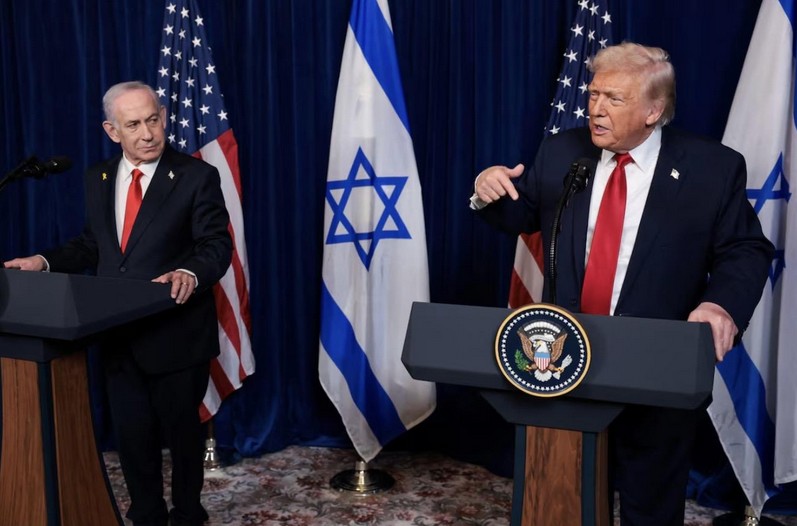
At the centre of the current tension is the influence of regional politics and powerful personalities. Many observers believe that Donald Trump, despite his reputation as a hard negotiator and successful businessman, risks being drawn into military escalation by political pressures and alliances. In particular, the strong influence of leaders such as Benjamin Netanyahu has intensified the perception that strategic decisions are being shaped by regional agendas rather than global stability.
This is unfortunate because Trump’s greatest strengths have always been economic rather than military. His appeal to voters in the United States has largely rested on promises to rebuild the economy, strengthen domestic industries, and improve the lives of the American middle class. Those goals require investment in infrastructure, education, and technological innovation—not costly foreign wars.
Ironically, while Washington spends vast sums projecting military power across the world, domestic infrastructure in the United States has deteriorated in many places. Bridges, rail networks, and urban systems require modernization. The American middle class, once the backbone of global prosperity, faces rising living costs and economic insecurity. Redirecting attention toward rebuilding domestic strength would arguably yield far greater long-term benefits.
War must be Stopped
History teaches that wars launched without clear objectives often produce unintended consequences. They destabilize markets, deepen global divisions, and erode trust between nations. More importantly, they distract governments from the pressing economic challenges facing ordinary citizens.The world today does not need another prolonged conflict in the skies. What it needs is restraint, diplomacy, and leadership focused on prosperity rather than confrontation. If major powers fail to recognize this, the greatest casualties will not be soldiers or politicians, but the billions of ordinary people whose lives are shaped by decisions made far beyond their borders.