
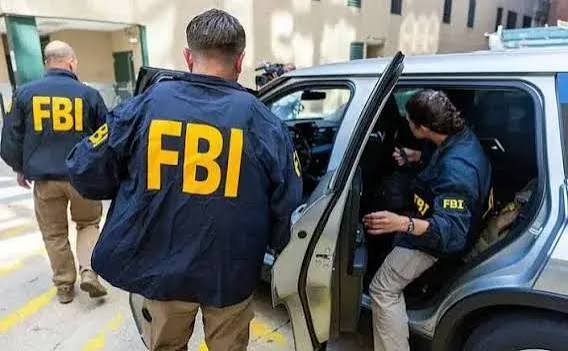
The examination of more than 80 electronic devices during a weeklong FBI and US Department of Justice engagement in Sri Lanka has exposed the growing importance of digital forensic capabilities in tackling international scam operationsand the mounting challenges facing local investigators.
The November 16–22 visit focused on strengthening investigations into scam centres targeting American citizens, with US officials working alongside the Attorney General’s Department and specialised Sri Lankan Police units.
The engagement involved the Computer Crimes Investigation Unit (CCID), Criminal Crime Investigation Bureau (CCIB) and Technical Aid Unit (TAU), highlighting the increasingly technical nature of investigations into organised online fraud.
The examination of electronic devices is a critical stage in uncovering the operational structure of scam networks. Mobile phones, computers and other electronic equipment can contain communications, contact networks, financial information, transaction records, account details and other material capable of connecting individual suspects to wider criminal operations.
However recovering digital evidence is only the beginning.
Investigators must ensure that electronic evidence is properly preserved, authenticated, analysed and presented in a manner that withstands judicial scrutiny. Any weaknesses in evidence collection, handling or documentation could undermine prosecutions, even where investigators believe they have uncovered significant criminal activity.
The FBI and DOJ discussions reportedly included investigative strategies, digital evidence training and the extraction of evidence recovered during raids conducted by Sri Lankan Police.
The involvement of US investigators could strengthen local expertise through exposure to advanced forensic methodologies and international investigative practices. It may also improve the ability of local authorities to trace criminal communications and establish links between suspects operating in different jurisdictions.
Two active scam-centre investigations were reviewed during the engagement, suggesting that the cooperation is linked to ongoing cases rather than merely general training or institutional discussions.
Nevertheless, Sri Lanka’s long-term challenge lies in maintaining the capabilities developed through international assistance. Cybercrime investigations require specialised personnel, modern forensic tools, secure evidence-management systems and continuous training to keep pace with rapidly evolving criminal techniques.
The growing reliance on digital evidence also creates pressure on law-enforcement institutions to ensure that investigative procedures are consistent, transparent and legally sound.
If Sri Lanka is to effectively combat transnational scam networks, digital forensic capacity cannot remain dependent on occasional foreign engagements. It must become a permanent component of the country’s criminal justice infrastructure.
The FBI visit offers an opportunity to strengthen that capacity. But whether the opportunity produces lasting improvements will depend on investment, institutional coordination, professional training and the ability of investigators to convert recovered digital evidence into successful prosecutions.