
November 26, Colombo (LNW): Sri Lanka has urged countries in the Indian Ocean region to strengthen joint efforts against cross-border security threats, including narcotics smuggling, illegal fishing, risks to vital maritime infrastructure and the growing impact of natural disasters.
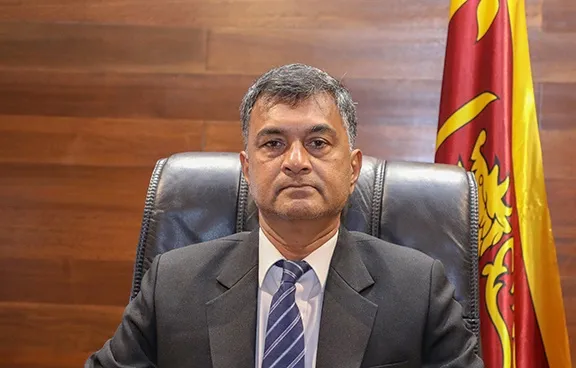
Defence Secretary Air Vice Marshal Sampath Thuyacontha (Retd) made the appeal while addressing the eighth meeting of National Security Advisors (NSA) of the Colombo Security Conclave (CSC), held in Malé, Maldives, yesterday (25).
He emphasised that security challenges were becoming increasingly interconnected, making cooperation between neighbouring countries essential to protecting regional stability. In this context, he described the Colombo Security Conclave as an increasingly important forum through which participating nations could coordinate responses to common threats and pursue practical solutions.
Thuyacontha called for closer engagement across the Conclave’s five principal areas of cooperation: maritime safety and security; counter-terrorism and the prevention of radicalisation; combating trafficking and transnational organised crime; cybersecurity and the protection of critical infrastructure and technology; and humanitarian assistance and disaster relief.
Outlining Sri Lanka’s domestic efforts against narcotics, he drew attention to the Government’s ‘Ratama Ekata’ National Mission. The initiative seeks to tackle drug trafficking through stronger law enforcement, the dismantling of supply networks, preventive action, public awareness programmes and rehabilitation services.
Turning to maritime concerns, the Defence Secretary highlighted the need for a coordinated regional response to illegal, unreported and unregulated (IUU) fishing. He identified intelligence sharing, joint surveillance arrangements and effective enforcement as essential measures to protect marine resources and prevent unlawful fishing activities.
He also raised concerns over the security of submarine communication cables, which carry a substantial share of international communications and are considered vital infrastructure. He stressed that safeguarding these networks would require improved maritime domain awareness and closer coordination among countries in the region.
The recent experience of Cyclone Ditwah was also cited as a reminder of the importance of regional preparedness for natural disasters. Thuyacontha called for improvements in early-warning capabilities, emergency response arrangements and coordination of humanitarian assistance, while encouraging countries to exchange expertise on climate adaptation and resilience-building.
He reaffirmed Sri Lanka’s commitment to the Colombo Security Conclave and expressed the country’s willingness to work alongside other participating states to translate shared security priorities into practical cooperation.
The eighth NSA meeting brought together representatives of CSC member countries to examine pressing security concerns and emerging threats across the Indian Ocean region.
The Sri Lankan delegation included the Chief of National Intelligence, Varuni Muthukumarana, Additional Secretary for South Asia and SAARC at the Ministry of Foreign Affairs, and Chinthaka Abeykoon, Senior Assistant Secretary at the Ministry of Defence.