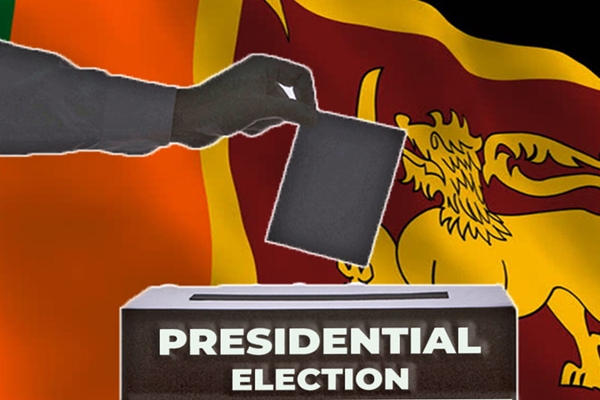
August 20, Colombo (LNW): A committee overseeing the security of candidates in the upcoming Presidential election has revealed that 22 out of the 39 contenders have been granted Police protection.
Sources indicate that a comprehensive security evaluation for all candidates is currently underway, with potential adjustments to the protection levels expected.
The committee, led by Viyani Gunathilaka, Secretary of the Ministry of Public Security, aims to ensure that security measures are adequately aligned with the risks associated with each candidate.
While the President’s protection remains under the Presidential Security Division, additional security has been extended to Opposition Leader Sajith Premadasa, given the heightened sensitivity surrounding the election.
The decision to allocate police protection reflects the increasing concerns regarding candidate safety amidst the politically charged atmosphere.
As the security landscape continues to evolve, the committee’s ongoing assessments will play a critical role in maintaining order and safeguarding the electoral process.
This approach is part of broader efforts by the authorities to uphold democratic integrity, with careful attention paid to ensuring a fair and secure election environment for all participants.
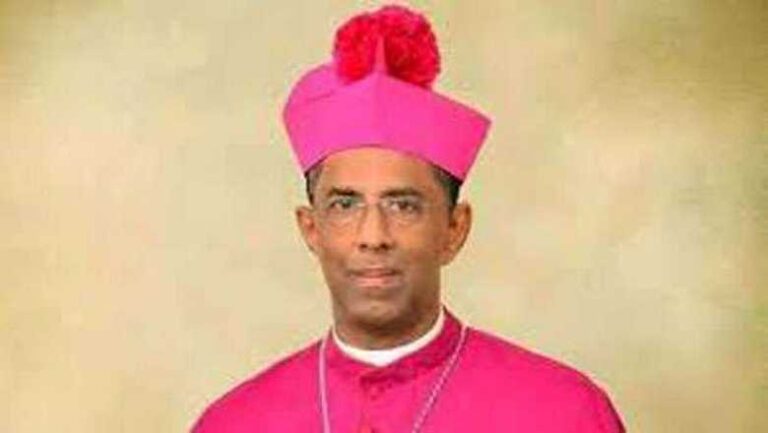
August 20, Colombo (LNW): Pope Francis has officially accepted the resignation of the Bishop of Batticaloa, Rt. Rev. Dr. Joseph Ponnaiah, according to a statement from the Vatican yesterday (19).
In his place, Rt. Rev. Dr. Anton Ranjith, currently serving as the Auxiliary Bishop of Colombo, has been appointed as the Apostolic Administrator for the Batticaloa Diocese.
The transition marks a significant shift for the Batticaloa Diocese, which has been under Bishop Ponnaiah’s guidance for several years. His resignation, which aligns with the Church’s customary practice of allowing bishops to step down after reaching a certain age, paves the way for fresh leadership in the region.
The appointment of Bishop Ranjith as Apostolic Administrator signals the Vatican’s intent to ensure continuity and stability within the diocese while a permanent successor is considered.
Bishop Ranjith, known for his extensive pastoral experience and administrative capabilities, will oversee the diocese’s affairs temporarily.
The move comes as part of the broader organisational changes in the Church’s administration in Sri Lanka, reflecting the Vatican’s strategic response to the evolving needs of the local Catholic community.
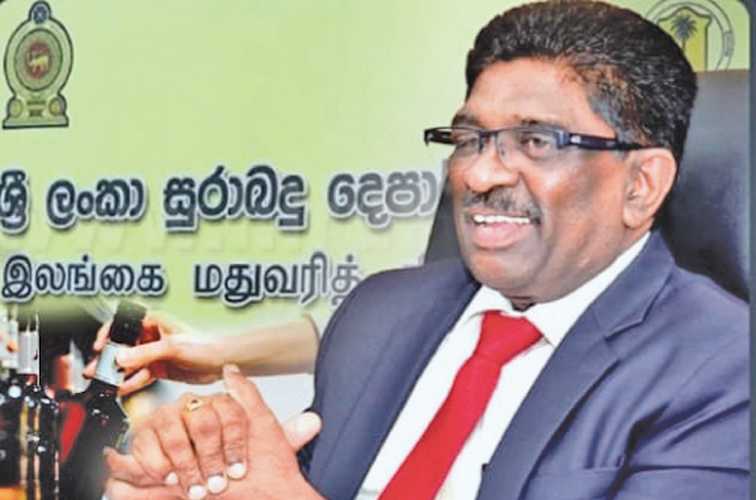
August 20, Colombo (LNW): Excise Commissioner General M.J. Gunasiri firmly refuted claims that excise licences have been granted to politicians, emphasising that no such requests have been made by political figures.
Responding to concerns that liquor permits are being used to gain favour ahead of the upcoming Presidential Election, Gunasiri stressed that the licensing process remains transparent and strictly within legal boundaries.
Addressing the controversy, Gunasiri clarified that licences are issued under Excise Notifications 902 and 2/2024. He pointed out that the department, which has a 110-year history, increased licence fees after 15 years based on a carefully studied rationale.
Additionally, the government decided to expand the number of licensed shops, driven by factors like population growth, tourism expansion, and rising illegal alcohol sales.
Gunasiri highlighted that some districts are underserved in terms of licensed liquor outlets, necessitating an increase in legally sanctioned establishments.
In a significant first, the government introduced substantial one-time fees for obtaining a licence: Rs. 15 million within Municipal Council areas, Rs. 12.5 million in Urban Council zones, and Rs. 10 million for Pradeshiya Sabha jurisdictions. This initiative is expected to generate Rs. 2 billion in revenue for 2024, of which Rs. 1.75 billion has already been collected.
Explaining the broader context, Gunasiri noted that the Excise Department, along with Inland Revenue and Sri Lanka Customs, is among the top three revenue-generating agencies for the government.
This year’s revenue target for the Excise Department is Rs. 232 billion, marking a 29.6% increase from last year.
Despite facing a shortage of 429 officers, the department is on track to meet its goals, contributing significantly to public welfare and national development.
Gunasiri underscored that critics should recognise the department’s efforts and the role that excise revenue plays in sustaining essential government functions and public services.
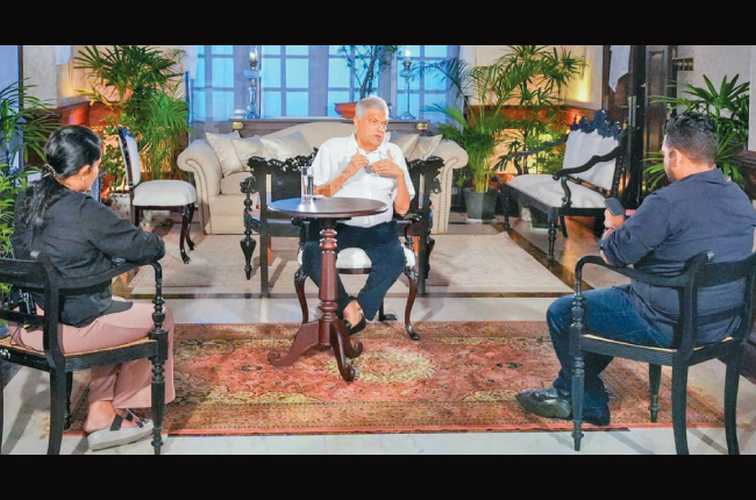
August 20, Colombo (LNW): President Ranil Wickremesinghe cautioned that even if current economic recovery efforts succeed, a failure to complete essential reforms would lead to another economic collapse.
He stressed that the upcoming presidential election should focus on long-term economic stability rather than immediate gains.
Speaking during the ‘Ask Ranil’ programme, where he engaged with questions from the public, the President urged voters to prioritise stability and the nation’s future when making electoral decisions.
He emphasised that while critics argue previous leaders did little for national progress, economic growth has been hampered by inward-looking ideologies like those of the Janatha Vimukthi Peramuna (JVP), which promoted a strictly domestic focus.
Wickremesinghe revealed that he intends to run as an Independent candidate in the election, reflecting the public’s growing disillusionment with traditional party politics.
Explaining his decision to adopt the ‘Gas Cylinder’ as his election symbol, he noted that the symbol represents an alternative approach amid current challenges.
He further addressed scepticism regarding his ties to the Rajapaksas, clarifying that although he gained support from the Sri Lanka Podujana Peramuna (SLPP) during a critical phase of governance, that chapter has ended, and they will now contest separately.
The President also acknowledged that while Sri Lanka possesses significant resources like the Pulmoddai mineral sands, Trincomalee Harbour, and Hambantota Airport, inadequate policy directions over the past decades have prevented optimal utilisation.
He argued that the path to prosperity requires openness to global economic integration, drawing examples from nations like Singapore.
On anti-corruption measures, Wickremesinghe contended that the revamped legal framework targets both minor and major offenders alike, countering public perceptions that only low-level wrongdoers are held accountable.
He outlined plans to enhance the legal system’s capabilities, including improved training for officials.
The President also addressed the rising influence of Artificial Intelligence (AI), highlighting the need to regulate its use within society.
He projected that AI will be a defining issue in the coming decade, with both potential benefits and risks.
Regarding public service efficiency, Wickremesinghe acknowledged the challenge of balancing staff redundancies with societal needs.
He stressed that reforming public administration requires careful planning to avoid social unrest while improving workforce skills through targeted training initiatives.
In closing, the President reiterated the importance of completing ongoing reforms, warning that halting mid-process would only lead to another economic downturn.
August 20, Colombo (LNW): The Election Commission has reported receiving 631 complaints related to the forthcoming presidential election between 31 July and 18 August.
Among these, 65 complaints were lodged just on 18 August, primarily concerning breaches of election laws.
The National Centre for Election Complaint Management registered 346 cases, while District Centres handled 285.
Most issues involved legal violations, with only one incident of violence reported.
This surge in complaints highlights growing concerns over the adherence to election regulations. Authorities are expected to intensify their monitoring efforts to ensure a fair election process.
The Election Commission continues to encourage the public to report any irregularities, emphasising the importance of a transparent and credible election.
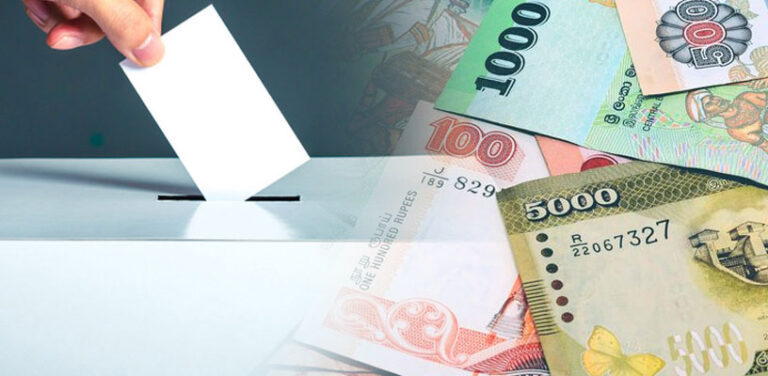
August 20, Colombo (LNW): The Election Commission is set to issue a Gazette notification outlining a limit on campaign spending per voter for the upcoming presidential election.
According to Commissioner General of Elections Saman Sri Ratnayake, candidates will be restricted to a maximum expenditure of Rs. 109 per voter.
The introduction of this cap is part of broader campaign finance reforms aimed at ensuring fairer elections.
These regulations will apply to all future national elections, imposing stricter limits on campaign spending for candidates, political parties, and independent groups.
In preparation for the presidential election, the Election Commission has held consultations with various stakeholders to discuss the new legislation.
The objective was to determine the spending limit and establish a framework for effective implementation, drawing on feedback and recommendations from these discussions.
This marks a significant step towards more transparent and regulated election campaigns in Sri Lanka, aligning with global standards on campaign finance governance.
August 20, Colombo (LNW): Showers or thundershowers will occur at times in Western, Sabaragamuwa, Southern and North-western provinces and in Kandy and Nuwara-Eliya districts, with heavy showers above 100 mm being likely to occur at some places in Western and Sabaragamuwa provinces and in Galle and Matara districts, the Department of Meteorology said in its daily weather forecast today (20).
Showers or thundershowers will occur at several places in Eastern, Uva and North-Central Provinces during the evening or night.
Fairly strong winds about (30-40) kmph can be expected at times over Western slopes of the central hills and in Northern, North-central and North-western provinces and in Hambantota district.
General public is kindly requested to take adequate precautions to minimise damages caused by temporary localised strong winds and lightning during thundershowers.
Marine Weather:
Condition of Rain:
Showers or thundershowers will occur at times in the sea areas off the coast extending from Puttalam to Hambantota via Colombo and Galle. Showers or thundershowers will occur at a few places in the other sea areas around the island during the afternoon or night.
Winds:
Winds will be south-westerly and wind speed will be (30-40) kmph. Wind speed can increase up to (55–60) kmph at times in the sea areas off the coasts extending from Kankasanthurai to Puttalam via Mannar and from Hambantota to Pottuvil. Wind speed can increase up to 50 kmph at times in the sea areas off the coasts extending from Puttalam to Hambantota via Colombo and Galle.
State of Sea:
The sea areas off the coasts extending from Kankasanthurai to Puttalam via Mannar and from Hambantota to Pottuvil will be rough at times. The sea areas off the coasts extending from Puttalam to Hambantota via Colombo and Galle may be fairly rough at times. The swell wave heights may increase (about 2.5m–3.0m) in the sea areas off the coast extending from Kalpitiya to Hambantota via Colombo and Galle (this is not for land area). Temporarily strong gusty winds and very rough seas can be expected during thundershowers.
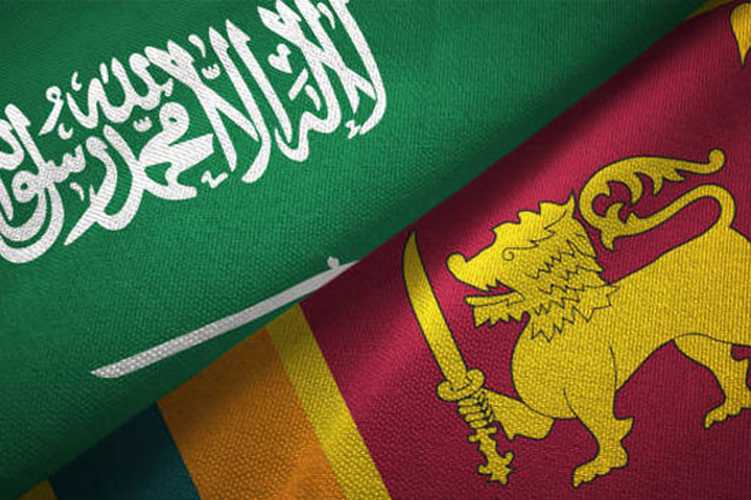
August 19, Colombo (LNW): Sri Lanka and the Kingdom of Saudi Arabia have agreed to enter into a Memorandum of Understanding (MoU) in a bid to bolster economic ties and attracting direct investments.
The Cabinet of Ministers has endorsed the MoU, viewing it as a critical step towards harnessing foreign direct investment (FDI) to drive sustainable economic development.
Ambassador of Sri Lanka to the Kingdom of Saudi Arabia Omar Lebbe Ameer Ajwad met with Saudi Arabia’s General Authority of Foreign Trade (GAFT) Governor Mohammad Alabduljabar at GAFT Headquarters in Riyadh on 7 August.
While welcoming Ambassador Ameer Ajwad to the Kingdom of Saudi Arabia, GAFT Governor Mohammad Alabduljabar stressed the importance of enhancing bilateral cooperation between the two countries in potential sectors for win-win benefits. He extended GAFT’s support towards this end.
The MoU, signed during a special meeting of the World Economic Forum in Riyadh, Saudi Arabia, recently, marks a pivotal moment in the bilateral relations between the two nations.
The agreement was inked by Sri Lanka’s Minister of Foreign Affairs in the presence of global leaders and economic stakeholders.
Key provisions of the MoU include collaborative efforts towards policy and legal reforms aimed at creating a conducive environment for investments. In addition, both nations intend to focus on upgrading infrastructure facilities and streamlining bureaucratic processes to facilitate smoother business operations
Recalling ancient international trade links between Sri Lanka and Arab nations, Ambassador Ameer Ajwad highlighted promising areas for cooperation between the two countries and proposed collaboration in specific sectors such as food, agriculture, IT, manufacturing, hospitality, real estate, constructions, etc., for trade and investment.
The Ambassador expressed Sri Lanka’s readiness to partner with Saudi Arabia in the realisation of its Vision 2030 and invited a trade delegation from Saudi Arabia’s General Authority of Foreign Trade to visit Sri Lanka on a fact-finding mission.
Deputy Governor of International Relations Abdulaziz Alsakran and senior officials of GAFT and First Secretary (Commerce) of the Embassy of Sri Lanka in Riyadh Tashma Vithanawasam also participated in the meeting.
The agreement “aims to attract direct investment to the country and improve the investment environment of both countries through policy and legal reforms, provision of advanced and integrated infrastructure, process redesign, etc.”
Sri Lanka lagged behind regional nations in attracting foreign direct investment, the minister said. “Compared to Singapore which last year attracted FDIs of 140 billion dollars, India 70 billion dollars, Vietnam 28 billion dollars, and Thailand 20 billion dollars, Sri Lanka only attracted 1 billion dollars.”
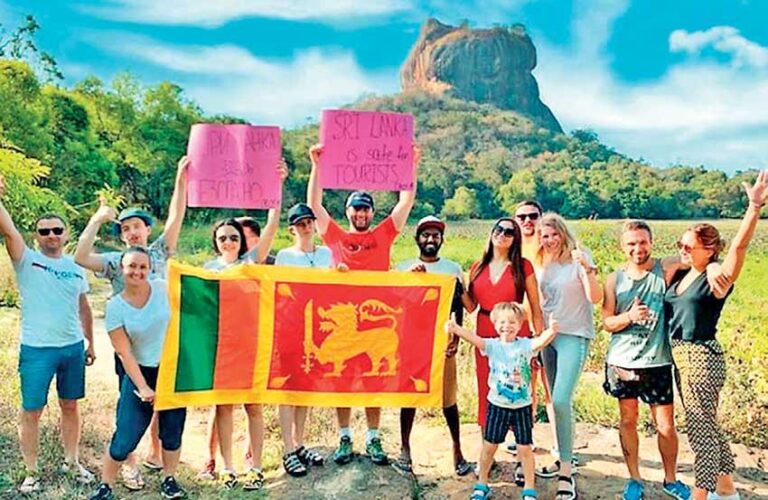
August 19, Colombo (LNW): The Sri Lanka Tourism Promotion Bureau has been steadily advancing its efforts to promote the country as a prime destination through various campaigns and marketing strategies in 2024. A major focus has been on the new tourism brand identity, “Sri Lanka: You Will Come Back for More,” symbolizing a fresh start towards success.
According to the Central Bank of Sri Lanka, tourism earnings surged to over $1.5 billion in the first half of 2024, representing a 78% year-on-year increase. Tourist arrivals also saw a significant rise, reaching 1.01 million—a 62% jump compared to the same period in 2023.
As the country rebounds from its recent economic challenges, the “Seeing is Believing” campaign has been a cornerstone of promotional activities. Continued into 2024, this initiative brought nearly 58 foreign media professionals, including travel influencers and bloggers, to Sri Lanka, generating media publicity valued at over $550 million.
Up until August this year, Sri Lanka Tourism participated in 16 international travel shows, including major events like ITB-Germany, FITUR-Spain, ATM-Dubai, and IFTM-France. Additionally, 16 roadshows were organized across India, China, Australia, and Turkey, with a focus on B2B sessions in various cities.
Sri Lanka Tourism also played a pivotal role in supporting key national events such as the Duruthu Perahera, Gangarama Navam Perahera, Buddha Rashmi Vesak Festival, and Kandy Esala Perahera.
A significant achievement this year was the launch of PR and digital campaigns in India, China, the UK, Germany, and France. These campaigns, set to run for one year in India and China and six months in the European countries, aim to increase awareness about Sri Lanka, particularly during the winter season and into 2025.
In 2024, Sri Lanka Tourism received 15 international endorsements, including being named the fourth most popular solo travel destination by Forbes, ranking as the fifth-fastest-growing tourism destination, and topping the list of best places for solo female travel. Additionally, Sri Lanka Tourism was awarded the “Best International Tourism Board” at the Global Tourism Awards in New Delhi, India.
These extensive promotional efforts have contributed to the arrival of 1,289,693 tourists in Sri Lanka by August 14th, primarily from key markets such as India, the UK, Russia, Germany, France, and China. Countries like Australia, the USA, the Netherlands, and Poland also showed strong growth potential.
With these successes, Sri Lanka Tourism is optimistic about achieving its target of 2.3 million tourists by the end of the year.
President Ranil Wickremesinghe callas for greater regional cooperation and economic integration from Japan to India, with a special focus on strengthening ties with India: emphasises Sri Lanka’s strategic role in expanding Asian partnerships, particularly through BIMSTEC: highlights the diminishing global influence of the West and stresses the importance of regional collaboration: acknowledges India’s critical support during Sri Lanka’s recent economic crisis, expressing optimism for deeper bilateral integration and regional stability.
Opposition Leader and presidential candidate Sajith Premadasa reiterates his commitment to unveiling the truth behind the 2019 Easter Sunday terror attacks, addressing the Catholic community’s longstanding concerns: During a visit to Cardinal Malcolm Ranjith in Colombo, Premadasa sought blessings and pledged justice: emphasises his strategy, already presented in Parliament, to ensure transparent investigations and accountability: assures religious leaders that he remains determined to deliver justice, pledging comprehensive action against those responsible if elected: This stance aligns with his broader campaign to gain support from key religious and community figures.
NPP leader Anura Kumara Dissanayake vows to prioritise the extradition of former Central Bank Governor Arjuna Mahendran from Singapore if his party assumes power: outlines the NPP’s plans to combat fraud and corruption, aiming to recover Rs. 1,100 billion in defaulted taxes: proposes legal reforms to expedite tax collection and pledges to raise the Pay As You Earn (PAYE) tax threshold to Rs. 200,000: plans to provide low-income families with a Rs. 10,000 monthly allowance and limit the Cabinet to 25 members without appointing State Ministers.
A joint delegation from the European Union (EU) and the Commonwealth arrives in Sri Lanka to monitor the upcoming presidential election on 21 September: Invited by the Election Commission, the mission highlights global backing for transparent elections during Sri Lanka’s recovery: This is the EU’s seventh monitoring effort in the country, with a team comprising experts and observers stationed nationwide: The election is seen as a critical step in stabilising Sri Lanka’s democracy post-2022 crisis.
Cabinet Spokesperson Bandula Gunawardhana addresses concerns regarding the proposed public sector salary increase, clarifying during a media briefing on 18 August that all public employees will receive an additional Rs. 25,000 monthly allowance for three years, along with significant base salary adjustments: explains these increments, mandated by the IMF, are fixed and will apply regardless of future governments: From January 2025, public sector employees will receive a minimum monthly income of Rs. 55,000: emphasises adhering to the IMF’s Extended Fund Facility agreement is crucial for budgetary support until 2027: Non-compliance could delay salary and pension payments: highlights the new fiscal laws—Central Bank Act, Public Debt Management Act, and others—intended to stabilise the economy and prevent past financial failures: urges cross-party cooperation to ensure long-term economic stability and prosperity.
Commissioner of Elections Saman Sri Ratnayake urges political parties and the public to avoid using the national flag in election activities, stating that it disrespects a national symbol: warns legal actions could follow against those misusing the flag: also criticises the inappropriate display of the national flag at events like cricket matches, where it’s often wrapped around bodies or held by individuals consuming alcohol: Rohana Hettiarachchi of PAFFREL also emphasises the need to respect the national and Buddhist flags during elections, urging political groups to adhere to ethical standards and legal frameworks.
The Indian and Sri Lankan armies incorporate specially trained dogs into their ongoing Mitra Shakti exercise at the Army Training School in Maduru Oya, Sri Lanka: Running from August 12 to 25, this 10th edition of the joint drill focuses on enhancing counter-insurgency operations and military cooperation: India deploys Zac, a Belgian Malinois skilled in urban combat and jungle reconnaissance, while Sri Lanka fields two trained dogs: The exercise also involves joint drills in semi-urban environments, aiming to boost interoperability and readiness under UN peacekeeping mandates.
Sri Lanka’s retail sector shows signs of recovery as private credit is expected to rise in late 2024 if businesses begin expanding: Although private credit remains slow, firms are focusing on deleveraging to strengthen financial positions, especially in the SME sector: Retail growth, a key driver for economic expansion, is vital as it contributes over 30% of GDP: With inflation stabilising, consumer spending and investment are likely to boost the sector, although election uncertainties in late 2024 may impact confidence: Economists forecast 3.5% growth for 2024.
The grand Randoli Maha Perahera of the Kandy Esala Perahera festival is set to take place today (19), marking the peak of this revered cultural event: The festivities conclude with the traditional water-cutting ceremony at Getambe the following morning and a final noon procession on 20 August: Afterwards, the Diyawadana Nilame will present the Perahera Sandeshaya to the President, formally closing the festival: This year’s Esala Perahera began on 5 August with the ‘Kap Situweema’ ceremony and featured a series of processions showcasing Sri Lanka’s rich cultural heritage, drawing large crowds locally and internationally.
The Dialog Presidents Gold Cup Volleyball tournament concluded at the Air Force Indoor Stadium in Colombo, with Golden Birds Sports Club and MAS Sports Club claiming titles in the Men’s and Women’s categories, respectively: Golden Birds SC secured a straight-set victory over Rajasinghe SC, led by MVP Dulanjan Sandeepa: In the Women’s final, MAS SC overcame Hirdaramani SC in a 3-1 contest, with Sulakshana Pasinduni named MVP: The tournament, organised by the Sri Lanka Volleyball Federation, showcased outstanding individual performances across various positions.