August 02, Colombo (LNW): Finance State Minister Ranjith Siyambalapitiya has announced that public service pensioners will receive an extra Rs. 3,000 allowance, increasing the total interim allowance to Rs. 5,500 starting in September.
Following presidential directives, an expert committee led by U. R. Senevirathne was established to tackle salary disparities among public servants.
Minister Siyambalapitiya noted that this interim allowance will be in effect until the new salary structure is introduced in 2025.
The State Minister highlighted that the government will spend an additional Rs. 8.4 billion in 2024 to provide this allowance to approximately 700,000 retirees.
Despite the challenges of managing the state budget, this interim allowance has been introduced as a swift solution to support retired government employees facing financial difficulties.
August 02, Colombo (LNW): The Supreme Court today (02) has scheduled a hearing on August 09 to consider a petition filed by Shani Abeysekera, the former Director of the Criminal Investigation Department (CID), seeking enhanced protection due to threats to his life.
Notices have been issued to the respondents of the petition, including former IGP Deshabandu Tennakoon and Defence Secretary Kamal Gunaratne, requiring their appearance on the specified date.
The petition was reviewed by a Supreme Court panel comprising Justices Vijith Malalgoda, Murdu Fernando, and Yasantha Kodagoda.
During the proceedings, Upul Jayasuriya PC, representing Abeysekera, informed the court of a reported conspiracy to assassinate his client via a staged car accident, emphasising the imminent risk to Abeysekera’s life.
Counsel Jayasuriya argued that the current security measures for Abeysekera are inadequate and requested the court to mandate sufficient protection.
After considering the presented facts, the three-judge panel ordered that the respondents present their case on 9 August 2024.
Respondents include Deshabandu Tennakoon, the National Police Commission, and the Defence Secretary.
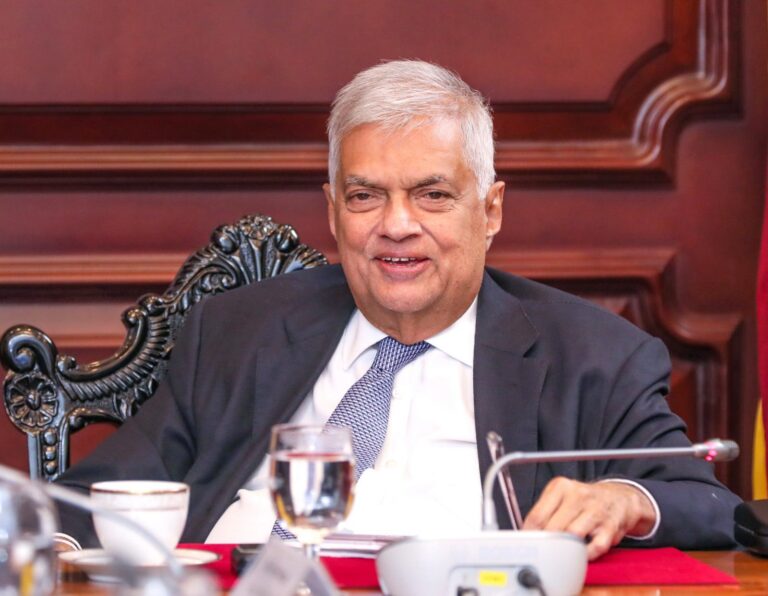
August 02, Colombo (LNW): President Ranil Wickremesinghe recently met with IMF Mission Chief Peter Breuer and his team to discuss the completion of the third review necessary for the disbursement of the fourth tranche, Finance State Minister Shehan Semasinghe said.
In a statement on X, Semasinghe highlighted that the discussions centred on identifying areas requiring further attention to ensure the successful completion of the third review.
The timely disbursement of the fourth tranche is contingent on this review.
President Ranil Wickramasinghe recently met with IMF Mission Chief Peter Breuer and his team to discuss the progress of the ongoing economic program. The discussion focused on identifying areas that need additional attention to ensure the successful completion of the 3rd review,… pic.twitter.com/G3AGlySLqI
The IMF team praised President Wickremesinghe for his leadership and commitment, which have been instrumental in achieving significant economic improvements in a short period.
The meeting also addressed the progress of debt restructuring efforts, with the President reaffirming his dedication to guiding the country towards a prosperous future.
August 02, Colombo (LNW): In a significant move to tackle the whitefly infestation affecting coconut and king coconut plantations, the Agriculture Department has introduced over 300,000 ‘Encarsia Guadeloupe’ parasites this year, according to the Coconut Cultivation Board.
Reports indicate that whitefly damage is currently impacting several coconut-growing regions. However, recent rainfall in the Western Province and other areas has somewhat mitigated the damage.
Whiteflies, which are particularly attracted to the colour yellow, have caused more severe damage to king coconut plantations compared to regular coconut trees. So far, 1,051,323 affected coconut and king coconut trees have been treated.
The whitefly infestation has drastically reduced coconut yields, leading to a significant decrease last year.
To combat this, the Coconut Cultivation Board has distributed 700 liquid spray machines for applying coconut oil extract and conducted 3,046 awareness programmes for coconut farmers.
Plans for 2024 include distributing two million coconut saplings to farmers, with 800,000 saplings already given out. Additionally, 11,401 king coconut saplings have been distributed, and 23,233 king coconut seeds have been planted in nurseries to increase sapling availability.
August 02, Colombo (LNW): Foreign Minister Ali Sabry has urged Sri Lankans to avoid travelling to Lebanon unless absolutely necessary, due to heightened tensions following the assassination of Hamas leader Ismail Haniyeh.
Approximately 6,000 Sri Lankans currently reside in Lebanon, reported Ada Derana, citing comments from the Minister. He reassured that the government has a contingency plan to repatriate Sri Lankan workers from Iran and surrounding areas if the conflict intensifies.
The President has established two committees to monitor the situation and implement necessary measures.
Sabry mentioned that a pre-existing plan from October is under review to ensure immediate action can be taken to protect Sri Lankans if the situation deteriorates.
Additionally, the minister cautioned against seeking foreign employment using visit visas, highlighting recent issues faced by Sri Lankans in Myanmar and Russia who did not follow proper procedures for overseas employment.
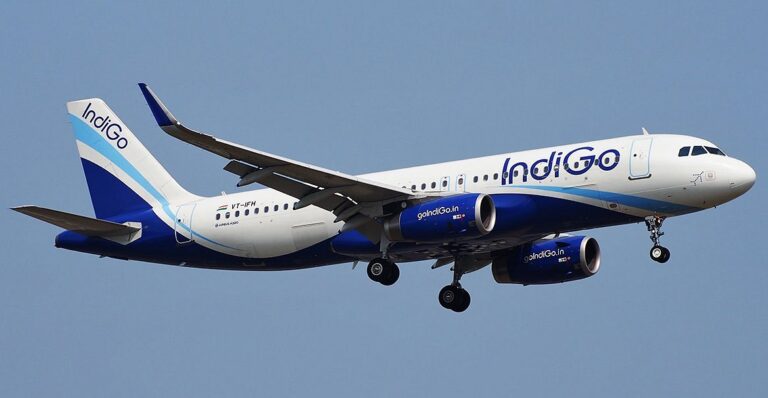
August 02, Colombo (LNW): Indian budget airline IndiGo has added Jaffna, Sri Lanka, to its international routes. Starting from 1st September 2024, the airline will operate non-stop daily flights between Chennai and Jaffna.
This new route makes Jaffna IndiGo’s second destination in Sri Lanka, following Colombo, and marks its 34th international and 122nd overall destination within its 6E network.
IndiGo emphasised that this move will strengthen the cultural and trade ties between India and Sri Lanka, enhancing cooperation in commerce, infrastructure development, and air connectivity. Bookings for this new route will be available from 1st August 2024.
India remains the leading source of international tourists to Sri Lanka. In June 2024, Indian tourists constituted 25.2% of all arrivals, with over 28,631 travellers, compared to a 26.7% share in June 2023 with around 26,830 visitors.
IndiGo highlighted the growing interest in travel to Jaffna, stating that the new route will improve regional accessibility. Jaffna will complement existing flights to Colombo, providing travellers with an additional entry point to Sri Lanka.
Vinay Malhotra, Head of Global Sales at IndiGo, stated, “We are excited to introduce Jaffna as our latest destination in Sri Lanka, which will boost trade and tourism between our nations.
Along with daily flights from Chennai to Jaffna, we offer 30 weekly flights from four Indian cities to Colombo. This 75-minute flight will significantly reduce travel time, making Jaffna more accessible. We aim to provide superior connectivity and expand travel options for our customers.”
The demand for travel between Chennai and Jaffna is evident, with over 21,000 passengers flying this route in just nine months last year. IndiGo’s new direct flight will enhance connectivity and support Sri Lanka’s tourism recovery, tapping into a crucial market.
Jaffna, located in Sri Lanka’s northern province, is rich in history and cultural heritage. Known for its vibrant Tamil traditions, festivals, and historical landmarks, it offers visitors a glimpse into the resilience and diversity of its people.
Key attractions include the Jaffna Fort and the Nallur Kandaswamy Kovil, a significant Hindu temple. Jaffna’s cultural heritage and culinary delights make it an appealing destination for travellers seeking an authentic experience.
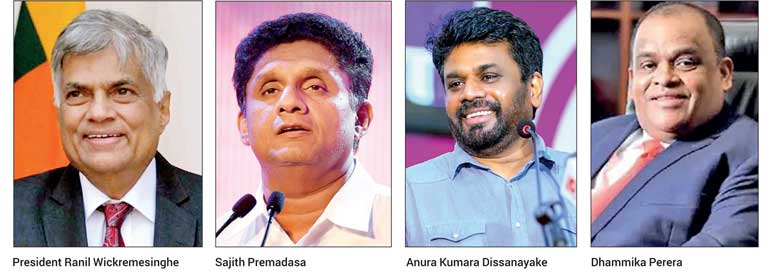
August 02, DailyFT: Sri Lanka’s first election since an unprecedented economic crisis spurred widespread unrest will be held on 21 September. The election will be the first test of the public opinion since the height of the 2022 unprecedented economic downturn, which caused months of food, fuel and medicine shortages across the country. Economic issues are expected to dominate the five-week campaign as the country emerges from its worst-ever recession in 2022, when the GDP shrank by a record 7.8%. The Sri Lankan economic crisis is an ongoing crisis that started in 2019. A Lot more remains to be addressed.
The ninth executive president of Sri Lanka is very likely to face several significant challenges. The country has been grappling with an economic crisis and a substantial debt burden. The ninth executive president will need to implement effective economic reforms, secure international financial aid, and stabilise the economy to restore growth and regain confidence. Also plan early for the debt repayments post 26/27.
The second challenge will be ensuring political stability and effective governance. This includes managing diverse political factions and fostering an inclusive political environment to maintain stability and drive reforms. Public dissatisfaction due to economic hardships must also be addressed. The ninth executive president will need to engage with the populace and implement policies that improve living standards and reduce inequalities to mitigate social tensions. There is also an expectation for the ninth president to implement sustainable development policies, protect natural resources, and address climate change impacts. Strengthening international relations to improve Sri Lanka’s standing in the international community is crucial for attracting foreign investment and support.
Meeting these expectations will require strong and capable leadership and a commitment to addressing both immediate and long-term challenges facing Sri Lanka. Additionally, the ninth executive president must create a strong belief in the future of the Sri Lankan economy to retain talent and prevent migration. Encouraging people to remain, invest, and take up opportunities is essential. That would require very much more than just political rhetoric.
Sri Lanka post-2024
Whether we like it or not, Sri Lanka will have to remain on its current path of reforms to set up opportunities for tomorrow. Sri Lanka has been a resilient state amidst several challenges. We need to continue to focus on building a strong, sustainable export economy and making Sri Lanka a preferred business and investment destination.
Sri Lanka will continue to face various economic and social challenges while having the ability to adapt to the Fourth Industrial Revolution to remain competitive, especially given the rapidly growing emerging economies in Asia. As the 30th Australian Prime Minister recently pointed out, “We have got to get to tomorrow first. And that’s where I think the President has done a good job in the economic crisis of just two years ago to be able to bring stability.”
Conclusion
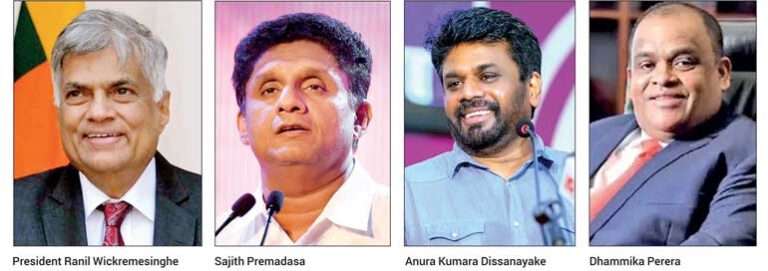
The international community is key to our full recovery. We need their support, trust and goodwill on several fronts, including managing our debt, promoting foreign investment, and ensuring financial stability. Success in these areas is crucial for securing international aid and investment. Additionally, upholding democratic principles, strengthening public institutions, and implementing international commitments are essential. Meeting these expectations can help Sri Lanka gain international support, improve its global standing, and foster a conducive environment for national development and social uplifting. Candidates Premadasa and Dissanayake have publicly said they will look at revamping the IMF program to reduce cost of living pressures and ease the debt repayment burden. However the economic recovery is still fragile and attempts to reverse the reforms could precipitate a new crisis.
In conclusion, the public wants a president who will encourage objective discourse and implement strategies that can make Sri Lanka great again. Therefore, as a country, we need to focus on results rather than rhetoric in the next five years.
August 02, Colombo (LNW): Serious issues are emerging in Sri Lanka concerning online money-making schemes, as reports indicate that some unscrupulous individuals are utilising these avenues to exploit and defraud people.
A significant concern is the rise in illegal betting methods, which have adverse effects on the country’s economy. The need to identify the groups behind these activities is growing, as online betting is increasingly becoming a detrimental factor to national financial stability.
Despite Sri Lanka’s ongoing efforts to recover from economic challenges, the authorities appear to be neglecting the significant outflow of money through these betting companies. This lack of attention from the financial sector heads is damaging to the country’s economic stability.
There are also satellite channels that broadcast advertisements for these betting companies. Some of these channels reportedly have government connections, complicating the issue to the point in which reporting it to the authorities seems futile.
These advertisements are also widely disseminated through social media platforms, yet the Telecommunications Regulatory Commission of Sri Lanka (TRCSL) has not taken action, despite having the technical capability of such illegal promotions.
SJB MP (Dr.) Harsha de Silva has been the sole voice in Parliament raising objections to the government’s inaction on this issue. His efforts stand in stark contrast to the unified parliamentary response to preventing cricket operations based on the International Cricket Council’s agreement.
The lack of a similar response to the economic damage caused by betting is concerning.
The government’s failure to address this issue, combined with some political parties keeping their solutions secret until they gain power, shows a lack of concern for the welfare of the citizens. These parties are not prioritising the well-being of the people, focusing instead on their political ambitions.
It is alarming that Central Bank officials, who benefit from salaries funded by taxpayers, are not addressing the significant financial losses the country incurs through these betting activities.
If quantifying these losses is challenging, the TRCSL should at least inform the public about the economic impact of such schemes, rather than allowing their promotion.
Citizens who pay for satellite services are being lured into these illegal betting schemes through subliminal advertising, creating a paid pathway for engaging in harmful activities.
Political groups and social activists who typically rally against national issues are suspiciously silent on this matter. The Central Bank, in particular, should be held accountable for allowing these illegal money outflows, which are not subject to taxation or legitimate scrutiny.
The societal impact of the financial drain due to these illegal betting schemes is significant. It is crucial to investigate the origins of these advertisements on satellite channels, understand who profits from promoting illegal activities, and identify those involved.
It is concerning that no political or social activist organisations have approached the Central Bank to address these issues. The legal sector’s lack of intervention to prevent these illegal money outflows and expose the responsible parties is also problematic.
The government must take immediate action to stop the illegal outflow of national funds. Just as black money is laundered through election campaigns, those responsible for these large, untaxed money flows must be held accountable.
The suspicion that high-level officials may be complicit in this plot is reasonable, given their silence on the matter. It is imperative for responsible citizens, organisations, and state-related legal or economic institutions to take patriotic action against this issue.
Sri Lanka, like other countries in Asia and globally, has established legal precedents and regulations against the consequences of fraudulent betting. It is time for these measures to be enforced effectively.
*Adapted from original article, “හොර ඔට්ටු සහ කටේ පිට්ටු” by Nishman Ranasinghe published on 02.08.2024.
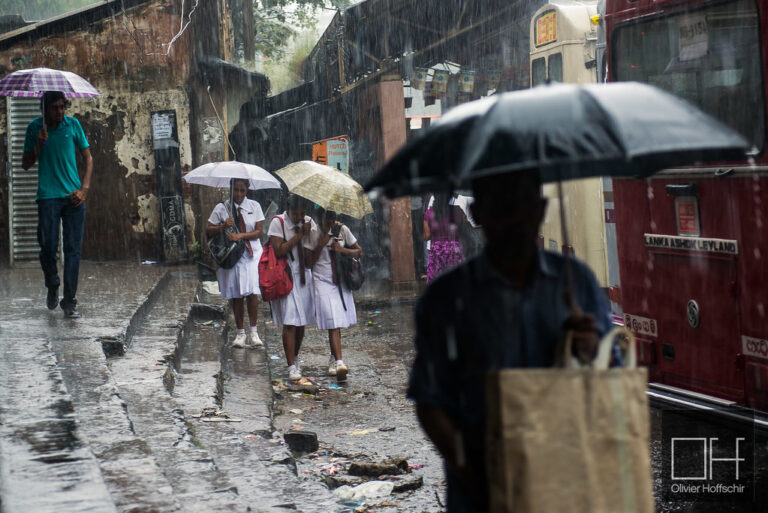
August 02, Colombo (LNW): Several spells of showers will occur in Western, Sabaragamuwa and North-western provinces and in Galle, Matara, Kandy and Nuwara-Eliya districts, the Department of Meteorology said in its daily weather forecast today (02).
Showers or thundershowers may occur at a few places in Badulla, Ampara and Batticaloa districts in the evening or night.
Strong winds of about 50 kmph can be expected at times over Western slopes of the central hills and in Northern, North-central, and North-western provinces and in Trincomalee, Monaragala and Hambantota districts.
Fairly strong winds about (30-40) kmph can be expected at times elsewhere of the island.
Marine Weather:
Condition of Rain:
Showers will occur at several places in the sea areas off the coast extending from Puttalam to Matara via Colombo and Galle.
Winds:
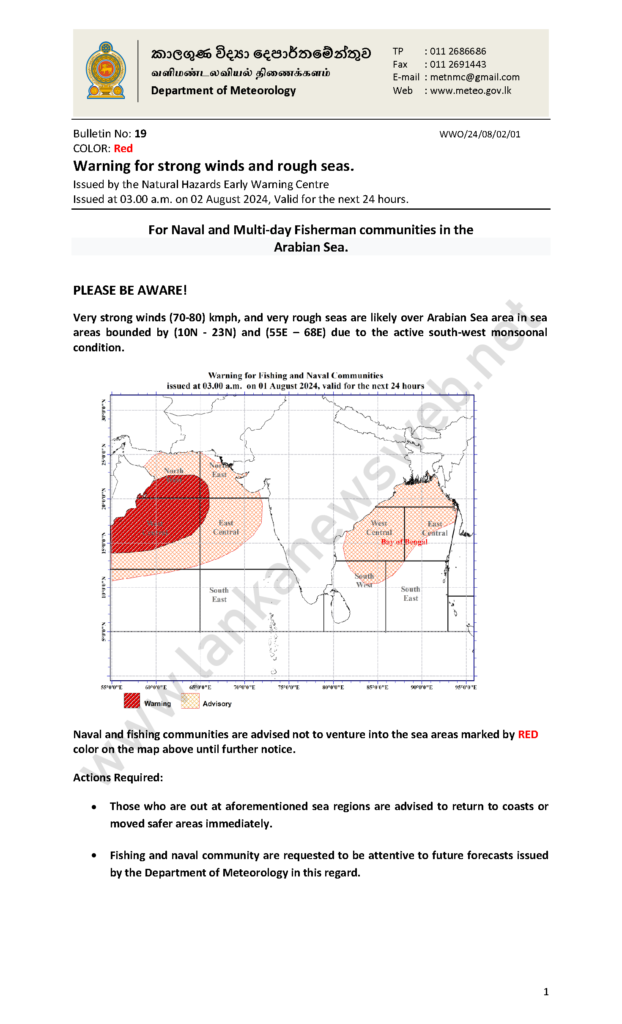
Winds will be westerly to south-westerly and wind speed will be (30-40) kmph. Wind speed can increase up to 60 kmph at times in the sea areas off the coasts extending from Kankasanthurai to Puttalam via Mannar and from Hambantota to Pottuvil. Wind speed can increase up to 50 kmph at times in the sea areas off the coasts extending from Trincomalee to Kankasanthurai via Mullaittivu and from Puttalam to Hambantota via Colombo and Galle.
State of Sea:
The sea areas off the coasts extending from Kankasanthurai to Puttalam via Mannar and from Hambantota to Pottuvil will be rough at times. The sea areas off the coasts extending from Trincomalee to Kankasanthurai via Mullaittivu, and from Puttalam to Hambantota via Colombo and Galle can be fairly rough at times. Naval and fishing communities are requested to be attentive in this regard.
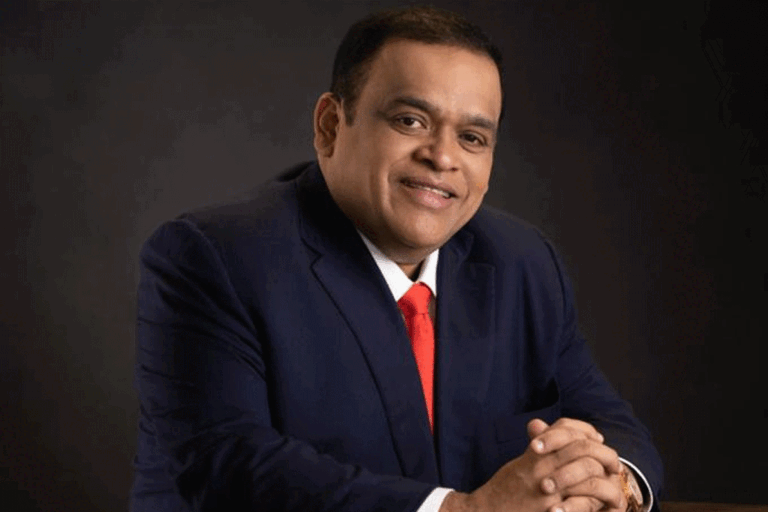
August 02, Colombo (LNW): MP Dhammika Perera is set to be nominated as the Presidential Candidate for the Ruling Party Sri Lanka Podujana Peramuna (SLPP) ahead of the upcoming Presidential Polls, party internal sources confirmed.
Accordingly, the decision to appoint him as the Party candidate will be announced in ceremonial fashion on August 07, confirming LNW’s prediction made nine months ago,
LNW predicted Mr. Perera’s potential candidacy for the upcoming Polls on December 18, 2023.
Perera, whose reputation as an investor both local and overseas and an entrepreneur made him the number one business magnet in Sri Lanka, possesses knowledge and experience on business operation unparalleled to any other personnel of his capacity.
His expertise includes sectors such as the Banking and Finance Sector, Apparel Sector, Industrial Sector, Agricultural Sector ans Tourism, amongst other things.
His unparalleled contribution to education made his brand name more popular in Sri Lanka’s Educational Sector, in which he made the possibility of modernising children’s education into a reality, hence his online educational platform DP Education.
DP Education was appraised on an international level, where Perera’s commitment to DP Education school was recognised as the number one digital educational platform in Asia. DP Education paved the way for over 1.5 million Sri Lankan students to study courses, for free.
The DP Education IT Campus project initiated by Perera aiming the creation of one million jobs in the Information Technology field in Sri Lanka built 145 branches throughout the island, providing free online courses, especially targetting computer language-based modules, and making it possible for more than 135,000 students to study them.
The DP Education project, together with the DP Education IT Campus, paved the way for more than 250,000 children in Sri Lanka to study aiming career development, for free.
Perera remains the only candidate contesting the upcoming Presidential Election with a manifesto consisting of a formal and practical model for economic development in Sri Lanka and an action plan for nation-building.