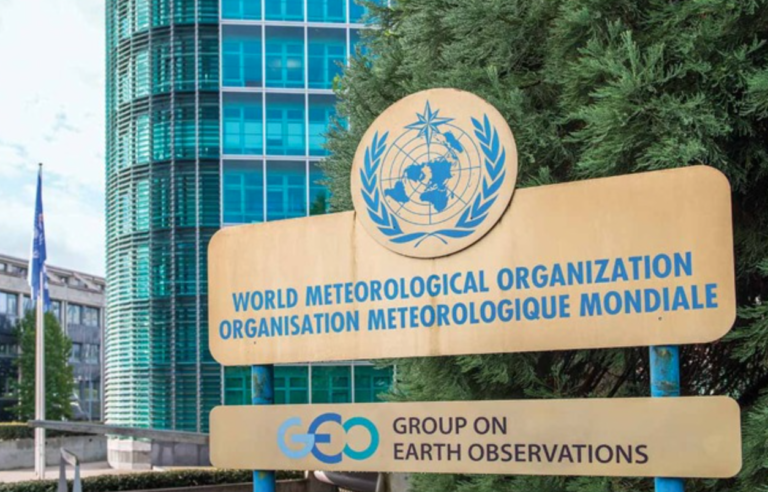
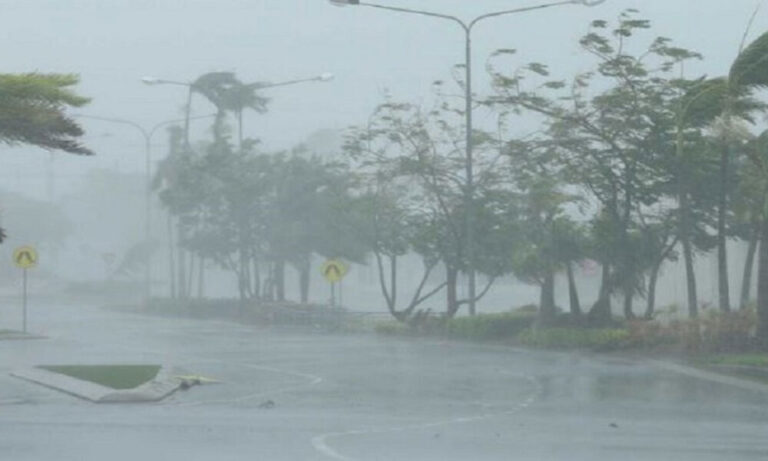
June 05, Colombo (LNW): The government has decided to obtain technical assistance from the World Meteorological Organization (WMO) to improve forecasts and early warnings of severe weather, floods, and landslides, Cabinet Spokesman and Mass Media Minister Dr. Bandula Gunawardhana announced.
Speaking at the weekly Cabinet media briefing held yesterday at the Government Information Department, Dr. Gunawardhana outlined the Climate Resilience Multi-Phase Programmatic Approach. Funded by the International Bank for Reconstruction and Development and the World Bank, this initiative is planned to be implemented over nine years in three phases.
The first component of the five-part program aims to enhance the skills, technology, and infrastructure of relevant institutions to enable accurate forecasting and pre-assessment of weather conditions. This improvement is expected to allow for the quick and accurate prediction of high-risk weather and climate conditions, potentially reducing the $313 million annually spent by the government on post-disaster management.
The Cabinet of Ministers approved the proposal presented by the Irrigation Minister to engage the WMO, an international organization with extensive experience in meteorology and hydrology, to enhance the country’s emergency warning systems.
Z Messenger (Pvt) Ltd, a leading Marketing Technology company in Sri Lanka, in partnership with Locobuzz, a cutting-edge social listening and sentiment analyzing platform is set to revolutionize how brands and political campaigners engage with their audience.
In the digital age, social media has become a powerful force in shaping public opinion and influencing political landscapes. Political campaigns are increasingly leveraging social media platforms to connect with voters, disseminate messages, and gain insights into public sentiment.
Social listening technology harnesses the power of artificial intelligence and big data analytics to provide real-time insights into public sentiment, trends, and opinions across various online platforms. By analyzing millions of data points, zMessenger’s social listening technology offers a comprehensive understanding of how audiences perceive brands or political personalities.
For brands, this technology offers invaluable insights to shape marketing strategies, enhance customer engagement and outpace competitors. By monitoring public sentiment real-time, brands can address issues promptly, capitalize on positive trends and make data-driven decisions to drive business success.
Social listening and Political campaign landscape:
Internationally, prominent political figures and campaigns have successfully utilized social listening to gain a competitive edge. During the 2016 US presidential election, candidates employed social listening tools to understand voter sentiment, identify key issues and tailor their messaging to resonate with the electorate.
Similarly zMessenger, together with Polipedia- an Australian-based political data platform, leveraged social listening platform to gauge public attitude towards policies, track voter sentiment and accurately predict voter behaviour during the last Presidential elections in Australia. Moreover, Locobuzz platform has been successfully deployed to manage multiple Government political campaigns worldwide.
Here are the ways that social listening tools help track and manage public sentiments on web and social media platforms.
Sentiment Analysis: Social media listening analyze the sentiment behind mentions, categorizing them as positive, negative, or neutral. This helps campaigns gauge the public’s emotional response to specific issues or candidates.
Keyword Tracking: These tools track keywords and social media hashtags relevant to the campaign, allowing campaigns to identify popular topics and monitor the use of specific terms across social media platforms.
Demographic Insights: Social media listening tools provide demographic information about individuals engaging in conversations. This helps campaigns understand the characteristics of their audience and tailor messages accordingly.
Competitor Analysis: Campaigns can monitor the online presence of competitors, gaining insights into their strategies, strengths, and weaknesses. This competitive analysis informs the development of more effective campaign strategies.
Influencer Identification: Identifying and engaging with social media influencers is crucial for campaigns. Social media listening tools can identify individuals with significant online influence, allowing campaigns to build relationships and amplify their message through influential voices.
Crisis Management: Social media listening tools play a vital role in campaign crisis management. By monitoring conversations going on across social networks in real time, campaigns can identify and address potential issues swiftly, minimizing a candidate’s reputational damage.
“Our social listening and sentiment analyzing platform partner, Locobuzz is poised to redefine how brands and political campaigns engage with their audiences,” stated Jayomi Lokuliyana CEO zMessenger. “By leveraging the power of technology, we empower organizations to make informed decisions, strengthen connections with their target audience and achieve their objectives”
zMessenger invites brands and political campaigns to embark on a transformative journey with its Locobuzz social sentiment tracking technology platform unlocking new avenues for engagement, understanding and triumph.
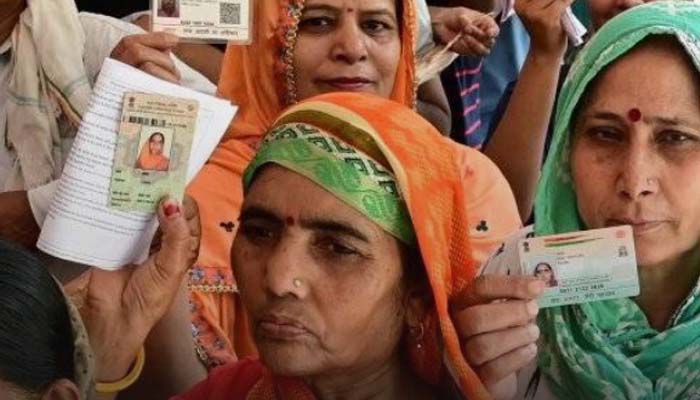
June 05, Colombo (LNW): With most of India’s 640 million votes counted following the country’s six-week-long election, the world’s largest democratic exercise has delivered some unexpected results.
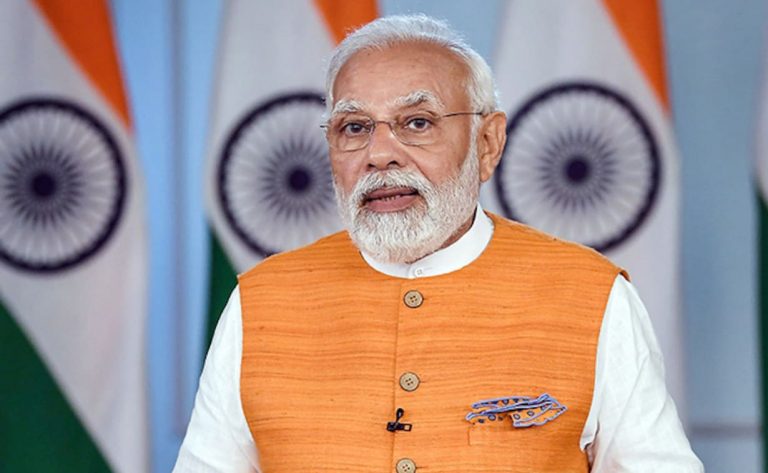
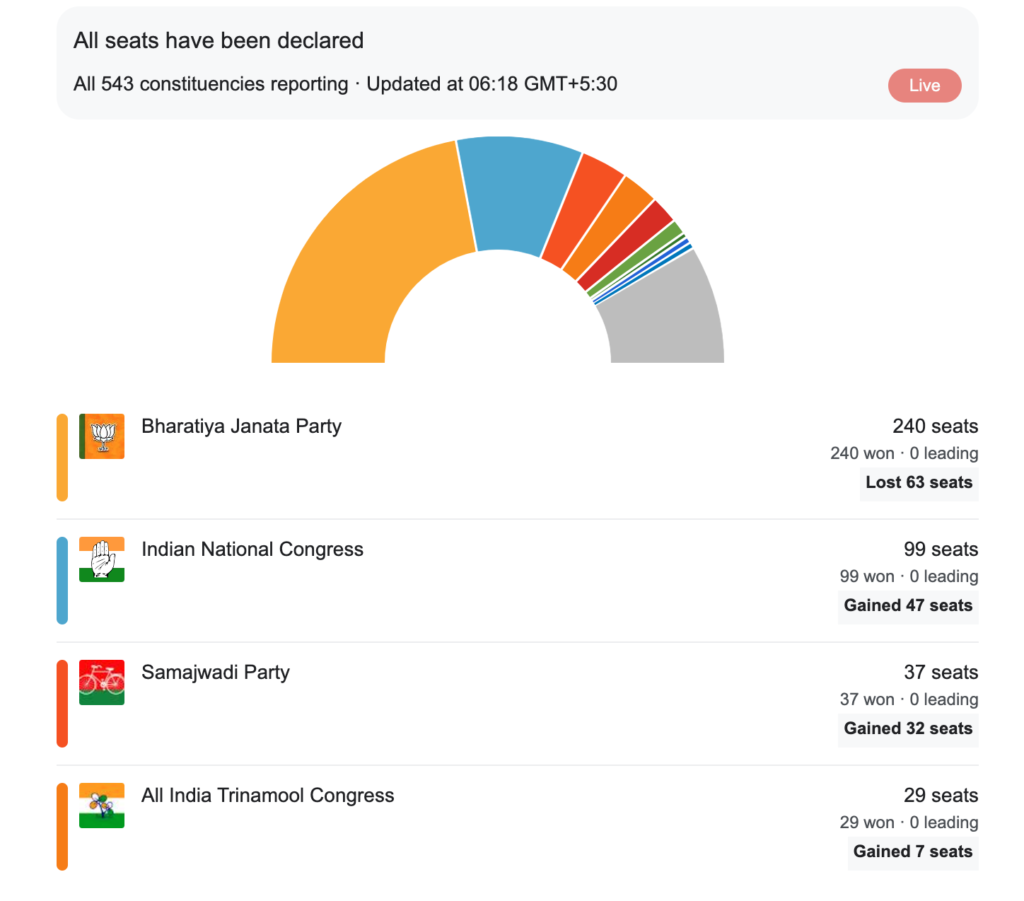
The governing Bharatiya Janata Party (BJP) of Prime Minister Narendra Modi is projected to win 240 seats, falling short of the 272-seat majority needed in the Lok Sabha, the lower house of India’s Parliament, which has 543 seats. However, with its allies, the BJP has still secured a majority. The opposition INDIA alliance, led by the Indian National Congress party, has won 222 seats.
These results mark a significant shift from the 2019 election, when the BJP-led National Democratic Alliance (NDA) won 353 seats, with the BJP alone securing 303.
A series of political tremors appear to have reshaped India’s political landscape, leading to these surprising outcomes.
In Uttar Pradesh (UP), a state governed by the BJP since 2017 and holding 80 parliamentary constituencies, dramatic changes unfolded. UP, as India’s most populous state with over 240 million people, is crucial in determining the nation’s leadership. Both Modi and Congress leader Rahul Gandhi contested elections from different constituencies in this state.
In 2019, the NDA won 64 seats in UP, with the BJP taking 62, the Congress one, the Bahujan Samaj Party (BSP) ten, and the Samajwadi Party (SP) five.
The 2024 election saw a starkly different outcome. The SP secured 37 seats and the Congress six, totaling 43 for the INDIA alliance. The BJP, along with its allies, won 33 seats, with three additional seats likely to be secured by its allies. Notably, the BJP lost in the Faizabad constituency, home to the Ram temple in Ayodhya, a central element of the BJP’s campaign.
June 05, Colombo (LNW): Multiple spells of showers are expected in the Western, Sabaragamuwa, Central, Southern, and North-western provinces.
Showers or thundershowers may also occur in a few other areas of the island during the evening or night.
The general public is kindly requested to take adequate precautions to minimize damage caused by temporary localized strong winds and lightning during thundershowers.
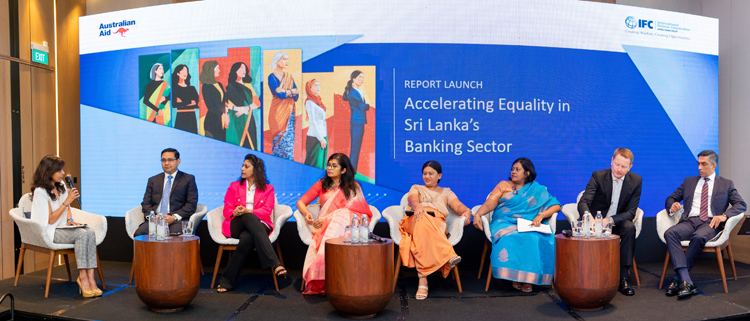
June 04, Colombo (LNW): Sri Lanka Leads the Region in Recruiting More Women in the Banking Industry but Barriers Remain for Progression: IFC Report
A new International Finance Corporation (IFC) report reveals that Sri Lanka surpasses regional counterparts in recruiting women at the entry-level in the banking sector, with women comprising 46 percent of new recruits.
The report, supported by the Women in Work program—a partnership between IFC and the Australian government—also highlights Sri Lanka’s leadership in board-level gender diversity, with women holding 27 percent of board positions, compared to 20 percent in Nepal and 14 percent in Bangladesh.
The pioneering report, Women’s Advancement in Banking in Emerging South Asian Countries, aims to optimize opportunities that enable women to advance to senior roles in the banking industry across South Asia.
This multi-country study, among the first of its kind in the region, focuses on private-sector commercial banks in Bangladesh, Nepal, and Sri Lanka, where women constitute 30 percent of the banking workforce compared to the global average of 52 percent.
Research conducted across seven leading private commercial banks in Sri Lanka, representing 41 percent of the market share, forms the basis of insights on Sri Lanka.
While Sri Lanka’s banking industry is close to achieving parity in hiring women and is considerably ahead of other countries in terms of women’s share in the workforce, women’s progression does not match their career aspirations or progression rates for men. Representation drops from 40 percent at entry-level to 27 percent in middle management and further to 20 percent in senior management roles.
“Investing in the potential of women leaders isn’t just about equality, it’s about unlocking the full spectrum of talent and driving sustainable growth–exactly what Sri Lanka needs for a resilient economic recovery,” said Imad N. Fakhoury, IFC’s Regional Director for South Asia.
“Addressing the multifaceted challenges faced by female bankers requires comprehensive and collective action, rather than isolated interventions. We must tackle these barriers—whether policy, process, or culture–related—in a targeted manner, creating an inclusive banking sector and driving greater economic growth.”
The report underlines how barriers such as lack of fair evaluations, sociocultural constraints and non-conducive work environments curtail women’s growth prospects in the Sri Lankan banking industry.
While banks and policymakers have initiated several steps to improve women’s participation and career progression, stronger commitment from leadership is essential to create inclusive workplaces.
The report reveals skepticism among many employees, including senior leaders and more than 50 percent of middle managers, regarding the importance of female leadership for businesses to be competitive.
June 04, Colombo (LNW): In a significant step towards sustainable energy solutions, Regen Solar, specialists in the solar PV sector, has inaugurated a ground-breaking project.
The installation consisted of 1893 Nos. DAS Solar 570Wp solar panels are projected to yield 1,425 MWh of solar energy annually into the national grid.
The St. Jones Fish Market, once nestled in the bustling heart of Pettah before relocating to Peliyagoda in 2011, embodies a rich history. Established in 1894 by the Colombo Municipal Council along St. Johns Road, Pettah, initially catered to residents but evolved into a wholesale trade hub over time.
Today, the Peliyagoda Fish Market (PFM) boasts modern amenities, including 148 stalls for wholesale transactions, 20 stalls for retail operations, banking facilities, shops for fishing paraphernalia, a contemporary eatery, and two flake ice plants capable of producing 25 tons of ice daily.
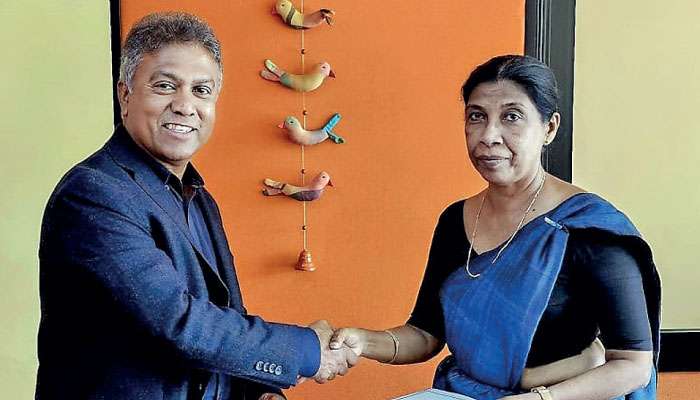
The agreement, a milestone event, was formally endorsed by Fisheries Ministry Secretary K.N. Kumari Somarathna, and Regen Renewables Ltd., Managing Director and CEO Dr. Lakmal Fernado.
Regen Renewables, represents some of the globe’s premier brands within Sri Lanka. The panels installed at the CFM are from DAS Solar – world’s leading manufacturer of N-type solar modules and with Inverters from Sunways – another leading brand. Regen Solar with a track record of installing over 75 MW of systems and ongoing projects exceeding 10 MW, maintains a firm commitment to engineering excellence and product quality.
Both entities share a profound dedication towards sustainable development, envisioning a greener future for generations to come. This collaboration is poised to offset over 1,566,000kg of CO₂ emissions, marking the Colombo Fish Market Project as an environmentally conscious undertaking.
The entire project was proposed and lead by Fisheries and Aquatic Resources’ Minister Douglas Devananda and the ministry officials and financed and owned by Regen Renewables Ltd., on a revenue sharing basis.
This is the 8th such project financed and owned by Regen Renewables. With the pressing need for low-cost energy for businesses and energy wheeling being legalised Regen Solar is fast expanding its wingspan into similar market opportunities.
June 04, Colombo (LNW): As the digital landscape evolves and cybercriminals adapt their tactics to exploit individuals and businesses, WhatsApp has become a prime target for scammers using deceptive techniques to defraud users.
In response, SLASSCOM, Sri Lanka’s leading IT/BPM industry body, has taken a lead role in championing awareness, education and Industry collaboration to combat these scams.
CSCx Forum at SLASSCOM Head Sithira Wanniarachchi, said that common tactics scammers deploy include the impersonation of renowned brands or individuals, and in manufacturing fake emergencies to induce immediate responses, tempting users with unbelievable offers or prizes and utilising links to pilfer personal information.
He explained that while WhatsApp scams can target any sector, industries such as financial services, online shopping, and tech support are particularly vulnerable due to the potential for financial gain.
He emphasised that recognising the tell-tale signs of a WhatsApp scam is paramount. ‘Red flags include unsolicited messages from unknown numbers, requests for personal or financial information and offers that appear too good to be true.
When faced with such instances verifying the sender’s identity, exercising caution when encountering suspicious links or attachments, enabling two-factor authentication and staying informed about prevalent scam tactics and only allowing only your contacts to add you to groups are essential steps in safeguarding against these fraudulent activities.
It is important to report such encountered fraudulent behaviour on WhatsApp to relevant authorities, agencies, or WhatsApp itself. Many countries offer dedicated platforms, such as consumer protection agencies, cybercrime units, and online fraud reporting platforms, to address such incidents. In Sri Lanka these include the CCID, SL CERT, National Child Protection Authority, Ministry of Women and Child Affairs and Women In Need.’
Sithira also expressed the imperative of fostering collaborative efforts to counter these scams effectively.
‘Cyber security is not merely a concern for individual users or specific organisations; it is a shared responsibility that demands collective action and necessitates a united front fostering alliances between industry players, Government agencies, and law enforcement. Together, we can build a resilient cyber security ecosystem that protects the integrity, privacy, and security of all digital stakeholders. By embracing our collective responsibility and working together, we can effectively thwart WhatsApp scams and uphold the trust and safety of our digital communities,” he affirmed.
Cabinet approves a plan to aid victims of adverse weather, including rebuilding homes, funded by the government and supported by Tri-Forces: President Ranil Wickremesinghe’s proposal received approval: Immediate aid will be provided without delays, and financial support will be increased: Funds earmarked for World Environment Day will be directed to weather relief: State Minister Janaka Wakkumbura confirmed the cancellation of national Environment Day celebrations.
Eight suspects including former Health Minister Keheliya Rambukwella, who were arrested by the Criminal Investigation Department over the alleged involvement of the importation of substandard human immunoglobulin further remanded till June 14: The 4th suspect to the case was released with two sureties of Rs. 500,000 and a cash bail of Rs. 100,000: The ex-Health Minister was arrested by the CID on February 02, 2024.
Speaker Mahinda Yapa Abeywardena announces the Supreme Court deems the Electricity Amendment Bill inconsistent with the Constitution: Opposition calls for debate postponement, ruling party pushes for scheduled discussion with promised amendments: Power and Energy Minister Kanchana Wijesekera assures compliance with the Court’s ruling: MP Harsha de Silva proposes extending debate to two days.
Power and Energy Minister Kanchana Wijesekera reveals progress in discussions with the CEB’s tariff division to finalise electricity tariff revisions: asserts the government aims to implement a cost-reflective tariff system, with quarterly revisions: adds the tariff proposal for July will be submitted to the Public Utilities Commission this week.
State Minister Dilum Amunugama announces Sri Lanka attracted over US$ 1 bn in FDIs in Q124, fulfilling the quarterly target: However, concerns arose regarding the realisation of these investments, especially with delays in the Adani Solar project: The progress review meeting aimed to address project issues and provide support: The dissolution of th BOI aligns with the Economic Transformation Act, establishing the New Economic Commission to oversee economic activities and trade zones: Amunugama assures the BOI’s role will remain intact, focusing on global marketing and preserving employee rights.
Litro Gas Chairman, Muditha Peiris, declares a price reduction for domestic LP gas cylinders starting midnight today (04): The 12.5 kg cylinder will decrease by Rs. 150 to Rs. 3,790, the 05 kg cylinder by Rs. 60 to Rs. 1,522, and the 2.3 kg cylinder by Rs. 28 to Rs. 712.
UGC Chief Prof. Sampath Amaratunge urges the public against sharing 2023 (2024) GCE Advanced Level Exam results on social media to prevent misuse of personal data and safeguard university placements: warns that unauthorised use of index and NIC numbers could cause delays for genuine applicants: With 173,444 candidates qualifying for university admission out of 269,613, caution is urged in disseminating results online.
The University Trade Union Joint Committee (UTUJC) highlights today’s importance for potential trade union actions by university non-academic staff: Following discussions with the Minister of State for Higher Education, UTUJC Co-Chairman, Dhammika S. Priyantha, emphasised addressing staff demands and professional concerns: Next steps involve deliberations with union representatives to discuss outcomes and future strategies. UTUJC plans to update on decisions and actions by the end of the day.
During the recent National Mosquito Control Week, alarming reports surfaced regarding mosquito breeding in private institutions: Over 1,200 establishments were flagged for breeding grounds, prompting legal action against many: Nationwide inspections reveal thousands of premises with mosquito larvae, emphasising the urgency of stringent control measures amidst rising Dengue cases: Authorities urge public vigilance.
South Africa secures a comfortable six-wicket victory over Sri Lanka in the T20 World Cup match held at Nassau County International Cricket Stadium in New York: Anrich Nortje shone with career-best figures of 4 for 7: Despite some early setbacks, South Africa reached the target of 78 in 16.2 overs, with Quinton de Kock and Heinrich Klaasen guiding them to victory: Sri Lanka’s batting struggled, managing only 77 runs, with Nortje’s stellar performance earning him the Player of the Match award.
June 04, World (LNW): In India’s latest election showdown, early trends suggest that the Bharatiya Janata Party (BJP)-led alliance is leading in just under 300 seats, whilst opposition parties are gaining ground in about 200, foreign reports claim.
Prime Minister Narendra Modi, eyeing an unprecedented third consecutive term for himself and his BJP, faces a closely watched battle as the results unfold.
The lower house of India’s parliament, known as the Lok Sabha, comprises 543 seats, and to form a government, a party or coalition needs to secure at least 272 seats.
The BJP-led alliance initially aimed for a sweeping victory, setting an ambitious target of 400 seats.
However, current trends indicate they may fall short of that goal, with the alliance currently leading in approximately 295 seats.
This election, touted as the world’s largest, unfolded over seven phases across six weeks, engaging almost a billion eligible voters.
As results trickle in, the nation eagerly anticipates the official announcement from the Election Commission of India, which will declare the winners.
Whilst the BJP has made significant strides in several regions, including the north and west, their performance in the south has raised eyebrows.
K Annamalai, a prominent BJP candidate in Tamil Nadu’s Coimbatore constituency, trails by over 23,000 votes.
Annamalai, a former police officer, was seen as a strong contender to bolster the BJP’s presence in a state traditionally resistant to the party’s influence.
However, leading in Coimbatore is Ganapathy P Rajkumar, a former mayor representing the regional DMK party.
Surprisingly, the BJP is not leading in any seat in Tamil Nadu, as per current trends, while the INDIA alliance, consisting of various regional parties, is making significant gains.
As the counting continues and final results are awaited, the political landscape in India remains in flux, with each constituency’s outcome crucial in determining the country’s future leadership.
June 04, Colombo (LNW): In the wake of government’s decision to dissolve the Board of Investment in accordance with economic transformation act, State Minister for Investment Promotion, Dilum Amunugama says the Sri Lanka has attracted over USD 1 billion Foreign Direct Investments (FDI) to the country in the first quarter of 2024.
“This fulfills our first quarter target and we hope to touch the USD 4 billion investment target by year end,” he said during conversations with investors who signed investment agreements with the Board of Investment in the first quarter of this year and followed up on their business progress.
The investment objective of one billion dollars was met in the first quarter of this year, with the Adani Solar project investing USD 800 million and other enterprises contracting for another USD 320 million with the Board of Investment.
However these FDI’s are still to be realized as Adani Solar power project Sri Lankan officials said adding that the project has been facing some delays as a Cabinet Appointed Negotiation Committee (CANC) raising concerns over the project components including tariff.
Therefore accounting the FDI in the pipeline which is yet to be realized and publishing it as first quarter foreign investment attracted by Sri Lanka was an inaccurate statement, several high officials said.
The progress review meeting was primarily arranged to analyze the progress of signed projects, resolve any outstanding issues, and provide necessary support to projects signed in the first quarter of 2024.
Another main accounting practice of the BOI was the inclusion of foreign loans to Direct Investment Enterprises in annual FDI while publicising dollar earnings of existing free trade zone enterprises. This was against the proper accunting practices
The New Economic Commission is to be set up under this act replacing BOI and its control over free trade zones will be consolidated under its purview.
Furthermore, control over trade zones under the Board of Investment and newly established trade zones will be consolidated under this commission.
The commission will be empowered to oversee economic activities and international trade and govern both existing and newly established trade zones, ensuring cohesive and effective management of economic initiatives and investment infrastructure.
However minister Amunugama highlighted that the BOI’s position will be aligned with worldwide marketing, and that current zones will stay under the BOI’s control, strengthening its role and preserving all employee rights.
Furthermore he stated that the statements made by all of the investors demonstrate that they were able to carry out their projects without issue. As a result, it serves as an excellent illustration of the Board of Investment’s efficiency.