Home Blog Page 1190

Special Bus and Train Services for New Year Travelers

0

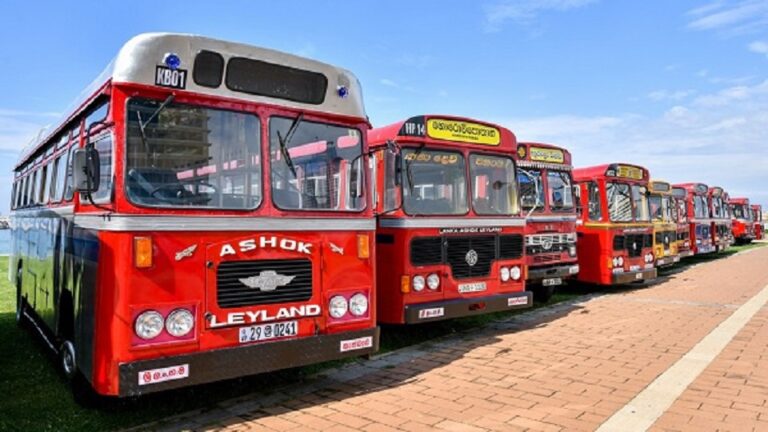
April 05, Colombo (LNW):In anticipation of the upcoming Sinhala and Tamil New Year season, the Sri Lanka Transport Board (SLTB) has launched a special bus service starting from today (April 5th), catering to the needs of the public.

The SLTB has announced the deployment of approximately 200 additional buses during the festive season, specifically aimed at assisting individuals residing in Colombo and its suburbs who are planning to visit their hometowns across the island.

These special bus services will be available from Colombo to various destinations nationwide, providing convenience and ease of travel for passengers during the holiday period.

Additionally, Sri Lanka Railways has also announced the introduction of special train services for long-distance journeys commencing from April 10th. The enhanced service will see the addition of around 12 extra train journeys to the daily schedule.

The special train services will remain operational for the general public until April 15th, offering an alternative mode of transportation for travelers seeking to celebrate the New Year festivities with their families and loved ones across the country.

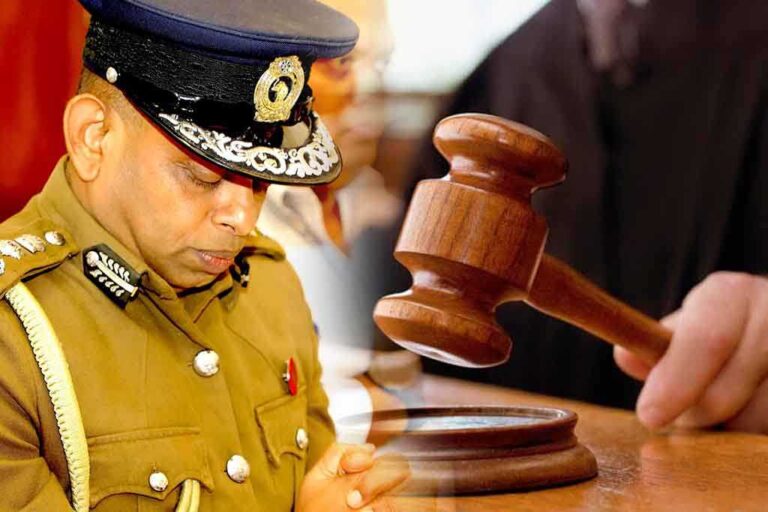
IGP Appears Before Supreme Court Following Summons

0

April 05, Colombo (LNW): The Inspector General of Police (IGP), Deshabandu Tennakoon, arrived at the Supreme Court complex this morning (April 5), adhering to the summons issued to him yesterday.

Tennakoon was summoned by the country’s apex court in response to fundamental rights (FR) petitions filed by five chief inspectors regarding their transfers following the ‘Aragalaya’ movement.

Legal representatives for the petitioners presented pertinent details before a three-member judge bench led by Chief Justice Jayantha Jayasuriya yesterday. Following this presentation, the court directed the police chief to appear before the court today for further inquiry into the matter.

IMF Expects Sri Lanka to Secure Deal with Commercial Creditors Amid Debt Restructuring Talks

0

April 05, Colombo (LNW): The International Monetary Fund (IMF) expressed optimism on Thursday regarding Sri Lanka’s ongoing negotiations with its commercial creditors, anticipating a resolution by the completion of the IMF’s second review.

Sri Lanka is currently engaged in discussions with bondholders to restructure approximately USD 12 billion in debt, a crucial step in its efforts to navigate through a challenging financial crisis.

IMF spokesperson Julie Kozack stated during a press briefing that there is a “strong expectation” for agreements to be reached with commercial creditors in line with program parameters by the conclusion of the second review.

Although the IMF had reached a staff-level agreement with Sri Lanka on the second review of its four-year bailout program at the end of last month, formal approval from the IMF’s board is still pending.

Kozack also highlighted the positive impact of macroeconomic policy reforms in Sri Lanka, noting achievements such as rapid disinflation, robust reserve accumulation, and initial indications of economic growth, all while maintaining stability in the financial system.

Despite these commendable outcomes, challenges persist in Sri Lanka’s public finances, underscoring the importance of ongoing efforts to address and mitigate the country’s economic difficulties.

President Ranil Wickremesinghe and Basil Rajapaksa Hold Talks on Future Political Activities

0

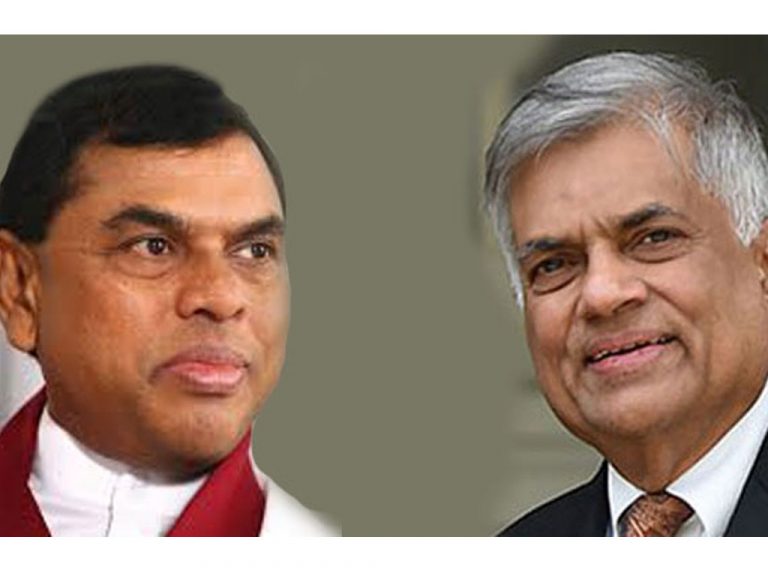
April 05, Colombo (LNW): In a recent development, President Ranil Wickremesinghe and Basil Rajapaksa, the Founder of the Sri Lanka Podujana Peramuna (SLPP), engaged in discussions in Colombo on Thursday evening (April 4th).

The SLPP revealed that the meeting addressed various matters concerning future political activities and forthcoming elections.

This gathering marks the third occasion where President Wickremesinghe and Basil Rajapaksa have convened, emphasizing the significance of their ongoing dialogue regarding the nation’s political landscape and electoral strategies.

Jeevan Thondaman Apologizes for Mandatory Cremation Policy Amid COVID-19 Pandemic

0

April 05, Colombo (LNW): During an Ifthar gathering in Hatton Town on Tuesday (2), Water Supply and Estate Infrastructure Development Minister Jeevan Thondaman issued an unexpected apology to the Muslim community for the mandatory cremation policy implemented during the COVID-19 pandemic under the previous government led by President Gotabaya Rajapaksa.

Expressing regret for the distress caused to the Muslim community, Minister Thondaman took responsibility for the policy despite assuming office in January last year. He acknowledged the importance of accountability, regardless of the government in power at the time.

The forced cremation policy, driven by concerns about contaminating water supplies with the COVID-19 virus, has been refuted by new scientific findings. Research led by experts from Sri Jayewardenepura University, supported by the Water Supply Ministry, concluded that there was no risk of groundwater pollution from properly conducted burials during the pandemic. A subsequent review by the Joint Research and Demonstration Centre for Water Technology at Peradeniya University affirmed these findings, highlighting the absence of environmental contamination from burial practices.

The Minister’s apology signals a commitment to evidence-based decision-making and respect for cultural and religious practices. He announced plans to submit a Cabinet Paper, accompanied by the study findings, to formally apologize to the Muslim community for the harm caused by the forced cremation policy. This gesture represents a significant step towards healing the wounds inflicted by divisive policies during the pandemic.

Sri Lanka and South Korea Forge Educational and Economic Partnerships

0

April 05, Colombo (LNW): South Korea’s Gyeongsangbuk-do Province Governor Lee Cheol Woo and Sri Lankan Prime Minister Dinesh Gunawardena convened at the Governor’s office in Andong, Gyeongsangbuk-do, on Wednesday (3) to discuss collaborative ventures spanning education, agriculture, fisheries, women’s empowerment, and rural development.

During the talks, the Provincial Government pledged to extend various benefits to Sri Lanka, including initiatives in education, higher education, and vocational training, as well as opportunities for university entrance and scholarships. Moreover, plans were discussed to enhance employment opportunities in Korea for Sri Lankans.

The discussions also explored potential investments in health, construction, fisheries technology, post-harvest damage mitigation, and short-term employment opportunities in Korea, particularly during the harvesting season.

Prime Minister Gunawardena expressed gratitude for the opportunity to witness the economic success achieved by Gyeongsangbuk-do Province. He lauded the cooperation extended by the Saemaul Foundation, a voluntary organization, in supporting underdeveloped areas in Sri Lanka, particularly in Kegalle and Ratnapura in the Sabaragamuwa Province, for education improvement.

Gunawardena conveyed warm regards from President Ranil Wickremesinghe and emphasized the importance of strengthening cooperation between Sri Lanka and Korea in new technology and investments. He underscored the significance of his visit, accompanied by Members of Parliament, to Gyeongsangbuk-do Province, highlighting the event’s importance for Sri Lanka’s future development.

State Ministers, Members of Parliament, the Prime Minister’s Secretary, the Sri Lankan Ambassador to South Korea, and officials from Gyeongsangbuk-do Province were also present at the meeting, reflecting the commitment of both nations to foster mutually beneficial partnerships in various sectors.

Court Issues Conditional Order to Halt Distribution of Former PUCSL Chairman’s Personal Materials

0

April 05, Colombo (LNW): The Colombo Chief Magistrate’s Court has issued a conditional order preventing eight respondents, including the private secretary of former Public Utilities Commission of Sri Lanka (PUCSL) Chairman Janaka Ratnayake, from distributing personal photographs, videotapes, or audiotapes related to Ratnayake.

Ratnayake lodged a complaint with the Colombo Chief Magistrate’s Court through his legal representative under Section 24 of the Online Safety Act No. 09 of 2024.

During the court proceedings, Kalinga Indatissa PC, representing the petitioner, highlighted that despite provisions in the Online Safety Act requiring the appointment of a Commission, no such entity has been established yet. Consequently, the petition was brought before the court to address the matter.

Indatissa emphasized the potential repercussions of such incidents, noting that regardless of Ratnayake’s future political aspirations, anyone could fall victim to such violations. He elaborated on the intimate nature of the relationship between Ratnayake and his former personal secretary, who had access to his internet passwords during her tenure spanning 18 years until May 2023.

The petitioner’s legal team brought to light allegations that the first and second respondents had intentions to share personal photos or videos on social media platforms. Subsequently, a video purportedly containing such material surfaced, prompting the request for legal intervention to prevent further dissemination.

Consequently, the President’s Counsel urged the court to issue a conditional injunction to halt the disclosure of Ratnayake’s personal information by the first and second respondents, seeking legal protection against potential breaches of privacy.

Sri Lanka Railway Centenary Celebrations Commence with New Train Launch and Cultural Events

0

April 05, Colombo (LNW): Transport, Highways, and Mass Media Minister Dr. Bandula Gunawardhana revealed that the Railway Department has organized a series of programs to commemorate 100 years since the British introduced the railway service in Sri Lanka.

To kick off the celebrations, a new train named ‘Dunhinda Odyssey’ will commence its journey from Colombo Fort to Badulla at 6.30 am today (April 5th), operating every other day.

In addition, a luxurious tourist short-distance train named ‘Galaxo’ featuring three carriages with wooden observation cabins without roofs will run daily from Bandarawela to Demodara, adding a touch of elegance to the railway experience.

As part of the centenary festivities, a commemorative stamp will be issued this afternoon at the Badulla Railway Station, marking the historic occasion. Furthermore, a vibrant cultural show is scheduled to take place in Badulla town tonight, showcasing the rich heritage and diversity of Sri Lanka.

Showers Expected in Western and Sabaragamuwa Provinces

0

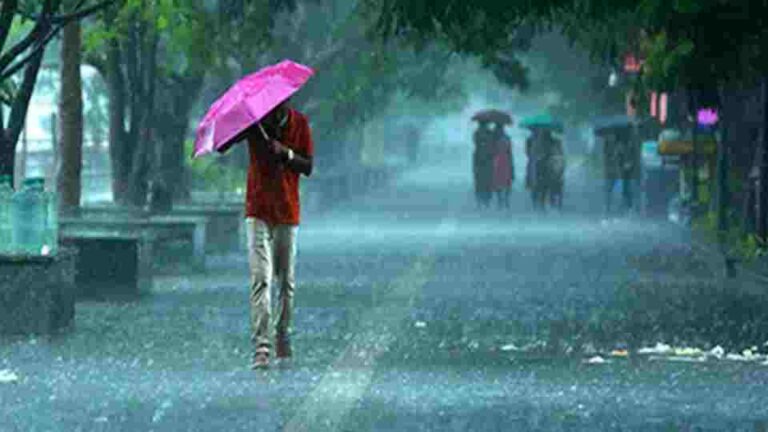
April 05, Colombo (LNW): Showers or thundershowers will occur at several places inWestern and Sabaragamuwa provinces and in Galle and Matara districts after 2.00 p.m.

Showers or thundershowers may occur at a few places inNorth-western province and in Mannar and Nuwara-Eliya districts during the evening or night.

Misty conditions can be expected at some places in Western, Central and Sabaragamuwa provinces and in Galle and Matara districts during the morning.

General public is kindly requested to take adequate precautions to minimize damages caused by temporary localized strong winds and lightning during thundershowers.

On the apparent northward relative motion of the sun, it is going to be directly over the latitudes of Sri Lanka during 05th to 15th of April in this year. The nearest areas of Sri Lanka over which the sun is overhead today (05th) are Balapitiya, Elpitiya, Morawaka and Tissamaharama at about 12:12 noon.

Reflections on the April 1971 Uprising and Current Political Realities.

0

By:  Lionel Bopage 

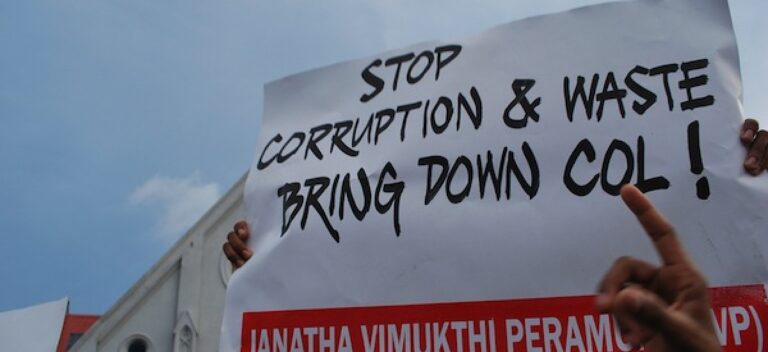
April 05, Colombo (LNW): It has been 53 years since the April 1971 uprising. Over time, many of the comrades who participated have aged, fallen ill, or passed away. Yet, the collective aspiration that drove them, including those who made the ultimate sacrifice during the uprising, remains clear: to forge a society where every individual can live freely with dignity, underpinned by social and economic justice.

The majority of the JVP membership hailed from Sinhala Buddhist rural backgrounds, with limited exposure beyond their immediate environment. Our understanding of societal diversity and the challenges faced by minority communities was rudimentary. Our worldview was shaped by the prevailing political and cultural milieu, gleaned through books, newspapers, and social interactions.
Despite the political constraints of the time, I firmly believe that we were not tainted by racism, nationalism, casteism, or religious extremism. Our primary aim was to establish a socialist socio-economic system rooted in social justice and economic democracy. Our policies and strategies were crafted in response to the socio-economic and political landscape of the era.
Reflecting on the aftermath of the April 1971 Uprising, we have scrutinised our policies, strategies, and tactics. This soul searching gave rise to various political groups with diverse inclinations. While acknowledging past mistakes and offering critiques, the focus of our discussions remains centered on learning and improvement, not on causing discomfort or denigrating individuals like Comrade Rohana Wijeweera.

However, it is imperative to critically examine the movement under Comrade Rohana’s leadership and its subsequent ramifications. Failure to do so would not only be unjust, but also hinder our ability to learn from past experiences and differentiate ourselves from other ruling classes and political groups.
Drawing proper lessons from the April 1971 Uprising could have potentially averted many of the tragic events Sri Lankan society endured during the 1988-89 period. Thus, as we contemplate our common objective, we must address the prevailing social, economic, and political challenges.

The April 1971 Uprising unfolded in a unique historical context. Comparing that backdrop with contemporary global and national dynamics reveals both similarities and differences. It is imperative to grasp the evolving dynamics of the global capitalist system and its impact on our society.

The principles of social justice, particularly socialist ideals, must be adapted to our complex socio-economic and cultural conditions. Through critical analysis of historical struggles, we can refine our approach to contemporary quests for social justice.
The 1970s marked a shift where the left relinquished its pivotal role, yielding ground to the emergent New Right. Today, as we confront the dominance of neoliberal ideology, discussions on charting a path forward are paramount.

Neoliberal strategies epitomized by leaders like Thatcher and Reagan reshaped the capitalist agenda, precipitating global repercussions. The militaristic expansion of neoliberal capitalism and its adverse effects necessitate concerted resistance and alternative socio-economic models.

The ongoing socio-economic, cultural, and refugee crises underscore the imperative of challenging capitalist hegemony. The failures of past socialist endeavours necessitate a nuanced understanding of contemporary challenges and pragmatic solutions.
Achieving systemic change requires inclusive policy formulation and broad-based participation. Policies must be tailored to address the issues of prevailing social forces, fostering a cohesive movement for radical democratic transformation.

The imperative of building solidarity across diverse social movements cannot be overstated. Collaboration between leftist and green movements is essential in envisioning a sustainable and just future.
In confronting the existential threats posed by capitalism, it is incumbent upon progressive organizations to transcend divisive ideologies and prioritize democratic rights for all. Our collective struggle must encompass environmental sustainability, social justice, and inclusive governance.

As we commemorate the April 1971 Uprising, let us reaffirm our commitment to building a society founded on freedom, dignity, and equity. Regardless of our diverse backgrounds, our shared aspiration should be to realize social justice and economic democracy.
In conclusion, our political ethos must prioritise the establishment of a society where every individual can flourish, irrespective of socio-economic or cultural differences.


April 5, 2024