March 20, Colombo, LNW: The Government has announced plans to import an additional 42 million eggs ahead of the festive season, aiming to stabilize the market and meet consumer demand. This decision follows the Cabinet of Ministers’ approval of measures to ensure adequate egg supplies until April 30.
Already, 18 million eggs have been imported, with further approval granted for the importation of the additional stock. Prices have been negotiated with Indian institutions recommended by the Animal Production and Health Department for this purpose.
The Cabinet of Ministers, under the leadership of President Ranil Wickremesinghe in his capacity as Finance, Economic Stabilization, and National Policies Minister, has approved the proposal to proceed with the procurement process, as recommended by the Standing Cabinet Appointed Procurement Committee.
March 20, Colombo, LNW:The Cabinet of Ministers has given the green light to a proposal aimed at overhauling the electoral system, paving the way to elect 160 Members of Parliament directly from their respective constituencies under the First-Past-the-Post (FPTP) system, while the remaining 65 MPs will be elected through the proportional voting system at the national or provincial level.
In response to the objectives outlined in the Election Expenses Regulation Act No. 3 of 2023 and to ensure a more democratic electoral process, the Government Information Department highlighted the necessity for revising the current electoral framework.
To address this need, a Cabinet sub-committee was convened to solicit input from all party leaders and other relevant stakeholders representing the Parliament. Subsequently, a comprehensive report with recommendations was submitted to the Cabinet.
The committee recommended electing 160 MPs directly from their respective constituencies and allocating the remaining 65 seats through proportional representation at the national or provincial level. The statement noted that the majority consensus supported this proposal.
Consequently, the Cabinet of Ministers endorsed the proposal put forth by the Minister of Justice, Prison Affairs, and Constitutional Reforms. The proposal entails advising the Legal Draftsman to draft the necessary legislation, taking into account the recommendations proposed by the committee chaired by the Prime Minister tasked with amending the electoral system.
March 19, Colombo, LNW: Ranjith Madduma Bandara, the General Secretary of the Samagi Jana Balawegaya (SJB), declared the party’s preparedness to confront any upcoming election. This affirmation came following the SJB Working Committee meeting held on Tuesday evening at the party’s office.
Addressing the media after the meeting, MP Ranjith Madduma Bandara divulged that the discussion revolved around the SJB’s future strategies and organizational preparations for the elections.
He emphasized that the party has already commenced organizational activities in anticipation of the elections. Regarding potential alliances with other factions, MP Madduma Bandara disclosed that discussions are underway, and alliances will be formed at an opportune moment.
MP Madduma Bandara expressed confidence in Opposition Leader Sajith Premadasa’s electoral prospects, predicting a substantial victory with over 7.5 million votes. He also speculated on the voting patterns of other parties, suggesting a decline in votes for the Sri Lanka Podujana Peramuna (SLPP) to 10 percent, and a modest outcome for the JVP with around 400,000 votes.
Responding to claims made by MP Wajira Abeywardana regarding President Ranil Wickremesinghe’s purported 10 million votes, MP Madduma Bandara dismissed them as the assertions of an individual who faced defeat in the previous election.
1. Ranil Wickremesinghe engaged in discussions with Microsoft representatives at the President’s Office prior to signing an MoU with the Ministry of Education. The MoU marks the commencement of a pilot project integrating Artificial Intelligence into school curricula, initially targeting students above grade 8. Microsoft will support the initiative by providing technical equipment and facilitating online educational activities, demonstrating their commitment to advancing AI in education.
2. Sajith Premadasa told Parliament that the Excise Commissioner General had become a fund raiser for the government’s forthcoming election campaign. He said that he had information that the government was planning to issue 200 new licences for liquor outlets and each of them would help rake in Rs. 20 million.
3. MP Anura Kumara Dissanayake, the leader of National People’s Power (NPP) has met with Mizukoshi Hideaki, the Japanese Ambassador to Sri Lanka, at the JVP head office. The focus of the meeting fell on Sri Lanka’s current economic and political situations as well as the upcoming presidential election.
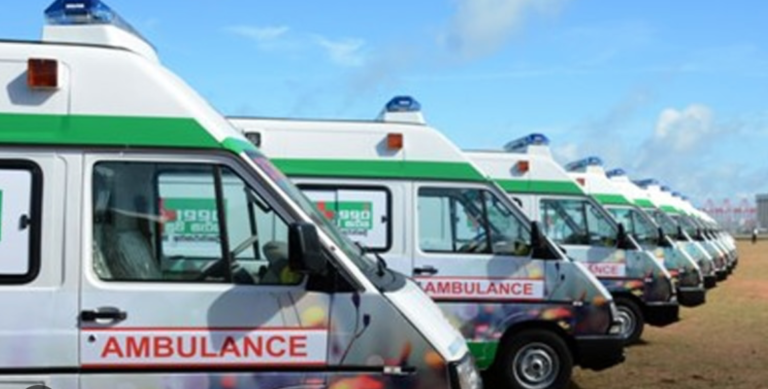
4. The World Bank has hailed Sri Lanka’s toll-free ‘1990 Suwa Seriya’ ambulance service for saving countless lives, while providing citizens the highest level of pre-hospital care.
5. Sri Lanka Customs Officers’ Union has decided to temporarily call off its trade union action following a discussion with Finance State Minister Ranjith Siyambalapitiya. The Customs Officers’ Union said the meeting held with the state minister ended on a positive note. However, more discussions will be convened in the coming days and a final decision is expected to be reached by March 31.
6. Several members of the Parliamentary Committee on Public Enterprises (COPE) have tendered their resignation yesterday seemingly over the appointment of the new Chairman to the committee. The MPs who stepped down on Tuesday (19) are Dayasiri Jayasekera, Professor Charitha Herath, S. M. Marikkar, Gamini Waleboda, Hesha Vithanage, and Shanakiyan Rajaputhiran Rasamanickam. The resignations come after Samagi Jana Balawegaya (SJB) MP Eran Wickramaratne became the first member to announce his decision to step down from the COPE Committee on 18th.
7. Cabinet approval has been granted to continue with the government programme to provide relief to low-income families in 2024 as well. In order to help maintain the nutritional level of the identified low-income earners, it has been found that it is advisable to implement the same program as 2023, this year as well.
8. The Cabinet of Ministers approved a proposal to draft laws amending the electoral system, aiming to elect 160 Members of Parliament directly from respective constituencies under the First-Past-the-Post system, while 65 MPs will be elected through proportional voting at the national or provincial level. The revision aims to fulfill the objectives of the Election Expenses Regulation Act No. 3 of 2023 and to ensure a fully democratic election, according to the Government Information Department.
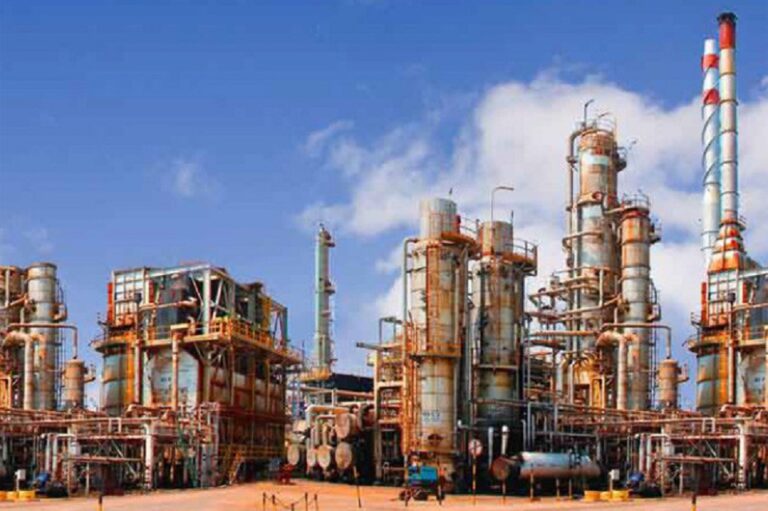
9. Sapugaskanda Oil Refinery to be operated as a state-owned business entity disjoined from the Ceylon Petroleum Corporation (CPC). The proposal, tabled by Minister of Power and Energy Kanchana Wijesekera, was green-lighted by the Cabinet of Ministers.
10. The Afghanistan ‘A’ Team will tour Sri Lanka from April – May 2024 to play five one-day games and one four-day game with the Sri Lanka ‘A’ Team. According to a Sri Lanka Cricket (SLC) statement, the one-day games will be held in Hambantota. The four-day game will be played at the P. Sara Oval in Colombo.
March 19, Colombo, LNW: At the Presidential Secretariat, a significant step was taken as the Ministry of Education and Microsoft Company signed a Memorandum of Understanding (MoU) on the integration of Artificial Intelligence (AI) into the school curriculum. This partnership marks the inception of a pilot project aimed at offering students above grade 8 the opportunity to explore AI within the field of Information Technology.
The pilot project, set to commence in 20 selected schools across 20 districts, pledges to provide conducive classrooms and essential technical equipment. Microsoft has committed to deploying a dedicated team to support online educational activities as part of this initiative.
Education Minister Susil Premajayantha exchanged the agreement with Puneet Chandok, President of Microsoft’s India and South Asia region. Prior to the signing, discussions between President Ranil Wickremesinghe and Microsoft representatives at the President’s Office highlighted the company’s steadfast support for incorporating AI into the educational framework.
Puneet Chandok expressed gratitude for President Ranil Wickremesinghe’s leadership in driving Sri Lanka’s progress through the integration of new technologies, particularly Artificial Intelligence.
Minister Premajayantha disclosed that the program aims for full implementation by 2025. US Ambassador to Sri Lanka, Mrs. Julie Chung, emphasized the significant opportunity this initiative presents for Sri Lankans and urged all to embrace it to its fullest potential. She also mentioned forthcoming support from volunteer groups aimed at enhancing English language skills among citizens and schoolchildren.
Distinguished guests including State Minister of Technology Kanaka Herath, Senior Advisor to the President on National Security Sagala Ratnayaka, as well as representatives from educational institutions and Microsoft, attended the event. Notable attendees included Wasantha Perera, Secretary of the Ministry of Education, Dharmasiri Kumaratunga, Secretary of the Ministry of Technology, and officials from educational institutions such as D.S. Senanayake College, Colombo, along with students, teachers, and principals from Muslim Ladies’ College.
March 19, Colombo, LNW: During a parliamentary session, Education Minister Susil Premajayantha revealed plans to initiate a program providing free sanitary napkins to schoolgirls starting April this year. The Education Ministry aims to distribute these napkins to 800,000 girls above Grade six, with vouchers being issued for this purpose.
Minister Premajayantha emphasized the importance of integrating science and health as compulsory subjects in the education curriculum from Grade 6 to 9. Additionally, he highlighted ongoing efforts to promote awareness of sexual and reproductive health among students.
To further support this initiative, an additional reading book titled “16+” has been introduced for Advanced Level students. These measures underscore the government’s commitment to addressing crucial health and educational needs, particularly among adolescent girls, fostering a supportive and inclusive learning environment.
March 19, Colombo, LNW: The Sri Lankan government has made a significant decision to operate the Sapugaskanda Oil Refinery as a distinct public enterprise, independent of the Ceylon Petroleum Corporation (CPC). This decision, spearheaded by Power and Energy Minister Kanchana Wijesekera, has received approval from the Cabinet of Ministers.
According to the Government Information Department, there is a recognized necessity for substantial investment to modernize the refinery, ensuring its operational viability for the next 25 years. As the sole oil refinery in Sri Lanka, established in 1969, the facility currently meets approximately 25 percent of the nation’s demand for refined petroleum products.
The separation of the Sapugaskanda Oil Refinery from the CPC aims to facilitate essential investments from both domestic and foreign private sectors. This strategic move underscores the government’s commitment to ensure the refinery’s continued contribution to the country’s energy needs while fostering opportunities for enhanced efficiency and sustainability in the petroleum sector.
March 19, Colombo, LNW: The ‘1990 Suwa Seriya’ ambulance service in Sri Lanka has received glowing commendation from the World Bank, which hails it as one of the most digitally advanced, efficient, and free ambulance services globally. According to the World Bank Group’s South Asia Region Vice President Martin Raiser, the service has played a pivotal role in providing a second lease of life to millions of critically ill or injured individuals.
Raiser praised the service’s remarkable response time, noting that patients are rushed to the nearest hospital or primary care facility within 12 minutes of their call, a feat unmatched by many ambulance services worldwide. He emphasized the service’s crucial role during the COVID-19 pandemic, highlighting its transportation of nearly 175,000 COVID-19 patients to hospitals.
Despite its initial focus on urban areas, Raiser pointed out that 63 percent of Suwa Seriya’s emergency calls now originate from rural residents, showcasing its widespread impact. He attributed the service’s success to homegrown innovation and local funding, with technology developed entirely within Sri Lanka’s software development community.
Established through a dedicated Act of Parliament in 2018, 1990 Suwa Seriya operates with the agility and independence of a private sector entity, thanks to bipartisan support and efficient governance structures. Raiser underscored the organization’s commitment to continuous improvement, driven by technology and supported by private sector volunteers on its governing board.
Highlighting the pivotal role of digitization, Raiser emphasized the service’s use of digital integration to enhance efficiency and speed. From utilizing algorithms to deploy the fastest available ambulance to digitally tracking fuel levels, Suwa Seriya has leveraged digital innovation to revolutionize emergency healthcare.
By bridging gaps in pre-hospital care and strengthening connectivity between emergency services and primary care facilities, 1990 Suwa Seriya is not only saving lives but also bolstering Sri Lanka’s healthcare system. Raiser concluded by lauding the service’s contribution to providing a second chance at life for millions of critically injured individuals.
March 20, Colombo, LNW:A temporary change in the prevailing dry weather in the island, especially in the southern half, can be expected after today.
A few showers may occur in the Eastern province.
Showers or thundershowers may occur at a few places in Western and Sabaragamuwa provinces and in Nuwara-Eliya, Galle and Matara districts in the evening or night.
Mainly dry weather will prevail elsewhere of the island.
Misty conditions can be expected at some places in Sabaragamuwa and Central provinces and in Galle and Kalutara districts during the morning.
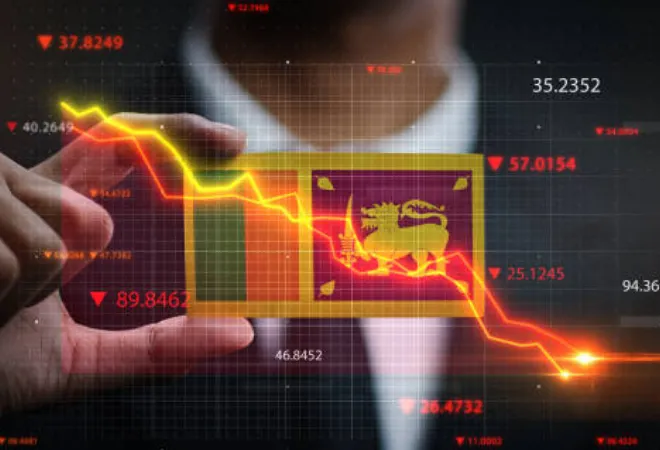
March 19, Colombo (LNW): Sri Lanka’s economy will rebound in 2024, following two consecutive years of contraction, although the economy will continue to grow owing to a severely damaged policy infrastructure hampering the revival of its textiles industry, Economists Intelligence Unit reported.
Higher electricity prices, following IMF conditions, will continue to pinch both consumers and manufacturers.
Although Sri Lanka has been able to get “in-principal” approval for debt restructuring from all its bilateral creditors, including India and China, actual debt restructuring may last the whole of 2024.
As a result, the country will remain in default in 2024, with external debt service suspended until a credible debt-restructuring plan is agreed upon with its bilateral creditors, it added.
With both presidential and parliamentary elections stated to take place in 2024, political instability will persist owing to potential collusion between the incumbent, Ranil Wickremesinghe, and a major political party, Sri Lanka Podujana Peramuna (SLPP, Sri Lanka People’s Front), to delay presidential elections in the light of their waning popularity.
Delays in implementation of the IMF reforms will weigh on the economic recovery, amid strong opposition. However, a strong recovery in tourism receipts will help the recovery in the medium term. A lack of structural reform will hold back economic growth, yje report revealed..
As the country addresses some of the main causes of the crisis the recovery remains fragile. Tight borrowing conditions and reduced disposable income hold back consumption, IMF recent statement said.
More time and continued reform efforts are needed for people to feel the benefits of these initial green shoots because of how deeply the crisis affected the living standards. When uncertainties associated with the external debt restructuring and the stability of the policy framework are resolved, domestic financing conditions should ease, allowing the nascent recovery to become more broad-based.
Everyone will have to pitch in for all to enjoy the fruits of these efforts. Those who are better off will need to contribute more so the government can provide essential services and help those most in need.
Working together is also needed to help eliminate corruption and inefficiency. Corruption, tax exemptions, and non-competitive procurement and allocation practices imply higher taxes and costs for everyone, hitting the most vulnerable hardest.
The ongoing efforts to implement the recommendations of the IMF Governance Diagnostic Report—the first in Asia—will help to reduce these losses for the benefit of everyone. Prevention also requires providing a safe space for public engagement in governance.
There is light at the end of the tunnel. Although it may seem as small as a pinhole at the moment, continued reforms will accelerate passage through the tunnel and allow this light to become bigger and bigger. Maintaining the reform momentum is Sri Lanka’s best hope for recovering from one of its most severe economic crises It added.