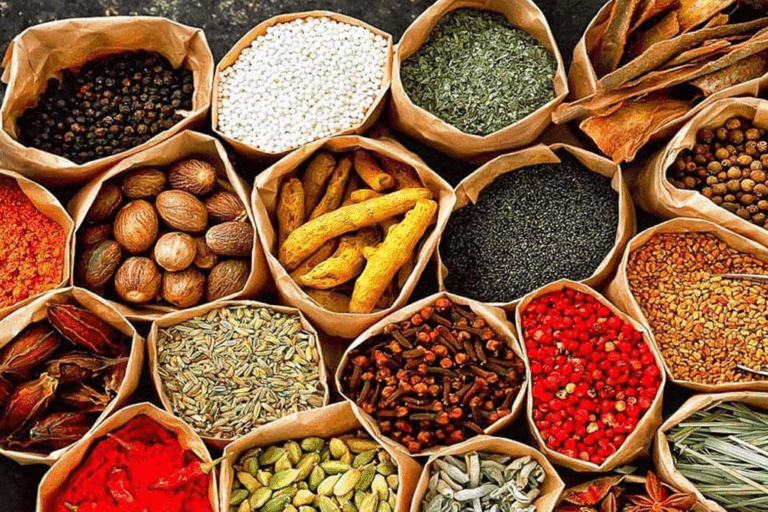
March 12, Colombo (LNW): The Ministry of Agriculture has announced the suspension of a recent gazette notification permitting the importation of various spices, including pepper, for re-export.
Initially, the government had issued a gazette notification allowing the importation of locally grown spices such as pepper, nutmeg, mace (Vasavasi), turmeric, ginger, and cardamom for subsequent re-export.
Following deliberations during yesterday’s Cabinet meeting, Agriculture and Plantation Industries Minister Mahinda Amaraweera voiced his reservations regarding the aforementioned gazette notification.
Permitting the importation of these spices for re-exportation would adversely impact local spice farmers, potentially leading to the decline of domestic spice cultivation, the Minister emphasised.
Furthermore, he underscored concerns about the potential deterioration in the quality of Sri Lankan spices, which currently hold a premier position globally.
Considering these factors, the Cabinet decided to suspend the relevant gazette notification, thereby halting the importation of spices intended for re-export.
Minister Amaraweera further highlighted the Cabinet’s commitment to conducting comprehensive studies aimed at preserving the quality of local spices and enhancing the government’s role in promoting the cultivation of indigenous spices as vital plantation crops.
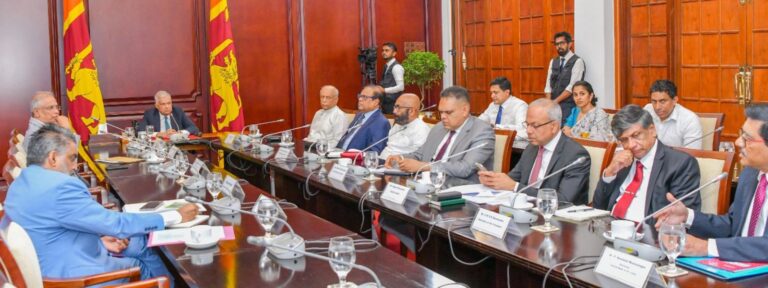
March 12, Colombo (LNW): President Ranil Wickremesinghe yesterday (11) led a significant gathering of party leaders at the Presidential Secretariat to deliberate on proposals put forth by the International Monetary Fund (IMF).
The meeting convened various stakeholders, including TNA MP M. A. Sumanthiran, to delve into the intricacies of ongoing negotiations with bilateral creditors, commercial creditors, and ISBs.
Treasury Secretary Mahinda Siriwardena provided a comprehensive overview of the negotiation process, expressing optimism about its culmination by June’s end.
During the discourse, MP Sumanthiran raised pertinent queries regarding the absence of published technical assistance reports from the IMF, essential for informed parliamentary deliberations.
President Wickremesinghe, acknowledging the imperative of transparency, pledged to furnish the requisite data to the TNA and Parliament, fostering informed debates and decisions.
Additionally, the Central Bank Governor highlighted the government’s commitment to adhering to recommendations delineated in the governor’s diagnostic report, stressing the importance of a structured roadmap for implementation.
President Wickremesinghe affirmed the government’s willingness to share technical assistance reports with parliamentarians, extending an invitation to Sumanthiran and other Opposition members to engage with the IMF directly.
In response, MP Sumanthiran expressed readiness to participate constructively in the dialogue, advocating for constructive measures while pinpointing areas necessitating attention and rectification.
President Wickremesinghe’s proactive initiative underscores the government’s commitment to transparency, accountability, and bipartisan collaboration in navigating crucial economic decisions for the collective welfare of citizens.
Among those present at the meeting were Prime Minister Dinesh Gunawardane, Leader of the House Susil Premajayantha, State Ministers of Finance Shehan Semasinghe and Ranjith Siyambalapitiya, Senior Advisor to the President on National Security and Chief of Presidential Staff Sagala Ratnayaka, Secretary to the President Saman Ekanayake, Governor of the Central Bank Dr. Nandalal Weerasinghe, and Secretary to the Treasury Mahinda Siriwariwardena, representing the government. TNA MP M.A. Sumanthiran represented the Opposition.
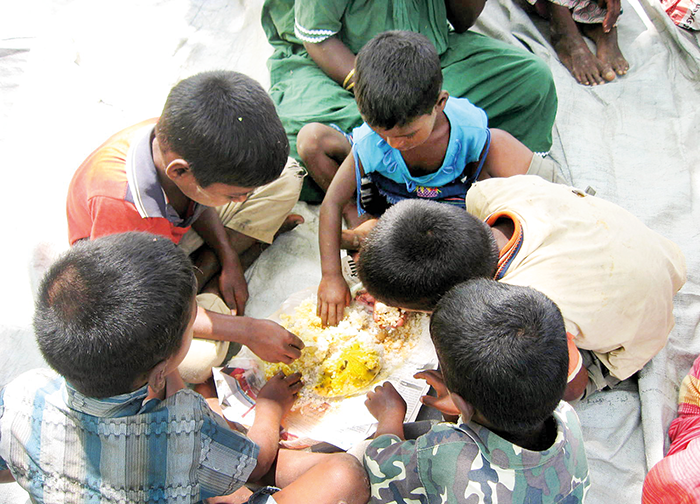
March 12, Colombo (LNW): Sri Lanka’s health authorities have refuted recent findings published in The Lancet, a British medical journal, regarding child malnutrition and underweight girls, asserting that the portrayal of Sri Lanka in the study is inaccurate.
The study, published on February 29 and covering data from 1990 to 2022, asserts that approximately 410,000 girls in Sri Lanka are classified as underweight, constituting a prevalence of 16.4 per cent.
Despite ongoing efforts to enhance nutrition and healthcare accessibility, the report alleges no discernible improvement in this concerning statistic since 1990.
Furthermore, The Lancet ranks Sri Lanka second globally, after India, for the highest prevalence of severely underweight girls aged 5 to 19 years.
Conducted by the NCD Risk Factor Collaboration in collaboration with the World Health Organisation (WHO), the study underscores a stagnation in the situation over the past three decades, contrasting with a decrease in underweight individuals observed in India during the same period.
However, Sri Lankan health officials have strongly contested the study’s conclusions regarding the Sri Lankan context.
Dr. Palitha Mahipala, Secretary of the Ministry of Health, dismissed the findings, asserting that they do not align with the actual situation in Sri Lanka.
Similarly, Dr. Chithramalee De Silva, Director of the Family Health Bureau, expressed dissatisfaction with the data utilised by The Lancet.
According to the latest health ministry report, Sri Lanka recorded severe acute malnutrition (SAM) in 15,763 children (1.2 per cent) in 2023, compared to 18,420 children (1.4 per cent) in 2022.
This dispute follows the health ministry’s earlier rejection of a report by the United Nations Children’s Fund (UNICEF) on child malnutrition in Sri Lanka.
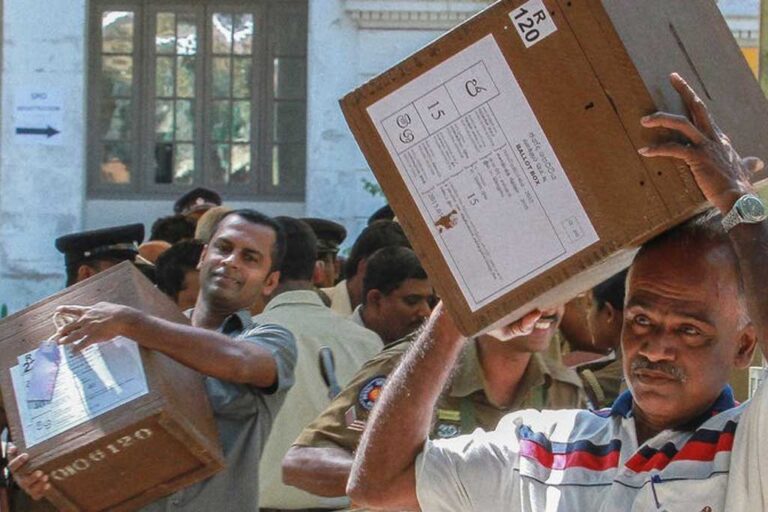
March 12, Colombo (LNW): In anticipation of the upcoming national elections, the government has initiated fresh endeavours to amend the Parliamentary Elections Act, a Minister disclosed.
Justice Minister Wijeyadasa Rajapakshe recently tabled a Cabinet paper proposing the adoption of a mixed electoral system. Under this proposed system, 160 MPs would be elected through the First Past the Post (FPTP) System, while another 65 MPs would be elected via proportional representation (PR).
The FPTP system entails that the candidate securing the highest number of votes in a local constituency clinches a seat in the House. Conversely, PR aims to allocate parliamentary seats to parties in proportion to the total votes they receive.
Following its submission, the paper has been slated for discussion among representatives of various political parties in the legislature.
While some parties have expressed support for the proposals, others have voiced opposition, Rajapakshe told Daily Mirror.
Previous administrations have also endeavoured to reform the existing electoral system of proportional representation, yet legislative enactment has been elusive due to disparities among political factions.
Proportional representation has faced criticism for electoral irregularities. Consequently, there is speculation within political spheres regarding the timing of the government’s initiative to amend the electoral system, particularly with elections looming on the horizon.
March 12, Colombo (LNW): Healthcare workers have scheduled a series of protests outside specific hospitals today (12).
Ravi Kumudesh, the Convenor of Health Service Trade Unions, announced that the demonstrations are in response to prolonged delays in salary increments and the lack of action against healthcare administrators impeding their duties.
These protests are set to commence in front of designated state hospitals from noon onwards, Kumudesh said.
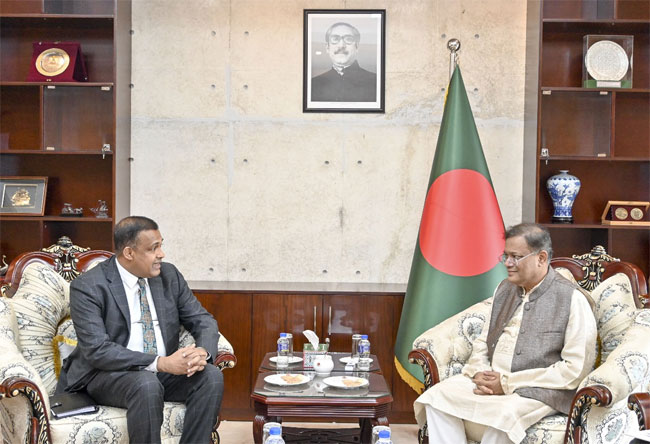
March 12, Colombo (LNW): Bangladesh’s Foreign Minister Dr. Hasan Mahmud voiced a strong commitment to bolstering trade and commerce ties with Sri Lanka during discussions with Sri Lankan High Commissioner Dharmapala Weerakkody at the Foreign Ministry in Dhaka yesterday (11).
The meeting, which delved into matters of mutual interest, saw Mahmud expressing contentment with the current bilateral relations between Bangladesh and Sri Lanka.
He extended gratitude to the High Commissioner for conveying congratulatory messages to Bangladeshi Prime Minister Sheikh Hasina from the Sri Lankan Head of State and Head of Government following the victory in the 12th National Parliamentary elections.
Mahmud also commended Sri Lanka’s economic recovery efforts and reaffirmed Bangladesh’s solidarity during times of crisis.
Emphasising the need to tap into the full potential of bilateral relations, Mahmud proposed intensifying cooperation in trade, agriculture, fisheries, ICT, hospitality, shipping, maritime connectivity, and people-to-people exchanges.
He suggested expanding bilateral trade by exporting high-quality pharmaceuticals and garments to Sri Lanka and sought increased Sri Lankan investment in Economic Zones.
Mahmud underscored the importance of promptly concluding bilateral instruments, including the Preferential Trade Agreement (PTA).
High Commissioner Weerakkody briefed the Foreign Minister on Sri Lanka’s current economic landscape, highlighting its phase of economic recovery with support from friendly nations like Bangladesh.
He underscored the potential for further expanding sectoral cooperation for mutual benefit.
Furthermore, Mahmud sought Sri Lanka’s support for the early repatriation of Rohingyas and proposed extensive cooperation within regional bodies like SAARC, BIMSTEC, and IORA.
The Foreign Minister conveyed his best wishes to the High Commissioner for a successful tenure in Bangladesh and assured him of full support.
March 12, Colombo (LNW): Showers or thundershowers may occur at a few places in Colombo, Kalutara, Ratnapura, Galle and Matara districts in the evening or night, and a few showers are likely in Ampara, Batticaloa and Hambantota districts during the morning, the Department of Meteorology said in its daily weather forecast today (12).
Mainly dry weather will prevail in the other areas of the island, the statement added.
Misty conditions can be expected at some places in Western, Sabaragamuwa and Uva provinces and in Galle and Matara districts during the morning.
Meanwhile, the heat index, the temperature felt on human body is expected to increase up to ‘Caution level’ at some places in Western, North-western, Southern and Sabaragamuwa provinces and in Anuradhapura, Mannar, Trincomalee and Batticaloa districts.
The public is advised to stay hydrated and takes breaks in the shade as often as possible, check up on the elderly and the sick, never leave children unattended, limit strenuous outdoor activities, find shade and stay hydrated, and wear lightweight and white or light-colored clothing.
Marine weather:
Condition of Rain:
Showers or thundershowers may occur at a few places in the sea areas extending from Hambantota to Batticaloa via Pottuvil.
Winds:
Winds will be north-easterly in direction and wind speed will be (20-30)kmph. Wind speed may increase up to (40-45) kmph at times in the sea areas off the coasts extending from Colombo to Kankasanthurai via Puttalam and Mannar and from Matara to Pottuvil via Hambantota.
State of Sea:
The sea areas off the coasts extending from Colombo to Kankasanthurai via Puttalam and Mannar and from Matara to Pottuvil via Hambantota can be fairly rough at times.
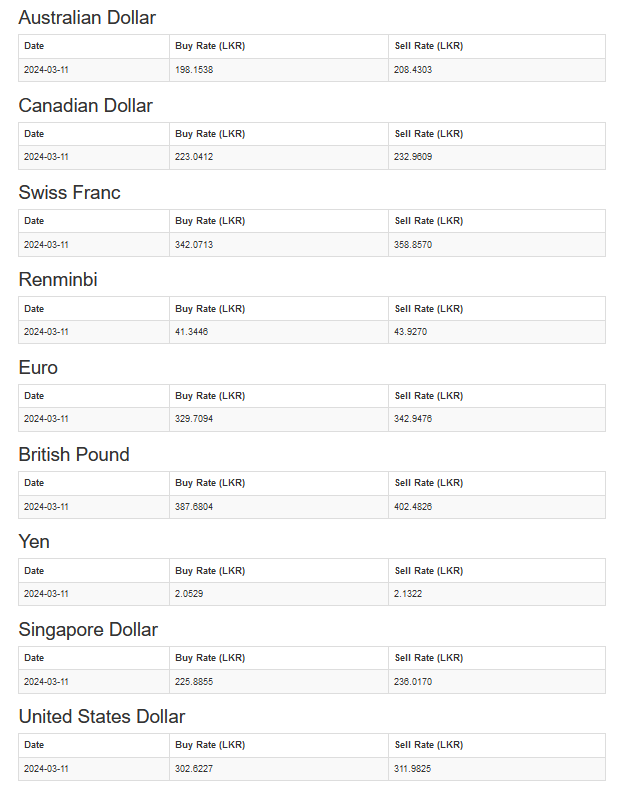
March 11, Colombo (LNW): The Sri Lankan Rupee (LKR) indicates slight appreciation against the US Dollar today (11) in comparison to last week’s Thursday, as per the official exchange rates released by the Central Bank of Sri Lanka (CBSL).
Accordingly, the buying price of the US Dollar has dropped to Rs. 302.62 from Rs. 303.09, and the selling price to Rs. 311.98 from Rs. 312.43.
However, the Sri Lankan Rupee has depreciated against several other foreign currencies. Meanwhile, it indicates fluctuation against Gulf currencies.
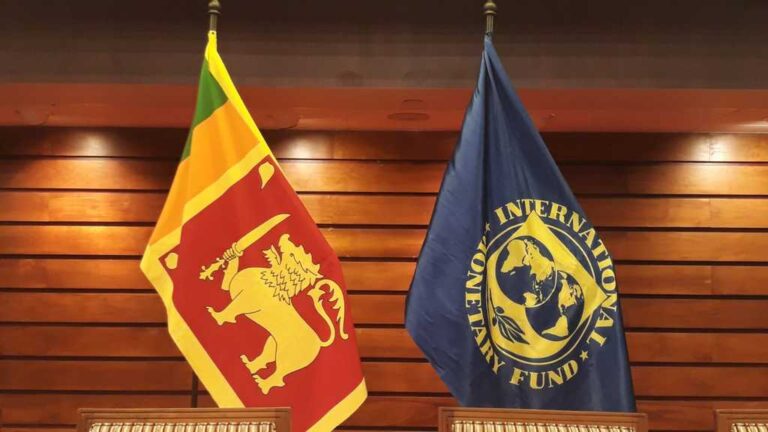
March 11, Colombo (LNW): Sri Lanka is under pressure to show its commitment to tackle corruption in the country as the island nation prepares for the second review of its International Monetary Fund bailout package at present.
The government has published an action plan to combat corruption, which includes reforms to a bribery commission, public tendering, state enterprise governance and an asset recovery law, following a governance diagnostic report published as part of an International Monetary Fund program
“At the request of Sri Lanka, a Governance Diagnostic Assessment (GDA) was concluded by the IMF and based on recommendations the Ministry of Finance has published the Government Action Plan on the 29th Feb 2024,” State Minister of Finance Shehan Semasinghe said on x (twitter).
“This further demonstrates the government’s commitment to building a sustainable economy and good governance in the country,” Semasinghe said.
The IMF’s Governance Diagnostics Assessment recommended implementing 16 directives. “A government action plan will inform next steps in the implementation of recommendations,” the IMF had said at the time.
It was recommended that Sri Lanka update and publish the Action plan on an annual basis every February.
Eradication of bribery and corruption from a country requires a vision. That vision must be displayed to the entirety of the nation in the form of a Plan.
. As such, the Commission to Investigate Allegations of Bribery or Corruption (CIABOC) was entrusted with the task of formulating a National Action Plan for Combating Bribery and Corruption in Sri Lanka.
The Commission to Investigate Allegations of Bribery or Corruption along with the Presidential Secretariat and the Ministry of Public Administration brought together all relevant stakeholder institutions to gather and collate the opinions/ suggestions of the public.
As such, 50 consultations have been carried out throughout Sri Lanka which concluded with 4 such meetings being held at the Parliament.
Public representatives were given an opportunity to share their ideas. Furthermore, this endeavor includes the input of various sectors including state officials, professionals, civil societies and artiste.
The collation of all these suggestions and recommendations have contributed to the formulation of the National Action Plan for Combating Bribery and Corruption in Sri Lanka, which received Cabinet approval.
The Action Plan is premised on 04 strategies for combating bribery and corruption in Sri Lanka. They are namely, Prevention Measures, Value-based Education and Community Engagement, Institutional Strengthening of CIABOC and other Law Enforcement Agencies and Law and Policy Reforms.
Additionally, 04 Handbooks will be released alongside the Action Plan, exploring decisive factors which would shape the course of combating bribery and corruption in the nation.
March 11, Colombo (LNW): In a ground-breaking move, ATIRE Ltd., the rapidly growing industrial solid tire company based in Sri Lanka, has redefined the standards of environmental responsibility by becoming the world’s first carbon-neutral industrial solid tire manufacturing company.
This incredible milestone, certified by the Sri Lanka Climate Fund – under the Ministry of Environment of Sri Lanka, highlights ATIRE’s commitment to pioneering sustainable industrial practices.
Established in 2019, ATIRE has rapidly become a leading manufacturer and distributor of world-class specialty solid tires, serving diverse industrial sectors across over 40 countries worldwide. Renowned for their performance and longevity, ATIRE’s products cater to various applications, including material handling, construction, agriculture, accessibility, and ports.
Founded in 2019, ATIRE is one of the fastest growing solid tire brands in the industry. Founder and Chairman, Deshamanya Anurath Abeyratne is a highly reputed Sri Lankan entrepreneur and philanthropist, who started by producing solid tires in the year 2000 for globally renowned brands such as Watts and Continental.
After producing over four million tires, in 2019 he started ATIRE, to build high-performance industrial specialty tires, whilst advancing the industry’s progress towards sustainability and serving the unmet needs of the market.
As a member of Anunine Holdings, a diversified conglomerate with a strong focus on sustainability, ATIRE is part of a broader mission to drive positive change across multiple industries.
“Looking ahead, ATIRE is committed to aggressively innovating to further improve our environmental impact, by embracing emerging technologies, and challenging the norms of our industry.
Our goal being to ensure the advantages of these innovations extend to our customers, enabling them to minimise their footprint, and support their own journey in becoming carbon-neutral,” stated Atire CEO and Director Saveen Abeyratne.
The ceremony presenting the certificate of Carbon Neutrality for ATIRE was presented by the Secretary to the Ministry of Environment Prabath Chandrakeerthi on 19 February 2024 to ATIRE Directors Saveen Abeyratne and Sonali Abeyratne, alongside the key management personnel of Atire at the Ministry of Environment Sri Lanka, marking a significant milestone for the entire global solid tire industry.
ATIRE was certified as Carbon Neutral on 13 November 2023, for both scope 1 and 2 levels during the emissions accounting year ending 31 March 2023, in compliance with the inventory reporting certification ISO 14064-1:2018.
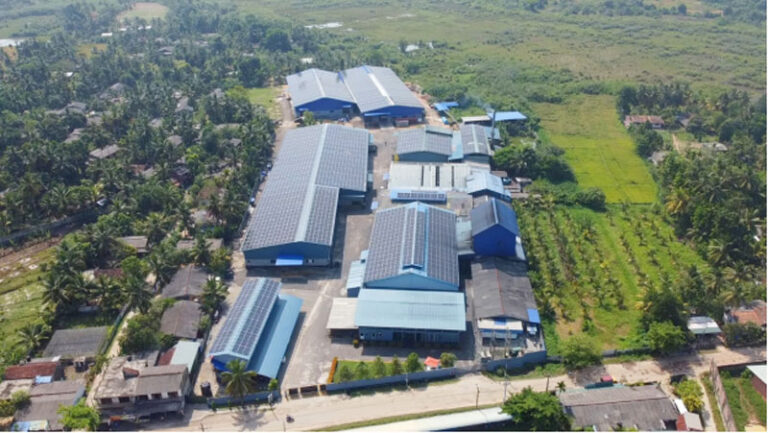
“We are delighted to state that ATIRE is now the world’s 1st carbon neutral solid tire company, which includes its state-of-the-art tire manufacturing facility based in Sri Lanka, which is now a net-zero emissions manufacturing plant.
ATIRE’s journey to carbon neutrality is paved with innovative sustainable practices. We have fully embraced renewable energy, with over 85% of its facility’s roof covered in solar panels.
Advanced Nano-technologies have been utilised to reduce energy consumption significantly, particularly saving over 15% in the tire curing process, one of the most energy-intensive stages in solid tire manufacturing.” enthusiastically stated Atire’s Carbon Neutral Production Facility General Manager Ajith Dharmasiri.