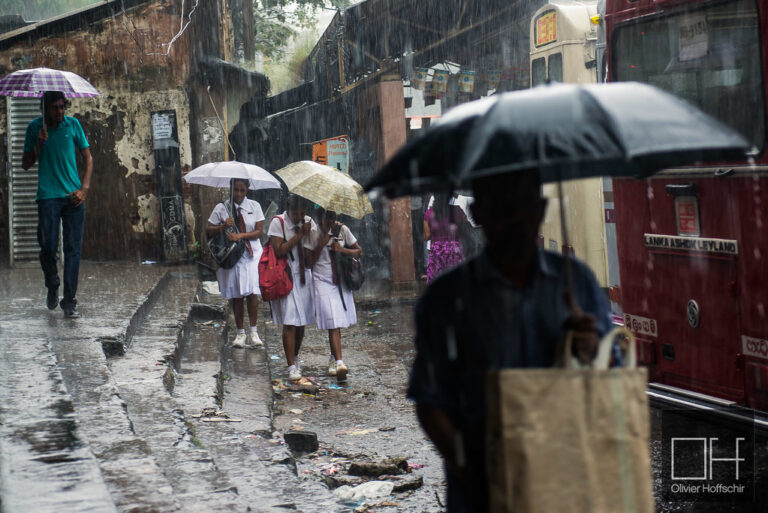
February 18. Colombo (LNW): Showers or thundershowers may occur at a few places in Western and Sabaragamuwa provinces after 4.00 p.m., and mainly fair weather will prevail elsewhere, the Department of Meteorology said in its daily weather forecast today (18).
Fairly strong winds about (30-40) kmph can be expected at times in eastern slopes of the central hills and in Northern, North-central, North-western, Uva and Easternprovinces and in Hambantota and Kandy districts, the statement added.
The public is kindly requested to take adequate precautions to minimise damages caused by temporary localised strong winds and lightning during thundershowers.
Marine Weather:
Condition of Rain:
Mainly fair weather will prevail over the sea areas around the island.
Winds:
Winds will be north-easterly and wind speed will be (25-35) kmph. Wind speed may increase up to (50-55) kmph at times in the sea areas off the coasts extending from Galle to Pottuvil via Hambantota and from Colombo to Kankasanthurai via Puttalam.
State of Sea:
The sea areas off the coasts extending from Galle to Pottuvil via Hambantota and from Colombo to Kankasanthurai via Puttalam can be rough at times.
February 18, Colombo (LNW): Airport and Aviation Services (Sri Lanka) Ltd has led the the facilitation of an improved capacity for passenger air cargo operations at Bandaranaike International Airport .Jaffna International Airport (JIA) and Mattala Rajapaksa International Airport (MRIA), officials of the AASL said.
The sixth air cargo terminal is to be added to BIA as a new import air cargo building. By strategically switching the current import terminal facility to export operations, customers will benefit from an increase in the overall capacity of up to 400,000 MT from 250,000 MT.
AASL ground handling service at Mattala Rajapaksa International Airport (MRIA) was launched by providing its ground handling services to domestic airlines with incoming passengers.
With the intention of providing ground handling services for international flight operations, AASL launched its own Ground Handling Services Training Wing at MRIA, marking another significant historical momentum a high official of the AASL claimed.
The profitability of the AASL increased to Rs. 11,624 million in the first four months of 2023 compared to the loss of Rs. 6,407 million recorded in the same period of 2022.
Sri Lanka’s airports managed to accommodate a total of 846,173 passengers in 2024, with 207,182 being tourists, the Airport and Aviation Services (Sri Lanka) (Private) Limited (AASL) said.
The Bandaranaike International Airport (BIA), Jaffna International Airport (JIA) and Mattala Rajapaksa International Airport (MRIA) have facilted considerable number of passengers last year.
BIA facilitated 846,173 international passenger movements in January 2024, with an average of 27,295 passengers a day.
MRIA had welcomed 11,801 international tourist arrivals with 102 flight operations, for a total of 23,739 passenger movements recorded at MRIA in 2024.
The JIA had facilitated 3,413 international passenger movements and 271 domestic passenger movements in January 2024.
Considering the latest statistics, the BIA is set to achieve the average daily passenger number handled, approximately 29,800, in the most successful year, handling 10.8 million passengers in 2018.
Moreover the BIA handled 9.9 million passengers in 2019, with an average daily passenger movement of approximately 27,280 passengers.
In response to the growing number of passengers, AASL is in the process of expanding and upgrading the infrastructural capacity at the BIA as a short and medium term solution.
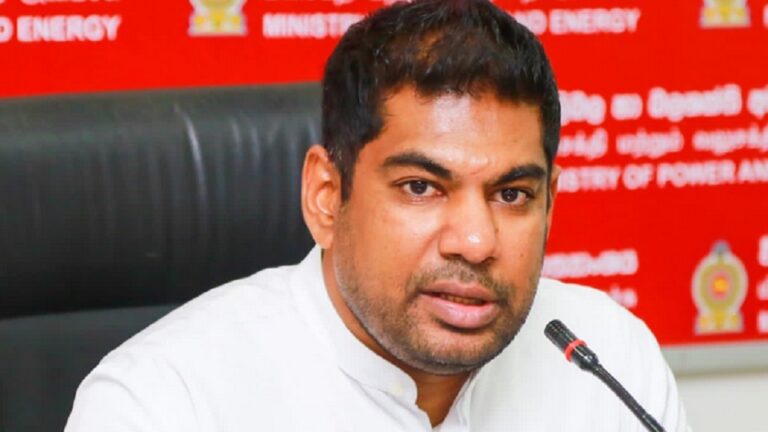
February 17, Colombo (LNW): In a significant revelation, Power and Energy Minister Kanchana Wijesekara announced that a forensic audit conducted by KPMG has unveiled several major irregularities in the sales and distribution of petroleum products from Ceylon Petroleum Storage Terminals Ltd (CPSTL).
The forensic audit, initiated following a complaint filed by the minister with the CID in August 2022 regarding irregularities at Ceylon Petroleum Corporation (CPC) and CPSTL, has brought to light numerous concerning findings. The CID, after preliminary investigations, recommended a comprehensive forensic audit to delve deeper into the matter.
The KPMG investigation officials conducting the forensic audit discovered over 1.3 million entries changed or deleted from the main database since 2010. Notably, a significant portion of these alterations occurred in 2022 during the peak of the fuel crisis. However, following the minister’s complaint to the CID in August 2022, the number of changes significantly decreased in 2023.
The irregularities identified have resulted in massive losses amounting to Rs. 28 billion in stock handling procedures in 2022. Minister Wijesekara stated that after filing the complaint, the losses reduced to Rs. 4 billion in 2023.
Furthermore, the audit revealed a lack of adequate data within CPSTL for smooth operations and the identification of irregularities. Outdated circulars and procedures were also identified as being in use. The comprehensive forensic audit report is expected to be submitted to the ministry by KPMG next week, after which it will be handed over to the CID for further investigations and appropriate legal actions. The report will also be shared with the Cabinet of Ministers, Parliament, Auditor General, and the Attorney General’s Department to determine the necessary steps moving forward.
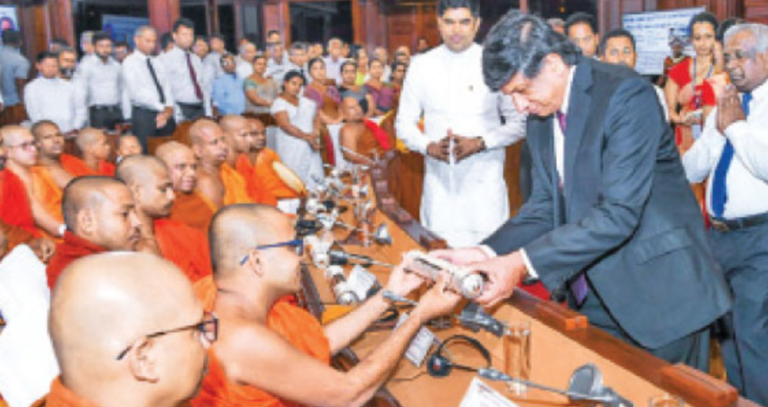
February 17, Colombo (LNW): In a recent development, the National Physical Planning Department has officially recognized and designated 11 temples of profound archaeological, historical, and sacred significance as Sacred Sites. The announcement was made through the Government Gazette, following the submission of relevant documents to the Presidential Secretariat on Thursday (15), with the ceremony presided over by the Secretary to the President, Saman Ekanayake.
The newly designated Sacred Sites include Ambagaswewa Purana Rajamaha Vihara (Anuradhapura District), Pothuvatawana Maha Vihara (Puttalam District), Ampara Muhudu Maha Vihara (Ampara District), Maddegama Raja Maha Vihara (Gampaha District), Uddhakandara Rajamaha Vihara (Hambantota District), Sri Saddharma Yuktika Vana Senasuna (Trincomalee District), Dambadeniya Sri Vijaya Sundararama Raja Maha Vihara (Kurunegala District), Shanthi Viharya (Trincomalee District), Kabalewa Ambawa Sri Sudharmarama Purana Vihara, Gambhara Siddha Kabala Mul Soonyam Devalaya (Kurunegala District), and Yan Oya Rajamaha Vihara (Trincomalee District).
With these additions, the total number of recognized sacred places of worship in Sri Lanka has now reached 142. Secretary to the President, Saman Ekanayake, affirmed President Ranil Wickremesinghe’s steadfast commitment to upholding and protecting Buddhism in accordance with the Constitution. Additionally, the Secretary highlighted various government initiatives aimed at advancing Buddhism, including plans for archaeological excavations at the Maha Vihara, the establishment of Maha Vihara University, and the construction of an international Buddhist museum in Kandy.
The ceremony, chaired by Most Venerable Balangoda Sobhita Nayaka Thera, was attended by eminent figures in the Buddhist clergy, including Most Venerable Ganthune Assaji Maha Nayaka Thera and Most Venerable Medagama Nandawansa Thera. State Minister Shantha Bandara, MP Samanpriya Herath, and officials from related institutions were also present at the event. A charitable donation was made at the Presidential Secretariat in honor of the Maha Sangha as part of the occasion.
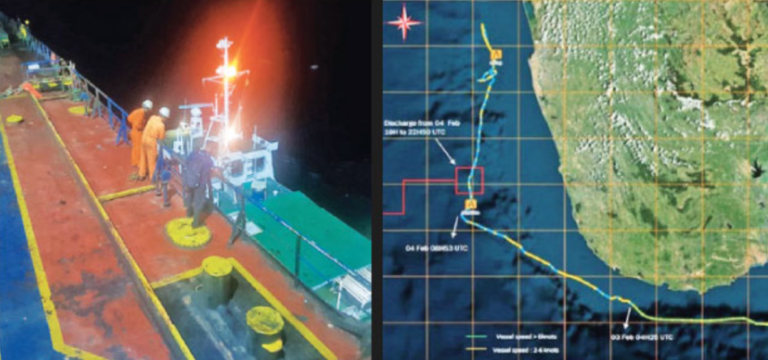
February 17, Colombo (LNW): The Maritime Environment Protection Authority (MEPA) has imposed a hefty fine of Rs.15 million on the MT Global Crest for the illicit and negligent discharge of oil in the Sri Lankan maritime zone. The incident occurred on January 26, as the vessel was en route from Kelang Port in Malaysia to the United Arab Emirates.
CLS Institute analysts from France utilized satellite technology to detect the illegal oil discharge on February 4, spanning a length of 11.25 km along the southern coast of Sri Lanka, covering an area of approximately 1 square kilometer. MEPA promptly initiated an investigation into the ship’s route, confirming its trajectory towards the outer Port of Colombo.
MEPA officials, in collaboration with relevant authorities, swiftly inspected the vessel on the night of February 6, confirming the unauthorized oil discharge. Subsequently, MEPA issued a Detention Order against MT Global Crest and informed various Sri Lankan authorities, including the Sri Lanka Navy and the Port Authority.
Under Section 26 of the Prevention of Marine Pollution Act No. 35 of 2008, MEPA wielded its authority to impose a fine of up to Rs.15 million on the responsible parties involved in such oil discharge incidents. MT Global Crest was directed to pay the imposed fine and cover the inspection expenses incurred by MEPA.
Following the settlement of the fine and associated costs on February 9, MEPA lifted the detention order on the MT Global Crest. The successful resolution of this case highlights the effectiveness of international cooperation through satellite analysis, as facilitated by the agreement between MEPA and the CLS Institute. MEPA Chairman Attorney Asela Rekawa emphasized the significance of long-term projects with international collaboration in addressing environmental challenges.
February 17, Colombo (LNW): In a momentous diplomatic encounter, Israel’s Transport and Road Safety Minister, Brig. Gen. Miri Regev, engaged in discussions with President Ranil Wickremesinghe, addressing critical issues related to the safe repatriation of Israeli hostages. President Wickremesinghe reassured Israel of Sri Lanka’s steadfast commitment to advocating for the hostages’ well-being.
Amidst the ongoing hostilities in Gaza, President Wickremesinghe took a strong stance, urging an immediate cessation of violence. He underscored the pivotal importance of fostering peace and stability in the region. The meeting served as a platform for both nations to collaborate on strategies to bring about a resolution to the current conflict.
President Wickremesinghe also reaffirmed Sri Lanka’s position on the Israeli-Palestinian conflict, expressing support for the establishment of a Palestinian State. He emphasized the need for a balanced approach to regional peace that considers both Israel’s security and the aspirations of the Palestinian people.
The diplomatic engagement was attended by Chief-of-Staff Sagala Ratnayaka, Secretary to the President Saman Ekanayake, and International Affairs Director Dinouk Colombage.
February 17, Colombo (LNW): Former Minister Gamini Jayawickrama Perera, aged 83, passed away this morning (17) after battling illness for some time.
Perera, a prominent figure in Sri Lankan politics, entered the political arena as a representative of the United National Party from the Kurunegala District. Throughout his political career, he held key positions, serving as the Minister of Irrigation and Water Management, Food Security, Sustainable Development, and Wildlife, as well as the Minister of Buddha Sasana. Additionally, he took on the role of Chairman of the United National Party.
The final rites for Gamini Jayawickrama Perera will be held at his residence in Katugampala, Kurunegala. The family will provide details about the funeral arrangements in the near future.
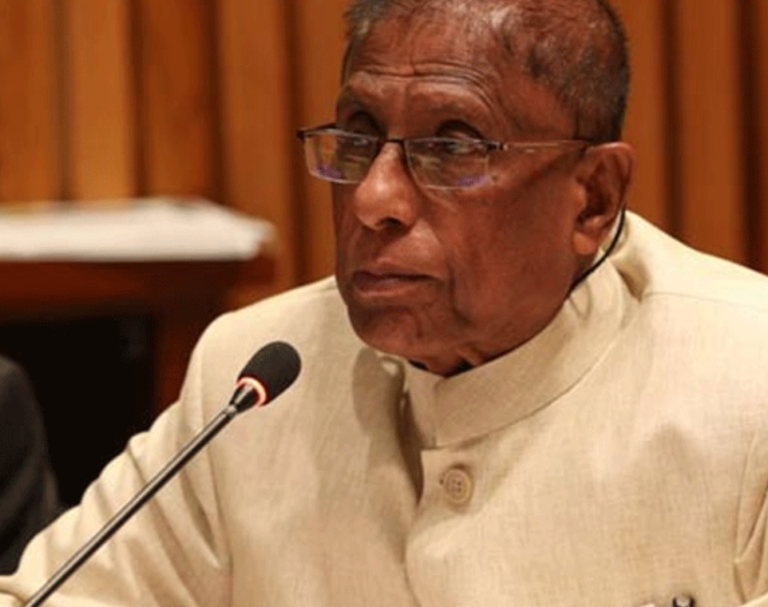
February 17, Colombo (LNW): Mizukoshi Hideaki, the Ambassador of Japan to Sri Lanka, has emphasized the critical importance of debt restructuring in steering Sri Lanka’s path toward economic recovery. The ambassador highlighted the multifaceted nature of Sri Lanka’s economic crisis, deemed the most severe since its independence, and underscored the complexity of the challenges faced by the country.
The economic downturn in Sri Lanka necessitated a comprehensive approach to address debt sustainability issues, especially with major creditors like China and India, which are not part of the Paris Club, making traditional avenues for debt restructuring insufficient. Recognizing the gravity of the situation, Japan, in collaboration with France and India, proactively initiated the official Creditors Committee.
Japan’s active involvement in facilitating negotiations resulted in an agreement in principle reached last November. Ambassador Hideaki reiterated Japan’s commitment to supporting Sri Lanka’s debt restructuring initiatives. He emphasized the potential ramifications of failure on Sri Lanka’s development trajectory and its pivotal role as a hub in the Indian Ocean region, highlighting the broader implications for the international community.
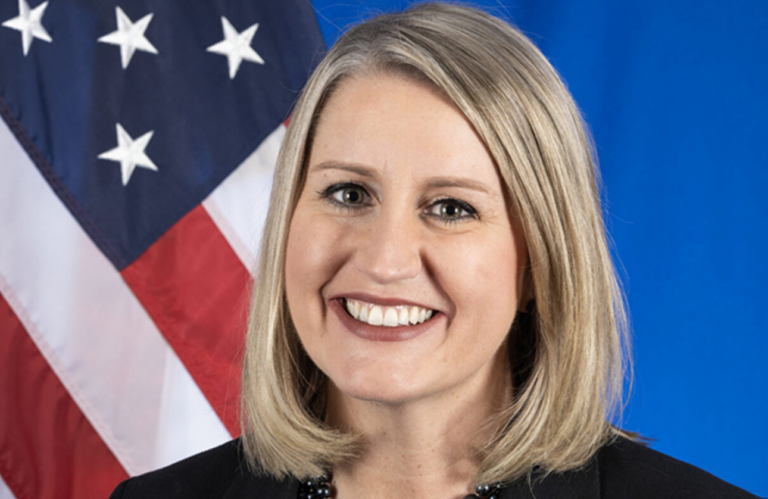
February 17, Colombo (LNW): The U.S. Under Secretary of State for Public Diplomacy, Elizabeth M. Allen, is set to visit Sri Lanka, India, and Jordan this month, reinforcing the United States’ commitment to expanding global partnerships and alliances.
The State Department’s press release outlines Allen’s trip from February 12 to 22, emphasizing the core principles of U.S. foreign policy and public diplomacy initiatives, including the promotion of freedom of expression, economic empowerment, and global collaboration.
While the exact date of her arrival in Sri Lanka is not specified, the statement highlights Allen’s plans to engage in dialogue on freedom of expression and democratic values. Meetings with diverse stakeholders, including journalists, civil society members, government officials, and the Embassy’s Youth Forum, are on the agenda. Engagements with the Sri Lanka Press Institute, U.S. public diplomacy program alumni, and local content creators will underscore the significance of preserving diverse voices for a stable and inclusive Sri Lanka.
Allen’s visit will also include meetings with representatives from Sri Lanka’s multifaith community to emphasize the importance of societal inclusivity. Following her time in Sri Lanka, she will proceed to India as part of her diplomatic tour.
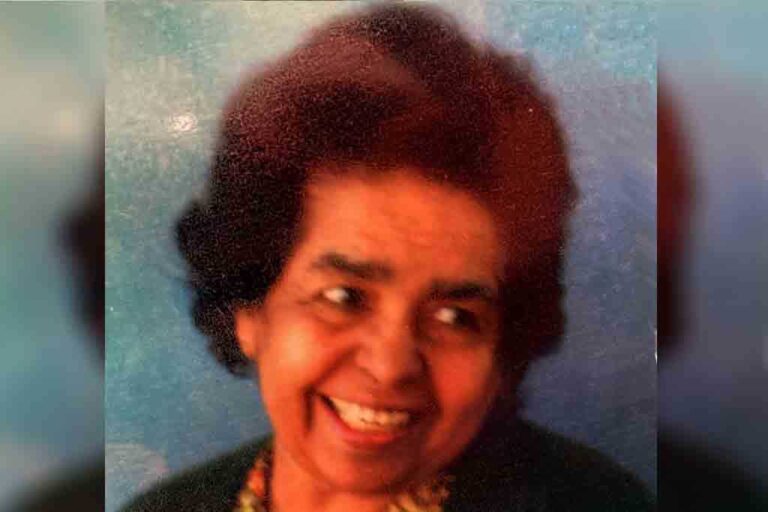
15 February 2024: This week, we heard the sad news of the death of Mrs Sriya Malathi Karunaratne Gunasekara, the beloved wife of late comrade Prince Gunasekara. Born in 1932, she has passed away last Sunday, February 12, in London. . She was 92 years old. Her husband, Prins was well known as a parliamentarian and an attorney at law. For most of us he was a human rights defender even when it was difficult to do so like in the 1970s. He was one of the first group of lawyers who appeared on behalf of many suspects including me, charged under the Criminal Justice Commissions Act. Because of his political and human rights activities, he and his wife faced many challenging situations when they lived in Sri Lanka.
The Gunasekera family lived in Rosemead Place, Colombo. Comrade Rohana and I were frequent visitors in the late seventies and the first half of the eighties, before the proscription of the JVP in July 1983 by the regime led by President J R Jayawardene. Whenever we visited their home, Mrs Gunasekera treated us politely and kind-heartedly.
Comrade Prins was the legal advisor to comrade Rohana when he was the candidate for Presidential Elections in 1983. He was also the attorney who looked after the legal aspects when the JVP filed a case against the referendum that postponed the general elections that were to be held immediately after the Presidential Elections. He also contributed to building links between comrade Rohana and Mr Maithripala Senanayake and later with Mr Felix R Dias Bandaranayake.
In 1983, under the Emergency Laws Comrade Prins was detained with me and about twenty others of the JVP. We were held incommunicado on the first floor of the headquarters of the Criminal Investigation Department. Their so-called investigations were held on the fourth floor. The ordeal lasted for many months. It was followed by a period of severe state repression against the JVP and most of the leaders went into hiding.
This entire period was a difficult time to dissent. Mrs Gunasekera faced all these challenges with courage, strength and determination. Until then, their house was open to all those comrades who sought their advice when they were facing the violent repression of the state. During this time comrade Prins filed hundreds of habeas corpus applications for those who had been made to disappear by the state security forces and their para-militaries.
Many attorneys including Mr Kanchana Abeypala, who was a close relation of Prins were assassinated by the regime’s hit squads. Ultimately, as many of us had to, the Gunasekera family was forced into exile in order to save their lives. They sought refuge in the United Kingdom. Prins and Mrs Gunasekera provided a safe environment for their three daughters to build their lives.
We salute the life Mrs Gunasekera. A life spent as a courageous and determined woman in supporting her husband in his commitment to human rights and justice. We also take this occasion to convey our heartfelt condolences to the Gunasekera family, their relatives and friends. Our thoughts are with the Gunasekera family at this difficult time.
I apologise for this late response. The delay was due to the power cuts and internet being down due to the severe thunderstorms we had in Victoria.