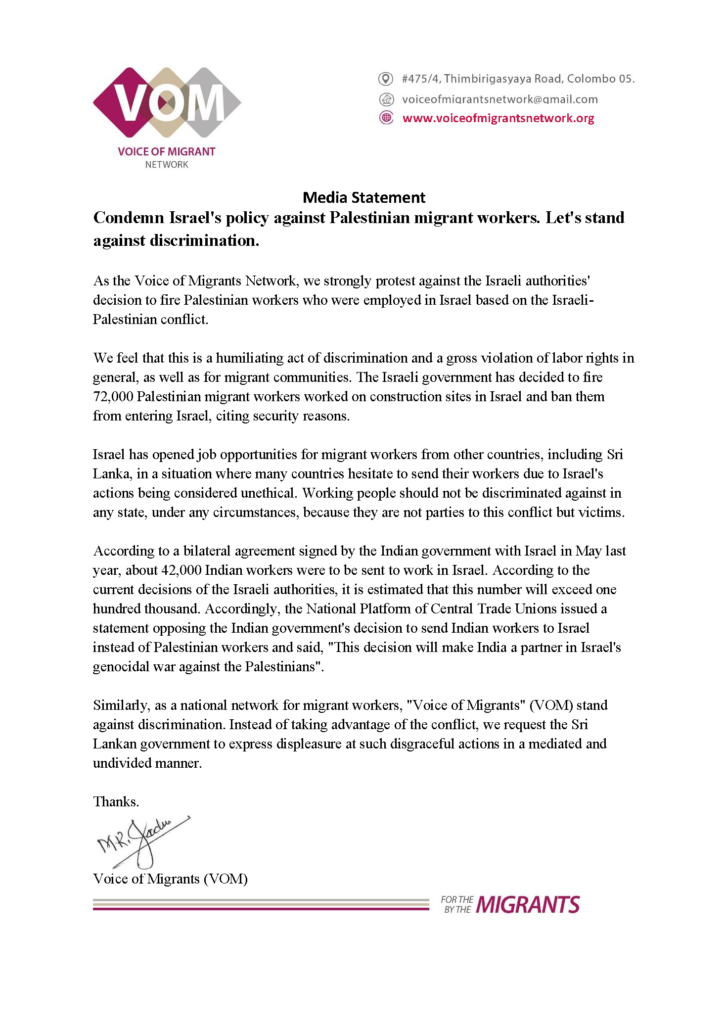
February 12, Colombo (LNW): The Voice of Migrants Network (VOM) vehemently condemned the recent decision by Israeli authorities to terminate the employment of Palestinian migrant workers in Israel, citing the Israeli-Palestinian conflict as justification.
This act of discrimination not only violates labour rights but also perpetuates a cycle of injustice against migrant communities, the organisation said in a statement.
The Israeli government’s decision to dismiss 72,000 Palestinian migrant workers from their jobs on construction sites in Israel and impose a ban on their entry is deeply troubling, it added.
Such actions are not only discriminatory but also disregard the fundamental rights of migrant workers, the VOM pointed out.
It is disheartening to witness that Israel has opted to fill job vacancies with migrant workers from other countries, including Sri Lanka, amidst global concerns over the ethical implications of such employment practices.
Migrant workers should not be made scapegoats in political conflicts; they are innocent victims who deserve equal treatment and protection under the law.
The recent bilateral agreement between the Indian government and Israel, which aims to send a significant number of Indian workers to Israel, has raised further concerns.
The National Platform of Central Trade Unions has rightfully criticised this decision, denouncing India’s involvement in what they describe as Israel’s “genocidal war against the Palestinians.”
As a national network advocating for migrant workers’ rights, VOM stands firmly against discrimination of any form.
Instead of exploiting conflicts for economic gain, we urge the Sri Lankan government to express its strong disapproval of Israel’s discriminatory policies through diplomatic channels.
In conclusion, VOM calls for solidarity and support for Palestinian migrant workers and urges all parties involved to prioritise human rights and dignity in their actions.
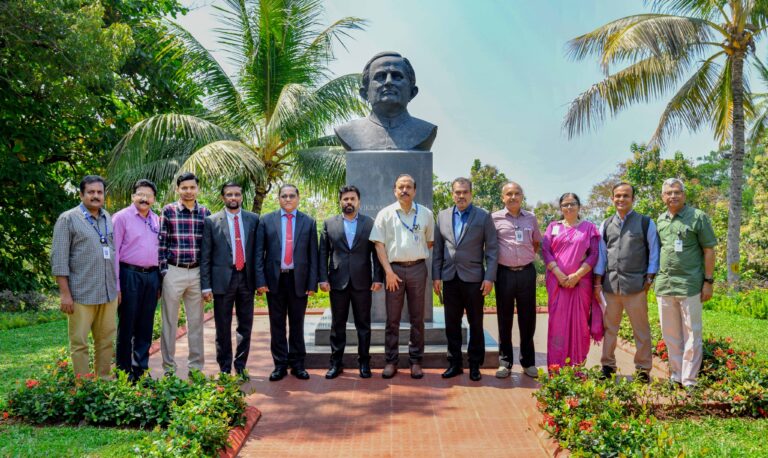
08 February 2024: A National Peoples Power (NPP) delegation led by its leader comrade Anura Kumara Dissanayake was invited to India for talks with India’s External Affairs Minister Dr S. Jaishankar, the National Security Adviser (NSA) Mr Ajit Doval, and the Foreign Secretary Mr Vinay Mohan Kwatra. Dr Jaishankar’s social media posts denoted positive and productive discussions that centred on bilateral relationships, and mutual benefits.
Comrade Anura is also the leader of the Janatha Vimukthi Peramuna (JVP). This is not the first engagement of the JVP with the Indian Government though this recent visit is being subject to much debate and criticism mostly by political pundits. Social media posts from those affiliated with the NPP and the JVP have interpreted this visit as a recognition by India the potential of comrade Anura of winning the next ‘would-be’ presidential elections. Previously, diplomats did not endeavour to engage with the JVP because it was not seen as a strong enough political force. Circumstances have now changed with the NPP increasingly gaining more visibility, popularity and credibility, particularly among the lower middle class.
The first engagement the JVP had with Indian government was when I was the General Secretary of the Janatha Vimukthi Peramuna and its Politbureau member in charge of external affairs. We maintained good relations with the Indian High Commission. Even comrade Rohana Wijeweera accompanied me to visit Mr Narasimha Rao when he visited Sri Lanka in the early eighties. We had by then dropped the policy of “Indian Expansionism”. It was dropped in 1972 and was resurrected by the JVP post 1984. The leading comrades like Somawansa Amarasinghe who led the JVP later, were strongly anti-Indian, that they went as far as wanting to ban Indian imports to Sri Lanka. Ironically, his escape from Sri Lanka occurred via India, arranged by the mediation of comrade Hendry Wickremasinghe. More recently, diplomats of India, US and several other countries have officially met and have held discussions with the NPP and its leaders.
Historically, Sri Lanka being in close proximity with India have had significant cultural, economic, historical, political, and geostrategic relations. India has played a major role in influencing many aspects of Sri Lankan society. Currently, India plays an increasingly significant role in the economic development of the Island. It has been influential also in the international sphere. Given India’s rise to a superpower status, it makes eminent sense for the NPP and the JVP to recognise this reality and develop good relations with India.
Since the JVP’s revival in the recent years and the establishment of the broad front – the National People’s Power, I have not heard them using the political slogan “Indian Expansionism” anymore. As a political activist from my Maoist days, I agreed with the concept of Indian Expansionism put forward by comrade Mao-Zedong when he was the leader of the Chinese Communist Party. However, it was not intended to be used as a weapon against the Indian working class or Malaiyaha workers in Sri Lanka. We wanted to make the working people of Sri Lanka aware of the threat posed by the Indian capitalist class, their collaboration with the Sri Lankan counterparts and their influence on Malaiyaha workers.
It is worth remembering that in the 1980s, particularly at the peak of the LTTE militancy, almost all major and minor political entities in the south as well as in the north were against Indian involvement in Sri Lanka, as reflected in the strong opposition to the Indo-Lanka Accord by the JVP as well as a majority of the Sri Lankan populace and its political movements. Most of the Buddhist, Catholic, Hindu and Islamic religious representatives opposed it. Among them were the current Prime Minister’s Mahajana Eksath Peramuna (MEP), the Sri Lanka Freedom Party (SLFP), and all Maoist groups. The exceptions to this were some Members of Parliament of the ruling United National Party (UNP) such as Messrs A C S Hameed and Gamini Dissanayake led by President J R Jayawardene, the Sri Lanka Mahajana Party (SLMP), the Communist Party of Sri Lanka (CPSL) and the Lanka Samasamaja Party (LSSP). In the North and East, the Eelam People’s Revolutionary Liberation Front (EPRLF) and a few other small groups were also exceptions.
It was President Jayawardene, who invited the Indian Peace Keeping Forces (IPKF) to Sri Lanka, despite the opposition by his Prime Minister R Premadasa and others in his party. Minister Gamini Jayasuriya of the UNP regime resigned from his cabinet, expressing his opposition to the Indo-Lanka Accord. After the Indo-Lanka agreement, Prime Minister R Premadasa became the leader of the anti-Indo-Lanka Accord campaign. He provided armaments to the Liberation Tigers of Tamil Eelam (LTTE) to oppose the IPKF, and ultimately pressured India to withdraw the Indian army. The current President Ranil Wickremesinghe was the Leader of the House of the Premadasa administration at the time. There were protests against the Indo-Lanka Accord and the IPKF held near Fort Bo Tree in Colombo.
The UNP regime led by President Jayawardene was fighting for their political survival with the LTTE waging war in the North and the East and the JVP launching its armed opposition in the South. The regime had no intention of developing a just and long-lasting solution to the national question. The Indo-Lanka Accord of 1987 was drafted to enable the Indian government to intervene militarily in the Sri Lankan conflict with the approval of the Sri Lankan government. While the Accord recognized the country’s unitary status and its territorial integrity and sovereignty, it also acknowledged the demands of the Tamil population in the North and East. Yet, the Indo-Lanka Accord made the national question of Sri Lanka grow worse. Nevertheless, India’s principal stand on the national question on power-sharing based on the 13th Amendment to the Constitution remains unchanged.
This Accord did not come into effect because of a participatory consultative process adopted with people of Sri Lanka, rather it was unilaterally imposed from above. The opposition of many political entities to the Indian intervention through Indo-Laka Accord and the IPKF can be seen in this light. For the lack of any genuine endeavours to develop and implement a just and long-lasting solution to the national question, all political entities in Sri Lanka need to be held responsible and accountable.
Advocacy of “Indian Expansionism” and “Anti-Indianism” during the 1983 – 1987 period cannot be understood without discussing the global socio-economic and political developments at the time. If we want to be honest and critical when looking at the past, the actions and policies of all the major political parties need to be scrutinised. This is vital given the parlous state the country is in today. However, not a single political entity appears to be brave and honest enough to embark on this vital and necessary task.
In the sixties not only the JVP, but also all other Maoist groups accepted the concept of Indian Expansionism. Those times have changed. Due to the innate nature of neo-liberalism, all its major players overtly and covertly appear to engage in an expansionist agenda. In realpolitik, one needs to consider the changes that have taken place in the regional and international power balance from the 1960s, 1980s, and particularly from 1987 to 2024. The ‘socialist’ camp led by the Soviet Union collapsed in 1989. China has risen as a new global military and economic superpower. India is also becoming an economic behemoth and is aiming to be one of the main players on the international stage. So, it comes as no surprise that Chinese and Indian interventions and tensions in the region have increased.
The NPP and the JVP appeared to have mellowed their opposition to the 13th Amendment to the Constitution and the Provincial Councils, which came to fruition as a result of the Indo-Lanka Accord. They have accepted the amendment as an inflexible feature of the constitutional landscape, till a new constitution is adopted and when the executive presidency is abolished. If any of these structural, political, legislative, and constitutional changes would be possible to be implemented, is still open to debate. The JVP has recognised the significant role India plays in the region in political and economic terms. From my point of view these progressive measures are in stark contrast to the positions they took in the late 1980s. Nevertheless, what the JVP proposes as the solution to the national question remains to be developed and elucidated.
In Sri Lanka, any political party intending to be in power, needs to build diplomatic relations with as many countries as possible. Otherwise, political and economic survival will be almost impossible, particularly due to the influential role India and China play in Sri Lankan politics. In the Indian ocean, any political party or coalition expecting to come to power needs to consider how they can navigate the competitive agendas of these two superpowers, while at the same time pursuing a political agenda that favours the interests of the people of Sri Lanka.
In view of the increasing popularity of the NPP in an election year their visit to India should be seen in this light. This visit is the first time the Central Government of India invited the NPP and its leader. This is not unusual given past practices of the Indian government. In a comparative sense, one needs to acknowledge the fact that the NPP has forthrightly moved into the spheres of policy development, social mobilisation, and propaganda, though there is still a long way for them to go. There are problematic issues, shortcomings, mistakes and avoidance of looking at their own past that need to be discussed and rectified. However, in this crucial regard, not a single political entity among the progressives in Sri Lanka can be considered perfect.
Given the superpower rivalry in the region, it will not be a surprise if China too would court the NPP in the not-too-distant future.
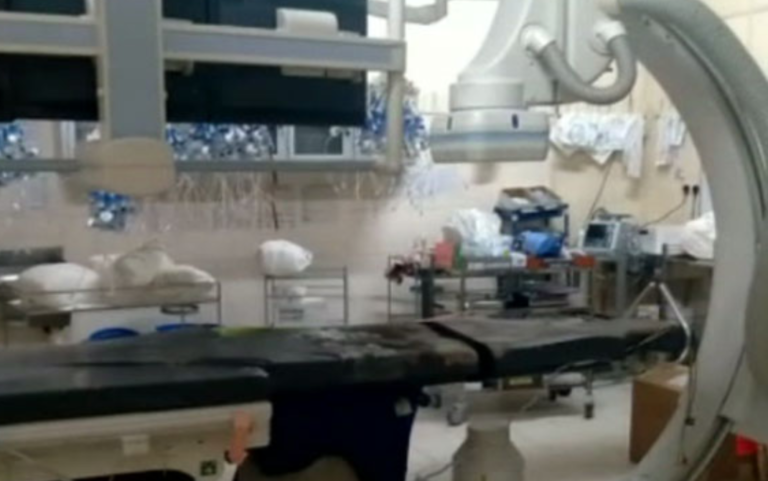
February 12, Colombo (LNW): Chanaka Dharmawickrama, Co-Convener of the Health Trade Union Alliance, disclosed that one of the two cardiac catheterization units at Kandy National Hospital is currently inactive, placing a significant burden on 8,000 heart patients awaiting treatment.
Dharmawickrama also highlighted a widespread issue of diagnostic machines being non-operational in hospitals across the island.
Responding to inquiries, Deputy Director of the Ministry of Health, Dr. G. Wijesuriya, assured that many of the malfunctioning machines have been repaired, with ongoing efforts to restore the remaining units.
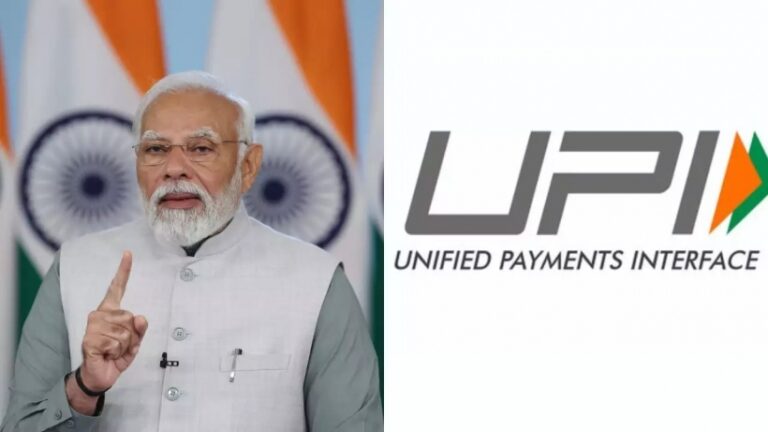
February 12, Colombo (LNW): India’s Unified Payments Interface (UPI) will be launched on 12 February, Foreign Minister Ali Sabry has told the Indian media.
“The UPI payment gateway will be signed. And I think both our leaders will connect online which will help increase tourism,” the Minister said speaking to WION diplomatic correspondent Sidhant Sibal in Perth.
“The Minister is in Perth for the Indian Ocean conference. He also pointed to the establishment of Indian IIT in his country. He said, “A delegation from Sri Lanka has gone to IIT Madras and they are discussing this possibility of establishing an IIT campus in Sri Lanka,” the WION reported.
Sri Lanka currently continues operations of the payment and settlement systems to achieve significant growth in digital transactions in 2024, Central Bank policy statement divulged.
With the view of the development of the payment and settlement regulatory framework, the Central Bank aims at revising the Payment and Settlement Systems Act, No. 28 of 2005 (PSSA)and enacting the new PSSA in 2025, to facilitate the rapid expansion of payment innovations.
Further, the Central Bank is to revise regulations to support the expansion of digital payments and to revise the existing regulatory framework to facilitate more FinTechs entering in the coming years.
In terms of strengthening the retail payment infrastructure, LankaPay (Pvt) Ltd (LPPL), under the guidance of the Central Bank, will be developing the Government Digital Payment Platform (GDPP) via the LankaPay Online Payment Platform (LPOPP), to enable government institutions to receive payments digitally from the public, CB statement highlighted.
Under this set up, Sri Lanka and India joined hands to fast track an early roll-out of the Unified Payments Interface (UPI) system with the view of enhancing bilateral economic cooperation significantly, State Finance Minister Shehan Semasinghe said.
He revealed this new development in digital payments at a meeting with Indian High Commissioner to Sri Lanka, Santosh Jha recently.
The high-level discussions, held in Colombo, transpired India’s steadfast support for Sri Lanka’s ongoing debt restructuring process and its economic recovery efforts, state minister Semasinghe disclosed.
The implementation of UPI in Sri Lanka will be expedited soon while this digital payment system, is to extend enhanced accessibility and security for transactions between the two countries.he added.
Discussions between the state minister and the Indian high c0mmissioner focused on the increased use of the Indian rupee (INR) in bilateral trade, reducing currency conversion costs and streamlining financial transactions, finance ministry sources revealed.
The Indian High Commission stated via X (Twitter) that they discussed “early launch of UPI, promoting Indian Rupee trade settlement and investments-led economic partnership.”
In July 2023, Prime Minister Narendra Modi and Sri Lanka President Ranil Wickremesinghe signed an agreement on Unified Payments Interface (UPI) acceptance in Sri Lanka during his two-day visit to India.
Prime minister Modi noted that the governments of both India and Sri Lanka are working together on fintech sector connectivity by linking the Unified Payments Interface (UPI) and Lanka Pay with the aim of facilitating recurring payments digitally.
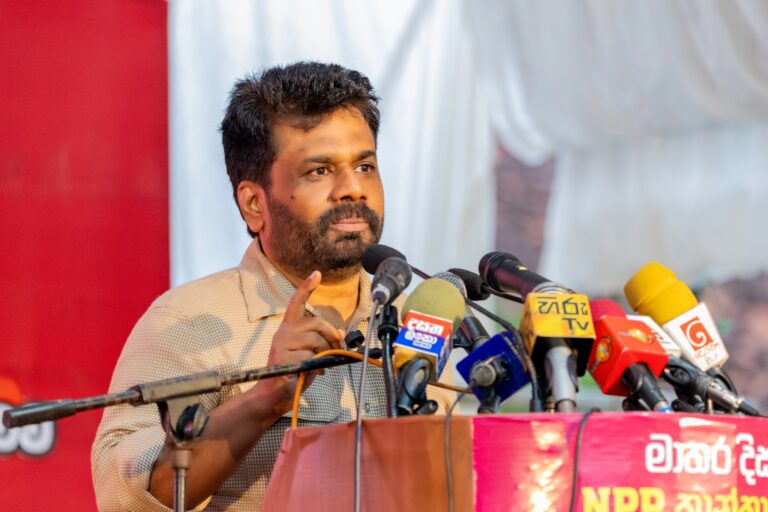
February 12, Colombo (LNW): Claiming that Sri Lanka can no longer function as an isolated country, NPP leader Anura Kumara Dissanayake said today their intention is to strengthen diplomatic ties to garner international support to achieve the desired transformation in the country.
Speaking to the media at the Bandaranaike International Airport (BIA) on his return from India, he said India is an emerging country in the region and country expertise in the IT sector and that Sri Lanka can obtain support from them.
“We must stop the destructive political culture of 76-years. People have high expectations and are awakening to make that transformation.
Our intention is to give leadership to this expectation and awakening to make a transformation in the country. We need international support for that transformation. We are not a developed country or a country with modern technology.
“We need capital and technology in some sectors. We also need to deal with some countries to expand our market. We can’t achieve our targets by being an isolated country in the world. Therefore, our target is to strengthen our ties,” he said.
Responding to a question, he said the NPP should not change its political or economic policies to visit a country or for diplomatic meetings. “India is an emerging country in the region. We can obtain more support in sectors such as IT from India. We hope we can get support according to our own agenda and in line with our national plan,” he said.
February 12, Colombo (LNW): Prime Minister Shri Narendra Modi, President of Sri Lanka, Mr. Ranil Wickremesinghe and Prime Minister of Mauritius, Mr. Pravind Jugnauth will witness the launch of Unified Payment Interface (UPI) services in Sri Lanka and Mauritius, and also RuPay card services in Mauritius, on Monday 12 February, 2024 at 1 PM via video conferencing.
India has emerged as a leader in Fintech innovation and Digital Public Infrastructure. Prime Minister has placed a strong emphasis on sharing our development experiences and innovation with partner countries.
Given India’s robust cultural and people-to-people linkages with Sri Lanka and Mauritius, the launch will benefit a wide cross-section of people through a faster and seamless digital transaction experience and enhance digital connectivity between the countries.
The launch will enable availability of UPI settlement services for Indian nationals travelling to Sri Lanka and Mauritius as well as for Mauritian nationals travelling to India.
The extension of RuPay card services in Mauritius will enable Mauritian banks to issue cards based on RuPay mechanism in Mauritius and facilitate usage of RuPay Card for settlements both in India and Mauritius.
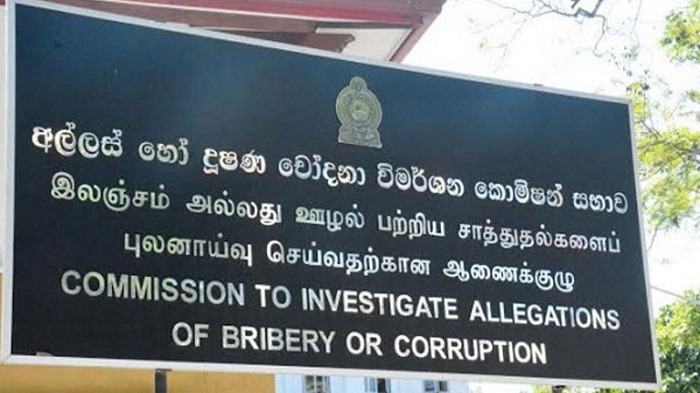
February 12, Colombo (LNW): The Commission to Investigate Allegations of Bribery or Corruption (CIABOC) has filed legal action against seven persons, including five staff members of the Department of Motor Traffic (DMT) for the unlawful registration of hundreds of vehicles.
Accordingly, the CIABOC said it has filed said action against the seven persons over the registration of approximately 400 vehicles that had not been cleared by the Sri Lanka Customs, thereby incurring a significant loss of revenue to the state.
Issuing a statement in this regard, the CIABOC revealed that further information was gathered pertaining to 156 of the 400 vehicles, adding that several of them had been categorized as ‘luxury vehicles’.
According to a court order obtained by the CIABOC, seven of the 156 vehicles are to be handed over to the Sri Lanka Customs from their current owners. As such, five of the seven vehicles have already been handed over to Sri Lanka Customs.
State Finance Minister Ranjith Siyambalapitiya inspected illegally imported vehicles seized by the Customs, during a visit to the South Asia Logistics Terminal some times back
The Finance Ministry said that there were altogether 446 vehicles held since 2015. A statement issued by the Ministry quoted Siyambalapitiya as having said that action would be taken soon to sell these vehicles.
The Minister said that it would be a crime to allow the destruction of these vehicles at a time the country was in dire straits
Sri Lanka Customs, the Bribery Commission and the Department of Motor Traffic have uncovered a massive organized fraud that has incurred a loss of more than Rs. 5 billion in revenue to the government through illegal import of vehicles and their illegal registrations.
It has been revealed that this racket had been going on for a long time and more than 400 vehicles had been imported to Sri Lanka in this manner and have been registered illegally.
This was revealed following an investigation conducted into the “Mini Cooper” type vehicle, which was taken into custody by the Bribery Commission after being imported to Sri Lanka using forged documents.
The vehicle, bearing number KE-3845 was imported to Sri Lanka without the clearance of the Sri Lanka Customs and falsely entered into the computer system of the Motor Transport Department, causing a loss to the Government in excess of Rs.2.5 million.
When the facts were submitted to the Colombo Chief Magistrate, the Bribery Commission informed court that the said vehicle was brought to Sri Lanka using fake documents in 2007 and registered as a three-wheeler in 2015.
February 12, Colombo (LNW): Deputy Inspector General of the Child and Women Abuse, Investigation, and Prevention Division, Renuka Jayasundara, has expressed deep concern over a noticeable increase in both women abuse and teenage pregnancies. Additionally, she has brought attention to a disturbing rise in internet-based crimes targeting women and children.
DIG Jayasundara underscores the urgency of addressing these issues and emphasizes the need for responsible behavior among parents and elders. She particularly highlights the importance of making confidential and prompt complaints about threats to release private information, including nude photos, online. This call to action is aimed at safeguarding the well-being of women and children in the face of evolving challenges posed by technology and digital communication.
February 12, Colombo (LNW): Showers or thundershowers will occur atseveral places in Western and Sabaragamuwa provinces and in Nuwara-Eliya, Galle and Matara districts after 2.00 p.m.
Fairly strong winds about (30-40) kmph can be expected at times in the eastern slopes of the central hills and in Northern, North-Central, Southern, North-western, Uva and Eastern provinces.
Misty conditions can be expected at some places in Western and Sabaragamuwa provinces and in Galle and Matara districts during the morning.
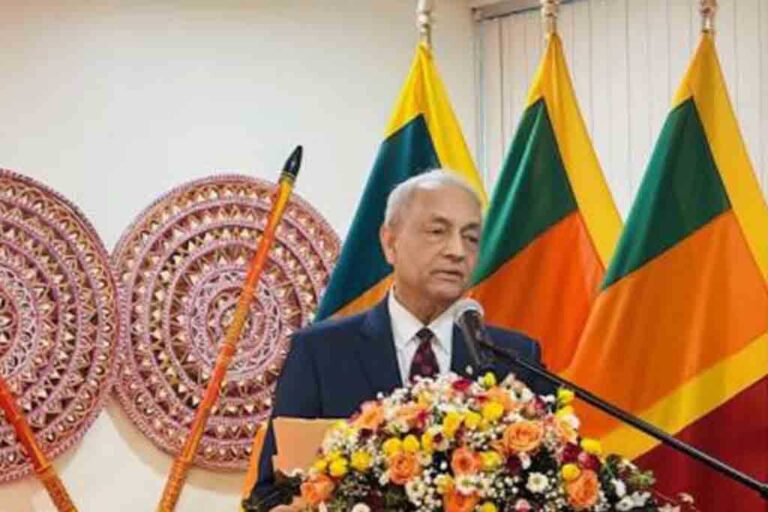
The Permanent Mission of Sri Lanka in New York celebrated the 76th anniversary of the Independence Day of Sri Lanka, led by the Permanent Representative of Sri Lanka to the United Nations, Ambassador Mohan Pieiris, and staff of the Mission, and joined by many Sri Lankans living in the tri-state area.
Multi-faith religious observances invoked blessings on those gathered and all Sri Lankans. Ven. Aluthgama Dhammajothi Thero, Chief incumbent of the New York Buddhist Vihara; Priest Gurukkal Sri Suresh Somasundaram of the Hindu Temple Society of North America; Reverend Father Jayashantha of the Catholic faith and Mr. Ash-Shiek Ahmed Yasir of the Islamic faith led the religious observances.
The Messages by President Ranil Wickremesinghe and Prime Minister Dinesh Gunawardena on the occasion of the 76th Independence Day were read out by the Permanent Representative Mohan Pieris and the Deputy Permanent Representative Sugeeshwara Gunaratna, respectively.
The Mission hosted a lively cultural event with performances by Sri Lankan youth from the tri-state area. Children in colourful traditional costumes performed dances to well-known tunes of patriotic pride, such as ‘Rathna Deep Janma Bhoomi’. A fusion of traditional drums performed by children of Sri Lankan origin was a highlight of the celebrations. The drums and dances were choreographed by Mr. Dilhan Pinnagoda of the Sri Lanka Dance Academy in New York. A special highlight of the show was a sitar performance drawing on the rich tapestry of Sinhala songs and Jana gee melodies, by Visharad Bhageshri Fonseka. The Ambassador thanked those who performed and distributed certificates to all who performed in appreciation of their contribution.
In his address to the Sri Lankans gathered, Ambassador Mohan Peiris quoted the poet Khalil Gibran, that, “life without liberty, is like a body without a spirit”. He requested Sri Lankans to embrace a freedom that is structured on the will to be responsible for themselves. He reminded us that freedom does not come easy, and never comes without labour.
The Ambassador recalled the salutary reminder by the President in his message that upon the advent of the 76th Independence Day, the country has effectively navigated through many challenges, and has steered its economy toward stability with the support of the global community. The Ambassador also observed that the President has graciously acknowledged that these achievements were realized progressively, owing to the steadfast support of the people of Sri Lanka who endured hardships in keeping with a comprehensive, long-term national rebuilding program and given the assurance that throughout this journey, challenges will gradually disappear, life’s burdens will lighten, the economy will fortify and Mother Sri Lanka will undergo a renaissance and therefore called upon the community to collectively respond to the President’s appeal as true patriots of mother Lanka so that we rise to new horizons of freedom and progress.
The festivities concluded with a spread of Sri Lanka’s traditional refreshments and sweetmeats served at the Mission.