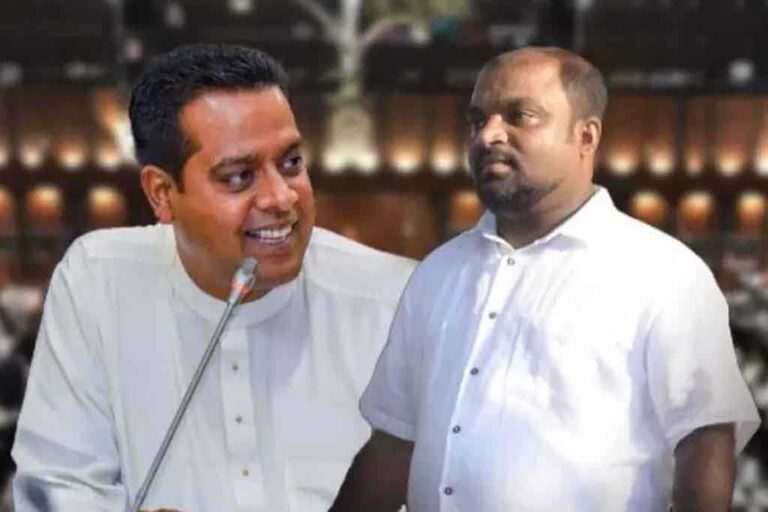
January 25, Colombo (LNW): In response to the untimely passing of State Minister Sanath Nishantha due to a fatal accident earlier today (25), Jagath Priyankara, affiliated with the Jathika Nidahas Peramuna, has been designated to fill the resulting vacancy, sources said.
Consequently, the government is set to experience a reduction in its parliamentary representation, as Priyankara serves as the district leader of the Jathika Nidahas Peramuna, a political party led by Wimal Weerawansa, whose members currently sit in the Opposition along with other MPs from their party.
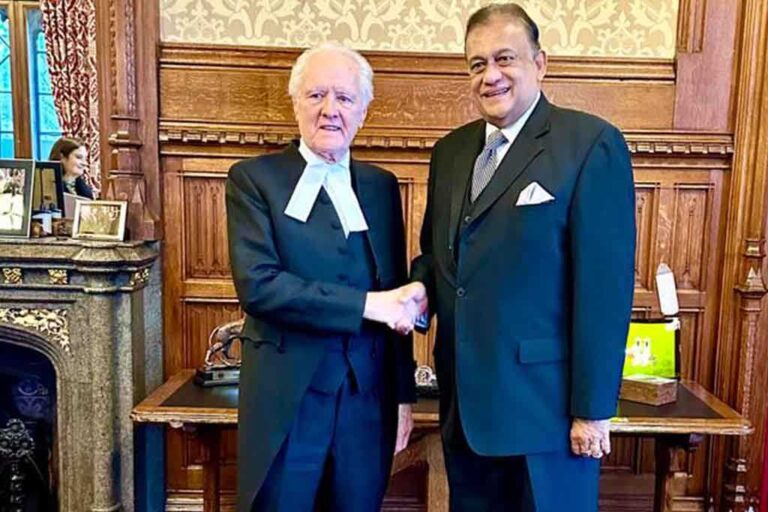
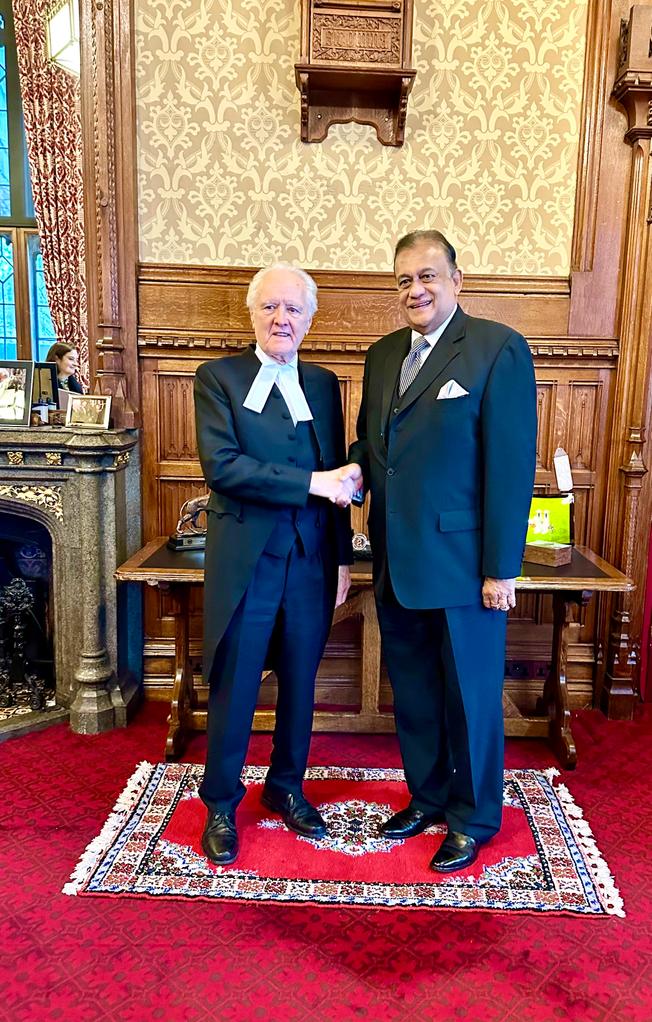
January 25, London, UK (LNW): High Commissioner of Sri Lanka to the United Kingdom Rohitha Bogollagama held a crucial meeting on 23 January 2024, with the Speaker of the UK Parliament, Lord McFall of Alcluith.
The primary agenda of the discussions was to enhance and chart the future trajectory of relations between Sri Lanka and the United Kingdom.
The meeting covered a wide range of topics, including contemporary international relations, the ongoing reconciliation process in Sri Lanka, and the prospects for strengthening bilateral relations.
High Commissioner Bogollagama took the opportunity to brief Speaker Lord McFall on Sri Lanka’s constitutional reforms, fostering a comprehensive understanding of the nation’s evolving political landscape.
Acknowledging the deep historical ties between Sri Lanka and the United Kingdom, both dignitaries expressed their commitment to furthering parliamentary connections.
They underscored the significance of constructive dialogue in addressing mutual challenges and building enduring diplomatic bonds.
In sharing his priorities for enhancing relations during his tenure, Bogollagama emphasised the importance of bilateral engagement on matters concerning Sri Lanka.
The aim is to facilitate a greater understanding of domestic issues and promote collaborative efforts between the two nations.
This diplomatic meeting is part of the ongoing efforts by the Sri Lanka High Commission to foster robust relations between Sri Lanka and the United Kingdom across various spheres.
The exchange of ideas and perspectives between the High Commissioner and the UK Parliament Speaker reflects a commitment to deeper understanding and cooperation in the Sri Lanka-UK relationship.
January 25, Colombo (LNW): President Ranil Wickremesinghe underscored the imperative for a sustainable economic solution, emphasising the pivotal role of export-oriented strategies in overcoming financial challenges, the President’s Media Division (PMD) said.
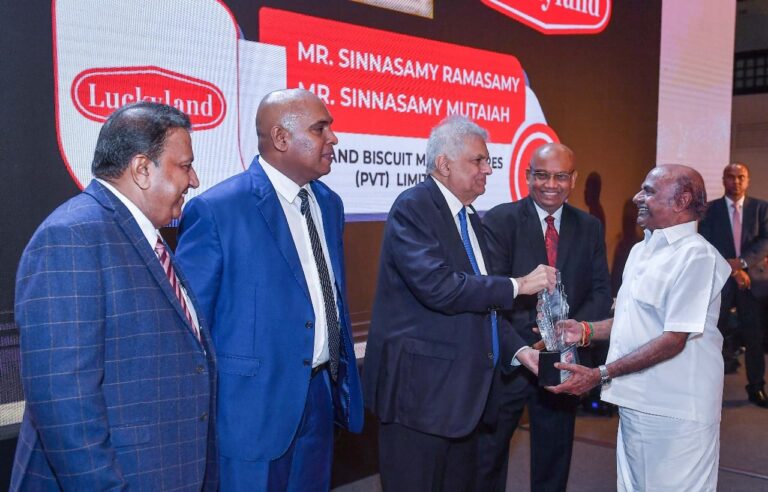
Addressing the 30th Annual General Meeting of the Lanka Confectionary Manufacturers’ Association (LCMA) on January 24 at the Cinnamon Grand Hotel, Colombo, the Sri Lankan President specifically advocated for an increase in exports.
He identified the confectionery industry, with a focus on chocolates, as a sector with substantial potential for international recognition.
Expressing confidence in Sri Lanka’s capability to become a prominent player in the global confectionery industry, the President encouraged local confectioners to broaden their horizons and explore opportunities in international markets.
Drawing attention to the successful global presence of Sri Lankan teas and cinnamon, Wickremesinghe posed the question of when Sri Lanka could achieve similar recognition for chocolates.
He urged the confectionery industry to actively explore and capitalise on the export market for chocolates.
President Wickremesinghe further motivated the confectionery sector to consider intercropping with cocoa, highlighting potential areas for expansion in state plantations such as Matale, Kandy, Mawathagama, and Dodangaslanda.
Additionally, he disclosed plans for collaboration with smallholders and ongoing discussions with the governments of Ghana and Ivory Coast to secure access to cocoa resources.
In addressing economic challenges, President Wickremesinghe acknowledged the ongoing negotiations for an additional 20 years to address the economic crisis. He outlined broader initiatives, including the possibility of leasing state-owned plantations to Sri Lankan companies or those with foreign shareholders for the development of the food industry, including confectionery.
The lands encompass those owned by the Chilaw and Kurunegala Plantation in addition to Elkaduwa with JEDB and SPC. The President also revealed plans for modernising agriculture, enhancing competitiveness through the National Productivity Commission, and upgrading trade agreements with India and Thailand.
Emphasising the need to position Sri Lankan chocolates as a world-class product, comparable to the renowned reputation of the country’s tea and cinnamon, Wickremesinghe’s encouragement aimed to inspire the confectionery industry to pursue global recognition and market presence.
Reflecting on the industry’s history, the President commended its pioneers and highlighted the growth and resilience of the vibrant confectionery sector.
He expressed optimism about the potential for Sri Lankan chocolates to attain global recognition and urged confectioners to explore new markets and actively engage in export activities.
Wickremesinghe acknowledged the limitations for expansion within the country and encouraged looking beyond borders, citing the success of the Kandos factory in Petaling Jaya, Malaysia, in 1978.
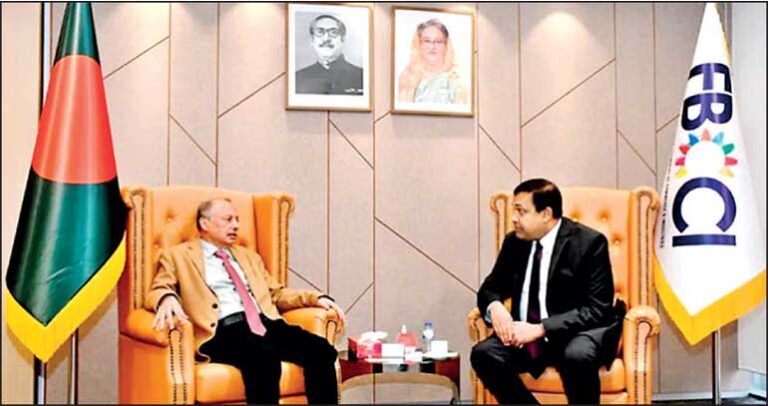
January 25, Colombo (LNW): Sri Lanka and Bangladesh are set to expand economic cooperation by leveraging the long-standing and close bilateral partnership between the two countries, Sri Lanka’s High Commissioner in Bangladesh Dharmapala Weerakkody emphasised.
The High Commissioner conveyed this message during a meeting with Federation of Bangladesh Chamber of Commerce and Industry (FBCCI) President Mahbubul Alam in Dhaka on 21 January.
The High Commissioner highlighted that there is considerable potential to export Sri Lankan products, including spices, value-added tea, coconut-based items, healthcare products and construction materials to Bangladeshi markets.
Moreover, he requested the assistance and cooperation from the FBCCI to attract Bangladeshi investors to invest in the promising investment opportunities available for them in Sri Lanka, particularly in the sectors of Information Technology, Pharmaceuticals, Logistics Services in Ports and Shipping and Tourism.
FBCCI President Alam acknowledged the positive contribution made by Sri Lankan investments to the Bangladeshi economy and praised the presence of Sri Lankan professionals in influential positions within the corporate sector of Bangladesh.
He also expressed optimism about more Sri Lankan investors benefiting from the Bangladesh government’s plan to establish 100 special economic zones.
During the meeting, the High Commissioner and the FBCCI President also discussed the importance of exploring new initiatives to enhance cooperation in the field of the Blue Economy through mutually beneficial partnerships.
Both parties affirmed their commitment in fostering stronger economic ties and identifying new avenues for collaboration by enhancing more connectivity and people to people contacts between the two nations.
Sri Lanka’s cabinet of ministers had cleared a proposal to start talks on a preferential trade agreement with Bangladesh as bilateral exchanges with the two nations were at a low level despite being party to a number of regional agreements.
Both countries had agreed to start a free trade accord to strengthen economic relationships.Sri Lanka’s Trade Minister had submitted the proposal to started talks with Bangladesh on a preferential trade agreement with a shortlist of items.
Sri Lanka and Bangladesh were parties to the SAARC Preferential Trading Arrangement (SAPTA), South Asian Free Trade Area (SAFTA).
The two countries were also parties of Global System of Trade Preference (GSTP), Asia – Pacific Trade Agreement (APTA) and Bay of Bengal Initiative for Multi-Sectoral Technical and Economic Cooperation (BIMSTEC). However, trade movements between the two states lie at a minimum level despite the agreements.
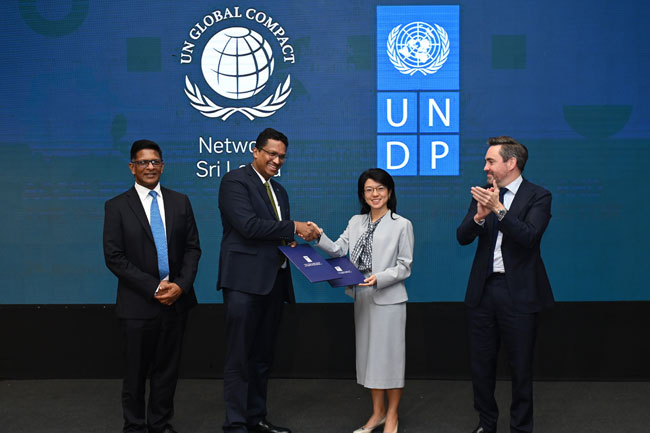
January 25, Colombo (LNW): The United Nations Development Programme in Sri Lanka (UNDP) and the UN Global Compact Network Sri Lanka (Network Sri Lanka) has recently renewed their commitment through the signing of the third Memorandum of Understanding (MoU), in a move towards advancing sustainable development.
The agreement aims to join efforts in facilitating private-sector participation and promoting sustainable development in Sri Lanka, the UNDP said in a statement.
As the first non-private sector entity to secure a position on the Network Sri Lanka Board, UNDP has nurtured a robust partnership through years of collaboration with Network Sri Lanka.
This aligns with UNDP’s commitment to enhancing development activities to foster public dialogue, improve awareness among the business community on the Sustainable Development Goals (SDGs) and enable their engagement to accelerate progress on the 2030 Agenda for Sustainable Development, it added.
Through the collaboration with Network Sri Lanka, businesses and non-businesses will be encouraged to conduct responsible business practices to advance the SDGs in key areas such as governance, climate resilience, digitalization, innovation, sustainable finance, and gender, according to the UNDP.
This strategic partnership reflects the joint commitment of UNDP and Network Sri Lanka to promote innovation and responsible business practices while working towards achieving the ambitious goals outlined in the 2030 Agenda, the statement added.
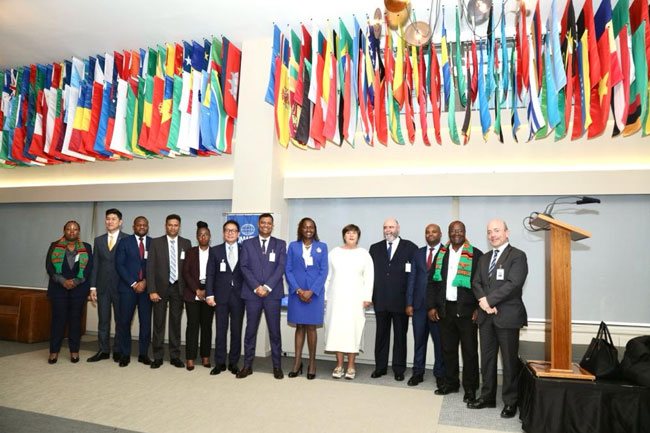
The Government of Sri Lanka’s Cabinet has given the green light for the country’s Green Bond Framework, which was developed by the Ministry of Finance, with support from the United Nations Economic and Social Commission for Asia and the Pacific (ESCAP).
The development of the Framework underwent consultation and received inputs from a number of Ministries and Regulators including but not limited to the Central Bank of Sri Lanka, Ministry of Environment, the Sustainable Development Council, as well as development partners such as the United Nations Development Programme (UNDP) and Global Green Growth Institute (GGGI).
The Government of Sri Lanka has set an ambitious agenda to develop the country’s sustainable finance market, by focusing on the development of tools and policy guidance that is needed to effectively manage environmental, social and governance (ESG) risks and meet the country’s climate objectives. Despite these ambitions, Sri Lanka continues to face the worst financial crisis that it has seen in decades. The economic crisis, that followed the COVID-19 pandemic, threatens the achievement of the country’s SDG and climate commitments.
In April 2022, the Government of Sri Lanka announced it would be suspending payments on its foreign debt, resulting in the first default in the country’s history and plunging the country’s sovereign credit rating below investment grade.
Throughout the financial and political challenges faced over the past year, ESCAP has been working to support the Government of Sri Lanka to achieve both its short-term and longer-term green finance goals.
January 25, Colombo (LNW): The Chairman of Sri Lanka Tourism Promotion Bureau Chalaka Gajabahu has been elected as the Vice Chair of the United Nations World Tourism Organization Competitiveness Committee recently.
The Committee on Tourism and Competitiveness (CTC) is one of the technical committees of the UNWTO and it is a subsidiary organ of the Executive Council.
The Committee was established at the 95th session of the Executive Council in Belgrade, Serbia in May 2013. Its Rules of Procedure and the composition were approved by the Executive Council at its 96th session.
Since its establishment in 2013, CTC focused its work mainly on assessing the state of knowledge on the basic concept of “tourism competitiveness” and identifying its key factors.
This process has also included identifying, developing and harmonizing concepts, models and operational definitions used in the tourism value chain, Sri Lanka Tourism Promotion Bureau said.
Speaking regarding the achievement, Mr. Gajabahu said: “he is delighted to have been elected Vice Chair of the CTC under the UNWTO and support the role in the best way possible. In my capacity as Chairman of Sri Lanka Tourism Promotion Bureau.
He said this opportunity will undoubtedly give a platform to further develop and enhance the competitiveness landscape which is a vital tool in tourism development globally.”
The UNWTO pays emphasis to build synergies and strategic alignments in the harmonization of the related activities of the Secretariat as well as other collaborating organizations in order to ensure consistency and consensus in the delivery of the outputs and reinforce the official position of the Organization.
The objective is to provide UNWTO Members and other tourism stakeholders with a comprehensive and concise, operational, applicable and globally relevant conceptual framework.
It is important to establish a common ground for a clear harmonized understanding of operational definitions used in the tourism value chain; with quantitative and qualitative factors that explain competitiveness at the destination level.
It may be translated into technical guidelines facilitating a methodology for destinations to identify and evaluate their own factors of competitiveness, the Sri Lanka Tourism Promotion Bureau says.
January 25, Colombo (LNW): Sri Lanka’s insurance sector witnessed an increase in Gross Written Premium (GWP) with reprised policies amidst rising price levels while insurance claims also increased during the first half of 2023, central bank report revealed.
The size of the insurance market in Sri Lanka has been growing in recent years, although it still remains relatively small compared to other countries in the region. According to recent estimates, the total premium income of the insurance industry in Sri Lanka was around LKR 80 billion (approximately USD 400 million).
Lifeinsurance continues to be the largest segment of the insurance market, accounting for around 70% of total premium income.
The general insurance segment, which includes products such as motor and health insurance, has been growing at a faster pace and is expected to continue to do so in the coming years.
Meanwhile, general insurance lagged behind long-term insurance in terms of profitability while liquidity ratios improved for both segments.
In terms of capital adequacy, these segments showed a divergent performance with the general insurance segment recording a decline in the capital adequacy ratio while the same for the long-term insurance sector improved.
Going forward financial institutions, particularly banks, LFCs and insurance companies would have to closely monitor their exposure to the sovereign and implement prudent measures to minimise such risks to ensure stability of the sector.
Moreover, Sri Lanka’s payment and settlement system exhibited resilience despite the dynamic nature of the financial landscape and the evolving digital payment systems during 2023.
The insurance industry in Sri Lanka has been growing steadily over the past few years, with several new players entering the market and offering innovative products to meet the changing needs of consumers.
The industry is largely dominated by life insurance, although there has been a recent increase in demand for general insurance products such as motor and health insurance.
One of the key challenges facing the insurance industry in Sri Lanka is a low level of awareness among consumers about the benefits of insurance and the various products available.
This has resulted in a relatively low penetration rate for insurance products in the country, with many people still relying on traditional forms of savings and investment.
Despite these challenges, the industry is poised for growth, driven by rising incomes, urbanization, and the increasing importance of the middle class.
The government has also been supportive of the industry, with a number of initiatives aimed at increasing access to insurance and improving the regulatory framework.
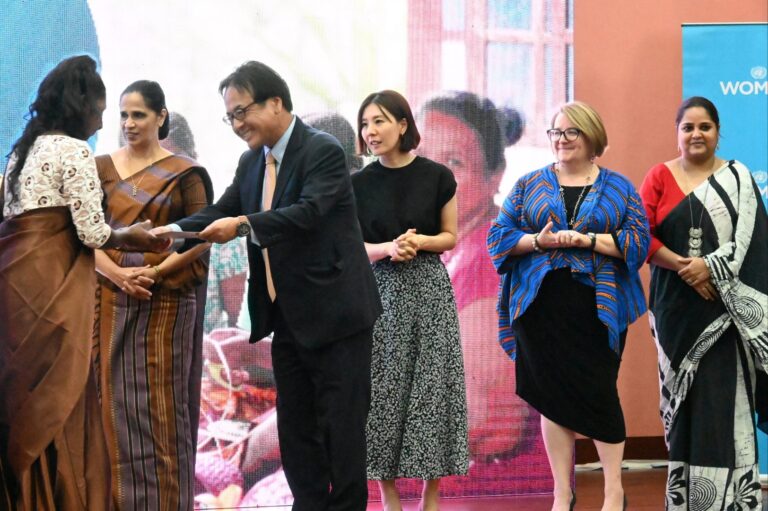
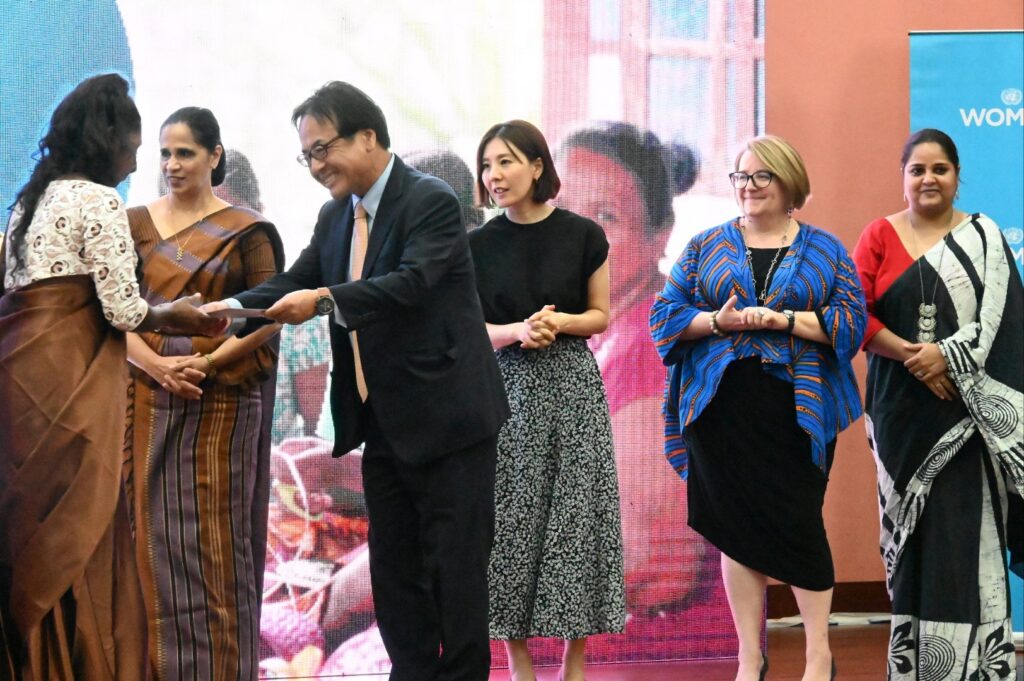
23 January 2024 (Colombo, Sri Lanka): UN Women and Chrysalis with funding from the Government of Japan provided productive assets worth LKR 110 million (approx. USD 343K) to 600 women-led micro-enterprises to help expand their businesses.
This initiative was undertaken as part of a larger 1-year project ‘Empowering women in crisis’ starting in February 2023. Through this project, UN Women and implementing partner Chrysalis have provided humanitarian assistance for women most affected by the socioeconomic crisis in Sri Lanka – in close collaboration with Ministry of Women, Child Affairs and Social Empowerment.
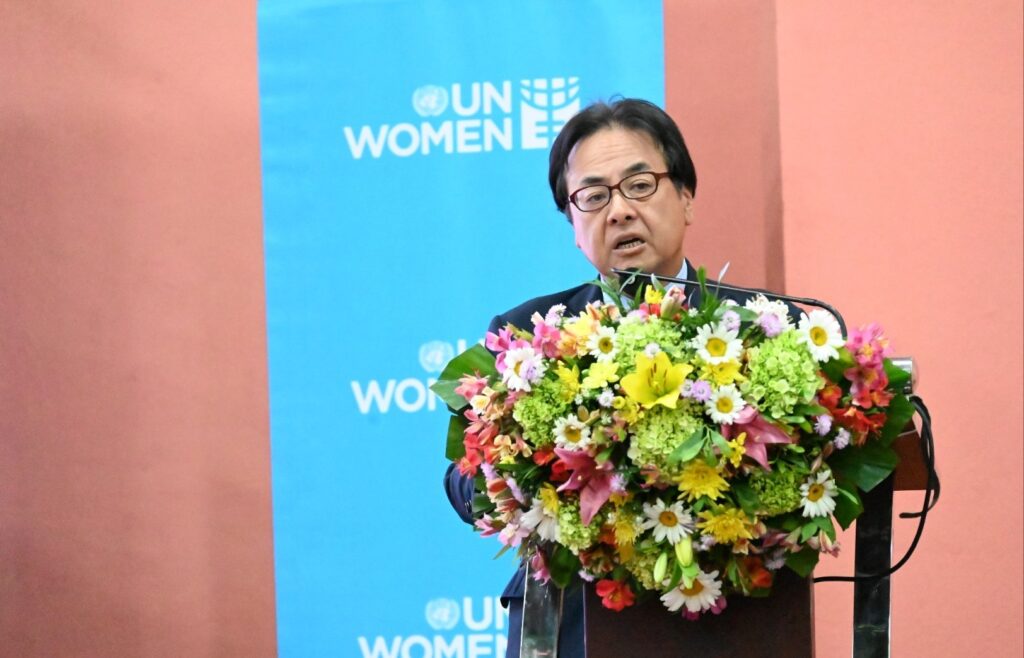
Speaking at an event held in Battaramulla, H.E. MIZUKOSHI Hideaki, Ambassador of Japan to Sri Lanka stated: “The Embassy of Japan is pleased to have supported this tremendous initiative which is being carried out in 5 Districts in Sri Lanka and we look forward to continuing this partnership with UN Women to support women’s economic empowerment in the country”.
In-light of soaring food inflation and rising cost of living, the entrepreneurs further received provisions to support their daily needs, thus enabling them to allocate more resources towards their business ventures.
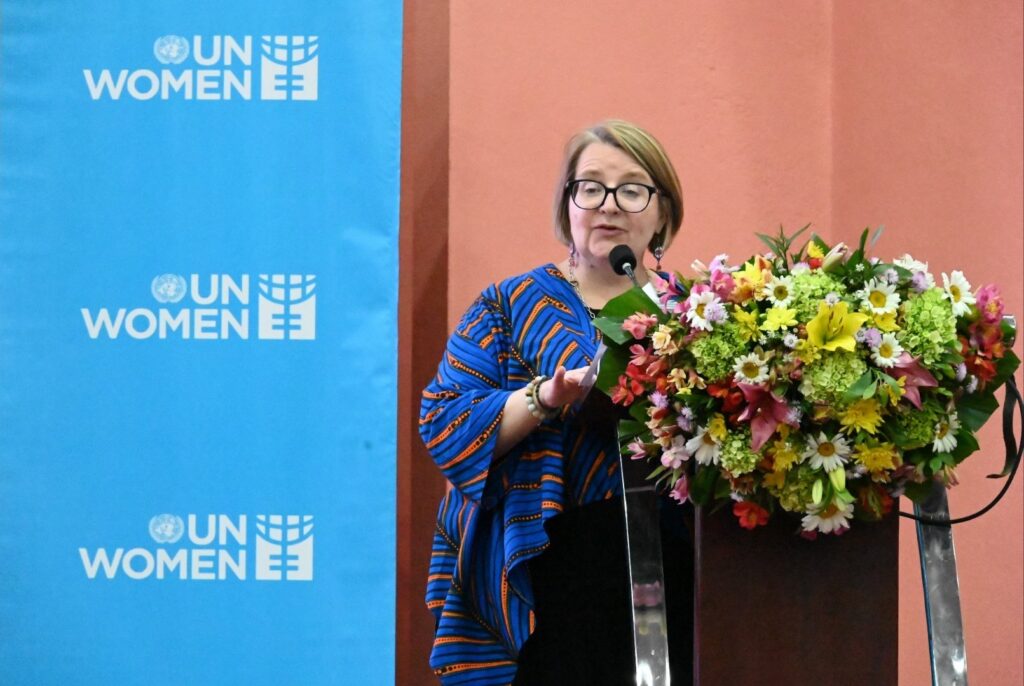
Present at the event, Sarah Knibbs, Deputy Regional Director, UN Women Regional Office for Asia and the Pacific highlighted: “As part of this project funded by the Government of Japan, we have provided 600 women-led micro enterprises with advanced training on business development including the introduction to digital tools and resources to better market their products”.
Through the project, the entrepreneurs received comprehensive training ranging from product ideation to financial literacy and were introduced to new tools such as digital marketing to expand their businesses.
“Taking part in UN Women’s training opened a world of possibilities for me. I learned about social media platforms and their potential for online business operations. With the help of my children, I now manage my own social media page, leveraging platforms like Facebook and YouTube to showcase my products. This helped me solve the issue of dwindling demand as I reached a lot more customers in a shorter time”, said Tharsan Vaksala (32), an entrepreneur and participant of the programme, from Kanakarayankulam in the Northern Province.
The project supports women-led micro-enterprises in the Districts of Ampara, Colombo, Moneragala, Mullaitivu and Vavuniya.
January 25, Colombo (LNW): The driver of the freight container truck that collided with the vehicle of State Minister Sanath Nishantha leading to his fatality earlier this (25) morning has been arrested by the Police.
The accident occurred at 2 AM when the SUV carrying the State Minister collided with the rear end of the freight container truck en route to Colombo, on the Katunayake Expressway, according to Police.
Two persons including State Minister Sanath Nishantha and a Police Constable from his security detail were killed by the accident.
The deceased State Minister’s driver suffered severe injuries from the accident, and is currently receiving treatments.
Parliament passes the “Online Safety Bill” with amendments: 108 MPs vote for, and 62 against: majority 46.
State Minister Sanath Nishantha and one other die in a vehicle accident on the Katunayake highway: another person injured & admitted to hospital.
Maldivian Govt grants permission for Chinese research vessel “Xiang Yang Hong 3” to make a re-supply call: assures the vessel will not undertake any research: the vessel had previously been reportedly turned down port entry by SL authorities.
Former President Maithripala Sirisena refutes reports that there was a “gold-plated camel” in his daughter’s house: asserts the official gift he received from the Emir of Qatar is at the Polonnaruwa museum: discloses that some of his staff members received wrist watches worth more than Rs.1 million from the Emir: also admits he received a personal gift from the Emir & kept it at his daughter’s house.
Former IRD Deputy Commissioner N M M Mifly says the complexity of SL’s tax system is due to the lack of a national tax policy: alleges tax policies change as and when Ministers change: also says the basic principles of taxation are. Einb violated: fairness, simplicity, consistency & efficiency.
Planters’ Association Spokesperson Dr Roshan Rajadurai says the hard blow of VAT has accelerated costs of inputs to tea production such as fuel, machinery, energy, chemicals & materials, despite the reduction of fertiliser price by 50%: asserts the tea industry has very wafer-thin margins.
SLPP MP Rohitha Abeygunawardane claims “Rattaran” was a nickname given to him in childhood: asserts he would resign if anyone proved that a Police complaint had been made against him for snatching necklaces: laments that social media is circulating false news to get “hits” and earn money.
All Ceylon Egg Producers’ Assn decides to increase the price of locally produced eggs by Rs.3 each after the increase of VAT from 15% to 18%: accordingly, the price of an egg directly from the farm increases to Rs.48, thereby leading to the retail price of an egg increasing to Rs.54.55.
Police arrest a 54-year old suspect and recover the jeep used for the shooting at Beliatta where 5 persons including ‘Ape Janabala Party” leader Saman Perera were killed: investigations reveal that the suspect identified as “Saman Kumara” had planned the shooting on the orders of underworld figure “Kosgoda Sujee” and had driven the jeep involved in the shooting.
SL record a 77-run win over Namibia in the ongoing Under-19 World Cricket Cup at Diamond Oval, Kimberly, South Africa: SL 133 all out (37.5 overs): Supun Waduge 56*, Rusanda Gamage 17: Namibia: 56 all out (27 overs): Vishwa Lahiru 3-19, Ruvishan Perera 3-3.