Home Blog Page 1298

State Minister K.Kader Masthan Initiates Talks for Land Release

0

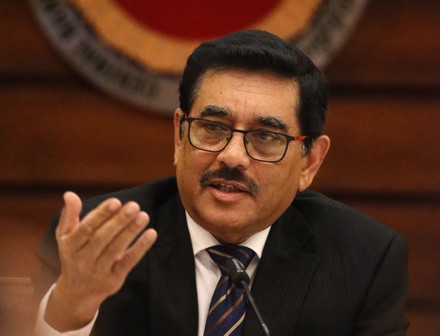
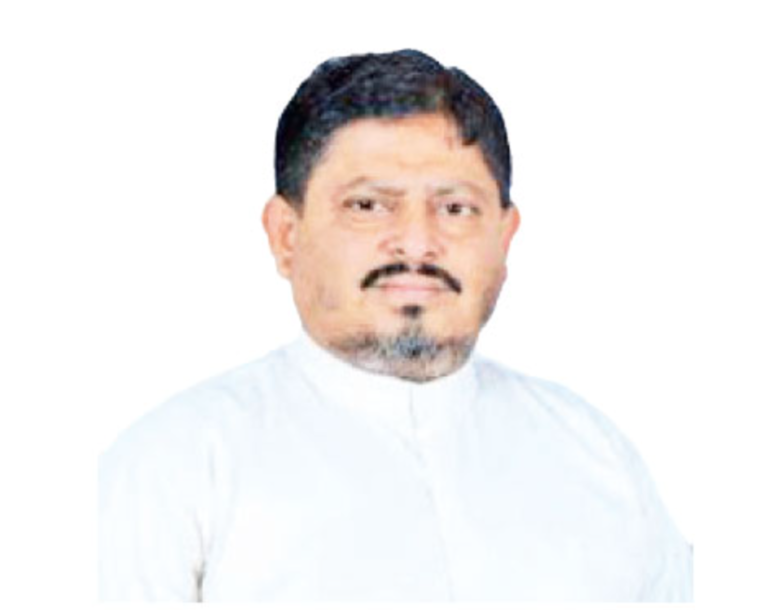
January 24, Colombo (LNW):In a recent press conference at the Presidential Media Centre (PMC), State Minister of Rural Economy, K.Kader Masthan, disclosed that negotiations are underway for the release of lands under the Forest Department, earmarked for agricultural and tourism endeavors. The minister emphasized the significance of these discussions in promoting economic growth and diversification.

State Minister Masthan also highlighted a pivotal agricultural initiative, revealing that the restoration of 61 tanks has been set in motion to foster agricultural development in the Mannar and Vavuniya districts. This initiative aims to enhance water resources for irrigation, contributing to increased agricultural productivity in the region.

During the press conference, State Minister Masthan expressed gratitude to President Ranil Wickremesinghe for expediting the economic stabilization process. He acknowledged the President’s swift actions, which have significantly shortened the anticipated economic recovery period.

Addressing the progress in the rural economy, the State Minister mentioned specific financial allocations for projects targeting the Northern, Eastern, and Central provinces. In the past year, the Ministry of Rural Economy implemented various programs, including the distribution of goats and essential seeds for green cultivation, positively impacting livelihoods in these regions.

Remarkably, the State Minister reported the effective utilization of approximately 98% of the allocated financial funds for the ministry’s programs, leading to tangible benefits for the people. Notable achievements were cited in the Mannar district, with a green bean harvest reaching 1050 metric tons, and advancements in goat management.

Foreign aid has played a crucial role in supporting several development initiatives, with a focus on enhancing the agricultural sector. Among these projects, the ongoing restoration of 30 tanks in Mannar district and 31 tanks in Vavuniya district stands out, illustrating the commitment to bolstering agricultural infrastructure.

State Minister Masthan concluded by emphasizing the government’s primary objective: addressing issues such as food scarcity and malnutrition through comprehensive programs facilitated by the Agriculture Ministry. Simultaneously, negotiations for the release of Forest Department lands underscore the administration’s commitment to sustainable agricultural and tourism development.

Lunuwila Coconut Research Institute Successfully Develops Coconut Saplings from Unopened Female Flowers

0

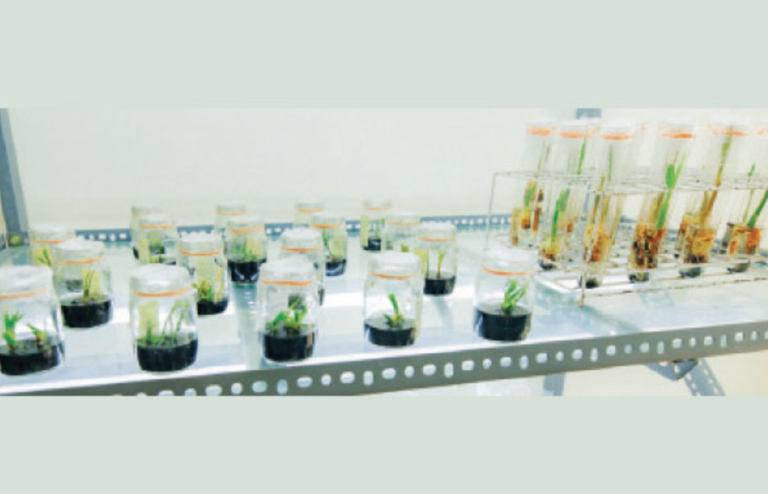
January 24, Colombo (LNW): In a groundbreaking achievement, the Lunuwila Coconut Research Institute (CRI) has achieved success in developing coconut saplings using tissue from the unopened female flower of the coconut plant. Dr. Sanathani Ranasinghe, the Director of Lunuwila CRI, announced that their research on coconut seedling preparation through tissue culture technology has been remarkably successful.

While many coconut-growing countries globally utilize tissue culture technology for coconut plant cultivation, they predominantly focus on parts associated with the coconut pulp. Notably, Lunuwila CRI’s research marks the first instance worldwide where coconut saplings have been developed using components from the unopened female flower of the coconut plant.

Agriculture and Plantation Industry Minister Mahinda Amaraweera recently visited the Lunuwila CRI to witness this groundbreaking achievement. The Minister inspected the successfully produced coconut saplings, cultivated in research tubes using a delicate portion of the coconut flower. Unlike traditional coconut cultivation methods that require ample space for seedling growth, Lunuwila CRI managed to cultivate coconut seedlings in compact glass tubes, each approximately six inches high.

Leading the research team, Dr. Ranasinghe, along with department head Dr. Vijitha Vidanarachchi and a group of scientists, played a pivotal role in this scientific breakthrough.

During discussions with officials, Minister Amaraweera emphasized the potential of this new technology in producing King Coconut seedlings, responding to the growing international demand for King Coconuts from Sri Lanka. Dr. Ranasinghe confirmed that Lunuwila CRI has already commenced the production of King Coconut plants using this innovative technology.

Expressing gratitude to the scientists behind this pioneering technology, Minister Amaraweera announced plans by the Agriculture and Plantation Industries Ministry to allocate necessary financial resources for the extensive production of coconut and orange seedlings through this cutting-edge method. The Minister highlighted that this accomplishment positions Sri Lanka at the forefront of agricultural innovation on a global scale.

VAT on used vehicles hurts common man, boosts black market: MTA

0

By: Staff Writer

January 24, Colombo (LNW): The Ceylon Motor Traders’ Association (CMTA) yesterday warned that the newly imposed VAT on used vehicles, has supported the creation of a black market in the industry, while increasing the market prices of used vehicles which is hurting the common man of the country.

In a statement CMTA said the recent implementation of VAT has stirred concerns in the motor trade as legitimate companies now face a significant hurdle. When these companies sell vehicles, the prices surge by an additional 18% due to the newly imposed VAT.

On the other hand, unethical companies and individuals, often dealing in cash transactions, can operate without the burden of this additional tax, offering them an 18% substantial competitive advantage.

This situation poses a serious threat to legitimate companies, rendering them inoperable against black-market competitors.

As a result, the used vehicle sales will move to such black market traders and the Government will not be able to achieve the expected income from VAT on used vehicles.

The reason is that such black market traders do not divulge the actual transactions or profitability to authorities and therefore do not pay any income taxes or any other direct taxes.

In addition to the above, since the legitimate companies will have to exit the used vehicle business completely, the Government will lose even the income tax which it was getting from such companies previously.

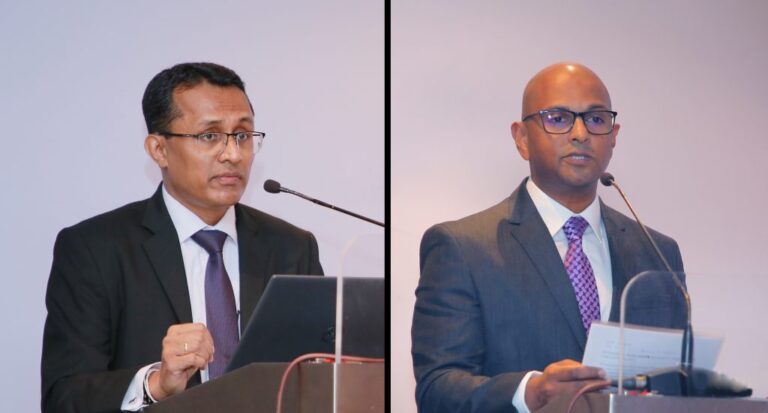
CMTA Senior Vice Chairman Virann De Zoysa said: “The black market traders, taking undue advantage of the situation, have already increased prices of vehicles and two wheelers, which is hurting the common man of the country, who were battered by the exorbitantly high used vehicle prices resulting from the now four year long, vehicle import suspension.

Take for instance, the Suzuki Wagon R, one of the country’s most popular vehicles. A legitimate company would now have to charge an additional Rs. 1 million due to the VAT, making it significantly harder for the average consumer to afford. Even a commonly purchased two-wheeler like the Honda Dio Scooter will cost an additional Rs. 100,000 at a legitimate company.

Further, each time a used vehicle goes through the buying and selling cycle, the price keeps escalating due to the VAT. This is just a glimpse of how the VAT will adversely affect used vehicle customers going forward.”

CMTA Chairman Charaka Perera said: “We have proposed the Government to charge VAT on the profit margin of the vehicle, which will not result in a major price increase while enabling legitimate companies to continue with their business and the Government to earn revenue from VAT of the used vehicle sales.

If this issue is not addressed, there could be further job losses in the industry, which had already lost over 15,000 jobs from the import suspension.”

CB Governor Nandalal dissipates need for recapitalisation by 2025.

0

By: Staff Writer

January 24, Colombo (LNW): Clarifies IMF’s reference to recapitalisation; says it is only relevant if CBSL’s balance sheet turns negative post-debt restructuring Affirms positive equity at end of December balance sheet

Highlights CBSL’s transition from negative capitalisation in 2022 to a positive status last year despite economic challenges

Central Bank Governor Nandalal Weerasinghe dismissed the necessity for a recapitalisation by 2025, asserting that the institution had maintained a positive balance sheet even after enduring an economic crisis and undergoing debt restructuring.

Speaking at the post-Monetary Policy Review meeting media briefing yesterday, he clarified that the International Monetary Fund’s (IMF) mention of CBSL recapitalisation in 2025 is contingent on the Central Bank’s balance sheet or net worth turning negative following the impact of the debt restructuring process.

“As of the end of December, we sustained a positive equity. I don’t believe there’s a requirement for us to pursue recapitalisation. The IMF only highlighted it to ensure Government commitment if recapitalisation becomes necessary post-debt restructuring process,” he explained.

Highlighting the positive transformation, Dr. Weerasinghe noted that CBSL experienced negative capitalisation in 2022, which reversed to a positive status last year despite the economic crisis and debt restructuring.

“I don’t see any reason for further deterioration unless there’s a significant market shock,” he stressed, expressing confidence in the institution’s financial stability moving forward.

The banking sector, which was adversely affected by the spillover effects of the recent economic crisis, continued to operate amidst challenging conditions while some signs of improvement were observed during the year ending Q3 of 2023.

Credit granted by the banking sector contracted during the period albeit some recovery was observed within Q3 of 2023.

Credit risk of the banking sector as indicated by the Stage 3 Loans Ratio remained elevated, reflecting deteriorated debt servicing capacities of economic agents due to shrinking balance sheets amidst adverse economic conditions.

However, stabilisation of credit risk was witnessed during Q3 of 2023 as indicated by the slowdown in the increase of Stage 3 Loans.

Meanwhile, credit concentration risks persisted within the banking sector with some high credit concentration on certain sectors, namely, construction and agriculture, posing higher vulnerabilities due to economic and climate related issues.

In addition, the high exposure of the banking sector to the sovereign posed concerns for the sector, which necessitated the exclusion of banking sector investments in Treasury bonds from the restructuring perimeter.

Increased investments in Rupee-denominated Government securities resulted in a significant increase in liquidity ratios of the banking sector while overall utilization of Standing Lending Facility by the banking sector reduced significantly.

DFCC Bank Introduces Tailored Financial Flexibility for Freelancers.

0

By: Staff Writer

January 24, Colombo (LNW): In a pioneering move towards financial inclusivity, DFCC Bank is to unveil DFCC Freelancer – a comprehensive, tailored financial solution for freelancers.

This groundbreaking solution is uniquely designed to cater specifically to the dynamic needs of the growing freelancer community, setting DFCC Bank apart as a leader in addressing the financial requirements of this distinct segment.

Accordingly, this proposition will provide individuals who use registered, specialised platforms to provide specialised services, often to international clients, with a comprehensive banking solution.

Commenting on the launch of this new solution, Aasiri Iddamalgoda – SVP of Retail Banking and SME, said, “At DFCC Bank, we understand that freelancers are part of the backbone of innovation and entrepreneurship.

With DFCC Freelancer, we aim to empower this dynamic community with tailored financial offerings, setting a new standard for personalised banking. We believe this product is also a testament to our commitment to inclusivity and innovation in banking, as it will cater to a category that banks in Sri Lanka have traditionally overlooked.”

As the first Bank to offer such a solution, DFCC aims to provide a comprehensive suite of benefits tailored to the lifestyles and aspirations of freelancers in Sri Lanka.

Accordingly, with DFCC Freelancer, freelancers will enjoy attractive interest rates on Personal Foreign Currency Accounts (PFCA) and Business Foreign Currency Accounts (BFCA).

This will be facilitating seamless management of international transactions and, based on their income, choosing from customer propositions such as DFCC Pinnacle, Prestige, Salary Partner, or Salary Plus, thereby adding unparalleled value to their banking experience.

DFCC Bank also ensures the growth of freelancers’ hard-earned money by offering high interest rates on savings accounts and fixed deposits.

Elevating financial freedom, DFCC Freelancer also provides a tailor-made DFCC MasterCard Credit Card, featuring waived joining fees, 2% cashback on foreign currency transactions to any DFCC Bank account, and convenient 0% easy payment plans.

Recognizing the diversity within the freelancer community, DFCC Freelancer specifically caters to the financial needs of female freelancers, who will also enjoy a range of benefits available only to women through DFCC Aloka. DFCC Freelancer will also give customers access to specialised insurance packages, giving freelancers added financial security and peace of mind.

This innovative offering underscores DFCC Bank’s commitment to setting a new standard for personalised banking and empowering freelancers to thrive in their financial journeys.

DFCC Bank invites freelancers to experience a new era of personalised banking. Call 011 2350000 24/7, visit https://www.dfcc.lk/products/dfcc-freelancer/ to learn more and open an account 100% online or walk into any DFCC Branch to get started.

Indian government to accelerate Sea Bridge linking Dhanushkodi to Talaimannar.

0

By: Staff Writer

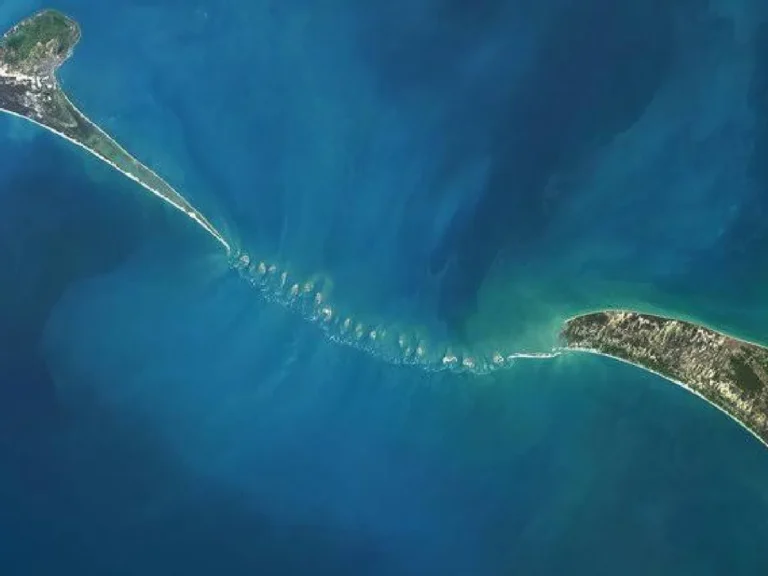
January 24, Colombo (LNW): The Indian government is set to accelerate the proposal for construction of a sea bridge linking India’s Dhanushkodi— believed to be the place where Lord Ram had ordered Hanumana to build a bridge to carry his army across to Sri Lanka—with Talaimannar

Informed sources said the government is likely to carry out a feasibility study soon for building the 23-km bridge.

India and Sri Lanka had agreed to examine the viability of developing land access to the ports of Trincomalee and Colombo during Sri Lankan President Ranil Wickremesinghe’s visit to Delhi last July.

Following this, the external affairs ministry (MEA) held a meeting with other ministries and government agencies on this issue. Sources said the MEA officials had informed the meeting about its plan to carry out the feasibility study for the bridge before preparing a detailed plan.

“A host of issues pertaining to other sectors including dairy, oil, power and shipping which came up during Wickremesinghe’s visit were also discussed at the meeting.

The long sea bridge would require huge funds, but it will prove to be a boon for bilateral trade. But for that, the government has to evaluate technical, economic, and environmental aspects to see whether it’s viable,” a source said.

The need for this sea bridge has been part of discussions for more than a decade. In a significant development, the Indian government is contemplating the proposal for the construction of a sea bridge that would link India’s Dhanushkodi to Talaimannar in Sri Lanka.

Discussions surrounding the need for this sea bridge have persisted for over a decade. In December 2015, Union Road Transport Minister Nitin Gadkari disclosed plans to construct a road-cum-rail bridge following discussions with President Wickremesinghe.

As the government weighs the potential benefits against the associated challenges, the proposed sea bridge project remains a focal point in bilateral relations between India and Sri Lanka.

During bilateral discussions between President Ranil Wickremesinghe and Indian Prime Minister Narendra Modi on July 21, the two sides had agreed to conduct a feasibility study to establish land connectivity between the two countries for developing access to the ports of Trincomalee and Colombo, apart from connectivity in air, maritime, trade and energy domains.

However, Indian Foreign Secretary Vinay Mohan Kwatra seemed to be referring to the proposal made by Wickremesinghe during his second Premiership between 2001 and 2004 to build a bridge over Adam’s Bridge which is sometimes called Hanuman Bridge and Ram Sethu or Sethu.

If Indian leaders mustered the courage to face the Hindu protests against the more beneficial Sethu Samudram Project and proceed with it, the road link project might sometimes be undermined. On the other hand, Sri Lankan leaders also have to allay fears of Sri Lankan nationalists that the bridge is inimical to the national security, to go ahead with the project.

Dollar rate in Sri Lanka today(Jan 24)

0

January 24, Colombo (LNW): As of today (January 24), the Sri Lankan Rupee maintains its stability against the US Dollar at commercial banks in Sri Lanka, with rates holding steady compared to Tuesday.

At Peoples Bank, there has been a slight decrease in both buying and selling rates of the US Dollar. The buying rate dropped from Rs. 314.56 to Rs. 314.07, while the selling rate decreased from Rs. 325.52 to Rs. 325.01.

According to Commercial Bank, the buying rate for the US Dollar remains unchanged at Rs. 313.93, and the selling rate also remains steady at Rs. 324.

Sampath Bank reports no changes in the buying and selling rates of the US Dollar, with both rates holding steady at Rs. 315 and Rs. 324, respectively.

CEB Initiates Actions Against Protest Participants

0

January 24, Colombo (LNW): The Ceylon Electricity Board (CEB) has taken steps against employees who participated in recent protests against the restructuring of the board. According to Deputy General Manager Noel Priyantha, the CEB has sent letters seeking explanations to nearly 10,000 employees who reported sick leave and took part in the protests. Further actions will be determined based on the responses received from the employees.

In response to the protests, the services of 66 employees have already been suspended by the CEB. The protests were organized in opposition to the restructuring measures being implemented within the Electricity Board.

Ranjan Jayalal, Convenor of the United Trade Union Front of the C.E.B, has expressed strong opposition to the actions taken by the CEB. He warned of strict measures against what he perceives as the repression of employees who participated in the protests.

Cardinal Malcolm Ranjith Challenges Anti-Terrorism Bill, Citing Constitutional Concerns

0

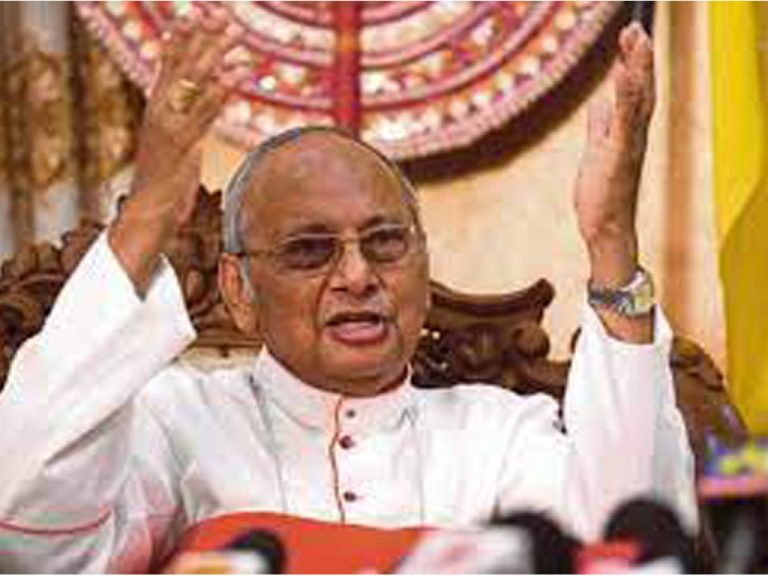
January 24, Colombo (LNW): His Eminence Malcolm Cardinal Ranjith has filed a petition challenging the Anti-Terrorism Bill introduced by the government to replace the Prevention of Terrorism Act (PTA). In the petition submitted to the Supreme Court, Cardinal Ranjith requests an order declaring that several provisions of the Anti-Terrorism Bill are inconsistent with the Constitution.

The respondent named in the petition is the Attorney General, and it alleges that the proposed legislation, if enacted in its current form, would confer unlimited powers to the Tri-Forces, Police, and Coast Guard, allowing unwarranted arrests without reasonable suspicion. The Cardinal argues that this would violate fundamental rights, including the freedom of expression guaranteed by the Constitution.

To address these concerns, Cardinal Ranjith seeks a Supreme Court order mandating a parliamentary vote with a two-thirds majority and a referendum to pass the Anti-Terrorism Bill, which was tabled in parliament on January 10.

This legal challenge comes in the wake of growing opposition to the bill, with last week seeing a petition by Wasantha Samarasinghe, the president of the Inter-Company Employees’ Union, also seeking a Supreme Court order declaring certain provisions unconstitutional.

The Anti-Terrorism Bill, approved by the Cabinet of Ministers on September 05, 2023, underwent revisions based on suggestions and opinions from various parties before being presented in parliament. Despite these revisions, the bill has sparked controversy both domestically and internationally. Human rights organizations, including the Office of the High Commissioner of Human Rights (OHCHR), have urged the government to align the proposed legislation fully with Sri Lanka’s international human rights obligations.

Sri Lanka Original Narrative Summary: 24/01

0
  1. TNA MP M.A. Sumanthiran stresses that the on-going debate on the Online Safety Bill was illegal and in violation of the Standing Orders of Parliament: Parliament nevertheless proceeds with the debate following a majority vote in favour of considering the contentious Bill for discussion.
  2. Ceylon Motor Traders’ Assn warn the new 18% VAT on used vehicles creates a black market in the industry & increases the market prices of used vehicles: stresses this is hurting the common man: laments it places a hurdle on legitimate companies as vehicle prices surge by an additional 18% due to the new VAT.
  3. President Ranil Wickremesinghe returns to the island after a 11-day overseas visit: he first participated at the World Economic Forum in Switzerland: thereafter, he participated at the 19th Summit of Heads of State of the Non-Aligned Nations and the 3rd Summit of the G77 & China, in Uganda.
  4. Ven Athuraliye Rathana Thera, MP from the “Apey Janabala Party” whose Leader/President Saman Perera was murdered in Beliatte, says he will refrain from commenting on the murder.
  5. Government Medical Officers Association says the doctors will commence an indefinite strike from 8.00 am today as the Govt has temporarily suspended the payment of the “Disturbance, Availability & Transport” allowance: latest reports however indicate that the strike has been called off.
  6. CB Monetary Policy Board maintains the Standing Deposit Facility Rate and the Standing Lending Facility Rate of the Central Bank at the current levels of 9.0% & 10.0%.
  7. Supreme Court sets 30th October’24 as the date to consider the Fundamental Rights Petitions which have claimed that the rights of members of EPF & ETF have been violated as a result of the Govt’s Domestic Debt Re-structuring: the 3-member Judge Bench comprises of Justices S Thurairaja, Shiran Gooneratne & Mahinda Samayawardhena.
  8. Likely Presidential Candidate from the Mawbima Janatha Party Dilith Jayaweera says the current economic pressure and the country’s situation is nothing like what was faced 20 years ago when there was a JVP insurrection & LTTE terror: reminisces that during such period, he was selected to the university but had to wait 3 years since the universities were closed.
  9. A 45-year-old Buddhist monk, Ven Kalapaluwawe Dhammarathana Thera shot dead inside a temple in the Malwathuhiripitiya area of Gampaha: Police say the shooting carried out with a T-56 assault rifle: 4 unidentified individuals had arrived in a car, carried out the shooting and fled the scene.
  10. Siblings Matheesha Marambe from Royal College and Kithmi Marambe from Bishop’s College lead the 9-member SL Diving team at the upcoming BIMSTEC Youth Aquatic Meet in New Delhi: SL diving team to consist of 5 boys and 4 girls: notably, all 5 male divers hail from Royal College.