President’s Media Division announces that the Global Tamil Forum & “prominent Buddhist Monastics” had met President Ranil Wickremesinghe & presented a “Joint Himalayan Declaration promoting a pluralistic Sri Lanka that prioritizes community well-being, learning from historical mistakes, stressing the importance of accountability measures”.
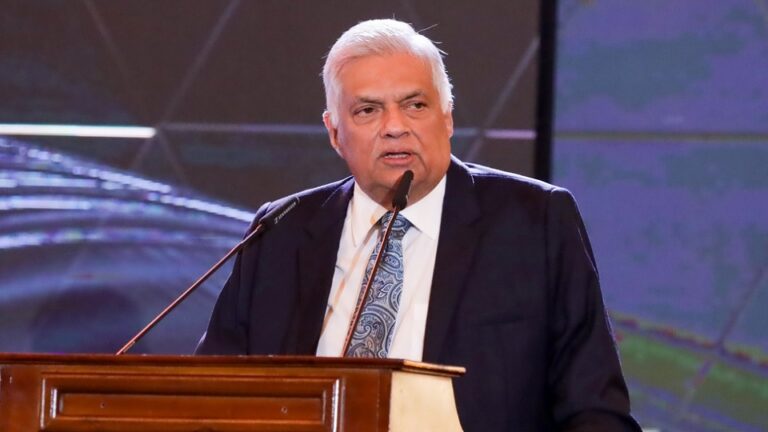
President Ranil Wickremesinghe says his idea is to hold the Presidential election next year followed by Parliamentary elections and then the PC elections; also says these elections will enable the people to look at amending or drafting a new constitution.
Asian Development Bank approves a USD 200 mn loan to SL “to help stabilize the country’s finance sector”: analysts point out that recent loans by the World Bank and ADB are merely for budget support (meaning consumption), and not for any capital project as done previously.
Former Public Utilities Commission Chairman Janaka Ratnayake (“JR”) announces his Presidential candidature for 2024: emphasises the necessity for a systemic change grounded in a paradigm shift to rebuild SL: reveals his current efforts in establishing the foundation to guide SL onto a positive trajectory and reconstruct it in the days ahead: asserts that one must assume the role of the 1st citizen to transform & revive the nation.
CID informs Fort Magistrate’s Court that the Defence Ministry has extended the detention orders issued under the PTA for notorious drug dealers Nadun Chinthaka alias ‘Harak Kata’ and Salindu Malshika alias ‘Kudu Salindu,’ for another 90 days.
Ministry of Finance revises the opening & closing times of liquor shops and bars: Foreign liquor wine shops (FL4) – 8am to 10pm: Tourist board-approved hotels with FL7 and FL8 licenses (Hotels with 3 stars and above) – 10am to 2am: all other hotels – 10am to 12am.
Treasury Secretary Mahinda Siriwardena says relevant departments have been provided instructions for collecting taxes & tax file increases: asserts it’s a combination of policy & administration that would generate the expected revenue & it’s not a single effort: now concedes that issues can’t be resolved overnight.
Attorney General informs Supreme Court that the Constitutional Council headed by the Speaker has decided not to proceed with its earlier decision to call for a report from the Chief Justice seeking information about the “performance of a judge” nominated for promotion to the Supreme Court: the AG’s remarks were in response to a Fundamental Rights petition seeking the suspension of a decision taken by the Constitutional Council.
Govt initiates the establishment of an Interim “Secretariat for Truth and Reconciliation Mechanism”: the move said to be a “step towards transitional justice and post-conflict reconciliation”: the proposed Commission is expected to be established through an Act of Parliament.
SL expected to lose an estimated USD 22mn (approximately Rs.7bn) in direct & indirect income following the International Cricket Council’s decision to shift the Under-19 World Cup from Sri Lanka to South Africa: the 16-team tournament was originally scheduled from Jan 13 to Feb 4 across 5 venues in Colombo but the turmoil in SL Cricket had apparently led to this ICC decision.
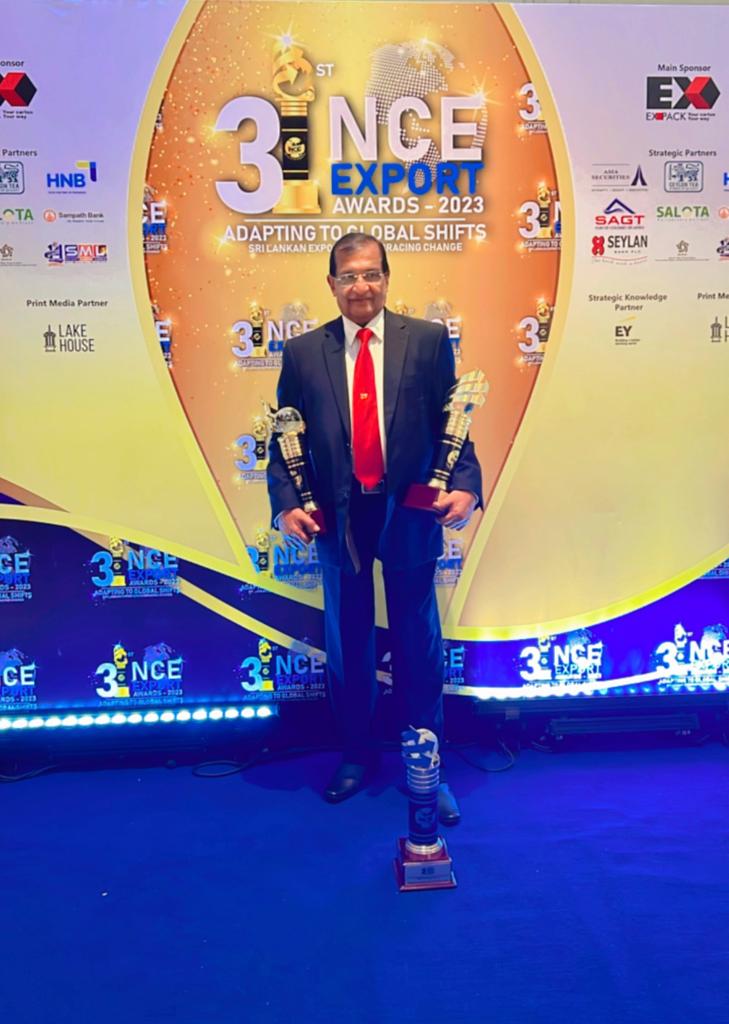
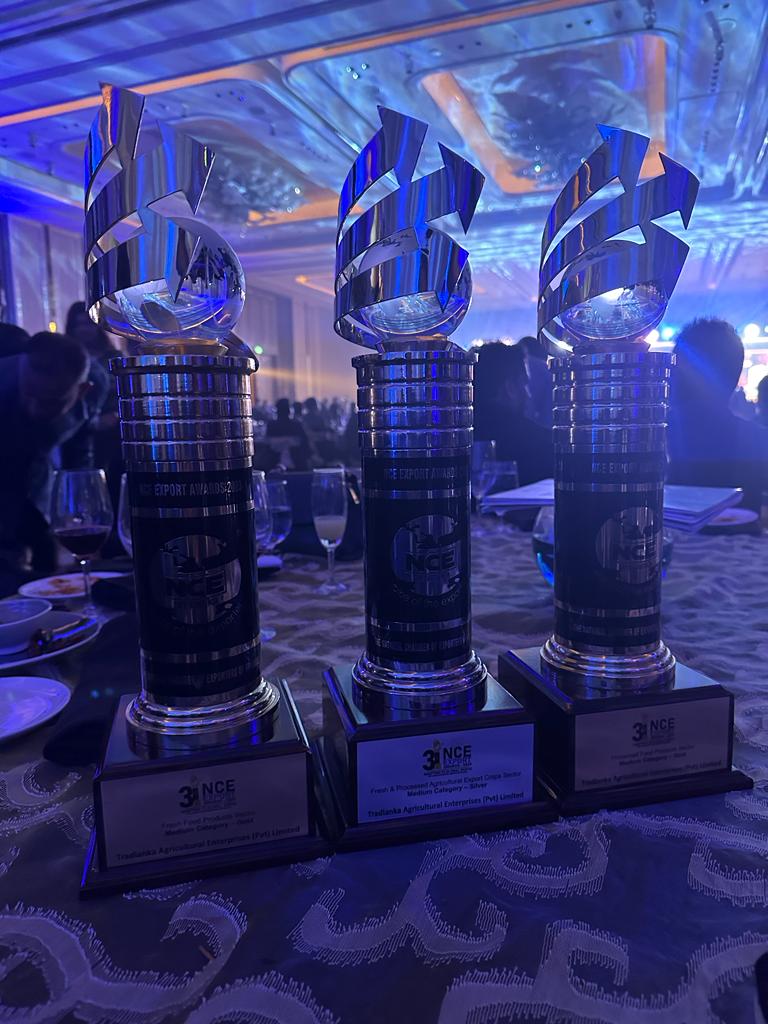
Tradlanka Agricultural Enterprises was awarded 2 Gold Awards & 1 Silver Award for National Export Excellence by the National Chamber of Exporters of Sri Lanka last night(09) Award Ceremony.
The Award Ceremony was held at Shangrila Hotel, Colombo.
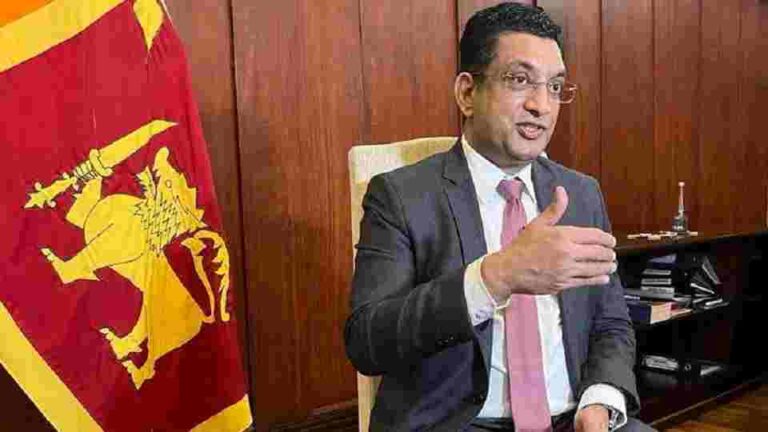
In a recent press conference themed ‘Collective Path to a Stable Country’ at the Presidential Media Centre, Foreign Affairs Minister Ali Sabry lauded President Ranil Wickremesinghe for steering Sri Lanka’s foreign relations towards a policy of non-alignment, emphasizing unity while fostering relationships with global nations.
Minister Sabry credited President Wickremesinghe’s decisions for positively impacting Sri Lanka’s foreign relations, citing the nation’s successful non-aligned policy and its ability to secure International Monetary Fund (IMF) support by extending friendship without bias.
Acknowledging diplomatic challenges, Minister Sabry highlighted how strategic decisions have redirected strained relations, particularly in the Muslim world and Japan, onto a constructive trajectory, affirming the commitment to amicable ties while safeguarding national unity.
Discussing debt restructuring intricacies, Sabry elaborated on an independent mechanism developed due to Sri Lanka’s unique position. Collaborative efforts with influential nations outside the Paris Club, including India, China, and Japan, have paved the way for a viable restructuring plan.
Sabry revealed commitments from involved countries for Sri Lanka’s debt restructuring, foreseeing an advantageous process compared to others. The imminent IMF discussion on the 12th is poised to signal international acknowledgment of Sri Lanka’s economic progress, potentially resulting in disbursement of the second tranche.
Highlighting the nation’s path towards financial independence, Sabry noted ongoing governmental efforts to steer away from bankruptcy. Strategic reduction in debt payments positions Sri Lanka for an economic advantage of US$17 billion, with plans to attract new investors for economic growth.
Looking ahead, Minister Sabry expressed confidence in the government’s roadmap, aiming for significant economic strides by the first quarter of the next year. This aligns with President Wickremesinghe’s broader vision for sustainable economic development, signaling a promising trajectory for Sri Lanka under his leadership.
A significant stride toward transitional justice and post-conflict reconciliation in Sri Lanka has been marked with the government’s decision to establish an independent Commission for Truth, Unity, and Reconciliation—a historic endeavor shaping the nation’s future.
As outlined by the President’s Media Division (PMD), this pivotal commission is set to be established through an Act of Parliament. Currently, a comprehensive concept paper is being crafted, inviting input from pertinent stakeholders to ensure a consultative and inclusive approach in developing legislation that strengthens national unity through truth, transitional justice, reconciliation, reparation, and social cohesion.
This initiative’s core objective is to unearth the truth regarding the post-conflict grievances of Sri Lankan citizens, laying the foundation for reconciliation, reparation, and sustainable peace.
“The proposed Commission acknowledges every Sri Lankan’s inalienable right to ascertain the truth, a pivotal aspect for individuals and communities to heal from past conflicts,” affirmed the PMD.
Moreover, the Commission aims to fortify national unity, peace, rule of law, coexistence, equality, tolerance, respect for diversity, and reconciliation among Sri Lanka’s diverse communities, striving to prevent future disharmony and conflicts.
Crucially, the Commission is poised to review past Commission recommendations, including those from the Lessons Learnt and Reconciliation Commission (LLRC) and findings from the Consultation Task Force on Reconciliation Mechanisms.
The government is steadfast in ensuring the Commission’s impartiality, free from political influence, while fostering a victim-centric approach, providing a platform for voices to be heard and acknowledging past pain to reclaim dignity. Pending the new law’s enactment, an Interim Secretariat for Truth and Reconciliation Mechanism (ISTRM) has been established, laying the groundwork for this transformative Commission.
The ISTRM is actively engaging with the public and stakeholders, striving to shape this mechanism through participation and consultation, ultimately steering Sri Lanka toward sustainable peace and national unity. This monumental initiative stands as a beacon of hope for a future founded on truth, reconciliation, and unity.
Dinushika Manawadu, Deputy Director of the Dehiwala Zoological Gardens, has confirmed the commencement of an independent investigation following the untimely death of “Haley,” a 30-year-old female giraffe—one of the precious few of an endangered giraffe species housed at the zoo.
Reports reveal that Haley had been grappling with health issues, particularly mobility concerns. Veterinary surgeons at the zoo had administered antibiotics to address an infection on one of her hooves, a measure taken to alleviate her ailments.
Regrettably, it is suspected that the antibiotic treatment triggered an allergic reaction, ultimately resulting in Haley’s demise on Thursday (Dec. 07).
A postmortem examination was conducted by veterinary surgeons affiliated with the Wildlife Conservation Department and the Faculty of Animal Sciences at Peradeniya University to delve into the circumstances surrounding Haley’s passing.
The zoo authorities, led by Director Ranjan Marasinghe, are eagerly awaiting the postmortem report to ascertain the precise cause of Haley’s unfortunate death.
The initiation of the investigation has been directed by the Dehiwala Zoological Garden’s administration, aiming to shed light on the circumstances leading to the tragic loss of the beloved giraffe.
President Ranil Wickremesinghe convened a discussion at the Presidential Secretariat on Friday, engaging heads of plantation companies to deliberate on the vital issue of wage hikes for plantation workers. Encouraging collective deliberation, President Wickremesinghe urged the companies to strive for a minimum wage of Rs. 1,700—a demand set forth by the workers themselves.
Alternatively, he stressed the necessity of arriving at a consensus regarding the increased wage quantum before December 31st, highlighting the urgency of the matter during the meeting.
The primary agenda of the discussion centered on aligning regional plantation companies’ initiatives with the agricultural modernization program outlined in this year’s budget. The talks also encompassed the program aimed at providing land rights to plantation laborers.
In a bid to address pressing concerns, President Wickremesinghe proposed the establishment of committees dedicated to resolving the housing needs of plantation workers and representing the interests of both workers and plantation companies. Expressing optimism about the country’s economic growth driven by exports, he underscored the collective effort required to ensure the success of the agricultural modernization program.
President Wickremesinghe emphasized the imperative role of an export-oriented economy in the nation’s economic development, particularly in light of the rising food demand attributed to the burgeoning populations in Asian countries. He urged the country’s export economy to prepare and capitalize on this burgeoning demand.
The discussion, attended by Minister of Labour and Foreign Employment Promotion Manusha Nanayakkara, Minister of State for Finance Ranjith Siyambalapitiya, Secretary to the President Saman Ekanayake, Senior Advisor to the President on Economic Affairs Dr. R.H.S. Samaratunga, and several representatives from local plantation companies, comprehensively explored various aspects of the proposed initiatives.
The Asian Development Bank (ADB) has sanctioned a substantial USD 200 million concessional loan to assist Sri Lanka in stabilizing its finance sector, following the series of challenges stemming from the sovereign debt and economic crises that commenced in April 2022 when external debt payments were suspended.
Termed the Financial Sector Stability and Reforms Program, this initiative consists of two USD 200 million subprograms. Subprogram 1, implemented in 2023, targets short-term stabilization measures and crisis management. Meanwhile, Subprogram 2, slated for 2024, focuses on structural reforms and long-term strategies to rejuvenate growth within the banking sector.
The overarching objectives encompass enhancing the stability and governance of Sri Lanka’s banking sector, augmenting the asset quality of banking entities, and fostering sustainable and inclusive finance, particularly for women-led micro, small, and medium-sized enterprises.
ADB Country Director for Sri Lanka, Takafumi Kadono, highlighted the program’s alignment with the nation’s strategy of finance sector stability and the facilitation of affordable finance for diverse sectors, aiming at fostering economic resurgence.
The initiative represents a follow-on aid from ADB’s crisis response, synchronized with the IMF’s Extended Fund Facility, designed to assist Sri Lanka in restoring financial stability. It further correlates with the government’s reform agenda, emphasizing the reinforcement of the Central Bank of Sri Lanka’s operational independence and its role as the country’s macroprudential authority.
ADB’s collaboration with the IMF and World Bank has played a pivotal role in designing targeted regulatory reforms for the banking sector, including asset quality reviews, and fortifying the deposit insurance scheme.
Complementing the loan, ADB will allocate a USD 1 million grant from its Technical Assistance Special Fund to provide advisory support, knowledge dissemination, and institutional capacity building for Sri Lanka’s Ministry of Finance and Central Bank.
This endeavor underscores ADB’s unwavering commitment to fostering a prosperous, inclusive, and resilient Asia-Pacific region, while persisting in eradicating extreme poverty through sustainable developmental efforts.
It is reported that the Puttalam district promotion activities of the new alliance formed by the group led by Member of Parliament Nimal Lanza, who has left the Sri Lanka Podujana Peramuna and is an independent in Parliament, has been implemented in all 5 constituencies throughout the month of December.
It is stated that the activities are being carried out under the leadership of MPs Nimal Lanza and Piyankara Jayaratne.
Appointment of divisional representatives of the new alliance, establishment of affiliated organizations, establishment of monks’ organizations, establishment of women’s organizations etc. will take place throughout the month and Siripala Amarasinghe and former President Gotabaya Rajapaksa’s private secretary Sugiswara Bandara have left to lead those programs.
Meanwhile, a mobile service of the provincial council will be held at Madampe Karukkuwa Sugathananda Maha Vidyalaya on Saturday, focusing on the Chillaw Constituency.
That was according to a request made by Nimal Lanza from North West Governor Lakshman Yapa Abeywardena.
This new political alliance is being created to support President Ranil Wickremesinghe and it is scheduled to be unveiled next January.
Showers or thundershowers will occur at several places over most provinces of the island after 1.00 p.m. Heavy showers about 100mm are likely at some places in Central, Sabaragamuwa, Western and Uva provinces and in Galle and Matara districts.
A few showers may occur in Northern, Southern, Western and Eastern provinces during the morning too.
Misty Condition can be expected at some places in Uva province and in Ampara district during the morning.
The general public is kindly requested to take adequate precautions to minimize damages caused by temporary localized strong winds and lightning during thundershowers.
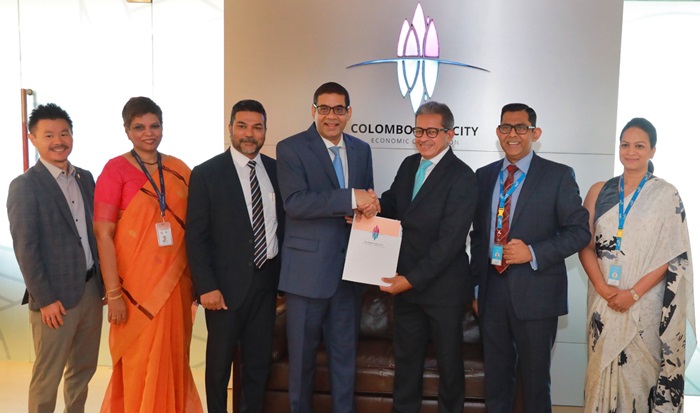
Colombo (LNW):The Colombo Port City Economic Commission (the Commission) yesterday announced that three leading commercial banks of Sri Lanka, the Commercial Bank, Hatton National Bank (HNB), and Sampath Bank, have been issued an Authorized Persons (AP) license from the Colombo Port City Economic Commission.
This significant development marks a major milestone in the development of the Colombo Port City SEZ as a premier international business and services hub in South Asia, a world-class project, transforming Sri Lanka’s economic landscape.
The Commission reiterated its strong commitment to collaborating with the Central Bank of Sri Lanka, the Securities and Exchange Commission, and the Insurance Regulatory Commission of Sri Lanka to ensure that robust and streamlined guidelines are in place to drive the success of the Colombo Port City as a premier multicurrency, export of services SEZ.
Breaking new ground on the nation’s economic revival, Sri Lanka’s leading private sector bank, HNB PLC became one of the first bank’s to be granted an Authorized Person (AP) License to operate within the Colombo Port City Special Economic Zone (SEZ)
The AP License was granted to HNB by the Colombo Port City Economic Commission following a series of strict evaluations, legal and preliminary regulatory approvals.
“As a heritage brand within the Sri Lankan economy, we have been present at the inception of every major pillar of the nation’s economic development, senior official of the bank said.
We are proud to continue that legacy today, as one of the first bank’s to receive preliminary approvals to operate within the Port City Colombo, he added.
Sampath Bank PLC has announced their first step in getting qualified as an Authorized Person and to be permitted to engage in offshore banking business in and from the area of authority of the Colombo Port City.
It will be receiving the Authorized Persons (AP) License from Colombo Port City Economic Commission (CPCEC) and Certificate of Registration as an Off-shore Company from Registrar General of Companies.
This is the first milestone after the receipt of Monetary Board concurrence in 2022 for the issuance of a banking license to engage in business under the Colombo Port City Economic Commission Act, No 11 of 202
As a systemically important bank that is deeply integrated with all facets of the domestic economy, we see Port City Colombo opening-up unprecedented opportunities for the nation, and its corporates.