March 31, LNW (Colombo): In response to growing concerns over low-quality coal imports, a parliamentary committee has called for an immediate and environmentally responsible plan to manage ash generated by the Norochcholai Lakvijaya Power Plant.
During a recent session of the Sectoral Oversight Committee on Environment, Agriculture and Resource Sustainability, officials revealed that ash emissions have risen significantly due to issues with coal quality used in power generation.
Chaired by Parliamentarian Hector Appuhamy, the committee warned that improper disposal could lead to serious environmental consequences. Authorities have been instructed to develop a disposal strategy under the guidance of the Puttalam District Secretary.
The committee also suggested exploring ways to recycle the collected ash for industrial use, with any resulting revenue directed toward welfare initiatives for communities impacted by the power plant.
Additionally, the Central Environmental Authority has been tasked with submitting a detailed report on potential air and water pollution linked to the plant. The North Western Provincial Environmental Authority has also been asked to respond within two weeks to concerns raised by the committee.
Despite the increased ash output, provincial officials maintain that the plant’s filtration systems are capable of effectively controlling emissions.
After a turbulent year, Sarath Ganegoda has finally resigned from SriLankan Airlines. For months, his tenure was at the centre of debates over governance, financial sustainability, and the national airline’s ability to compete in an intensely competitive aviation market. His departure is widely seen as a necessary step to restore confidence in the airline and the broader industry.
Governance Questions from Day One
Ganegoda’s appointment immediately raised eyebrows due to his corporate ties with Hayleys PLC, a major Sri Lankan conglomerate with aviation interests. Observers flagged potential conflicts of interest from the outset. Twelve months on, the airline reportedly continued to lose around Rs. 400 million per day—underscoring persistent questions about leadership accountability and decision-making.
Longstanding Operational Challenges
SriLankan Airlines has struggled for decades against well-capitalized international carriers and efficient regional hubs. Despite its strong brand and strategic location, the airline has accumulated significant losses, often placing a heavy burden on public finances. Past governments, irrespective of political affiliation, attempted reforms from restructuring to partial privatization—but sustainable turnaround has remained elusive.
Private Interests vs Public Responsibility
Ganegoda’s affiliations with Hayleys intensified concerns about governance. Hayleys participates in airline representation and logistics worldwide. Critics argue that overlapping roles between private conglomerates and state enterprises can blur lines of accountability, compromise board independence, and risk transparency—issues common across emerging economies.
The GSA Factor
The General Sales Agent (GSA) model is central to airline sales. Third-party companies handle ticketing and representation in markets where airlines have no direct commercial presence. For instance, British Airways uses GSAs in many countries. In Sri Lanka, GSAs connected to major conglomerates, including Hayleys, have represented foreign carriers. Critics note that such arrangements can create an uneven playing field for the national carrier if governance safeguards are insufficient.
Temporary Gains, Structural Problems
Supporters of private-sector leadership argue that experienced executives can bring efficiency, discipline, and global best practices. SriLankan Airlines did see operational improvements under focused management on routes, fleet efficiency, and partnerships. Yet, these gains were often temporary, highlighting the need for structural reform rather than short-term fixes.
The Call for Accountability
The airline’s situation underscores a broader issue for state-owned enterprises: balancing professional management with public accountability. Transparent governance, robust oversight, and independent boards are essential. If losses continue, the airline’s leadership and policy decisions must be scrutinized. Sri Lanka cannot afford to allow national assets to remain trapped in cycles of mismanagement. Strong governance frameworks and clear separation between private corporate interests and state responsibilities are essential to safeguard taxpayer money and ensure that the national carrier can regain competitiveness in the international aviation market. In the public interest a complaint should be made to the bribery commission to investigate the mismanagement and conflicts during Ganegoda’s tenure as Chairman of the Airline .
March 31, LNW (Colombo): Warm weather conditions prevailing over the island are expected to continue.
Showers or thundershowers may occur at a few places in Western and Sabaragamuwa provinces and in Galle and Matara districts in the evening or night.
Mainly dry weather will prevail over the other parts of the island.
Misty conditions can be expected at some places in Central, Sabaragamuwa and Uva provinces and in Galle and Matara districts during the early hours of the morning.
The general public is kindly requested to take adequate precautions to minimize damages caused by temporary localized strong winds and lightning during thundershowers.
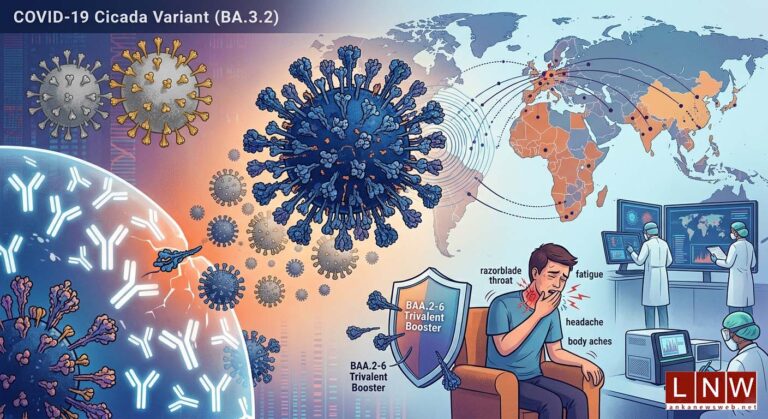
March 30, Colombo (LNW): A newly identified COVID-19 subvariant, known scientifically as BA.3.2 and informally dubbed “Cicada”, is drawing increasing global attention as health authorities monitor its spread and unusual genetic profile.
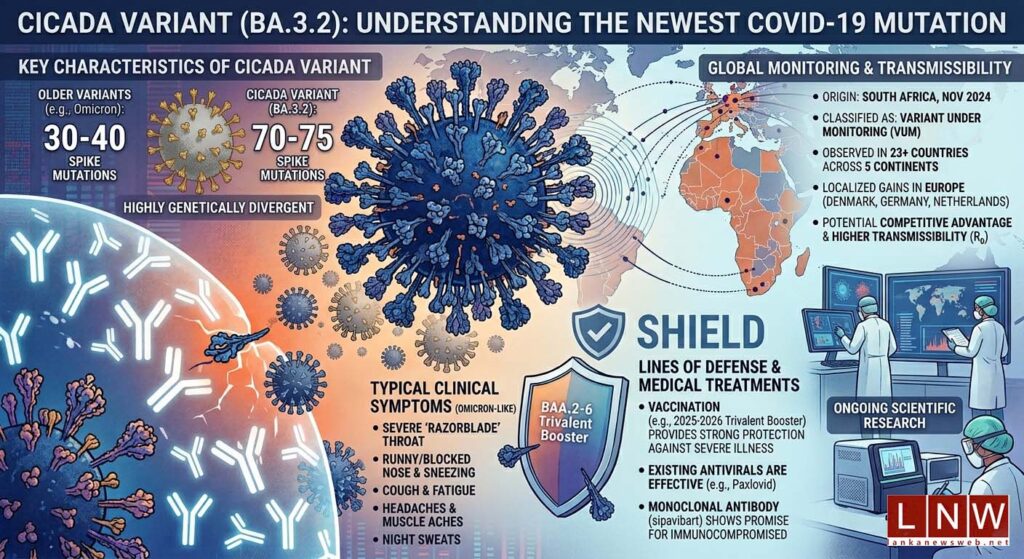
First detected in South Africa in November 2024, the variant has now been identified in more than 23 countries across five continents, underscoring the continued evolution of the SARS-CoV-2 virus.
Despite the growing scrutiny, experts caution against alarm. Current evidence suggests that while Cicada is highly mutated and potentially more capable of evading immunity, it does not appear to cause more severe illness than earlier variants such as Delta or Omicron.
At the centre of scientific concern is Cicada’s mutation profile. The variant carries between 70 and 75 mutations in its spike protein alone—significantly higher than the 30 to 40 mutations typically seen in recent strains. This spike protein is critical, as it enables the virus to bind to human cells and is the primary target of existing vaccines.
The scale of these mutations has led researchers to describe the variant as “highly genetically divergent”, raising questions about how effectively current immunity—whether from vaccination or prior infection—can respond.
Laboratory studies have already indicated that Cicada demonstrates enhanced immune escape. In practical terms, this means the variant can partially bypass antibodies generated by existing COVID-19 vaccines or past infections, increasing the likelihood of reinfection. However, scientists emphasise that immune escape does not automatically translate into more severe disease.
Clinically, Cicada appears to mirror the symptoms associated with Omicron and its subvariants. Patients typically report a runny or blocked nose, sneezing, a severe sore throat—often described as a “razorblade throat”—alongside cough, fatigue, headaches, muscle aches, and night sweats. While these symptoms can be uncomfortable, there is no evidence thus far to suggest an increase in hospitalisations or mortality linked specifically to this variant.
The World Health Organisation (WHO) has classified BA.3.2 as a “Variant Under Monitoring” (VUM), the lowest level in its tracking system. This designation indicates that while the variant’s mutations warrant observation, there is currently no confirmed evidence of increased public health risk. Health authorities, including the CDC, stress that surveillance efforts are focused primarily on understanding its immune evasion capabilities rather than responding to any heightened severity.
Geographically, Cicada’s spread has been notable but uneven. It has gained particular traction in parts of Europe, where it accounted for roughly 30 per cent of sequenced cases in countries such as Denmark, Germany, and the Netherlands between late 2025 and early 2026.
Nevertheless, its global share remains relatively low—estimated at under 5 per cent of sequenced cases—though experts caution that limited genomic surveillance in many regions may mask its true prevalence.
Another area of active research is transmissibility. While no definitive reproduction number (R₀) has yet been published, early indicators suggest the variant may have a competitive advantage, particularly due to its immune escape properties. This could allow it to spread more easily in populations with existing immunity, even if it is not inherently more infectious in the traditional sense.
Vaccination remains a key line of defence, albeit with some caveats. Laboratory findings show reduced antibody neutralisation against Cicada compared to other circulating strains. However, vaccines—particularly the 2025–2026 trivalent booster—are still expected to provide meaningful protection, especially against severe illness. Real-world effectiveness data is still being gathered, leaving some uncertainty about the full extent of vaccine performance against this variant.
Encouragingly, existing antiviral treatments continue to hold up. Paxlovid remains effective, and the monoclonal antibody therapy sipavibart has shown preserved activity against the variant, offering a crucial option for immunocompromised individuals who may not respond well to vaccines.
For the general public, health guidance remains largely unchanged. Authorities recommend staying up to date with booster vaccinations, remaining vigilant for symptoms, and testing when necessary. High-risk groups—including the elderly and those with underlying health conditions—are advised to take additional precautions and consult healthcare providers for tailored protection strategies.
What remains unknown, however, is just as important. Scientists are still investigating the variant’s true transmissibility, the duration of immunity following infection, and its long-term clinical impact. These gaps highlight the ongoing need for robust genomic surveillance and international data sharing.
In essence, the Cicada variant represents a familiar yet evolving challenge. It underscores the virus’s capacity to adapt, but also the resilience of global public health systems that have learned to respond with vigilance rather than panic. For now, the message from experts is clear: stay informed, stay protected, and recognise that while the virus continues to change, the tools to manage it remain firmly in place.
*All information compiled from CDC, WHO, peer-reviewed publications, and reputable news sources dated March 2026.
March 30, Colombo (LNW): A 25-year-old lady of Sri Lankan heritage has been appointed Deputy Mayor of Pontault-Combault, a suburban town on the outskirts of Paris, marking a notable milestone in her rising political career.
Athithiya Anantharajah, whose family roots trace back to Kayts in Sri Lanka’s Jaffna district, officially assumed her new role in March 2026 following the latest municipal elections. Her appointment reflects both her growing influence in local politics and the increasing diversity within French civic leadership.
The daughter of Sri Lankan Tamil refugees who fled the civil conflict decades ago, Athithiya entered public service at just 19, beginning as a municipal councillor. Over the years, she has built a reputation for engaging with younger residents and promoting inclusive community initiatives.
During her tenure as Councillor for Youth from 2020 to 2026, she spearheaded several programmes aimed at empowering adolescents, including community outreach projects, environmental awareness campaigns, and initiatives supporting individuals with disabilities. Her efforts have been credited with strengthening youth participation in local governance.
In her new capacity as Deputy Mayor, Athithiya is expected to take on broader responsibilities, contributing to policy decisions and urban development projects while continuing to advocate for community cohesion.
Her appointment is being viewed by many as an inspiring example of second-generation immigrants shaping public life in Europe, while maintaining strong cultural ties to their heritage.
Hatton National Bank (HNB), Sri Lanka’s second-largest private bank, is now at the center of a corporate governance storm that raises serious questions about the protection of public deposits. Our earlier reporting highlighted the brewing crisis within the bank. In response, some insiders have sent threatening messages claiming we will “see you in court.” We welcome such scrutiny, where the focus should rightly be on how depositors’ money is safeguarded from questionable decisions made in the boardroom.
The latest development is the appointment of a new Chairman whose professional background lies primarily in the tobacco and beer industry. In addition, his role as Chairman of the State-Owned Enterprise (SOE) Restructuring Committee Suresh Shah has drawn criticism, with allegations that nearly Rs. 200 million was spent on consultants without meaningful results. An audit report on this matter is reportedly under investigation by the Bribery Commission . Furthermore, concerns have been raised that relatives connected to him are in arrears to the bank. These issues go beyond a mere mismatch of expertise; they raise serious questions about potential conflicts of interest at the highest level of an institution that depends entirely on public trust.
Employees, shareholders, and depositors have already voiced concerns, warning that such leadership choices could undermine the integrity of the bank. HNB’s greatest asset is the confidence of its depositors. Any perception that this trust may be compromised should trigger immediate alarm.
The bank has also recently witnessed a boardroom coup that exposed deeper governance weaknesses. Three independent directors—who hold no equity stake in HNB—effectively removed the respected lawyer Nihal Fernando, PC, from his role. The abrupt removal of such a seasoned legal professional is unprecedented and raises fundamental questions about accountability. Who benefits when experienced legal oversight is sidelined? More importantly, what safeguards remain to protect depositors from decisions driven by internal power struggles rather than sound banking principles?
Further concerns have emerged from employees, shareholders, and depositors regarding potential conflicts of interest involving the incoming Chairman. HNB is not a private enterprise where personal or related-party interests can override fiduciary responsibilities. It is an institution built on public deposits. Any misalignment at the top directly threatens the confidence of millions of depositors whose savings underpin the bank’s stability.
Despite these troubling developments, the Central Bank—under a Governor who holds regulatory powers greater than many of his predecessors—has remained silent. Public discourse and social media are increasingly filled with warnings, yet regulatory authorities appear reluctant to intervene. Such inaction risks eroding confidence in Sri Lanka’s banking system and sends a dangerous signal that governance failures at major financial institutions can go unchecked.
HNB’s predicament illustrates a broader systemic challenge: when boardroom politics, shareholder interests, and leadership conflicts intersect, it is the ordinary depositor who ultimately bears the risk. The removal of experienced oversight, combined with controversial leadership appointments, suggests a troubling breakdown in governance at the highest levels. A bank is not a private playground; it is an institution entrusted with the hard-earned savings of citizens.
Our reporting will continue to highlight these issues, emphasizing accountability, transparency, and the protection of depositors. If legal proceedings arise, they may provide an appropriate forum to examine these governance concerns in detail. But the larger question remains: how can a bank entrusted with public funds operate effectively when leadership decisions appear to undermine depositor confidence?
The unfolding situation at HNB is a stark reminder that the true strength of a bank lies not merely in profits, but in trust, governance integrity, and vigilant regulation. At HNB, all three are now under scrutiny. The coming weeks will determine whether Sri Lanka’s financial system will uphold its fiduciary responsibilities—or whether public confidence will be weakened by governance failures and internal power struggles.
March 30, Colombo (LNW): Sri Lankan authorities have successfully returned 30 individuals accused of serious crimes from overseas over the past three years, marking a significant push to bring fugitives to justice.
Police Media Spokesperson, Assistant Superintendent F. U. Wootler, confirmed that the latest among them is Prabhath Madusanka, also known as “Midigama Chuti”, who was repatriated to the country today. The suspect is believed to have links to organised criminal networks and faces allegations ranging from homicide and armed robbery to drug trafficking, weapons smuggling, and counterfeit currency operations.
Speaking at a media briefing in Colombo, the spokesperson stated that Madusanka will be produced before court, after which investigators are expected to seek a detention order to facilitate further questioning by the Criminal Investigation Department.
He highlighted that close collaboration with foreign law enforcement agencies has enabled Sri Lanka to secure the return of suspects even in cases where formal international alerts had not been issued. In total, 13 individuals have been repatriated under such arrangements, including two who were recently brought back from India.
According to police figures, international warrants remain active against dozens of other suspects linked to organised crime, signalling that efforts to track down fugitives are ongoing.
In a related development, authorities announced heightened security measures ahead of upcoming Easter Sunday observances. Personnel from the armed forces, police, intelligence units, and civil defence groups are set to be deployed across key locations to ensure public safety.
Meanwhile, island-wide operations targeting the illegal hoarding of fuel have led to the seizure of tens of thousands of litres of diesel, along with significant quantities of petrol and kerosene. Several suspects have been taken into custody in connection with these offences.
Police also confirmed that disciplinary action has been initiated against an Officer-in-Charge linked to a separate high-profile investigation, underscoring efforts to maintain accountability within the force as part of the broader crackdown.
March 30, Colombo (LNW): The Ceylon Petroleum Corporation (CEYPETCO) has reassured the public that the country’s fuel reserves are sufficient to meet demand until at least the middle of May, easing concerns over potential shortages.
Officials confirmed that previously arranged shipments are continuing to arrive as scheduled, helping maintain steady stock levels despite ongoing uncertainties in global energy markets.
At the same time, the Corporation is reviewing short-term distribution arrangements, particularly for the next couple of days, as they fall on odd-numbered dates under existing supply management measures. Authorities are assessing whether any adjustments are needed to ensure smooth and equitable access for consumers.
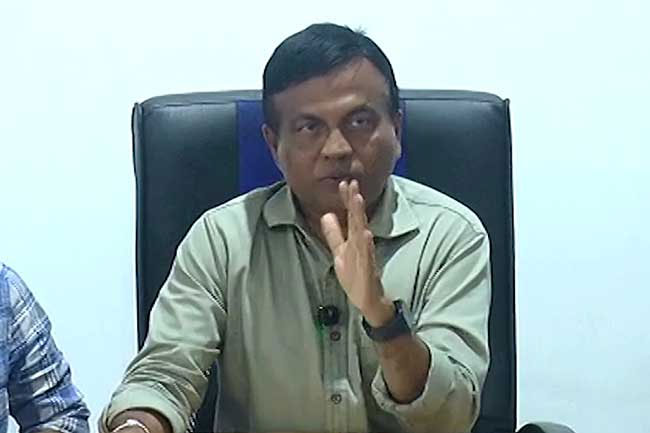
CEYPETCO Managing Director Mayura Neththikumarage stated that a final decision on how fuel will be distributed during this period is expected shortly, following consultations with relevant stakeholders.
The Corporation indicated that it remains focused on maintaining an uninterrupted supply chain while adapting distribution strategies when necessary, in order to prevent congestion at filling stations and ensure fair access across the country.
March 30, Colombo (LNW): Deputy Minister of Public Security Sunil Watagala has moved to clear up confusion surrounding his recent remarks on police authority, stressing that officers are legally permitted to carry out operations outside their designated areas when necessary.
Addressing questions from the media, Watagala explained that his earlier comments—made during a coordinating committee meeting in Maharagama—had been misunderstood.
He noted that his concerns were not about the legality of such operations, but rather about the misuse of authority by certain individuals within the force.
According to the Deputy Minister, recent findings suggest that a small number of officers had ventured beyond their official jurisdictions under the pretext of conducting raids, while allegedly engaging in improper activities, including soliciting bribes and manipulating evidence.
He pointed to a particular case in which discrepancies were discovered in seized narcotics, along with claims that suspects had been unlawfully substituted.
Watagala further revealed that the officers involved had reportedly acted without informing their station’s Officer-in-Charge, raising serious questions about their intentions. He maintained that such actions undermine public trust and must be dealt with firmly.
He also confirmed that renewed scrutiny of the incident led to the apprehension of the original suspect, who has since been remanded, while separate investigations are underway into the conduct of the officers concerned.
The Deputy Minister reiterated that his position remains clear: while police retain the authority to operate beyond their usual jurisdictions, such actions must be carried out transparently and with proper oversight. He added that ensuring accountability within law enforcement is essential to maintaining credibility and upholding the rule of law.
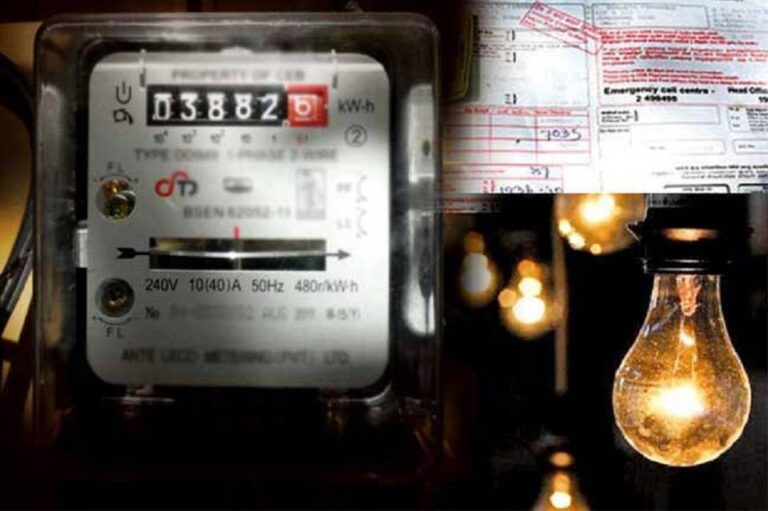
March 30, Colombo (LNW): Sri Lanka’s power regulator has announced a fresh adjustment to electricity tariffs for the second quarter of 2026, with households set to see varying increases depending on their level of consumption.
Under the revised structure, those using minimal amounts of electricity will experience only a modest rise in their monthly bills. However, as consumption increases, the adjustments become more pronounced, reflecting a tiered pricing approach aimed at encouraging energy conservation.
Consumers in lower usage brackets are expected to face relatively small increments, while middle-range users will see slightly higher additions to their bills. The most significant impact will be felt by households with high electricity usage, where tariffs have been raised sharply compared to previous rates.
Officials explained that the revision is based on current cost pressures within the energy sector, including generation expenses and broader economic factors affecting supply. The move is also intended to ensure the financial sustainability of electricity providers while maintaining service reliability.
The regulator indicated that the updated pricing model is designed not only to recover costs but also to promote more responsible energy consumption, particularly at a time when the country is navigating supply constraints and fluctuating resource availability.
Further reviews are expected later in the year, depending on changes in fuel prices, weather conditions affecting hydropower generation, and overall demand patterns.