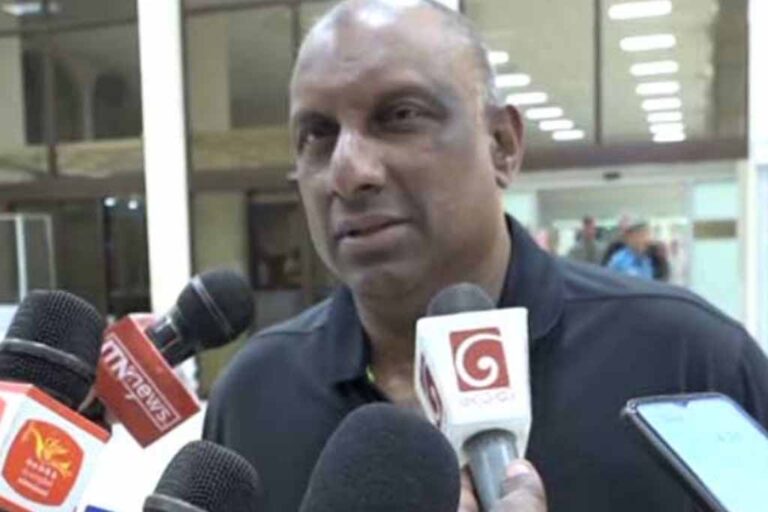
Colombo (LNW): Sri Lankan cricket legend Aravinda de Silva who was recently inducted into the ICC Hall of Fame alongside Diana Edulji and Virender Sehwag returned to Sri Lanka after the prestigious ceremony.
The three icons were inducted as numbers 110, 111, and 112, respectively, into the ICC Hall of Fame, which recognises cricket’s greatest international players.
Silva, known for his pivotal role in Sri Lanka’s 1996 Cricket World Cup triumph, celebrated the achievement upon his return to the Bandaranaike International Airport.
Speaking to the reporters, he expressed delight and optimism about the revival of Sri Lankan cricket. Silva emphasised the need for unity, a long-term action plan, and overcoming ego and blame games for the sport’s improvement.
Regarding the current national team’s struggles, he highlighted the importance of support and proper guidance to overcome challenges, concluding with a call for dialogue between Sri Lanka Cricket and the ICC to resolve the imposed suspension.
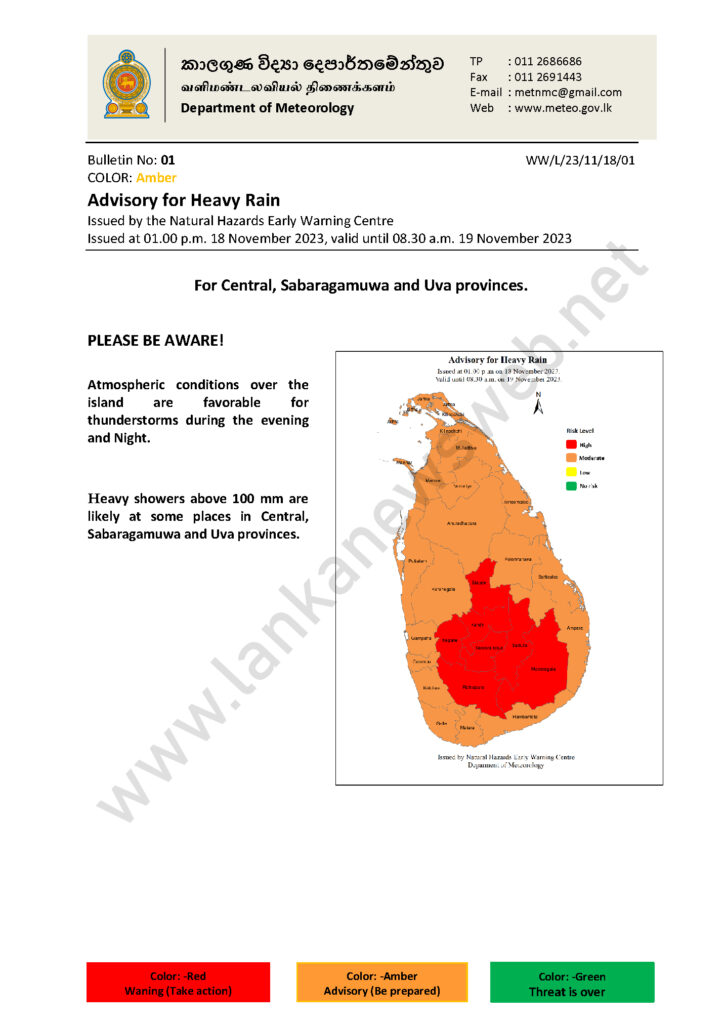
Colombo (LNW): Atmospheric conditions over the island are favourable for thunderstorms during the evening and night, the Natural Hazards Early Warning Centre of the Department of Meteorology said in an advisory statement today (18).
Heavy showers above 100 mm are likely to occur at some places in Central, Sabaragamuwa and Uva provinces.
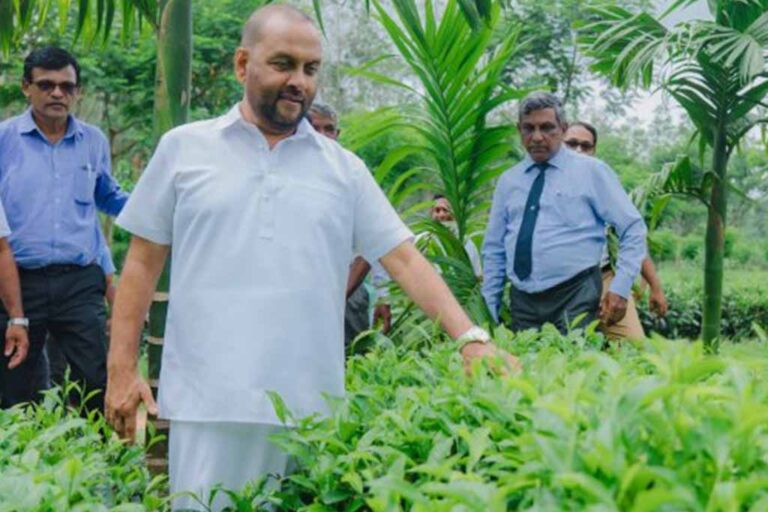
Colombo (LNW): Agriculture and Plantation Industries Minister Mahinda Amaraweera has directed the Smallholder Tea Development Authority and the Tea Development Authority to encourage the adoption of high-density cultivation methods and new technology in tea cultivation to enhance tea leaf yields.
During an observation visit to a successful seven-and-a-half-acre high-density tea plantation in Welipanna Peragaswatta, the Minister emphasised the benefits of this approach, allowing for the planting of 13,000 tea plants per acre and yielding 1500 kg of tea leaves, five times more than traditional methods.
He urged the promotion of this technique to increase income and announced plans to expand such projects in 2024, aligning with the President’s vision for technology integration in agriculture and plantation sectors.
Financial assistance of Rs. 1 million per acre has been provided to growers for these model tea cultivation projects.
Amaraweera’s directive aims to optimise land use and maximise tea yield through innovative methods.
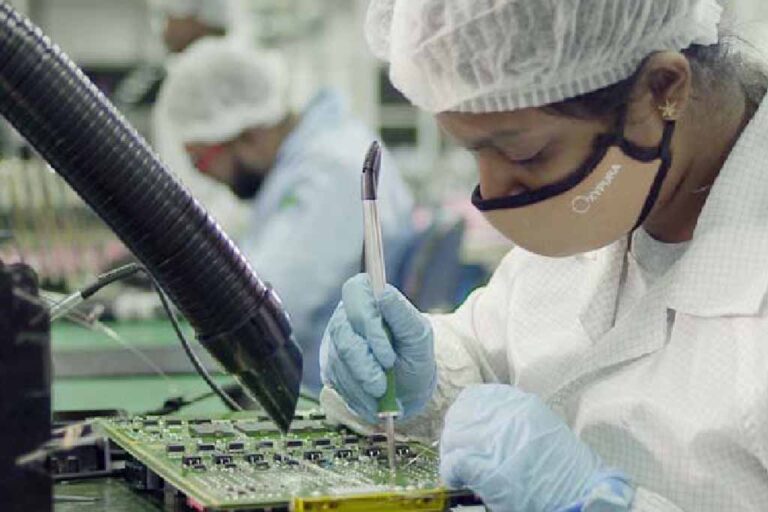
Colombo (LNW): The Sri Lanka Export Development Board (EDB), in collaboration with the Tertiary and Vocational Education Commission (TVEC), has introduced the “Production Associate – Manual Soldering” (NVQ Level 4) National Competency Standard to enhance the Electrical and Electronics sector in Sri Lanka.
This standard, developed as part of the Vocational Education and Training Plan (VET Plan), aims to bridge skill gaps and fulfill training requirements within the industry.
Jointly funded by the EDB and TVEC, with support from the Sri Lanka Electronic Manufacturers and Exporters Association (SLEMEA), the initiative seeks to address the shortage of manual workers and encourage youth participation in the sector.
Initiated in 2012, the VET Plan was upgraded by TVEC to cater to the needs of the Electronic and Electrical manufacturing and export-oriented industry.
The overarching goal is to attract youth to pursue education in this sector, ultimately increasing the pool of skilled professionals to meet industry demands.
This National Competency Standard is expected to contribute to the growth of the Electronic and Electrical Manufacturing sector, fostering sales, profits, and supporting the national export drive.
The collaboration between EDB and TVEC aims to alleviate human resources shortages in technical, craft, and operational occupations at the entry level over the next five years, contributing to the advancement of the Sri Lankan Electronics and Electrical Sector.
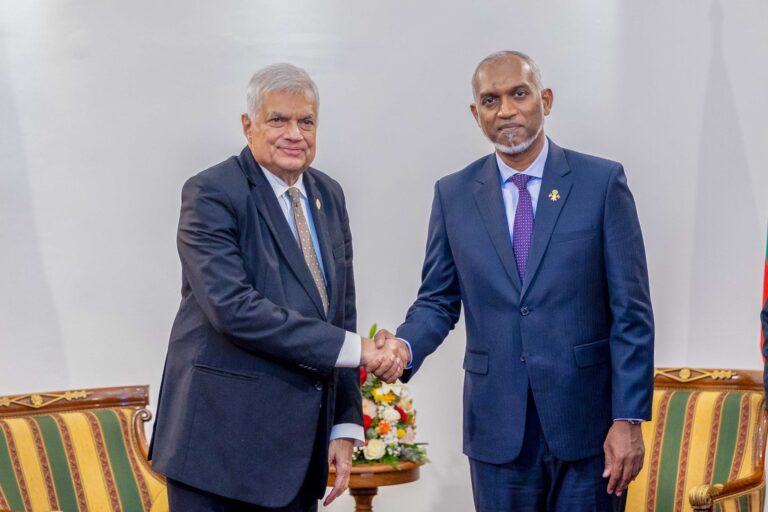
Colombo (LNW): Sri Lankan President Ranil Wickremesinghe extended congratulations to the newly inaugurated President of the Maldives, Dr. Mohamed Muizzu.
The two leaders engaged in discussions during President Wickremesinghe’s visit to Malé on Friday (17).
President Muizzu expressed gratitude for the Sri Lankan President’s attendance at the inauguration, emphasising the strong bilateral ties between the Maldives and Sri Lanka.
The leaders delved into the longstanding relations between their countries, exploring avenues to enhance collaboration.
Topics of mutual interest, such as education, multiple visa entry for students under 18, and economic recovery efforts, were discussed during the meeting.
President Wickremesinghe extended an invitation for President Muizzu to make a state visit to Sri Lanka, which was graciously accepted.
Colombo (LNW): The Government has shared the terms of a $ 4.2 billion China debt deal with other creditors — a key sticking point with countries like India — paving the way for more loans from the International Monetary Fund.
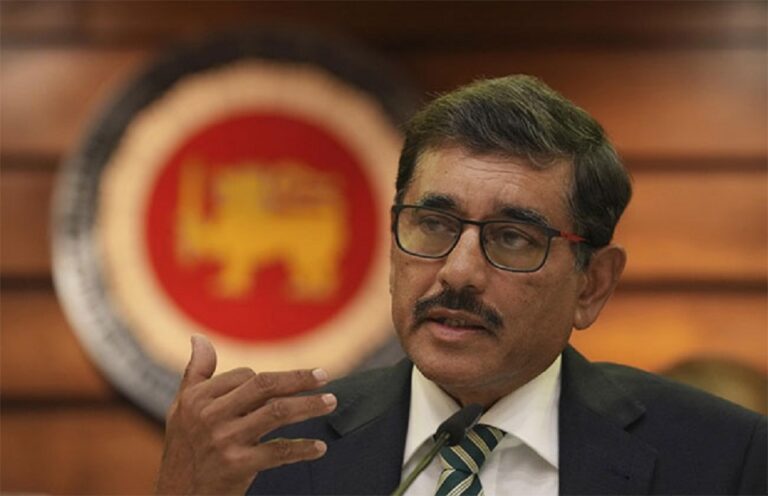
This was confirmed by Central Bank Governor Dr. Nandalal Weerasinghe adding that he hopes the official creditors committee, which is led by Japan, India and the Paris Club of nations, will now propose an agreement to restructure Sri Lanka’s debt.
He expects that will allow the IMF to approve a payout of $ 330 million before the end of the year.
The indicative terms agreed with China Exim Bank will provide the necessary fiscal space for Sri Lanka to implement its ambitious reform agenda.
The Government commends the engagement and continuous support of China Exim bank in reaching this agreement in principle, which demonstrates a mutual commitment in line with the goal/objective of restoring public debt sustainability consistent with the IMF-supported program.
The Sri Lankan authorities hope that this landmark achievement will provide an anchor to their ongoing engagement with the Official Creditor Committee and commercial creditors, including the bondholders.
It should also facilitate approval by the IMF Executive Board of the first review of the IMF-supported program in the coming weeks, allowing for the next tranche of IMF financing of about US$334 million to be disbursed.
The Secretary to the Treasury K M Mahinda Siriwardana said “the agreement marked a big step for Sri Lanka as we reach this landmark agreement in principle on debt treatment terms with our largest single creditor.
This agreement constitutes a key milestone in Sri Lanka’s ongoing efforts to foster its economic recovery.”
The Sri Lankan authorities and China Exim bank will actively work on formalizing and implementing the agreed parameters of the debt treatment. with China Exim Bank agreed to provide the necessary fiscal space for Sri Lanka to implement its ambitious reform agenda.
Sri Lanka has also received a debt restructuring proposal from a group of dollar bondholders, which didn’t get the backing of the Government.
Weerasinghe said the authorities continue to engage with commercial lenders, who may also be waiting to assess the debt proposal from bilateral creditors.
Colombo (LNW): The services sector continued its expansion in October but the recent electricity hike and proposed higher VAT from January have clouded its outlook, the Central Bank highlighted.
On the other hand, the manufacturing sector contraction had softened in October and immediate prospects looked better due to the festive season.
CBSL said manufacturing PMI recorded an index value of 49.5 in October 2023, reaching towards the neutral threshold, during the month.
Considering the sub-indices, new orders and stock of purchases increased during the month, while production and employment remained contracted.
New orders expanded during the month, driven by the manufacture of textiles and wearing apparel sector, mainly attributable to the seasonal demand.
The decline in production was mainly due to the manufacture of food and beverages, partly owing to the prevailing extreme weather conditions.
Moreover, employment continued to decrease on a month-on-month basis as most of the firms only recruited for the resignations and retirements.
The overall stock of purchases increased during the month due to the accumulation of raw materials, targeting the seasonal production. Suppliers’ delivery time shortened at a slower pace during October compared to the previous month.
Expectations for the manufacturing activities for the next three months remained positive, mainly due to the expected increase in demand in the upcoming festive season.
CBSL said services sector in October 2023 has been continued expansion in the services activities.
This was led by the increases observed in new businesses, business activities and expectations for activity. Nevertheless, backlogs of work and employment contracted during the month.
New businesses increased in October 2023 compared to September 2023, particularly with the increases observed in financial services, wholesale and retail trade, other personal activities and insurance sub-sectors.
Business activities also expanded at a higher pace in October 2023 attributable to positive developments in most of the sub-sectors.
Accordingly, business activities in the financial services sub-sector continued to increase amid some improvements observed in credit demand.
Further, some notable developments were also seen in wholesale and retail trade, and other personal activities sub-sectors during the month.
Employment fell back below the threshold level after previous month’s marginal increase, while backlogs of work also decreased at a slower pace during October.
Expectations for business activities for the next three months continued to increase in October.
Many respondents highlighted the expected improvements in their business activities during the upcoming festive and tourist season.
However, some respondents expressed their concerns regarding the recent increase in the electricity tariff and the proposed increase in Value Added Tax.
Colombo (LNW): Sri Lanka will call for expressions of interest (EOI) in setting up nuclear power plants, with the aim of generating cheap electricity to support its economic recovery.
The government intends to include the safe use of nuclear energy as a part of the long-term generation plans,” Energy Minister Kanchana Wijesekera said in a post on the X social media platform, after meeting officials from the International Atomic Energy Agency in Colombo.
The government “will call for EOIs for establishing nuclear power plants & modern technology”, he said.
He said that Sri Lanka is evaluating offers for nuclear power plants from various countries, including Russia, the United States, India, and several European nations.
Met with the visiting officials of the International Atomic Energy Agency at the Ministry of Power & Energy. Discussed the structuring of a robust legal framework for Nuclear Energy integration, safe use of it, disposing waste & public awareness.
The International Atomic Energy Agency (IAEA) is studying Russia’s plans to build a nuclear power plant in Sri Lanka.
Rosatom, the Russian the State Atomic Energy Corporation will help build a nuclear power plant in Sri Lanka.
Minister Wijesekera dismissed claims of a deal with Russian nuclear giant Rosatom, emphasising the need to determine the appropriate technology for the country and pre-plan various factors.
“Besides Rosatom, other companies and countries, including India, European nations, and the United States, have presented proposals with different nuclear power plant technologies deemed suitable for Sri Lanka.
The objective is to select the most suitable technology that aligns with the country’s needs,” he told journalists at the Presidential Media Centre titled ‘Collective path to a stable country’.
He said the Ceylon Electricity Board’s (CEB) 2023-2042 generation plan does not include nuclear power, adding the necessity of assessing when nuclear power generation will be required.
Minister Wijesekera clarified that no agreement has been reached with any company or country regarding the construction of Sri Lanka’s first nuclear power plant by 2032.
Russia has expressed its willingness to build a nuclear power plant in Sri Lanka if granted permission by the Government, but concerns have been raised locally and internationally regarding such projects.
He stressed that opting for a nuclear power plant requires a well-considered decision, citing there are many aspects to be considered.
“We need not be fearful, as numerous nations worldwide have successfully embraced nuclear energy. Even our neighbouring countries such as India, Pakistan, and Bangladesh have opted for nuclear power plants,” he added
The primary source of energy in the island nation is from imported oil and coal, and hydropower. The government aims to produce 70% of its electricity from renewable sources by 2030 and it sees nuclear power as a low-carbon option for its energy mix. It aims to be carbon neutral by 2050.
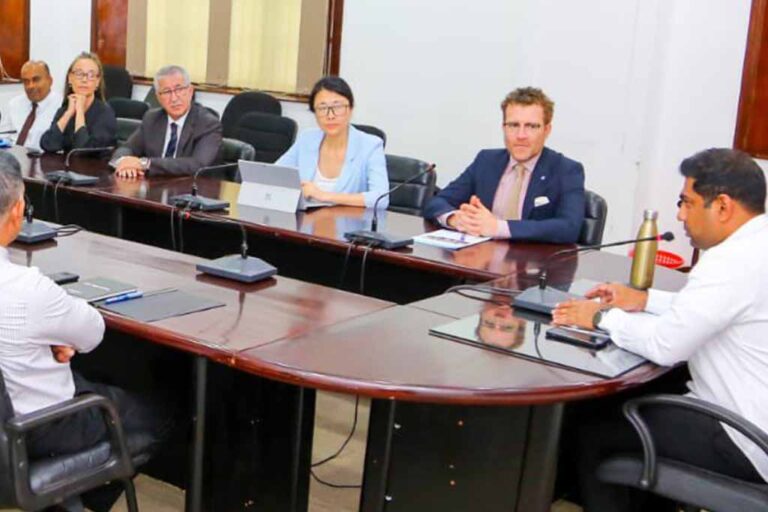
Colombo (LNW): The International Monetary Fund (IMF) is likely to approve the disbursement of the US$ 330 million second tranche of its $3 billion Extended Fund Facility to the country, finance ministry sources disclosed.
IMF staff and the Sri Lankan authorities have entered into a staff-level agreement on economic policies to conclude the first review of the 48-month EFF-supported programme following executive board approval last month.
Sri Lanka will have access to a second instalment of the EFF facility in financing once the review is approved by IMF Management and IMF Executive Board, an IMF spokesman revealed.
Macroeconomic policy reforms are starting to bear fruit and the economy is showing tentative signs of stabilisation.
Sustaining the reform momentum and addressing governance weaknesses and corruption vulnerabilities are critical to put the economy on a path towards lasting recovery and stable and inclusive growth.
The clearance of the second installment on the loan package will be approved during the IMF board meeting to be held in November or early December.
According to IMF sources, to move forward, they must be convinced that debt sustainability can be regained.
This conviction is based on the expectation that negotiations will lead to debt treatments which align with the debt targets set at the beginning of the programme in March.
Sri Lanka verifiably met 41 of the 73 trackable commitments that were due for completion by end-October 2023 in its ongoing programme with the International Monetary Fund (IMF), according to the latest update from ‘IMF Tracker’ of Verité Research.
The number of not met commitments was 11 and the status of 21 other commitments were ‘unknown’.
For comparison, by end-September Sri Lanka had verifiably met 40 of the 71 trackable commitments that were due for completion, with 10 ‘not met’ commitments and 21 unknown commitments.
One commitment was verifiably ‘met’ in October. This was obtaining parliamentary approval for the 2023 appropriation bill, with the planned expenditure being in line with the IMF programme.
The commitment to keep the stock of expenditure in arrears at a maximum of LKR 0 by June 2023 was reclassified from ‘unknown’ to ‘not met’ in October. This was the only commitment that became ‘not met’ in October.
The IMF has indicated that its evaluation for the next disbursement is limited to the commitments due up to the end of June. Sri Lanka had verifiably met 33 of the trackable programme commitments and ‘not met’ eight as of end-June.
Colombo (LNW): Dr. Palitha Mahipala is reportedly being considered to be appointed as the new Secretary to the Ministry of Health.
The former Director General of Health Services (DGHS) who currently serves as the World Health Organisation (WHO) representative in Pakistan is tipped to be appointed to the position, following the retirement of Mr. Janaka Sri Chandragupta, according to sources.
Dr. Mahipala previously served as the Additional Secretary of Health and Deputy Director of General Public Health Services.
He is qualified in the field of public health, health sector management, business administration and economic development, and is recognised as a prominent figure in the medical sector.
Dr. Mahipala is well known amongst the Sri Lankan LGBTQIA+ community for his groundbreaking intervention in 2016 for the introduction of the Gender Recognition Certificate (GRC), which is the key component allowing people of transgender identities to legally change their gender in Sri Lanka.