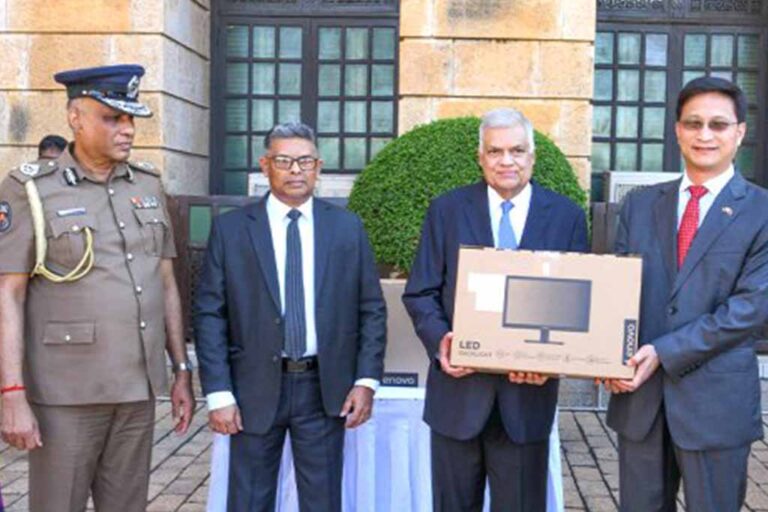
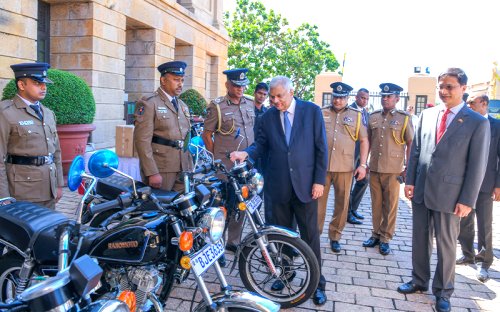
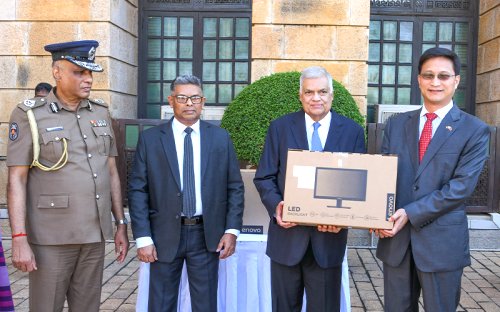
Colombo (LNW): In a significant ceremony at the Presidential Secretariat, the People’s Republic of China officially delivered 26 RANOMOTO motorcycles and 100 LENOVO desktop computers to bolster the operational capabilities of the Sri Lanka Police.
Responding to a request from Inspector General of Police (IGP) C.D. Wickramaratne, President’s Senior Adviser on National Security Sagala Ratnayake and the President’s Chief of Staff coordinated with Ambassador Qi Zhenhong to facilitate the handover.
The official transfer of documents occurred as Ambassador Qi Zhenhong presented the goods to President Ranil Wickremesinghe, with the event attended by high-ranking officials from the Chinese Embassy and the Police Department, including IGP C.D. Wickramaratne and Senior Deputy Inspector General of Police (Administration) Nilantha Jayawardena.
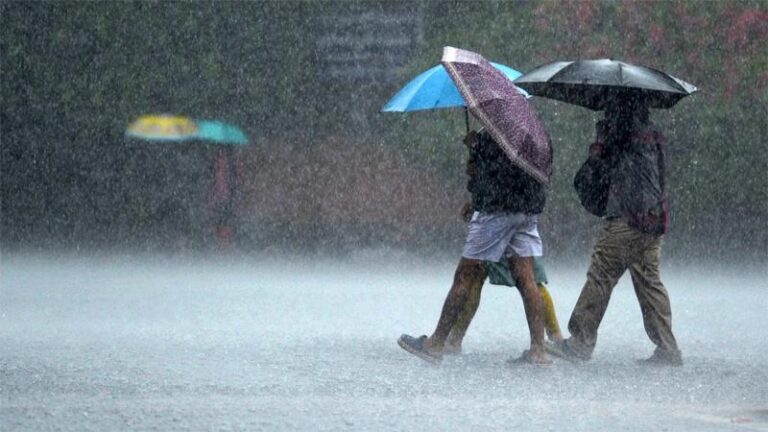
Colombo (LNW): Due to a low-level atmospheric disturbance in the vicinity of Sri Lanka, showery conditions are expected to continue further, the Department of Meteorology said in its daily weather forecast today (12).
Showers or thundershowers will occur at times in Northern, North-central, Central and Eastern provinces, and showers or thundershowers will occur at several places in other provinces of the island after 01.00 p.m, the statement added.
Heavy showers above 100 mm are likely at some places in Western, Central, Sabaragamuwa, Southern and Eastern provinces and in Kurunegala and Polonnaruwa districts.
Showers may occur in the coastal areas of Western and Southern provinces in the morning too.
The general public is kindly requested to take adequate precautions to minimise damages caused by temporary localised strong winds and lightning during thundershowers.
Marine Weather:
Condition of Rain:
Showers or thundershowers will occur at several places in the sea areas around the Island.
Winds:
Winds will be North-easterly or variable in direction and wind speed will be (20-30) kmph. Wind speed can increase up to 40kmph at times in the sea areas off the coast extending from Puttalam to Trincomalee via Mannar and Kankasanthurai.
State of Sea:
The sea areas off the coast extending from Puttalam to Trincomalee via Mannar and Kankasanthurai will be moderate. The other sea areas around the island will be slight. Temporarily strong gusty winds and very rough seas can be expected during thundershowers.
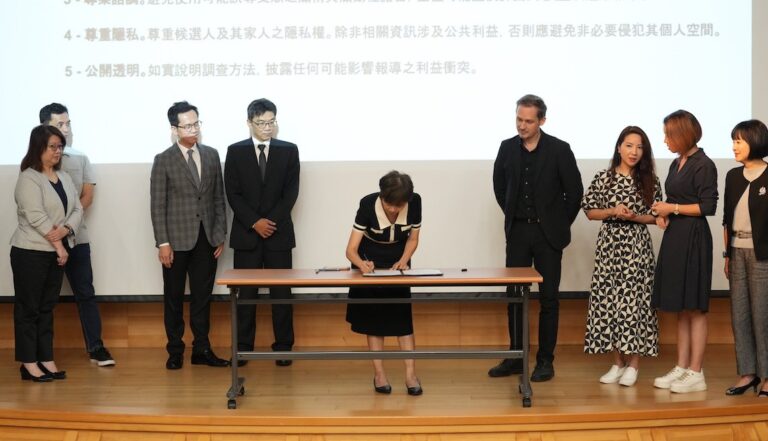
Following a call by Reporters Without Borders (RSF) and a coalition of NGOs, six major Taiwanese media outlets today have publicly pledged to better take in consideration journalism ethics in their coverage of the January 2024 general election.
As the January 2024 general election campaign heats up in Taiwan, six major Taiwanese media outlets have publicly pledged today to cover it with the highest consideration for principles of fair coverage, accurate reporting, professional tone, respect for privacy, and transparency. They answered to the call made last month by Reporters Without Borders (RSF) in partnership with Citizen Campaign for Media Reform (CCMR) and Taiwan Media Watch Foundation (TMWF), and with the support of the Association of Taiwan Journalists (ATJ) and Taiwan Media Workers Union (TMWU).
This appeal aims at restoring ties between the public and journalists, in a country which suffers from one of the lowest trust rates in the media among democracies (28%) and where the media community is often criticised for disregarding journalism ethics. What is more, the country is regularly the target of disinformation attacks, emanating primarily from China.
To address such issues of citizens’ right to trustworthy information, six media outlets have pledged their full attention to ethical coverage of the upcoming elections: national news agency Central News Agency (CNA), public broadcasters Chinese Television System (CTS), Public Television Service (PTS) and Radio Taiwan International (RTI), as well as private news outlets Watchout and New Bloom.
“This pledge can be a starting point for important conversations about journalism ethics across Taiwanese media”, New Bloom’s chief editor Brian Hioe stressed. “Media outlets should pay due diligence in their fact checking, and be fair to all candidates, when reporting on the general election,” asserts a representative of Citizen Campaign for Media Reform (CCMR).”
A shield against disinformation
“Ethical journalism is the only sustainable mechanism for a democracy to develop a natural immunity against disinformation. Enabling the journalism community to better identify fallacious content before it goes viral is essential to restoring public trust in the media”.
Cédric Alviani RSF Asia-Pacific Bureau Director
Taiwan, a liberal democracy, is the victim of growing media interference from the People’s Republic of China, who aggressively claims its sovereignty on the island. Taiwan’s journalists are also suffering from a very politically polarised media environment dominated by sensationalism and the pursuit of profit.
“Due to its peculiar geo-political circumstances, Taiwan is one of the most exposed countries to disinformation campaigns,” states a representative of Taiwan Media Watch Foundation. “Taiwan’s media environment is increasingly challenging due to the rise of AI-generated content”, said CNA’s chief editor Chris Wang.
In order to globally address the growing presence of false and manipulated information online, RSF together with several other civil society organisations initiated the Forum on Information and Democracy, which published in 2020 a set of 250 recommendations. RSF also launched the Journalism Trust Initiative (JTI) a mechanism to promote trustworthiness of news and information, which, to date, is used by more than 800 newsrooms worldwide to self-assess. In response to the rapid deployment of artificial intelligence (AI) in the media industry, RSF and its partners also launched an international committee to develop a charter aimed at regulating the use of AI in media.
Taiwan ranks 35th out of 180 in the 2023 RSF World Press Freedom Index. China, the world’s largest captor of journalists and press freedom defenders with at least 123 detained, ranks 179th.
REPORTERS SANS FRONTIÈRES / REPORTERS WITHOUT BORDERS (RSF)
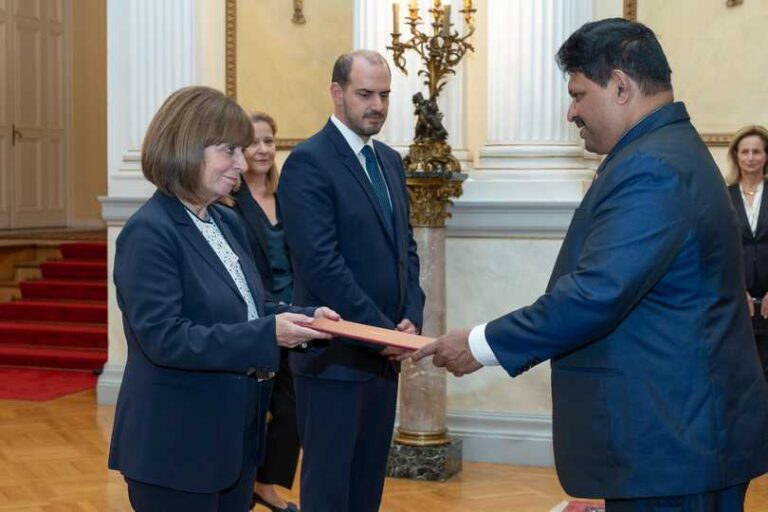
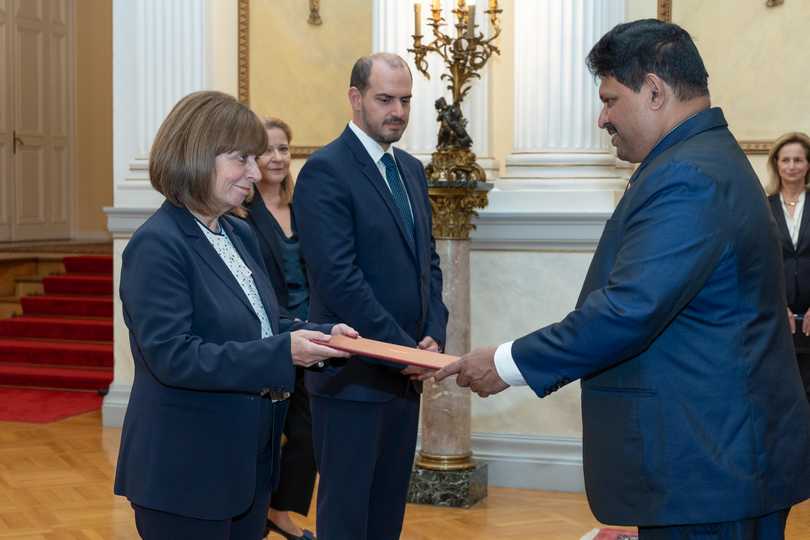
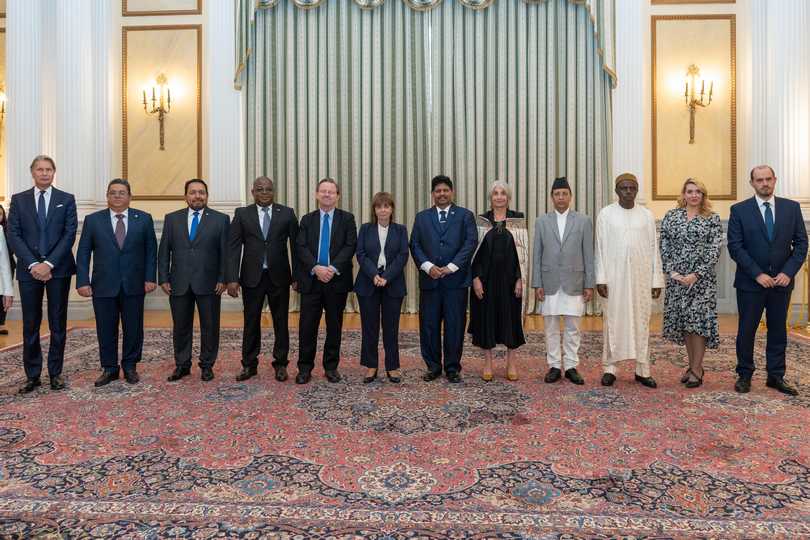
Sri Lankan Ambassador in Italy, Jagath Wellawatte, who is also concurrently accredited to the Hellenic Republic presented his Letters of Credence to President of the Hellenic Republic (Greece) Katerina Sakellaropoulou on 30 October 2023, at the Presidential palace in Athens, Greece.
At the Credential Ceremony, Ambassador conveyed the greetings of President Ranil Wickremesinghe to President Sakellaropoulou.
Following the Credential Ceremony, the Ambassador and Honorary Consul of Sri Lanka in Greece Michael Xynos called on the Minister of Labour & Social Security of the Hellenic Republic and discussed on entering into a Memorandum of Understanding in the field of Migration Mobility Partnership between the two countries.
Further, the Ambassador and the Honorary Consul had a meeting with the President of the Athens Chamber of Commerce & Industry Sofia Kounenaki and discussed the investment opportunities in Sri Lanka. During his visit to Athens, the Ambassador visited the Athens Buddhist Centre, the Honorary Consulate Office in Athens and met the representatives of the Sri Lankan community in Greece.
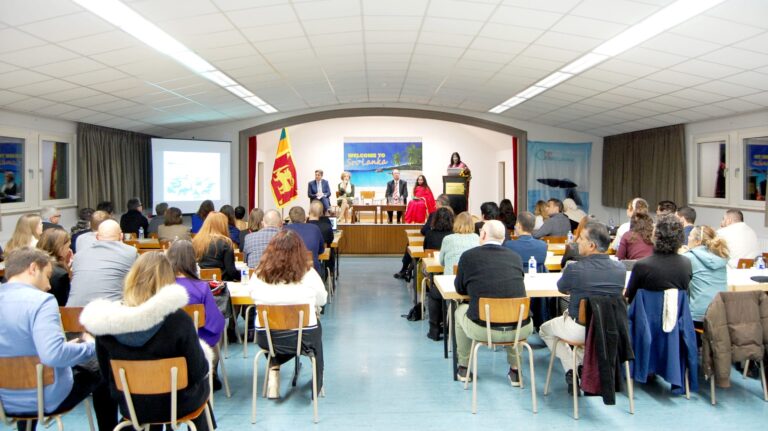
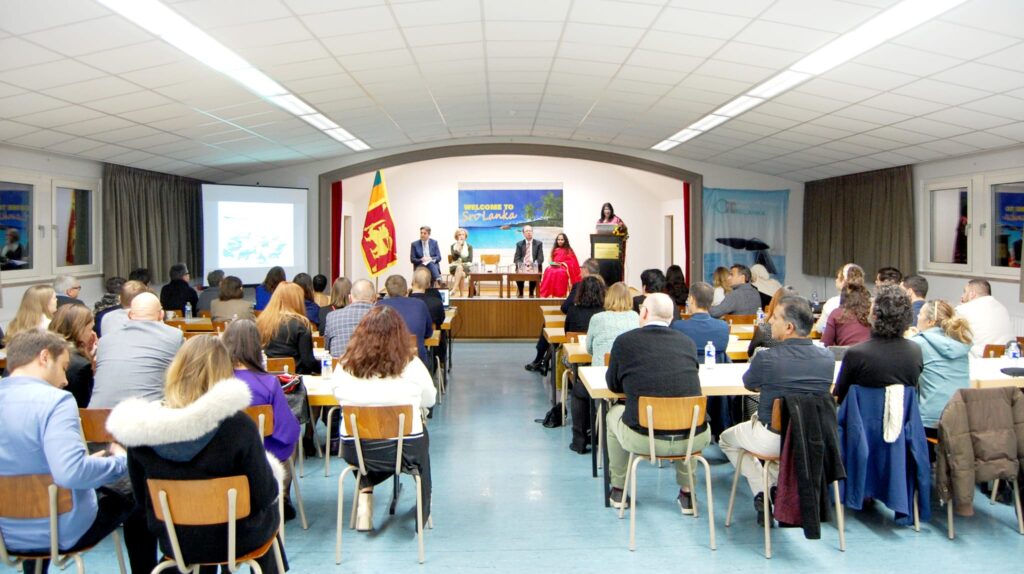
The Embassy of Sri Lanka in Brussels organized a tourism promotion workshop titled “Sri Lanka Odyssey: An Ultimate Experience of Lifetime”, in Luxembourg on 08 November 2023. This event aimed to introduce Sri Lanka as a must-visit destination to Luxembourg’s travel operators and tour agencies. The Emirates’ Belgium Office and the agent of Basilur Premium Tea, a Ceylon tea brand in Belgium, also joined the Embassy to promote Sri Lanka tourism in Luxembourg.
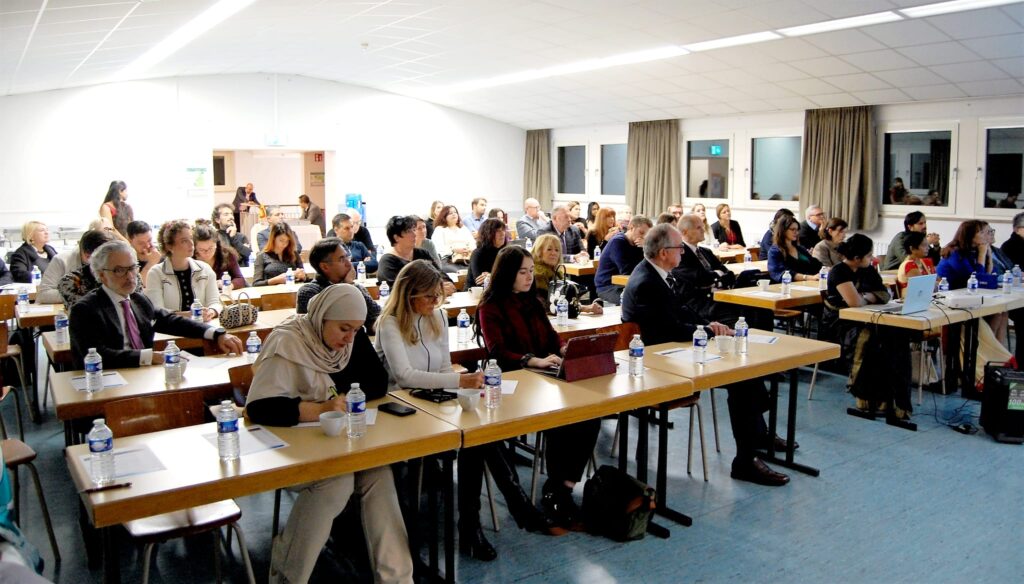
The workshop drew over 70 participants, comprising a diverse group of travel industry professionals, including tour operators, travel agents, bloggers, social media influencers, travel journalists, and TV professionals.
Sri Lanka’s Ambassador to Belgium and Luxembourg Grace Asirwatham provided a comprehensive overview of Sri Lanka’s tourism sector, showcasing pristine beaches, wildlife, nature reserves, tea gardens, cultural heritage, UNESCO sites, wellness tourism, and cultural activities.
Sales Manager at Emirates Airlines in Belgium Yuves Vanhaack emphasized the robust international connectivity that supports Sri Lanka’s tourism and highlighted the convenience of flying to Sri Lanka with Emirates, underscoring their premium facilities and seamless travel experiences.
Honorary Consul of Sri Lanka in Antwerp Monique De Decker highlighted adventure tourism and shopping opportunities in Sri Lanka, praising the warmth and hospitality of the Sri Lankan people.
Second Secretary of the Embassy Dulmini Dahanayake discussed diverse accommodation options, ranging from luxury to eco-friendly, all offering excellent value for money.
Luxembourg’s affluent tourists are evolving towards eco-friendly and sustainable tourism products, aligning with Sri Lanka’s commitment to responsible travel practices and environmental conservation. This shift positions Sri Lanka as an attractive destination for those seeking enriching, eco-conscious experiences. The Embassy of Sri Lanka in Brussels is following these evolving interests and fostering a strong partnership with tour operators in Luxembourg, with the aim of showcasing Sri Lanka as a top-tier holiday destination for their clients in Luxembourg.
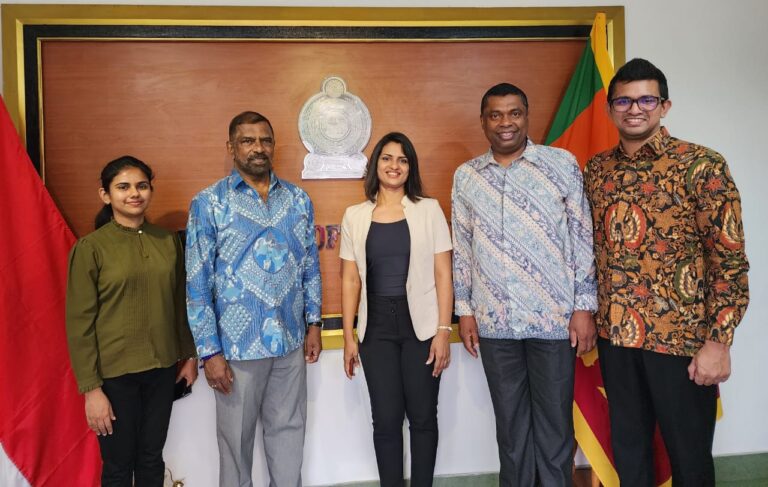
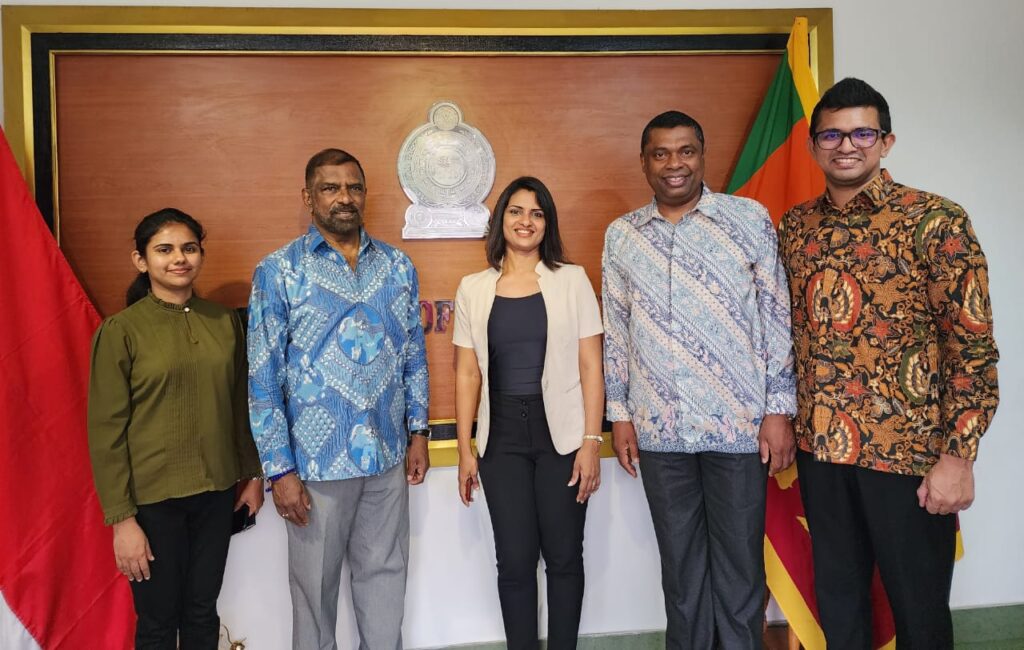
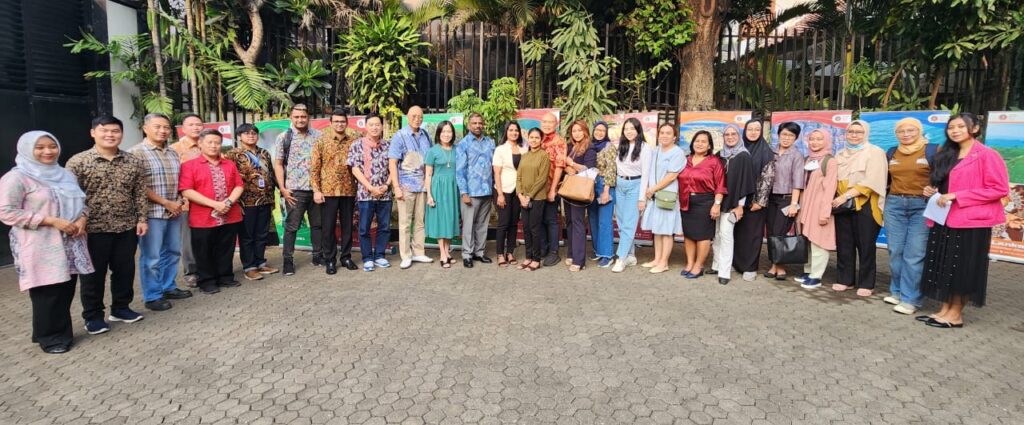
Colombo (LNW): The Sri Lankan Embassy in Jakarta facilitated a Business to Business (B2B) Travel Agents Gathering in collaboration with Jetwing Travel and Sri Lankan Airlines to promote tourism in cooperation with Indonesian tourism entrepreneurs, a statement by the Embassy of Sri Lanka in Jakarta said.
The gathering was held at the Embassy premises on 3 November 2023 and was attended by around 30 leading travel agent companies in Indonesia.
Sri Lanka Ambassador to Indonesia and ASEAN Admiral Prof. Jayanath Colombage expressed his hope that Sri Lanka – Indonesia cooperation in the tourism sector will be a long-term, sustainable collaboration and mutually beneficial for both countries.
The delegation from Jetwing Travel made a presentation regarding tourism packages to Sri Lanka with three options; general tour, umrah tour, and Buddhist pilgrims tour with different types of tour packages. The Sri Lankan Airline Deputy Manager in Indonesia discussed continued collaboration with Indonesia in tourism sector, presenting daily direct flights from Jakarta to Sri Lanka with many connectivity options.
Travel agents in Indonesia expressed keen interest to hold collective consortium meetings to further discuss the on-going collaboration in tourism sector.
Three individuals, including the Chairman of the Central Environment Authority (CEA), Supun Shashendra Pathirage, have been apprehended. Officers from the Commission to Investigate Allegations of Bribery or Corruption (CIABOC) carried out the arrests, alleging that the suspects had solicited a bribe amounting to Rs. 10 million.
According to sources, the alleged solicitation took place within the premises of the Ministry of Environment and Natural Resources, and it was related to a project undertaken by the CEA. The arrests highlight a significant development in the ongoing efforts to curb corruption within government agencies, particularly in projects involving environmental and natural resource management.
In the aftermath of heavy rains persisting for nearly one-and-a-half months, more than 11,750 acres of paddy fields, ready to be harvested in the last Yala Season, have been obliterated by destructive floods.
Minister Mahinda Amaraweera, overseeing the Agriculture and Plantation Industry, has directed the Agricultural and Agrarian Insurance Board to compile information on the extensive damage incurred by the fields during the prolonged and severe drought of the previous Yala Season.
The assessment reveals a staggering 64,088 acres of paddy fields damaged due to drought, affecting 11,460 farmers who have suffered losses from crop damage caused by the subsequent heavy rains.
Responding to the crisis, Minister Amaraweera has instructed the Chairman of the Agriculture and Agrarian Insurance Board, W. M. M. B. Weerasekara, to expedite the process of providing compensation for crop damage attributed to the drought. The Minister emphasized the urgency of disbursing these compensations within the current year. In the event of delays in government funds, Minister Amaraweera urged the board to utilize its resources to ensure timely relief for the affected farmers.
Acknowledging the challenges faced by farmers in resuming cultivation activities, particularly in the high season, the Minister underscored the importance of swift and comprehensive support to mitigate the impact of crop damage caused by the drought.
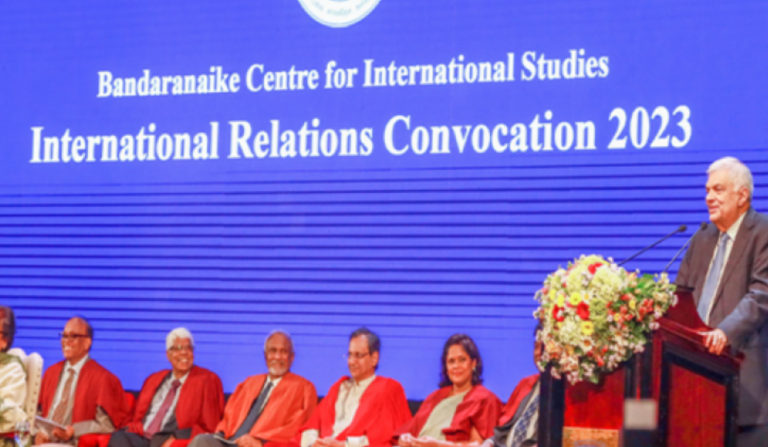
In a keynote address at the Annual Graduation ceremony of the Bandaranaike Centre for International Studies held at the Bandaranaike Memorial International Conference Hall (BMICH) in Colombo,Nov-(10), President Ranil Wickremesinghe outlined Sri Lanka’s strategic focus on expanding economic cooperation with key international partners.
President Wickremesinghe highlighted the country’s intent to foster economic collaboration with India and member nations of the Regional Comprehensive Economic Cooperation (RCEP), along with efforts to enhance ties with the European Union (EU). He underscored the historical significance of Sri Lanka’s foreign policy, citing the era from the late Prime Minister D.S. Senanayake to Mrs. Sirimavo Bandaranaike as a golden period.
At the ceremony, a total of 390 students who successfully completed their studies across various academic levels, including international relations certificates, diplomas, advanced diplomas, and post-graduate courses, were conferred with certificates. Additionally, commendable students who demonstrated outstanding academic performance during the years 2020, 2021, 2022, and 2023 were honoured with both certificates and gifts. The awards ceremony was conducted at the aforementioned venue, marking a significant recognition of academic achievements within this period.
Special honours were bestowed upon the late Jayantha Dhanapala and Mr. H. M. G. S. Palihakkara, prestigious diplomats by the President. In a touching moment, Mr. Sivanka Dhanapala, the son of the late Mr. Jayantha Dhanapala, received the award on behalf of his father.
The President addressed the challenges posed by the post-COVID 19 era, including the debt crisis, delays in achieving sustainable development goals (SGDs) and climate change issues. He acknowledged the complexities arising from the U.S.-China rivalry and its impact on global geopolitics, characterizing the current state as a ” geopolitics of the global poly-crisis.”
President Wickremesinghe highlighted that Sri Lanka is in the same line along with the ASEAN outlook for Indo-Pacific region and stressed the unique identities of the Pacific and Indian Oceans. He noted China’s preference for the Asia-Pacific concept and the Belt and Road Initiative has established a connection between the Pacific Ocean and the Indian Ocean. In light of these developments, President Wickremesinghe underscored the crucial importance of preserving the Indian Ocean as a region free from great power rivalry. This emphasis reflects Sri Lanka’s commitment to maintaining the Indian Ocean as a zone of cooperation and stability, irrespective of broader geopolitical dynamics.
The President expressed Sri Lanka’s support for debt relief for low-income countries in African region and proposed a focus on the tropical belt for climate change mitigation. He called for global cooperation on these matters and emphasized the significance of maintaining the global trade system.
President Ranil Wickremesinghe underscored the vital importance of maintaining the global trade system. He emphasized the need for consensus among nations before implementing significant changes, highlighting the necessity for collaborative decision-making.
Expressing concern over the on-going conflict in the Gaza Strip, the President stated that resolving the situation cannot be achieved by targeting the leadership of the Hamas organization alone. He advocated for an immediate ceasefire to prevent further escalation, emphasizing the urgency of diplomatic efforts to address the complex issues surrounding the conflict.
The President also expressed optimism regarding a positive outcome in resolving the current global situation. He anticipates progress to be made during the upcoming meeting between U.S. President Joe Biden and Chinese President Xi Jinping at the APEC Summit in San Francisco. The expectation is that this high-level diplomatic engagement will contribute to addressing key international concerns and fostering constructive dialogue between the United States and China. The President concluded by emphasizing the need for collective efforts to overcome global complexities.
The event was graced by the presence of notable dignitaries, including Former President Chandrika Bandaranaike Kumaratunga, State Minister of Foreign Affairs Tharaka Balasuriya, Members of Parliament Anura Priyadarshana Yapa, Dr. Harsha de Silva, and Eran Wickramaratne were in attendance. The distinguished gathering also included Secretary to the Ministry of Foreign Affairs Aruni Wijewardene, New Zealand High Commissioner to Sri Lanka Michael Appleton, French Ambassador to Sri Lanka Jean-François Pactet, and Japanese Deputy Ambassador Katsuki Kataro, among other esteemed foreign diplomats and former ambassadors.
Furthermore, the event was attended by Professor Gamini Keeravella, the Executive Director of the Bandaranaike Centre for International Studies, members of the Management Council of the centre and academic staff. Their presence added to the significance of the occasion, reflecting a collective commitment to scholarly engagement and diplomatic discourse.