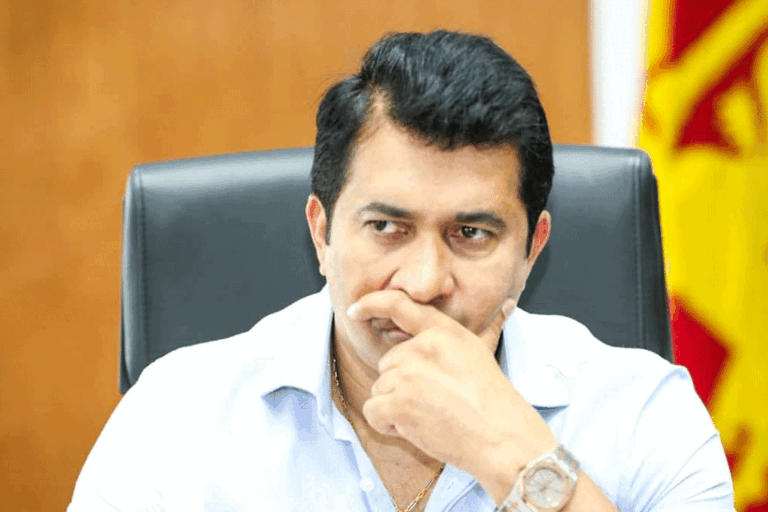
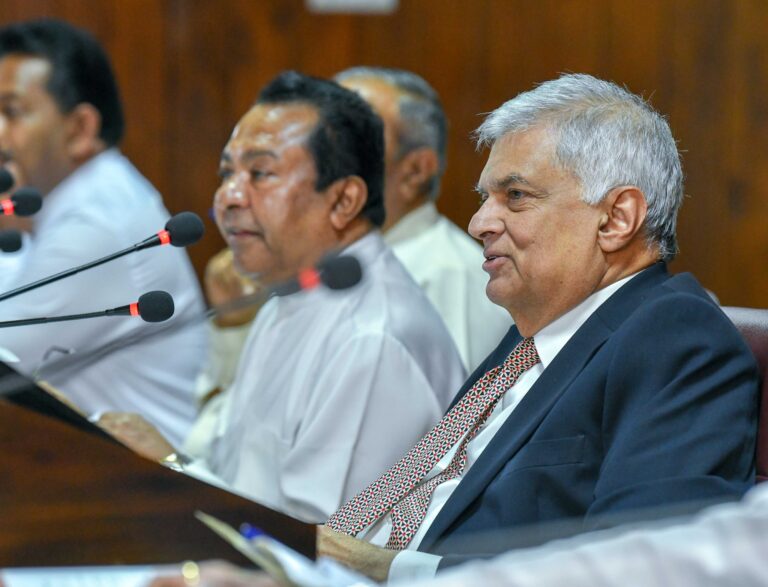
Although there are personal income tax files exceeding 2,92,000 in this country, only 31,000 of them are paying tax, Mahindananda Aluthgamage, Chair of the Sectoral Oversight Committee on National Economic and Physical Plans said. He pointed out that there are 105,000 registered limited companies in the country, but 82% of the tax revenue is received from only 382 companies.
The Chair also emphasised that it is important to maintain the inflation, the reserves of the country and the government’s income in an optimal condition by December by the time of the second review of the International Monetary Fund, given that the said factors must be taken into account when granting loans. Therefore, the Chair said that his Committee will hold regular discussions with Sri Lanka Customs, Excise Department and Inland Revenue Department to provide necessary facilities to increase the state revenue.
He stated the above when the Sectoral Oversight Committee on National Economic and Physical Plans met in Parliament recently (06).
The Chair spoke at length about the failure of the Inland Revenue Department to collect the tax revenue and stated that the Committee is making positive improvements in this regard. There was also a discussion about the collection of 904 billion rupees in arrears which is due to the Inland Revenue Department.
The Chair also pointed out that discussions are being held with the Minister of Justice to amend the Inland Revenue Act. He added that he would also provide his utmost assistance to fill the existing employee vacancies in the Inland Revenue Department.
The Inland Revenue Commissioner General who spoke on the occasion said that he appreciated the support received from the Sectoral Oversight Committee on National Economic and Physical Plans to make the work of his department efficient.
The Commissioner stated that the tax revenue target given by the government for the year 2023 of Rs 1.6 trillion was expected to be earned by 40% in the first 6 months and 60% in the remaining 6 months, and the target for the first 6 months has already been met. Apart from the said, he stated that work is being done to generate expected tax revenue in the remaining 6 months.
The Chair mentioned that there is a need to establish a systematic mechanism to regulate the collection of tax revenue. Members as well as officials pointed out that due to the fact that the data provided for the registration of companies in this country is not true, they have to face problems in tax collection.
The Committee also discussed at length the need to establish a digital data system linking the Sri Lanka Customs Department, the Excise Department and the Inland Revenue Department as soon as possible, as well as the need to re-register the private tax file in the country.
Members of the Committee Wimalaweera Dissanayake, Eran Wickramaratne, Sudath Manjula, Gunathilaka Rajapaksha, Dhammika Perera, Udayana Kirindigoda, Karunadasa Kodithuwakku, Madhura Withanage, and Mohomad Muzammil were present at the Committee meeting held.
A group of officials including the Inland Revenue Commissioner General was also present at the Committee meeting held.
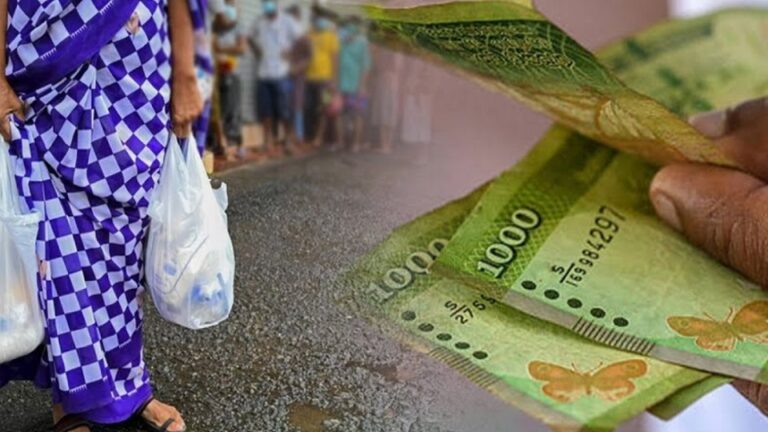
The government has spent Rs. 144 billion on welfare benefits last year and as per the agreements with the IMF and World Bank Sri Lanka had agreed to spend a minimum of Rs. 187 billion annually on welfare benefits State Minister of Finance Shehan Semasinghe said.
Meanwhile, the government expects to spend Rs. 206 billion annually on ‘Aswesuma’ program, he said.
It has taken about 20 years to put in line a systematic and a transparent method to identify the underprivileged and those in need of welfare benefits, the State Minister added.
Out of the 982 770 appeals has been received thus far, significantly 650,000 appeals have been received by the individuals whose names are already in the published list.
Meanwhile the first payment will be made within this month for all candidates elected and who have not received objections or appeals, State Minister Shehan Semasinghe said.
Commencing from August 1st, those who could not apply for ‘Aswesuma” this year or failed to submit appeals will have another chance to do so, he added.
He expressed these views July (12) during a press conference themed ‘Collective Path to a Stable Country’ held at the Presidential Media Centre (PMC).
State Minister of Finance Shehan Semasinghe further commented;
The time period given to all applicants whose names were not included in the list of ‘Aswesuma’ beneficiaries to file appeals terminated in July 10.
Accordingly 982 770 appeals and 62 368 objections has been received thus far.
Arrangements have been made to commence investigations pertaining to these appeals and objections received by the Divisional Secretaries under the supervision of District Secretaries.
Out of the 982 770 appeals that have been received thus far, significantly 650,000 appeals have been received by the individuals whose names are already in the published list demanding to upgrade their names from the category they are already in, to a category with more benefits. Only after investigating these appeals will a final decision will be made regarding which categories the benefits should be distributed under. They will either stay in the same category they have already been chosen or have their category modified.
In addition to this, only about 350,000 appeals have been received from those who have not been selected.
1287747 families already receiving ‘Samurdhi’ benefit have applied for ‘Aswesuma’. Out of them 70% (887 653) family units have been identified to be eligible to receive ‘Aswesuma’.
As per the directions of President Ranil Wickremesinghe it has been decided to execute the current list of beneficiaries receiving differently-abled, elderly, and kidney support allowances without subjecting to any change until a new system is implemented within a time period of 03-06 months.
We are working to make the first payment within this month for all candidates elected and who have not received objections or appeals.
We believed we would get more than 800,000 appeals. Accordingly, the appeals we have received thus far are within our estimated amount.
Accordingly, these appeals and objections will be promptly investigated and if the investigations reveal that he/ she/ family unit, is eligible to receive ‘Aswesuma’, their ‘Aswesuma’ allowance due on July, will be added to the August allowance and paid to that family.
Commencing from August 1st, those who could not apply for ‘Aswesuma” this year or failed to submit appeals will have another chance to do so.
‘Aswesuma’ hopes not to cut off any benefit received by low income groups or individuals receiving any form of welfare benefit but to enter all who eligible into the welfare system without losing anyone, State Minister of Finance Shehan Semasinghe said.
PMD: Presidential Secretary Mr Saman Ekanayake stated that President Ranil Wickremesinghe’s goal is not to pass the task of reconciliation in Sri Lanka to the next generation, but to solve it now.
The President’s Secretary pointed out that there is a strong need to resolve the issues related to the reconciliation process, and that if this effort is successful, there will be no need for the country to go to the UN Human Rights Council in Geneva for another year.
Mr. Saman Ekanayake, made these remarks at a civil society awareness discussion on the Truth and Reconciliation Mechanism held two day ago (11) at the Presidential Secretariat under the chairmanship of Foreign Minister Mr. Ali Sabri.
The Foreign Minister explained the objectives of the Truth and Reconciliation Mechanism, and the role of the Truth and Reconciliation Commission was discussed at length.
Mr. Saman Ekanayake, who sought the views and suggestions of the members of the civil society organisations who were present on the achievement of the objectives of the establishment of the commission, also stated that he expects everyone’s support to make the reconciliation process a success.
He emphasised that the agreement and support of all citizens is needed to move forward as a country.
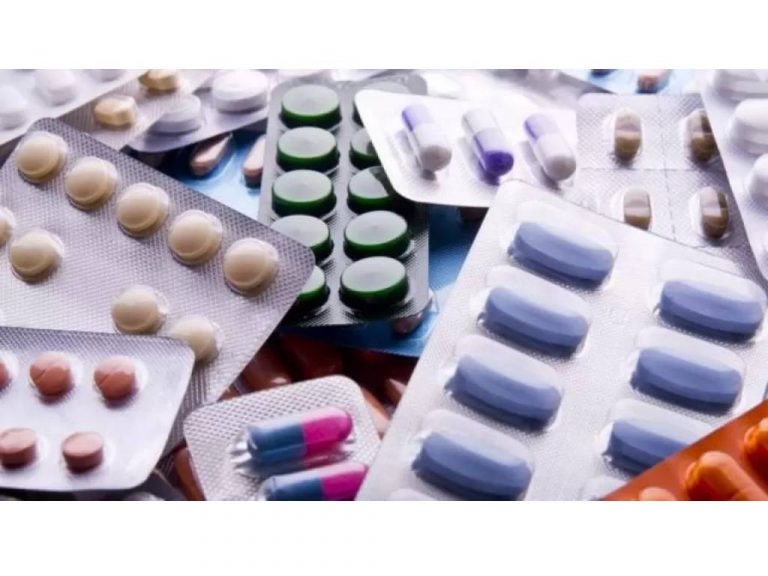
Someone in Sri Lanka, right now as I write, is distraught because a child, a parent or a loved one has died, is dying or is seriously ill due to lack of medicine and medical care.
Some die because doctors just cannot handle the overwhelming number of patients, or they simply cannot afford the eyewatering private hospital charges. In a world of increasingly glaring disparities, we could dismiss such situations as inevitable, especially in a time of unprecedented economic stress, but such dismissal can only be defended if all necessary steps have been taken to ensure that what is possible can indeed be delivered. It is abundantly clear that this is not the case.
We are not talking about critical care necessitating costly drugs and sophisticated surgery, but non-serious medical situations that can be and have been treated successfully in Sri Lanka.
In a time of crisis hard choices must be made. Priorities must be revisited and revised. Cutbacks are inevitable even when it comes to areas that have previously been treated as untouchable. This is true of households, and it is true of nations. Consumption patterns quickly change in poorer households. Relative luxuries are shelved, but a lot of care is taken to make sure that nutrition and health are not compromised beyond certain minimum levels. It is not hard to understand. In the end it is life that counts. It is the same with a country. A nation without people is not a nation. A nation in which people are sick and cannot get the treatment is a sick nation. No amount of debt restructuring can cure such a nation.
Professionals jumping ship
Falling ill even with a minor malady has become a major matter. The severe dearth of medicines and medical equipment and the growing cost of health care constitute one side of the problem. The other side is the prevailing trend of medical professionals leaving the country, especially the most qualified and competent among them. In fact, we often hear of the accomplishments of Sri Lankan doctors currently domiciled or have citizenship in other countries. A massive loss in and of itself, but one that can easily get much worse considering that the best among those who chose to stay are contemplating leaving or have already left.
The bottom line is that we just cannot let our doctors go. Each and every one of us will one day be forced to put our lives in the hands of a doctor. A doctor is a treasure. Doctors and nurses are invaluable. We need them and they need to be protected.
Some short-sighted commentators who perhaps cannot see beyond the rupees and cents of things have seen this as a positive trend, considering the possibility of dollar and euro remittances. But what happens when the best healers leave the country? Aren’t they also the ones who set the standards? Aren’t they the principal mentors of the next generation of physicians? And since most of them are not just going abroad just for employment but are actually migrating with their families, how much will they remit, if at all? When doctors leave, there’s a very negative message being sent to everyone including other professionals: ‘leave if you can!’
Sri Lankan medical professionals are second to none in the world. This is true of doctors and other categories in the health sector such as nurses and medical technicians. They work tirelessly in less-than-ideal conditions. Despite meagre resources and having to attend on an inordinate number of patients, they are one of the main reasons why Sri Lanka’s health system is the envy of her neighbours and countries in the same or even higher brackets of economic prosperity. While there are those who chide doctors for engaging in private practice, it is often forgotten that the vast majority of them consider their work in the state-run hospitals as their primary vocation, despite the comparatively small remuneration package.
They don’t neglect this work. They not only work but incur the wrath of some who forget that Sri Lanka is not an affluent country and are ignorant of the fact that doctors in such countries see a fraction of the patients our doctors attend to for a fraction of the salary. We should not forget that even though working under extremely trying circumstances Sri Lankan doctors are among the most accessible professionals in the world.
Let us recall the adage, ‘people leave managers, not companies.’ It is applicable here. The one thing that can make a dent in the ongoing ‘brain drain’ is strong, compelling, articulate, and empathetic leadership.
Captain lacks support from crew
The onus in this crisis-ridden climate falls directly on President Ranil Wickremesinghe. In his favour is the fact that he had the self-belief that no one else had to take control of a sinking ship. He’s steadied it, picked a course and although it is still taking in a lot of water, there’s hope that it will remain afloat.
On the downside is the fact that he’s playing a lone hand for all intents and purposes. He has no team worth that name. So, it is a solo game. He’s a man with a country to worry about walking a tight rope that is suspended over an abyss while detractors at either end tweak the rope. To use a cricketing analogy, he’s the only one in the team who can be called a halfway decent batsman and halfway decent bowler; except that he must keep wickets, coach the team and chase the red cherry simply because the fielders seem to have sprung roots.
All the more reason for the president, handicapped as he is, to take matters into his own hands. The time for outsourcing responsibility for the health sector is long past. He can and must speak to the medical fraternity. It is unlikely they’ll listen or be moved by anyone else. The President himself has to convince them of the plans to turn things around, what has been done, what is going to be done, and why their support at this hour is so crucial for the wellbeing of the country and its citizens.
Such an address is necessary but certainly far from sufficient. The health sector serves the public, but it includes private enterprises. We have channelling services, dispensaries, all kinds of clinics, laboratories, nursing homes, care giving outfits and fully fledged hospitals. These too are faced with the same human resources problems. On the other hand, the potential for the expansion of this segment of the sector, the setting up of new private hospitals for example, needs to be explored and facilitated. If the market is expanded leading to greater competition, private health care might become more affordable and therefore more accessible to a larger share of Lankans.
With proper policy backing, there’s nothing to stop reputed universities the world over partnering such private hospitals to train doctors, nurses, and other medical professionals. For all this, the regulatory mechanism needs to be revisited and streamlined. Again, the onus is on the president. He can and must take the initiative to create the conditions. He can and must lay the foundation to turn Sri Lanka into a medical tourism hub for the region where all these facilities are complemented by the focused and planned development of the indigenous medical system in the country.
The same goes for the pharmaceutical sector. The question of affordability can be resolved to a great extent if competition is encouraged, and mechanisms set in place to ensure standards. Resolving the criminally tragic situation prevailing in the NMRA – a direct result of interference by incompetent politicians – is an urgent must. Conditions can be created to encourage investors, local and otherwise, to set up such industries here in Sri Lanka. The ‘greener pastures’ that medical professionals seek abroad can be ‘grown’ right here in this island.
All hands on deck
The President could start by talking to the business leaders in and out of the health sector. They need to be convinced that the problem is serious, and he is serious about not just resolving immediate issues but setting the wheels in motion to make things work in the long run.
The President has to convince the professionals that it is worthwhile fighting this battle. He must give them a reason to stay. He has to say it and do it. He must show vision and develop a plan based on this vision. He must demonstrate commitment to execute this plan. He must put together a team that can support him. He must set deadlines and work towards meeting them. Dispatching acquaintances to deputise for him in the matter of investigating random allegations will just not do it. Simply put, problems of this nature cannot be outsourced.
There’s someone somewhere grieving over a loved one who passed away or is about to because of a condition that would have been curable if curable ailments of the system had been sorted out. The dying person or the person who died could be you or me. You or I could be the person grieving. It is nothing but a tragedy when someone cannot buy medicine for a child or a parent. It is downright uncivilised in fact. Only those in such situations truly understand the dimensions of the tragedy. Unfortunately medical professionals are fighting a difficult battle, a battle which could be won if the relevant authorities opened their eyes, used their brains, and showed some kind of leadership. Politicians don’t need our health system. When they are unwell, they seek treatment not in our hospitals but abroad. The absolute majority of our people do not have that choice. They will live or die here. Can the President deliver for them?
Colombo (LNW): Several spells of showers will occur in Western, Sabaragamuwa and North-western provinces and in Kandy, Nuwara-Eliya, Galle and Matara districts, the Department of Meteorology said in its daily weather forecast today (13).
Showers or thundershowers may occur at a few places in Uva province and in Ampara and Batticaloa districts during the evening or night, the statement added.
Fairly strong winds about (40-45) kmph can be expected at times in western slopes of the central hills, Northern and North-Central provinces, and in Puttalam, Hambantota and Trincomalee districts.
General public is kindly requested to take adequate precautions to minimise damages caused by temporary localised strong winds and lightning during thundershowers.
Marine Weather:
Condition of Rain:
Showers or thundershowers will occur at a few places in the sea areas off the coast extending from Puttalam to Matara via Colombo and Galle.
Winds:
Winds will be south-westerly and speed will be (20-30) kmph. Wind speed may increase up to (40-50)kmph at times in the sea areas off the coast extending from Hambantota to Pottuvil and in the sea areas off the coast extending from Puttalam to Kankasanthurai via Mannar.
State of Sea:
The sea areas off the coast extending from Hambantota to Pottuvil and in the sea areas off the coast extending from Puttalam to Kankasanthurai via Mannar will be fairly rough at times. Temporarily strong gusty winds and very rough seas can be expected during thundershowers.
Colombo (LNW): Spanning 269 hectares of ocean reclamation, Port City Colombo, which also includes first ever Special Economic Zone dedicated for exports of services is providing reliefs for investors include concessionary 50% tax rate; enhanced capital allowance; flexibility of currency choice on payment of dividends or other financial benefits by businesses
Initial 5-year roll-out plan envisages US $ 5.6 b in FDI which will fast-track Sri Lanka’s economic recovery, positioning both Port City and Sri Lanka as leading player in service export industry
Overall, Colombo Port City envisages creating over 140,000 direct job opportunities and contribute $13.8 b to Sri Lanka’s GDP annually
Estimated fiscal revenue of $ 1.7 b is expected at construction stage while recurring revenue of approximately $ 700 m per annum is expected at operational stage of project
In a major breakthrough to boost foreign direct investments, the incentives and tax exemptions for investors intending to start ventures in the Colombo Port City have been published by the Government via Extraordinary Gazettes (2339/31 and 2339/32) dated 7 July.
Two prospective groups of investors have been identified who will be able to avail themselves of these incentives and tax exemptions.
Businesses that invest $ 100 million per plot of land or a pro-rated investment in a subdivided plot of land according to the Colombo Port City (Development Control) Regulations or one that will make an investment of a minimum of $ 25 million in the plots of land for the Marina will be entitled to exceptions or incentives according to several schemes set out in the gazette.
These include an incentive of 50% of the prevailing corporate tax rate applicable for the respective year of assessment under the Inland Revenue Act, No. 24 of 2017 from all gains and profits and an incentive of an enhanced capital allowance of 300% of the expenses incurred on depreciable assets,
A second gazette issued on the same date stated companies can pay investors dividends or any other financial benefit on the investment in a designated foreign currency other than in Sri Lanka Rupees.
The Commission has leased out marketable land to a person or company under section 39 of the Act and a dividend or any other financial benefits accrues to the investor within a period of five years from the date of the lease paid,
It also set out that businesses operating within the Port City may accept payments in Sri Lankan Rupees in respect of any goods or services provided subject to several conditions including depositing it in a Rupee account of a licensed commercial bank and converting it to another currency through the same.
The gazette also identified investments that will be considered Secondary Businesses of Strategic Importance. These can include companies working in the areas of global and regional economic activity in international trade, shipping logistic operations, offshore banking and finance, IT etc ,
The initial 5-year roll-out plan envisages $ 5.6 billion in FDI which will fast-track Sri Lanka’s economic recovery, positioning both Port City and Sri Lanka as a leading player in the service export industry.
Overall, Colombo Port City envisages creating over 140,000 direct job opportunities and contributing $13.8 billion to Sri Lanka’s GDP annually.
Estimated fiscal revenue of $ 1.7 billion is expected at construction stage while a recurring revenue of approximately $ 700 million per annum is expected at the operational stage of the project.
Colombo (LNW): In a significant move towards State Owned Enterprise (SOE) reforms, seven identified entities the will set to undergo reforms under the supervision of transaction advisors soon.
Cabinet of Ministers at its meeting recently approved the recommended transaction advisors for this purpose.
“The decision is in line with the policy directive set by the government and aims to ensure effective and transparent divestiture of key entities,” said State Owned Enterprises Restructuring Unit (SRU) Director General Suresh Shah.
Under the leadership of President Ranil Wickremesinghe the relevant proposal was presented to the cabinet of ministers was approved resulting in the appointment of International Finance Corporation (IFC) a member of the World Bank Group for the divestiture of SriLankan Airlines Ltd., Lanka Hospitals Corporation PLC and Sri Lanka Telecom PLC.
For the four other entities Sri Lanka Insurance Corporation Ltd (SLIC), Hotel Developers Lanka Ltd (Hilton), Canwill Holdings Ltd (Hyatt) and Litro Gas Ltd (Litro, including Litro Gas Terminals Ltd) was carried out through a competitive bidding process following Government’s Consultant Procurement Guidelines.
Both local and international advisors submitted proposals, which were evaluated by a Special Cabinet Appointed Consultants Procurement Committee, appointed by the Cabinet. Following the procurement process, the committee recommended the appointment of transaction advisors as follows:
• Litro Gas Ltd (Litro, including Litro Gas Terminals Ltd): Deloitte Touche Tohmatsu India (Deloitte India) has been appointed as the transaction advisor.
• Canwill Holdings Ltd (Hyatt): Deloitte Touche Tohmatsu India (Deloitte India) has been appointed as the transaction advisor.
• Hotel Developers Lanka Ltd (Hilton): Colliers International Consultancy and Valuation (Singapore) Ltd and Platinum Advisors has been appointed as the transaction advisor.
• Sri Lanka Insurance Corporation Ltd (SLIC): Alvarez & Marsal Middle East Ltd., and Capital Alliance Partners LTD has been appointed as the transaction advisor.
Shah said the agreements with respect to these appointments will be concluded shortly, setting the stage for the next phase of the divestiture process including investor engagement.
To ensure transparency in the divestiture process, prospective investors will be invited to express interest (EOI) via advertisements to be published in both the local and international press.
Investors shortlisted via the EOI process will be provided access to data rooms populated with information necessary for a comprehensive due diligence.Thereafter such investors will be Requested to submit both technical and financial proposals in response to a Request for Proposals (RFP).
“These divestitures are expected to contribute towards sustainable economic growth and a more competitive economy whilst better safeguarding citizens interests,” Shah added.
Colombo (LNW): The government is fully determined to revitalize tax files that became defunct due to stupid policy of the previous regime by introducing massive tax cuts and abolishing certain revenue generating taxes following its first cabinet meeting in 2019.
Individuals who open income tax accounts under a gazette notice will not be asked questions on tax returns not filed of prior years, State Minister for Finance Ranjith Siyambalapitiya said.
Sri Lanka issued a gazette requiring, doctors, lawyers and vehicle owners to open an income tax account from June 01, and anyone over 18 years from next year.
There has been a decline in Sri Lanka’s tax base between 2019 and 2020 with 33.5% decline in the number of registered taxpayers (corporate and individual) in the country. T
his decline is most probably associated with the major changes in tax policy introduced in December 2019, particularly the increase in thresholds for Value Added Tax (VAT) and the abolition of Pay As You Earn (PAYE) tax.
The Chairman of the Sectoral Oversight Committee on National Economic and Physical Plans, Mahindananda Aluthgamage said that although there are 500,000 personal income tax files in this country, only 31,000 of them are paying tax.
During the Sectoral Oversight Committee meeting held recently in parliament, he pointed out that there are 105,000 registered limited companies in the country, but 82% of the tax revenue is received from only 382 companies, the Department of Communications of the Parliament reported.
The Chairman also emphasized that it is important to maintain the inflation, the reserves of the country and the government’s income in an optimal condition by December by the time of the second review of the International Monetary Fund (IMF), given that the said factors must be taken into account when granting loans.
Therefore, the chairman said that his committee will hold regular discussions with Sri Lanka Customs, Excise Department and Inland Revenue Department to provide necessary facilities to increase the state revenue, the statement said.
Aluthgamage spoke at length about the failure of the Inland Revenue Department to collect the tax revenue and stated that the committee is making positive improvements in this regard.
There was also a discussion about the collection of Rs. 904 billion in arrears which is due to the Inland Revenue Department, it added.
Furthermore, he pointed out that discussions are being held with the Minister of Justice to amend the Inland Revenue Act.
The Inland Revenue Commissioner General stated that the tax revenue target given by the government for the year 2023 of Rs. 1.6 trillion was expected to be earned by 40% in the first 6 months and 60% in the remaining 06 months, and the target for the first 6 months has already been met.
Apart from the said, he stated that work is being done to generate expected tax revenue in the remaining 6 months. The Chair also mentioned that there is a need to establish a systematic mechanism to regulate the collection of tax revenue.
Members as well as officials pointed out that due to the fact that the data provided for the registration of companies in this country is not true and that they have to face problems in tax collection.
The Committee also discussed at length the need to establish a digital data system linking the Sri Lanka Customs Department, the Excise Department and the Inland Revenue Department as soon as possible, as well as the need to re-register the private tax file in the country, according to the statement.
Colombo (LNW): The long-awaited development of Hambantota district is set to gain momentum again, as the Cabinet of Ministers approved to entrust the responsibility of preparing a master plan to Singapore-based renowned Surbana Jurong Ltd again.
This development plan will be prepared for the implementation of the envisaged integrated development of the Hambanthota town (Municipal Council) area.
Hambantota is one of the most important hub in the shipping lanes of the Eastern and Western world countries and has the potential to create a national and international development network and the plan expects to have its economic impact in Sri Lanka.
Similarly, Hambantota is administratively the main town in the district, providing services to a large area.
“Although the Cabinet had previously approved the appointment of Surbana Jurong Ltd., in 2018 to obtain consultation services for a regional plan and a detailed master plan of Greater Hambantota, the implementation of the decision had been pending.
Now, recognising the significance of Hambantota’s development, the Government has deemed it appropriate to engage the same consultancy firm that was entrusted with preparing master plans for Colombo city, the Western province, and the strategic development of the tourist zone in the Eastern province,” Cabinet Co-Spokesman and Minister Banduala Gunawarena said.
Speaking at the post-Cabinet meeting media briefing he said by assigning the responsibility to Surbana Jurong Ltd., the Government aims to leverage the expertise and experience of the consultancy firm in urban planning and strategic development.
Surbana Jurong is a global urban, infrastructure and managed services consulting firm with over 70 years of track record in successful project delivery.
“This strategic move aligns with the Government’s commitment to fostering sustainable and inclusive growth in Hambantota district, unlocking its full potential and creating new opportunities for the local population.
The preparation of a comprehensive master plan will play a crucial role in guiding the district’s development activities. It will provide a roadmap for infrastructure development, economic growth, environmental sustainability, and social progress,” Minister Gunawardena added.
He also emphasized on the importance of hiring international experts for such development projects insisting that Sri Lanka lacks knowledge in those areas.
The ultimate goal of ‘Aswesuma’ is not to achieve a country free from poverty, but a developed country
• Calling applications to select 2024 ‘Aswesuma’ beneficiaries to commence from August 1
-Social Empowerment State Minister Anupa Pasqual
President Ranil Wickremesinghe intends to create an entrepreneurial state instead of a welfare state, Social Empowerment State Minister Anupa Pasqual said.
The State Minister also mentioned that the ultimate goal of the ‘Aswesuma’ program is to create a developed Sri Lanka in place of a poverty-free Sri Lanka by the year 2048.
He expressed these views today (11) during a press conference themed ‘Collective Path to a Stable Country’ held at the Presidential Media Centre (PMC).
Social Empowerment State Minister Anupa Pasqual further commented;
We launched the ‘Aswesuma’ initiative in response to a persistent social criticism. The ‘Samurdhi’ Movement’s selection of deserving candidates was said to have involved a number of anomalies. The opposition specifically alleged that the ‘Samurdhi’ initiative lacks a social empowerment system.
The Social Welfare Board put the ‘Aswesuma’ scheme into effect as per President Ranil Wickremesinghe’s directives. The settlement program is a non-political, open process. Both appeals and objections may be submitted throughout the same process. It also covers the annual procedure of admitting the qualified and removing the ineligible.
The President entrusted our Ministry with enlisting 1.2 million people into the productive economy in order to empower them. Before the end of this month, the President will get the relevant plan. The empowerment of this group will be accomplished during the course of the three-year strategy.
In this country, there are 1.8 million‘Samurdhi’ beneficiaries, and more than half of them are adults. Although they were engaged in various jobs when they were young, they joined the Samurdhi’ Movement after the age of 60. That has also been the focus of the President’s attention, and actions have been taken to implement the pension system with help from the Social Security Board. It will be submitted to the Cabinet in the future and the necessary work will be done.
Education reforms are also crucial for the cause of social empowerment. The objective is to create skilled professionals. We are receiving support for this program from China, the Asian Development Bank, World Bank, and ‘Samurdhi’ Banking System. As a result, rather than eradicating poverty in Sri Lanka, we have planned to exploit the Samurdhi Bank system to generate wealthy individuals.
Currently, some politicians are working very hard to misrepresent ‘Samurdhi’ Bank. However, the ‘Samurdhi’ economy and financial system are being promoted more vigorously thanks to the ‘Aswesuma’ program.
Additionally, commencing from August 1st, those who could not apply for ‘Aswesuma” this year or failed to submit appeals will have another chance to do so. Every year, a certain number of people are eligible for these benefits, and some of them drop out due to a variety of reasons. Additionally, this program provides empowerment and protection to everyone, from young children to senior citizens.
Instead of eradicating poverty, President Ranil Wickremesinghe wants to see Sri Lanka become a developed nation by 2048. This serves as the required context for that. A welfare state is not what we desire. A state of entrepreneurship must be established. The goals of building a developed country cannot be achieved through a welfare country. We are moving forward with these programs in line, to achieve such a state.