By: Staff Writer
January 29, Colombo (LNW): Board of Investment (BOI) Chairman Arjuna Herath’s latest remarks mark a notable departure from the institution’s traditional investment narrative, signalling a strategic recalibration shaped by Sri Lanka’s constrained fiscal reality.
Speaking at the Nations Trust Bank Investment Forum, Herath argued that Sri Lanka cannot compete with regional peers through aggressive tax holidays and fiscal concessions, instead calling for competitiveness built on lower costs, policy certainty and institutional efficiency. This framing contrasts sharply with earlier BOI messaging, which placed incentives—both fiscal and regulatory at the centre of its investment attraction strategy.
Historically, the BOI positioned itself as a gatekeeper of concessions. Instruments such as tax holidays, duty waivers and bespoke exemptions under the Strategic Development Project (SDP) Act were promoted as essential tools to offset Sri Lanka’s structural weaknesses. Herath himself has previously acknowledged the role of incentive frameworks in attracting flagship investments, even while defending their discretionary use as “necessary flexibility.”
In his latest remarks, however, Herath openly conceded that the SDP Act lacked consistency and was applied arbitrarily an unusually candid admission from the head of an institution long criticised for opacity. The shift suggests an effort to distance the BOI from a model increasingly viewed as unsustainable and vulnerable to policy reversals.
The contradiction is further underscored by the BOI’s announcement this week that Sri Lanka crossed the $1 billion FDI mark in 2025. While the figure is framed as evidence of recovery and institutional reform, Herath simultaneously warned that inflows remain far below what is required for sustained growth. This dual messaging celebration paired with caution highlights the tension between optics and economic reality.
Data from the Lanka Impact Investing Network sharpens that contrast. Sri Lanka’s investment needs far exceed current inflows, with annual requirements of up to $10 billion to meet development goals, alongside major gaps in infrastructure, climate finance and women-led enterprises. Against this backdrop, the BOI’s achievement appears less a breakthrough and more a baseline.
Another shift lies in Herath’s renewed emphasis on cost competitiveness, particularly energy pricing. Previously, power tariffs were treated as a long-term structural issue beyond the BOI’s remit. Now, Herath is explicitly linking tariff reductions supported by cheaper renewables to the investment case, signalling a broader, cross-ministerial approach.
Yet the pivot is not without risk. While policy certainty and legal protections are repeatedly promised through a proposed Investment Protection Act and a review of the Economic Transformation Act Sri Lanka’s recent history is littered with abrupt reversals. Investors may view the new rhetoric with caution until reforms are enacted, not merely announced.
Ultimately, Herath’s latest statements suggest a BOI attempting to reinvent itself: from concession broker to investment facilitator. Whether this shift reflects genuine institutional transformation or a rhetorical adjustment to fiscal constraints remains an open question.
From Incentives to Austerity: The BOI’s Quiet Policy Pivot
Big Promises, Slow Relief for Cyclone-Hit Small Businesses
By: Staff Writer
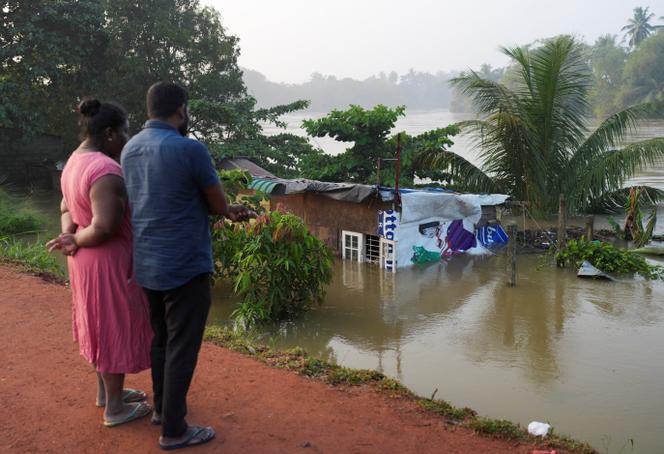
January 29, Colombo (LNW): The JVP-led National People’s Power (NPP) government has repeatedly positioned itself as a strong advocate for micro, small and medium-sized enterprises (MSMEs), particularly those devastated by Cyclone Ditwah and subsequent flooding. Yet, several weeks after relief measures were announced, questions persist over how much assistance has actually reached affected entrepreneurs on the ground.
Amid growing criticism, Deputy Minister of Economic Development Nishantha Jayaweera, along with Finance Ministry officials, recently briefed Members of Parliament on government initiatives aimed at supporting cyclone-affected MSMEs. According to the Parliament Secretariat, officials highlighted long-standing barriers such as limited access to credit, lack of collateral, and high interest rates as the key challenges facing small businesses.
To address high borrowing costs, the government has announced multiple refinancing and interest subsidy loan schemes. A total of Rs. 95.7 billion has been allocated for interest subsidy loans in 2026. Additionally, from 16 December 2025, three State-owned banks began issuing working capital loans for MSMEs affected by Cyclone Ditwah, while 13 other banks—including private institutions have expressed willingness to participate.
However, officials have yet to disclose how many MSMEs have actually received loans, the total value disbursed so far, or how many applications remain pending. For thousands of flood-affected enterprises struggling with damaged stock, unpaid receivables, and disrupted supply chains, this lack of transparency has become a major concern.
The Finance Ministry has also allocated Rs. 10 billion to provide banks with interest-free funds, enabling them to lend up to Rs. 25 million per MSME at a concessional 3% interest rate. Another Rs. 25 billion has been earmarked for a broader MSME revival loan scheme in 2026, offering loans at 5% interest through both State and private banks.
Despite these allocations, MPs pointed out that awareness among MSMEs remains weak. Many affected entrepreneurs reportedly remain unaware of eligibility criteria or application procedures, limiting uptake at a time when cash flow shortages are critical.
Attention was also drawn to the National Credit Guarantee Institution (NCGI), which currently provides 67% collateral coverage for loans, and 80% for women entrepreneurs. MPs argued that the remaining uncovered portion still presents a major barrier, particularly for disaster-hit MSMEs that have lost assets.
While a Rs. 800 million agriculture loan scheme offering loans up to Rs. 5 million is expected to roll out by mid-February, the gap between policy announcements and measurable relief continues to fuel frustration among cyclone-affected small businesses.
Substandard Coal Imports Trigger Power Losses, Parliamentary Scrutiny

By: Staff Writer
January 29, Colombo (LNW): Sri Lanka’s energy sector is once again under pressure following revelations that low-quality coal imported for electricity generation has significantly reduced national power output, prompting parliamentary scrutiny and raising concerns about a looming energy crisis.
The former Chairperson of Lanka Coal (Private) Limited, who played a key role in the procurement process of coal imports, is expected to be summoned before the Parliamentary Sectoral Oversight Committee on Infrastructure and Strategic Development. The decision was taken when the Committee met recently in Parliament under the chairmanship of MP S.M. Marikkar. Senior officials from the Ministry of Energy and Lanka Coal Company were also summoned to provide explanations.
During the meeting, officials revealed that coal samples from three recently arrived shipments had been sent to India for laboratory testing. Authorities stated that definitive conclusions on quality and compliance would only be possible after the test reports are received, further delaying accountability.
Energy experts, however, warn that the impact of substandard coal is already visible. According to Dr. Vidhura Ralapanawe, when all three coal power plants operate at optimal conditions, Sri Lanka can generate 810 megawatts (MW) of electricity. Due to poor-quality coal currently in use, the maximum achievable output has dropped to approximately 715 MW, resulting in a daily shortfall of nearly 95 MW.
This deficit forces the country to rely on petroleum-based power generation, which comes at a substantially higher cost. Experts point out that electricity generated using fuel oil or diesel places a heavy burden on state finances and ultimately on consumers.
Reports indicate that the disputed coal stocks were used for power generation on January 20 and 22, raising further questions about quality assurance mechanisms. Specialists argue that the Kelanitissa Combined Cycle Power Plant could be operated using naphtha to temporarily compensate for the lost generation capacity, although this too would increase costs.
More alarmingly, experts caution that ongoing issues related to the controversial coal tender may delay fresh coal imports until April, creating the risk of a severe energy crisis. Coal procurement must be completed before the southwest monsoon begins, as rough seas from April to September make unloading operations nearly impossible.
Sri Lanka requires around 60,000 metric tonnes of coal, delivered via at least 38 shipments, to meet annual electricity demand. So far, only three vessels have arrived. With the Lakvijaya Coal Power Plant in Norochcholai supplying nearly one-third of national electricity demand, any further reduction in output from its three generators could push the country into widespread power disruptions.
Former President Ranil Has Only Himself to Blame
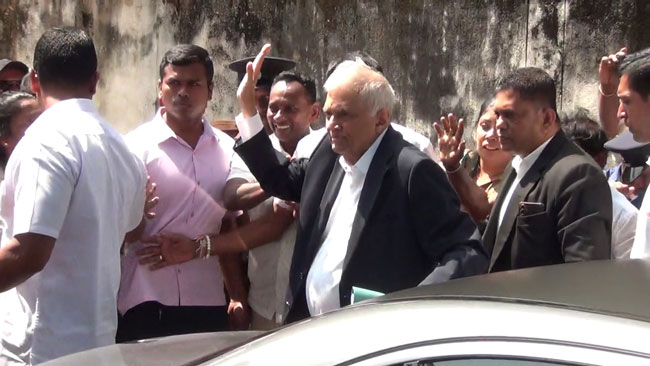
By Adolf: Ranil Wickremesinghe has little reason to complain about the manner in which the JVP—and President Anura Kumara Dissanayake in particular—now treats him. Much of what he faces today is the consequence of his own political judgment, decisions he made openly and repeatedly, despite ample warning signs. Ranil publicly urged voters to support Anura Kumara Dissanayake if they did not wish to vote for him. He also stated, without hesitation, that he was instrumental in placing Anura in the presidency—despite the fact that Anura secured office with only 43 percent of the vote, the lowest mandate in Sri Lanka’s presidential history. That admission alone weakened the legitimacy of the office and handed Anura political leverage he did not independently earn.
Big Supporter
Over the years, Ranil went further. He facilitated, funded, and politically shielded Anura and his party at critical moments. He defended them before commissions and institutions, often at personal political cost. Given this history, the “generosity” Ranil now receives in return should not surprise him. Political alliances built on convenience rather than trust rarely end well. The warning signs were visible. When Ranil was President, Anura repeatedly attacked him in Parliament with open hostility. Those speeches made it clear that this was not a relationship grounded in mutual respect or loyalty. To believe such a political actor would later offer protection or restraint was, at best, naïve.
London Visit
The current controversy over a transit visit through London illustrates this failure of judgment. The GBP 35,000 released by the Ministry of Foreign Affairs was not for President Ranil Wickremesinghe personally. It covered costs related to official security personnel, hotel accommodation, VIP lounge access, and transport. These are administrative expenditures processed through ministries, not discretionary spending by a President.Yet the legal theatrics surrounding the case have ignored this basic distinction. Instead of sensationalism, what is required is a sober examination of responsibility. The Chief Accounting Officers in such matters are the Presidential Secretary and the Foreign Secretary. If procedures were violated or approvals improperly granted, accountability must begin there—not with political grandstanding, instead Study the Audit Report on the matter.
DSG Delipa
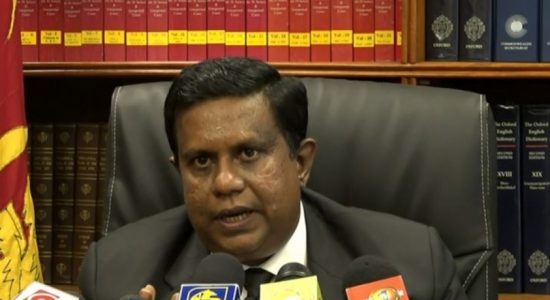
DSG Delipa the Counsel involved in these proceedings would do well to study the audit reports carefully rather than rely on courtroom theatrics and thuggery . Questions such as why GBP 5,000 was paid for a vehicle for 24 hours—when the cost of a new car in the UK is around GBP 6,000—deserve serious scrutiny. Who authorized the payment? Who processed it? See https://lankanewsweb.net/archives/167746/did-sarojas-team-in-uk-misuse-public-funds/ These are factual issues, not political slogans. History offers cautionary lessons. Legal professionals who align themselves too closely with transient political power often find themselves isolated once that power shifts. Chief Justice Mohan Peiris’s experience stands as a reminder that doing a ruler’s bidding rarely guarantees long-term security or reputation.
Predicament
If Ranil Wickremesinghe ultimately faces legal consequencesand a Jail sentence , he must accept that his predicament stems less from persecution and more from miscalculation. He chose to back a political group whose ideological hostility toward him was never concealed since Batalanda. Whoever advised him to do so showed a profound lack of political judgment.
Sajith Premadasa
Had Ranil instead supported Sajith Premadasa, it is highly unlikely that he would now be subjected to such petty, vindictive charges. Alliances matter. So does foresight. As J.R. Jayewardene his famous Uncle famously observed, when you pray for rain, you must be prepared to deal with the mud. Ranil prayed for political survival through expedient alliances. He is now dealing with the consequences. In the end, the responsibility for poor judgment rests where it belongs—with Ranil Wickremesinghe himself.
CPC Fuel Stations Apologise to Customers Amid Reduced Discounts
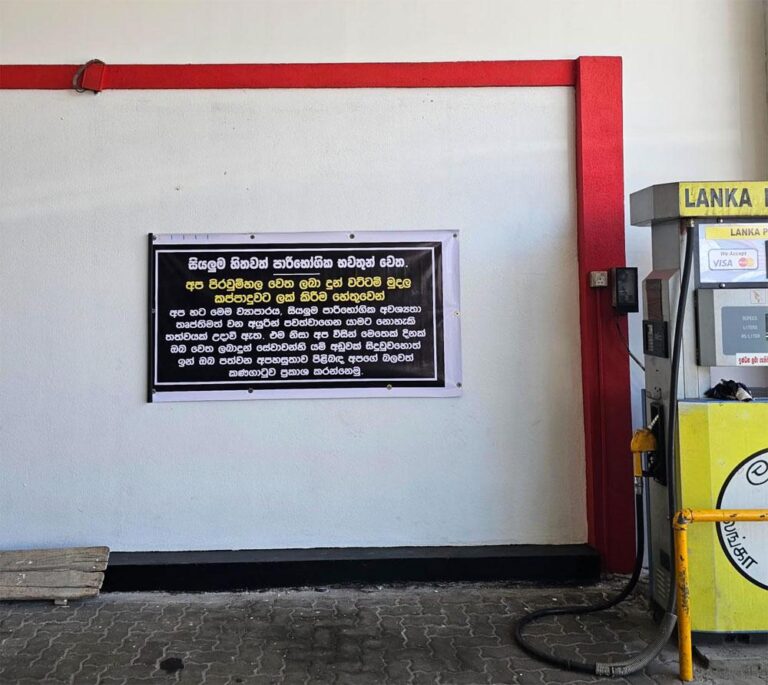
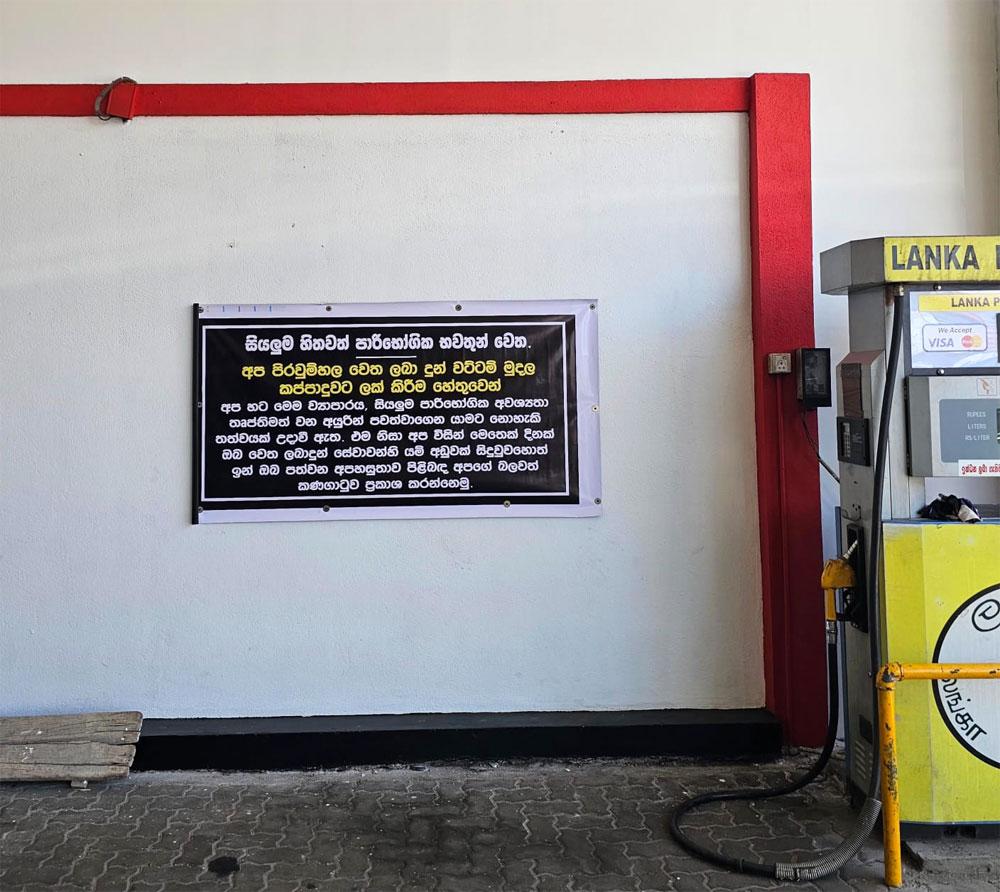
January 29, Colombo (LNW): Several filling stations operated under the Ceylon Petroleum Corporation (CPC) have begun displaying apology notices across the country, citing reductions in discounts as a factor affecting their day-to-day operations.
The notices explain that the recent cut in financial incentives to CPC outlets has placed additional strain on their ability to maintain the usual standard of service. Some stations have acknowledged that this has created challenges in meeting customer expectations consistently.
Station managers indicated that the reduction in discounts has increased operational pressures, making it harder to provide seamless service. They warned that motorists may encounter minor delays or temporary service limitations while the situation persists.
In a statement, the management expressed regret for any inconvenience caused and apologised for any shortfalls in service. They emphasised that the difficulties are largely beyond their immediate control but assured customers that every effort is being made to manage the situation and minimise disruption.
The CPC has encouraged the public to bear with outlets as they navigate these temporary challenges, stressing that normal service levels are expected to resume once conditions stabilise.
Court Urges Attorney General to Speed Up Legal Advice on Namal Rajapaksa Money Laundering Case

January 29, Colombo (LNW): The Colombo Chief Magistrate’s Court has prompted the Attorney General to provide a swift response regarding legal guidance in a case involving Sri Lanka Podujana Peramuna (SLPP) MP Namal Rajapaksa and four others, who are alleged to have been involved in money laundering totalling Rs. 15 million through a company reportedly linked to Rajapaksa.
During proceedings, the Criminal Investigation Department (CID) informed the court that it has not yet received advice from the Attorney General on the next steps for pursuing legal action against the suspects.
Colombo Chief Magistrate Asanga S. Bodaragama has scheduled the next hearing in the matter for 30 July.
The investigation names Namal Rajapaksa along with Sudarshana Bandara Ganewatta, Nithya Senani, Sujani Bogollagama, and Indika Prabhath Karunajeewa as the principal suspects.
Earlier inquiries by the Financial Crimes Investigation Division (FCID) reportedly revealed that Rajapaksa was allegedly involved in laundering Rs. 15 million through NR Consultation Pvt Ltd and an additional Rs. 30 million through Gowers Corporation Pvt Ltd back in 2012.
The court’s reminder reflects growing pressure to move the case forward, as authorities emphasise the need for timely legal guidance to determine whether formal charges should proceed.
Central Bank Probes 18 Cases of Suspected Fraudulent Plantation Investments
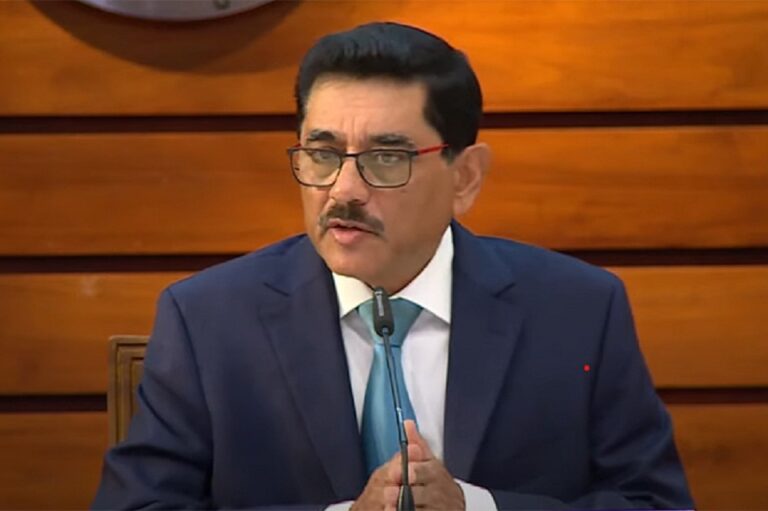
January 29, Colombo (LNW): The Central Bank of Sri Lanka has launched investigations into 18 individuals and organisations suspected of illegally soliciting public funds through plantation and forestry-based investment schemes, Governor Dr Nandalal Weerasinghe announced yesterday (28).
Speaking at a press briefing to unveil the first Monetary Policy Statement of the year, Dr Weerasinghe stressed that collecting deposits from the public with promises of repayment falls under illegal activity as defined by the Financial Business Act.
He explained that inquiries into the flagged entities are currently ongoing, with legal proceedings expected once the investigations conclude. The Governor urged the public to exercise caution, noting that many people are easily drawn to plantation or crop-related investment offers.
“In recent months, several investment schemes connected to plantations and crop cultivation have emerged across different provinces. These are unregulated ventures. Neither the Central Bank nor any other authority supervises them,” he said.
Dr Weerasinghe warned that participation in such schemes carries significant personal risk. He specifically cautioned against promises of extraordinary monthly returns of 30–40 percent from agricultural projects, describing such claims as unrealistic and unattainable through legitimate farming.
He also highlighted that fraudulent schemes may present themselves in different ways, including offers of land ownership or deed transfers. Investors are urged to verify the credibility of any opportunity and ensure it is authorised by the Central Bank or another recognised regulatory body before committing funds.
The Governor concluded by reminding citizens that vigilance and careful verification remain the most effective safeguards against financial scams.
Government Weighs Social Media Curbs for Under-12s Amid Rising Child Safety Concerns

January 29, Colombo (LNW): The government is exploring the possibility of limiting children’s access to social media, with a particular focus on those below the age of 12, Minister of Women and Child Affairs Savithri Paulraj disclosed.
Speaking on the issue, the Minister confirmed that preliminary discussions are already under way. Proposals on the table include a broad restriction on mobile phone use for children under 12, as well as specific measures aimed at preventing young children from accessing social networking platforms.
Minister Paulraj noted that Sri Lanka is not alone in considering such steps, pointing out that several countries have already enacted laws to regulate social media use among school-aged children. She said local authorities are studying international approaches to determine what safeguards could be adapted to the Sri Lankan context.
According to the Minister, the push for tighter controls follows a growing number of incidents involving harmful, abusive and ethically troubling content affecting children online. She stressed that unchecked internet use has increasingly exposed children to risks that demand urgent policy attention.
Alongside these proposed restrictions, the government is moving forward with new legislation specifically targeting cybercrimes committed against children. The draft law has already secured Cabinet approval and is expected to strengthen legal protections for minors in digital spaces.
Recent data from the National Child Protection Authority (NCPA) has further reinforced concerns. The Authority received 10,455 child-related complaints during 2025 alone. Of these, 8,514 cases fell within the NCPA’s legal mandate, while 1,941 required intervention beyond its statutory powers.
The complaints included 545 reports of sexual harassment and 231 cases involving serious sexual abuse. Authorities also recorded 38 instances of rape, 79 teenage pregnancies and three abortion-related cases. In addition, nine child marriages were reported during the year.
Digital threats featured prominently, with 150 cases of cyber abuse targeting children. More troubling still were 20 reports linked to attempted suicide among minors, underscoring the growing mental health pressures faced by young people.
Other concerns raised with the NCPA included 42 cases of children without birth certificates and nine incidents involving children under the age of five being left behind when parents migrated overseas for work.
The NCPA said the figures paint a stark picture of the vulnerabilities faced by children and highlight the urgent need for stronger safeguards, coordinated action and sustained vigilance to ensure their safety and wellbeing.
Over 10,000 Child-Related Complaints Reported This Year: Cases Involving Child Marriages Included

January 29, Colombo (LNW): Sri Lanka’s National Child Protection Authority (NCPA) has recorded more than 10,000 complaints concerning the welfare and safety of children so far in 2025, reflecting persistent challenges in child protection across the country.
According to figures released by the Authority, a total of 10,455 complaints were received during the year. The majority — 8,514 cases — came under the provisions of the NCPA Act, while a further 1,941 complaints related to issues that fall outside the institution’s direct legal scope but nonetheless required attention or referral to other agencies.
A significant number of cases involved serious offences. Reports of sexual harassment totalled 545, while 231 complaints related to severe sexual abuse. The NCPA also documented 38 cases of rape involving children. In addition, authorities were alerted to 79 teenage pregnancies and three abortion-related cases, pointing to ongoing gaps in awareness and support for vulnerable adolescents.
The data further revealed nine incidents of child marriage, alongside 150 cases of online abuse targeting minors — an area of growing concern as children’s exposure to digital platforms increases. Alarmingly, 20 complaints were linked to attempted suicide among children, highlighting mental health risks faced by young people.
Other reported issues included 42 cases of children lacking birth certificates, which can restrict access to education and healthcare, and nine instances where children under the age of five were left behind due to parental migration for employment overseas.
The NCPA noted that these statistics underline the continuing need for strong monitoring, early intervention and coordinated action among state institutions and communities to safeguard children’s rights and wellbeing.
Sri Lanka Assures Public There is No Immediate Danger from Nipah Virus Developments

January 29, Colombo (LNW): Sri Lankan health officials have moved to allay public concern following reports of a Nipah virus outbreak in parts of India, stressing that there is no immediate danger to the country.
Deputy Health Minister Dr Hansaka Wijemuni said the situation is being watched carefully, but underlined that Sri Lanka remains unaffected. According to him, the health sector is fully prepared to respond should the need arise, with adequate laboratory facilities and diagnostic kits already in place to identify any suspected infections.
Nipah virus, a zoonotic disease commonly linked to fruit bats and pigs, has previously surfaced in several Asian nations. Recent developments have led countries such as Thailand, Singapore, Hong Kong and Malaysia to strengthen health surveillance at airports. Medical experts estimate the virus carries a high mortality rate, ranging between 40 and 75 per cent.
Despite this, Dr Wijemuni pointed out that transmission between humans is uncommon. He noted that Sri Lanka has never recorded a Nipah case and that the current circumstances do not justify alarm. He added that individuals who are seriously ill would be highly unlikely to undertake international travel, further limiting the possibility of the virus entering the country.
The Deputy Health Minister also explained that enhanced screening of arriving passengers is only introduced when there is clear evidence of widespread transmission or a substantial risk of person-to-person spread. As neither condition is present at this stage, authorities see no need for additional measures.
Reassuring the public, Dr Wijemuni urged people to remain calm and rely on official updates rather than speculation. “There is no reason for panic,” he said, emphasising that Sri Lanka’s health system remains vigilant and ready, while the overall risk to the public remains minimal.