Home Blog Page 152

Civic Discipline: The True Architect of Prosperity

0

Development is a psychological revolution

  • We often blame the leaders for a country’s state, but leaders are usually a reflection of the collective values of the people. They emerge from the same schools, the same villages, and the same culture
  • There is a pervasive myth that “hard work” alone is enough. In the modern era, it must be “Smart Work” , the marriage of work ethic with technology
  • Lee understood that a minister under obligation is no longer a servant of the people; he is a servant of his benefactor. By removing his close ally, Lee sent a shockwave through the system: Friendship ends where the state begins
The history of global development is often told through the lens of GDP growth, industrial output, and foreign direct investment. However, beneath the surface of every “economic miracle” from Singapore and Japan to post-war Germany lies a far more potent engine: the collective psychology and discipline of its people.

For a nation like Sri Lanka, blessed with a strategic location and abundant natural resources, the persistent failure to achieve sustainable development points toward a systemic internal deficit. It is not merely a failure of leadership, but a failure of the social fabric. Without a disciplined, educated, and unselfish citizenry, the most brilliant economic policies are destined to wither.
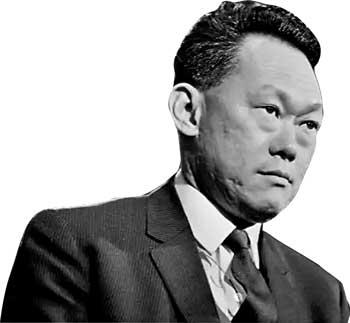
Singapore’s Lee Kuan Yew didn’t just build skyscrapers; he built an immune system for his country.

1. The Trap of the ‘Tribal’ Mindset

The transition from a “tribal” or “idiot” mentality (in the classical Greek sense of idiaōtēs (a person focused solely on private affairs rather than the public good) to a “civilian” mentality is the first hurdle.

In Sri Lanka, social organisation often remains rooted in narrow loyalties: ethnicity, religion, or political patronage. When people think as a “tribe,” they view the state as a resource to be plundered for their specific group rather than a common treasure to be protected. A “civilian” mentality, by contrast, understands that the individual prospers only when the system prospers.

2. Economic Literacy and the Culture of Unselfishness

Development requires a population that understands the basic mechanics of an economy. When a majority of citizens demand subsidies they haven’t earned or tax cuts the state cannot afford, they are demonstrating a lack of economic education.

True development requires delayed gratification. A disciplined nation understands that today’s sacrifices, be it through taxes, austerity, or hard work are the investments for tomorrow’s prosperity. When “unselfishness” becomes a national trait, people stop littering because they value public space; they stop evading taxes because they value public services; and they stop demanding “government jobs” that add no value to the economy.

3. The Ethics of Hard and Smart Work

There is a pervasive myth that “hard work” alone is enough. In the modern era, it must be “Smart Work” , the marriage of work ethic with technology.

A developed nation is one where the average citizen seeks to optimise their output. In many developing contexts, the work culture is often performative rather than productive. Discipline in the workplace punctuality, meritocracy, and a commitment to excellence remains the hallmark of nations that have successfully escaped the middle-income trap. When a culture rewards “smart shortcuts” (corruption) over “smart innovation,” development stalls.

4. Decency, Culture, and Social Cohesion

Culture is often seen as a static remnant of the past, but in a developing nation, culture must be a living, breathing force for progress. “Decency” in public life, how we treat a stranger, how we drive on the road, and how we respect the environment is a direct indicator of national maturity.

A disciplined society has high “Social Capital.” This means there is a high level of trust between strangers. When you trust that the person next to you will follow the law and act decently, the “cost of doing business” drops significantly. You don’t need a policeman on every corner or a lawyer for every handshake.

5. Security and Global Awareness

A modern citizen must be educated on world affairs. In an interconnected world, isolationism is a death sentence. Understanding global security, geopolitical shifts, and technological trends allows a citizenry to demand foreign policies that are pragmatic rather than emotional.  

When the majority of the population is easily swayed by populist rhetoric or xenophobia, the country becomes vulnerable to internal strife and external manipulation. An educated citizenry acts as a shield against the “security threats” that arise from misinformation and communal disharmony.

6. The Digital Leap: Technology as a Mindset

Technology is not just about owning a smartphone; it is about a scientific temper. A disciplined society uses technology to increase transparency and efficiency. If the people are resistant to digitising government services because it removes the “opportunity” for bribery or bypasses “tribal” hierarchies, the country cannot modernise.

7. The Mirror of Leadership

We often blame the leaders for a country’s state, but leaders are usually a reflection of the collective values of the people. They emerge from the same schools, the same villages, and the same culture.

If the people value “freebies” over “freedom,” or “patronage” over “performance,” they will elect leaders who provide exactly that. The path to development for Sri Lanka does not start at the Parliament; it starts at the doorstep of every household. It begins with the decision to be a disciplined, educated, and civic-minded Citizen rather than a mere inhabitant.

True development is a psychological revolution. Until the “tribal” impulse is replaced by the “civilian” duty, the dream of a developed nation will remain a distant horizon.

Key Pillars of a Developed Citizenry:

Pillar: Transition needed

A. Social – From Tribalism to Civic Solidarity

B. Economic – From Dependency to Productivity

C. Ethical – From Selfishness to Public Decency 

D. Intellectual – From Superstition to Scientific Temper

The Iron Surgeon: Why Sri Lanka Needs the “Lee Kuan Yew Treatment”

In the history of nations, few transformations are as surgical as Singapore’s. Lee Kuan Yew didn’t just build skyscrapers; he built an immune system for his country. His philosophy was simple but brutal: A nation is only as strong as its least corrupt leader.

The “Travel Mistake”: The Anatomy of an Obligation

The story of the minister and the business magnate is a masterclass in preemptive justice. In a “Third World” mentality, a minister traveling with a tycoon is seen as a perk of power. In Lee Kuan Yew’s “First World” mentality, it was a security breach.

Lee understood that a minister under obligation is no longer a servant of the people; he is a servant of his benefactor. By removing his close ally, Lee sent a shockwave through the system: Friendship ends where the state begins.

Sri Lanka’s Dilemma: Can the Present Leadership Act?

Can the current President of Sri Lanka take such bold decisions? To do so, a leader must navigate three massive “tribal” barriers that currently hold Sri Lanka back:

1. The Culture of Political Patronage

In Sri Lanka, politics is often a “family business” or a “club.” Leaders are often indebted to the very ministers who are accused of corruption because those ministers brought in the votes or the funding. To cut off a “corrupted limb” requires a leader who is willing to lose his majority in Parliament to save his integrity in history.

2. Arguments vs. Actions

Sri Lanka has a surplus of rhetoric. We have “Anti-Corruption Commissions,” “Charge Sheets,” and “Inquiries.” However, Lee Kuan Yew’s Singapore didn’t rely on inquiries; it relied on consequences. System change happens when the “cost of corruption” becomes higher than the “reward of corruption.”

3. The Tribal Mentality vs. The Civilian Mentality

As noted in the initial stage of this article, the majority of the population often views their leaders through a tribal lens. If “their” man is corrupt, they defend him. If the “other” man is corrupt, they attack him. A leader can only make bold decisions if the civilians demand a standard of decency that transcends party lines.

The Blueprint for a True System Change

If the current leadership truly wants to reach the “First World,” the following “Lee Kuan Yew” steps are non-negotiable:

  • Sacrifice the Inner Circle: The first person arrested for corruption must be a “friend” of the leadership. This proves that the law is blind.
  • Meritocracy over Loyalty: Appointing people based on their “tribe” or “party service” is the root of failure. We need the best minds, not the best “yes-men.”
  • Radical Transparency is needed to change the system through the application of technology to the system to prevent influences on ministers.

The tragedy of Sri Lanka is that we have often mistaken arguments for actions. We argue about who is more corrupt rather than deciding that no corruption is acceptable.

The current President stands at a crossroads. To be a “Lee Kuan Yew,” one must be prepared to be lonely. You must be prepared to jail your allies, disappoint your friends, and dismantle the very machine that brought you to power.

Without this “Iron Surgery,” the system isn’t being changed, it’s just being managed.

The writer, Major General Dr. Boniface Perera, is a battle hardened Infantry Officer who served the Sri Lanka Army for over 36 years, dedicating 20 of those to active combat.

In addition to his military service, Dr. Perera is a respected International Researcher and Writer, having authored more than 200 research articles and 16 books. He holds a PhD in economics and is an entrepreneur and International Analyst specialising in National Security, economics and politics. He can be reached at [email protected]
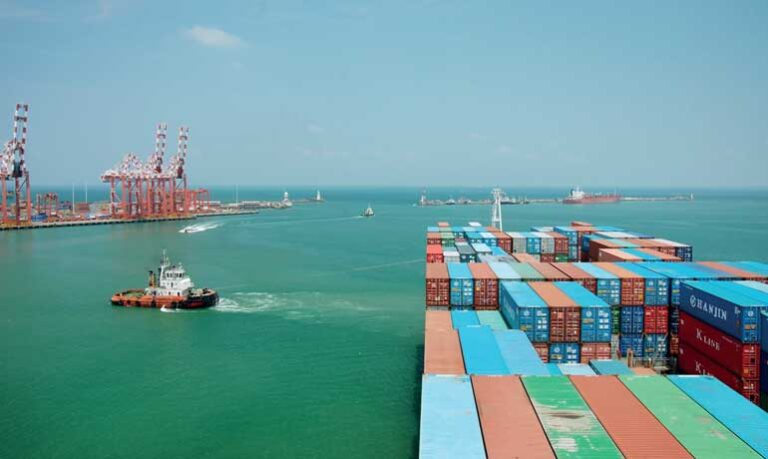
Export Growth Masks Structural Fragility in Sri Lanka’s Trade Engine

0

Sri Lanka’s export sector delivered a moderate but steady performance in 2025, posting a 5.6% year-on-year expansion and generating total earnings of $17.25 billion. At first glance, the figures signal resilience amid lingering global uncertainty. A closer look, however, reveals that the growth remains heavily concentrated in a few traditional sectors and markets, raising questions about the durability of this recovery.

Merchandise exports climbed by over 6%, led by apparel, tea, coconut-based products, electronics, and food and beverages. Apparel continued to dominate export earnings, surpassing $4.9 billion, with strong demand from the US and the European Union. The EU alone accounted for nearly a quarter of Sri Lanka’s merchandise exports, buoyed by gains in Germany, Italy, and the Netherlands.

Coconut-based exports emerged as the standout performer, recording an exceptional growth of over 42%. Value-added products such as coconut oil, cream, and milk powder drove this surge, highlighting the potential of agro-processing when global demand aligns with domestic capacity. Food and beverage exports also showed robust growth, largely due to increased processed food shipments.

Services exports including ICT/BPM, logistics, and construction expanded more modestly, growing under 3% overall. While ICT/BPM exports rose close to 9%, December figures showed volatility, underlining the sector’s sensitivity to global demand cycles.

Despite the positive headline numbers, cracks are visible beneath the surface. Several export sectors recorded notable contractions. Rubber-based exports declined by over 5%, spices and essential oils slipped due to a sharp fall in pepper exports, and ornamental fish exports continued their downward trend. Even tea, one of Sri Lanka’s most iconic exports, saw significant monthly volatility, with a steep decline in December earnings.

Geographically, export performance remains heavily dependent on a narrow group of markets. The US retained its position as Sri Lanka’s single largest destination, absorbing nearly a quarter of merchandise exports. India moved into second place with double-digit annual growth, yet monthly data showed fluctuations, reflecting vulnerability to policy and price changes.

Government targets for 2025 fell short, with export earnings reaching just under 95% of the $18.2 billion goal. Authorities attribute the shortfall to external shocks, while projecting an ambitious $20 billion target for 2026. Achieving this would require sustained double-digit monthly growth  a challenging task without deeper structural reforms.

Ultimately, while Sri Lanka’s export sector demonstrated resilience in 2025, its performance continues to rely on a familiar formula. Without addressing productivity gaps, market concentration, and sectoral imbalances, export growth risks remaining steady but shallow.

After Cyclone Ditwah, Recovery Moves Slower Than the Storm

0

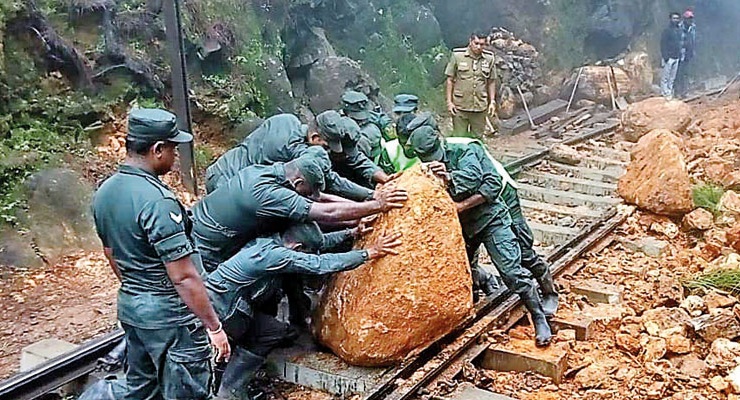
Weeks after Cyclone Ditwah tore through large parts of Sri Lanka, the scale of destruction is becoming clearer  and so is the uneven pace of recovery. While insurers have mobilised billions in compensation, thousands of affected families continue to struggle with damaged homes, disrupted livelihoods, and delayed reconstruction of public infrastructure.

According to industry data, more than 24,500 insurance claims have been filed nationwide, with the estimated economic loss to insured assets alone reaching Rs. 58.5 billion. The figures underline the cyclone’s heavy toll on housing, commercial property, vehicles, and small businesses. Yet these numbers capture only part of the picture, as many low-income households and informal businesses remain uninsured.

The Insurance Regulatory Commission of Sri Lanka (IRCSL), working with all licensed general insurers, has introduced a unified claims-handling mechanism aimed at accelerating payouts. To date, Rs. 5.1 billion has been disbursed to policyholders, primarily for property and commercial losses. While this has provided some relief, the gap between total losses and actual payouts highlights the long road to recovery.

Non-motor insurance claims including homes, shops, factories, and warehouses account for the bulk of the financial impact, reflecting the severe damage to fixed assets. These losses directly affect livelihoods, especially in semi-urban and rural areas where families depend on small enterprises to survive.

Despite insurers admitting liability for over 75% of claims, practical bottlenecks persist. Loss adjustors, repair garages, and technical officers in several regions were themselves affected by the cyclone, slowing inspections and assessments. For many families, this has translated into weeks of waiting before repairs can even begin.

Beyond insurance settlements, the rebuilding of roads, drainage systems, power lines, and public buildings has moved at what affected communities describe as a “snail’s pace.” Local authorities cite funding gaps and administrative delays, while residents complain that temporary relief has not transitioned into sustainable rebuilding.

The cyclone has also exposed structural weaknesses in Sri Lanka’s disaster preparedness. Poorly enforced building standards, inadequate drainage, and construction in high-risk zones amplified the damage. While institutions such as the Urban Development Authority and Road Development Authority have been urged to prioritise climate-resilient infrastructure, tangible changes on the ground remain limited.

Cyclone Ditwah has once again shown that financial compensation alone cannot rebuild lives. Without faster government coordination, resilient infrastructure planning, and support for uninsured households, recovery risks becoming another prolonged chapter in Sri Lanka’s growing list of climate-induced crises.

Digital Shift Becomes Crucial for Sri Lanka’s Maritime Competitiveness

0

Sri Lanka’s maritime industry is facing a defining transition, as digital efficiency increasingly determines competitiveness in global shipping networks, according to the Ceylon Association of Shipping Agents (CASA). While the country’s geographic advantage and port infrastructure remain relevant, industry leaders warn that these strengths alone are no longer sufficient in an environment shaped by speed, predictability, and seamless data exchange.

CASA, the apex body representing the shipping and agency sector, says maritime success today depends on how well ports, regulators, and logistics players function as a digitally integrated ecosystem. Competing regional hubs are rapidly adopting interconnected platforms, raising expectations among shipping lines for faster turnaround times and lower transaction costs.

Industry stakeholders point out that port performance extends far beyond terminal productivity. Vessel and cargo movements involve a wide network of participants, including shipping agents, freight forwarders, terminals, transport operators, Customs, port authorities, and border agencies. When these stakeholders rely on fragmented or partially digital systems, inefficiencies multiply through repeated submissions, manual interventions, and inconsistent processes.

CASA has repeatedly stressed that digitalisation must be implemented across the entire maritime and logistics chain rather than through isolated initiatives. According to the association, stand-alone digital tools, while useful in limited contexts, fail to deliver system-wide gains unless they are integrated into a common framework.

The association has called for the accelerated rollout of industry-wide platforms such as Port Community Systems, which allow real-time information sharing among all stakeholders. Such systems are widely used in major global ports to reduce delays, improve transparency, and enhance coordination across supply chains.

CASA also welcomed the introduction of ASYHUB by Sri Lanka Customs as a step toward modernising trade processes. Electronic manifest submissions and pre-arrival data exchange, the association noted, align Sri Lanka with international standards. However, industry representatives caution that the platform’s success depends on its ability to integrate fully with terminal operating systems, shipping line platforms, and future Port Community Systems.

Digital initiatives, CASA emphasised, must lead to measurable improvements rather than simply replicating manual processes in electronic form. Faster cargo clearance, real-time coordination, and data-driven decision-making are seen as essential outcomes.

The association further highlighted the importance of completing the Maritime and National Single Window initiatives, noting that partial implementation risks adding complexity instead of reducing it. Clear governance, accountability, and timelines are viewed as critical to ensuring that these systems deliver tangible efficiency gains.

In a highly competitive shipping environment, CASA warned that digital transformation is no longer optional but essential to safeguarding Sri Lanka’s role as a regional maritime hub.

CEB Restructuring Plan Triggers Uncertainty, Union Alarm, and Policy Gaps

0

Sri Lanka’s Power and Energy Ministry’s proposed restructuring of the Ceylon Electricity Board (CEB) has entered turbulent territory, as trade unions warn that unresolved employee concerns, policy ambiguities, and a rushed implementation timetable could destabilise the country’s power sector.

While the Government maintains that restructuring under the Electricity Act No. 36 of 2024 is essential to modernise the utility and improve efficiency, employee representatives argue that the process has moved ahead without adequate safeguards for workers or national assets. Unions say they have historically supported reforms and cooperated with successive administrations, even during crises, but now feel marginalised in a transition that could permanently alter the institution.

CEB employees played a pivotal role in restoring electricity during recent cyclones and floods, often working continuous shifts in hazardous conditions. Union leaders argue that the Government’s failure to address employee welfare while relying on their emergency response capabilities reflects a widening trust deficit between workers and policymakers.

A central concern is the absence of a legally binding collective agreement guaranteeing existing salaries, allowances, loans, and non-financial benefits before the restructuring is formally gazetted. Trade unions insist that without such assurances, employees face the risk of unilateral benefit reductions once the CEB is fragmented into multiple entities.

Asset management is another grey area. Unions warn that land, substations, vehicles, and infrastructure may be transferred to new companies without a comprehensive audit or valuation. Such haste, they say, could result in the erosion of state-owned assets under the guise of reform, particularly if transparency mechanisms are weak.

The restructuring process has also been criticised for limited employee participation. Key documents, including the Employee Handbook and Preliminary Transfer Plan, were reportedly drafted without structured consultation, raising fears that worker rights, pension security, and provident fund protections may be compromised.

Salary-related grievances continue to fuel discontent. Longstanding anomalies including unresolved disparities from the 2024 salary revision, the exclusion of a temporary Rs. 10,000 allowance from basic pay, and delays in implementing an agreed cost-of-living adjustment   remain unaddressed. These issues, unions argue, undermine morale at a time when workforce stability is critical.

Penalties to Be Imposed on Supplier Over Substandard Coal Consignment – Minister Jayatissa

0

Cabinet Spokesperson and Minister Nalinda Jayatissa today addressed concerns regarding the importation of a coal consignment that was found to be substandard, stating that established procedures are in place to deal with such issues and that similar incidents have occurred in previous years.

Speaking at the weekly Cabinet media briefing in response to a journalist’s query on potential losses to the Government, the Minister said fines have been consistently recovered from supplier companies whenever coal imports fail to meet required standards.

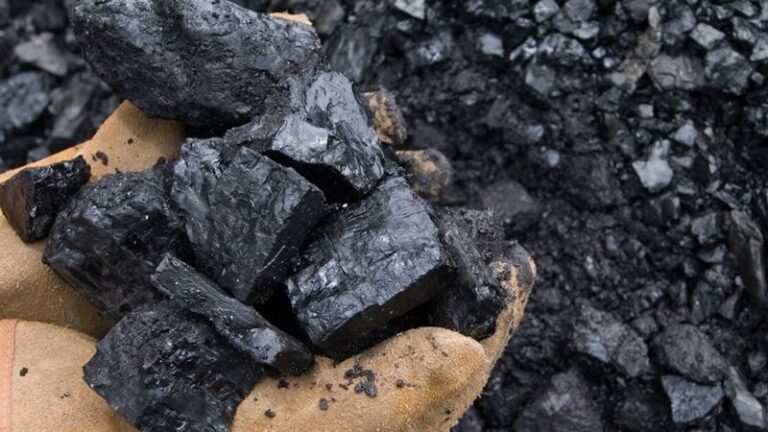
He explained that the first shipment, amounting to 60,000 metric tonnes, recorded a calorific value of 5,520 kilocalories during sample testing. As a result, a penalty amounting to double the prescribed fine will be imposed on the supplier. In contrast, the second shipment recorded a calorific value of 6,017 kilocalories, which falls within the acceptable range of 5,900 to 6,150 kilocalories.

Minister Jayatissa said the third and fourth consignments are currently being unloaded, and decisions regarding them will be taken once sample testing is completed.

Referring to past instances, he noted that fines of USD 7.54 million were recovered during the 2020–2021 period, USD 6.1 million between 2021 and 2022, and USD 7.8 million during 2022–2023 due to substandard coal imports.

He emphasized that imposing penalties or removing coal deemed unfit for use is not unusual and is part of an agreed procedure with coal suppliers. If coal passes tests at the port of loading but fails to meet standards after arrival in Sri Lanka, penalties are imposed accordingly.

Clarifying public concerns, the Minister stressed that not all coal imports are problematic, and only certain consignments face issues, which are addressed through established mechanisms agreed upon with supplier companies.

NBRO Warns of Possible Deterioration in Air Quality Across Sri Lanka

0

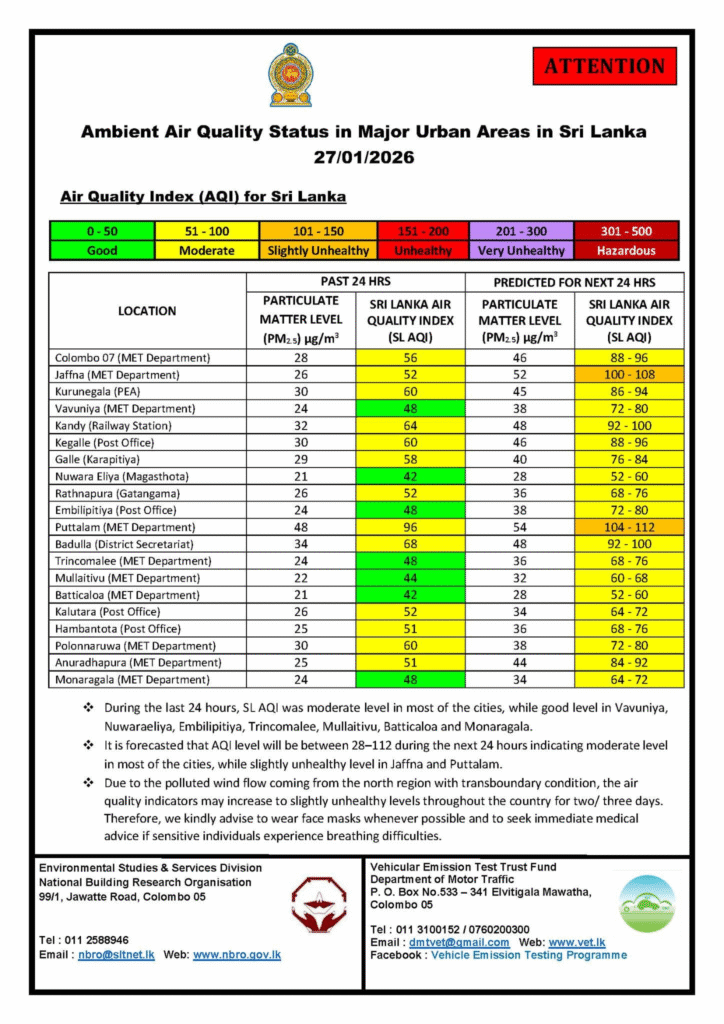
Sri Lanka’s air quality remained largely at moderate levels across major cities over the past 24 hours, though conditions could worsen in some areas in the coming days, according to the National Building Research Organisation (NBRO).

The NBRO said particulate matter (PM2.5) levels were moderate in most urban centres. Good air quality was recorded in Vavuniya, Nuwara Eliya, Embilipitiya, Trincomalee, Mullaitivu, Batticaloa and Monaragala.

However, forecasts for the next 24 hours indicate that air quality may range from moderate to slightly unhealthy in several cities, including Jaffna and Puttalam. The NBRO warned that polluted winds originating from the northern region under transboundary conditions could lead to slightly unhealthy air quality levels across the country over the next two to three days.

The public has been advised to wear face masks when possible, while sensitive groups, including those with respiratory conditions, are urged to seek medical advice if they experience breathing difficulties.

Air quality in Sri Lanka is assessed using the Sri Lanka Air Quality Index, which categorises conditions from good to hazardous based on particulate matter concentrations.

Woman Dies After Alleged Assault by Partner in Angulana

0

A 24-year-old woman has died after allegedly being assaulted by her extramarital partner following a dispute, police said.

The incident took place at the Sayurapura apartment complex in Angulana yesterday afternoon (27). The victim, a resident of Kuda Waskaduwa in Wadduwa, reportedly sustained fatal injuries during the assault.

According to police, preliminary investigations suggest that an argument between the woman and the suspect escalated, leading to the fatal incident.

Further investigations are currently underway to apprehend the suspect and determine the exact circumstances surrounding the death, police said.

CBSL Keeps Overnight Policy Rate Unchanged at 7.75%

0

The Central Bank of Sri Lanka (CBSL) has decided to maintain the Overnight Policy Rate (OPR) at 7.75%, following its Monetary Policy Board meeting held yesterday (27).

The CBSL said the decision was taken after carefully assessing domestic economic developments and prevailing global uncertainties. The Board believes the current monetary policy stance will help guide inflation towards its medium-term target of 5%.

Inflation, as measured by the Colombo Consumer Price Index (CCPI), remained unchanged at 2.1% in December 2025. However, food prices recorded an increase compared to November, mainly due to supply chain disruptions caused by Cyclone Ditwah and higher seasonal demand during the festive period.

The Central Bank projects that inflation will gradually accelerate and move closer to the 5% target by the second half of 2026. Core inflation, which excludes volatile food, energy and transport prices, has also shown an upward trend in recent months and is expected to rise further as economic demand strengthens.

Meanwhile, the economy recorded a growth of 5.0% during the first nine months of 2025. Although Cyclone Ditwah affected economic activity in late 2025, early indicators suggest improved resilience. The CBSL also noted continued expansion in private sector credit disbursed by commercial banks and other financial institutions.

The Monetary Policy Board reiterated that it stands ready to take appropriate policy action to ensure inflation remains stable around the target while supporting the economy to achieve its full potential.

Case Against Former President Ranil Wickremesinghe to Be Taken Up Again Today

0

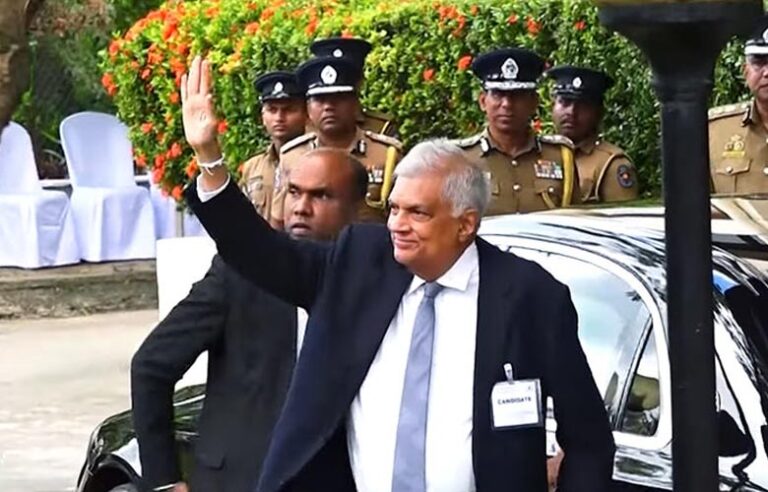
The case filed against former President Ranil Wickremesinghe under the Public Property Act is scheduled to be taken up again today (28) at the Colombo Fort Magistrate’s Court.

The case relates to allegations that the former President misused government funds to travel to London while serving as Head of State, in order to attend a ceremony honouring his wife, Professor Maithree Wickremesinghe, at a British university.

Wickremesinghe was arrested on August 22, 2025, after appearing before the Criminal Investigation Department (CID) to record a statement. He was later produced before the Colombo Fort Magistrate’s Court and remanded until August 26.

Subsequently, after considering medical reports submitted on behalf of the former President, Colombo Fort Magistrate Nilupuli Lankapura ordered his release on three surety bails of Rs. 5 million each and fixed a new date for further proceedings in the case.