December 14, Colombo (LNW): Authorities say the country’s water supply has now been completely normalised following widespread disruption caused by the recent disasters.
National Water Supply and Drainage Board Chairman Chandana Bandara confirmed that households with damaged water connections will have them repaired at no cost, as part of the Board’s recovery programme. He added that overall losses to the water sector are estimated at around Rs. 5.6 billion.
Progress has also been reported in the power sector. The Ceylon Electricity Board says electricity has been restored to nearly all affected areas, with about 99 per cent of supply now back online. Deputy General Manager Noel Priyantha noted that work is continuing to reconnect roughly 26,000 remaining consumers in parts of the Central and Uva provinces.
All damaged transmission infrastructure has already been fully repaired, he added. At the height of the crisis, an estimated 4.1 million electricity users were left without power.
Transport and health services have likewise seen significant improvements. Commissioner General of Essential Services Prabath Chandrakeerthi said that 292 of the 293 highways damaged during the disaster have been reopened to the public, easing movement across the country. Restoration work has also been completed on 15 of the 42 major bridges affected.
In the health sector, around 90 per cent of the 236 hospitals impacted by the disasters have returned to normal operations, providing much-needed relief to communities as overall recovery efforts continue.
Essential Services Rebound Post-Ditwah: Utilities and Transport Networks Recover Nationwide
CEB Counts Heavy Losses as Power Supply Largely Restored After Disaster

December 14, Colombo (LNW): The Ceylon Electricity Board (CEB) has reported financial losses close to Rs. 20 billion in the aftermath of the recent disaster, which caused widespread disruption to the national power network.
Deputy General Manager Noel Priyantha said that restoration work had progressed rapidly, with electricity supply now reinstated to about 99 per cent of affected areas. He added that the recovery effort had been carried out under difficult conditions, as many electricity consumers had also lost their homes during the disaster.
Priyantha confirmed that all damaged transmission lines and related infrastructure have now been repaired and brought back into operation, allowing the grid to function normally once again.
The CEB estimates that the disaster triggered roughly 4.1 million power interruptions across the island, highlighting the scale of the impact on both the utility provider and the public.
Despite the significant financial setback, the Board said it remains focused on stabilising the system and supporting communities as recovery efforts continue nationwide.
Authorities Warn Against Sharing Details of Disaster-Affected Children
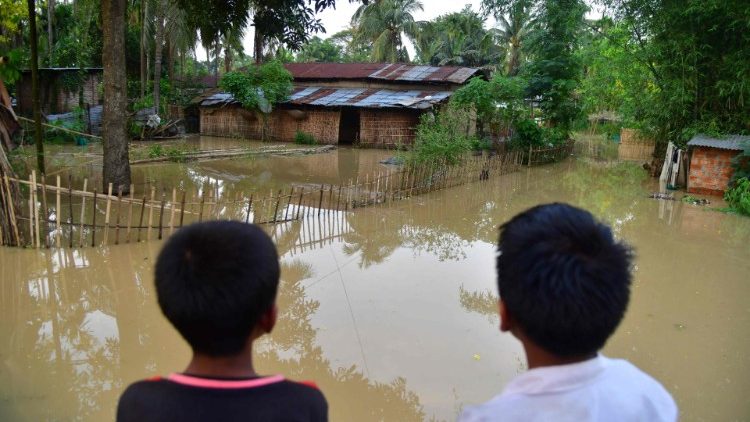
December 14, Colombo (LNW): The Ministry of Women and Child Affairs has appealed to the public, media organisations and online users to avoid circulating any information relating to children made vulnerable by the recent disaster.
In an official statement, the Ministry cautioned that publishing photographs, video footage or identifying details of affected children on social media platforms or through mainstream media can seriously compromise their privacy, safety and personal dignity.
Officials warned that the release of such sensitive information could place children at heightened risk of abuse, including exploitation and human trafficking, particularly if it reaches criminal networks seeking to prey on vulnerable families.
The Ministry stressed that the protection of children is a legal obligation and confirmed that action will be taken against anyone found to be disclosing or spreading information about at-risk children in violation of child protection laws.
Members of the public were also encouraged to remain vigilant and to promptly report cases involving vulnerable children or any suspected trafficking activities. Reports can be made via the national child helpline on 1929 or through Child Rights Promotion Officers and Child Protection Officers at the nearest Divisional Secretariat.
The Ministry reiterated that safeguarding children during times of crisis requires collective responsibility and careful, ethical conduct from all sectors of society.
President Urges Swift Livelihood Recovery and Compensation for Disaster-Hit Communities
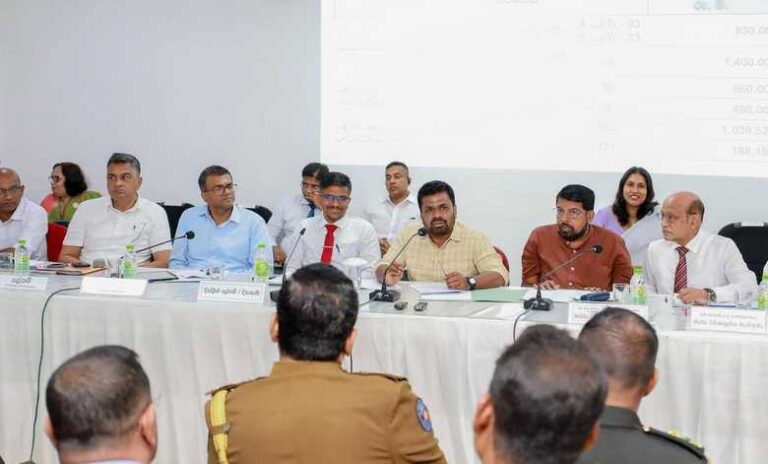
December 14, Colombo (LNW): President Anura Kumara Dissanayake has directed state officials to place the restoration of livelihoods at the forefront of post-disaster recovery efforts, stressing the need for speed, fairness and effective coordination across all sectors.
Addressing a special meeting of the District Coordinating Committee at the Puttalam District Secretariat, the President called for urgent action to compensate affected families and to rapidly revive agriculture, fisheries and local industries. He instructed that all compensation related to crop losses must be fully paid out by December 25.
Describing the recent cyclone as one of the most severe disasters to affect the country in recent years, President Dissanayake praised the armed forces, the Police and public servants for their efforts in stabilising affected areas. He noted that essential services such as electricity, water supply and road networks had already been largely restored due to their commitment.
The President also underscored that the Government’s capacity to extend substantial financial assistance was the result of disciplined fiscal management. At the same time, he acknowledged challenges in the distribution of relief and instructed Divisional Secretaries to ensure that payments are made strictly to eligible recipients, warning against any misuse or deviation from established guidelines.
Infrastructure rehabilitation featured prominently in the discussions, with particular attention given to damaged highways and bridges. The President reviewed obstacles faced during reconstruction and offered immediate solutions in consultation with officials.
He also directed that a temporary structure be erected at the Lower Kala Oya crossing to support tourism until permanent construction is completed, stressing that all projects must be guided by proper technical assessments and real economic need.
Turning to utilities, the President urged authorities to complete the restoration of electricity and water supplies without delay, noting that current well-cleaning efforts in some areas remain inadequate.
On agriculture, he sought updates on preparations for the upcoming Maha cultivation season, calling for swift measures to support farmers, reduce abandoned land and promote alternative methods to maximise productivity.
He reiterated that compensation to farmers must be paid before December 25, regardless of land classification, while also insisting on strict controls to prevent cultivation in protected areas. Soil conservation, particularly in regions such as Kalpitiya, was highlighted as a priority.
The livestock sector was also addressed, with the President calling for equitable compensation and improved data collection. He stressed the importance of registering all livestock farms through new legislative measures to strengthen long-term resilience.
Housing damage in the district was reported to be extensive, with hundreds of homes destroyed and many more partially damaged. The President ordered fast-tracked compensation and prioritised resettlement on state land. Where this is not possible, affected families are to receive Rs. 5 million to secure alternative land, while those who lost homes entirely will be provided with new houses valued at the same amount.
Support for the fisheries sector, including assistance to repair damaged boats and access to fair compensation and concessional loans for prawn farmers, was also discussed. The President further reviewed the status of Chilaw Hospital and was informed that several units are expected to resume normal operations by next week.
The meeting was attended by ministers, deputy ministers, provincial and district officials, Members of Parliament from the area, senior public servants, and representatives of the security forces, reflecting a coordinated approach to recovery and rebuilding efforts in the district.
Treasury Releases Over Rs. 13 Billion for Disaster Relief: Finance Secretary
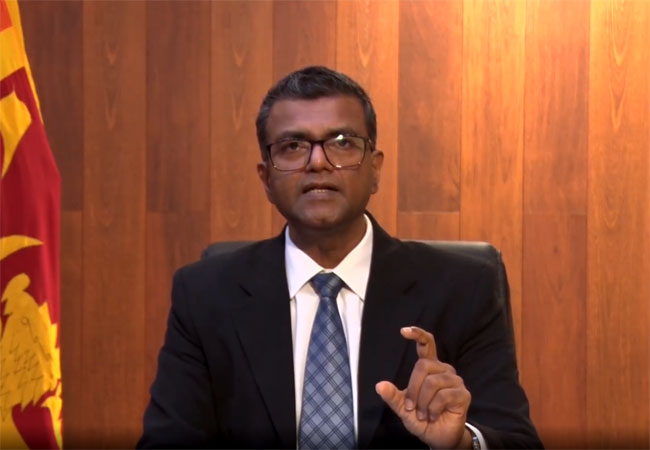
December 14, Colombo (LNW): The Treasury has already released in excess of Rs. 13 billion to support communities affected by the ongoing disaster situation, according to the Secretary to the Ministry of Finance, Planning and Economic Development, Dr Harshana Suriyapperuma.
In a special statement, Dr Suriyapperuma said efforts are under way to improve transparency and speed in sharing information on incoming funds and their allocation. He stressed that strengthening communication around the scale and timing of financial assistance remains a key priority.
He explained that all monetary assistance currently received by the country is being channelled through the Treasury, which then distributes the funds using established institutional mechanisms. These include close coordination with Divisional Secretariats to ensure assistance reaches affected areas efficiently.
The Finance Secretary confirmed that total disbursements have now exceeded Rs. 13 billion, with funds released following presidential proposals that were subsequently endorsed by Parliament through supplementary budget approvals.
He added that steps are being taken to accelerate data collection and information-sharing processes so that both material aid and financial contributions received by Sri Lanka can be delivered to individuals and communities without delay. The overall focus, he noted, is on ensuring timely, accountable and effective relief for those most in need.
Showery conditions to continue further: Strong winds expected (Dec 14)

December 14, Colombo (LNW): A few showers may occur in Northern, North-Central, Eastern, Uva and Central provinces, the Department of Meteorology said in its daily weather forecast today (14).
Showers or thundershowers may occur at several places in the other areas of the island after 1.00 p.m.
Fairly strong winds of about (30-40) kmph can be expected at times over Eastern slopes of the central hills, Northern, North-central and North-western provinces and in Trincomalee, Hambantota and Monaragala districts.
Misty conditions can be expected at some places in Sabaragamuwa, Central provinces and in Galle and Matara districts during the early hours of the morning.
The general public is kindly requested to take adequate precautions to minimise damages caused by temporary localised strong winds and lightning during thundershowers.
Marine Weather:
Condition of Rain:
Showers will occur at several places in the sea areas off the coast extending from Puttalam to Pottuvil via Mannar, Kankasanthurai and Trincomalee. Showers or thundershowers may occur at a few places in the other sea areas around the island during the evening or night.
Winds:
Winds will be north-easterly. Wind speed will be (30-40) kmph. Wind speed can increase up to (50-55) kmph at times in the sea areas off the coast extending from Colombo to Trincomalee via Puttalam and Kankasanthurai and from Hambantota to Pottuvil.
State of Sea:
The sea areas off the coast extending from Colombo to Trincomalee via Puttalam and Kankasanthurai and from Hambantota to Pottuvil will be rough at times. The other sea areas around the island will be moderate.
Temporarily strong gusty winds and very rough seas can be expected during thundershowers.
Valuing the Coast: Test of Sri Lanka’s Conservation Resolve

By: Staff Writer
Sri Lanka has taken a symbolic yet potentially transformative step toward strengthening coastal and marine conservation with Cabinet approval for a new Global Environment Facility (GEF)–funded initiative that seeks to quantify the economic value of the country’s natural marine assets.
The four-year project, backed by a US$ 2.66 million grant, aims to integrate the natural capital value of coastal and marine ecosystems into national development planning in an area long neglected despite Sri Lanka’s island geography and climate vulnerability.
The project, titled “Integration of the Natural Capital Value of the Coastal and Marine Ecosystems in Sri Lanka with the Sustainable Development Plans,” will be implemented in selected coastal districts including Galle, Mannar, Puttalam and Trincomalee. It has been jointly designed by the Ministry of Environment and the International Union for Conservation of Nature (IUCN), with Cabinet also approving the signing of a formal implementation agreement between the two parties.
At its core, the initiative seeks to address a critical policy gap. While many countries now assign measurable economic values to ecosystems such as mangroves, coral reefs, lagoons and seagrass beds, Sri Lanka has largely relied on qualitative assessments.
As Cabinet Spokesman and Minister Dr. Nalinda Jayatissa acknowledged, this has limited the ability of policymakers to fully factor environmental costs and benefits into infrastructure, tourism, fisheries and urban development decisions.
The current Government, now completing roughly one year in office, has repeatedly pledged to place environmental sustainability at the centre of economic recovery.
This project reflects a growing recognition that conservation is not merely an ecological concern but a fiscal and developmental one. Healthy coastal ecosystems reduce disaster risks, support fisheries-based livelihoods, protect shorelines from erosion and contribute significantly to tourism revenues benefits that often remain invisible in traditional budgeting processes.
However, the initiative also highlights the Government’s capacity constraints. The reliance on donor funding and international technical partners underscores the limited domestic institutional ability to conduct large-scale natural capital accounting independently.
Over the past year, progress on broader coastal protection measures such as controlling illegal sand mining, unregulated coastal construction and marine pollution has been uneven, constrained by weak enforcement and overlapping institutional mandates.
Climate change has further raised the stakes. Rising sea levels, coral bleaching and intensified coastal flooding are already affecting vulnerable districts, making the integration of ecosystem values into development planning increasingly urgent.
If implemented effectively, the project could strengthen climate resilience and guide smarter investments that balance growth with long-term ecological security.
Ultimately, the success of this initiative will depend on whether its findings translate into binding policy decisions rather than remaining as technical reports. For a Government under pressure to deliver tangible outcomes within a limited political timeframe, the project represents both an opportunity and a test of its commitment to safeguarding Sri Lanka’s coastal and marine heritage
From Tragedy to Technology: Sri Lanka Turns to GeoAI

By: Staff Writer
December 13, Colombo (LNW): The launch of Sri Lanka’s GeoAI for Disaster Resilience initiative reflects a growing recognition that climate-driven disasters require smarter, faster and more coordinated responses. Unveiled weeks after Cyclone Ditwah left a trail of destruction across the island, the programme represents a strategic pivot toward data-driven disaster preparedness.
Cyclone Ditwah, which displaced communities, damaged infrastructure and slowed economic recovery, exposed long-standing weaknesses in forecasting, coordination and emergency response. Against this backdrop, the new GeoAI initiative seeks to harness Artificial Intelligence and spatial data to bridge these gaps.
Speaking at the launch, project leaders emphasised that technology alone cannot prevent disasters, but it can dramatically reduce their human and economic costs. GeoAI Project Lead Dr. Novil Wijesekara said the goal is to embed intelligence into every stage of disaster management from early warning and evacuation planning to post-disaster recovery.
The programme’s design places strong emphasis on capacity-building. More than 125 university students will receive advanced training in GIS-based hazard mapping, predictive analytics and drone data interpretation. Officials say empowering young people with these skills is essential for building long-term national resilience.
University of Colombo Vice Chancellor Prof. Indika Mahesh Karunathilaka highlighted the role of youth in rebuilding the country after recent disasters. He said young Sri Lankans are already carrying much of the burden of recovery and that equipping them with advanced technological skills will strengthen national preparedness.
International cooperation is also central to the initiative. US Embassy Deputy Chief of Mission Jayne A. Howell reaffirmed Washington’s support, describing the programme as an investment in Sri Lanka’s safer future. She noted that improved early-warning systems and coordinated emergency responses benefit not only communities but also long-term development.
Government officials believe GeoAI can transform how institutions work together during crises. Digital Economy Ministry representatives stressed that integrated data platforms will improve coordination and speed up decisions when minutes can mean the difference between safety and tragedy.
As climate events intensify across South Asia, Sri Lanka’s move toward AI-powered disaster management signals a broader shift from responding after disasters strike to preparing intelligently before they do.
Outward Vision Meets Government’s Inward Politics in Sri Lanka

By: Staff Writer
December 13, Colombo (LNW): A year into the new administration, Sri Lanka’s economic trajectory reveals a widening gap between outward ambition and inward political practice. The IFC’s call for globally integrated, export-led growth has exposed uncomfortable truths about governance that remains cautious, defensive and overly focused on the past.
While macroeconomic stability has improved, the reform momentum expected by investors and businesses has failed to materialise. Policy signals remain mixed, regulatory changes unpredictable and decision-making heavily centralised. Ministers, instead of articulating a clear forward strategy, have leaned on a familiar narrative of inherited crises and external shocks an approach increasingly dismissed by the private sector as an excuse for underperformance.
IFC Regional Director Imad Fakhoury’s remarks underscored that Sri Lanka’s challenge is not a lack of opportunity but a failure of mindset. He argued that the country must rebrand itself as a green, sustainable and outward-looking economy, capable of attracting long-term investment and competing globally. This vision contrasts sharply with inward-looking tendencies that continue to shape policymaking, from hesitant trade reforms to administrative controls that stifle enterprise.
Sri Lanka’s ambition to expand exports, develop high-value tourism, scale digital services and modernise agribusiness depends on confidence and consistency—qualities investors say are missing. Even public-private partnerships, frequently promoted as essential given fiscal constraints, have progressed slowly due to bureaucratic caution and political risk aversion.
The IFC, which has invested heavily in renewable energy, logistics, agribusiness and financial inclusion, remains “bullish” on Sri Lanka’s potential. Yet this optimism is conditional. Fakhoury emphasised that policy predictability and a credible investment climate are non-negotiable if Sri Lanka hopes to convert opportunity into sustained growth.
The deeper concern highlighted by the IFC’s warning is leadership attitude. An inward gaze, coupled with an air of arrogance, has limited honest self-assessment within government. Instead of acknowledging policy failures and course-correcting, leaders have chosen to look backward.
Sri Lanka’s history shows that recovery without reform is temporary. The choice before policymakers is stark: embrace an outward-looking reset or risk turning a fragile recovery into another lost decade.
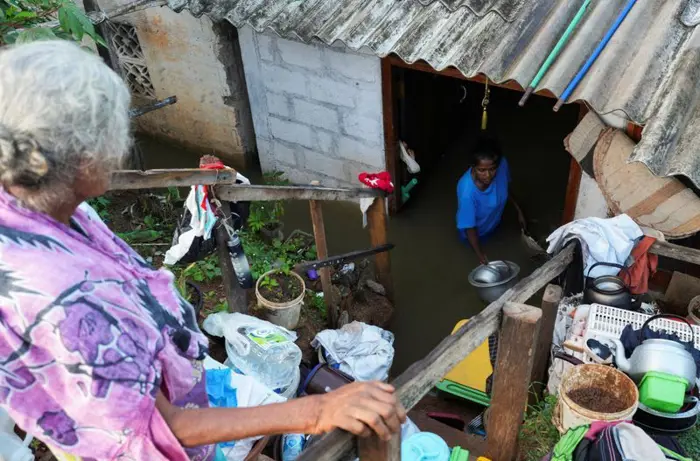
Microfinance Fallout: Rural Families battered in Ditwah Caught in Debt Cycles
By: Staff Writer
December 13, Colombo (LNW): As Sri Lanka prepares to enact the Microfinance and Credit Regulatory Authority Act 2025, an escalating crisis among vulnerable communities highlights the gravity of unregulated lending’s human toll.
In massive a scale of exposure in the aftermath of Ditwah cyclone, 2.3 million people, including 522,000 children and 263,000 older persons, were affected by floods and landslides
Microfinance loans small in size but far reaching in impact have become both a tool of survival and a gateway to indebtedness for impoverished households across the island.
The new Act, expected to replace the outdated 2016 framework, will formalise licensing and extend oversight to all moneylenders and microfinance providers.
However, the hard realities on the ground reveal why reform has become urgent. Informal and semi-formal lenders operate outside formal supervision, with no reliable data on borrower outcomes.
Parliamentary sub-committees are now gathering information in areas such as Batticaloa, Polonnaruwa and Nuwara Eliya to assess how many borrowers have defaulted and are facing financial distress.
For many rural families, microfinance debt is not financing business growth but meeting basic survival needs. Dubbed “loan traps” by activists, these cycles of borrowing to cover food, healthcare or school fees often push households deeper into poverty.
Women estimated to represent a large majority of microfinance borrowers face disproportionate stress, loss of assets, and in some tragic cases, consequences as severe as contemplated suicide due to intense collection pressure.
Advocates say unregulated interest rates and coercive recovery practices have eroded the dignity and stability of farming families and informal workers.
The effort to secure affordable credit becomes a destructive pursuit when repayments consume a disproportionate share of meagre incomes. Community leaders report that traditional safety networks have frayed under financial strain, forcing many to take multiple simultaneous loans, a known precursor to over-indebtedness.
Lenders, meanwhile, contend they face risks too: unclear legal frameworks limit their ability to assess risk consistently and maintain sustainable portfolios.
Without a credible risk assessment ecosystem, both borrowers and lenders operate in uncertainty, exacerbating financial system fragility. Formal data points on non-performing microloans remain elusive, but anecdotal evidence suggests defaults are rising in poorer districts.
Economists argue that a balance is needed stronger consumer protections combined with financial literacy and alternative income-boosting initiatives for low-income borrowers.
As Sri Lanka’s wider economy continues its uneven recovery from recent crises, policymakers are under pressure to implement measures that protect borrowers while strengthening lender governance. The new regulatory authority could be a turning point if it successfully addresses the structural drivers of microfinance distress, not just the symptoms.