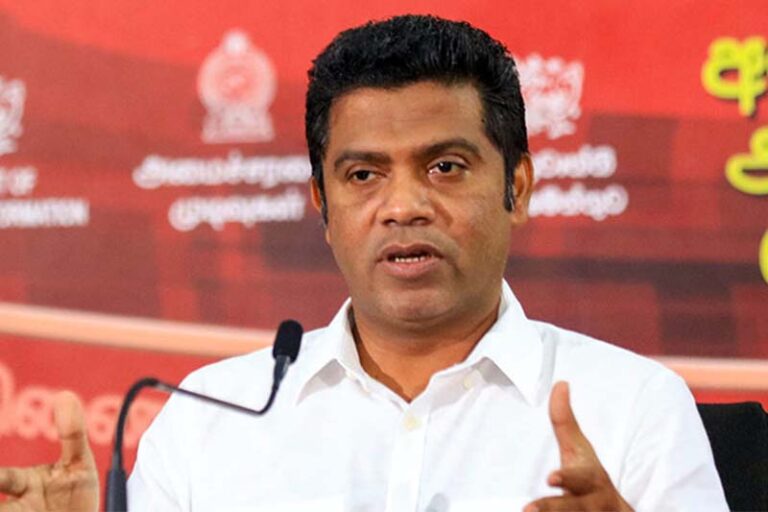
January 22, Colombo (LNW): Minister of Mass Media Dr Nalinda Jayatissa has called for the introduction of dedicated legislation to regulate promotions and advertising on social media platforms, warning that unmonitored content is increasingly causing confusion and distress among the public.
Addressing Parliament on Wednesday, the Minister said existing legal provisions allow authorities to act against misleading promotions related to Ayurvedic products and certain medical treatments. However, he stressed that these measures are limited in scope and fall short of addressing the wider range of problematic content circulating online.
Dr Jayatissa pointed out that Sri Lanka currently lacks a comprehensive legal framework capable of overseeing social media activity across all sectors, from health and finance to consumer goods and services. As a result, authorities are often unable to respond effectively when online promotions mislead the public or create unnecessary alarm.
He argued that modern, clearly defined legislation would give regulators the tools needed to monitor digital advertising more consistently and take timely action when content crosses ethical or legal boundaries. Such a framework, he said, would help balance freedom of expression with public interest, while ensuring greater accountability in the rapidly expanding digital space.
Media Minister Calls for Laws to Rein in Harmful Social Media Advertising
Renewable Power Curtailments Blamed for Billions in Losses to Energy Sector

January 22, Colombo (LNW): Sri Lanka’s renewable energy industry is facing mounting financial strain as repeated restrictions on power generation by the Ceylon Electricity Board (CEB) are estimated to have caused losses approaching Rs. 2 billion, according to industry representatives.
The Grid Connected Solar Power Association (GCSPA) says large-scale renewable energy facilities have been routinely instructed to scale back or halt production since February 2025, particularly during weekends and public holidays between mid-morning and mid-afternoon. The situation has reportedly worsened in recent days, with similar instructions now being issued even on weekdays.
GCSPA President Prabath Wickramasinghe said the curtailments have been justified by authorities on the grounds of an oversupply of solar power during daylight hours. However, he argued that this highlights the urgent need for modern energy storage solutions, noting that many countries with high renewable penetration have already adopted battery storage systems to manage surplus generation.
Industry officials point out that approvals for battery energy storage systems have stalled, despite Cabinet clearance granted last June for a pricing structure and subsequent tax concessions approved by the Finance Ministry. Although the Ministry of Power and Energy directed the CEB several months ago to move forward with implementation, developers say there has been little progress.
The absence of storage facilities means that excess daytime electricity cannot be saved for evening peak demand, typically between 6.30 p.m. and 10.30 p.m. As a result, the sector estimates daily losses of around four million units of electricity, while owners of ground-mounted solar plants report an average drop of about 15 per cent in monthly income compared to last year.
Former GCSPA committee member Kishan Nanayakkara stressed that renewable energy plants are contractually designated as “must-run” facilities under their power purchase agreements. Unlike thermal power stations, which receive capacity payments even when idle, renewable producers are paid only for energy dispatched to the grid. He warned that recent curtailments effectively amount to unilateral breaches of these contracts.
The association is calling on the CEB and the Power and Energy Ministry to introduce interim compensation mechanisms to offset losses, noting that longer-term solutions such as battery storage will take years to materialise due to procurement and implementation timelines. Despite repeated discussions, industry representatives say no compensation has yet been forthcoming, raising concerns about investor confidence and the future pace of Sri Lanka’s renewable energy transition.
Vehicle Registrations Surge at Year-End as Import Market Reopens

January 22, Colombo (LNW): Vehicle registrations in Sri Lanka rose sharply in December 2025, signalling a strong year-end lift following the reopening of motor vehicle imports after a five-year freeze. A total of 48,525 vehicles were registered during the month, compared with 43,810 in November, pushing total registrations for the year to 360,117.
Data compiled by JB Securities show that passenger car registrations accounted for a significant share of the increase. Motor car registrations climbed to 5,007 units in December, up from 3,691 a month earlier. New car registrations also gained momentum, rising to 1,150 units from 781 in November.
Chinese manufacturers dominated the new car segment, with BYD leading the market. BYD alone recorded 408 new registrations in December, while BAW followed with 283 units. Overall BYD registrations surged to 850 units during the month, compared with just 287 in November, driven largely by the Dolphin, Atto 2 and Atto 1 models. Toyota ranked third with 191 units, most of them Wigo models.
Registrations of pre-owned cars also showed solid growth, increasing to 3,857 units from 2,910 in November. The premium vehicle segment expanded modestly, with 187 high-end passenger vehicles registered, compared with 145 in the previous month. Among the notable additions to the roads were single registrations of a Porsche Macan, Jaguar F-Pace, Bentley Bentayga and a Rolls-Royce Ghost.
Commenting on the trend, JB Securities Managing Director Murtaza Jafferjee noted that luxury vehicle imports generate substantial tax revenue and do not represent an inefficient use of foreign exchange. He argued that such imports can, in fact, help ease fiscal pressures due to the heavy taxation applied to high-end vehicles.
Electric vehicle registrations edged up slightly to 3,220 units in December from 3,158 in November, suggesting that the initial surge in EV demand may be levelling off. Meanwhile, three-wheeler registrations increased to 3,007 units, while two-wheeler registrations rose to 30,415, reflecting continued demand for lower-cost transport options.
Overall, the December figures point to renewed activity in the automotive market as consumer confidence improves and import channels continue to stabilise.
December Sees Mild Rise in Inflation as Food Prices Edge Higher
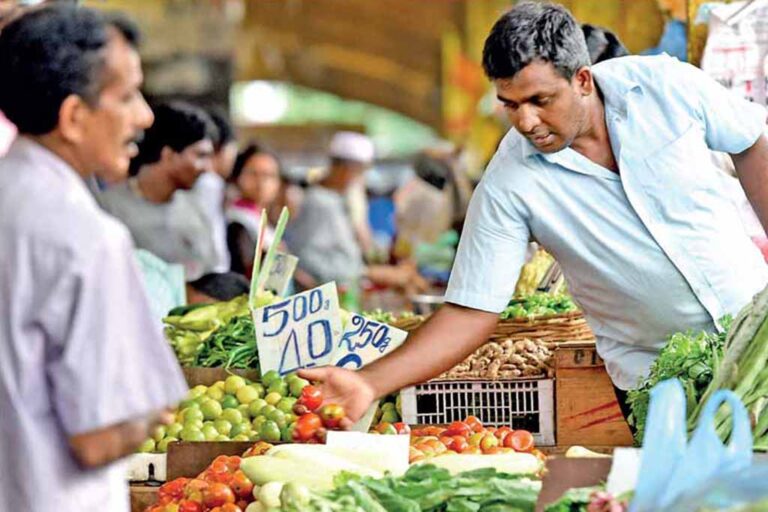
January 22, Colombo (LNW): Consumer prices recorded a slight increase in December 2025, with the National Consumer Price Index climbing to 210.5, reflecting a 1.57 per cent rise compared to the previous month, according to figures released by the Department of Census and Statistics.
The latest data indicate that the cost of an average household basket of goods and services rose by approximately Rs. 1,654 over the month, largely driven by higher food prices. Food inflation accounted for nearly the entire increase, rising by 1.55 per cent, while non-food items showed only a negligible uptick of 0.02 per cent.
Vegetables, green chillies, fresh fish and large onions were the main contributors to the upward movement in food prices. Moderate increases were also observed in eggs, chicken, potatoes, dried chillies, coconut oil, dried fish, chilli powder, coconuts and rice flour. These gains were partly offset by marginal price reductions in limes, fresh fruit, sugar, ginger and green gram.
Price pressures outside the food category remained muted. Restaurants and hotels, along with healthcare services, recorded minimal increases, while most other non-food segments such as housing, education, communication and recreation remained broadly stable. Slight declines were noted in furnishings and alcoholic beverages.
On an annual basis, headline inflation rose to 2.9 per cent in December, up from 2.4 per cent in November. Food inflation showed a sharper year-on-year increase, accelerating to 4.4 per cent from 3.6 per cent, underscoring continued pressure on essential items. Non-food inflation edged up modestly to 1.6 per cent.
Food items contributed around two percentage points to annual inflation, while non-food components added just under one percentage point. Within the non-food category, housing and utilities, education, health services, and restaurants and hotels were the most significant contributors. Declines in transport and recreation-related costs helped moderate the overall increase.
Although inflation remains relatively subdued, the persistent rise in food prices points to ongoing vulnerabilities in essential commodity supply. At the same time, the broader stability in consumer prices suggests there remains some flexibility for policymakers as they balance monetary and fiscal priorities.
Five New Political Parties Added to Sri Lanka’s Electoral Register
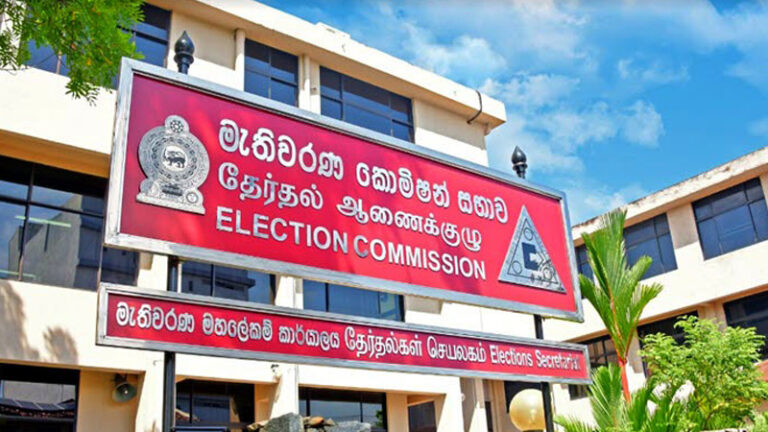
January 22, Colombo (LNW): Sri Lanka’s National Election Commission has approved the registration of five additional political parties, expanding the country’s already crowded political landscape.
The newly recognised groups include the Samajavadi Janatha Peramuna, Jana Sahabhagi Prajathanthrawadi Peramuna, Malaiyaga Arasiyal Arangam, Samaththuwa Katchi and Viplawadi Janatha Balaya, according to an official announcement by the Commission.
Approval followed a lengthy evaluation process that began last year, during which applicants were assessed through a series of interviews and reviews. In 2025 alone, as many as 83 organisations applied for official recognition as political parties. Of these, 47 were shortlisted and invited to take part in preliminary discussions.
After completing the final round of interviews and scrutiny, only five parties met the required criteria and were granted formal registration.
With these additions, the total number of registered political parties in Sri Lanka has risen to 85, reflecting both the diversity and fragmentation of the country’s political arena as it moves towards future electoral contests.
Prime Minister Urges Global Shift Towards Inclusive Leadership Led by Women

January 22, Colombo (LNW): Prime Minister Dr Harini Amarasuriya has underscored Sri Lanka’s dedication to feminist and intersectional leadership, urging the international community to move beyond symbolic inclusion and place women and marginalised groups at the centre of global decision-making.
Speaking at an international forum in Davos focused on women’s leadership in a rapidly evolving world order, she observed that although women are increasingly visible across political, economic and social arenas, their work remains persistently undervalued. She pointed in particular to unpaid care responsibilities, informal employment and agricultural labour, where women’s contributions continue to be largely overlooked despite their central role in sustaining economies and communities.
Dr Amarasuriya was addressing the World Woman Davos Agenda 2026, held alongside the World Economic Forum’s annual meeting in Davos-Klosters, Switzerland. Her remarks highlighted the structural nature of gender inequality, noting that women’s exclusion from positions of power is often reinforced through entrenched systems rather than isolated incidents.
She warned that women in leadership, especially in politics, are frequently subjected to harassment, public vilification and institutional barriers that discourage participation and drive capable leaders out of public life. According to the Prime Minister, dismantling these obstacles requires more than safeguarding individuals; it demands fundamental reform of institutions and power dynamics so that women can lead with independence, authority and confidence.
Reflecting on developments at home, Dr Amarasuriya said Sri Lanka is beginning to demonstrate the impact of political will combined with public resilience. She pointed to recent gains in women’s political representation, noting that a record number of women have entered Parliament, marking a meaningful step towards more representative governance.
In closing, the Prime Minister stressed that true leadership is not defined by merely gaining access to existing power structures, but by reshaping those structures altogether. She reaffirmed Sri Lanka’s commitment to inclusive and feminist leadership, calling on global leaders to ensure that women and marginalised communities are not simply consulted, but are actively shaping the policies and institutions that will define the future.
Lack of Coordination Hampers Recovery of Central Highlands After Cyclone Ditwah
January 22, Colombo (LNW): President Anura Kumara Dissanayake has acknowledged that weak coordination among state bodies responsible for land use, construction, agriculture, livestock and environmental protection has slowed efforts to rehabilitate the central highlands following the devastation caused by Cyclone Ditwah.
He noted that fragmented decision-making and overlapping responsibilities have made restoration work more complex, particularly in areas where environmental damage has been compounded over many years. To address this, the President said plans are being developed to introduce a unified mechanism that will bring all relevant institutions under a single, coordinated framework to accelerate protection and rebuilding efforts in the affected regions.
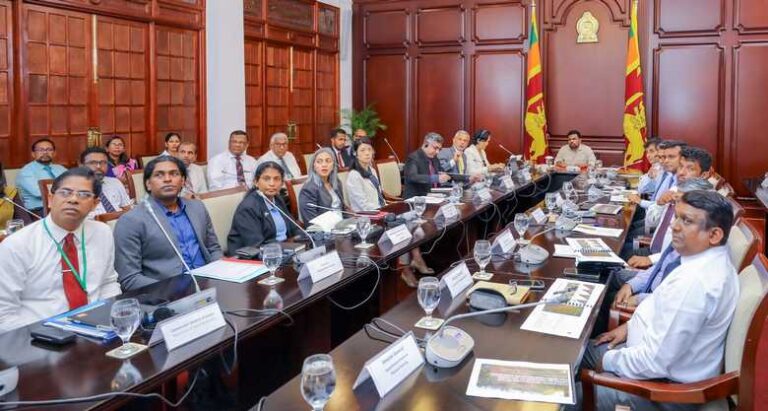
These observations were made during a high-level meeting at the Presidential Secretariat with representatives of the Asian Development Bank, the United Nations Development Programme and key stakeholders from the public and private sectors. The discussions focused on stabilising the central hills, rehabilitating forest plantations and preventing further environmental degradation.
Officials highlighted that Cyclone Ditwah had triggered close to 4,000 landslides across the central highlands, with long-standing issues such as unauthorised construction, improper farming practices and neglect of land management significantly worsening the impact. Participants stressed the urgency of adopting a comprehensive national policy aimed at safeguarding the central hills and preserving them for future generations.
The need to establish a statutory authority with clear legal powers to oversee land use and conservation in the region was also raised. President Dissanayake directed relevant officials to fast-track steps required to set up such an institution without delay.
Representatives from the ADB and UNDP underlined the importance of maintaining a dedicated financial mechanism to support long-term restoration and conservation work, reaffirming their commitment to assist Sri Lanka in rebuilding and protecting the central highlands.
Senior officials from multiple ministries, alongside representatives from development partners and other institutions, took part in the discussions, reflecting the broad-based approach now being pursued to address the challenges facing the country’s environmentally sensitive hill country.
IMF Team Arrives to Review Cyclone Impact and Aid Programme Progress

January 22, Colombo (LNW): A team from the International Monetary Fund is due to touch down in Sri Lanka today (22), beginning a short mission focused on the aftermath of Cyclone Ditwah and the country’s ongoing economic recovery.
During the visit, IMF officials are expected to tour affected areas and meet government representatives to gain a clearer picture of the storm’s toll on communities, infrastructure and key sectors of the economy.
Discussions will centre on how the authorities have responded to both the immediate humanitarian needs and the broader economic disruptions triggered by the cyclone. The delegation is scheduled to remain in the country until January 28.
Alongside the disaster assessment, the mission follows the IMF’s completion of the fifth evaluation under Sri Lanka’s extended funding facility.
Prevailing dry weather conditions expected to change (Jan 22)

January 22, Colombo (LNW): The prevailing dry weather conditions are expected to change from tomorrow (23), the Department of Meteorology said today (22).
Mainly dry weather will prevail in the most parts of the island.
There is a possibility of ground frost at some places in Nuwara-Eliya district in the early hours of the morning.
Misty conditions can be expected at some places in Western, Sabaragamuwa, Central, North-western, North-central and Uva provinces and in Galle, Matara, Ampara and Vavuniya districts during the early hours of the morning.
Marine Weather:
Condition of Rain:
Mainly fair weather will prevail in the sea areas around the island.
Winds:
Winds will be north-easterly to northerly and wind speed will be (30-40) kmph. Wind speed can increase up to 50 kmph at times in the sea areas off the coast extending from Mannar to Kalutara via Puttalam and Colombo and from Hambantota to Pottuvil.
State of Sea:
The sea areas off the coast extending Mannar to Kalutara via Puttalam and Colombo and from Hambantota to Pottuvil may be rough at times. The other sea areas around the island will be slight to moderate.
Fairway Holdings Launches Its 7th Luxury Apartment Project, “Fairway Latitude”

Fairway Holdings, a leading condominium developer in Sri Lanka, synonymous with luxury and quality, celebrated the launch of its 7th apartment project, Fairway Latitude, on 20 January 2026, at Cinnamon Life. Located in Colombo 05, at No. 7, High Level Road, Kirulapone, Fairway Latitude represents the latest chapter in an expansive portfolio of contemporary home options from Fairway Holdings.
Located in Colombo 05, Fairway Latitude is strategically positioned to offer direct access to High-Level Road and Baseline Road. Standing in close proximity to leading schools, key business hubs, top hospitals, vibrant shopping destinations, and fine dining establishments, the project’s unparalleled connectivity to Colombo’s thoroughfares reflects a tailored offering aimed at elevating modern lifestyles.
Among its practical amenities, Fairway Latitude offers a rooftop infinity pool with panoramic city views. Prospective homeowners will also have access to a fully equipped gymnasium, a landscaped rooftop terrace, and a rooftop function hall capable of accommodating up to 250 people. Additionally, Fairway Latitude features an on-site convenience store for daily essentials, concierge services, and an exclusive resident service app for the easy convenience of its homeowners.
Speaking at the launch, Virath de Alwis, Chairman of Fairway Holdings, said, “Fairway Latitude represents many new beginnings for us. Not only is it our seventh luxury apartment project, but it is also the first residential venture we have established within Colombo’s business district. Construction of the project has already commenced, and we remain committed to delivering the same high Fairway standards that have defined our previous developments. We are thankful to all our partners, especially Seylan Bank, for the support extended to us over the past few years. ”
Catering to exclusive and high-end lifestyle needs, each apartment features straight-line architecture with efficient, light-filled layouts, European standard kitchens, high-end finishes, and people-focused planning to create a clean, minimalist design aligning with Fairway’s trademark style. Fairway Latitude offers a selection of two, three, and four bedroom residences, with unit sizes range from 902 to 2,881 square feet. Moreover, each unit is equipped with engineered timber doors and floors, double-glazed uPVC windows, smart home provisions, energy-efficient systems and LED lighting for homes in alignment with Fairway’s sustainability values.
Fairway Group Chief Executive Officer Ashean Karthelis said, “This is a very unique project in Colombo’s luxury apartment market. We have already completed six floors, and with construction now actively underway, the project is progressing steadily toward completion in 2028. This forward momentum means our homeowners will be able to move in earlier and begin enjoying the unmatched convenience of life at Latitude sooner. It also positions them for a higher return on investment compared to other similar developments, making Latitude both a premier address and a sound financial opportunity.”
Fairway Latitude is a unique proposition in Colombo’s luxury apartment market. With more than 1,000 apartments completed across 6 projects and an industry presence of over 20 years, Fairway Holdings has reshaped skylines with properties including Fairway On The Waterfront, Fairmount Urban Oasis, Fairway SkyGardens, Fairway Galle, Fairway Elements, and Fairway Urban Homes. With its unique amenities and offerings, Fairway Latitude is uniquely positioned to continue the company’s practice of uniting exceptional luxury with convenience and practical living. For more information, visit www.latitude.lk.