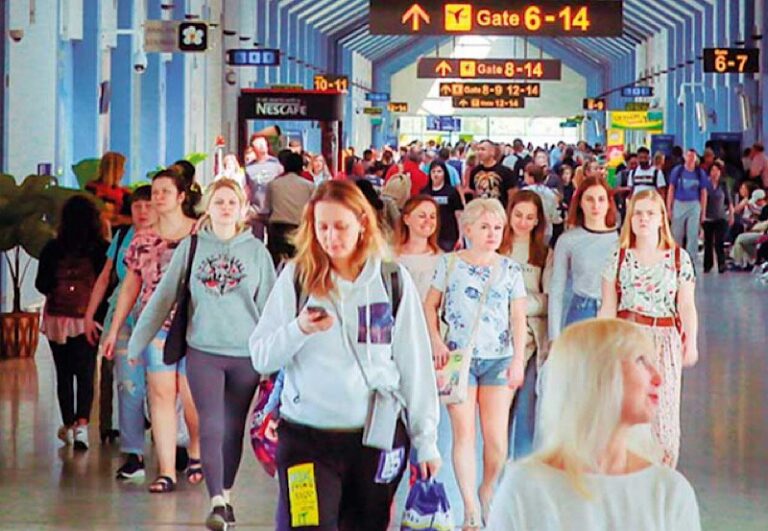
January 20, Colombo (LNW): Sri Lanka has welcomed close to 160,000 overseas visitors in the first 18 days of 2026, signalling a robust start to the year for the tourism sector, according to figures released by the Sri Lanka Tourism Development Authority (SLTDA).
Data from the authority indicate that 58,822 travellers arrived between January 01 and 07, followed by a further 62,592 visitors during the second week of the month. An additional 37,373 tourists entered the country between January 15 and 18, bringing the total to 158,787 arrivals within less than three weeks.
India emerged as the largest source market, accounting for 28,686 visitors. Russia followed with 16,956 arrivals, while the United Kingdom contributed 15,189 tourists. Germany and France completed the top five, with 10,837 and 7,508 visitors respectively.
The SLTDA also noted steady inflows from several other markets, including Australia, China, Poland, the United States and the Netherlands, reflecting a broad-based recovery and growing international interest in Sri Lanka as a travel destination early in the year.
View Full Report: https://www.sltda.gov.lk/storage/common_media/Weekly_Report_1st_to_18th_January_2026.pdf
Tourist Numbers Show Strong Start to 2026 with Nearly 160,000 Arrivals
Police Praise UAE for Assistance in Returning Wanted Suspects

January 20, Colombo (LNW): Sri Lanka Police have conveyed their appreciation to the Government of the United Arab Emirates and its law enforcement agencies for their role in facilitating the return of three wanted individuals to Sri Lanka on January 15.
In a statement issued by the Police Media Division, authorities said the deportations were the result of close coordination and effective cooperation between Sri Lankan investigators and their counterparts in the UAE.
The operation was described as another example of the strong working relationship between the two countries in tackling cross-border crime.
Police noted that the collaboration reflects a shared commitment by Sri Lanka and the UAE to uphold the rule of law and strengthen regional as well as international security efforts. They also highlighted the UAE’s continued assistance in recent years, pointing out that a total of eleven suspects sought by Sri Lankan authorities were deported from the UAE during 2024 and 2025.
Commending the professionalism and efficiency shown by UAE officials throughout these operations, Sri Lanka Police said such support has been instrumental in bringing suspects back to face legal proceedings.
The police force added that it looks forward to further deepening cooperation with the UAE as part of ongoing efforts to combat transnational crime and safeguard public security.
Human Rights Watch Warns New Anti-Terror Bill Could Entrench Abuses

January 20, Colombo (LNW): Human Rights Watch has raised serious concerns over Sri Lanka’s proposed counterterrorism law, warning that it mirrors many of the most criticised elements of the existing legislation and could entrench the very abuses it claims to replace.
In a statement issued today, the organisation said the draft Protection of the State from Terrorism Act (PSTA), released by the Ministry of Justice in December 2025, falls short of international human rights standards and risks perpetuating repression under a new legal label. According to HRW, the bill does not meet benchmarks set by United Nations counterterrorism experts, nor does it honour commitments Sri Lanka has made to the European Union as part of its eligibility for GSP+ trade concessions.
The proposed law is intended to replace the Prevention of Terrorism Act (PTA), in force since 1979, which has long been blamed for facilitating arbitrary detention, torture, and other serious violations. Human Rights Watch noted that Sri Lanka pledged in 2017 to repeal the PTA and introduce rights-respecting legislation as a condition for the restoration of GSP+ benefits, but successive governments have failed to deliver on that promise. The group said the new bill also contradicts President Anura Kumara Dissanayake’s 2024 election pledge to abolish oppressive laws and safeguard civil liberties nationwide.
HRW’s deputy Asia director, Meenakshi Ganguly, said replacing the PTA is long overdue, but warned that the proposed legislation would allow authorities to continue using sweeping powers with minimal oversight. She called for an immediate halt to the use of the PTA and urged the government to restart the reform process through inclusive consultations that genuinely reflect expert and civil society input.
The organisation noted that several provisions in the draft law resemble earlier proposals floated in 2018 and 2023, which were later withdrawn after strong criticism over their impact on fundamental rights. Although the current administration invited public submissions, HRW said many of the concerns previously raised were ignored.
According to the group, Sri Lanka has a documented history of misusing counterterrorism laws against minorities, activists, journalists, and government critics, particularly Tamils and Muslims, and such practices have continued in recent years. HRW cited cases from 2025 in which two young Muslim men were held for months under the PTA after criticising Israel, only to be released without charge. It also pointed to official data indicating a rise in arrests under the PTA in early 2025, with many cases unrelated to terrorism and instead linked to organised crime.
The organisation further highlighted findings by the UN Office of the High Commissioner for Human Rights, which reported repeated questioning of human rights defenders by the Terrorism Investigation Division. HRW also referred to a case in which a journalist was investigated for terrorism after reporting on the excavation of a mass grave linked to alleged wartime executions, describing such actions as attempts to intimidate civil society, particularly in the north and east.
Human Rights Watch said UN experts have consistently found Sri Lanka’s counterterrorism framework to be incompatible with key international treaties, including those governing civil and political rights, protection from enforced disappearance, and the absolute prohibition of torture. In 2021, UN experts outlined five essential conditions for lawful counterterrorism legislation, ranging from a clear definition of terrorism to strong safeguards against arbitrary detention and abuse. HRW said the proposed bill fails to fully satisfy any of these criteria.
The organisation criticised the bill’s broad definition of terrorism, which it said could criminalise political activism and peaceful dissent. It warned that vague references to “intimidating the public” or compelling the government to act, along with expansive notions of harm such as property damage or theft, could be used to suppress legitimate expression. Provisions criminalising the publication or distribution of material deemed to encourage terrorism were described as particularly dangerous, given the lack of clarity over what constitutes a “terrorist publication”.
HRW also expressed alarm over the extensive arrest and detention powers in the draft law, including the possibility of holding suspects without charge for up to two years through a combination of judicial remand and executive detention orders. The bill would also authorise members of the armed forces to carry out searches and arrests without warrants, a move the organisation said is troubling given the military’s history of abuses and lack of law-enforcement training.
While the draft law contains nominal safeguards against torture, Human Rights Watch said similar protections under existing laws have been poorly enforced. It also raised concerns over provisions allowing prosecutions to be suspended if suspects accept conditions such as rehabilitation, warning that such mechanisms could be used to extract confessions or impose punishment without trial.
Additional powers granted to the president and defence secretary, including the ability to ban organisations, impose curfews, and declare wide areas as restricted zones where photography is criminalised, were described as excessive and lacking adequate oversight.
“The draft legislation suggests that the authorities continue to view counterterrorism as a justification for unchecked power,” Ganguly said. She urged Sri Lanka’s international partners, including the EU, to press the government to honour its commitments and pursue genuine reform rather than reintroducing the PTA’s most damaging features in a new form.
Government Signals Readiness for Parliamentary Debate on Proposed No-Confidence Motion
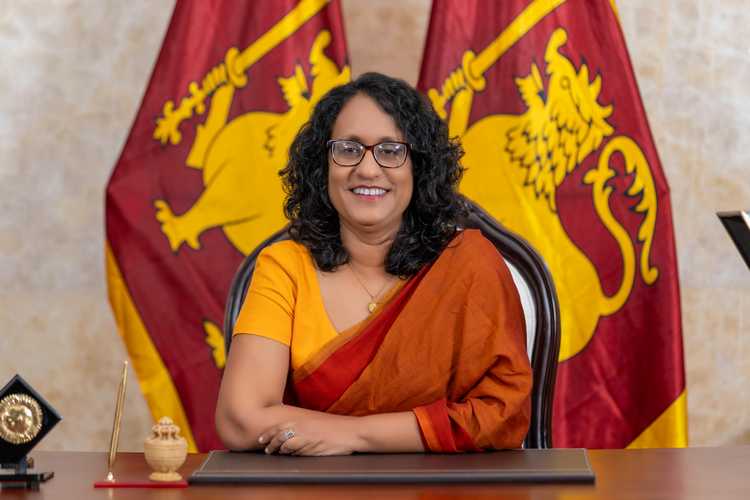
January 20, Colombo (LNW): Leader of the House and Minister Bimal Ratnayake told Parliament that the government is open to setting aside time this week to take up a proposed No-Confidence Motion against Prime Minister and Education Minister Harini Amarasuriya.
Speaking in the House, Ratnayake said the administration is prepared to dedicate the full sittings on January 22 and 23 to debating the motion, should the opposition formally submit it.
He described reports of an impending no-confidence bid as a serious development, noting that it creates uncertainty if signatures are being gathered without the motion being officially tabled.
“We believe the country deserves clarity,” the minister said, adding that prolonged speculation over a motion of this nature could undermine political stability. He urged the opposition to make its intentions clear by either proceeding with the submission or abandoning the effort.
In response, Chief Opposition Whip Gayantha Karunatileke told the House that the matter falls within the opposition’s internal decision-making process and that further discussions are required before any next steps are taken.
Ratnayake reiterated that any delay in resolving the issue could have wider implications for governance, and again called on the opposition to act decisively on the proposed motion.
Justice Minister Warns of Severe Prison Overcrowding Amid Drug Arrest Surge
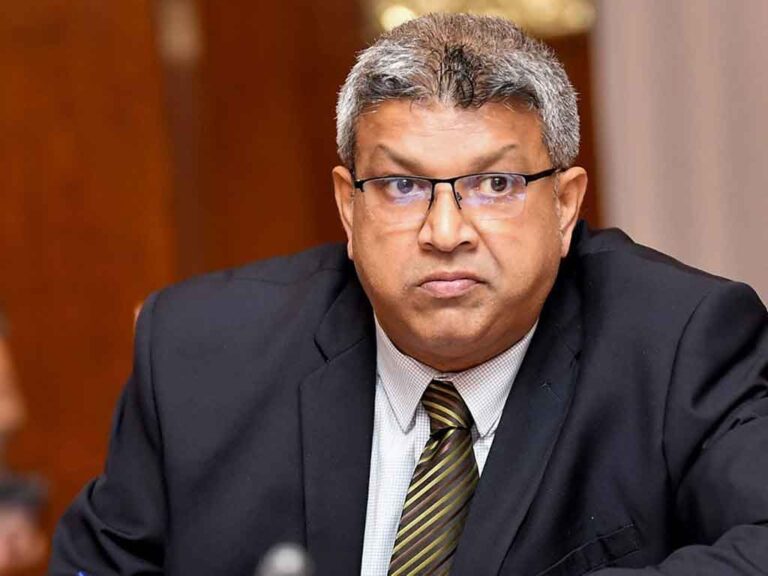
January 20, LNW (Colombo): Minister of Justice Harshana Nanayakkara told Parliament today that approximately 700 individuals are arrested each day across the country in connection with drug-related offences, highlighting the scale of Sri Lanka’s ongoing narcotics problem.
Responding to a question raised by MP Chamindrani Kiriella, the Minister said the high number of arrests has significantly contributed to severe overcrowding in the prison system. He revealed that prisons islandwide are currently overcrowded by nearly 300 percent, placing immense pressure on infrastructure, staff, and rehabilitation facilities.
Minister Nanayakkara also indicated that the government is considering the establishment of a bail fund to facilitate the release of thousands of inmates who remain in custody solely due to their inability to pay bail. He noted that a large proportion of remand prisoners are from economically disadvantaged backgrounds and are detained for minor or non-violent offences.
The Justice Minister stressed that prolonged detention over unpaid bail not only worsens prison congestion but also raises concerns over fairness and access to justice. He said the proposed bail fund, along with broader judicial reforms, is being studied as part of efforts to reduce unnecessary incarceration and improve the efficiency of the legal system.
The Minister further emphasized the need for stronger rehabilitation and prevention programmes to address drug abuse, warning that enforcement alone would not resolve the crisis unless accompanied by social and economic interventions.
Bimal Rathnayake Questions Authenticity of Ashoka Ranwala’s Doctorate
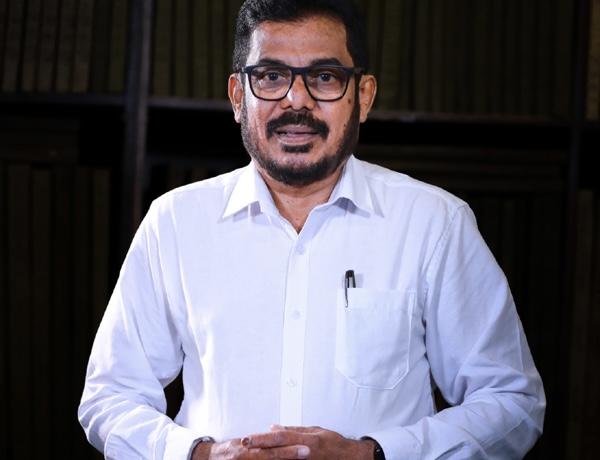
January 20, LNW (Colombo): Transport, Highways and Urban Development Minister Bimal Rathnayake has expressed serious doubts over former Speaker Ashoka Ranwala’s claimed doctoral qualification, stating that he does not believe such a certificate exists due to the prolonged failure to present it.
The Minister made these remarks while responding to questions on the ongoing controversy during a political talk show aired last night. He noted that despite repeated public discussion and assurances, no documentary evidence has been produced to substantiate the former Speaker’s claim.
Addressing a question on assurances given by Cabinet Spokesman Nalinda Jayatissa in November 2024 that the certificate would be presented “shortly,” Minister Rathnayake acknowledged that any reasonable timeframe for producing such a document has long elapsed. He said the continued delay has only intensified public skepticism and raised broader concerns about transparency and accountability among public officials.
The controversy surrounding the alleged doctorate has sparked debate in political circles and on social media, with critics calling for full disclosure to protect the credibility of public institutions. Several commentators have argued that academic qualifications claimed by senior political figures should be subject to the same level of scrutiny as financial and asset declarations.
While no official legal action has been announced, the issue continues to draw public attention, with calls for the former Speaker to clarify the matter conclusively by producing verifiable documentation or issuing a formal explanation.
Mainly Dry Weather Across the Island; Frost Possible in Nuwara Eliya (Jan 20)
LNW (Colombo): Mainly dry weather will prevail in the most parts of the island.
There is a possibility of ground frost at some places in Nuwara-Eliya district in the early hours of the morning.
Misty conditions can be expected at some places in Western, Sabaragamuwa, Central, North-western, North-central and Uva provinces and in Galle, Matara and Ampara districts during the early hours of the morning.
World’s Rarest Sapphire Shines amid Sri Lanka Gem Trade Decline

By: Staff Writer
January 19, Colombo (LNW): Sri Lanka this week entered global gemological history with the formal unveiling of the world’s largest documented natural purple star sapphire, even as the country’s gem industry struggles under high taxes, policy inertia and a market increasingly dominated by a small group of powerful traders.
The gemstone, named the Star of Pure Land, weighs an extraordinary 3,536 carats and has been certified by the Gemological Institute of America, with its Sri Lankan origin independently confirmed by the Lanka Gemological Laboratory.
Experts say its sharply defined six-ray star effect, rare purple coloration and perfectly executed round cabochon cut make it the largest and finest specimen of its kind ever recorded. Formed naturally over millions of years, gemologists stress that such a convergence of size, clarity and optical precision cannot be replicated or engineered.
Yet the global spotlight on this geological marvel contrasts sharply with the fragile state of Sri Lanka’s gem and jewellery sector in 2025.
Once seen as a key foreign exchange earner with the potential to generate over US$1 billion annually, official export earnings have continued to underperform.
Industry estimates indicate that gem and jewellery exports for 2024 fell to approximately US$360 million, down sharply from around US$477 million in 2023, largely due to the imposition of an 18 percent VAT on gems and jewellery, including stones meant solely for re-export.
Preliminary figures for 2025 show only marginal recovery, with earnings still well below pre-tax projections.
Behind these numbers lies a deeper structural imbalance. Industry insiders say the trade is now dominated by a handful of well-connected traders who control access to high-value stones and overseas buyers.
While small and mid-scale miners and exporters struggle with compliance costs and restricted bank credit, larger players are better positioned to absorb taxes or bypass them altogether through undervaluation and offshore transactions.
As a result, significant amounts of foreign currency generated by gem sales reportedly remain outside Sri Lanka’s formal banking system.
Economists warn that a substantial share of high-value gem transactions continues to be settled abroad, depriving the country of much-needed dollar inflows at a time when reserve buffers remain fragile.
This informalisation of the trade has been exacerbated by regulatory weaknesses and limited valuation capacity within state institutions.
The unveiling of the Star of Pure Land highlights what Sri Lanka continues to offer the world: unmatched geological heritage and scientific significance. But without a coherent national strategy to protect value, formalise earnings and ensure broad-based participation, such discoveries risk becoming symbols of missed opportunity rather than shared national wealth.
India’s Travel Surge Reshapes Sri Lanka’s Tourism Recovery Path
By: Staff Writer
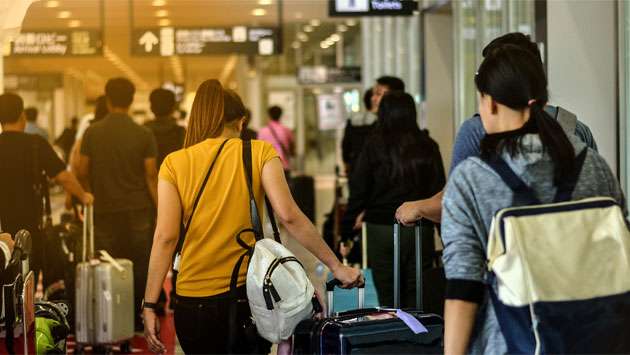
January 19, Colombo (LNW): Sri Lanka’s tourism industry is increasingly anchored to a powerful neighbour: India. Recent promotional roadshows across Delhi, Mumbai and Chennai signal a strategic pivot toward consolidating India as Sri Lanka’s most reliable and scalable source market. Conducted in collaboration with the Sri Lanka Tourism Development Authority, SLAITO, THASL and SriLankan Airlines, the campaign highlights a coordinated public-private effort to reposition Sri Lanka beyond seasonal tourism and toward higher-yield segments.
India already dominates Sri Lanka’s inbound tourism profile. In 2025, Indian travellers accounted for 531,511 arrivals 27% of total visitors, making India the island’s largest source market. Industry leaders now project that Sri Lanka could welcome one million Indian tourists by 2026, a milestone that would fundamentally reshape the tourism economy.
Several structural advantages underpin this optimism. Sri Lanka’s geographic proximity, shared cultural and religious ties, and strong appeal for pilgrimage travel make it an easy and familiar destination for Indian tourists. Additionally, India’s outbound travel market is expected to reach 50 million travellers by 2030, with nearly 70% preferring destinations within a five-hour flight radius, positioning Sri Lanka squarely within India’s preferred travel zone.
Policy decisions have also played a decisive role. Sri Lanka’s free-visa regime has lowered entry barriers, encouraging spontaneous and short-haul travel, particularly among middle-income Indian travellers. Air connectivity further reinforces this advantage, with SriLankan Airlines operating 126 weekly flights to 14 Indian cities, offering extensive access across key urban centres.
Beyond volume growth, the industry is increasingly focused on diversification and yield enhancement. Niche segments such as destination weddings, MICE tourism, golf travel and spiritual tourism are gaining traction, offering higher spending potential than traditional leisure travel. Indian travel agents have also highlighted Sri Lanka’s rare ability to offer beaches, hill country, cloud forests and ancient heritage sites within a few hours’ drive—an advantage few regional competitors can replicate.
However, the rapid rise of Indian arrivals also exposes vulnerabilities. Heavy reliance on a single source market increases exposure to economic or policy shifts in India. Infrastructure strain, uneven service standards and inconsistent digital marketing could limit conversion rates if growth is not carefully managed.
Industry consensus points toward the need for joint marketing initiatives, stronger digital storytelling and deeper engagement with Indian travel trade bodies. With organisations like TAAI set to hold executive meetings in Colombo in 2026, momentum is building.
Sri Lanka’s opportunity is clear. The challenge lies in translating demand into sustainable, high-value growth without overdependence or dilution of destination quality.
CBSL Signals Policy Stability as Inflation Path Narrows in 2026
By: Staff Writer
January 19, Colombo (LNW): The Central Bank of Sri Lanka (CBSL) is preparing to maintain a cautious yet steady monetary policy stance in 2026, with interest rates expected to remain unchanged in the early part of the year as inflation is gradually guided back to its medium-term target of 5%, according to a research note released by First Capital Research.
Analysing the CBSL’s newly announced Policy Agenda for 2026, First Capital Research said the Central Bank’s approach reflects growing confidence in the macroeconomic stability restored during 2024 and 2025, while remaining alert to emerging risks stemming from supply-side shocks and tightening liquidity conditions.
The CBSL has forecast that inflation will return to target by the second half of 2026, explicitly factoring in the economic impact of Cyclone Ditwah on supply chains. While the accommodative monetary policy maintained over the past year helped revive private sector credit growth and support economic recovery, some volatility was observed in short-term money market rates toward the end of 2025. These fluctuations followed the implementation of the Overnight Policy Rate (OPR) mechanism.
According to First Capital Research, the Central Bank has made it clear that it intends to address such pressures through liquidity management rather than immediate policy rate changes. Measures include fine-tuning market liquidity through targeted operations and a series of Statutory Reserve Ratio (SRR) reforms. These reforms involve redefining the reserve maintenance period, removing the till-cash concession and restoring higher minimum daily reserve requirements, effectively reversing several temporary relaxations introduced during the COVID-19 period.
“These measures indicate a focus on preserving monetary stability while continuing to support growth, with moderate rate changes not entirely ruled out if conditions warrant,” First Capital Research stated.
From a fixed income market perspective, the research firm expects tighter SRR requirements to exert upward pressure on short-term interest rates. However, long-term yields are likely to remain relatively stable, supported by anchored inflation expectations, ongoing fiscal consolidation and a strengthening external position.
Sri Lanka’s Gross Official Reserves rose to $6.8 billion in 2025 the highest level since the economic crisis supported by $2 billion in net foreign exchange purchases. Meanwhile, the external current account recorded a surplus for the third consecutive year, reinforcing confidence in external sector resilience.
Beyond monetary policy, the CBSL’s 2026 agenda prioritises financial system stability. Key initiatives include banking sector recapitalisation and consolidation under the Master Plan Phase II, the introduction of a counter-cyclical capital buffer framework, and the integration of climate-related risks into financial supervision. Reforms to deposit insurance, reserve management and financial inclusion are also outlined.
In equity markets, First Capital Research expects the prevailing interest rate environment and expanding credit conditions to support earnings recovery, particularly in consumer-driven sectors, construction and banking.
Overall, the research firm noted that the CBSL’s 2026 agenda marks a transition from crisis containment to long-term resilience and reforma policy direction likely to be welcomed by markets if consistency is maintained.