By: Staff Writer
January 19, Colombo (LNW): Sri Lanka’s JVP-led National People’s Power (NPP) government inherited a society already under immense strain when Cyclone Ditwah struck in late 2025. Fresh nationally representative data reveal that even before the disaster, millions of households were living on the edge financially insecure, nutritionally vulnerable, and deeply indebted. The cyclone and subsequent flooding merely exposed fault lines that had widened during years of economic collapse and weak social protection.
The BRIGHT Integrated Household Survey, conducted between November 2024 and March 2025 across all districts, paints a stark picture. While 18 percent of households were officially poor by income standards, multidimensional poverty affected 27 percent, reflecting overlapping disadvantages in health, education, housing, and living conditions. One-third of households reported moderate or severe food insecurity, while over 40 percent were already trapped in debt, limiting their ability to absorb shocks.
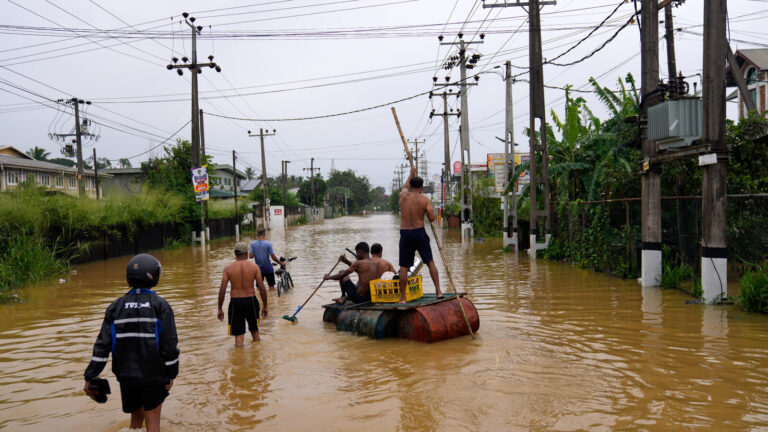
When Cyclone Ditwah displaced more than 200,000 people and affected nearly two million citizens, the NPP government faced its first large-scale humanitarian test. Emergency relief operations—dry rations, temporary shelters, and cash assistance were rolled out rapidly, building on an expanded welfare infrastructure. The government’s ability to mobilize existing social protection mechanisms, particularly Aswesuma, proved crucial.
Aswesuma, which replaced the Samurdhi program, had already expanded coverage to nearly 29 percent of the population before the cyclone, reaching almost half of the poorest households. Post-disaster, the NPP administration fast-tracked beneficiary revalidation in affected districts, enabling quicker disbursement of relief payments. This marked a significant improvement over earlier disaster responses, which were often delayed by bureaucratic inefficiencies and political favoritism.
However, the data underscore persistent inequalities. Estate-sector communities were already facing extreme deprivation, with two-thirds classified as multidimensionally poor and more than half food insecure. Flood damage to estate housing and access roads further isolated these populations, raising questions about whether relief efforts adequately addressed long-standing structural neglect rather than just immediate losses.
Urban vulnerability has also become impossible to ignore. Food insecurity in cities has risen more than fivefold since 2019, dismantling the myth that urban households are inherently resilient. The NPP government’s post-cyclone response acknowledged this shift by extending relief beyond traditional rural poverty pockets, particularly to low-income urban settlements.
While immediate relief measures have stabilized conditions for many affected families, the survey data suggest recovery will be uneven without deeper reforms. Debt relief, nutrition-focused interventions, and climate-resilient infrastructure investment remain critical. The cyclone response has demonstrated improved state capacity but also highlighted how much further the NPP government must go to turn emergency action into long-term resilience.
Floods Hit the Poor First as Sri Lanka Faces Key Test after Cyclone Ditwah
Grama Niladhari Union Pulls Out of Cyclone Ditwah Relief Payment Process
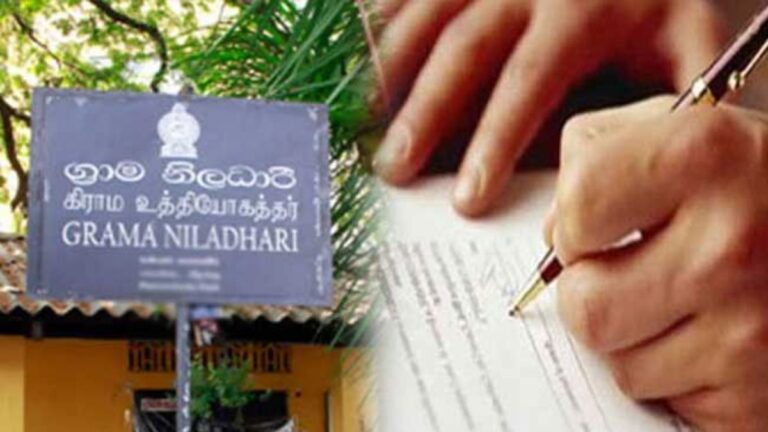
January 19, Colombo (LNW): The Grama Niladhari Trade Union Alliance has announced its withdrawal from the government’s Rs. 5 million grant disbursement programme for homes partially damaged by Cyclone Ditwah, with the decision taking effect from today (19).
Alliance Co-Chairman Nandana Ranasinghe explained that the move comes in response to flaws identified in the official circular outlining the payment procedure. He stressed that the government must take steps to ensure that the relief distribution is conducted in a transparent and organised manner.
Earlier, the government had earmarked Rs. 5 million in financial aid for households affected by partial damage during the cyclone. The task of distributing the funds was first assigned to the Association of Divisional Secretaries and Assistant Divisional Secretaries, as well as the Association of Government Accountants, but both groups withdrew, citing significant procedural shortcomings. Responsibility was then transferred to Grama Niladhari officers.
The Trade Union Alliance has now confirmed that it will also refrain from handling the disbursements, citing not only procedural issues but also a lack of adequate compensation for officers involved in disaster-related duties.
CID to Probe Seizure of Smartphones from Welikada Prison Ward
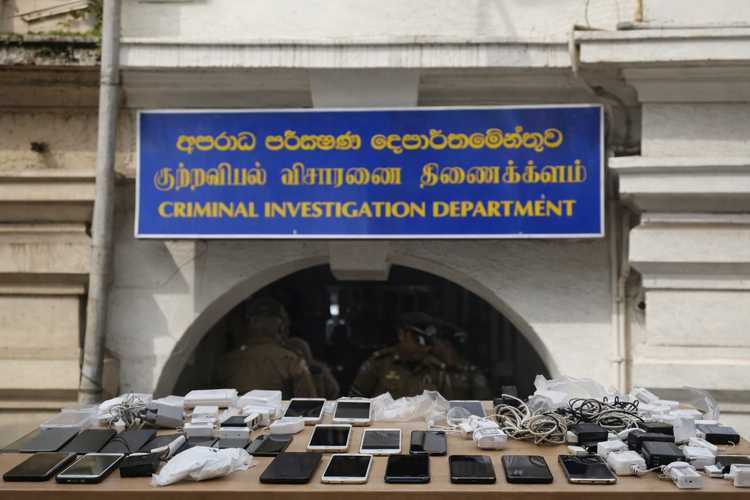
January 19, Colombo (LNW): The Criminal Investigation Department (CID) will launch an inquiry following the discovery of smartphones and related electronic accessories in a Welikada Prison ward that houses several former government ministers.
Prison authorities confirmed that the confiscated items, which include mobile phones, chargers, and other accessories, are expected to be formally handed over to the CID within the next two days.
The items were uncovered during a targeted search operation within the prison. The ward in question reportedly accommodates former ministers Mahindananda Aluthgamage, Nalin Fernando, S.M. Ranjith, and Duminda Silva.
The Department of Prisons emphasised that the seized devices are now in police custody and that a thorough investigation is ongoing to determine how the items entered the restricted area and whether any rules were breached.
Temporary Shelters to Aid Estate Families Devastated by Recent Disasters
January 19, Colombo (LNW): A major relief effort has been launched to support estate-sector families whose homes were damaged or destroyed in recent natural disasters, with the National Housing Development Authority (NHDA) spearheading a temporary housing initiative.
NHDA Chairman Aravinda Sirinath stated that the programme is designed to provide immediate shelter over the coming months, offering relief until the government’s permanent housing scheme is rolled out.
A detailed assessment was carried out yesterday across four communities within the Medadumbara Divisional Secretariat — Aguruwella, Waithalawa, Thangappuwa, and Aluthwatta. Officials gathered residents’ feedback, evaluated housing needs, and considered local suggestions to shape the emergency housing plan.
Many families have been left destitute, with entire clusters of plantation line-houses rendered uninhabitable. Elderly residents, children, and other vulnerable groups have been forced to endure harsh conditions under makeshift coverings as weather conditions remain severe.
“There are roughly 6,000 homes that have been completely destroyed and around 110,000 that have sustained partial damage,” Mr Sirinath noted. “Many living in partially damaged houses cannot safely return, as the areas are still unstable.”
He added that, following guidance from the National Building Research Organisation (NBRO), those residing in geologically high-risk zones will also need to be relocated.
“Providing immediate solutions for people in unsafe areas is a priority,” he said. “We aim to complete the construction of these temporary shelters within two to three months as the first crucial step in addressing this crisis.”
England Cricket Squad Touches Down in Sri Lanka Ahead of Exciting Series
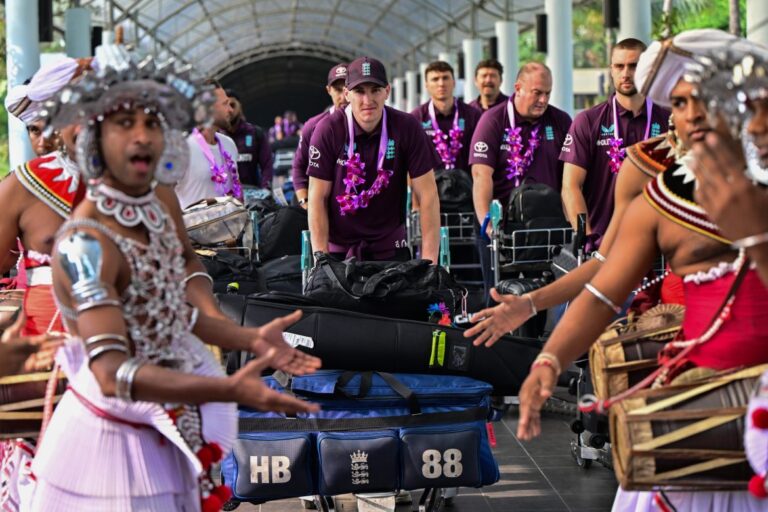
January 19, Colombo (LNW): The England cricket team landed in Colombo today (19) to prepare for the eagerly awaited ODI and T20I clashes against Sri Lanka, set to commence on 22 January 2026.
The visiting squad was greeted with a warm reception from local officials and enthusiastic fans, signalling the start of what promises to be a thrilling showdown.
Cricket followers across the island expressed high expectations for competitive matches filled with skill, strategy, and spirited sportsmanship.
Officials from Sri Lanka Cricket highlighted that the series will be an opportunity to celebrate the sport and strengthen cricketing ties between the two nations, with both teams eager to showcase their best form.
Government Hospital Doctors in Eastern Province Restart Strike Over Unmet Demands
January 19, Colombo (LNW): Doctors serving in all state hospitals across Sri Lanka’s Eastern Province have announced the resumption of strike action from 8 a.m. today (19), the Government Medical Officers’ Association (GMOA) confirmed.
The industrial action comes after the government failed to address the demands put forward by the association, which have been pending for some time. The GMOA had temporarily paused the strike during the Thai Pongal festival to avoid disruption to patients, but said the suspension will now end as authorities have not provided a satisfactory response.
The association has warned that the renewed action may affect routine hospital services, and urged the government to engage promptly to resolve the issues raised.
Sri Lanka Prepares for State-Sponsored Exposition of Sacred Buddha Relics from India

January 19, Colombo (LNW): Plans are under way for a high-level discussion later this month on the public exposition of Sacred Relics of the Buddha, which are due to be brought from India early next year.
Health and Mass Media Minister Dr Nalinda Jayatissa said the meeting will take place on January 21 under the patronage of President Anura Kumara Dissanayake.
The Minister made the announcement during a visit to Colombo’s Gangaramaya Temple, where he inspected the premises and reviewed early arrangements for the state-backed religious event. He confirmed that the exposition is scheduled to run from February 04 to 11, 2026, with preparatory work already in progress.
Dr Jayatissa said the aim is to ensure that devotees across the country are given a rare and meaningful opportunity to venerate the sacred relics. He noted that the proposal originated during Indian Prime Minister Narendra Modi’s visit to Sri Lanka last April, when President Dissanayake requested that arrangements be made for public homage. The Indian leader later agreed to facilitate the transfer of the relics for this purpose.
According to the Minister, the exposition will begin at Gangaramaya Temple shortly after Independence Day and will continue for a week. He described the event as especially significant for the nation, coming in the aftermath of Cyclone Ditwah, and said organisers are taking wider social and logistical considerations into account to ensure a smooth and dignified observance.
Why Is Harini Running to Davos?
By Adolf
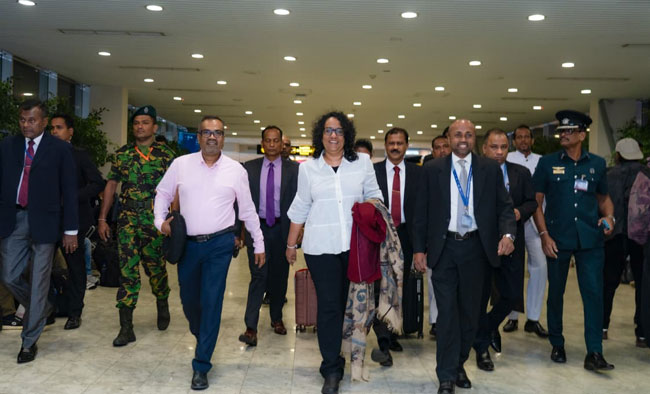
At a time when Sri Lanka faces serious domestic challenges, the decision by Education Minister Harini to attend the World Economic Forum in Davos raises important questions about priorities and public accountability. Harini has been the target of sustained criticism for mishandling the education curriculum and for policy decisions that have sparked heated debate. Instead of consolidating domestic reforms and restoring confidence, she is spending millions of taxpayer rupees on an international trip whose tangible benefits remain unclear.
Davos is often portrayed as a global hub for networking and investment. In reality, it is one of the most expensive international forums, with costs covering flights, accommodation, security, logistics, and delegation expenses. At a time when Sri Lanka is still recovering from fiscal and economic pressures, such expenditure demands scrutiny. The opposition is right to demand a full, itemized breakdown of the costs and expected returns.
The timing of this trip is particularly questionable. Davos works best when countries present a clear, cohesive narrative supported by stable domestic policy. Sri Lanka, however, is currently grappling with public dissatisfaction, policy uncertainty, and intense criticism over governance, particularly in the education sector. Sending a minister embroiled in controversy risks projecting confusion rather than competence to the global community. Investors and international stakeholders often monitor media and public debate as closely as official presentations. When the domestic story is inconsistent, international engagements are likely to produce limited results.
It is worth asking whether someone with broader credibility and expertise, such as Dr. Hans Wijesuriya, would have been a more effective representative. With extensive experience in development, policy, and international engagement, Dr. Wijesuriya could have presented Sri Lanka’s investment story with authority and technical depth, while keeping the focus on economic outcomes rather than domestic political controversies. A figure like him would signal seriousness, stability, and professionalism, qualities essential to attracting meaningful international interest.
The optics of the visit are also concerning. High-profile trips abroad, while domestic institutions remain underperforming or contested, risk creating a perception of disconnect between leadership and reality. In an era of heightened public scrutiny, credibility at home is the foundation for credibility abroad. International recognition follows domestic competence, not the other way around.
If the government insists on attending, it must clearly define the objectives, expected outcomes, and measures of success. Without this, the Davos trip risks being remembered not as a milestone for Sri Lanka, but as a costly distraction from more urgent domestic priorities.
In short, before investing millions in global forums, Sri Lanka should ensure that those representing the nation carry both credibility and expertise. At this moment, sending Harini to Davos seems a gamble with taxpayer money, while a figure like Dr. Hans Wijesuriya could have delivered real, measurable value to the country’s international image. Harini should remember that “Public funds are meant to serve the people, not to fund optics or prestige trips.”
CIABOC Seeks Details on How MPs Are Paid Amid Fresh Complaint
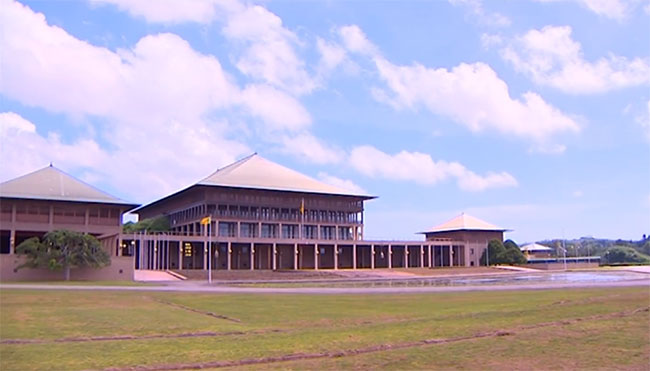
January 19, Colombo (LNW): Sri Lanka’s anti-corruption watchdog has written to Parliament seeking clarity on the method used to disburse salaries to Members of Parliament, amid allegations that public funds may have been diverted for political purposes.
The Commission to Investigate Allegations of Bribery or Corruption (CIABOC) wants to know whether MPs’ salaries are transferred into a single designated account or paid directly into each member’s personal bank account, Sunday Times reported.
The inquiry stems from a complaint lodged by former parliamentarian Udaya Gammanpila, who has accused members of the National People’s Power (NPP) of channelling state-funded monthly payments towards party-related activities. He argues that such use of public money, if proven, would amount to corruption under existing law.
Gammanpila filed his complaint in September last year and has since indicated that he intends to formally request an update on the status of the investigation, as permitted under current legal provisions. The matter has drawn renewed attention to questions of financial transparency and oversight within Parliament.
Pledge Tracker “Anura Meter” Reveals 10 Out of 30 Election Promises Already Fulfilled

January 19, Colombo (LNW): A fresh review of President Anura Kumara Dissanayake’s election commitments suggests a patchy record of delivery, with progress falling short of expectations in several key areas.
The latest edition of the “Anura Meter”, compiled by policy analysts at Verité Research, paints a picture of partial fulfilment rather than wholesale reform.
The assessment, covering developments up to the 2026 national budget and finalised before the effects of Cyclone Ditwah were felt, finds that only a third of the 30 flagship pledges examined have been fully carried out. An equal number are described as being under way, while nine have yet to show any tangible movement.
One promise has been marked down as having failed altogether. The pledges under scrutiny were drawn from the President’s 2024 manifesto and focus on issues judged to matter most to the public, including economic restructuring, governance standards, corruption, public security and welfare policy.
Researchers note that the selection reflects both national priorities and public interest, with several commitments added following citizen feedback. The initiative, hosted on the Manthri.lk platform, also encourages the public to propose further promises for monitoring.
The Anura Meter continues a line of similar scorecards used to track previous administrations, aiming to shed light on how campaign rhetoric translates into action once in office.
Manthri.lk, run by Verité Research, remains the country’s sole platform dedicated to parliamentary and executive accountability, and the findings are likely to fuel ongoing debate over the pace and direction of the government’s reform agenda.
Visit Anura Meter: https://manthri.lk/en/anura-meter