By: Staff Writer
January 18, Colombo (LNW): Cyclone Ditwah has laid bare the deep vulnerabilities of Sri Lanka’s agricultural sector, triggering a crisis that threatens food security, rural livelihoods, and economic stability across the island. As floodwaters recede, the scale of destruction is becoming clearer and so is the urgent need for international assistance to prevent long-term damage.
The Food and Agriculture Organization of the United Nations (FAO), from its headquarters in Rome, has appealed for $16.5 million to support early recovery efforts for farming, livestock, and fishing communities devastated by the cyclone. Yet, weeks after the appeal was launched, only $400,000 has been secured, leaving a staggering 97.6 percent funding shortfall. The gap raises serious questions about the global response to climate-driven disasters in economically strained nations.
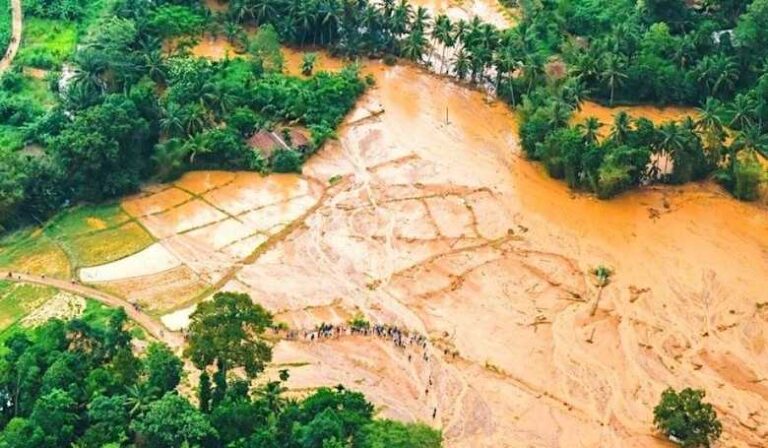
Cyclone Ditwah struck Sri Lanka at the onset of the crucial Maha 2025/26 cultivation season, a timing that could not have been worse. Flooding submerged more than 129,000 hectares of agricultural land, affecting over 227,000 farming households.
Fields remain unusable due to standing water, silt deposits, and debris, while damaged irrigation systems have stalled replanting efforts. Without immediate access to seeds, fertilisers, and machinery, many farmers risk missing the entire season a loss that could ripple through the country’s food supply for years.
The crisis extends beyond crops. Livestock losses have been severe, with tens of thousands of cattle, goats, and sheep killed, alongside nearly half a million poultry. Meanwhile, damage to fisheries and aquaculture infrastructure—estimated between $66 million and $69 million has crippled coastal and inland fishing communities that depend on daily catches for both income and nutrition.
What makes the situation more alarming is that Cyclone Ditwah struck a population already weakened by prolonged economic hardship. According to FAO estimates, more than 1.1 million people now require urgent food security, agricultural, and nutrition assistance. In total, over 2.2 million people across all 25 districts were affected, underscoring the nationwide impact of the disaster.
FAO officials stress that the appeal focuses on early recovery, not full reconstruction. Planned interventions include distributing agricultural inputs, restoring livestock health services, repairing fishing equipment, and providing cash-based assistance to enable households to restart livelihoods quickly. These measures, the agency warns, are critical to preventing deeper food insecurity and increased dependence on humanitarian aid.
Working alongside the Sri Lankan government and partner agencies, FAO aims to reach 256,000 households across seven provinces. But without swift donor engagement, Sri Lanka’s agricultural recovery may falter turning a climate shock into a prolonged food crisis.
Cyclone Ditwah Exposes Sri Lanka’s Fragile Agricultural Recovery
Julie Chung’s Farewell Signals Strategic Shift in US-Sri Lanka Ties
By: Staff Writer
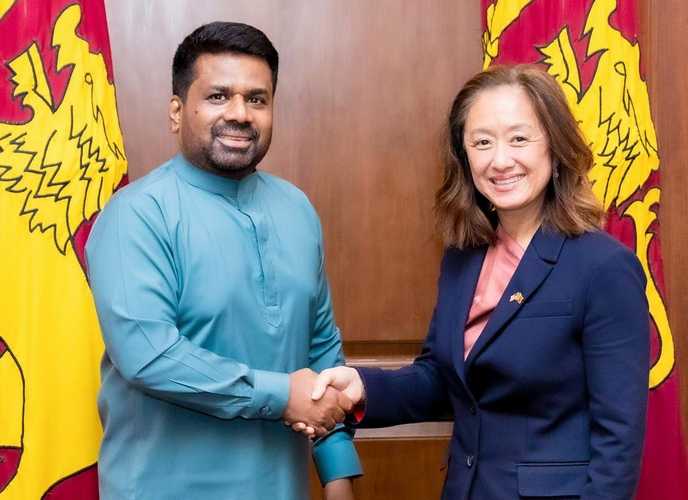
January 18, Colombo (LNW): Outgoing United States Ambassador Julie Chung’s farewell message marks more than the end of a diplomatic posting it underscores a pivotal phase in US-Sri Lanka relations shaped by crisis, recovery, and recalibration. After nearly four years in Colombo, Chung publicly thanked Sri Lankans and institutional partners who helped advance bilateral ties during one of the country’s most turbulent periods.
“It has been a privilege serving these last four years as U.S. Ambassador to Sri Lanka,” Chung stated, emphasizing the collective effort behind strengthening diplomatic engagement. Her remarks highlighted expanded security cooperation, growing economic collaboration, and renewed strategic trust between the two nations.
Chung arrived in Sri Lanka in early 2022 as the island nation plunged into its worst economic and political crisis since independence. Fuel shortages, mass protests, and sovereign debt default defined the early months of her tenure. Against this backdrop, the US Embassy became a visible supporter of democratic stability, economic reform, and humanitarian assistance.
The ambassador repeatedly praised the resilience of Sri Lankan citizens, noting that Washington “stood firmly alongside” the people to promote recovery and long-term partnership. Analysts note that this messaging reflects a broader US strategy in the Indo-Pacific, where Sri Lanka’s geographic position makes it a key maritime and security partner.
During her term, the two countries marked 75 years of diplomatic relations, while cooperation expanded in port development, maritime security, and governance-focused development programs. Chung framed these efforts as mutually beneficial, strengthening both American strategic interests and Sri Lanka’s institutional capacity.
As she prepares to depart Colombo on January 16, Chung leaves behind a relationship reset—one tested by crisis but reinforced through shared democratic principles and sustained engagement.
Tourism Rebound Gains Pace as Sri Lanka Welcomes 2.3 Million Visitors in 2025
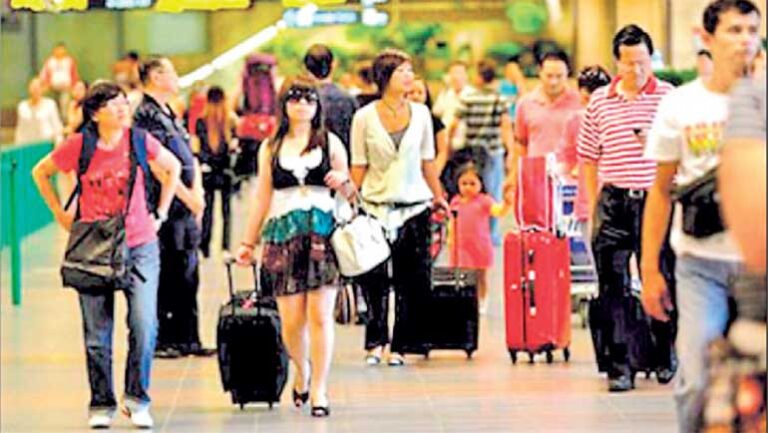
January 18, Colombo (LNW): Sri Lanka’s tourism sector recorded a strong performance in 2025, welcoming approximately 2.3 million international visitors over the course of the year, according to newly released official statistics.
Travellers from India once again formed the backbone of arrivals, reinforcing the island’s close regional travel ties.
India emerged comfortably as the largest source market, contributing more than 531,000 visitors. Officials noted that this figure represents a substantial increase compared to the previous year, highlighting renewed travel confidence and improved connectivity between the two countries.
Monthly data showed Indian arrivals consistently accounting for nearly a quarter of total tourist inflows, with a noticeable peak towards the end of the year.
December proved to be the strongest month overall, attracting close to 259,000 visitors across all markets, while Indian arrivals alone reached their annual high during the same period. In contrast, February recorded the lowest number of Indian tourists, though figures remained robust by historical standards.
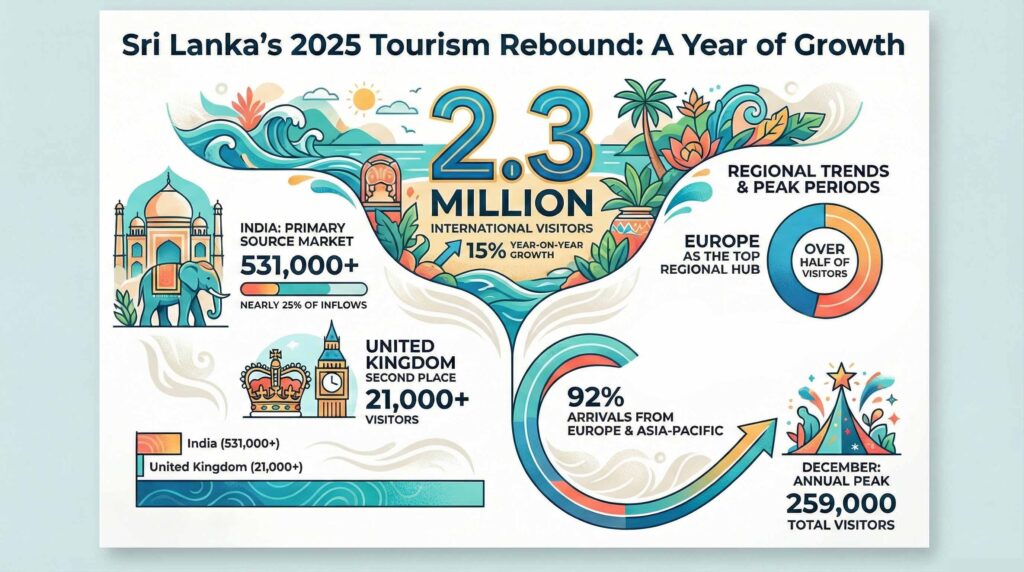
The United Kingdom retained its position as the second-largest individual source market, contributing just over 21,000 visitors, a sign of steady interest from long-haul travellers despite global economic pressures.
Regionally, Europe and the Asia-Pacific dominated inbound travel, together accounting for more than 92 per cent of total arrivals. Europe alone represented over half of all visitors, underlining Sri Lanka’s continued popularity as a winter escape for colder climates.
Tourism officials said the overall year-on-year growth, estimated at above 15 per cent, reflects the country’s gradual recovery as a preferred holiday destination, supported by improved stability, targeted promotions and expanding air links.
CEB VRS Applicants Urge Swift Decision as Uncertainty Drags On
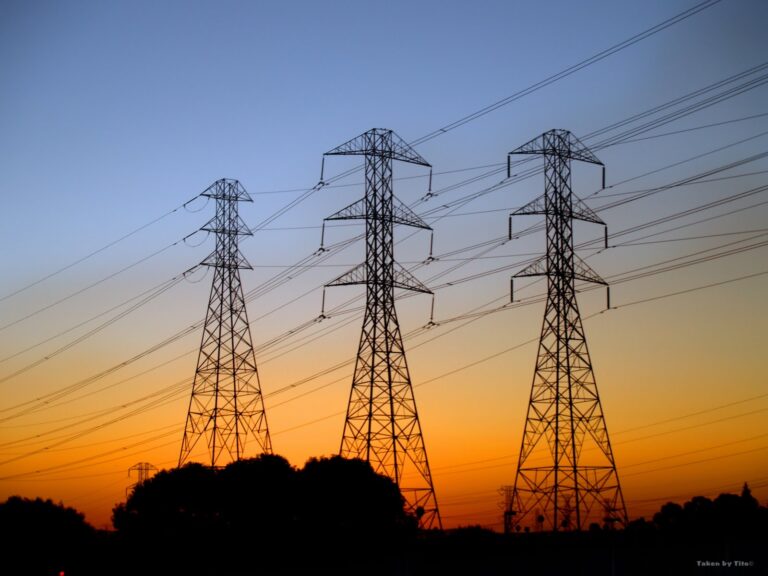
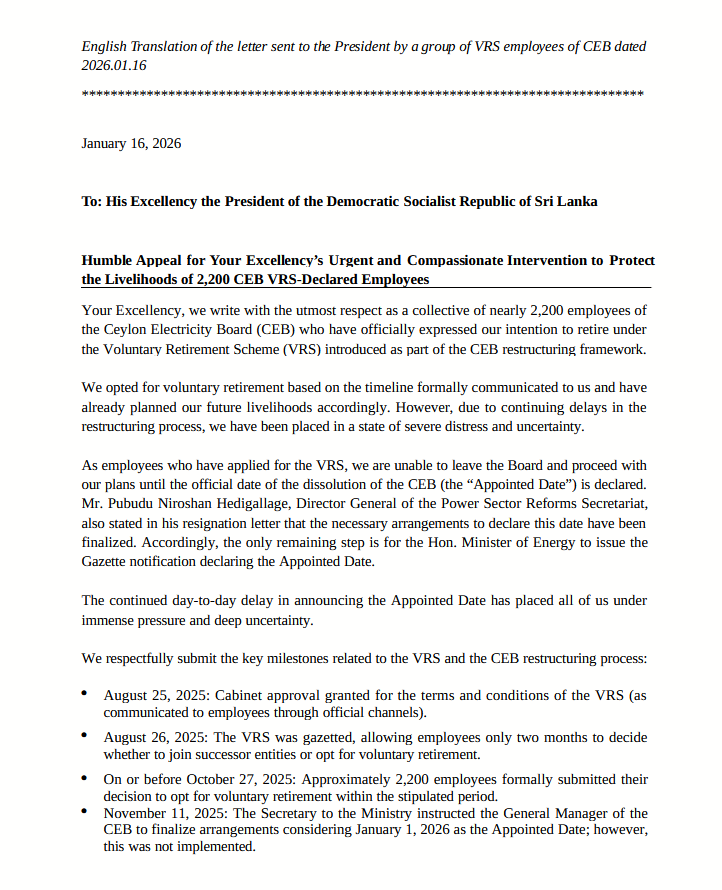
January 18, Colombo (LNW): More than two thousand employees who opted into the Ceylon Electricity Board’s Voluntary Retirement Scheme have appealed directly to the President, seeking urgent action to resolve what they describe as a prolonged and damaging delay in the board’s restructuring process.
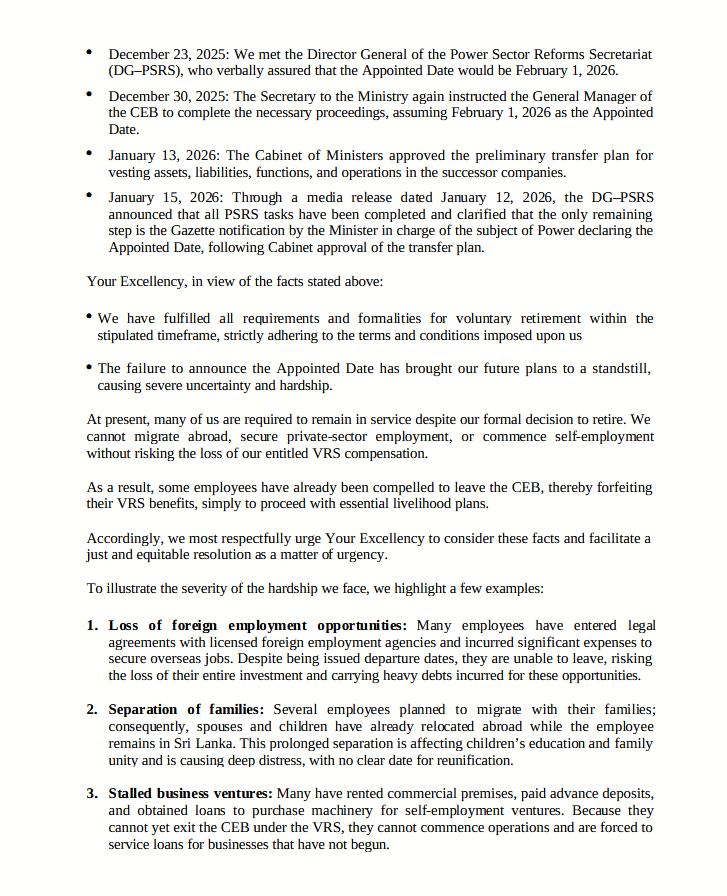
In a letter sent on behalf of around 2,200 applicants, the employees said they had committed to voluntary retirement within an agreed period and had organised their financial and personal futures on that basis.
However, continuing delays in implementing the restructuring have left them in limbo, unable either to exit the organisation or move ahead with their post-retirement plans.
The group pointed out that the absence of a formally declared date for the dissolution of the existing CEB structure has effectively frozen the process. As a result, many staff members who expected to have already transitioned out of employment remain tied to the board, facing uncertainty over income, investments and family commitments.
According to the employees, the administrative groundwork required to announce the so-called Appointed Date has already been completed. They noted that this position was publicly affirmed by the Director General of the Electricity Reform Secretariat, Engineer Pubudu Niroshan Hedigallage, at the time he tendered his resignation. The employees stressed that only one procedural step remains: the issuance of a Gazette notification by the Minister of Energy.
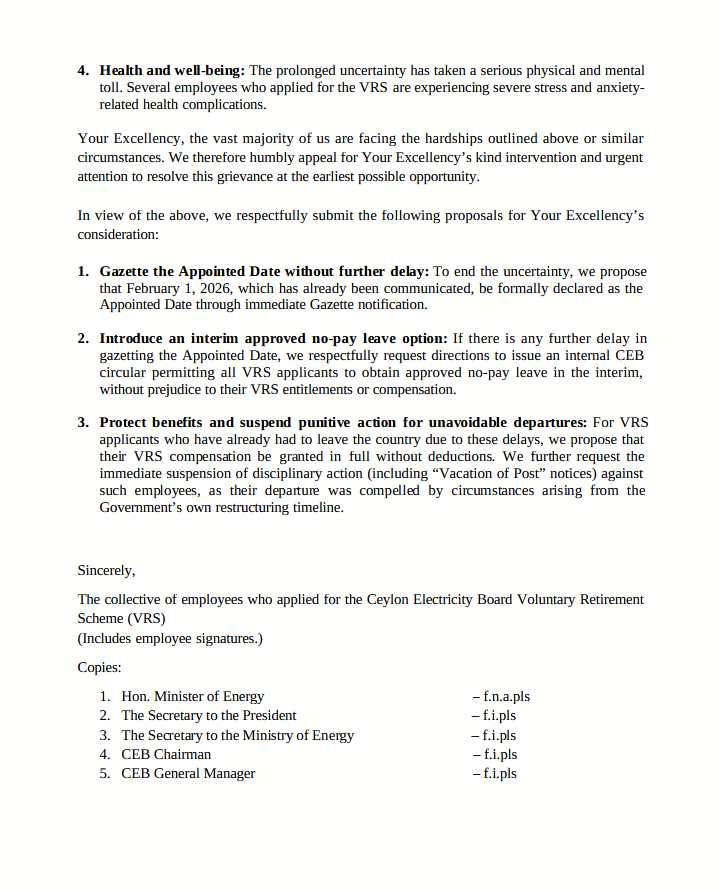
To bring clarity and end months of uncertainty, the employees have called for February 01, 2026, a date previously communicated to them, to be formally declared without further delay.
They warned that continued inaction could undermine confidence in the restructuring process and place unnecessary strain on workers who had agreed in good faith to the voluntary exit scheme.
Public Sector Instructed to Adjust Work Schedules for Ramadan Observance
January 18, Colombo (LNW): The Ministry of Public Administration has issued fresh instructions to government institutions, calling for flexibility in work arrangements to support Muslim employees during the forthcoming month of Ramadan.
In an official directive circulated to public offices, ministry secretary Aloka Bandara has requested heads of institutions to organise duty rosters in a manner that enables staff observing Ramadan to fulfil their religious practices without disruption to essential services. The guidance reflects the government’s stated commitment to respecting religious diversity within the public sector.
Ramadan is expected to fall between February 19 and March 21, during which Muslim devotees observe fasting and prayer at specific times of the day. To accommodate these obligations, the circular recommends that work schedules be adjusted around early morning, late afternoon and evening periods, including pre-dawn, sunset and night-time prayer hours.
The directive further notes that eligible public servants should be granted festival-related financial advances two weeks before the conclusion of the Ramadan period, in line with existing public service provisions.
Officials have been urged to implement these measures with sensitivity while ensuring the continued delivery of public services throughout the festive season.
Women and Media Collective Decries Gendered Abuse Directed at Prime Minister

By: Isuru Parakrama
January 18, Colombo (LNW): A prominent women’s rights organisation in Sri Lanka has denounced a wave of sexist and sexually charged attacks aimed at Prime Minister Dr. Harini Amarasuriya, warning that such conduct amounts to political violence rather than legitimate dissent.
In a sharply worded statement, the Women and Media Collective (WMC) said the abuse escalated after a minor error involving the incorrect printing of a website address in a Grade 6 English textbook spiralled into a public controversy.
What followed was not reasoned criticism of governance but a concerted effort to demean the Prime Minister through misogynistic language and personal smears, the collective argued.
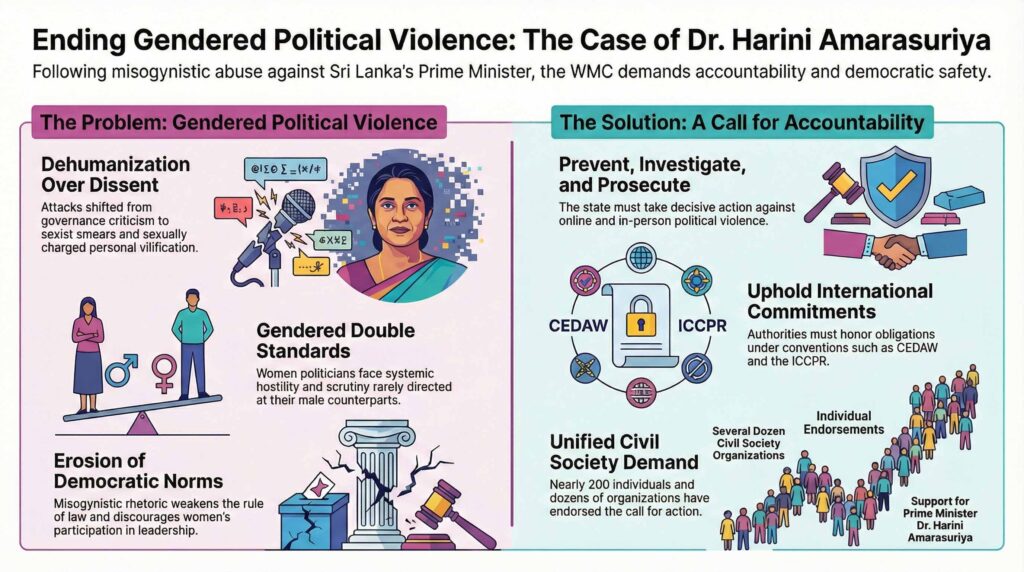
The WMC noted that women politicians are routinely subjected to scrutiny and hostility that their men counterparts rarely face, describing this as a reflection of deeply rooted gender prejudice in political culture. It also pointed to the failure of regulatory mechanisms to curb inflammatory rhetoric by certain political figures and sections of the media, allowing harmful narratives to circulate freely.
Sexualised insults and personal vilification have no place in a democratic society, they asserted, adding that holding women leaders to different standards corrodes public discourse and weakens democratic norms.
Endorsed by nearly 200 individuals and several dozen civil society organisations, the declaration urged the state to take concrete steps to ensure accountability and to create a safer environment for women in public life. The Collective pointed out that gender-based political abuse erodes equality, the rule of law and democratic participation, and reminded authorities of Sri Lanka’s international commitments under conventions such as CEDAW and the ICCPR.
Calling for decisive action, the Collective appealed to the government to prevent, investigate and prosecute all forms of political violence against women, whether carried out online or in person, and to actively support women’s leadership at every level.
Uganda’s Political Continuity Opens Fresh Investment Prospects for Sri Lanka
January 18, Colombo (LNW): Sri Lanka should look to deepen its investment engagement with Uganda following the conclusion of the country’s presidential election, which delivered a commanding victory to long-serving leader Yoweri Museveni.
The incumbent secured 71.65 per cent of the vote, comfortably defeating opposition challenger Bobi Wine, who garnered 24.72 per cent, and extending his rule into a seventh term.
President Museveni, who first assumed office in 1986, has remained the defining force in Ugandan politics for almost four decades. His sustained hold on power continues to shape both the country’s domestic direction and its standing within the wider East African region.
Reflecting on the outcome, Sri Lanka’s former High Commissioner to Uganda, Velupillai Kananathan, drew parallels between Museveni’s political longevity and Uganda’s broader national trajectory. He recalled arriving in the country in 1986, at a time marked by instability, and witnessing its gradual transition into a more secure and economically focused state with growing regional influence.
Uganda’s economy has maintained steady momentum in recent years, recording average growth rates of between six and seven per cent and positioning itself among East Africa’s stronger performers. With commercial oil production now on the horizon, expectations are rising for a new phase of development driven by infrastructure expansion, job creation and international collaboration. Analysts and citizens alike have emphasised the need for partnerships that balance growth with transparency and inclusive progress.
Supporters of President Museveni credit his long tenure with bringing political order and sustained economic planning after years of turmoil. Detractors, however, frequently characterise him as being favoured by Western powers, pointing to Uganda’s strategic role in regional security across the Great Lakes and Horn of Africa as a reason for continued international tolerance.
Ambassador Kananathan observed that policy consistency has been a decisive factor in attracting overseas investors. He noted that long-term stability has enabled businesses to plan with confidence, adding that Uganda has deliberately positioned itself as an accessible and investor-friendly economy, creating clear openings for Sri Lankan enterprises.
Sri Lankan companies have already established a notable footprint in Uganda, with more than 20 firms operating across various sectors. Many have found particular success in renewable energy, aligning with Uganda’s national priorities. Sri Lankan investors have become prominent contributors to mini-hydropower schemes, solar energy projects and rural electrification initiatives, all of which play a central role in the country’s development strategy.
According to Kananathan, the progress of these ventures is closely linked to government policies that encourage foreign participation, including safeguards for investments, incentives for public–private partnerships and reforms aimed at simplifying business procedures. He said these measures have helped foster an environment in which international investors can operate securely while supporting Uganda’s long-term economic goals.
Record-Breaking Purple Star Sapphire Revealed in Colombo

January 18, Colombo (LNW): A rare purple star sapphire believed to be the largest ever recorded has been presented to the public in Colombo, with its owners indicating that the extraordinary gemstone is now being offered for sale at a price expected to run into hundreds of millions of dollars.
The polished, circular stone weighs an astonishing 3,563 carats and has been named Star of Pure Land. According to gem specialists, it stands as the biggest known natural purple star sapphire documented to date.
Consultant gemologist Ashan Amarasinghe described the stone as exceptional, highlighting its sharply defined six-rayed star pattern, a feature known as asterism that becomes visible under light and is highly prized among collectors.

“The clarity of the star effect sets this gem apart from others of its kind,” Amarasinghe told reporters, noting that such quality is rarely seen in stones of this size.
The sapphire is owned by a private group identifying itself as the Star of Pure Land Team, who have chosen to remain unnamed citing security concerns. One member of the group revealed that the stone was unearthed in 2023 from a gem pit close to Ratnapura, the southern town internationally recognised as Sri Lanka’s gem capital.
Initially acquired along with a batch of other stones, the sapphire’s true significance was only realised after detailed examination some time later. Subsequent testing and certification by two independent laboratories confirmed its rarity and scale.
International valuers have placed the gem’s estimated worth between 300 and 400 million US dollars, reflecting both its size and its distinctive colour. Sri Lanka has long been famed for producing sapphires of remarkable brilliance and hue, and this latest discovery is being hailed as one of the most remarkable finds in the country’s gem trading history.
Premier Asserts Education Overhaul to Continue Uninterrupted
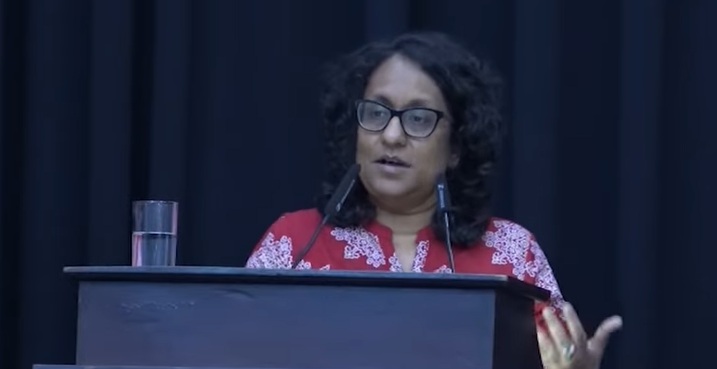
January 18, Colombo (LNW): Prime Minister Dr Harini Amarasuriya has given firm assurances that the government’s education overhaul will move forward without delay, insisting that there has been no retreat from the commitment to modernise the country’s school system.
Speaking at a meeting with education officials and school heads in the Puttalam education zone on Saturday (17), she said the reform agenda already set in motion would be carried through in full, despite criticism from a small section opposed to change.
Dr Amarasuriya described the reforms as a sustained, long-term undertaking rather than a short-term project, noting that steady progress is being made to upgrade school facilities, strengthen staffing through the recruitment of teachers and principals, and expand the use of digital learning tools.
She underlined the importance of cooperation and trust between the state and education professionals, arguing that resistance driven by narrow interests should not derail a process that is central to the country’s future. According to the Prime Minister, the success of the reforms will directly influence the quality of education received by children and, in turn, Sri Lanka’s long-term development.
The Prime Minister also confirmed that dedicated funding has been secured for a series of special programmes under the education transformation drive. As an early step, she said a group of selected secondary schools will receive enhanced digital learning facilities within the next two months, including improved infrastructure, interactive display systems and reliable internet access.
At Dawn, He Walked — and a Nation Took Notice
By: Roger Srivasan
President Anura Kumara Dissanayake’s recent visit to Jaffna to mark the Thai Pongal celebrations will be remembered as a defining moment — a watershed not merely in contemporary politics, but in the moral and psychological history of the nation. This was no perfunctory ceremonial appearance, nor a carefully choreographed display of seasonal goodwill. It was an act of statesmanship infused with courage, empathy, and historical awareness.
Where once there lingered the smouldering cinders of a fractured civilisation — residues of mistrust shaped by decades of alienation and neglect — the President has begun to construct robust bridges. These bridges are not built of hollow rhetoric or transactional politics, but of sturdier materials: humanity, trust, and inclusivity. In both temperament and conduct, he stands revealed as a President par excellence.
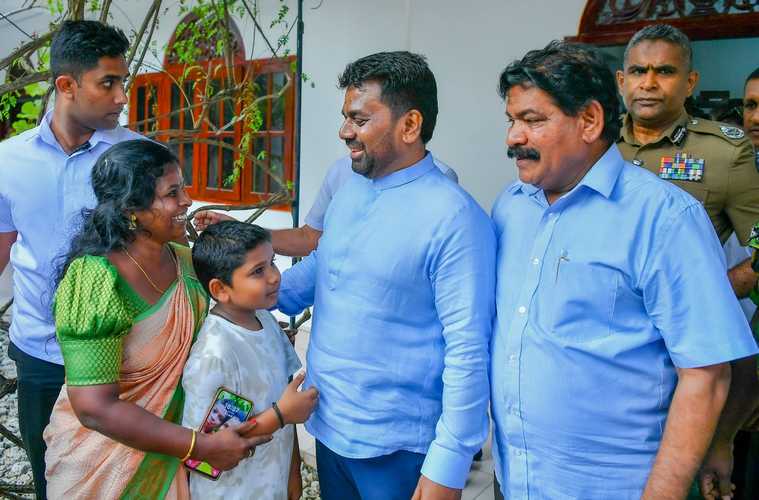
What lends this moment its rare gravity is not pageantry, but moral daring. Eschewing pomp and pretence, the President chose to walk the streets of Jaffna at dawn — freely, naturally, and without artifice. He mingled openly with residents, engaging them with warmth and respect, listening as much as he spoke, offering presence rather than performance. What began as a simple early-morning walk has become the talk of the town — and, in time, the talk of the world.
It is worth recording, plainly and without hyperbole, a truth that history itself confirms: no living President of this nation’s past would have dared — nor possessed the moral courage — to walk the backstreets of Jaffna in such an unguarded and unassuming manner. Where others relied on distance, barricades, and scripted encounters, he relied on trust. In that singular choice lay a quiet yet seismic break from the politics of fear.
Such authenticity does not go unnoticed. His meteoric rise in public esteem has unsettled entrenched political interests — those long accustomed to recycling themselves back into relevance, repeatedly ploughing the same furrows of power while clinging to strategic positions as though they were hereditary rights. Today, those reveries are visibly dissolving, reduced to what can only be described as a no-hope-in-hell reckoning.
Carried forward by a tidal wave of popular support, the President has left traditional power brokers — including long-dominant Tamil political figures — distinctly jittery. Increasingly, they sense that their grip on the North is loosening, that northern parliamentary seats once treated as secure possessions may soon fall to the NPP in forthcoming elections. As trust realigns and hope finds a new anchor, their support among the people of the North continues to ebb away.
This shift has not been engineered through coercion or spectacle, but through something far more potent: belief renewed. What is unfolding in Jaffna is not merely a change of allegiance, but an awakening — a quiet recalibration of political faith.
In walking where history once trembled, President Anura Kumara Dissanayake has done more than traverse streets; he has crossed thresholds long deemed impassable. And in doing so, he has reminded the nation of a simple, enduring truth: reconciliation is not proclaimed from podiums — it is earned, step by deliberate step, among the people themselves.