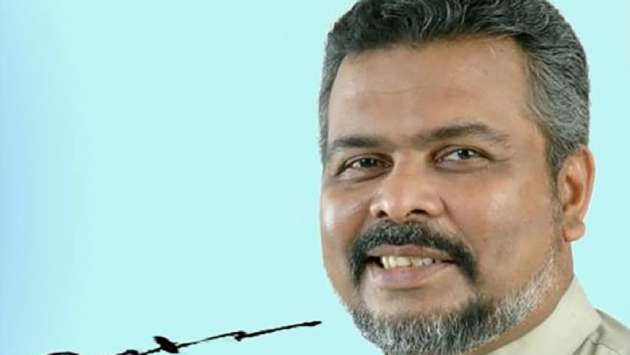
January 18, Colombo (LNW): Former cabinet minister Nandana Gunathilake has died aged 64 while undergoing medical care at Ragama Hospital, family members confirmed on Sunday.
Gunathilake was a long-standing figure in Sri Lankan politics, having first emerged as an early and prominent member of the Janatha Vimukthi Peramuna (JVP). His national profile rose significantly in 1999 when he contested the presidential election as the JVP’s nominee, finishing third in the overall vote count.
Over the years, his political journey crossed several party lines. While aligned with the JVP, he entered Parliament under the banner of the United People’s Freedom Alliance (UPFA), during which time he was entrusted with ministerial responsibilities, including serving as Acting Minister of Posts and Telecommunications and later as Minister of Tourism.
In 2015, Gunathilake parted ways with the JVP and joined the United National Party (UNP). That same year, he secured local government office as Mayor of the Panadura Urban Council, representing the UNP and playing an active role in municipal administration.
In his later political career, he went on to associate himself with the New Democratic Front (NDF).
Former Minister Nandana Gunathilake Passes Away
Mainly dry weather to prevail over most parts of SL (Jan 18)

January 18, Colombo (LNW): Mainly dry weather will prevail in the most parts of the island, the Department of Meteorology said.
There is a possibility of ground frost at some places in Nuwara-Eliya district in the early hours of the morning.
Misty conditions can be expected at some places in Western, Sabaragamuwa, Central, North-western, North-central and Uva provinces and in Galle, Matara and Ampara districts during the early hours of the morning.
Marine Weather:
Condition of Rain:
Mainly fair weather will prevail in the sea areas around the island.
Winds:
Winds will be north-easterly. Wind speed will be (25-35) kmph. Wind speed can increase up to (40-45) kmph at times in the sea areas off the coast extending from Colombo to Mannar via Puttalam and from Matara to Pottuvil via Hambantota.
State of Sea:
The sea areas off the coast extending from Colombo to Mannar via Puttalam and from Matara to Pottuvil via Hambantota will be fairly rough at times. The other sea areas around the island may be slight to moderate.
Tourism Law Overhaul Sparks Clash Between State and Industry
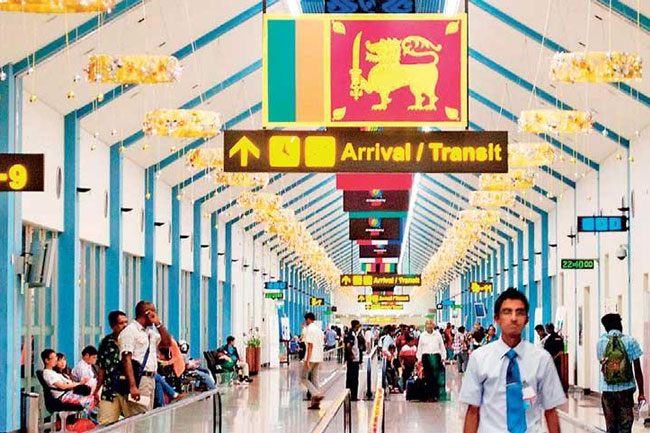
Sri Lanka’s tourism sector is heading toward a defining confrontation as the JVP-led National People’s Power (NPP) government pushes ahead with plans to repeal and replace the existing Tourism Act, despite mounting resistance from industry stakeholders. At the heart of the controversy lies the government’s proposal to establish a single “Sri Lanka Tourism Authority,” consolidating several key institutions under one administrative umbrella in the name of efficiency and modernization.
The proposed legislation, expected to follow Cabinet approval in 2025, seeks to fully replace both the current Tourism Act and the original 1968 law. Under the new framework, the Sri Lanka Tourism Development Authority, Tourism Promotion Bureau and Convention Bureau would be merged, supported by a National Tourism Commission and district-level tourism committees. The government argues this overhaul is long overdue, citing fragmented governance, weak enforcement and an inability to attract high-value tourists, eco-tourism ventures and sustainable investment.
Officials claim the existing system has failed to keep pace with global tourism trends and has struggled to regulate informal operators who operate outside licensing and tax frameworks. Centralization, they argue, would enable better coordination, stronger accountability and greater private-sector participation in shaping national tourism policy.
However, the industry sees the move very differently. Tourism stakeholders have issued a strong warning that repealing the Tourism Act could destabilize one of Sri Lanka’s most resilient and promising economic sectors. In a joint statement, industry bodies rejected the idea of a full repeal, insisting that the Act should remain the foundation of tourism governance and be selectively amended rather than dismantled.
Tourism leaders argue that legal certainty is critical in a sector where over 95 percent of investment comes from the private sector, ranging from multinational hotel chains to small guesthouses, transport operators and village-based enterprises. They warn that abrupt legal changes could erode investor confidence and disrupt long-term capital formation in an industry where returns often take decades to materialize.
Beyond investment concerns, employment looms large. Tourism directly and indirectly supports millions of livelihoods across hospitality, agriculture, fisheries, crafts and informal services. Industry representatives caution that regulatory uncertainty could trigger job losses and economic instability, particularly in rural and coastal communities that rely heavily on tourism-driven income.
There are also fears that dismantling the current legal framework could weaken standards related to safety, quality and environmental protection. Stakeholders argue that deregulation risks opening the door to unlicensed and substandard operators, damaging Sri Lanka’s global tourism brand at a time when the country is rebuilding its international reputation.
As protests intensify, the government faces a delicate balancing act. While reform may be necessary, the unfolding standoff highlights the high stakes involved and the potential consequences of pushing structural change without industry consensus.
Divestment Push Rekindles Scrutiny of Troubled Hyatt Megaproject
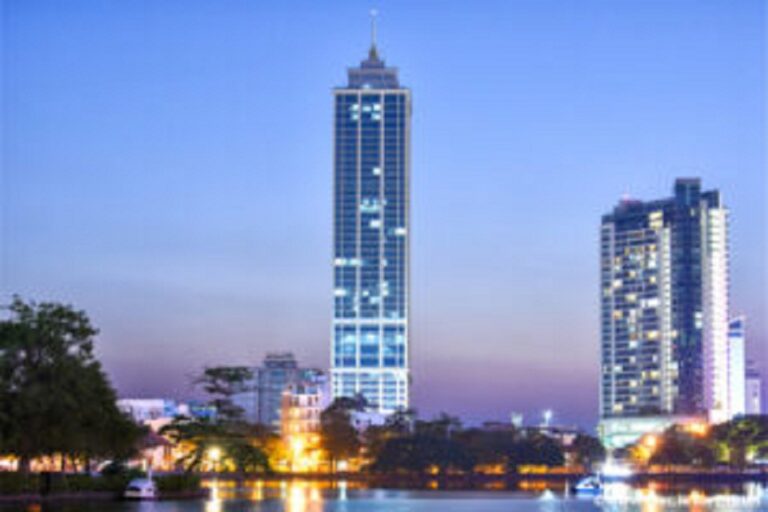
Sri Lanka’s renewed attempt to divest its stake in Canwill Holdings Ltd. has once again brought the long-delayed Grand Hyatt Colombo project into sharp public focus. The Finance Ministry’s decision to convene a pre-Expression of Interest (EOI) meeting this month marks another chapter in a project that has come to symbolize governance lapses, legal entanglements, and the risks of State-led commercial ventures linked to controversial private-sector partnerships.
Canwill Holdings, incorporated in 2011 as a fully State-Owned Enterprise, was established to invest in high-end tourism ventures through its subsidiaries Sinolanka Hotels & Spa Ltd. and Helanco Hotels & Spa Ltd. The flagship initiative was the 47-storey Grand Hyatt Colombo in Colombo 3, designed to include 458 luxury hotel rooms and 100 serviced apartments. Although the structure and façade were largely completed, the project stalled amid escalating costs, funding shortages, and mounting legal disputes.
The project’s origins are intertwined with a broader period of aggressive expansion in Sri Lanka’s hospitality sector, during which several ventures associated with major conglomerates—including those linked to the Ceylinco group later became mired in court cases, arbitration claims, and forensic investigations. While Canwill itself is a State entity, its association with that era of high-risk investment continues to cast a long shadow over investor sentiment.
A forensic audit in 2015 exposed serious irregularities, including procurement violations, unauthorized payments, and cost overruns that saw initial estimates more than double. These findings triggered contract renegotiations, project suspensions, and referrals to law enforcement authorities. Despite the turbulence, the management agreement with Hyatt was found to be contractually sound, even as the overall project remained frozen.
Today, the Grand Hyatt Colombo remains structurally near-complete but commercially dormant—an asset with sunk costs running into billions of rupees and no clear operational timeline. Helanco’s parallel Hambantota resort project, planned on 9.42 acres of beachfront land, never progressed beyond the planning stage, and its Hyatt Regency management agreement has since lapsed.
The Government’s latest divestiture effort, conducted under a two-stage competitive process, reflects a broader push to reduce fiscal exposure and exit non-core commercial investments. With Rs. 18.5 billion in public funds already invested sourced from Sri Lanka Insurance, Litro Gas, and the EPF the stakes remain high.
As EOIs are invited once more, the central question persists: whether divestment can finally unlock value from a project burdened by legal disputes and legacy missteps or whether the Hyatt saga will remain a cautionary tale of failed public-sector entrepreneurship.
IMF Program under Stress as NPP Government Faces Reality Test

The JVP-led National People’s Power (NPP) Government’s stewardship of Sri Lanka’s IMF-backed reform agenda is facing its first major test, as economic shocks triggered by Cyclone Ditwah force a reassessment of carefully negotiated fiscal and macroeconomic benchmarks under the $2.9 billion Extended Fund Facility (EFF).
Since assuming office, the NPP administration has largely adhered to the IMF’s reform framework, maintaining fiscal discipline, preserving debt sustainability, and avoiding policy reversals that could derail the program. Central Bank Governor Dr. Nandalal Weerasinghe has repeatedly emphasized that IMF programs are not rigid templates but adaptive frameworks that evolve with changing national circumstances. His recent remarks underline a key principle of IMF engagement: targets are set based on prevailing conditions and must be revised when those conditions shift.
That flexibility is now being tested. The unexpected devastation caused by Cyclone Ditwah disrupted economic activity, damaged infrastructure, and triggered emergency spending needs. As a result, the Government requested a postponement of the fifth EFF review originally scheduled for mid-December arguing that revised budgetary priorities and macroeconomic assumptions required additional assessment time.
The IMF accepted this position, approving $206 million in emergency financing under the Rapid Financing Instrument (RFI) in December 2025. This move allowed Sri Lanka to access quick liquidity without entering new debt restructuring talks, a clear signal that debt sustainability—lost during the 2020 COVID crisis has now been restored under the current reform trajectory.
An IMF fact-finding mission scheduled from January 22 to 28 will assess cyclone-related damage and determine how the shock has altered Sri Lanka’s macroeconomic outlook. IMF officials have already flagged rising risks, including a widening current account deficit of approximately $700 million and inflationary pressures exceeding earlier projections.
Critically, these developments do not represent a collapse of reform discipline but rather expose the fragility of recovery amid climate-related shocks. The NPP Government’s decision to seek IMF flexibility rather than abandon reform commitments suggests continuity rather than confrontation.
However, delays in completing reviews and revising targets also carry political and economic costs. Investor confidence, revenue-based fiscal consolidation, and inflation control will depend on how swiftly revised benchmarks are negotiated and implemented.
For now, the NPP Government remains broadly aligned with IMF conditions, but the coming months will determine whether adaptive policymaking can coexist with the discipline demanded by an IMF-supported recovery.
Sri Lanka’s Wind Energy Drive Gains Momentum amid Ambitious Targets
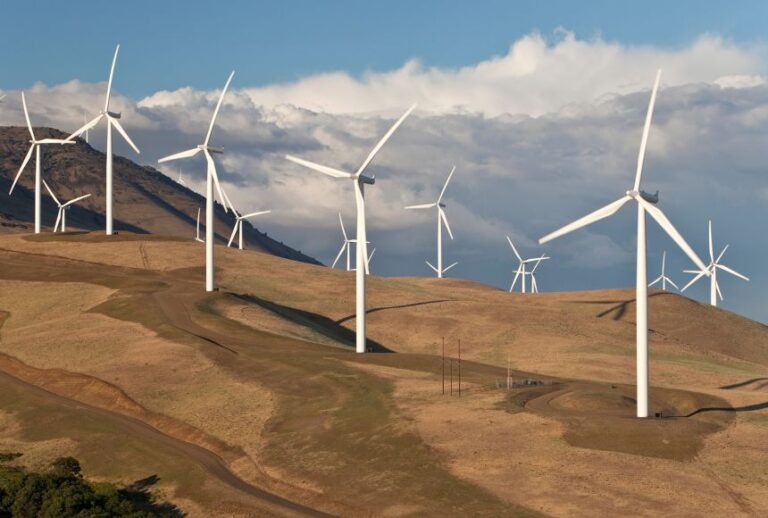
Sri Lanka’s wind energy sector is entering a decisive phase as the Government accelerates its transition toward renewable power, backed by growing private-sector investment. The recent inauguration of the 50 MW wind power project in Mannar, developed by Hayleys Fentons Ltd. and opened by President Anura Kumara Dissanayake, underscores the expanding role of wind energy in strengthening the national grid and reducing reliance on costly fossil fuels.
At present, Sri Lanka has over 250 MW of operational wind power capacity, largely concentrated in high-wind zones such as Mannar, Puttalam, and Kalpitiya. These projects collectively contribute a significant share of renewable electricity to the national grid, particularly during peak wind seasons, helping stabilize supply and reduce thermal generation costs. Wind energy now accounts for roughly 6–7% of total installed power generation capacity, with expectations of rapid growth over the next decade.
The newly launched Mannar project marks a critical addition to this portfolio. Featuring 10 advanced wind turbines, the facility is expected to generate 207 million kilowatt-hours annually, supplying electricity at a competitive tariff of $0.0465 per unit (approximately Rs. 14.37). This cost is notably lower than fossil fuel-based generation, reinforcing wind power’s economic viability. Scheduled for completion in March 2027, the project is expected to enhance grid resilience while delivering socio-economic benefits to surrounding communities.
Beyond projects already in operation, Sri Lanka’s wind energy pipeline is expanding at an unprecedented pace. According to Energy Minister Kumara Jayakody, the country exceeded its 2025 renewable energy capacity target, adding 2,695 MW against an initial goal of 1,848 MW. For 2026, although the target stands at 2,078 MW, agreements have already been signed for 3,089.5 MW, signaling strong investor confidence.
This momentum extends through 2027 to 2029, where planned targets totaling 9,759 MW have been surpassed by signed agreements amounting to 12,789.5 MW. A significant portion of this capacity is expected to come from wind power, particularly large-scale projects in Mannar and offshore zones identified by feasibility studies.
However, challenges remain. Grid integration, transmission infrastructure, and environmental considerations particularly bird migration patterns require careful management. Despite these hurdles, Sri Lanka’s wind energy sector is rapidly evolving from a supplementary power source into a cornerstone of national energy security.
China and Canada Announce Tariff Cuts, Signalling Reset in Bilateral Relations
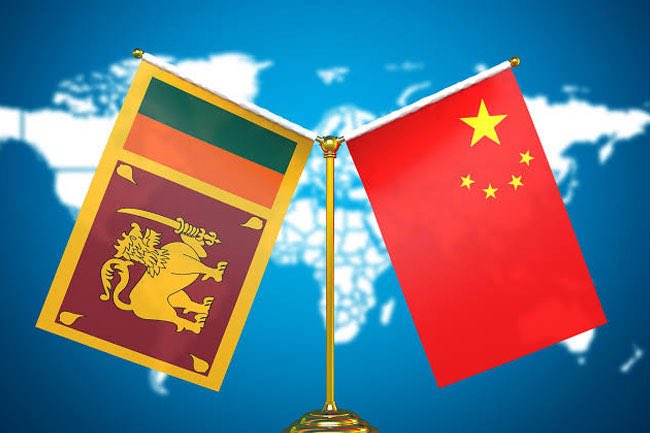
Chinese President Xi Jinping and Canadian Prime Minister Mark Carney have announced a significant reduction in tariffs, signalling a reset in relations following a high-level meeting in Beijing.
Under the agreement, China is expected to lower tariffs on Canadian canola oil from 85 percent to 15 percent by March 1, while Canada has agreed to apply the most-favoured-nation tariff rate of 6.1 percent on Chinese electric vehicles. Carney said the move represents a breakthrough after years of strained ties marked by retaliatory trade measures.
President Xi welcomed the “turnaround” in China–Canada relations, describing stable bilateral ties as beneficial to global peace and development. For Carney, the visit marked the first by a Canadian leader to China in nearly a decade and comes amid efforts to diversify Canada’s trade partnerships away from heavy dependence on the United States, particularly in light of uncertainty created by fluctuating U.S. tariffs.
Carney said discussions with Beijing had been “realistic and respectful,” while stressing that Canada had clearly communicated its red lines, including concerns over human rights, election interference, and the need for safeguards in bilateral engagement. He noted that Canada would engage China pragmatically, acknowledging differences in political systems and values.
The agreement also includes reduced tariffs on Canadian exports such as lobsters, crabs, and peas, offering relief to agricultural producers affected by earlier Chinese levies. Canada will cap the number of Chinese electric vehicles entering its market at 49,000 units under the new tariff rate, addressing concerns raised by domestic automakers.
Observers see the deal as part of China’s broader effort to present itself as a stable global partner, while analysts suggest Carney’s visit could influence other countries affected by U.S. trade policies to seek closer engagement with Beijing.
The visit follows a frosty period in China–Canada relations that began in 2018 with the arrest of Huawei executive Meng Wanzhou in Canada and China’s subsequent detention of two Canadian citizens. While ties remain limited by structural differences, both sides appear to be seeking a more predictable and pragmatic relationship moving forward.
No Political Protection for Drug Traffickers – President
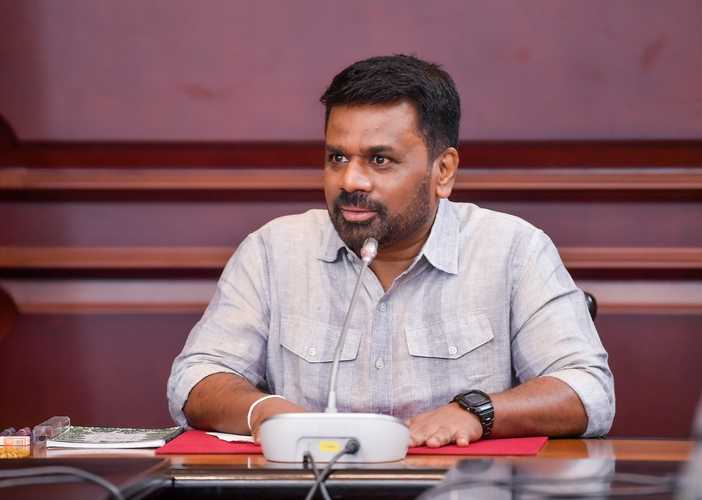
President Anura Kumara Dissanayake has declared that his administration will never provide political protection to any individuals involved in drug trafficking.
The President made these remarks while participating in the launch of the Northern Province programme of the national operation, “Ratama Ekata” (A Nation United).
Addressing the event, President Dissanayake said investigations have uncovered links between certain inefficient officials within government departments and drug smuggling syndicates. He issued a stern warning to such officials, urging them to immediately sever all ties with illegal activities or step down from their official positions and responsibilities.
Quality Education Is a Long-Term Process Requiring Infrastructure and Vision – Prime Minister

Prime Minister Dr. Harini Amarasuriya has stated that the Government is making every effort to ensure quality education that nurtures the kind of developed citizens the country requires, emphasizing that providing quality education is a comprehensive and time-consuming process. She stressed that reforms must go beyond curriculum changes and include the provision of all necessary infrastructure for both students and teachers.
The Prime Minister made these remarks while participating in a certificates and medal awarding ceremony to recognise students of Senanayake National College, Chilaw, who achieved all-island victories, according to the Prime Minister’s Office. She attended the event after inspecting the school, which was severely damaged by Cyclone Ditwah.
Addressing the gathering, the Prime Minister noted that Senanayake National College holds a significant legacy in Sri Lanka’s education system, as it is one of the 54 schools established under the first free education system introduced by C.W.W. Kannangara. She said Kannangara introduced free education with a far-reaching vision to ensure access to quality education and to develop citizens suited to the country’s needs, despite strong opposition from certain groups who sought to protect private privileges.
The Prime Minister said that after entering Parliament, she had studied parliamentary debates from the period when free education was introduced and observed how some leaders had opposed it using extreme arguments. She also recalled that Venura Edirisinghe, who was educated at Senanayake National College, sacrificed his life in the struggle to protect free education, fighting selflessly for future generations.
She stated that the Government does not wish to build a society where young people with such vision are forced to sacrifice their lives, but instead aims to nurture individuals who embody those same noble qualities. The objective, she said, is to create an education system and environment that enables individuals to reach the highest possible standards based on their abilities and skills.
The Prime Minister further emphasized that the goal of education policy is not merely to produce individuals who stand up for themselves, but to develop people who can understand others, act with empathy, provide leadership to transform society, and contribute to building a civilized and humane community.
She added that the Government would intervene to further develop Senanayake National College, highlighting its strong heritage and expressing confidence in its potential to become a school recognised both nationally and internationally. Despite existing challenges, she said the Chilaw Zonal Education Office has the strength and commitment needed to achieve this goal.
The event was attended by Minister of Public Administration, Provincial Councils and Local Government Prof. Chandana Abayarathna; Members of Parliament Gayan Janaka, Hiruni Wijesinghe and Mohamed Faisal; Principal of Senanayake National College, Chilaw, S.P.N.S. Pathirana; as well as teachers and students.
Sri Lankan Parliamentary Delegation Participates in 28th CSPOC in New Delhi
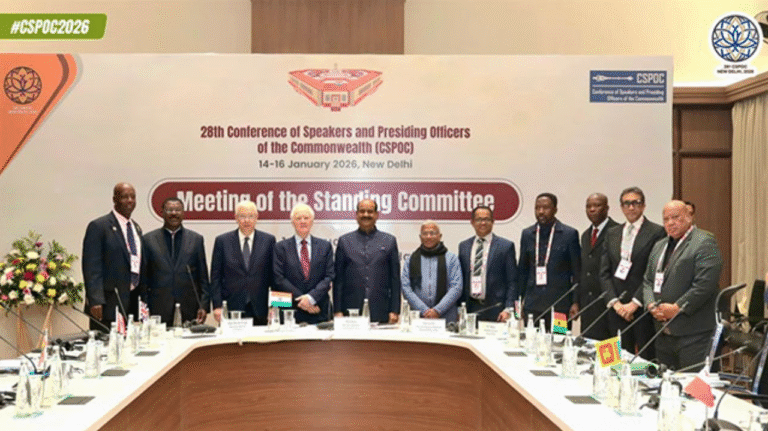
The Sri Lankan parliamentary delegation led by Speaker Dr. Jagath Wickramaratne participated in the 28th Conference of Speakers and Presiding Officers of the Commonwealth (CSPOC), which was inaugurated on January 15 at the Central Hall of the Samvidhan Sadan, Parliament House Complex in New Delhi, under the patronage of Indian Prime Minister Shri Narendra Modi.
According to the Department of Communication of Parliament, the inaugural ceremony was attended by Dr. Tulia Ackson, President of the Inter-Parliamentary Union (IPU), and Dr. Christopher Kalila, Chairperson of the Commonwealth Parliamentary Association (CPA), along with Speakers and Presiding Officers from 42 Commonwealth countries, marking the event as a major global parliamentary gathering. The ceremony also included a formal welcome for members of the CSPOC Standing Committee and visiting delegations, highlighting the importance of Commonwealth parliamentary cooperation.
The Sri Lankan delegation comprised Speaker Dr. Jagath Wickramaratne, Secretary-General of Parliament Kushani Rohanadeera, and Kanchana Ruchitha Herath, Assistant Director (Administration) of the Parliament of Sri Lanka.
During the conference, Dr. Wickramaratne participated in high-level engagements and thematic discussions on contemporary challenges faced by legislatures. He also delivered a presentation at a workshop titled “Social Media and its Impact on Parliamentarians,” sharing Sri Lanka’s parliamentary experience in managing digital influence, safeguarding institutional integrity, and balancing freedom of expression with responsible public discourse.
In addition, Dr. Wickramaratne held discussions with Shri Om Birla, Speaker of the Lok Sabha of India, reaffirming the strong Sri Lanka–India relationship based on shared democratic traditions and mutual respect. These discussions focused on strengthening Parliament-to-Parliament cooperation through institutional exchanges, friendship groups, legislative collaboration, and the modernisation of parliamentary processes using technology such as artificial intelligence, real-time multilingual translation, capacity-building programmes like PRIDE, and shared cultural linkages including Bodh Gaya.
On the sidelines of the conference, the Speaker also held bilateral meetings with several Commonwealth counterparts, including Sir Lindsay Hoyle, MP, Speaker of the House of Commons of the United Kingdom; Francis Scarpaleggia, Speaker of the House of Commons of Canada; and Milton Dick, Speaker of the House of Representatives of Australia. These engagements enabled an exchange of views on parliamentary best practices, institutional reform, and democratic governance.
Following the conclusion of the conference, participating delegations took part in a post-conference tour that included cultural and heritage visits in Jaipur, offering an opportunity to experience India’s historical legacy and cultural traditions.
The 28th CSPOC concluded on January 16, 2026, with a special plenary session on the role of Speakers and Presiding Officers in maintaining strong democratic institutions, followed by the closing plenary and the formal handover of the CSPOC Chairmanship.