“Those who cannot remember the past, are condemned to repeat it. – George Santayana”
JAFFNA PUBLIC LIBRARY
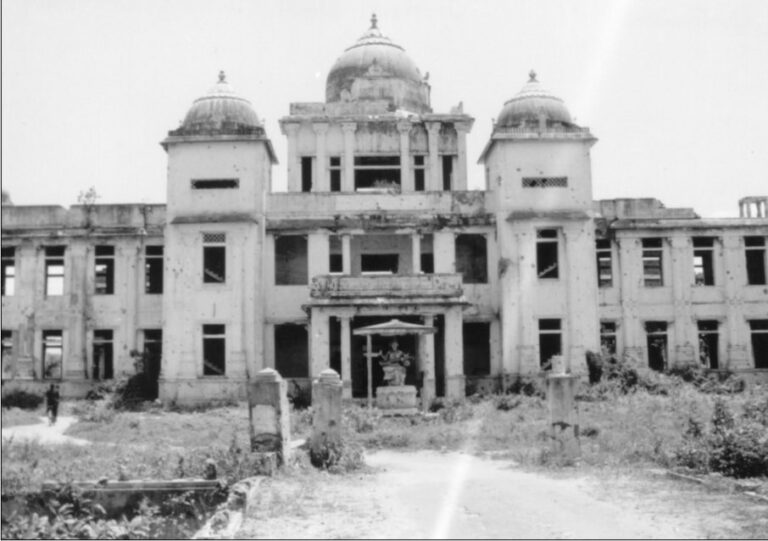
The Jaffna Public Library was the pride of invaluable asset of Tamil people, not only for those who lived in Jaffna peninsula, but also for academics and research-scholars from all around the world. With a modest beginning in 1933, it grew to become a repository of significant Tamil palm leaf manuscripts, original copies of regionally important historic documents in the contested political history of Sri Lanka and newspapers that were published hundreds of years ago in the Jaffna peninsula. It thus became a place of historic and symbolic importance to the Tamil people.
BURNING DOWN JAFFNA PUBLIC LIBRARY – A CULTURAL GENOCIDE
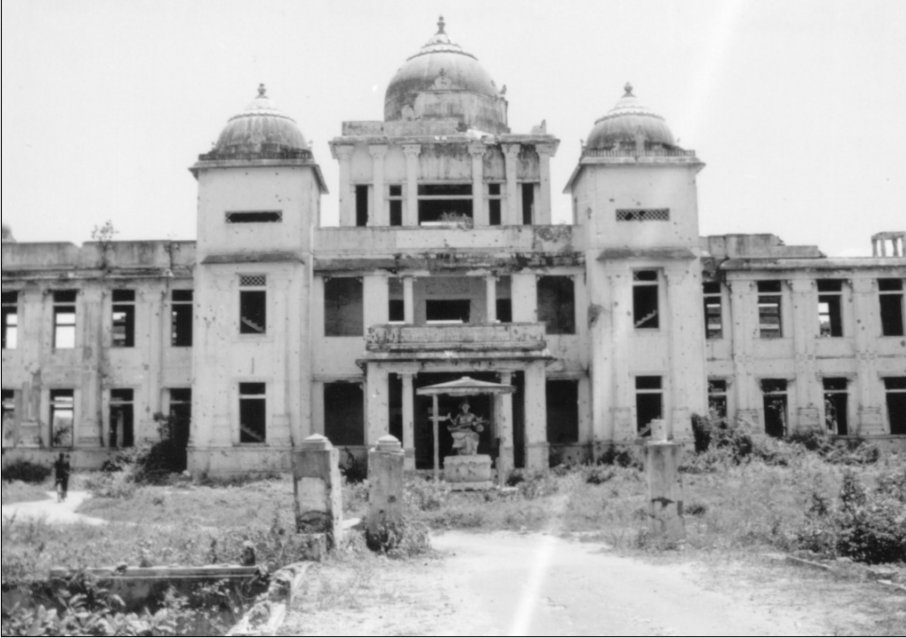
On 01 June 1981, Jaffna Public Library was reduced to ash by the premeditated willful and malicious act of then Sri Lankan government with the presence of two cabinet ministers Gamini Dissanayake and Cyril Matthew were stationed in Jaffna to oversee the election process and campaign. They abetted the police forces and thugs especially brought from south and housed in Duraiappa Stadium under the guise of election duty of the District Council election on June 04th. Duraiappa Stadium is situated right across a road of Jaffna Public Library is and was adjacent to the location of Jaffna Police Station; all were in the same bordering vicinity separated by a road; at that time.
At around 10pm on 01 June 1981, Jaffna’s then Municipal Commissioner Mr. C V K Sivagnanam received a call from Mrs Yogendra Duraisamy, the wife of then Government Agent of Jaffna District and their house was within the vicinity of the library, telling him that there were smoke and fire coming around the library and asked him to check up. When he contacted his staff over the phone, and they told him that the library has been set on fire.
Please find former Municipal Commissioner Mr C V K Sivagnanam’s testimony as video statement[1] (https://youtu.be/jzQ_6Wt0wew)
For Tamils, the devastated library became a symbol of cultural genocide. The attack was seen as an assault on their aspirations, the value of learning and traditions of academic achievement.
Thereafter, a committee was appointed by the President J R Jayawardena, and one-man committee was headed by Kingly Wickramasooriya, who was the DIG, came to Jaffna and collected evidence from several high-ranking officials and witnesses in Jaffna, including then Jaffna Municipal Commissioner Mr. C V K Sivagnanam, who was threatened to be shot by the police by a road barricade, when Mr. Sivagnanam was rushing in his car after receiving a phone call about Jaffna Library was on fire. Mr. Sivagnanam had seen the burning library and the policemen in the library area from the location where he was stopped by the police.
Despite of appointing a committee by the government at that time and up to now no action have been taken by any successive Sri Lankan government came to power thereafter, to grant justice to the heinous crime committed by the perpetrators by burning the cultural treasure of Tamil people.
This shows the clear evidence of Tamil genocidal intent of the Sri Lankan state’s policy that it hitherto continues.
TAMIL PEOPLE RIGORUSLY ENDEAVOURED TO RETAIN THE RUINED LIBRARY AS A MEMORIAL OF STRUCTURAL GENOCIDE OF TAMIL PEOPLES’ INVALUABLE INHERITANCE AND TO BUILD ANOTHER IDENTICAL ONE NEARBY
Nonetheless, their endeavor was shattered when subsequent Sri Lankan governments tacitly planned and refurbished the ruined Jaffna Library building with the motive of eradicating all evidence of their genocidal act. Despite the fascia of the library is restored, the acrimony of destroying irrecoverable invaluable manuscripts, original copies of historic documents and newspapers will continue to traumatise Tamil people as long as they live.
Tamil peoples’ will to retain and preserve the charred building as a living memory of structural genocide; a part of the atrocity crimes being continuously inflicted on them, has also been deliberately denied.
During one of the truce negotiations between Chandrika Kumaratunga’s government and the LTTE in 1994 – 95, the government of Sri Lanka purposely brought the issue of the Jaffna Public Library and a compromise was reached between the negotiating parties for a new library to be built next to the old one. Subsequently, an architectural design for the new library was submitted by the LTTE representatives to the government negotiators.
REFURBISHING & FURNISHING OF THE BURNT DOWN JAFFNA PUBLIC LIBRARY
Nevertheless, contrary to such a negotiated compromise to retain the burnt library building, President Chandrika Kumaratunga, after militarily occupying the Jaffna district in 1996, undertook to repair & refurbish the old library building, deliberately to erase the scars of the burnt library.
This has been the hallmark of the Sri Lankan state’s structural genocide with the notion of eliminating Tamil people and their historical invaluable records form Sri Lanka’s history. Its enduring psychological scar will continue to traumatise Tamil people as long as they live.
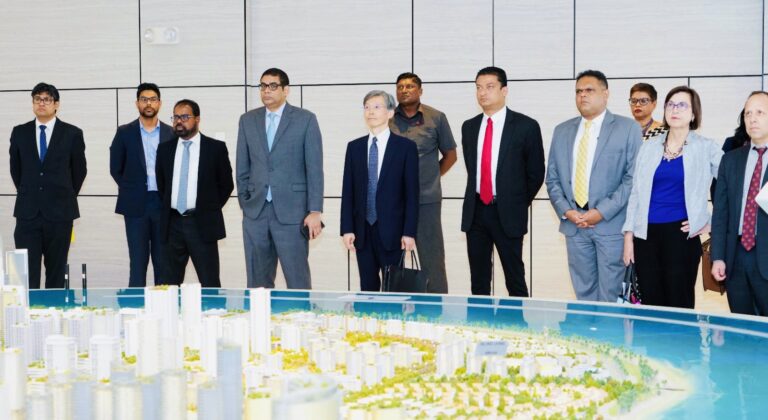
Colombo (LNW): The delegation of the International Monetary Fund (IMF) led by its Deputy Managing Director Kenji Okamura visited the Colombo Port City this morning (01).
The delegation observed the operations at the Port City bodies and held a long discussion regarding these institutions’ contribution to the country’s economy and future plans.
During the visit, IMF Deputy MD Okamura acknowledged that the Port City operations are being handled smoothly.
The delegation has also drawn their attention to the existing legal framework and the manner in which concessionary tax policies are implemented for foreign investors.
Chairman of the Board of Investment Sri Lanka (BOI) Dinesh Weerakkody, State Minister of Finance Shehan Semasinghe and State Minister of Investment Promotion Dilum Amunugama also attended the occasion.
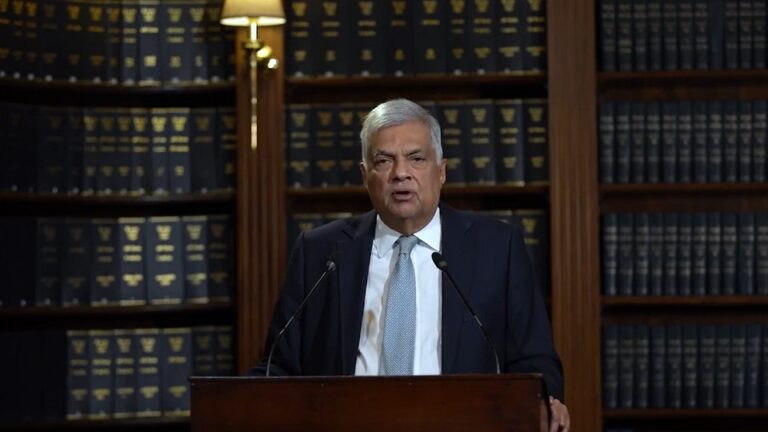
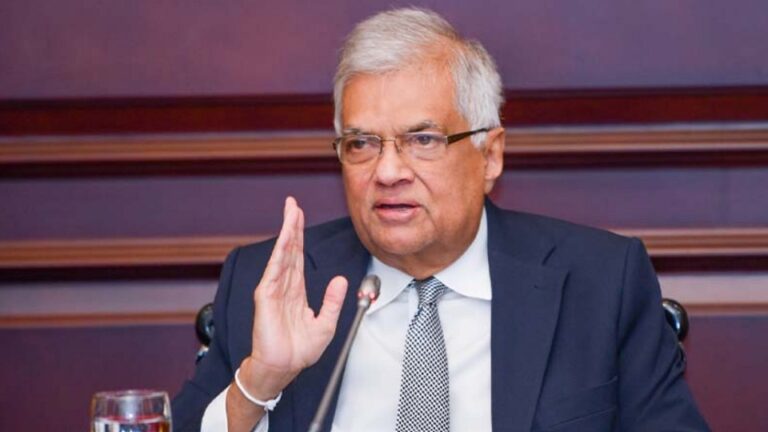
Colombo (LNW): President Ranil Wickremesinghe in his special statement on the national transformation roadmap this (01) evening said nobody will be allowed to drag the country back to the state it was in a year ago.
The President explained at length the measures taken by the government in the past nine months to assist the Sri Lankan economy to recover, as well as the next stages in the state’s social, economic and political reform agenda.
President Wickremesinghe also presented the operational proposal to the country to achieve the desired goals. The country’s development has been based on four primary pillars: fiscal and financial reforms, investment drive, social protection and governance, and state owned enterprises transformation. President Ranil Wickremesinghe also stated that a joint mechanism would be established to solicit private sector suggestions to accomplish the technical and long-term efforts necessary for the country’s economic transformation.
The President stated that if the country’s economy is not altered to reflect the current world and modern technologies, the country will regress and become an economic colony.
President Ranil Wickremesinghe highlighted that the administration is always devoted to achieving positive outcomes for the country, despite the fact that this reform program is difficult.
He said no matter how tough and painful the decisions that have to be made, only by adopting the correct policies on that challenging route, will it be possible to uplift the country for future generations.
President Wickremesinghe celebrated the tangible progress already achieved, emphasizing that everyone is now reaping the rewards of hard work, dedication, and progress. Notably, the inflation rate has declined from a staggering 70% to a more manageable 25.2%. The President expressed his satisfaction that the country is beginning to experience relief from economic pressures.
Following is the full statement delivered by President Ranil Wickremesinghe;
01
Since the day I took charge of our nation’s economy, I wanted to ensure you that Sri Lanka’s actual economic situation was made clear and transparent. Over the recent months, I have provided regular updates on Sri Lanka’s economic state, outlined strategies to overcome our challenges, and emphasized the role each of us must play for the betterment of our nation.
We have endured numerous hardships due to a struggling economy, but we are slowly making progress towards achieving stability. Our weakened and crippled economy from the crisis is gradually regaining its footing.
This achievement is a result of the correct policies and practices my government has implemented. It is also a testament to our collective effort as a nation in rising above the many challenges and hardships that came our way.
I would like to express my heartfelt gratitude to all Sri Lankans for persevering through these hardships for the sake of our motherland. If we continue on this path for just a little longer, I am confident we will be able to establish a stable economy free from the difficulties we endured together as a nation.
……….. 02
Sri Lanka is now ready to embark upon a journey of collective growth and prosperity.
In what manner should we proceed on this journey? Which practices should we adopt to ensure our progress?
Today, it is my honour to share with you a roadmap detailing the steps we intend to pursue to forge a brighter and prosperous future for all Sri Lankans.
Throughout my tenure as President, I have consistently emphasized the need for comprehensive economic and social reforms in Sri Lanka. In the 2023 Budget, I highlighted several reforms that aim to restructure and modernize the nation. It is crucial that we remain committed to these reforms to build a better future for Sri Lanka.
I want to remind you that some decisions we make may not always be popular. However, it is only by pursuing policies that are right and difficult can we uplift our country once again. I can assure you that if we remain committed to reform, we can create a nation where future generations can live freely and happily.
……….. 03
Unfortunately, some groups involved in traditional politics are actively working to hinder our economic revival. They are spreading false information about our reform agenda and intentionally misleading the public with claims that we are selling off the country.
Throughout history, these groups have continuously resorted to fear-mongering tactics, falsely asserting that our actions are driven by a desire to sell out our nation. They have deceived many Sri Lankans in the 1950s, 1960s, 1970s, and even the 1980s, instilling an irrational fear of the country being sold away. From then until now, these groups have disrupted real progress for economic reform by perpetuating this slogan of “selling the country”.
I am confident that you will no longer be deceived by such slogans. It is imperative for all of us to work diligently and to totally devote ourselves to the upliftment of our country. Our objective is to transform into a fully developed nation on the global stage by 2048. If we fail to align our economy with the modern world and the latest trends in technology, we will regress. The consequence of failure is the country becoming an economic colony. Let us forge ahead and shape our economy in a way that enables us to compete on the global stage. Let us carry out the necessary economic reforms for the greater good of our nation.
Through these economic reforms, our aim is to rectify misguided policies, programs, and projects. Rebuilding a bankrupt nation cannot be achieved by using traditional methods. We must adopt a fresh approach and embark on a new journey of transformation.
……….. 04
What are the outcomes of these economic reforms?
The cost of living for all Sri Lankans will decrease, and our standards of living will rise. Is that a mistake? Is it tantamount to selling our country? These reforms generate new opportunities for businesses to grow and thrive, ranging from small-scale enterprises to large-scale ventures. Is that a mistake? Is it a country being sold?
We are working to provide necessary relief and essential facilities to the poor and the most vulnerable segments of our society. Is that a mistake? Is it a betrayal of our country?
The burden of covering losses incurred by state owned enterprises will no longer placed on the people. Is that a mistake? Does it suggest a country’s sale?
A culture of accountability and transparency is being fostered. Is that a mistake? Does that mean the country is being sold? We are working to make Sri Lanka one of the world’s fastest-growing nations. Is that a mistake? Does that imply that the country is for sale?
The implementation of our economic reforms serves only to achieve sustainable development and prosperity for our country. Through these reforms, we will accelerate Sri Lanka’s modernization, expand our market, and encourage greater contributions from the international community toward our development.
We acknowledge that this journey is not an easy one, and we anticipate numerous challenges along the way. However, we are determined to overcome these obstacles. Our government is committed to always acting in the best interest of our country.
……..05
We will not allow anyone to drag our motherland back to where we were a year ago. Today, some individuals seem to have forgotten the hardships endured by Sri Lankans during that time. Our economy contracted by 8.7%, our foreign exchange reserves hit rock bottom, and we experienced one of the highest inflation rates in the world. Foreign loans went unpaid, pushing the country into bankruptcy. Food scarcity became a pressing issue, with people waiting in queues for days to obtain oil and gas. Agriculture suffered due to a lack of fertilizer, resulting in crop losses and helpless farmers. Businesses collapsed, leading to job losses and income sources drying up. Hospitals faced shortages of medication, schools had to close, and power cuts lasting 10-12 hours became commonplace. The country was in disarray, with people struggling to survive.
Unable to bear these hardships any longer, the people became restless and began to struggle. In the face of these tremendous challenges, I assumed the responsibility of managing the country’s economy as the Prime Minister. In such a difficult backdrop, I possessed only one source of strength: my unwavering belief and determination to safely guide our motherland across this arduous journey.
…….. 06
When we first took steps to stabilize the country, we implemented stringent financial controls. We recognized that our only way out of this crisis was to seek support from the International Monetary Fund (IMF). Thus, we initiated negotiations with them, which involved multiple rounds of lengthy discussions. Eventually, the IMF agreed to provide us with an Extended Credit Facility. Additionally, we embarked on programs to secure loan assistance from other financial institutions such as the World Bank and the Asian Development Bank.
During this challenging period, our neighbour India played a significant role in supporting us. Bangladesh and Japan also offered their support. Several countries, including China, India, Japan, and members of the Paris Club, agreed to restructure our debt, of which we are immensely grateful for on behalf of the Sri Lankan people. These collective efforts and collaborations are part of our commitment to achieving sustainable development and success for our country.
……… 07
In our efforts to stabilize the country, we implemented strict financial controls, leading to significant cost savings. Additionally, our foreign workers have made valuable contributions to our nation-building endeavours. In the first quarter of this year, the remittances sent by foreign workers increased by 80.6% compared to 2022. Furthermore, our new tax policies have resulted in an additional income of Rs. 210 billion in the first quarter of 2023. These achievements highlight the positive impact of our measures on our economy.
Today, we are reaping the rewards of our hard work and dedication. Inflation, which had skyrocketed to 70 percent, has now decreased to 25.2 percent, lightening the burden of daily life for all of us. The entire population of Sri Lanka is experiencing a sense of relief given the improvements we made to the economy.
…….. 08
Now, let me explain our vision for the future and how we plan to move forward. We have built our roadmap on four key pillars that will shape our path ahead.
……. 09
The 1st Pillar – Fiscal and Financial Reforms
We have successfully reached an agreement with the International Monetary Fund (IMF) regarding fiscal and financial reforms, which received approval from Parliament. We have initiated reforms in tax policies, revenue administration, and public financial management, and we will continue to pursue the successful delivery of these efforts. Our aim is to implement necessary reforms that will ensure long-term sustainability of public debt and the stability of our economy. Ultimately, we want to rebuild confidence in the Sri Lankan market.
In our pursuit of economic stability, we have implemented various cost reduction and containment measures since May 2022. We are taking further steps to minimize unnecessary expenses, emphasizing to government officials the need for prudent spending. Our approach includes:
1. Halting unnecessary expenditure, 2. Streamlining government activities to reduce costs, 3. Designing cost-effective government operations, and 4. Leveraging automation and digitalization to reduce costs while delivering quality services.
…….. 10
The 2nd Pillar – Investment Drive
Promoting investments play a crucial role in boosting a country’s economy. We also recognize the significance of collaboration between the public and private sectors in our journey towards economic growth. Our goal is to transform Sri Lanka into an export-oriented economy that is globally recognized, following the successful models of countries like South Korea and Singapore.
Furthermore, we aim to prioritize modern and sustainable efforts such as renewable energy, green hydrogen, and digitization. We can draw inspiration from the Andhra region of India, which has excelled in developing these areas. Such modern and sustainable initiatives are vital for the complete transformation of Sri Lanka’s economy.
Over the next few months, we will make a special invitation to the private sector to submit their own business proposals that align with our vision of modernization and sustainability. We will ensure transparency and openness by publicizing this call for proposals through mass media in a formal manner. We believe that a collaborative partnership between the public and private sectors will drive the engine to accelerate Sri Lanka’s economic growth and revival.
The selection of proposals is based on four key criteria:
1. Size of private investment, 2. Job creation, 3. Export contribution, and 4. Economic contribution.
To ensure the effective implementation of these business proposals, we will introduce a new system called the Lab methodology.
Under the Lab approach, we will bring together Government Ministers, government officials, subject matter experts, and key representatives from the private sector to collaboratively engage in detailed discussions over a period of six weeks. The aim is to collaboratively resolve any roadblocks hindering the roll-out of investments and projects by listening carefully to the private sector. During these discussions, comprehensive implementation plans will be developed, and the necessary facilities to support the implementation of these projects will be organized. Government stakeholders involved in the Labs will dedicate their full-time efforts to ensure the successful execution of these projects.
As President, I, along with the Cabinet Ministers, will actively participate in this event to demonstrate the government’s commitment to ensuring success of the Lab process.
Through the Labs, we aim to achieve three main objectives. They are to:
1. Accelerate the economic recovery through approved business proposals and projects 2. Create new employment opportunities, and to 3. Streamline the government machinery to facilitate the implementation of future projects by removing obstacles through transparent procedures.
In order to foster a conducive environment for investment, we also need to reform Sri Lanka’s trade practices, which have been structured under strict protectionist policies. It is time to remove these barriers that have discouraged investors and to promote a more open and welcoming approach.
…….. 11
3rd Pillar – Social Protection and Governance
We will also apply the Lab methodology to address social safety net concerns. We will engage various government ministries, departments, agencies, civil society representatives, and subject matter experts in the integration process of social security measures.
Over the years, the people of Sri Lanka have expressed three main demands: combating corruption, protecting the poor and vulnerable sections of society, and ensuring transparency in government actions and practices. We are actively working to meet these demands.
Through the Lab methodology, we will assess the adequacy of social security measures for the most vulnerable and disadvantaged sections of society. Our goal is to provide them with the necessary support and relief they require.
A special task force is being established to combat corruption across all sectors, including regulation, procurement, and political corruption. We are committed to implementing anti-corruption practices through a government mechanism that emphasizes accountability via modern techniques such as digitization.
…….. 12
4th Pillar – State Owned Enterprises Transformation
There are currently 430 public enterprises operating in 33 sectors of the economy. These enterprises employ 6% of the Sri Lankan population. However, many of these enterprises have garnered monopolistic positions in the market, hindering private investment. Price fixing, inefficient management, and poor entrepreneurship have weakened public finances, turning these institutions into national burdens that are dependent on the taxpayer.
Notably, entities like the Ceylon Petroleum Corporation, Ceylon Electricity Board, and Sri Lankan Air Lines have incurred significant operating losses, equivalent to 1.6% of the country’s GDP in 2021. It is unjust to burden the 22 million people of Sri Lanka with this debt. We must urgently undertake necessary reforms in our SOEs to ensure the turnaround and success of these enterprises.
We have already initiated the preparation of a restructuring plan for public enterprises. Additionally, we expect the chief officers of these enterprises to be committed to improving their performances. If they fail to meet the annual targets assigned to them, we will not hesitate to replace them with more suitable candidates.
…….. 13
Public Engagement
Public participation is crucial to our Labs. All outcomes from the lab discussion, including plans, analyses, and conclusions during the six-weeks will be shared with the public in a physical forum called the “Open Day”. This platform will allow the public to express their feedback to the lab outcomes and the nation’s reform efforts, of which their contributions will serve to further refine the implementation process.
I am actively taking steps to regularly present information about our reform and reorganization programs to the public. I believe that the President should make it an annual ritual to engage with the people and provide updates on our nation’s progress.
We recognize the importance of incorporating the views of all segments of society in implementing our roadmap towards growth and prosperity. After hearing from the public during the “Open Day”, we will transparently share the progress of the Labs along with the activities of the special task forces related to the economy through digital media. This will allow the public to observe the implementation of the plans in practice, and also be able to identify and resolve obstacles along the journey.
……. 14
In the last quarter of this year, we will then work to unveil the national transformation plan to the public.
…….. 15 Following extensive efforts, we anticipate revealing the National Reorganization Plan during the final quarter of this year. This plan aims to offer the public the chance to witness the advancement of plan implementation and practices via digital media. Furthermore, it encompasses a systematic approach to shed light on challenges and barriers encountered during implementation. Consequently, it becomes feasible to swiftly identify and resolve obstacles and issues. To coordinate the implementation of these plans, we are establishing a Presidential Delivery Bureau (PDB) comprising of high-ranking officials from both the public and private sectors. They will collaborate with the line ministries to ensure effective coordination throughout the implementation phase.
……… 16 Building the future
These reforms are designed to benefit the entire population and foster the development of the entire country. We aim to enhance the living conditions of all Sri Lankans, including you. Our program is not exclusive to any particular segment but targets the entire nation. By doing so, we can enhance Sri Lanka’s international competitiveness in exports and create new opportunities for labour participation amongst the youth, leading to a fully stabilized economy within the next five years.
Ultimately, our vision is to become a fully developed country by 2048, with the responsibility for continued progress passed on to the next generation. We are preparing our youth for this role, and I have full confidence that they will lead our motherland towards this objective.
This work methodology is a collective effort to build the future for all of us and to ensure a better tomorrow for future generations to come.
Therefore, I invite all Sri Lankans to join me in this journey to create our new and shared future our beautiful country.
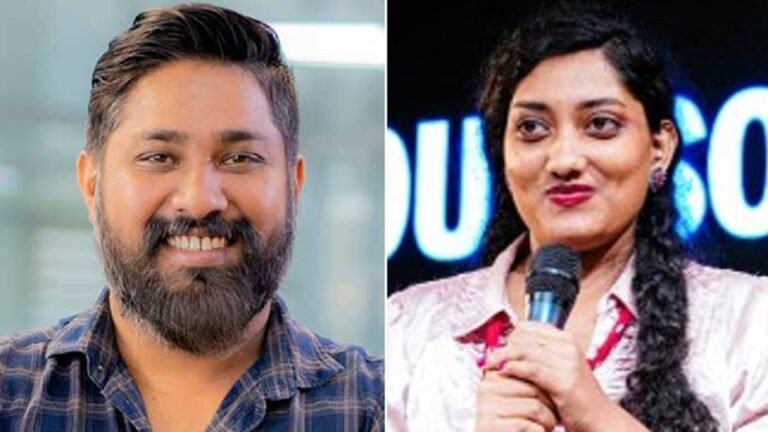
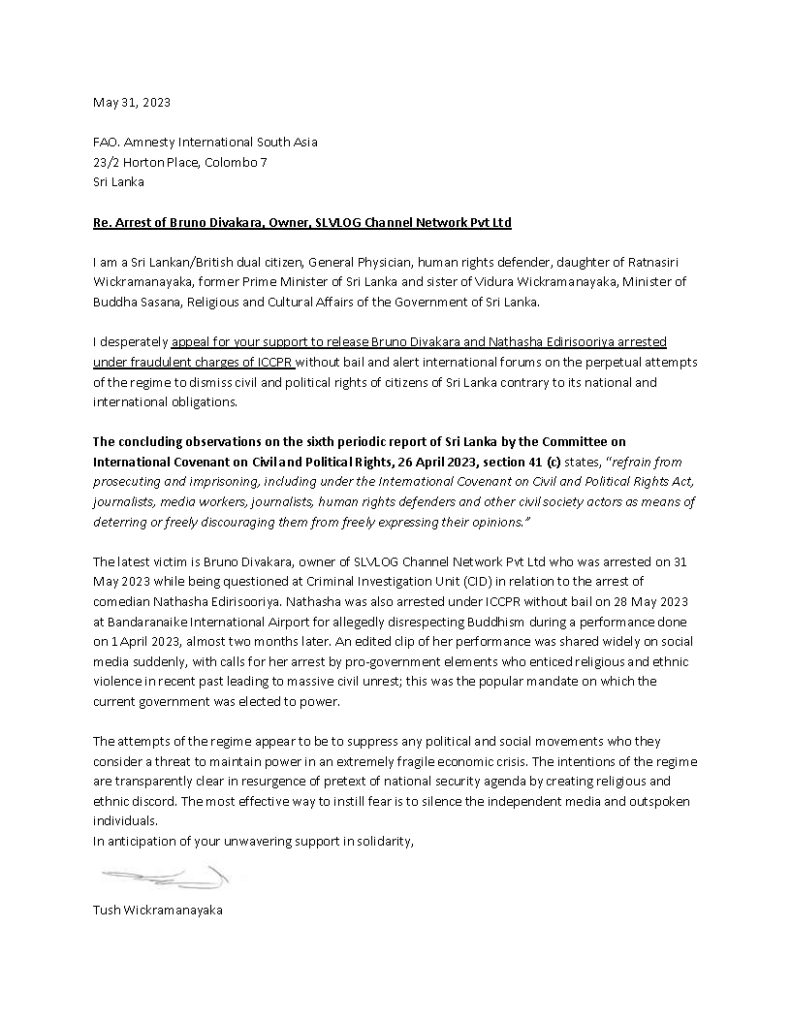
Colombo (LNW): Dr. Tushara Wickramanayke, general physician and human rights defender, appealed to the Amnesty International seeking support for the release of stand-up comedian Nathasha Edirisooriya, who was arrested on the charge of making comments allegedly insulting Buddhism, and Bruno Divakara, owner of the ‘SL-Vlog’ YouTube Channel, who was subsequently arrested in connection with her arrest.
In a letter to the Amnesty International South Asia, Dr. Wickramanayke emphasised that the two were arrested under fraudulent charges of the International Covenant on Civil and Political Rights (ICCPR) without bail and alerted international forums on the perpetual attempts of the regime to dismiss civil and political rights of citizens of Sri Lanka, contrary to its national and international obligations.
Wickramanayake reminded that the concluding observations on the sixth periodic report of Sri Lanka by the Committee on ICCPR, 26 April 2023, section 41 (c) states, “refrain from prosecuting and imprisoning, including under the International Covenant on Civil and Political Rights Act, journalists, media workers, journalists, human rights defenders and other civil society actors as means of deterring or freely discouraging them from freely expressing their opinions.”
“The attempts of the regime appear to be to suppress any political and social movements who they consider a threat to maintain power in an extremely fragile economic crisis. The intentions of the regime are transparently clear in resurgence of pretext of national security agenda by creating religious and ethnic discord. The most effective way to instill fear is to silence the independent media and outspoken individuals,” she wrote.
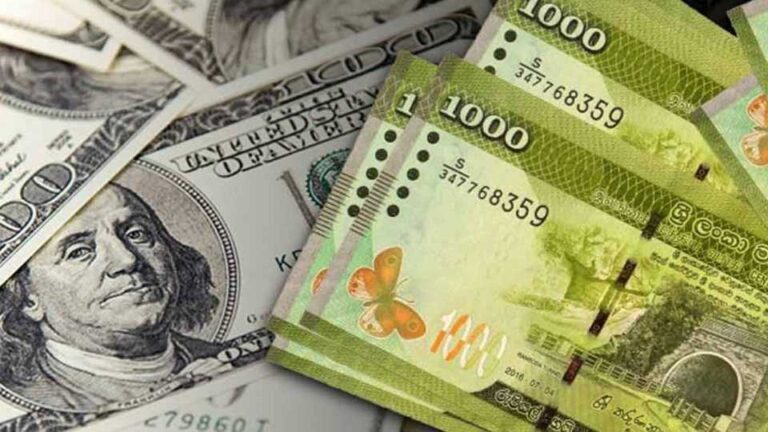
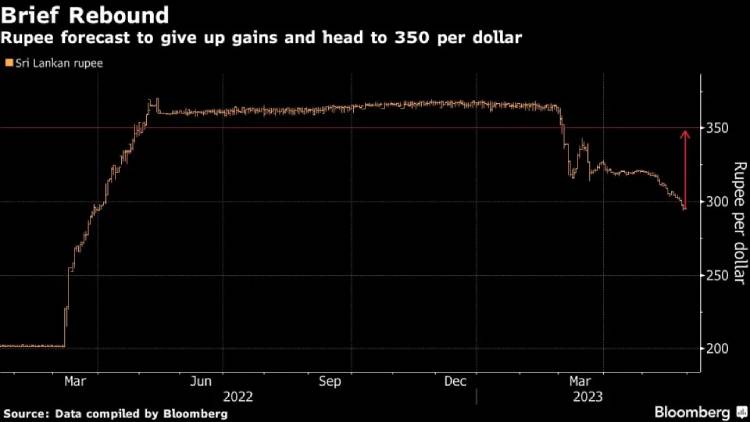
Bloomberg– After topping global currency rankings this year, analysts are predicting tough times ahead for the Sri Lankan rupee as the government eases import restrictions and debt repayments loom.
The rupee, which climbed 1.4% to 289.91 per dollar on Wednesday, is forecast to decline to 350 by the end of December, according to Standard Chartered Plc and BMI. The currency’s 27% gain this year has seen it capture the best spot returns globally, supported by rising tourist arrivals and inflows into the bond market.
Sri Lanka’s economy is slowly emerging from its worst crisis in more than seven decades, anchored by the International Monetary Fund’s $3 billion bailout that helped it regain investor confidence. As the government moves to loosen import controls and secure a debt restructuring deal, the rupee may come under pressure once more and set course for new lows.
“Once imports normalize with the relaxation of restrictions and demand picks up, we expect the rupee to depreciate,” said Dimantha Mathew, head of research at First Capital Holdings Plc in Colombo. “The rupee will be highly volatile as the economy picks up toward the second half of the year.”
The government plans to lift import controls on 100 items by the start of June, State Minister for Finance Shehan Semasinghe said last week. The number of items with import restrictions has already been reduced to 1,000 from a peak of 3,000, he said.
Visitors to the Asian nation have also risen, with tourism receipts estimated to have gained 18% to $696 million in January to April from a year ago, according to central bank data. Meanwhile, foreign holdings of local bonds have more than doubled since the end of March to $511 million.
The rupee may trade at 280 to 320 per dollar this quarter before weakening to as low as 405 per dollar in the second half of the year, according to First Capital. That would surpass its record-low 370 per dollar it reached in 2022. Dollar inflows have also allowed the central bank to replenish its foreign-exchange reserves, which climbed to a 15-month high in March.
“Upcoming external debt repayments, which we believe could start around the fourth quarter, alongside the need to build up reserves, will exert downside pressure on the rupee once again in the coming months,” said Raphael Mok, head of Asia country risk at BMI in Singapore.
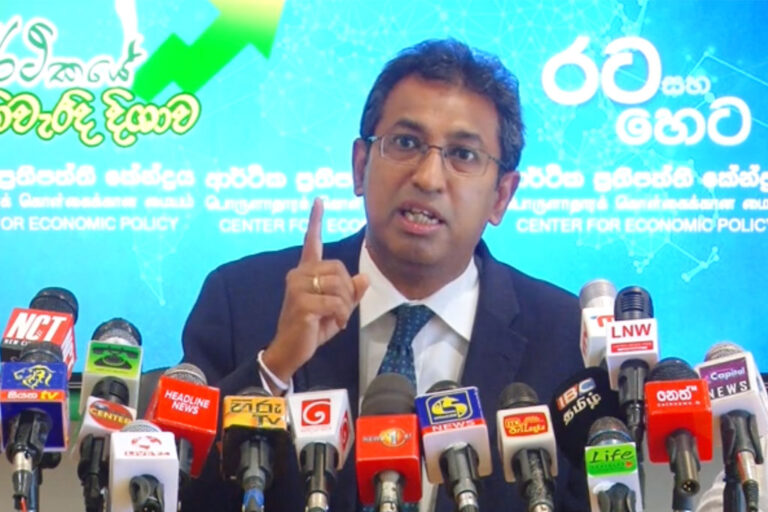
In a press conference held today at the Office of the Leader of the Opposition, Dr. Harsha de Silva vehemently criticized the government’s proposed Broadcasting Authority Act. Dr. de Silva warns that this legislation, touted as an effort to advance the mass media, actually serves as a tool for the government to crack down on and manipulate the media to suit its own agenda.
According to Dr. de Silva, the proposed Broadcasting Authority Bill contains provisions that enable the government to exert pressure on and control media outlets that do not align with its ideology. Such measures, he argues, are fundamentally incompatible with the principles of a democratic society.
“One of the cornerstones of democracy is the freedom to hold differing opinions. The media cannot be subject to the whims of a particular authority. They should have the autonomy to express their views independently,” Dr. de Silva asserted. “This right to free expression is a fundamental tenet of any democratic society. The proposed Broadcasting Authority Act aims to stifle the media, and we will not stand for it.”
Dr. de Silva further cautioned that the government’s motives behind this legislation mirror its previous attempts to suppress the media through the failed Anti-Terrorism Act. He contends that, having faced resistance to their oppressive measures, the government is now seeking alternative avenues to fulfill its objective of muzzling critical voices, and the Broadcasting Authority Act is their latest attempt to do so.
The concerns raised by Dr. Harsha de Silva underscore the need for a robust and independent media sector, one that can act as a vital check on governmental power and foster a thriving democratic society. It is crucial that policymakers and citizens alike closely examine the proposed legislation and its potential implications on press freedom, ensuring that any changes made to media regulations do not infringe upon the democratic principles that underpin our society.
Colombo (LNW): In a bid to boost tourism Israel and Sri Lanka have agreed to launch direct flights soon, a top Minister confirmed.
The move follows successful discussions between the Embassy of Israel and the Tourism Ministry following the reopening of borders recently. The resumption of the direct flights are being implemented on the instructions of Tourism Minister Harin Fernando.
Flights between Israel and Sri Lanka are expected to attract around 2,000 and 5,000 Israeli tourists to Sri Lanka during the May to September travel season.
“At present we are in discussion with Israel to commence direct flights in the immediate future. We are also in discussions with few other countries to resume their direct flights to Sri Lanka,” the Tourism Minister said.
Prior to the COVID outbreak, around 35 airlines operated direct flights to Sri Lanka. However, post-COVID only Qatar Airways, Emirates, Etihad, Turkish Airlines, Kuwait Airways, Singapore Airlines, China Eastern, Ukraine Airlines, Air Astana and Oman Air have resumed flights to Sri Lanka.
Noting that countries are focusing on reviving the tourism industry by following health guidelines along with vaccination programs, Ranatunga said that Sri Lanka too is taking steps to resume flights as usual, focusing on achieving its tourism goals whilst adhering to the health protocols underlined by the health authorities.
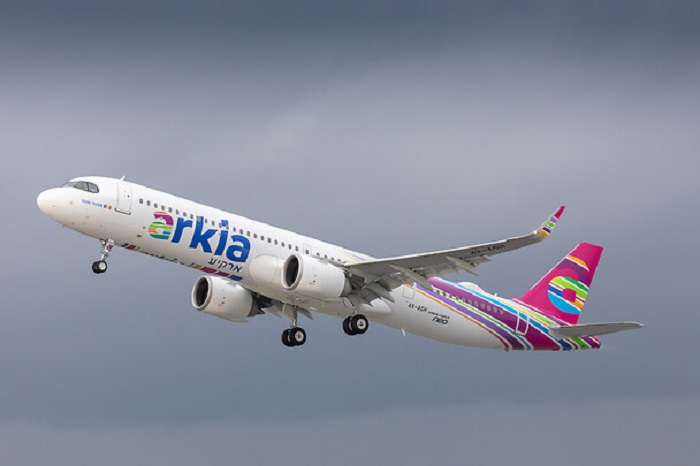
The Cabinet of Ministers green-lighted to operate direct flights for Israeli Airline — Arkia, subject to conditions.
The airline will have to follow security protocol standards similar to that of Dubai and Bangkok when establishing its offices in Sri Lanka.
“Generally, the airline operates with two armed guards onboard and due to this fact the flight was not permitted to operate into Sri Lanka citing security concerns,” Tourism Minister Harin Fernando said.
He said Foreign Affairs Ministry should inform Israeli authorities that the authorities of the security personnel on board the flight are limited to security affairs inside the aircraft.
Despite the long overdue, Fernando was hopeful of attracting large numbers from Tel Aviv this year.
“Israeli tourists are high spenders and their arrival to Sri Lanka has been on the rise this year,” he added.
As per Sri Lanka Tourism Development Authority (SLTDA) data, Israel ranks 12 tourist source markets for Sri Lanka year-to-date with 2% or 8,034 arrivals.
The proposal to this effect submitted by Tourism Minister Fernando was approved by the Cabinet of Ministers at its meeting on Monday.
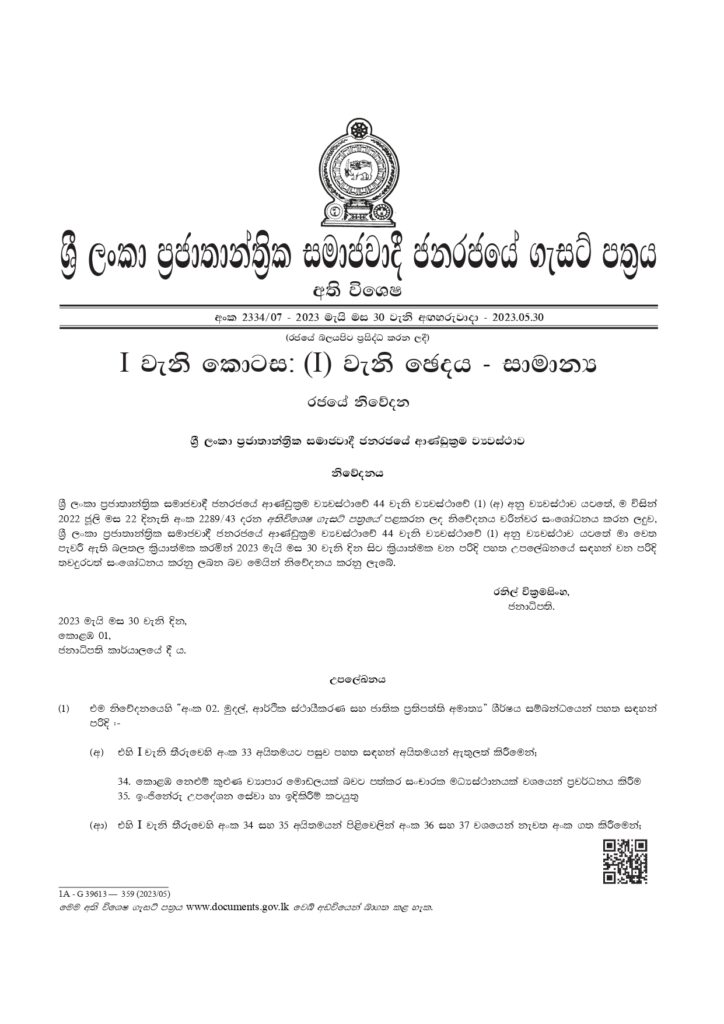
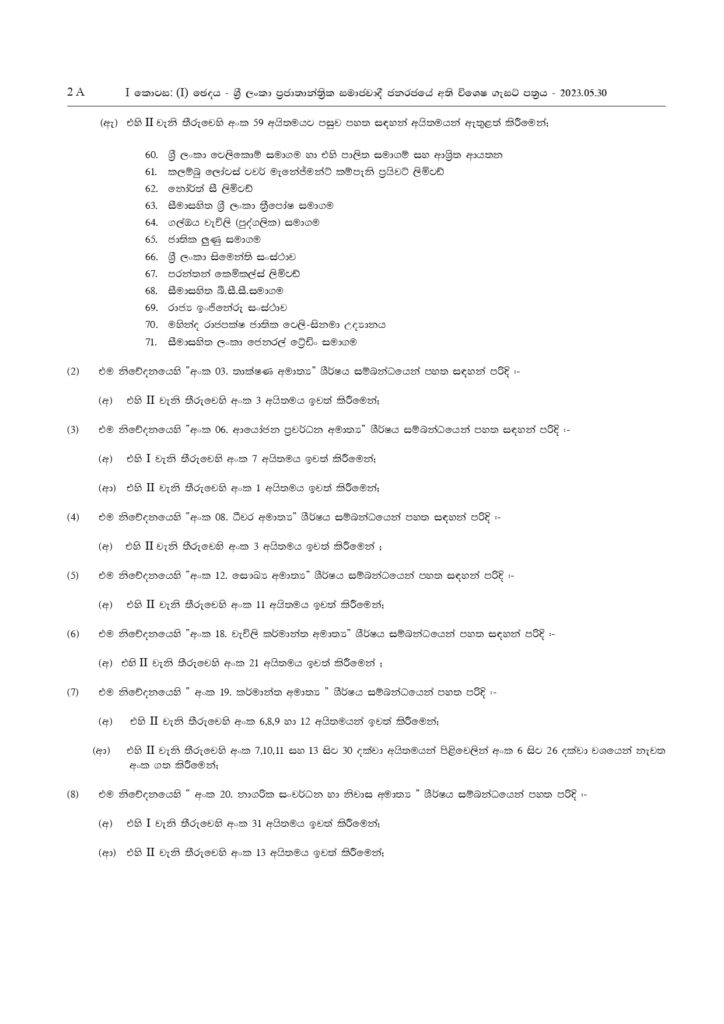
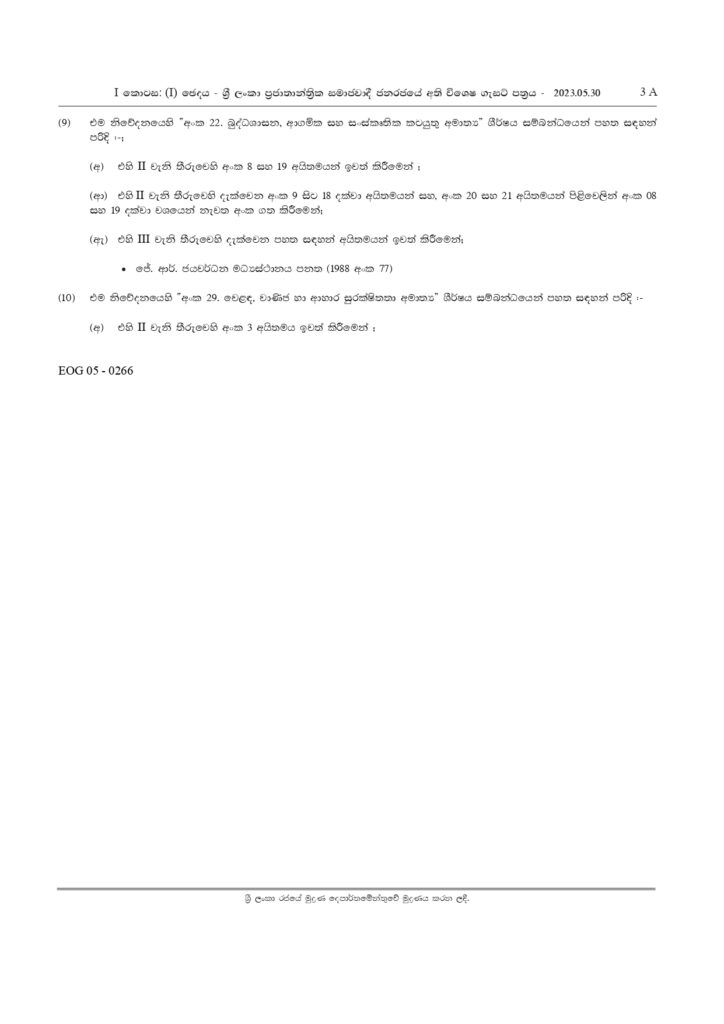
Colombo (LNW): 12 government-affiliated institutions including Sri Lanka Telecom PLC, its controlled companies and associated institutions, and the Colombo Lotus Tower Company which belongs the Lotus Tower have been taken over by the Ministry of Finance, Economic Stabilisation and National Policy.
The Presidential Secretariat has issued an extraordinary gazette in this regard.
Other institutions taken under the Finance Ministry include the Sri Lanka Triposha Company, the National Salt Company, the Sri Lanka Cement Corporation, the State Engineering Corporation, North Sea Limited, Galoya Plantation Pvt Ltd., Paranthan Chemicals Limited, ECC Company Limited, Mahinda Rajapaksa National Tele Cinema Park and Ceylon General Trading Company Limited.
Colombo (LNW): The government embarked on an ambitious initiative towards digitization of agriculture sector data to modernize the country’ crop cultivation practices, agriculture ministry sources revealed.
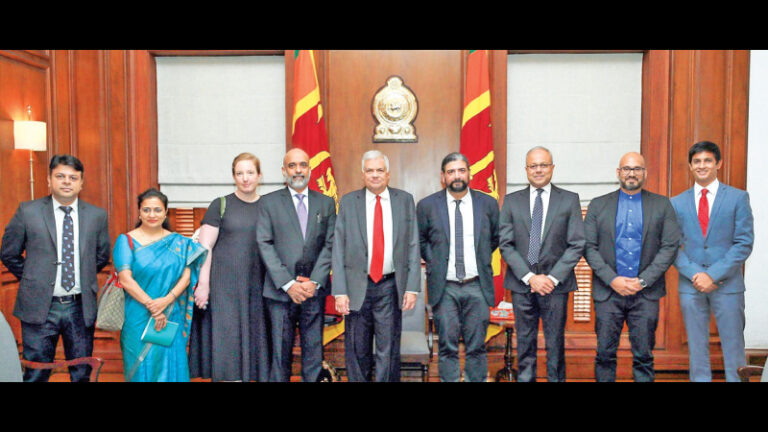
President Ranil Wickremesinghe and representatives from the Bill and Melinda Gates Foundation discussed the digitization of data in Sri Lanka’s agricultural sector, the President’s Media Division (PMD) said.
President Wickremesinghe emphasized the importance of continuing the government’s efforts to modernize the agricultural sector, improve nutrition, address climate change and enhance financial security.
During the meeting, officials from the Bill and Melinda Gates Foundation expressed their willingness to support these activities, provided they align with the government’s policies and regulations regarding financial assistance and the use of modern technology.
They presented relevant information to support their stance.The proposed establishment of a university dedicated to climate change was also a topic of attention during this meeting.
Meanwhile Agricultural Information Management System (AIMS) is developed by the Agricultural and Agrarian Insurance Board (AAIB) with technical assistance from the International Finance Corporation (IFC) under the Global Index Insurance Facility (GIIF).
This was a multi donor trust fund. AIMS is a pioneering step towards modernizing the agriculture sector in Sri Lanka.
AIMS consists of a web and mobile application to manage accurate data and streamline the operational aspects of the agriculture sector by connecting all stakeholders in to one hub.
AIMS carries a centralized database that consists of farmer and farm field information along with geographical referencing, location data, weather data, irrigation system, fertilizer and many more details to facilitate the current requirements.
In another private sector initiative of using digitization of agriculture sector practicaly Hayleys Agriculture Holdings (HAH) with DJI Technologies carried out a series of field trials at pre-approved locations to assess the aerial spraying capabilities of DJI Agras MG-1 Agriculture Drone in challenging terrains and elevations.
It intends to fine-tune this technology to local conditions and crop application requirements in collaboration with the Department of Agriculture and relevant research institutions.
Cropwiz, another one of the country’s largest agriculture projects with an investment of approximately Rss.1 billion (over $13 million), is an international joint venture that employs cutting-edge greenhouse technology, such as automated climate control and fertigation as well as hydroponics.
The system enables “climate smart,” year-round production, mitigating the impact of climate change.
While moving away from traditional farming and adapting high-tech solutions can be identified as a positive step in agricultural development in the country, it is apparent that Sri Lanka still needs to do more.
Colombo (LNW): The Japanese funded Colombo Light Rail Transit (LRT) project, which was suspended by the Gotabaya Rajapaksa administration, is to resume shortly, Cabinet spokesperson Minister Bandula Gunawardena confirmed.
Cabinet spokesperson Minister Bandula Gunawardena said that President Ranil Wickremesinghe obtained Cabinet approval for resumption of the Colombo Light Rail Transit (LRT) project project.
He said that a decision was also taken to ensure future projects are terminated only with Parliament approval.
The project was suspended following a letter issued by the then-Secretary to the President on the 21st of September 2020, citing that the project was not the appropriate cost effective transport solution.
A special audit report by the Auditor General of Sri Lanka revealed that the decision to suspend the project cost the country Rs. 5.978 Billion.
President Ranil Wickremesinghe had recently expressed regret to Japanese Prime Minister Fumio Kishida over the decision taken to suspend the Japanese funded Colombo Light Rail Transit (LRT) project.
During an official meeting in Tokyo between President Ranil Wickremesinghe and Japanese Prime Minister Fumio Kishida, the President had emphasized the need for future legislation in the Parliament to ensure that bilateral large-scale projects cannot be halted or canceled without the agreement of both parties.
The new administration is set to renew the LRT project contract with JICA loan facility due to its favorable conditions including low interest rates and the grace period of 12 years which was completely ignored by the previous regime.
The Urban Development Authority (UDA) will call for expressions of interests soon from interested international firms or joint venture companies to build the necessary infrastructure and implement the project, Urban Development and Housing Minister Prasanna Ranatunge disclosed.
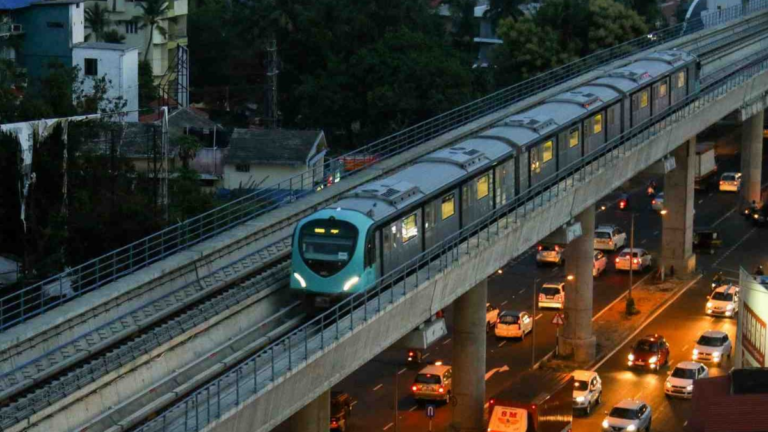
It has ben planned to operate the light rail transit service to complete the journey from Malabe to Colombo Fort in 30 minutes.
Light train is scheduled to arrive at a station every 4 minutes during peak hours and operate a train every 10 minutes during off peak hours, senior official of the Urban Development Authority (UDA) said.
On the advice of the then President Gotabaya Rajapaksa, Presidential Secretary Dr. P.B. Jayasundera had instructed the Ministry of Transport Services Management to review and terminate the project and close the project office with immediate effect at that time.
He cited the reason for this action and a subsequent cabinet decision in favour of it to the high cost incurred for the LRT project and it was not being the appropriate cost effective transport solution for the Urban Colombo transportation infrastructure.
The consultants started work in early 2019. Their seven-year contract was signed with the Ministry of Megapolis and covered detailed design and related engineering services, procurement assistance, construction supervision, testing and commissioning as well as defect liability check.
The Government has not yet settled a claim of around Rs 5 billion from the project consultants Oriental Consultants Global of Japan and Sri Lanka’s Consulting Engineers & Architects Associated for the work already done, expenses and loss of profit caused by the cancellation of the project in 2020.