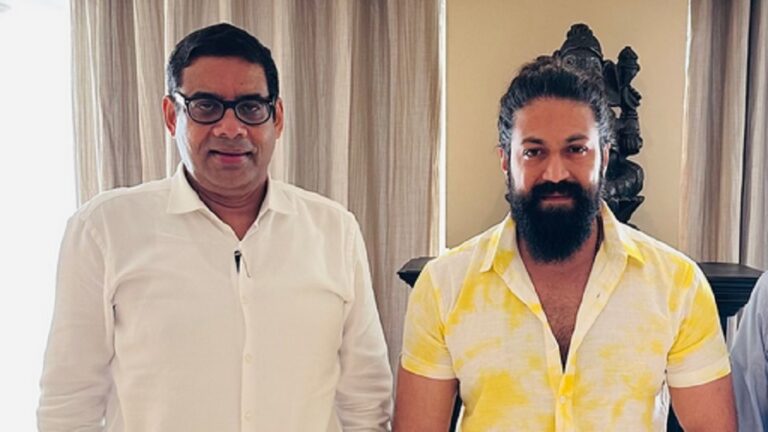
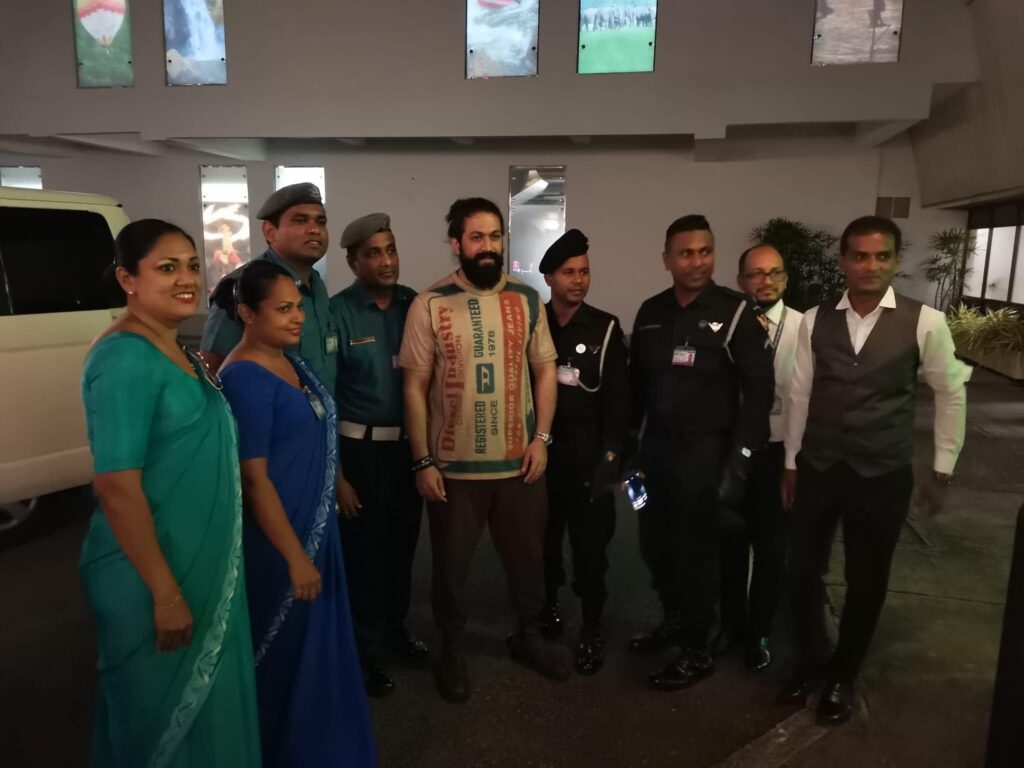
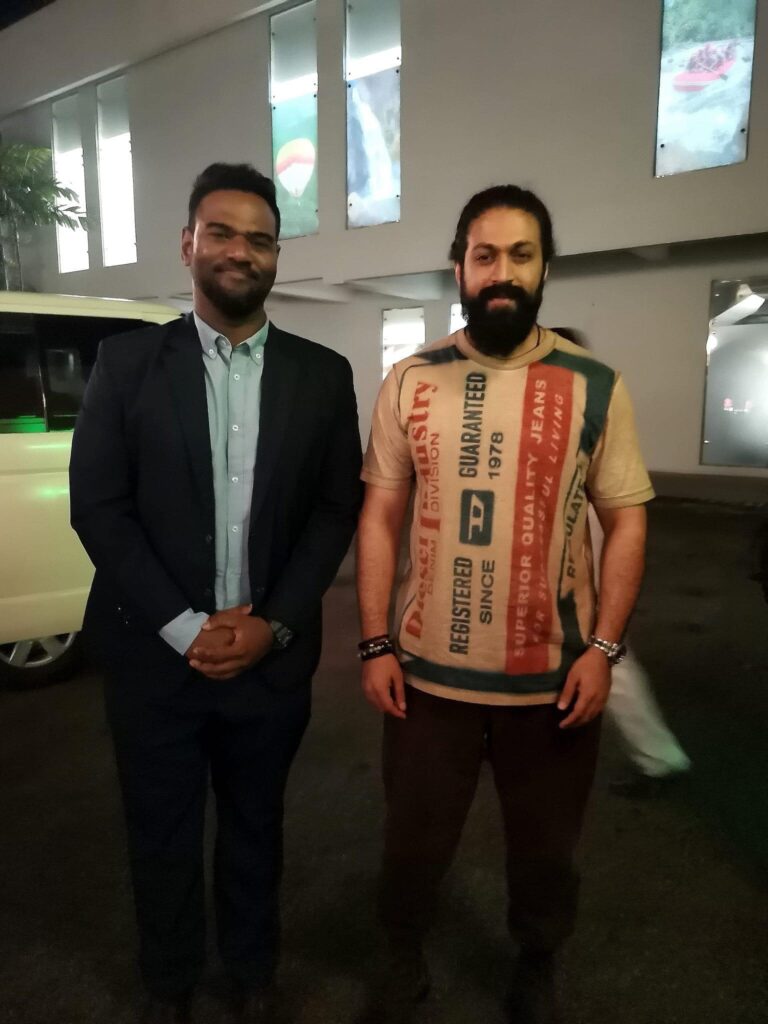
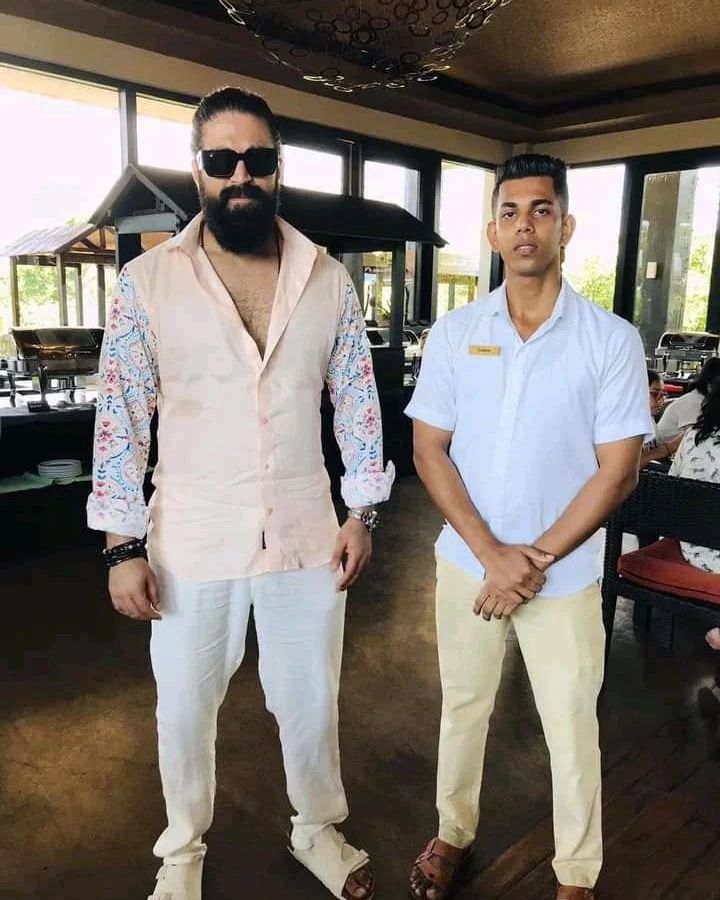
Colombo (LNW): Indian movie sensation Naveen Kumar Gowda, better known by his stage name ‘Yash,’ has arrived in Sri Lanka on a holiday.
The ‘KGF’ star has met with Chairman of the Board of Investment of Sri Lanka (BOI) Dinesh Weerakkody, and shared his interest in shooting some of his movies in Sri Lanka.
‘Yash’ is a recipient of three Filmfare Awards and is currently in Sri Lanka on a holiday.
Met with Naveen Kumar Gowda the Indian actor better known by his stage name Yash, recipient of three Filmfare Awards . Keen on using Sri Lanka for some of his shoots @IndiainSL @Yashgowda0721 pic.twitter.com/zmobBAuMK2
Colombo (LNW): Sri Lanka corporate sector Chief Executive officers (CEO) have expressed mixed sentiment on the economic revival in the island nation predicting that the expectations for the future have begun to pick up slowly.
49% of the CEOs surveyed were of the opinion that the local economy will decline in 2023, which is a notable drop in comparison to the 69% from last year MTI economic outlook 2023 survey revealed.
An equal percentage is hopeful that the economy will stabilize, which is also a significant increase compared to the 29% from the survey responses last year.
However, only 2% of the CEOs were of the opinion that the economy will accelerate, which is even lower than the responses from last year – a declining trend that has been continuing in the most recent years.
56% of the surveyed CEOs have identified Political, Legal and Governance issues as the number one challenge to the Sri Lankan economy this year, followed by Economic Policies (24%).
The April edition of leading business magazine LMD notes that there are “mixed feelings about the economy in corporate circles.”
However, NielsenIQ’s Director – Consumer Insights Therica Miyanadeniya says in the magazine that “expectations for the future have begun to pick up slowly.”
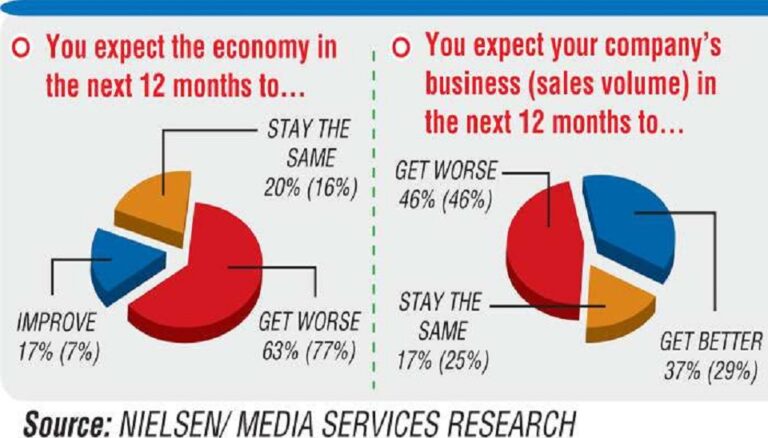
According to LMD, 17% of the business people interviewed by NielsenIQ’s pollsters in early March said they expect the economy to ‘improve’ – compared to only 7% a month ago.
“Those who said the economy is going to ‘get worse’ have also come down to 63%, from the 77% who said so in February,” Miyanadeniya points out.
And a fifth of the survey sample believe that the status quo will remain over the next 12 months, LMD notes.
On a more positive note, the magazine reports: “The disposition in corporate circles about projected sales volumes in the year ahead (i.e. that the numbers will ‘get better’) has improved from less than three-in-10 (29%) in February to a somewhat healthier 37% a month later.”
“Executive opinion with regard to sales volumes compared to the same time last year reflects a slight improvement with 17% – compared to 12% in March and February respectively – affirming an increase in numbers,” it adds.
As for the short-term forecast, LMD says that there’s been an improvement in sentiment with a fifth (versus 15% in February) expecting business volumes to ‘get better’ in the next three months – and the percentage of those who expect a worsening has edged down from 48% in February to 45% a month later.
Sri Lanka’s economic confidence was around the same levels in February 2023 as in October 2022, while government approval was also unchanged at a 10 percent level, a survey has found.
A “Mood of the Nation” poll was conducted in early February 2023 by Verité Research, a Colombo-based think tank among a sample of 1,000 respondents found that economic confidence was a negative -78, the same as October 2022, when it recovered from June low.
In February 2023 0.3 percent had rated the economic conditions as excellent, 6.0 percent rate it as good; and 6.3 percent had rated it as getting better.
Colombo (LNW):The government of Sri Lanka launched a project for a passenger ferry service between the port of Kankasanthurai, Sri Lanka and Pondicherry, India to provide a more affordable and convenient mode of transportation.
In support of this project, the Sri Lanka Navy has commenced facility expansion of the Kankasanthurai harbour, with a view to accommodate more traffic and provide better infrastructure.
The Navy is committed to nurturing a stable ocean region for the safe conduct of economic activities in Sri Lankan waters.
In addition, the Navy has often made its skilled manpower, efficiency and technical expertise available for the overall progress and prosperity of the nation.
Following the directives of the Commander of the Navy Vice Admiral Priyantha Perera, the Sri Lanka Navy has taken an active role in supporting the expansion of the Kankasanthurai harbour facility by enabling its manpower and expertise, in response to a request of the Ministry of Ports, Shipping and Aviation.
Accordingly, the project got underway on 01st February, with skilled manpower and industrial expertise enabled by the Navy.
Thus, the Sri Lanka Navy has undertaken the construction of a passenger terminal for immigration and customs clearance of people who intend to use this passenger ferry service. Required materials for the construction work are provided by the Sri Lanka Ports Authority.
Presently, a group of 60 naval personnel are engaged in construction of a 1000 square meter passenger terminal, under the supervision of naval civil engineering officers.
The construction work of the passenger terminal will be completed soon and thereupon the facility will be handed over to the Sri Lanka Ports Authority for its operational purposes.
The passenger ferry service project is part of a larger effort to strengthen longstanding ties between India and Sri Lanka, with a focus on improving tourism.
Through the Navy’s contribution towards prompt implementation of the project, it will not only save a lot of public money, but also enable the public to enjoy the expected benefits of this project in due course.
The key developments that are scheduled to be completed at the KKS Harbour included the construction of a new commercial berth, rehabilitation of the existing breakwater (1,400 m); rehabilitation of the existing Pier No. 1 (size 96 m x 24 m); construction of Pier No. 2 of existing Pier and finally, the completion of infrastructure facilities such as navigational aids, a concrete road on the breakwater, etc.
Furthermore, to fund the project work, the Government of Sri Lanka has entered into a dollar credit line agreement with the Export-Import (EXIM) Bank of India and obtained financial assistance of US $ 45.27 million.
As per the decision of the Government,the KKS Harbour is to be developped as a main commercial port in Sri Lanka.
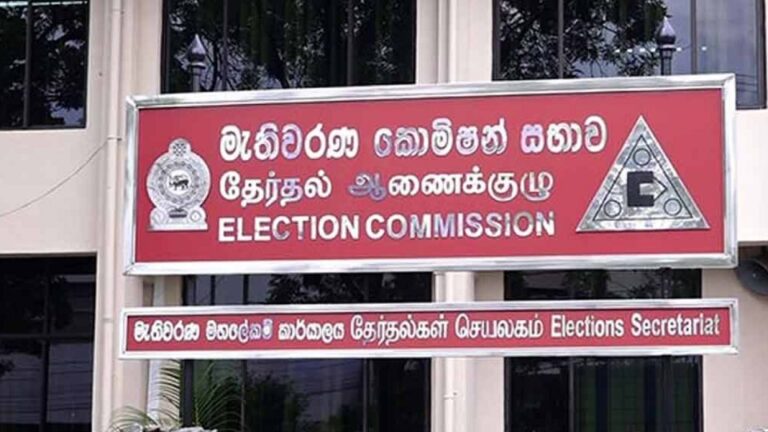
Colombo (LNW): The Election Commission has decided to terminate the recognition awarded to political parties which had failed to submit their financial statements.
The Commission’s action may result in certain political parties being ended up as political movements not accepted as parties eligible to contest any election.
Accordingly, the Election Commission has decided to call for a report on the parties that have failed to submit their financial statements, pointing out that their decision comes in as certain political groups have failed to submit their statements since 2021.
It added that these political groups were informed to submit their 2021 financial statements within a period of 14 days, of which the deadline was last week.
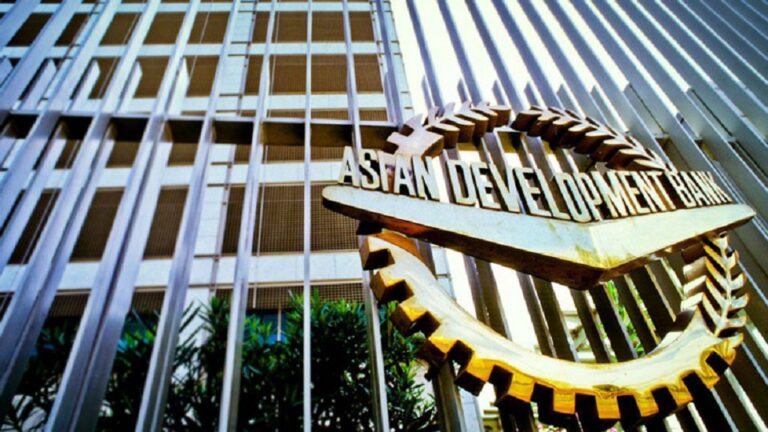
Colombo (LNW):The Asian Development Bank is considering more concessionary funding for Sri Lanka and support for green bond issues as part of its assistance to help the South Asian nation recover from its worst economic crisis in decades.
The Green Bond program enables ADB to support its developing member countries including Sri Lanka seeking to mitigate greenhouse gas (GHG) emissions and adapt to the consequences of climate change.
It will be delivering environmentally sustainable growth to help reduce poverty and improve the quality of life of their people.
The Green Bond portfolio specifically targets projects that promote the transition to low carbon and climate resilient growth as set out in the ADB Green Bond Framework.
Asia and the Pacific depend on healthy and resilient oceans for disaster resilience, food security, and livelihoods. Healthy oceans also drive economies through fisheries and aquaculture.
However, climate change, overfishing, pollution and unsustainable development have pushed our oceans to the brink of collapse. In order to address the growing funding gap required to protect and restore ocean health, global markets need to systematically change.
Blue bonds encourage that shift by increasing the amount of capital that can be invested in oceans to finance solutions at scale.
The Manila-based lender’s immediate priority in 2023 is to continue work on overall economic stability and support the banking and energy sectors, ADB Sri Lanka country director Chen Chen said in an interview in Colombo.
“We are also actively working on mobilizing more concessional resources and grant resources to the country,” Chen said. “This will hopefully be part of our assistance in the coming years.”
ADB is trying to mobilize funds below the already concessional Ordinary Capital Resources facilities that Sri Lanka currently has access to, Chen said.
Sri Lanka’s Central Bank Governor Nandalal Weerasinghe said that the country is open to consider the option of a Debt-for-Nature Swap if a request is made.
He noted that the country would consider debt-for-nature swaps for all its overseas creditors, Weerasinghe said that “those are useful and relevant financial instruments,” though the country’s main goal is to complete the debt rework process “as soon as possible.”
Debt-for-climate swaps and debt-for-nature swaps seek to free up fiscal resources so that governments can improve resilience without triggering a fiscal crisis or sacrificing spending on other development priorities.
Creditors provide debt relief in return for a government commitment to, say, decarbonize the economy, invest in climate-resilient infrastructure, or protect biodiverse forests or reefs.
Debt-for-nature swaps are typically a voluntary transaction in which an amount of debt owed by a developing country government is cancelled or reduced by a creditor, in exchange for the debtor making financial commitments to conservation.
Through 2022, the ADB dispersed around $334 million by repurposing existing project loans. It has about $3.7 billion of previously approved loans in transport, energy, education, health, social protection, agriculture, and small and medium enterprises, among others, which will be disbursed as projects progress, Chen said.
Colombo (LNW): The Department of Examinations has urged the university lecturers to assist in paper marking for the G.C.E. Advanced Level Examination, in response to the university lecturers’ strike action which about a day ago was called off without agreeing to engage in the paper marking process.
This comes in in the backdrop where more than fifty days have passed since the conclusion of the G.C.E. Advanced Level Examination.
Issuing a statement, the Exam Dept stressed that the country’s education system is falling behind, as paper marking of the AL Examination is yet to commence, adding that this may seriously affect the students who sat for the examination.
The Dept added that the paper marking process can commence if the university lecturers agree to rejoin paper marking, along with other teachers who have applied for the affair.
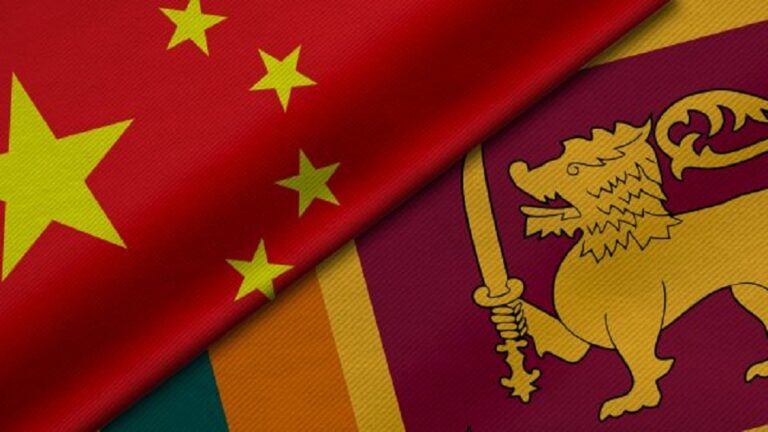
Colombo (LNW):China now seems to pressure Sri Lanka into entering into a Free Trade Agreement (FTA) under the guise of helping to restructure debt repayments following the delayed assurance for the restructuring of its debt with some conditions.
In early this year the Export-Import Bank of China offered Sri Lanka a two-year moratorium on its debt and said it would support the country’s efforts to restructure multilateral debt.
By end-2020, Sri Lanka owed China Exim Bank US $ $2.83 billion or 3.5% of the island’s external debt, according to IMF data.
In total, Sri Lanka was indebted to Chinese lenders $7.4 billion, or nearly a fifth of public external debt, by end-2022, calculations by the China Africa Research Initiative showed.
Sri Lanka expects China to support its effort to restructure debts and help it begin repaying its obligations, according to the nation’s central bank governor Nandalal Weerasinghe
However China is to make use of its strong bargaining power over Sri Lanka to demand the signing of the FTA without delay, informed official sources claimed.
According to experts, the disadvantage for Sri Lanka is that China’s FTAs restrict the use of para-tariffs, such as the import levy used by Sri Lanka.
The China – Sri Lanka FTA would open up new markets for Chinese businesses while providing Sri Lankan businesses with access to China’s vast consumer market.
However, critics argue that the deal would be heavily skewed in favour of China, leading to a flood of cheap Chinese goods into Sri Lanka and undermining the country’s domestic industries.
Moreover, some experts suggest that China’s efforts to push for the FTA may be part of a broader strategy to gain greater influence over Sri Lanka.
For a country like Sri Lanka, whose exports are confined to a few products, an agreement that reduces barriers to trade on thousands of other products but excludes these key exportable products from the world and from China will fail to facilitate Sri Lanka’s export growth.
One of the potential disadvantages of signing the FTA with China is the risk of job losses. Sri Lanka’s labour-intensive industries, such as textiles and apparel, could face increased competition from cheaper Chinese imports, leading to potential job losses in these sectors.
Sri Lanka has prepared a list of 451 export goods for tariff concessions under the proposed Sri Lanka-China Free Trade Agreement (SLCFTA), while China too has prepared a similar number of export goods to be demarcated as eligible for concessions.
Negotiations on the SLCFTA commenced in 2016, but came to a virtual standstill by 2018. This was due to Sri Lanka’s insistence on reviewing the agreement every 10 years, to which China was strongly opposed due to its desire to maintain long-term stability.
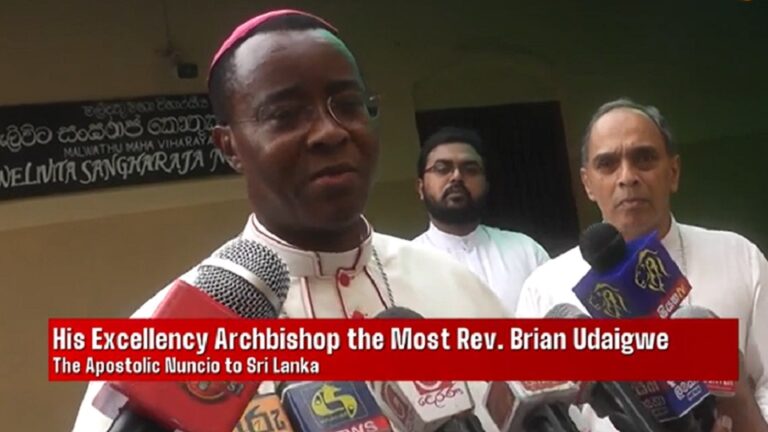
Colombo (LNW): The Apostolic Nuncio to Sri Lanka HE Archbishop Brian Udaigwe urged more needs to be done to serve justice over the Easter Sunday Genocide that took away more than 270 lives in 2019.
The Apostolic Nuncio to Sri Lanka made this remark during his visit to Kandy to meet with the Chief Prelates of the Asgiri and Malwathu Chapters and to visit the Temple of the Scared Tooth Relic.
HE Archbishop Brian Udaigwe also raised their concerns on the government’s proposed “Anti-Terrorism Act” saying that it is something that needs be “well-studied” prior to being presented.
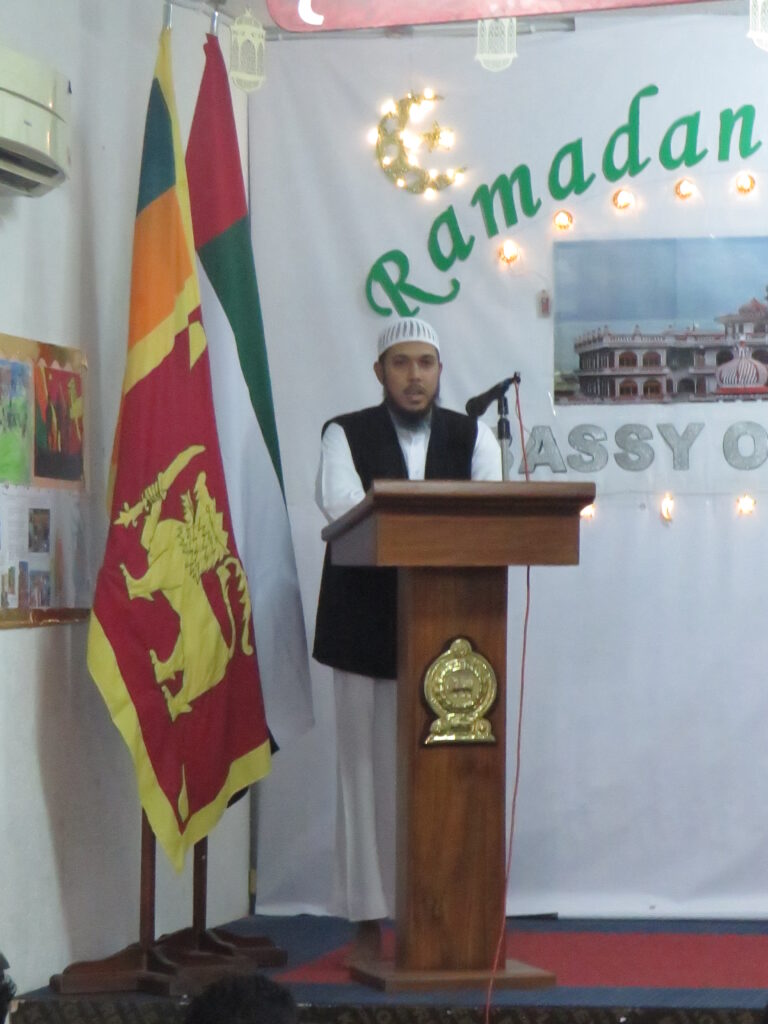
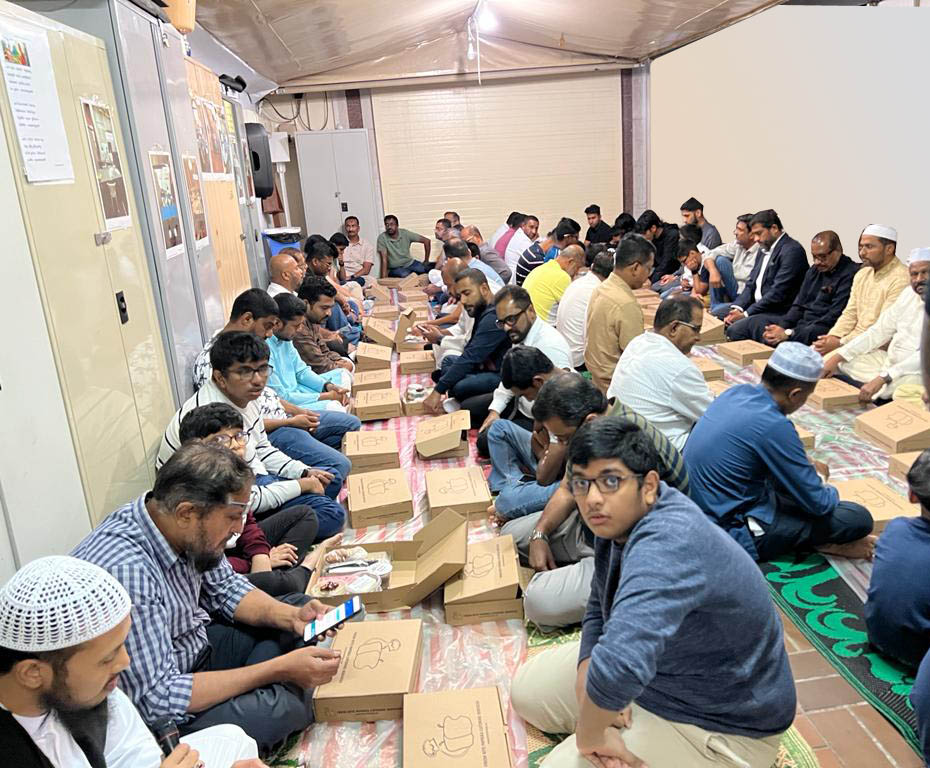
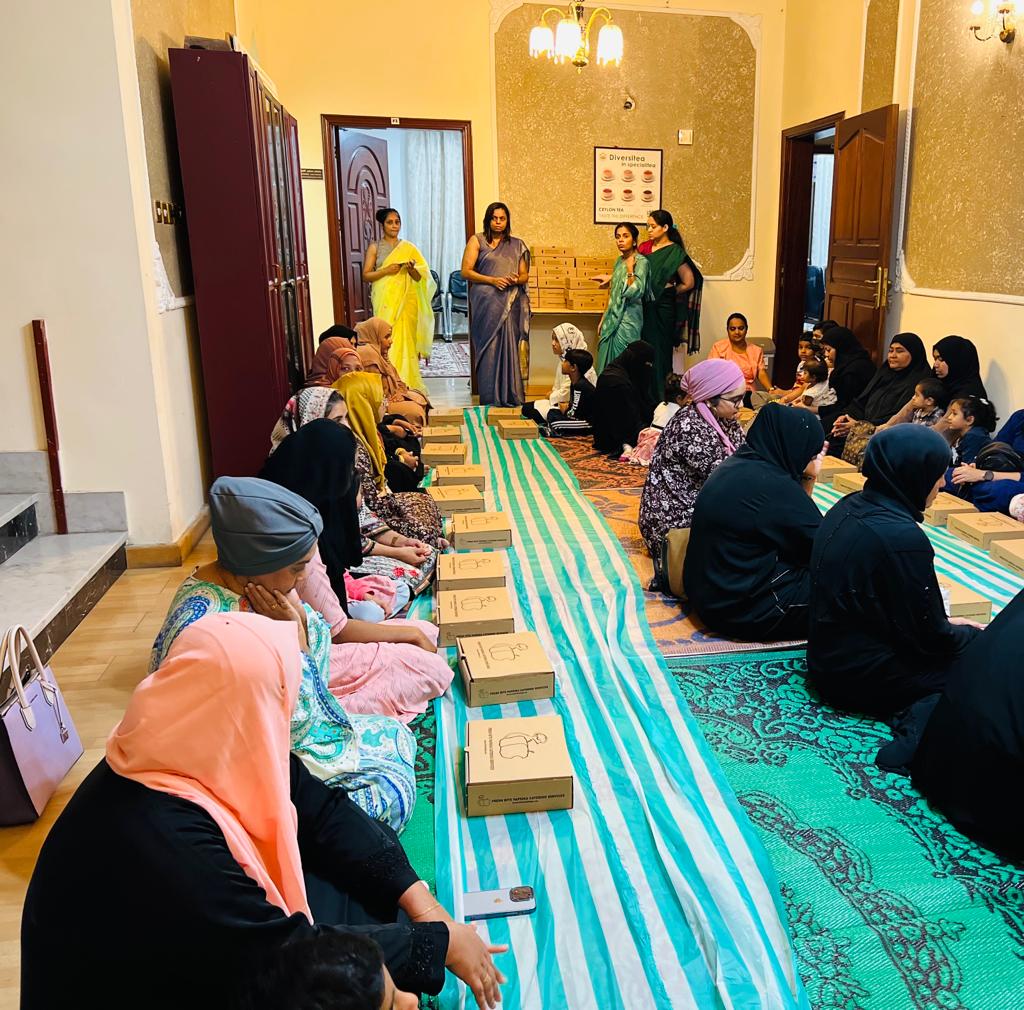
The Embassy of Sri Lanka in Abu Dhabi, United Arab Emirates hosted an ‘Iftar’ for the community on 08 April 2023 at the Embassy premises marking the holy month of Ramadan. As the first time, the initiative was taken by the Embassy to host Iftar for the community every weekend at the Embassy premises and will continue the same practice in the future to enhance the cultural harmonization among all ethnic groups.
The event commenced with the Muslim Religious observances conducted by Maulavi Sarfaraz Mahroof Deen, a young Sri Lankan scholar residing in Abu Dhabi, UAE. Following the religious observances, delivering a special Ramadan message, he explained the importance of conducting Iftar events in the holy month of Ramadan and quoting passages from the Holy Book of Islam, “the Quran”, he also accentuated the need of performing benevolent acts of charity and good-will towards others during this holy period. On behalf of the Sri Lankan Muslim community in UAE, he extended appreciation to the Ambassador and staff of the Embassy for taking the initiative to host consecutive Iftar events every weekend throughout the holy month of Ramadan.
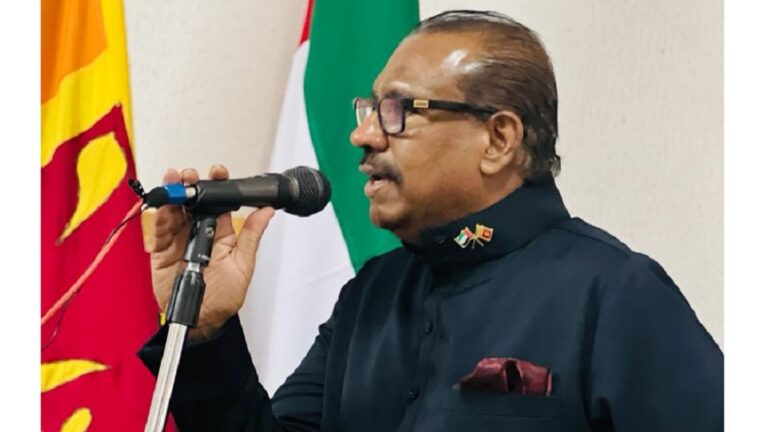
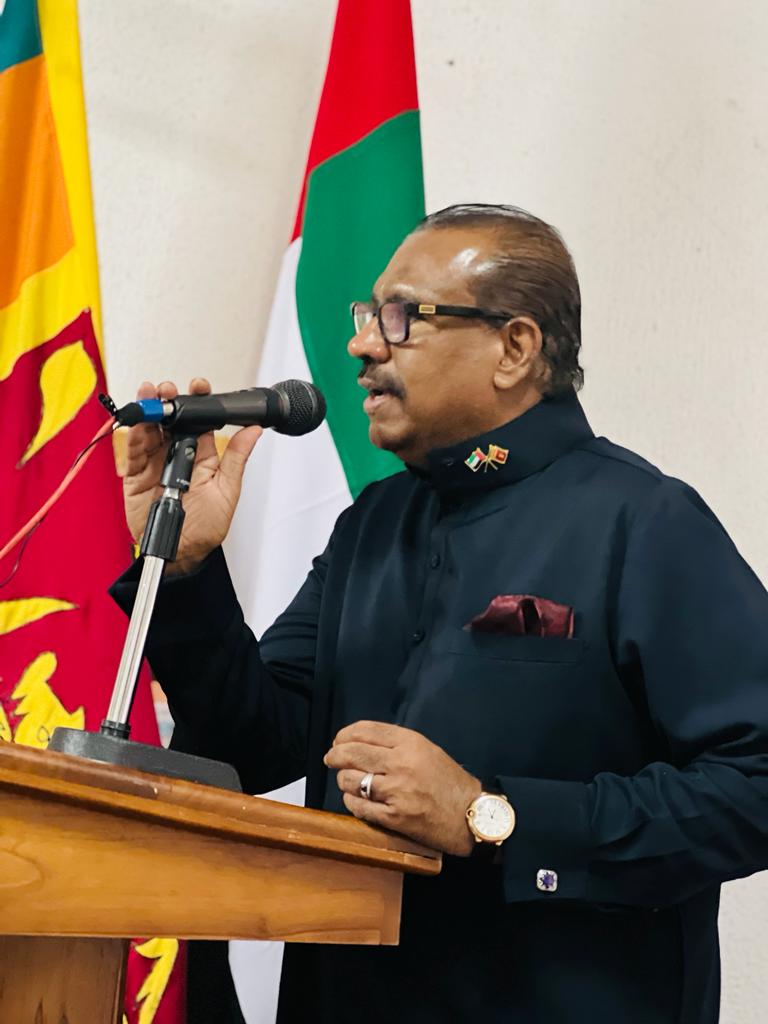
Delivering the welcome speech, Ambassador Udaya Indrarathna, extended best wishes to all Muslims living across the world, and reiterated the Mission’s commitment to enhance diversity and inclusivity among all Sri Lankans in the UAE. Further he emphasized the importance of cultivating love among humanity as well as enhancing the bond of friendship among all ethnic groups, which would help to derive the country’s prosperity.
The programme concluded with the breaking of fast and all participants were served dinner which included Sri Lankan and Arabic cuisine.
The event was attended by around two hundred community members including representatives from Buddhists, Hindu and Catholic faiths demonstrating the harmony among all ethnic groups in Sri Lanka.
Colombo (LNW): The Federation of University Teachers’ Associations (FUTA) has decided in a special Board of Representatives meeting to temporarily suspend the continuous strike from April 17, 2023, and resume work. The decision was made after the Minister of Education promised to address FUTA’s concerns. FUTA also emphasises that the government’s progress will be continuously monitored and the strike will resume if the promises are not fulfilled within a reasonable time frame.
At the meeting, the BOR discussed recent correspondence with the chairman of the University Grants Commission and the Minister of Education and decided that according to these documents, sufficient action has not been taken to address FUTA’s primary concerns. It was determined that until a satisfactory conclusion is reached, the decision on the participation of university academics in the GCE Advanced Level evaluation will be deferred. FUTA recognizes the Minister of Education’s initial dedication but believes that the support of other government officials is needed to successfully implement the proposed changes.
Without a concrete plan outlining when the government intends to fulfill its promises, FUTA is hesitant to place its faith in the words of the government. The failure of the government to meet the demands of FUTA has had far-reaching effects on the quality of education, and FUTA holds the government solely responsible. The government’s response to the demands of FUTA and PTUA, as well as the government’s treatment of unions, are both undemocratic. To find a better solution, FUTA wants the government to speak to both FUTA and PTUA. Workers should be allowed to organise into unions and bargain collectively, and the government should honour these rights. The government should address the concerns of FUTA and PTUA and find a solution that benefits society as a whole.
As FUTA, we have informed the government that we will no longer tolerate the government’s failure to address the legitimate demands of the university’s academics, which has led to concerns including life threats for the FUTA leaders. We, at FUTA, strongly disapprove of such conduct and pledge to take any and all measures necessary to stop it in the future. We condemn the threatening behaviour. We advocate for a space where all people can feel comfortable sharing their ideas without fear of retaliation. We call on every Sri Lankan to stand with us in defending these ideals and fostering an atmosphere of mutual regard and tolerance.