- SJB MP Dr Harsha Silva laments China and India have not agreed to restructure Sri Lanka’s debt, and the “Paris Club” has also not reached an agreement: says no sight of IMF package: warns Govt has no program with creditors: expresses concern interest rates are at 36%: Silva has been a key advocate for an IMF programme, debt default, debt restructuring, higher taxes, tight monetary policy and cost-reflective utility prices.
- India’s Hindustan Times reports former President Gotabaya Rajapaksa has applied for restoration of his US citizenship: also reports the US government yet to consider request: no comment yet from former President.
- Railway Station Masters’ Union President Sumedha Somaratne warns over 60 train journeys may have to be cancelled due vacancies created by retirement of nearly 500 individuals from the railway staff since 31st Dec’22: DGM Railways Gamini Senaviratne confirms “a significant number of trains may be cancelled”.
- IMF MD Kristalina Georgieva says the “IMF is working very hard to press for urgent debt resolution for countries like Sri Lanka, engaging with traditional and non-traditional creditors including China & India before it grows into a bad surprise on the world economy”.
- Former British Prime Minister David Cameron, who is on a personal visit to Sri Lanka meets President Ranil Wickremasinghe for a discussion.
- Trade Minister Nalin Fernando submits proposal to Cabinet to import eggs: Cabinet directs the Minister to take steps to do so.
- CPC reduces price of Auto Diesel by Rs.15 (new price Rs.405) and price of Kerosene by Rs.10 (new price Rs. 355) per litre: prices of Petrol & other fuel remain unchanged: Lanka IOC to follow CPC price reduction.
- Top Govt Official says at least 30,000 state workers who retired in 2022 will not be replaced in keeping with IMF deal: Army has already decided to “vacate posts” of over 16,000 military personnel.
- Public Administration Ministry Secretary Neel Hapuhinna says tough action would be taken against public officials who use mobile phones during office hours: laments some officers surf social media just after they start work for the day without caring about public services: also says the issue of a circular on using mobile phones during office hours would be considered.
- Retired Colonel W M R Wijesundera files Writ Petition against the Chairman of the Election Commission and others questioning the benefit to the country or the public by holding a Local Government election at this moment: also says a sum of Rs.10 bn will have to be spent in order to hold the election.
Sri Lanka Original Narrative Summary: 03/01

CBSL sets first example of evading taxes in New Year!
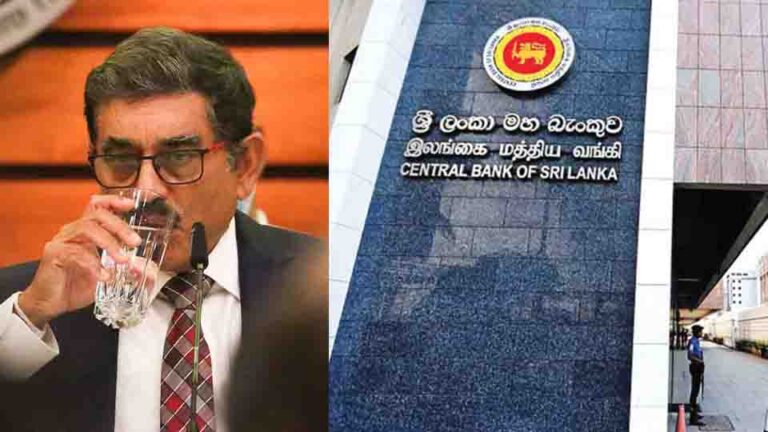
The holiday leave enchashment entitled to employees under the Shop and Office Employees (Regulation of Employment and Remuneration) Act, 1954, which was set to be paid on the dawn of February this year, has already been settled to the employees of the Central Bank of Sri Lanka (CBSL) on December 30, 2022 by its top management navigated by Governor Weerasinghe in an appalling move to bypass the taxes applicable to 2023, corporate sources told LNW.
That being said, the CBSL has managed to evade the taxes applicable in the New Year by settling the holiday leave enchshment in advance.
Were the CBSL employees to be paid the holiday leave enchashment starting from February, 2023 in compliance with the revised tax accord, the amount to be paid as taxes would have been hundred thousands of rupees, according to sources.
LNW earlier divulged of the autonomy-in-question at the CBSL, and the growing discrepancy in the industrial environment leading to CBSL employees being mistreated by the Weerasinghe-led top management.
The CBSL top management’s conduct towards the settling of the holiday leave enchashment, accordingly, has set the first Sri Lankan example of evading taxes in the beginning of the New Year!
Previous Reports:
Former UK Premier David Cameron pays a visit to SL
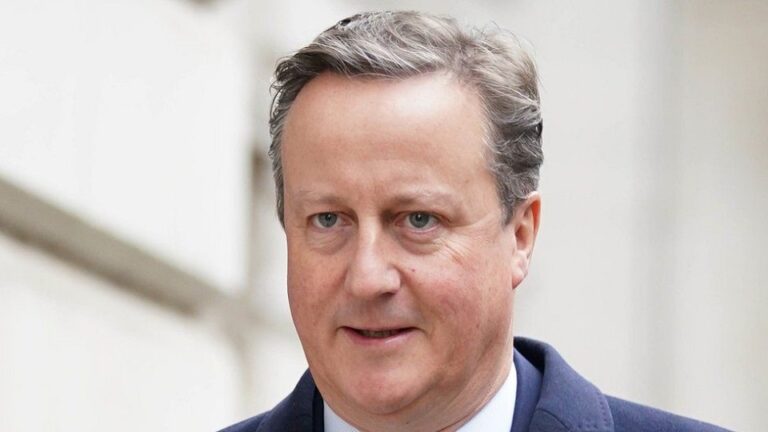
Former Prime Minister of the United Kingdom David Cameron has paid a goodwill visit to Sri Lanka yesterday (01), sources said.
During his visit, the former UK Prime Minister will meet with President Wickremesinghe and other high officials of the Government of Sri Lanka.
Cameron is believed will be discussing the friendly ties between the two countries and the future affairs of Sri Lanka with the government, according to sources.
MIAP
Sri Lanka to add 2,800 MWs of renewable energy to the national grid
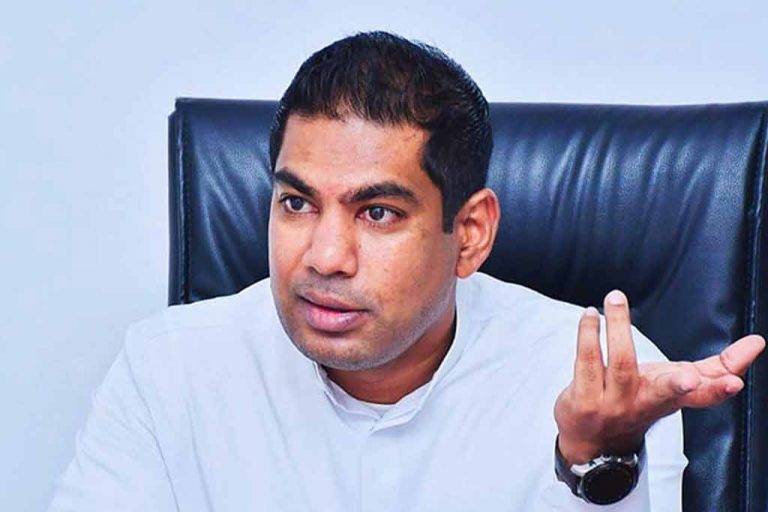
Sri Lanka plans to connect up to 2,800 Mega Watts of renewable energy into the national grid over the next three years, Power and Energy Minister Kanchana Wijesekera said.
“We can connect about 2,800 Megawatts to the existing grid,” Minister Wijesekera said. “We cannot do it in a year. We have a three-year plan.
“We think we can reduce the generating cost from 47 rupees a unit to about 40-35 rupees.”
Sri Lanka has an archaic power grid which cannot absorb power from different locations. Several billion dollars are needed to upgrade the grid but the projects are on hold pending debt restructuring following a default.
Sri Lanka has already raised the price of rooftop solar to encourage generation, he said.
Sri Lanka’s existing generation capacity is 4,200MW with about 35 percent of the total energy coming from a 900 MW coal plant complex.
Cost of solar panels and other equipment had gone up after the central bank printed money to suppress interest rates and the rupee collapsed from 200 to 360 to the US dollar in 2022.
Sri Lanka is engaging in never ending utility price increases saying ‘painful reforms’ are needed without changing the law to curb the ‘flexible’ policies of the central bank which lead to repeated mis-targeting of interest rates and currency collapses.
Sri Lanka’s renewable power producers are struggling to stay afloat due to payment arrears from state-run Ceylon Electricity Board and inability to buy critical spares for maintenance, industry officials said.
The newly formed Federation of Renewable Energy (FRED) said the CEB had 10-months arrears totaling 35.18 billion rupees dating back to October 2021.
“Some renewable energy suppliers have stopped their plants and we are in the verge of bankruptcy,” Prabath Wickramasinghe, Past President Small Hydro Power Developers Association said.
In September the CEB started to process the October 2021 arrears of 5 billion rupees. The industry has already sent the August bills.
“Due to the inability to maintain and buy critical spares some developers have stopped their plants,” Wickramasinghe said.
When the renewable operators stop their plants, the energy has to be replaced at higher costs, he said.
Renewables are now paid 17-18 rupees (lower for some older plants), compared to 35 rupees or more for coal and around 100 rupees for diesel, the industry said.
The CEB has not been given a tariff hike by the regulator and the political leadership since 2013, despite a falling rupee and rising fuel costs leading to frequent losses unless there is heavy rain.
When there is heavy rain the CEB can generate power from hydro plants fully owned by the utility which are depreciated and cost around 2 to 3 rupees a unit.
Sri Lanka – Japan begin talks to resume Light Rail Transit project
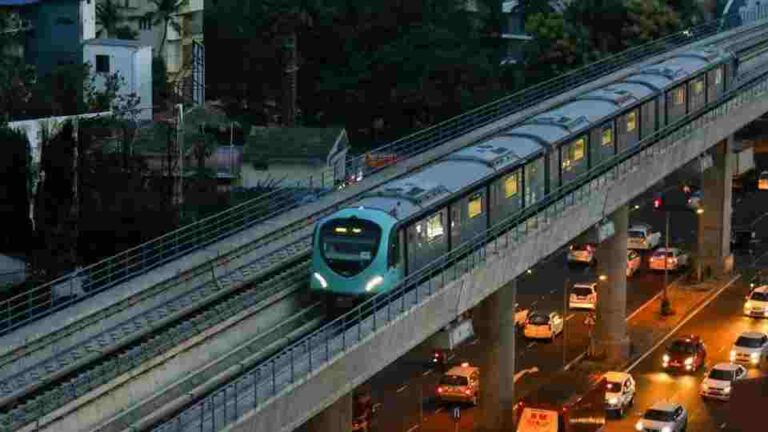
Sri Lanka is to resume talks with Japan today Monday 02 in the New Year in an effort to mend fences with the friendly donor country by restarting the JICA funded US$2.2 billion ‘Light Rail Transit (LRT) project.
The newly appointed transport ministry secretary Priyantha Mayadunne said that he will consider this task as first duty in the New Year after assuming new office this morning.
He noted that this metro rail service from Malabe to Colombo Fort abruptly terminated by the previous regime is very important to ease traffic congestion in the Colombo city limits.
The new administration is set to renew the LRT project contract with JICA loan facility due to its favourable conditions including low interest rates and the grace period of 12 years which was completely ignored by the previous regime
On the advice of the then President Gotabaya Rajapaksa, Dr. Jayasundera had instructed the Ministry of Transport Services Management to review and terminate the project and close the project office with immediate effect on September 20 2020.
This project has been cancelled according to a cabinet memorandum submitted on September 24, 2020.
He cited the reason for this action and a subsequent cabinet decision in favour of it was the high cost incurred for the LRT project and it was not being the appropriate cost effective transport solution for the Urban Colombo transportation infrastructure.
According to the Auditor General’s Department, it has been revealed during a special audit regarding the cancellation of the project that the amount of Rs. 6 billion spent on the project until then has been wasted.
In addition to the above expenses, the Japanese consulting company has demanded Rs. 5.16 billion, including the consultancy fees provided until the termination of the project and the loss caused to them by the cancellation of the project without any prior discussion.
This unilateral action has not only stained the friendly relations with Japan but also its benefits to ease traffic congestion and fiscal support for the cash strapped country hit by economic crisis, officials said.
The government is yet to take any action to terminate the loan agreement with Japan International Cooperation Agency (JICA), the Auditor General’s special report revealed.
In the Special Audit Report, the AG disclosed that the Department of External Resources had informed JICA that the loan amount would be utilised for another development project
The total project cost was estimated to be 246,641 billion yen (US$ 2.3 billion) but this includes land acquisition, administration, interest and taxes which are not financed by the loan.
National Policy formulates for Digital Transformation of Education
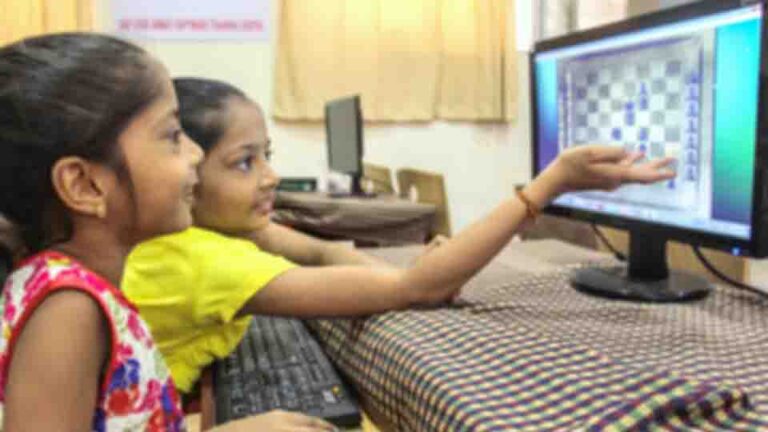
Sri Lanka is set to introduce National Policy for Digital Transformation of Education soon with the aim of effective use of emerging technologies in the education sector facilitating the learners to expand their learning possibilities, Education Ministry sources said.
Digital transformation is making a cogent impact in every sphere. One cannot neglect its influence on education.
The effective use of emerging technologies in the education sector would facilitate the learners to expand their learning possibilities, in a manner that is focused on fostering new skills and competencies, through greater accessibility, affordability and availability.
This could only be achieved through an education policy transformation that is focused on ensuring the facilitation of innovative learning opportunities, senior official of the Ministry opined.
Recognising the national importance of blending the country’s education system with technology, the Information and Communication Technology Agency (ICTA) of Sri Lanka together with the Ministry of Education organised a series of three workshops to create awareness on the need for a new policy.
The policy is the direct outcome of the opinions, views and ideas expressed during the workshop series with a special focus on the concerns prevalent in schools, universities, vocational institutions and other higher educational institutions and discovering ways to address them.
The policy document proposes nineteen key focus areas coupled with policy directives to achieve the expected digital transformation of education.
Some of the key areas highlighted in the policy include; the digital transformation of education, hands-on digital education.
This action has been taken keeping pace with the industry, creating a digitalised environment for students along with resources, self-learning, learning management systems, security in digital space and skills development of students, administrative staff, teachers and parents.
Issues with connectivity, content, capacity gaps, at present, have been identified as major obstacles in school education in the new normal, and will not be so for long.
The Ministry of Education high official emphasised the importance of equity and equality in education through digital technologies and the vision to create a sustainable ecosystem. He also highlighted the important role of a sustainable digital education policy in upcoming education reforms.
The intended policy aims at identifying major issues faced by the general. Vocational and Higher education sectors and through active participation also found solutions to some issues.
This three stage consultative workshop series will ensure that at the end of the series an actionable, time bound set of activities are set in place strengthened by a policy to push the broader vision of a digitally inclusive prosperous Sri Lanka.
In line with that a list of short-term initiatives have also been identified and to be implemented in collaboration with various stakeholders by the end of 2021. This list of initiatives is expected to make rapid development in the digital education sector.
New Anthoney’s Farms pioneers frozen crispy chicken in Sri Lanka

Photo Caption:
- Crizzpys frozen crispy chicken from New Anthoney’s Farms
New Anthoney’s Farms (Private) Ltd, one of the leading producers in the country’s poultry sector with an undisputed reputation of providing nutritious meat products for a healthier nation, is strengthening its foothold in the frozen crispy chicken market in Sri Lanka with an expansive distributor strategy, reaffirming its position as the pioneers in this category.
Marketed under the brand Crizzpys, beneath the golden breading of this snack food is its green acclaimed Haritha chicken which stands for the freshest and safest meat that is nutrient-rich and antibiotic-free.
‘We have seen a steady growth in our range of frozen chicken breaded products as consumers preference and shift towards ready-to-eat quality fast food is slowly making its way,’ said its CEO Neil Suraweera. Amidst the numerous challenges, New Anthoney’s Farms is optimistic and shares a rather positive sentiment on the situation.
The poultry producer has continued to exhibit a tremendous growth in the recent months, investing heavily in its production and supply chain capabilities in addition to setting ambitious plans in key international markets, having successfully performed in its export strategy.
Domestically, 2022 marks a milestone for New Anthoney’s Farms with various initiatives being taken despite volatile industry conditions. It introduced Anthoney’s Meatlery at Battaramulla, a spacious and modern meat supermarket which will evolve into a retail chain in time to come, and Dorakadapaliya, a one-of-its-kind online meat shop which also offers free island-wide delivery, and also moved to 100pct compostable packaging measures in the Haritha Hari chicken range.
With a continuous effort in meeting local tastes and exceeding customer expectations, its brands now include Haritha Hari, Crizzpys, Chico, Spicydycy, Anthoney’s Precut, and Chickenends in addition to a range of sausages, cold cuts, eggs, spices and home-made signature sauces.
New Anthoney’s Farms has some of the most stringent policies and practices throughout its entire supply chain, from sourcing raw materials to farming and preserving. It follows the animal welfare criteria set forth by the National Chicken Council (NCC) in the US. Other certifications include GMP, HACCP, ISO 22000, local and international halal accreditations. It is also the only poultry producer in the nation to meet the requirements of ISO 14064-1:2018 in terms of Green House Gas emissions and to pursue biodegradable packaging. Some of its other efforts include a zero-waste operation equipped with a high-end wastewater treatment facility.
Cabinet to make decision on importing eggs today
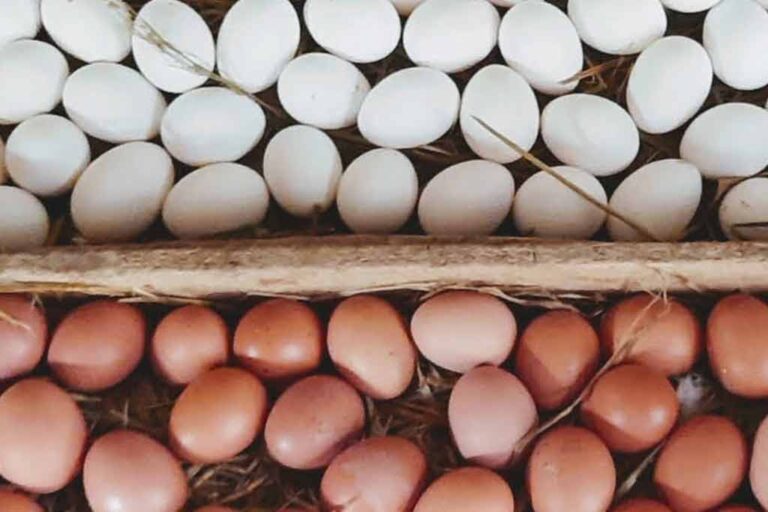
The Cabinet today (02) is set to pay its attention on the proposed move of importing eggs, following months of dispute over the price of eggs and the now occurring egg shortage in the market.
Accordingly, the Cabinet will be discussing on the measures to be taken over the rising egg prices and how to control them, according to Trade Minister Nalin Fernando.
MIAP
Govt gets Rs. 1105 from a family per day levying indirect taxes

The cash strapped Government has begun levying an indirect tax of Rs.1105 from a four member family per day with effect from yesterday January 01 2023, in accordance with budget 2023 tax proposals.
It has planned to recover an indirect tax revenue of Rs. 2218 billion per year from 2.2 million rich and the poor of this country increasing the per capita tax burden to Rs. 176 per day.
Therefore, the burden on indirect tax of Rs. 100,818 falls on a person per annum disproportionately on the low and high income earners.
However, the Central Bank has claimed that the growth isn’t much of an impediment when raising revenues through indirect taxes, although it may not be the best way to go about raising taxes.
This was in addition to the income tax hike to the maximum of 36 percent while removing concessions and exemptions, with a view to raise government revenues to fix the budget under an International Monetary Fund (IMF)-backed economic rescue programme.
Accordingly, the tax-free threshold applicable on an individual income has been brought down to Rs. 100,000 a month or Rs. 1.2 million a year, from an earlier Rs. 3.0 million, making every resident or non-resident Sri Lankan liable for personal income on taxable income in excess of Rs. 100,000 a month, effective from January 01, 2023.
The budget 2023 aims to raise Rs. 1763 billion in taxes on goods and services which is nearly double the amount the government is expecting to raise in 2022.
The indirect taxes account for 56 percent of total tax revenue and the share increases to 71 percent of total tax revenue when the taxes on external trade is also considered.
Meanwhile, a senior tax expert reiterated the need to remove the Value Added Tax (VAT) exemptions on over 100 items except for health and education, bringing down the VAT free threshold to further lower levels and imposition of withholding tax on deposit interest at 10 percent.
According to him, each of these proposals could rake in an additional Rs. 100 to Rs. 200 billion in revenues relatively easily.
Sri Lanka will phase out CESS, a para tariff in three years starting from January 2023. Ports and Airports Levy, another border tax will be phased out in five years.
Instead standard import duty will be raised from 0, 10 and 15 percent to 0, 15 and 20 percent.
Customs Import Duty on a total of 378 selected HS Codes will be revised under the Export Development Board Act, No.40 of 1979, effective from November 15, 2022.
A Surcharge Tax will be charged at the point of importation, on diesel, petrol and crude oil.
Sri Lanka Original Narrative Summary: 02/01

- President Ranil Wickremesinghe says the country is looking at the New Year 2023 after having undergone the bleakest of times, immense hardships, as well as the uncertainties and hopelessness of the last year.
- National Dangerous Drugs Control Board Chairman Shakya Nanayakkara says nearly 120,000 people use heroin in Sri Lanka: also says nearly 400,000 people use marijuana: further says the number of people using cigarettes and alcohol is decreasing while there is an increase in people using narcotics including ‘ICE’.
- Urban Development Authority earns more than USD 500,000 via the sale of 11 middle-class housing units at the Viyathpura Housing Scheme under the scheme to sell UDA-built apartments for foreign currency to Sri Lankan migrant workers.
- State Finance Minister says Govt will not rely on “money printing” by the Central Bank in the new year, as it hopes to meet govt finances from increased taxes: Sri Lanka has already increased taxes to boost the tax revenue by 70% in 2023: in the last 9 months of 2022, under Governor Weerasinghe, “money printing” was a staggering Rs.868 bn.
- Notorious underworld gangster, Mohamed Najim Mohamed Imran, alias ‘Kanjipani’ Imran, sneaks into Rameswaram, India days after his release on bail by a Court in Sri Lanka: Tamil Nadu intelligence sounds alert to “mount a vigil along the coastal districts”.
- CEB Union General Secretary Ranjan Jayalal says a hartal will be launched island-wide in 2023 over the increase in electricity tariffs and hours-long power outages.
- People’s Bank appoints Clive Fonseka as Acting CEO/General Manager of the Bank with effect from 1st January 2023: Fonseka is a veteran banker with over 30 years of experience in local and global banks specialising in Treasury operations.
- Govt to impose tax of Rs.2 on each beedi stick at the production level from today: Excise Dept estimates the move to generate an additional Rs.3 bn in revenue.
- SLFP General Secretary Dayasiri Jayasekara says the SLFP is discussing with other centre-left parties in the Opposition, on the possibility of forming an alliance under the UPFA or forming a new alliance to contest the upcoming Local Govt election: also confirms his party is negotiating with independent SLPP MPs, including Dullas Alahapperuma as well.
- Sri Lanka’s Women’s Fide Master and Fide Instructor Suneetha Wijesuriya honoured during the recently concluded 44th Chess Olympiad championship in Chennai, India: Suneetha becomes the only Sri Lankan from 48 Asian countries to be recognised at the ceremony.