
Despite tightening of monetary policy and curtailing money printing, the Central Bank is to raise Rs 98 billion in the New Year through an auction on January 04 2023.
This was a result of the Finance Ministry’s proposal to raise the government borrowing ceiling to over Rs. 4.5 trillion from the present Rs.3.84 trillion.
The Government is now resorting to more short term borrowings by issuing treasury bills at a time where it has to pay loan installment and interest exceeding the income, official sources said.
The interest rate of treasury bills has been increased to over 32 percent at present amidst yields in Sri Lanka Treasury bills were falling in active trade as the market and investors awaited for clarity on the 2023 budget, dealers said
The proposal to Parliament to raise the state credit ceiling by Rs. 663 billion to Rs 4.51 trillion was passed in parliament midst the drop in money printing by 7.8 percent in 2022 compared to 2021 and bills were printed to meet essential recurrent expenditure.
In addition, a proposal was also passed to raise the limit for Treasury Bills from Rs. 4 trillion to Rs. 5 trillion.
The CB has no option other than the raising of reserve money to Rs. 2.4 trillion from the present level of Rs.1.4 trillion, finance ministry sources said.
This will result in massive monetary expansion in 2 -3 years’ time unless corrective measures are taken to raise revenue and increase foreign reserves by implementing economic reforms in accordance with commitments made to the International Monetary fund (IMF).
The Central Bank has to accommodate fiscal deficits by purchasing Treasury bills and bonds and providing temporary advances to the Government.
It will end up as Net Credit to the Government (NCG) on the asset side of the CB’s balance sheet causing a rise in the reserve money exerting pressure on the aggregate money supply and the overall liquidity level of the economy.
The government’s daily revenue is set to increase to Rs.9.5 billion in 2023 from Rs.6.53 billion in 2022 while expenditure is expected to rise to Rs.21.60 billion this year from Rs.17.05 billion lasts year, Finance Ministry estimates showed.
As per the budget 2023 revenue and expenditure estimates volume 01 , the government’s expenditure is estimated at Rs.5.82 trillion but the sum of Rs.3.80 trillion worth of Treasury Bills that should be repaid this year has not been included under the expenditure heading.
Therefore the actual expenditure is expected to be Rs.9.62 trillion. The IMF will deal with this Treasury bill amount when they consider the country’s debt structure this year.
The government is expected to collect Rs 3.42 trillion out of which Rs.915 billion would be from income tax and the balance Rs.2.50 trillion from other taxes. Raising such a massive amount from taxes is unrealistic under the present economic crisis, several economic experts and tax consultants said.
Govt to raise Rs 98 billion via treasury bills soon amidst economic woes
Decision on revising electricity tariffs dragged in
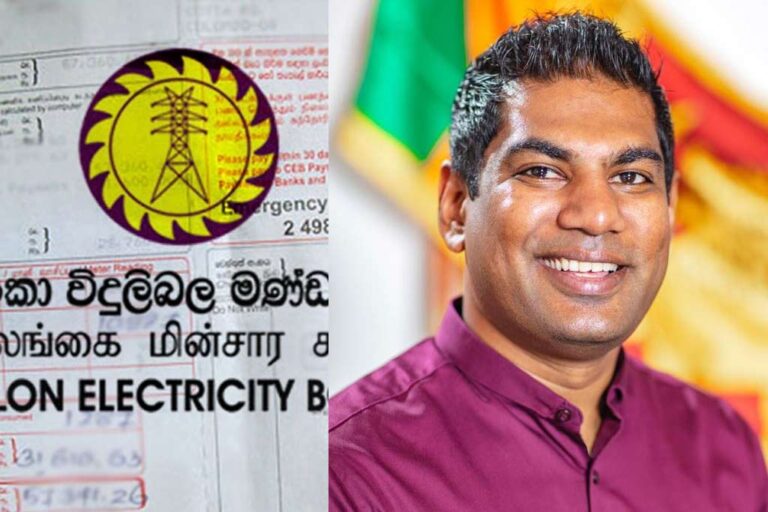
Following Power and Energy Minister Kanchana Wijesekara’s submission of the much argued proposal to increase the electricity tariffs to the Cabinet yesterday (02), the members decided not to make an immediate decision regarding the matter.
Accordingly, the Cabinet concluded that a final decision regarding the revision of electricity tariffs be taken at the next week’s Cabinet meeting.
The electricity tariff revision leading to astronomically high electricity bills has already met with a severe backlash from a number of parties including the Opposition political parties, trade unions and overall, the general public.
MIAP
CEYPETCO revises fuel prices!
The Ceylon Petroleum Corporation (CEYPETCO) has revised the prices of two types of fuel effective from midnight yesterday (02).
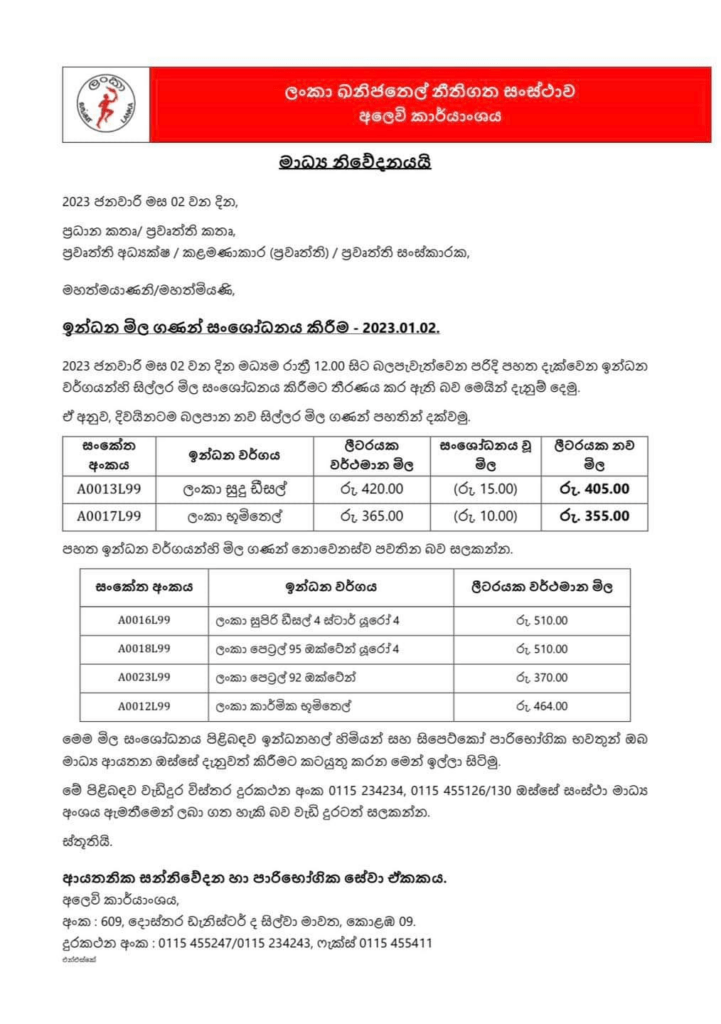
Accordingly, the price of white diesel has been slashed by Rs. 15 and the price of kerosene, Rs. 10.
MIAP
Let’s work together for a prosperous Sri Lanka: President
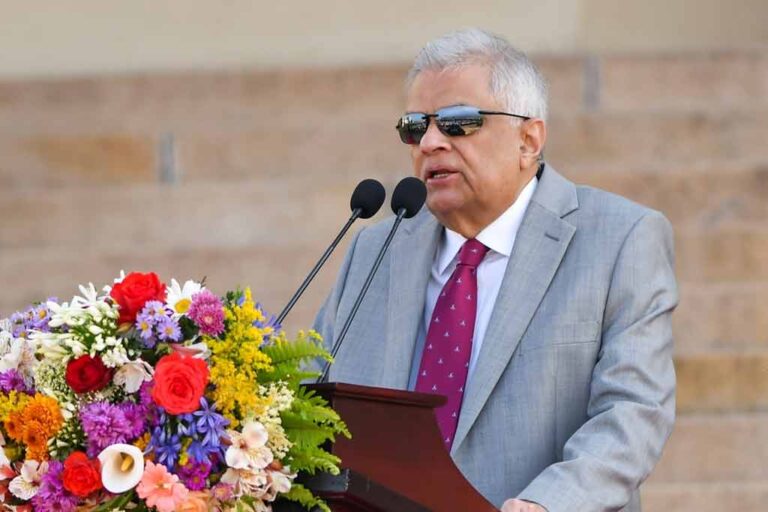
- President invites all government employees during the commencement of duties for the new year.
President Ranil Wickremesinghe said that no one can shirk their responsibilities for the country in the year 2023, which is a crucial year for the Sri Lankan economy, and invited all public servants to dedicate themselves towards making Sri Lanka a prosperous nation in the New Year.
He extended this invitation to the Presidential Secretariat staff during the oath-taking ceremony for the New Year 2023 before commencing their duties this morning (02).
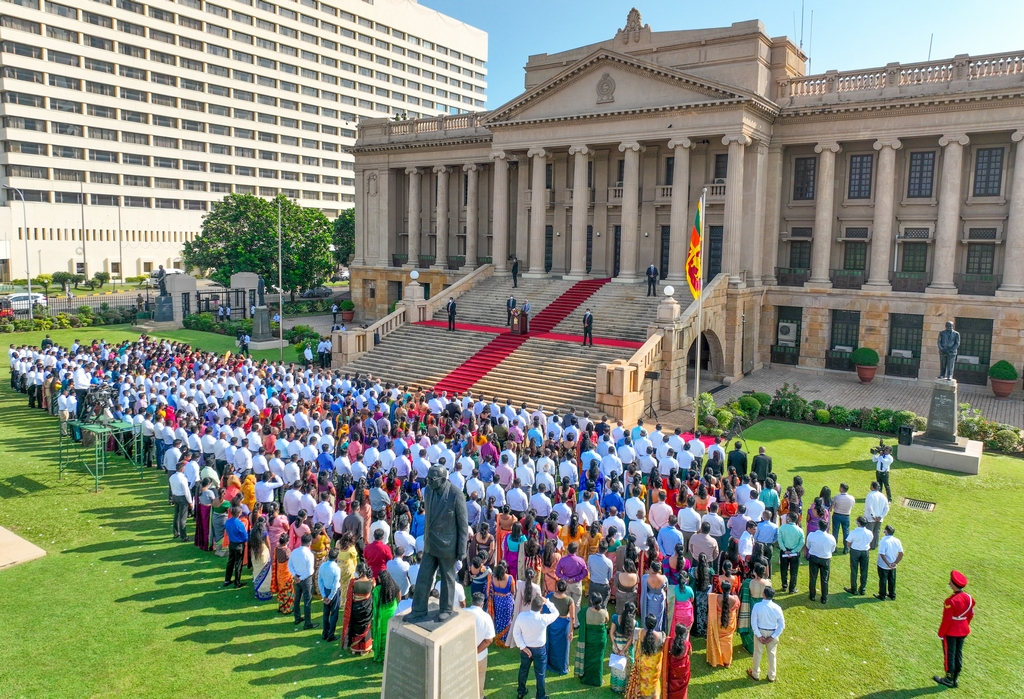
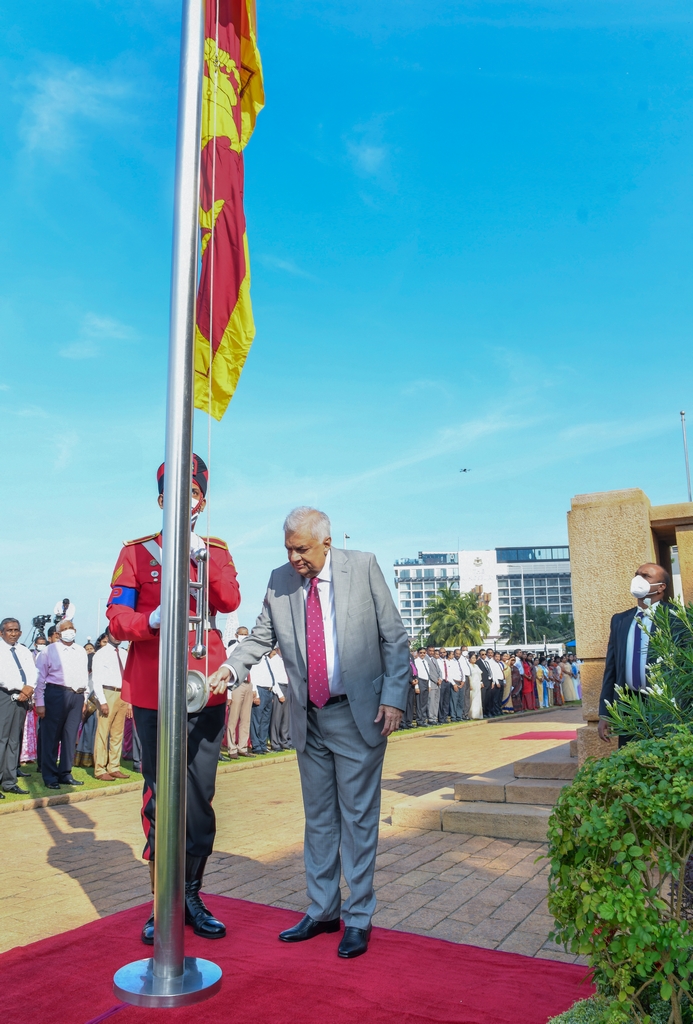
President Wickremesinghe hoisted the National Flag marking the commencement of duties in the New Year, and all staff members of the
Presidential Secretariat took the public service pledge together.
Thereafter, the President joined the staff members for a tea party.
The President also extended his best wishes to the staff for the New Year.
President Ranil Wickremesinghe further said, “I wish you all a happy and prosperous New Year.
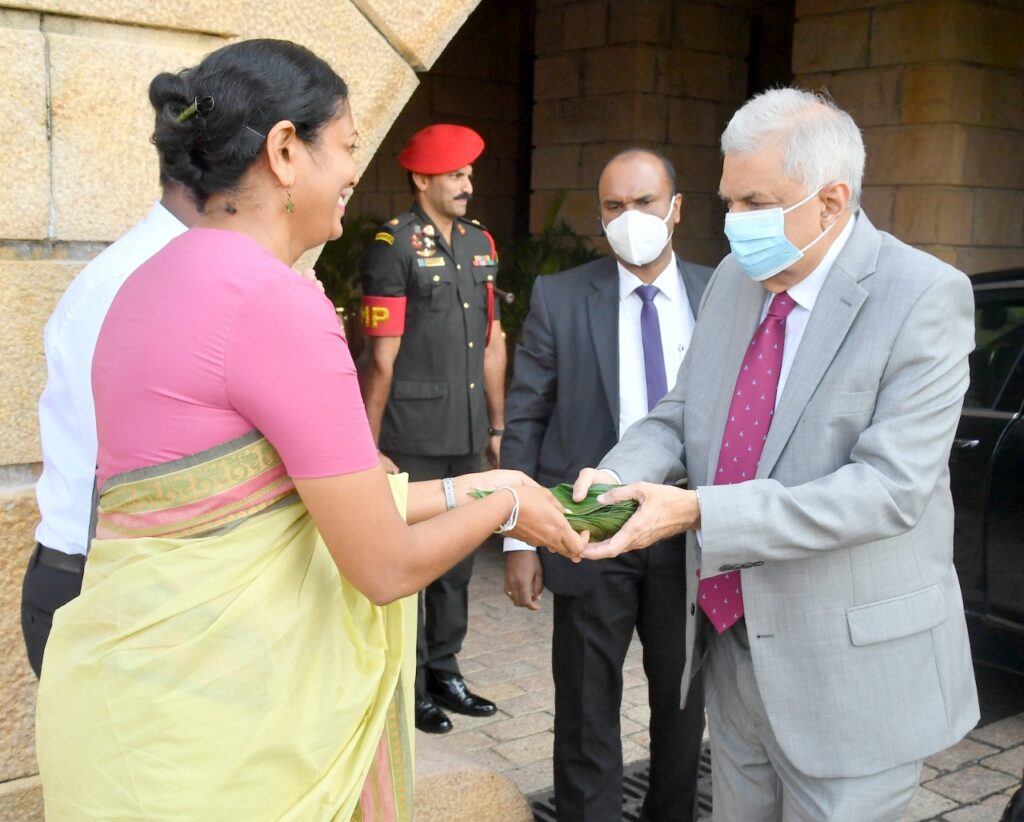
Five and a half months ago, we took over a historic task at this office. During those five and a half months, we took steps to establish normalcy in the country at a time when the government had collapsed and the economy had also collapsed. However, not all our economic problems are over yet. Nevertheless, today we have the ability to provide fuel, gas, foodstuff and fertilizer as required.
I must first extend my gratitude to all those who assisted us during these five and a half months. However, our task is not over yet. The most crucial year is 2023. We have to move forward by implementing the debt-restructuring program and freeing our country from the debt burden.
Moreover, we have to build an economy that can compete with the new world. The opinion of the majority is that there is a need for a change in the political system of this country. We have to fulfil both these things.
We also need to come up with a new method that can solve the problems of today’s political system. We need greater unity among us than last year.
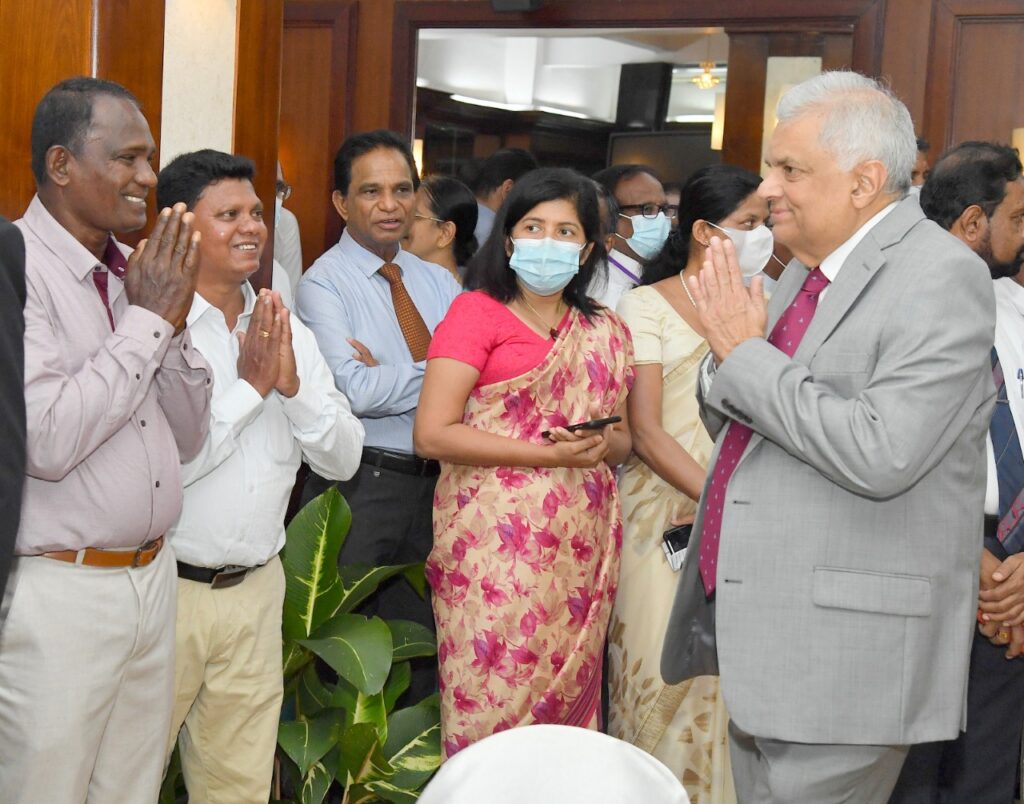
We look at this government as a sort of mechanism. This is not divided into several programs by ministries. All work as sub-parts of the same mechanism. Therefore, there can be no competition or tug of war between anyone and no one can put a limit to their responsibilities.
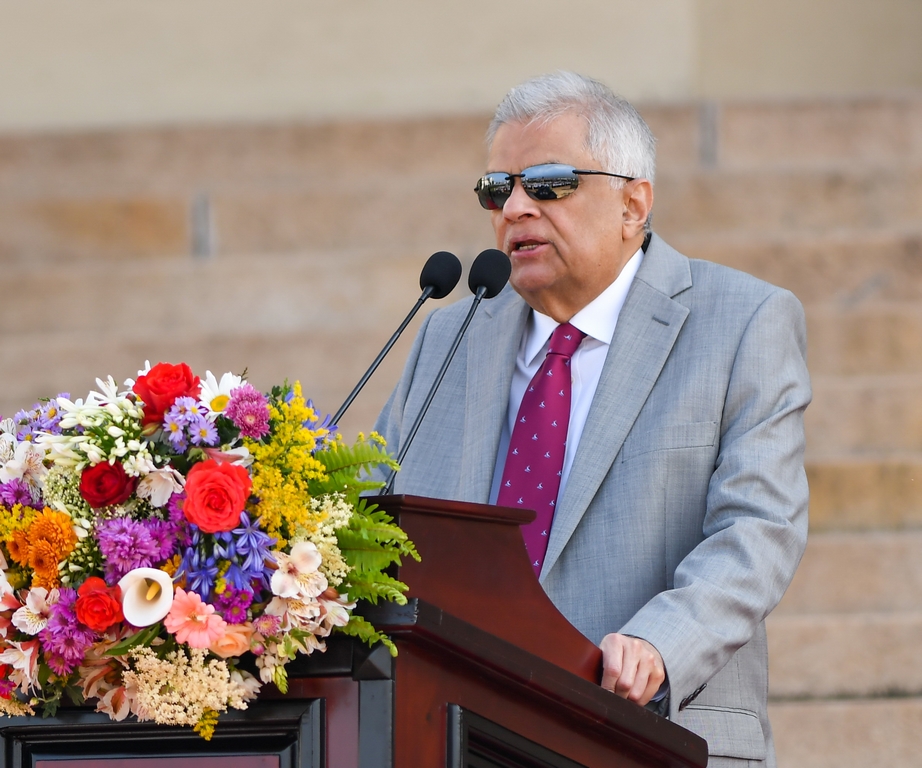
All of you should be bound to implement the basic policies of the country. The core of the program is the President’s Office, as well as the Cabinet Office and the Prime Minister’s Office. It is from these institutions that these activities will be carried out.
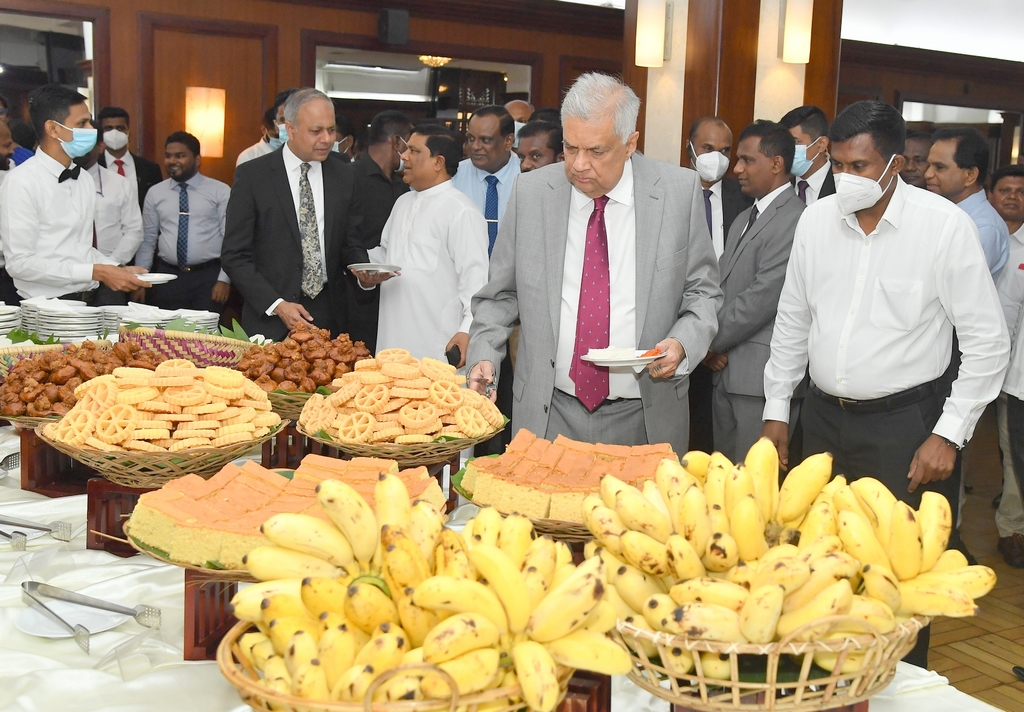
Each person’s duties cannot be limited to 08 hours a day and 05 days a week. Let’s all work with commitment. By the end of 2023, I hope to take this country forward with the support of all of you and restore normalcy.”
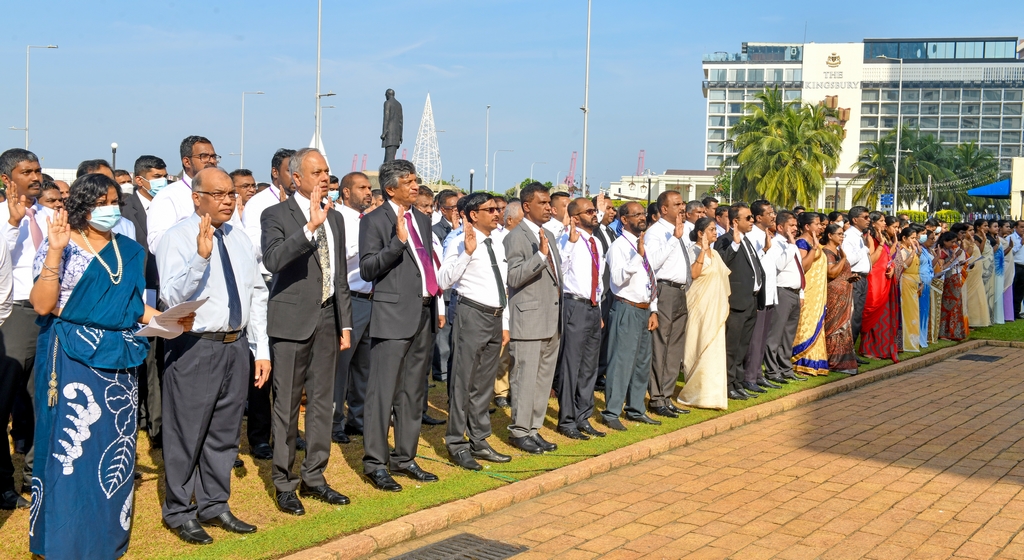
Member of Parliament Vajira Abeywardena, President’s Senior Adviser on National Security and Chief of Presidential Staff Sagala Ratnayake, President’s Secretary Saman Ekanayake and senior officers of the Presidential Secretariat and all staff members were also present on this occasion.
PMD
UN secures US$ 101.5 million for SL humanitarian assistance
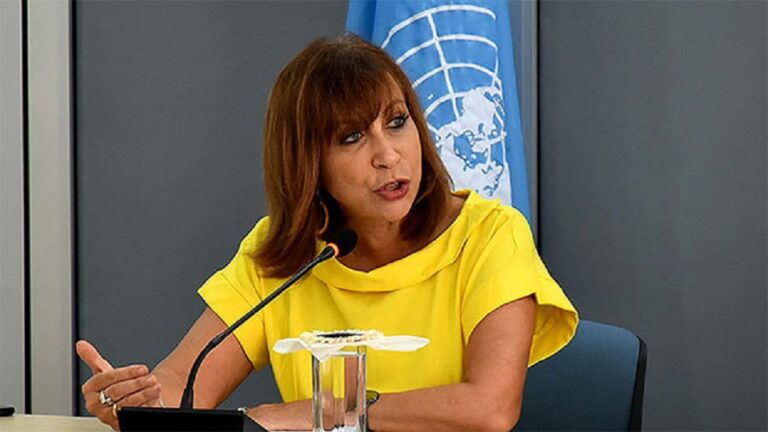
The United Nations (UN) has secured US$ 101.5 million for Sri Lanka through a humanitarian appeal.
The UN said the funds will be provided to 3.4 million of the most vulnerable people in Sri Lanka.
“Delighted to announce that today, a milestone has been achieved. UN HNP appeal reached $101.5 m thanks to the generous contribution of friends of SL.
These funds of humanitarian assistance will be provided to 3.4 million most vulnerable people,” the UN Resident Representative Hanaa Singer-Hamdy said.
The UN team in Sri Lanka and non-governmental organisations had in November revised and extended their joint Humanitarian Needs and Priorities (HNP) Plan, which aims to provide life-saving assistance to 3.4 million people amid Sri Lanka’s worst economic crisis since independence.
Since June, the HNP has been responding to the Government’s request for UN-backed multi-sector support for Sri Lanka’s debt and food and medicine shortages.
Governments and donor agencies have helped the humanitarian community reach over 1 million of the country’s most vulnerable people with cash, food, school meals, medicine, protection, and livelihood support.
The HNP—aligned with appeals from other UN agencies—has raised US $79 million for Sri Lanka due to landmark support from the U.S and USAID, Australia, Japan including JICA, the UN Central Emergency Relief Fund (CERF), as well as Canada, Denmark, Norway, New Zealand, Italy, EU, Switzerland, France, and with additional support from the UK, Germany, Thailand, Sweden, Georgia.
The other donors were Latter Day Saint Charities and private individuals and organizations including Brandix Apparels Ltd, Hemas Holdings PLC, Dilmah Ceylon Tea Company PLC, Daraz (Alibaba Group), Amana Bank PLC and the Citi Foundation.
The HNP’s revision extends the plan through 2022 and requires US $70 million in additional funds to reach a total of US $149.7 million.
In response to the humanitarian community’s updated estimates on the number of people in need across all 25 of Sri Lanka’s districts, the extended appeal will improve nutrition for children, pregnant women, and breastfeeding mothers; secure safe drinking water; and protect vulnerable farming and fishing households. Ms. Singer-Hamdy stressed the importance of strengthening local food production and delivery.
Food insecurity in Sri Lanka has increased dramatically due to two consecutive seasons of poor harvests, foreign exchange shortages, and reduced household purchasing power.
With a poor harvest season forecast for 2023 and food inflation of 85.6 per cent in October 2022, many Sri Lankans are struggling. Twenty-eight per cent of the population—or 6.3 million people—face moderate-to-severe acute food insecurity.
According to the World Bank’s 2022 Development Update, the poverty rate rose from 13.1 percent to 25.6 percent between 2021 and 2022.
The revised HNP complements existing emergency operations carried out by the UN and humanitarian partners.
Among its targets are immediate food assistance for 2.4 million vulnerable and food-insecure people; provision of support and fertilizers for 1.5 million farmers and fishers to revive food systems that have been severely disrupted.
The appeal also seeks to provide nutrition support for 2.1 million people, including pregnant women and schoolchildren; safe drinking water for over 900,000 people; and essential medicines and healthcare, including sexual and reproductive healthcare, for 867,000 people.
It will enable protection services to continue for vulnerable women and children at risk of violence.
Sri Lanka Original Narrative Summary: 03/01

- SJB MP Dr Harsha Silva laments China and India have not agreed to restructure Sri Lanka’s debt, and the “Paris Club” has also not reached an agreement: says no sight of IMF package: warns Govt has no program with creditors: expresses concern interest rates are at 36%: Silva has been a key advocate for an IMF programme, debt default, debt restructuring, higher taxes, tight monetary policy and cost-reflective utility prices.
- India’s Hindustan Times reports former President Gotabaya Rajapaksa has applied for restoration of his US citizenship: also reports the US government yet to consider request: no comment yet from former President.
- Railway Station Masters’ Union President Sumedha Somaratne warns over 60 train journeys may have to be cancelled due vacancies created by retirement of nearly 500 individuals from the railway staff since 31st Dec’22: DGM Railways Gamini Senaviratne confirms “a significant number of trains may be cancelled”.
- IMF MD Kristalina Georgieva says the “IMF is working very hard to press for urgent debt resolution for countries like Sri Lanka, engaging with traditional and non-traditional creditors including China & India before it grows into a bad surprise on the world economy”.
- Former British Prime Minister David Cameron, who is on a personal visit to Sri Lanka meets President Ranil Wickremasinghe for a discussion.
- Trade Minister Nalin Fernando submits proposal to Cabinet to import eggs: Cabinet directs the Minister to take steps to do so.
- CPC reduces price of Auto Diesel by Rs.15 (new price Rs.405) and price of Kerosene by Rs.10 (new price Rs. 355) per litre: prices of Petrol & other fuel remain unchanged: Lanka IOC to follow CPC price reduction.
- Top Govt Official says at least 30,000 state workers who retired in 2022 will not be replaced in keeping with IMF deal: Army has already decided to “vacate posts” of over 16,000 military personnel.
- Public Administration Ministry Secretary Neel Hapuhinna says tough action would be taken against public officials who use mobile phones during office hours: laments some officers surf social media just after they start work for the day without caring about public services: also says the issue of a circular on using mobile phones during office hours would be considered.
- Retired Colonel W M R Wijesundera files Writ Petition against the Chairman of the Election Commission and others questioning the benefit to the country or the public by holding a Local Government election at this moment: also says a sum of Rs.10 bn will have to be spent in order to hold the election.
CBSL sets first example of evading taxes in New Year!
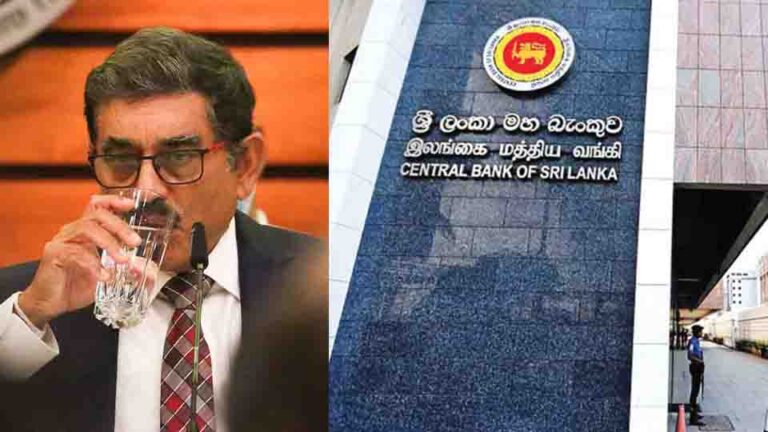
The holiday leave enchashment entitled to employees under the Shop and Office Employees (Regulation of Employment and Remuneration) Act, 1954, which was set to be paid on the dawn of February this year, has already been settled to the employees of the Central Bank of Sri Lanka (CBSL) on December 30, 2022 by its top management navigated by Governor Weerasinghe in an appalling move to bypass the taxes applicable to 2023, corporate sources told LNW.
That being said, the CBSL has managed to evade the taxes applicable in the New Year by settling the holiday leave enchshment in advance.
Were the CBSL employees to be paid the holiday leave enchashment starting from February, 2023 in compliance with the revised tax accord, the amount to be paid as taxes would have been hundred thousands of rupees, according to sources.
LNW earlier divulged of the autonomy-in-question at the CBSL, and the growing discrepancy in the industrial environment leading to CBSL employees being mistreated by the Weerasinghe-led top management.
The CBSL top management’s conduct towards the settling of the holiday leave enchashment, accordingly, has set the first Sri Lankan example of evading taxes in the beginning of the New Year!
Previous Reports:
Former UK Premier David Cameron pays a visit to SL
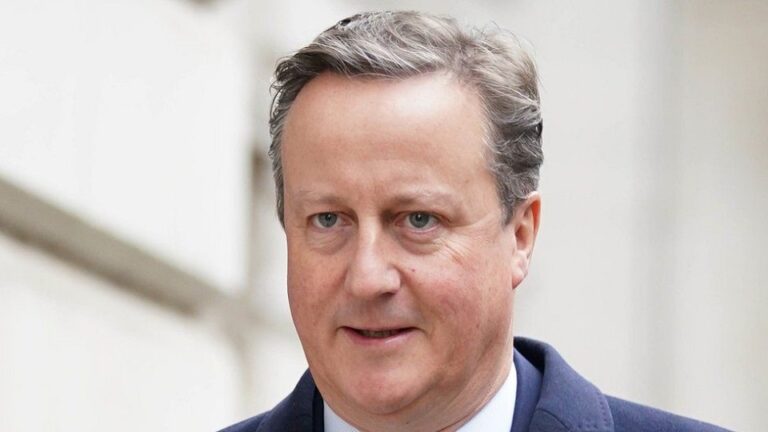
Former Prime Minister of the United Kingdom David Cameron has paid a goodwill visit to Sri Lanka yesterday (01), sources said.
During his visit, the former UK Prime Minister will meet with President Wickremesinghe and other high officials of the Government of Sri Lanka.
Cameron is believed will be discussing the friendly ties between the two countries and the future affairs of Sri Lanka with the government, according to sources.
MIAP
Sri Lanka to add 2,800 MWs of renewable energy to the national grid
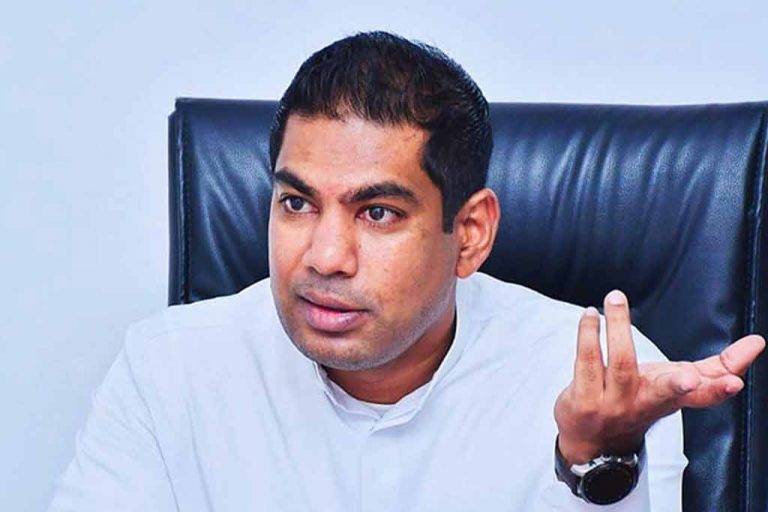
Sri Lanka plans to connect up to 2,800 Mega Watts of renewable energy into the national grid over the next three years, Power and Energy Minister Kanchana Wijesekera said.
“We can connect about 2,800 Megawatts to the existing grid,” Minister Wijesekera said. “We cannot do it in a year. We have a three-year plan.
“We think we can reduce the generating cost from 47 rupees a unit to about 40-35 rupees.”
Sri Lanka has an archaic power grid which cannot absorb power from different locations. Several billion dollars are needed to upgrade the grid but the projects are on hold pending debt restructuring following a default.
Sri Lanka has already raised the price of rooftop solar to encourage generation, he said.
Sri Lanka’s existing generation capacity is 4,200MW with about 35 percent of the total energy coming from a 900 MW coal plant complex.
Cost of solar panels and other equipment had gone up after the central bank printed money to suppress interest rates and the rupee collapsed from 200 to 360 to the US dollar in 2022.
Sri Lanka is engaging in never ending utility price increases saying ‘painful reforms’ are needed without changing the law to curb the ‘flexible’ policies of the central bank which lead to repeated mis-targeting of interest rates and currency collapses.
Sri Lanka’s renewable power producers are struggling to stay afloat due to payment arrears from state-run Ceylon Electricity Board and inability to buy critical spares for maintenance, industry officials said.
The newly formed Federation of Renewable Energy (FRED) said the CEB had 10-months arrears totaling 35.18 billion rupees dating back to October 2021.
“Some renewable energy suppliers have stopped their plants and we are in the verge of bankruptcy,” Prabath Wickramasinghe, Past President Small Hydro Power Developers Association said.
In September the CEB started to process the October 2021 arrears of 5 billion rupees. The industry has already sent the August bills.
“Due to the inability to maintain and buy critical spares some developers have stopped their plants,” Wickramasinghe said.
When the renewable operators stop their plants, the energy has to be replaced at higher costs, he said.
Renewables are now paid 17-18 rupees (lower for some older plants), compared to 35 rupees or more for coal and around 100 rupees for diesel, the industry said.
The CEB has not been given a tariff hike by the regulator and the political leadership since 2013, despite a falling rupee and rising fuel costs leading to frequent losses unless there is heavy rain.
When there is heavy rain the CEB can generate power from hydro plants fully owned by the utility which are depreciated and cost around 2 to 3 rupees a unit.
Sri Lanka – Japan begin talks to resume Light Rail Transit project
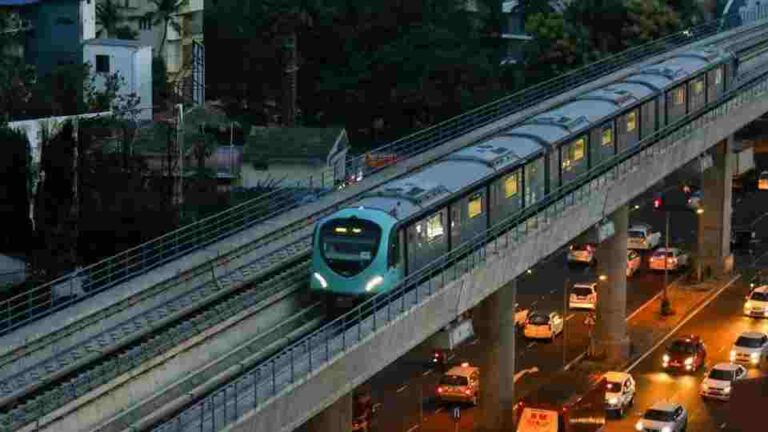
Sri Lanka is to resume talks with Japan today Monday 02 in the New Year in an effort to mend fences with the friendly donor country by restarting the JICA funded US$2.2 billion ‘Light Rail Transit (LRT) project.
The newly appointed transport ministry secretary Priyantha Mayadunne said that he will consider this task as first duty in the New Year after assuming new office this morning.
He noted that this metro rail service from Malabe to Colombo Fort abruptly terminated by the previous regime is very important to ease traffic congestion in the Colombo city limits.
The new administration is set to renew the LRT project contract with JICA loan facility due to its favourable conditions including low interest rates and the grace period of 12 years which was completely ignored by the previous regime
On the advice of the then President Gotabaya Rajapaksa, Dr. Jayasundera had instructed the Ministry of Transport Services Management to review and terminate the project and close the project office with immediate effect on September 20 2020.
This project has been cancelled according to a cabinet memorandum submitted on September 24, 2020.
He cited the reason for this action and a subsequent cabinet decision in favour of it was the high cost incurred for the LRT project and it was not being the appropriate cost effective transport solution for the Urban Colombo transportation infrastructure.
According to the Auditor General’s Department, it has been revealed during a special audit regarding the cancellation of the project that the amount of Rs. 6 billion spent on the project until then has been wasted.
In addition to the above expenses, the Japanese consulting company has demanded Rs. 5.16 billion, including the consultancy fees provided until the termination of the project and the loss caused to them by the cancellation of the project without any prior discussion.
This unilateral action has not only stained the friendly relations with Japan but also its benefits to ease traffic congestion and fiscal support for the cash strapped country hit by economic crisis, officials said.
The government is yet to take any action to terminate the loan agreement with Japan International Cooperation Agency (JICA), the Auditor General’s special report revealed.
In the Special Audit Report, the AG disclosed that the Department of External Resources had informed JICA that the loan amount would be utilised for another development project
The total project cost was estimated to be 246,641 billion yen (US$ 2.3 billion) but this includes land acquisition, administration, interest and taxes which are not financed by the loan.