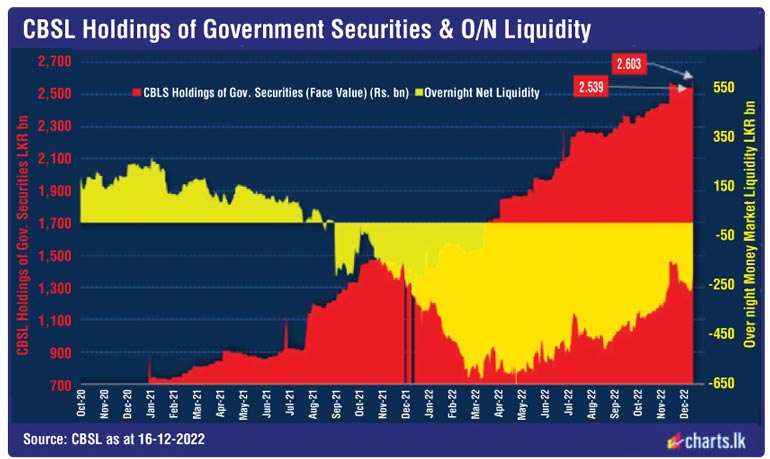
The Central Bank of Sri Lanka (CBSL) was reportedly compelled to settle nearly Rs. 160 billion as principal payments, in addition to interest payments on December 15.
However, the Treasury-bond auction failed to raise the entire Rs. 160 billion requirement and managed to sell only Rs. 124 billion.
Photo: DailyFT
Accordingly, the CBSL has printed an additional amount of Rs. 64 billion for the settlement.
Meanwhile, domestic debts are being settle via ‘money printing’ in the recent period as no other funding sources are available, according to DailyFT.
Sri Lanka’s tea exporters have come forward defending their industry along with the bandwagon categorically stating that they were not stashing their dollar earnings without bringing it to the country and they have been abiding by the Central Bank’s relevant rules and regulations.
Amid allegations regarding exporters not converting the export proceeds as mandated by the monetary watchdog, the Tea Exporters Association (TEA) has met with Central Bank (CBSL) Governor Nandalal Weerasinghe recently to clarify the position.
In the first week of December, the local apparel sector too clarified on the misconceptions in this regard.
The TEA, in an elaborated statement to the media yesterday, pointed out that the sector does not have the “luxury” of either delaying the receipt of payments or the opportunity to differ the conversions of export proceeds into Sri Lankan rupees.
This is due to the tea cost amounting to almost 75 percent of the value of the exported items and the survival of the exporters depend on the timely receipt of sales proceeds, specially during the current high interest rate regime.
“Most tea export companies, due to intense competition from other tea producing countries and extended payment terms demanded by supermarkets, provide a reasonable period of suppliers’ credit within the repatriation period mandated by the Central Bank of Sri Lanka,” the TEA said.
The association noted that the tea export business is highly working capital intensive. The teas purchased at the auction are settled within seven days while the sales proceeds are often received within 30-90 days from the shipment date or in certain cases full or part payment is received in advance.
They added the tea export companies convert a much higher proportion of their export proceeds into local currency in comparison with the figures indicated by the Central Bank.
Most tea exporters, to remain competitive, borrow their working capital requirements (packing credit) from local commercial banks in foreign currency.
Once the exporter receives his export proceeds, the borrowed working capital component is deducted by the bank and only the remaining portion is left for conversion into the local currency.
“The exporters believe this financing component caused the discrepancy between the CBSL figures, which were ascertained from the commercial banks and those from the tea exporters based on their actual foreign currency conversions,” clarified the TEA.
At present, the exporters are authorized to make five types of payments in foreign currency—import of packaging materials and other inputs, settlement of loans obtained in foreign currency, payment for brand promotion activities.
Moreover they have to pay legal fees, certification charges and commissions for overseas agents/distributors, payment to suppliers deemed as indirect exporters who have a large import component and payment of shipping and freight charges.
The remaining balances are converted into local currency by the seventh of following month by the respective commercial banks, as per the Central Bank regulations.
The TEA asserted that as responsible stakeholders, it recognizes the necessity for the strict monitoring of the repatriation of export proceeds under the prevailing economic situation.
“Further, they called on commercial banks to maintain accurate records of all inflows related to tea exports, covering advance payments as well as deferred payments and report these complete figures to the Central Bank
Ajlan and Bros Holding Group is set to jointly Develop Port City Colombo with CHEC as Strategic Partner. Port City management company sources said.
Ajlan and Bros Holding Group (or Ajlan in short) is one of the largest comprehensive conglomerate holding group in the Middle East, Ajlan has established its presence in more than 25 countries around the world.
It has 75 companies in the fields of power, environment, industrial manufacturing, healthcare, tourism, technology, retail, real estate, garments and textiles, mining, water, FMCG, logistics, finance & fintech and entertainment and gaming, etc.
Ajlan is a well-known Saudi garment manufacturer and trading company, as well as one of the largest real estate developers in Saudi Arabia.
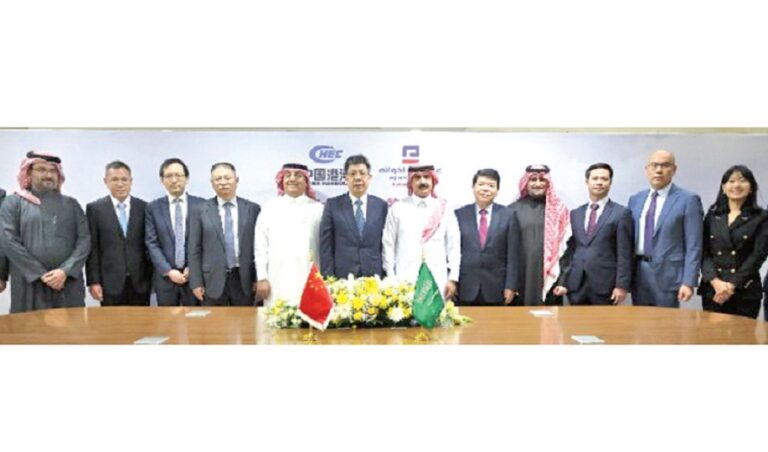
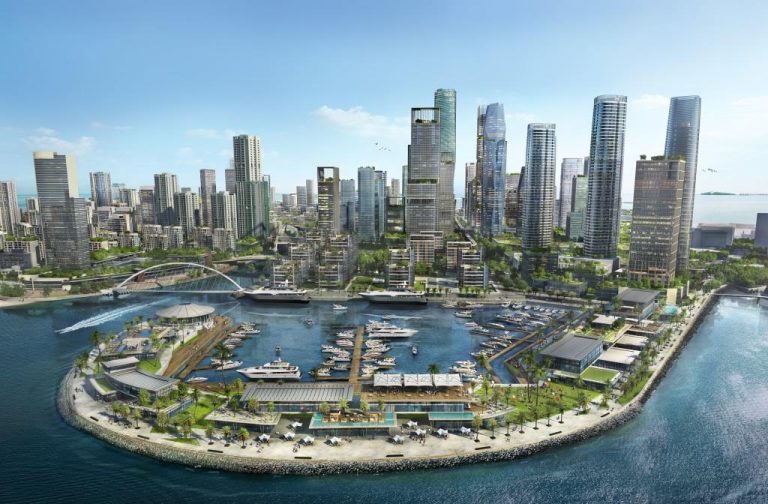
On 8th December, Ajlan and Brothers Holdings inked into a strategic cooperation agreement with CHEC in Riyadh, Kingdom of Saudi Arabia, forming a strategic partnership to jointly develop Port City Colombo and several key pilot developments worth more than US$ 1.3 billion.
These development activities included Colombo International Financial Centre (CIFC) Phase 1, Marina Waterfront Commercial and Marina Hotel, Super Luxury Villa and Golf Development within the coming years, kicking start the much-anticipated vertical development and business activities with the Port City Special Economic Zone (SEZ).
Port City SEZ is the first of its kind export oriented SEZ for modern services within the region, catering for ICT, Financial Services, Professional Services, Logistics and Maritime Services, Digital Education, and Tourism and MICE.
Up to date, a few regulations regarding company registration have been finalized and other regulations forming the ecosystem of the SEZ are expected to be realized within the next few months.
Coupled with the future-ready infrastructures and internationally competitive policy framework, Port City SEZ is expected to drive the economic and social development of Sri Lanka for the post-crisis era.
It will be attracting MNCs and FDIs to unlock the potential of the strategic location and high quality workforce of the island nation as a high-end service hub for Asia Pacific.
The Sri Lanka Export Development Board (EDB), in association with the Import Promotion Desk (IPD), Germany has taken measures to build one to one contacts with buyers in Europe.
It has successfully concluded a series of initiatives that nurtured a new set of exporters to the nation’s economy.
Since 2018, the EDB with the assistance of the IPD undertook a wide range of activities to open market access in the European Union (EU) for enterprises involved in the sector of natural ingredients in Sri Lanka.
The selected enterprises were given exposure in areas such as Market Intelligence, capacity building, knowledge on import standards and conformity requirements to enter the market. Participation at International Trade Fairs, etc during the 4-year programme.
The beneficiaries had the opportunity of taking part in premier food and beverage exhibitions such as BIOFACH, SIAL, Food Ingredients Europe, and ANUGA under this assistance scheme.
The participant enterprises under this programme were: Woga Naturals Pvt Ltd Waguruwela Oil Mills Pvt Ltd, Lihini Nature Products Pvt Ltd, Pasanka Pvt Ltd, Asian Agro Products Pvt Ltd, and Manchiee De Coco Pvt Ltd.
The selected entities export a range of agricultural products such as coconut-related products, spices, dehydrated fruits, canned jackfruit, herbs, ingredients for tea, etc.
The beneficiary exporters represent all regions of the country including the Southern, Central, and the North-Western provinces. The participant enterprises have obtained certification pre-requisites such as ISO, ORGANIC, HACCP in order to be eligible for market access in the EU.
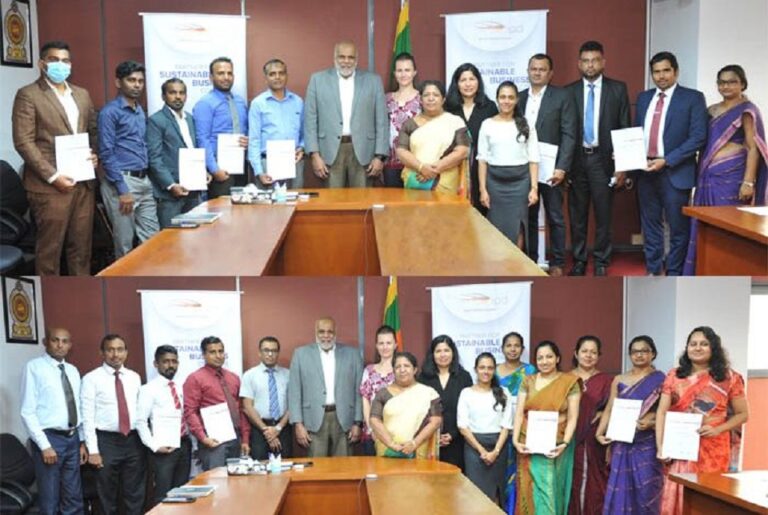
To mark the successful completion of this worthwhile programme, a ceremony was held to hand over certificates to the participant companies on 9th December at the EDB under the patronage of EDB Chairman Suresh D de Mel.
Furthermore, seven (7) EDB officers who were trained in EU Market Entry requirements were given certificates of recognition.
Expressing her views at the occasion, EDB Director General Malani Baddegamage pointed out that the EDB has come a long way with the IPD since 2018, the success of the work done together is reflected through these many export companies who entered the EU market.
She added that it takes a certain amount of time for companies to become export-ready and the commitment of companies to build capacities and fulfil Prerequisites to become exporter is essential.
Angie Martinez – Expert Sourcing and Purchasing – IPD, observed at the event. She noted that the IPD-EDB joint initiative was able to create the next generation of exporters in Sri Lanka.
Jacob Fernando, Manager – Planning & Certifications – Asian Agro Products (Pvt) Ltd, mentioned that their company was able to gain a thorough experience in sales coaching, trade fair participation, creating a professional website, sending personalized emails, and customer follow-ups through the IPD assistance.
Asian Agro Products is a company involved in the production of Dessicated Coconuts and one of the few BRC-certified entities in Sri Lanka. Since joining the IPD programme, the firm has been able to obtain export orders from Germany, Spain, and Poland.
“We are extremely pleased to create a knowledge-exchange platform by training EDB officers on EU market-entry requirement and hope that the trained EDB officers would share the knowledge they gained with their colleagues and the wider exporter community in Sri Lanka”, Linda Menze,
IPD- Germany, promotes the establishment of durable, long-term trade relations between importers and tour operators in Germany and Europe and companies from selected partner countries.
Over nine million people, or more than 40 percent of Sri Lanka’s 21.6 milion population, have slipped into the official poverty line due to the country’s unending economic crisis, a recent report released by a reputed UN international organisation has found.
The steepest rise in poverty levels took place after January this year, the report revealed adding that this was a very serious situation in the country,”as poorer households were the hardest hit owing to food inflation, job losses, limited fertilizer supply and drop in remittances.
According to another survey conducted by Peradeniya University, the latest changes in the tax structure – increased direct and indirect taxes – have only exacerbated the situation, affecting innumerable middle-income families and sparking murmurs of more mass discontent in Sri Lanka.
Four in every 10 households in Sri Lanka experienced a reduction in their incomes from June to December 2022, and one in every two households are currently relying on negative coping mechanisms to cope with the lack of food or money to buy it, a Food and Agriculture Organisation (FOA) report said.
In its response overview for the period of June to December 2022, the United Nations agency said the window of opportunity to support Sri Lankan farmers and their communities is narrowly time-bound.
“Immediate action to provide farmers with quality seeds, fertilizers and pesticides will enable them to protect their livelihoods and feed their communities. It is also critical to provide the most vulnerable farmers, livestock keepers and fishers with cash assistance to enable them to restore their productive assets and fast-track their recovery,” the report said.
Noting Sri Lanka is witnessing an unprecedented currency crisis, and the situation is exacerbated by political and social turmoil, the FAO report said nearly 40 percent of the population of Sri Lanka depend on agriculture as a primary source of income.
The ongoing multidimensional crisis is posing an enormous threat to their livelihoods and disrupting the national food system, it said.
Agricultural production is in a downward trend since mid-2021 due to the unavailability of fertilizers and other essential production inputs; livestock keepers are unable to access feed and basic veterinary supplies; and fishers are unable to access fuel for motorized boats.
“Consequently, the supply of food in local markets is shrinking and food inflation is soaring, reaching 90 percent in July 2022,” the report added.
Sri Lanka’s collapsing currency has pushed up the price of foods by close to 100 percent over two years with salaries not keeping pace, making it difficult for the less affluent in particular to afford basic carbohydrates and more affluent people being deprived of access to protein.
In Sri Lanka it typically takes about two years to recover from a currency crisis and real salaries to recover somewhat, analysts say.
Sri Lanka has not fully emerged from the currency crises with money still being printed in smaller volumes and a surrender requirement in place, which also creates money and alters rupee reserves of individual banks helping maintain forex shortages.
The forex shortages as well as central bank trade restrictions make it difficult to import some foods and agricultural inputs.
Saudi Arabia’s Ajlan and Brothers Holdings has recently inked into a strategic cooperation agreement with CHEC in Riyadh, Kingdom of Saudi Arabia, forming a strategic partnership to jointly develop Port City, Colombo and several key pilot developments worth over $ 1.3 billion.
As per a joint announcement released yesterday, the initiatives include the Colombo International Financial Centre (CIFC) Phase 1, Marina Waterfront Commercial and Marina Hotel, Super Luxury Villa and Golf Development within the coming years, kicking start the much-anticipated vertical development and business activities with the Port City Special Economic Zone (SEZ).
Ajlan and Bros Holding Group (Ajlan) is one of the largest comprehensive conglomerate holding group in the Middle East.
Ajlan has established its presence in over 25 countries around the world, with 75 companies in the fields of power, environment, industrial manufacturing, healthcare, tourism, technology, retail, real estate, garments and textiles, mining, water, FMCG, logistics, finance and fintech and entertainment and gaming, etc. Ajlan is a well-known Saudi garment manufacturer and trading company, as well as one of the largest real estate developers in Saudi Arabia.
Port City SEZ is the first-of-its-kind export-oriented SEZ for modern services within the region, catering for ICT, Financial Services, Professional Services, Logistics and Maritime Services, Digital Education, and Tourism and MICE. Up to date, a few regulations regarding company registration have been finalised and other regulations forming the ecosystem of the SEZ are expected to be realised within the next few months.
Coupled with the future-ready infrastructures and internationally competitive policy framework, Port City SEZ is expected to drive the economic and social development of Sri Lanka for the post-crisis era, attracting MNCs and FDIs to unlock the potential of the strategic location and high quality workforce of the island nation as a high-end service hub for Asia Pacific.
Elon Musk has tweeted for the first time since more than 10 million people voted in favour of him stepping down as Twitter’s chief executive, saying that only paid Twitter Blue subscribers will be able to vote in future policy-related polls.
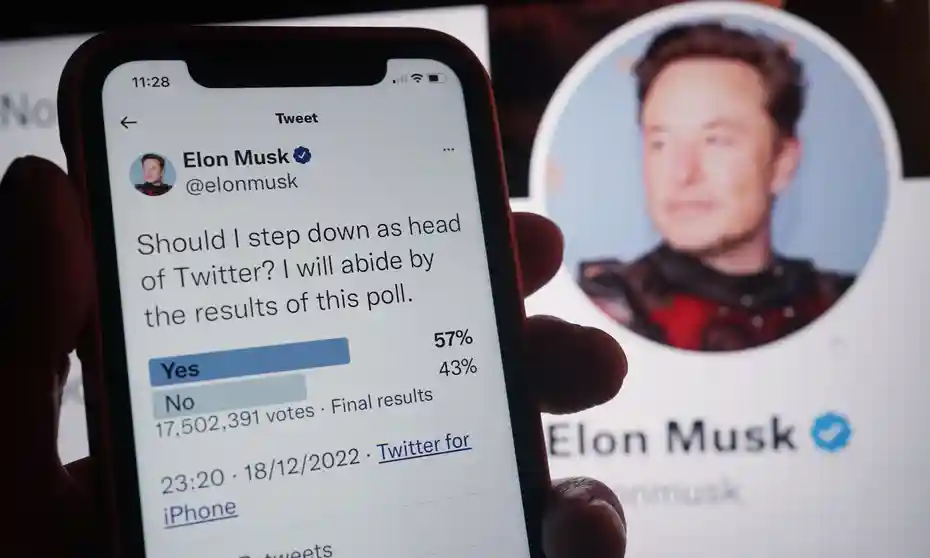
On Sunday, Musk asked Twitter users whether he should step down as the head of the company, promising to abide by the results of his poll. When the poll closed on Monday, 57.5% said he should step down.
Normally a prolific user of the platform, Musk did not tweet in the immediate hours after the poll. His silence was finally broken when he responded with “Interesting” to multiple suggestions that the results of the poll were skewed by fake accounts.
Replying to another user’s suggestion that “Blue subscribers should be the only ones that can vote in policy related polls”, Musk said: “Good point. Twitter will make that change.”
Twitter Blue is a paid-for subscription that allows anyone to buy a blue tick verified badge for their account.
As the majority owner of the privately held company, no one can force Musk out, but a series of baffling decisions over the past few days has caused even some of his closest backers to break ties with him.
A decision to ban an account that tracked the location of his private jet last week was followed by a mass suspension of critical journalists who reported on the ban. That led in turn to an exodus of some engaged users to other social networks, chiefly its decentralised competitor Mastodon, whose own account was banned for posting a link to the jet tracker’s account on the rival platform.
On Sunday, Musk reacted by banning all links to other social networks, including Mastodon, Instagram, Facebook, and even minor platforms such as Nostr, used by the Twitter founder Jack Dorsey, and Linktree, a homepage creation tool favoured by influencers.
That ban was rescinded by the end of the day, after a Twitter poll from the Twitter Safety account, with Musk saying: “Going forward, there will be a vote for major policy changes. My apologies. Won’t happen again.”
Musk has a history of using Twitter polls to rubber-stamp major decisions, selling a tenth of his Tesla holdings after one poll in 2021, restoring Donald Trump’s account after a second last month and reinstating a number of suspended accounts after a third. “Vox Populi, Vox Dei,” Musk tweeted after the Trump poll.
However, in many cases, he has given the impression of already having decided on the outcome before posting: he had already announced a sale of his Tesla holdings, for instance, long before he put it to a vote, and his plan to reinstate Trump had been discussed since before he even bought Twitter.
The idea of stepping down as chief executive had also been hinted at long before the Twitter poll was published. On 16 November, he told a Delaware judge that he planned to reduce his time at Twitter and “find somebody else to run Twitter over time”.
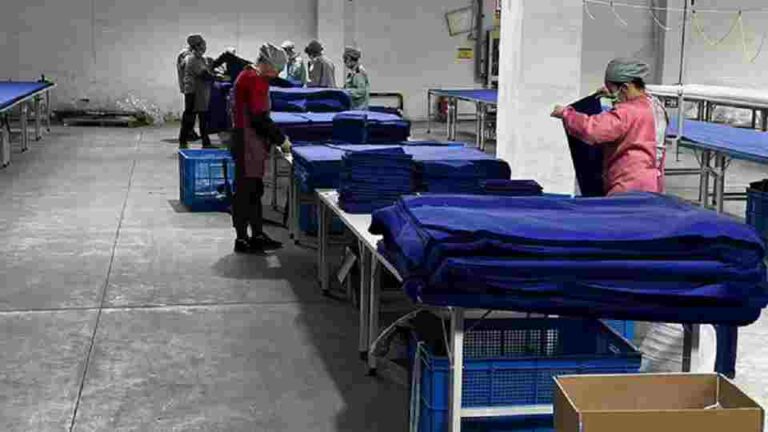
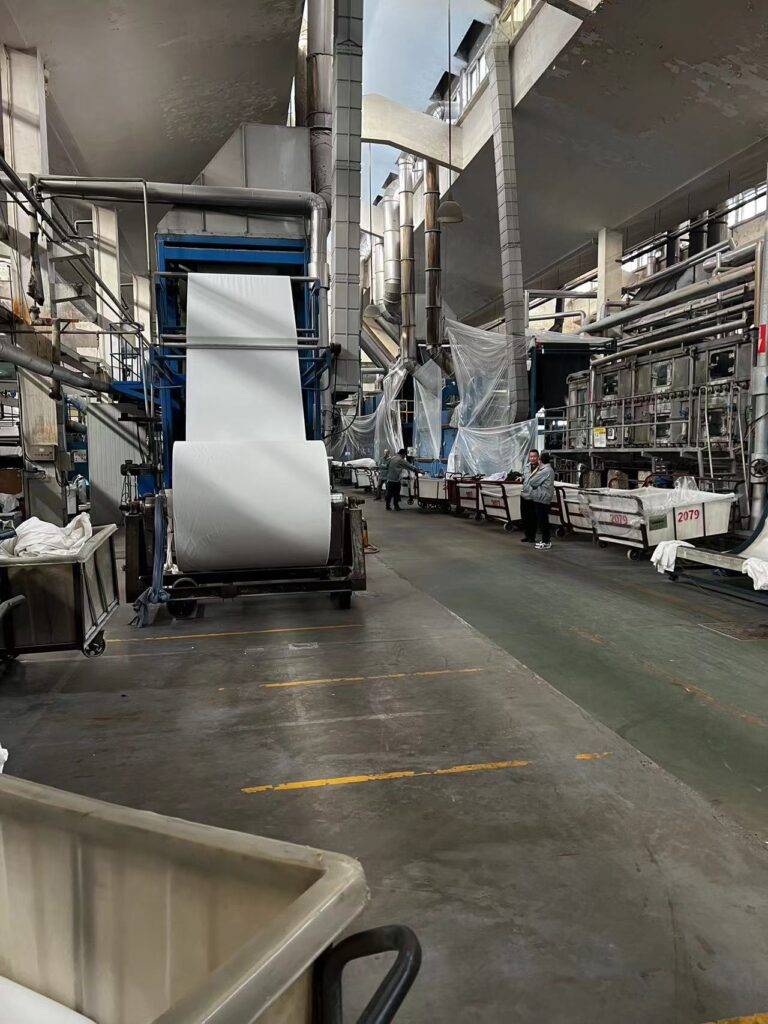
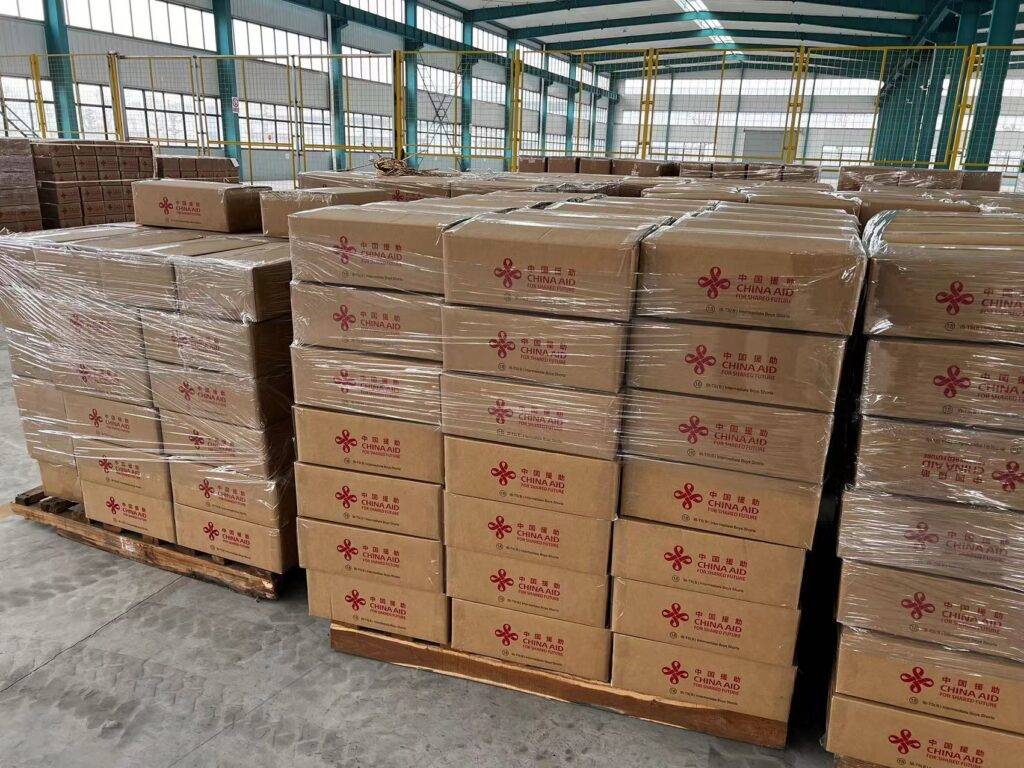
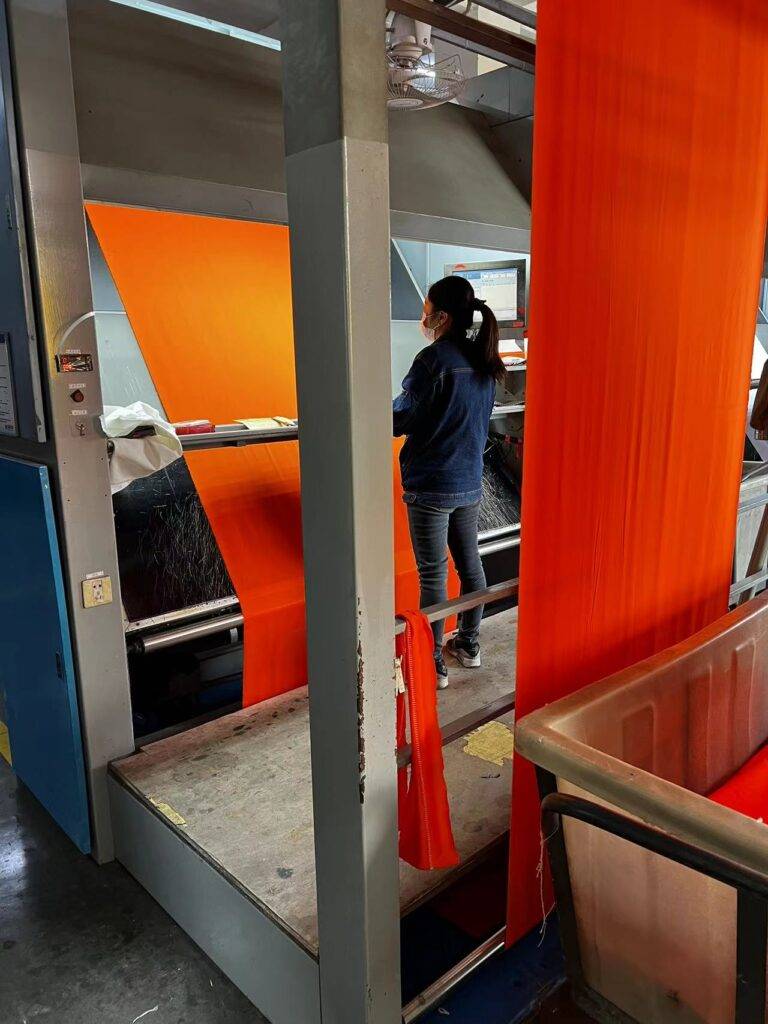
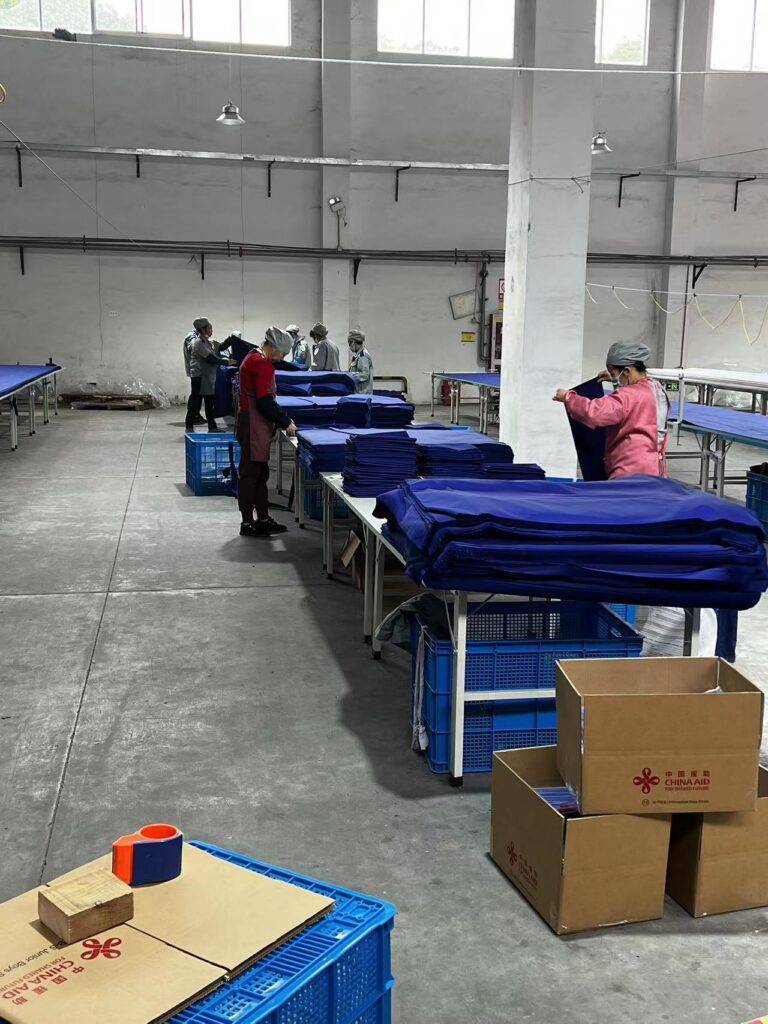
The government of China has donated school uniform material worth Rs. 5 billion (90 million RMB) meeting 70 per cent of the whole country’s school uniform requirement in 2023, the Chinese Embassy in Sri Lanka announced.
The first batch including a consignment of 03 million metres of finished material in 38,000 boxes via 20 boxes has left China yesterday (19), the Embassy said on its official Twitter handle.
We are proud to gift 90 million RMB (5 billion LKR) worth of school uniform material to millions of #SriLankan students to meet 70% of the whole country's requirement in 2023.
The 1st batch (3 mln meters of finished material in 38k boxes via 20 containers) has left 🇨🇳 for 🇱🇰 pic.twitter.com/nm9dxUlBPR
Former president Trump’s behaviour during the January 6 US Capitol riots has been branded an “utter moral failure and a clear dereliction of duty” by an investigating committee, who say he is “unfit for any office”.
The committee investigating the January 6 storming of the US Capitol is recommending criminal charges against former President Donald Trump.
They include conspiracy to defraud the United States; obstructing an official proceeding (the certification of Joe Biden‘s election victory); conspiracy to make a false statement and inciting or assisting an insurrection.
The recommendation is mainly symbolic – with the US Justice Department responsible for deciding whether or not to prosecute Mr Trump.
But committee chair, Democrat Bennie Thompson, said: “We have every confidence that the work of this committee will help provide the road map to justice.”
A number of recommendations are made in the final report, which accuses Mr Trump of engaging in a “multi-part conspiracy” to overturn the election.
Mr Thompson added: “We will also show that evidence we’ve gathered points to further action beyond the power of this committee or the congress to help ensure accountability in the law,” he said.
“Accountability that can only be found in the criminal justice system.”
Nine Underworld leaders known for direct ties with drug and arms trafficking in Sri Lanka, including ‘Kimbula Ele Guna’, ‘Ladiya’ and ‘Welle Suranga’ have been apprehended in India.
These Underworld kingpins were seized by the Indian National Investigation Agency yesterday (19) as they were discovered to be hiding in a refugee camp in Tamil Nadu.
The arrestees are C. Gunasekaran alias ‘Guna’, Pushparaja alias ‘Pookutu Kanna’, Mohammed Azmin, Sunil Gamini Fonseka, Stanley Kennedy Fernando, Ladiya, Dhanushka Rohan, Welle Suranga and Dileepan, according to Indian media.
Further investigations are currently underway, reports added.