Home Blog Page 195

Most Flood-Damaged Roads Reopened; Urgent Repairs Underway on 14 Routes – RDA

0

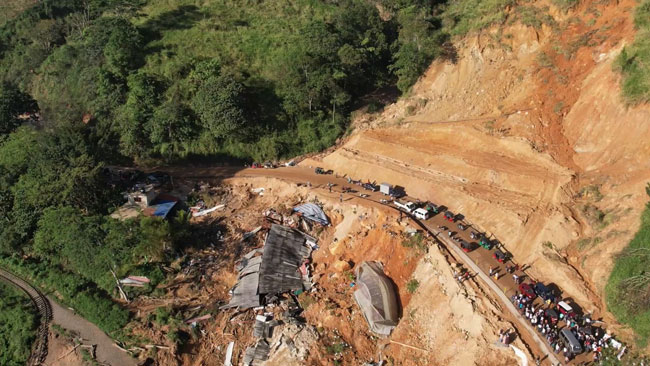
Road Development Authority (RDA) Director General K. W. Kandambi said that 302 roads damaged by floods and landslides during the recent adverse weather conditions have now been reopened for traffic, while urgent repair work is underway on the remaining 14 severely damaged roads.

Speaking at a media briefing yesterday, the Director General said the roads currently under repair are located in several provinces, with nine in the Central Province, two in the Uva Province, two in the Northern Province, and one in the North Western Province.

In the Central Province, repair and development work is ongoing on the Peradeniya–Rikillagaskada, Galaha–Delpitiya, Nawalapitiya–Dolosbage, Matale–Illukkumbura–Laggala, Kalalpitiya–Ukuwela–Elkaduwa, Moragahakanda–Wellawa, Gonboruoya–Balapokuna, Kandehandiya–Adikaramgoda–Loggaloya, and Ramboda–Pusulpitiya roads.

Kandambi said the Peradeniya–Rikillagaskada Road is expected to be reopened within 10 days, while the Matale–Illukkumbura–Laggala Road is scheduled to be completed within three weeks. He noted that the Kalalpitiya–Ukuwela–Elkaduwa Road has suffered extensive damage, requiring the addition of a new road section, for which land acquisition will be necessary. A new bridge also needs to be constructed on the Moragahakanda–Wellawa Road.

In the Uva Province, the Randapola–Ambewela Road and the Demodara–Spring Valley Road are expected to be reopened to traffic within the next 10 days.

Meanwhile, a Bailey bridge is to be installed on the damaged Nainamadu–Iranawila Road in the North Western Province. In the Northern Province, the RDA, together with the Sri Lanka Army, is constructing two new bridges on the Mullaitivu–Kokilai–Nayaru Road. In addition, a Bailey bridge is proposed for the Paranthan–Karachchi–Mulakivu Road.

The Director General said the restoration programme is being implemented as a short-, medium- and long-term initiative, with all necessary measures being taken to restore the country’s entire transportation network to its previous condition.

President Declares Electricity and Key Public Services as Essential Amid Adverse Weather

0

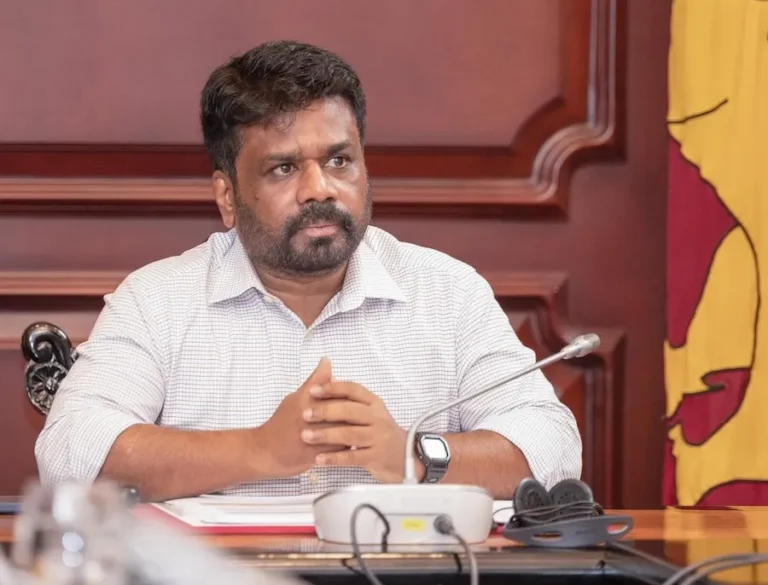
President Anura Kumara Dissanayake has issued an extraordinary gazette notification declaring a number of services, including the supply of electricity, as essential services in view of the severe adverse weather conditions prevailing in the country.

The gazette has been issued under the powers vested in the President in terms of Section 2 of the Essential Public Services Act, No. 61 of 1979, and takes effect from today.

In addition to electricity, several other critical sectors have been declared essential to ensure the uninterrupted delivery of services to the public during the current situation.

The services declared as essential are:

  1. All services connected to the supply of electricity.
  2. The supply or distribution of fuel, including petroleum products and gas.
  3. All services, work, or labour required for the maintenance, reception, care, feeding, and treatment of patients in hospitals, nursing homes, dispensaries, and similar institutions.
  4. Public transport services for the transportation of passengers or goods.
  5. Facilitation and maintenance of transportation and tourism services by road, rail, or air, including highways, bridges, culverts, airports, ports, and railways.
  6. All services connected to the supply of water and drainage.
  7. All services connected with the supply, safeguarding, and distribution of food and essential commodities.
  8. All services, work, or labour carried out by District Secretariats, Divisional Secretariats, Grama Niladharis, Samurdhi Development Officers, Agricultural Research Assistants, Community Empowerment Officers, officers of the Clean Sri Lanka Centralised Team, and all field-level officers of district and divisional secretariats.
  9. Ambulance services.
  10. All state banking and insurance services, including the Central Bank of Sri Lanka.
  11. All services carried out by local authorities related to the supply of water, electricity, drainage and sewerage systems, fire-fighting and ambulance services, scavenging, and garbage removal, including the disposal of waste.
  12. All services connected to irrigation.
  13. All services connected to telephone, telecommunication, and media.
  14. All services connected to the reclamation and development of low-lying lands.
  15. All services connected to agriculture and agricultural insurance.

The declaration is aimed at ensuring continuity of essential public services during the ongoing adverse weather conditions.

Two Foreign Nationals Arrested at BIA Over Rs. 15 Mn Smuggling Attempt

0

Two foreign nationals were arrested by Airport Customs officers for attempting to smuggle a consignment of foreign-manufactured cigarettes and smartphones into the country.

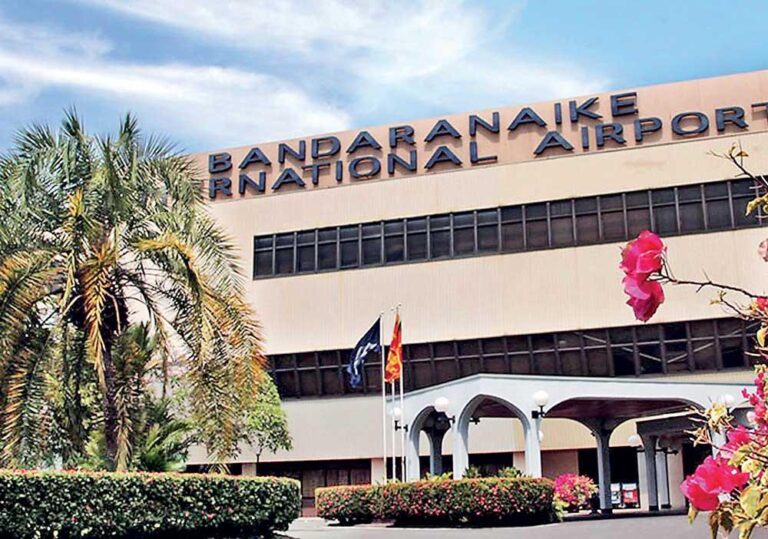
Customs officials said the suspects attempted to pass through the Green Channel at the Bandaranaike International Airport (BIA) with undeclared goods valued at approximately Rs. 15 million.

The arrested individuals are two Indian nationals, aged 22 and 23, who are engaged in business activities. They arrived at the BIA from Dubai at around 6.00 p.m. yesterday (28).

Upon inspection, Customs officers found that the suspects had concealed 420 cartons containing 84,000 foreign-manufactured cigarette sticks, along with 25 smartphones, inside six pieces of luggage.

Airport Customs officers are continuing further investigations into the incident.

Final Rites of Veteran Singer Latha Walpola to Be Held with Full State Honours

0

The government has decided to conduct the final rites of legendary singer Latha Walpola with full state patronage.

Latha Walpola, a towering figure in Sri Lanka’s music industry, passed away on 27th December at the age of 92 while receiving treatment at a hospital in Colombo.

Issuing a statement, the Department of Government Information outlined the arrangements for the final rites. Accordingly, the remains of the late singer will be placed at Independence Square in Colombo on December 31, 2025, from 10.00 a.m. to 2.00 p.m., allowing the general public to pay their final respects.

Following religious observances at 2.00 p.m. on Wednesday, the remains will be taken to the Borella General Cemetery, where the final rites will be performed.

In the meantime, the remains will be kept at a private parlour in Borella until 11.00 p.m. today. Members of the public may pay their respects from 9.00 a.m. to 10.00 p.m. today (29) and on Tuesday (30), the Department of Government Information said.

Several spells of showers will occur in Northern province and in Kandy, Anuradhapura and Trincomalee districts

0

Showers will occur at times in Uva province and in Ampara, Batticaloa, Matale, Nuwara-Eliya and Polonnaruwa districts. Fairly heavy falls above 50 mm are likely at some places in these areas.

Several spells of showers will occur in Northern province and in Kandy, Anuradhapura and Trincomalee districts.

Showers or thundershowers will occur at several places in Sabaragamuwa province and in Galle, Matara and Kaluthara districts after 2.00 p.m.

Fairly strong winds of about 40 kmph can be expected at times over Eastern slopes of the central hills, Northern, North-central and North-western provinces and in Hambantota, Monaragala and Trincomalee districts.

Misty conditions can be expected at some places in Western, Sabaragamuwa and Central provinces and in Galle and Matara districts during the early hours of the morning.

The general public is kindly requested to take adequate precautions to minimize damages caused by temporary localized strong winds and lightning during thundershowers.

Private Sector Bribery under Sri Lanka’s New Anti-Corruption Regime: What Every Employee and Company Must Know

0

By Nalinda Indatissa PC

Bribery is no longer confined to dealings with public officials. Under Sri Lanka’s new anti-corruption legal regime, private sector bribery has been expressly introduced and criminalised. Employees, managers, and directors in private companies are now subject to criminal liability for corrupt conduct carried out in the course of business. This reform aligns Sri Lanka with international anti-corruption standards and recognises that corruption within private enterprises distorts markets, undermines fair competition, and weakens investor confidence.

The law prohibits the giving of a bribe, the asking for or solicitation of a bribe, and the acceptance of a bribe. These prohibitions apply across all levels of a company and in all work-related activities. A bribe is not limited to money. It includes anything of value given, offered, demanded, or received to improperly influence a business decision. This may take the form of gifts, travel, employment opportunities, promotions, favours, undisclosed commissions, or sexual favours. Sexual favours demanded or offered in exchange for workplace benefits constitute bribery under the law. Solicitation itself is an offence; no payment is required for criminal liability to arise. A mere request, hint, or demand is sufficient.

Liability is not confined to senior decision-makers. Junior staff, senior managers, and directors may all be held responsible. Corporate position, influence, or seniority does not provide protection under the new regime. The law applies whenever conduct is business-related, financial, or commercial in nature, including procurement, recruitment, promotions, payments, approvals, contract negotiations, and vendor selection within the private sector.

Every employee has a duty to act honestly, comply with company rules, and exercise authority fairly. Using one’s position for personal benefit constitutes a breach of duty even where no direct financial gain is received. Many investigations arise not from large-scale raids but from whistle-blower complaints, vendor or employee reports, audit findings, and anonymous information. Once an investigation begins, authorities may examine financial records such as cash books, expense vouchers, and consultancy or miscellaneous expenses, as well as digital and communication evidence including call records, SMS messages, WhatsApp communications, and emails. Deleting messages does not erase wrongdoing. Digital evidence may be recovered through forensic tools, backups, screenshots, recipient devices, or testimony, and call records are often retained by service providers. Digital trails now play a decisive role in modern bribery prosecutions.

Investigators closely examine the nature of an employee’s role, the authority entrusted to that person, and whether that authority was misused. Clear job descriptions and defined approval limits protect honest employees and help identify misconduct. From a prevention perspective, companies that rely on manual, opaque approval processes create fertile ground for corruption. In contrast, digitised approval systems with real-time tracking significantly reduce bribery risk. Real-time tracking records who approved what, when it was approved, and where delays occur. It makes decision-making transparent, limits informal influence, reduces opportunities for secret dealings, and curtails the abuse of discretion. When approvals can be monitored live, unexplained delays or deviations become immediately visible, discouraging both solicitation and payment of bribes.

Strong internal policies further reinforce integrity. Anti-bribery policies, procurement guidelines, and codes of conduct must be actively implemented and enforced. Equally important is whistle-blower protection. Employees must feel safe to report wrongdoing without fear of retaliation. Companies that provide confidential reporting mechanisms and protect whistle-blowers foster a culture of accountability rather than silence.

Minimising corruption in the private sector has direct implications for Foreign Direct Investment. Foreign investors look for transparency, predictability, and rule-based decision-making. Private sector corruption increases hidden costs, legal exposure, and reputational risk. As a result, investors either demand higher returns to offset risk or avoid the jurisdiction altogether. Strong enforcement against private sector bribery, combined with transparent corporate governance systems such as real-time digital approvals, enhances investor confidence, lowers transaction costs, and promotes sustainable long-term investment. Anti-corruption compliance is therefore not merely a legal obligation; it is an economic strategy.

Bribery is not only about money. Deleting messages does not erase wrongdoing. Transparency and honesty remain the strongest protection. An ethical workplace safeguards personal dignity, professional careers, and individual freedom, while also protecting the company and strengthening the national economy.

Nalinda Indatissa, PC
Some Sri Lankans are so Unforgiving and Merciless 

0

By Artists 

Some Sri Lankans can be remarkably unforgiving, particularly when expectations are not met. The recent postponement of the concert by American superstar Ne-Yo is a case in point. What should have been treated as an unfortunate but manageable setback was quickly branded a “scam” on social media, triggering a wave of public outrage that did little to reflect facts or context.

In the crossfire were respected global brands such as Mastercard, Red Bull, and Cinnamon Hotels. These organisations did not merely lend their logos; they put their reputations on the line to help position Sri Lanka as a credible international entertainment destination. That kind of confidence-building support does not come without cost or risk, particularly in a market where large-scale entertainment events are still developing. Instead of appreciation, they were met with criticism and suspicion.

Ironically, many of the loudest voices online were from those who had invested neither capital nor credibility in the event. The organisers — Brown Boy, together with Ne-Yo himself, Amith Boteju, and Champaka — have stated that once Ne-Yo requested a postponement, they left Sri Lanka after receiving threats and fearing possible detention. Such circumstances, they argue, would only have complicated efforts to resolve the matter and reschedule the event. They also maintain that Ne-Yo was paid in accordance with the contractual terms.

It is important to view this episode through a wider regional lens. In destinations such as Dubai or Singapore, government agencies actively step in to support major international events, often coordinating logistics, security, and public communication. The objective is clear: protect the country’s reputation and reassure international partners. In Sri Lanka, such institutional support is limited or absent, leaving private sponsors and promoters exposed when things do not go exactly to plan.

Against this backdrop, the involvement of Cinnamon Hotels and Mastercard should not be discouraged or discounted. On the contrary, they deserve recognition for taking a calculated risk to promote Sri Lanka as a serious entertainment and events destination. If such efforts are publicly punished, future sponsors will think twice before associating themselves with similar initiatives.

There has also been a troubling spread of misinformation. Ne-Yo, on the 27/28 December has publicly apologised for the postponement and confirmed that work is underway to finalise new dates. Ne-Yo himself has participated in virtual press conferences and released videos referring to his planned visit to Sri Lanka. To suggest that he was unaware of the Sri Lankan event is therefore both inaccurate and unfair.

Some fans who spoke to LNW have raised a constructive point: the Tourism Ministry, which has benefited substantially from tourism-related tax revenues running into Billions, could consider stepping in to support or temporarily take over large international events in times of difficulty. Such an approach would send a strong signal to global promoters that Sri Lanka is a reliable partner and a destination that understands the realities of live entertainment.

What is most concerning, however, is the prevailing mindset that allows no room for delay, adjustment, or failure. In Sri Lanka, setbacks are too quickly framed as scams, and reputations are damaged long before facts are established. This culture discourages innovation, deters investment, and makes the country appear hostile to risk-taking.

If Sri Lanka truly aspires to be a global tourism and entertainment hub, it must learn to respond to challenges with maturity, balance, and institutional support — not public condemnation. Otherwise, we risk making ourselves look far smaller on the global stage than we actually are.

December 28 th NE-YO wrote;

“To my lovely Sri Lanka Fanbase …as much as l was looking forward to rocking out with you all, due to unforeseen circumstances, we’re gonna have to do this another time.

My deepest apologies. Know that I will see you soon. Can’t wait.” NE-YO

Johnston Anthony Fernando Elected Chairman of ICC Sri Lanka

0

Johnston Anthony Fernando, a renowned Sri Lankan business leader with nearly two decades of service as a Director of the International Chamber of Commerce in Sri Lanka and extensive senior leadership experience at the regional level of the ICC, was recently elected Chairman of ICC Sri Lanka on the 11th.

An alumnus of St. Joseph’s College Colombo, he is a co-owner and director of several family-owned companies operating across engineering, construction, supply, packaging, printing, and property development sectors.

He currently serves as a Non-Executive Independent Director at People’s Insurance PLC and as Chairman of the Sri Lanka Printing Media Academy.

Previously, he has held board positions at People’s Leasing & Finance PLC, People’s Merchant Finance PLC, and Alliance Leasing & Finance PLC in Bangladesh. He is also a former Chairman of the Sri Lanka Association of Printers.

In addition, Johnston Anthony serves as an advisor and governing council member of institutions including BCI Campus, Colombo Catholic Press, and the National Hospital of Sri Lanka.

Sri Lanka Chief Justice and Supreme Court Judges Visit Sacred Sanchi Site in India

0

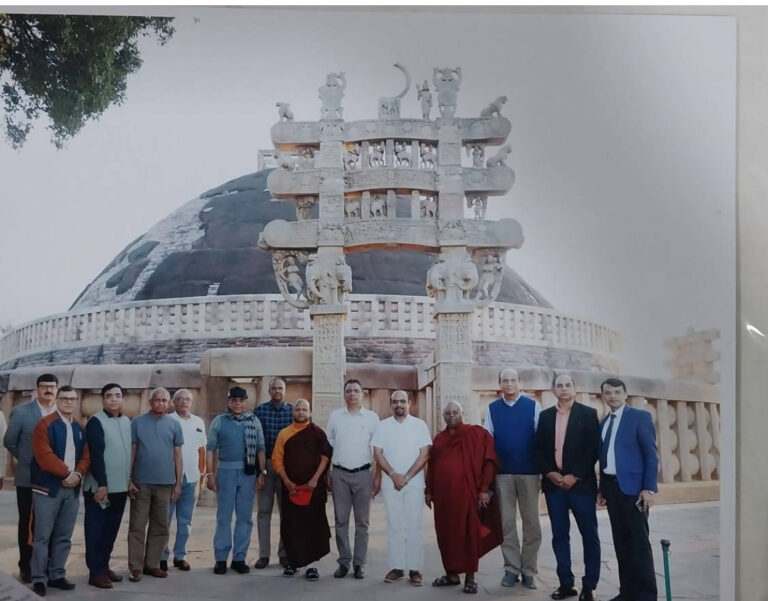
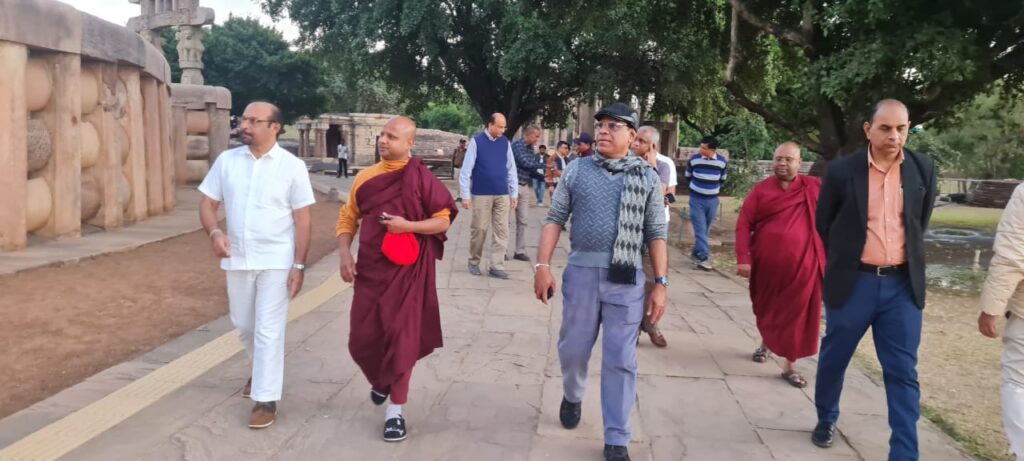
Sri Lanka’s Chief Justice, Justice Preethi Padman Surasena, together with a group of Supreme Court judges, recently visited the sacred Sanchi Maha Pooja Bhumi in India, where they paid homage to the relics of the Chief Disciples of the Buddha and worshipped the Sanchi Stupa complex built by Emperor Ashoka, according to the Viharadhipati of Sanchi Chethiyagiri Vihara, Venerable Banagala Vimalatissa Thera.

The Chief Justice and nine Supreme Court judges, who were in Bhopal to participate in an international conference of Supreme Court judges, visited the sacred site and viewed the archaeological monuments there, said resident monk and scholar Venerable Udugama Tapassi Thera.

In addition, a group of Supreme Court judges from Myanmar and several High Court judges from Sri Lanka also visited the Sanchi sacred site on a recent occasion, according to the Chief Incumbent of Sanchi Chethiyagiri Vihara, Chief Sangha Nayaka of Japan, and President of the Sri Lanka Maha Bodhi Society, Venerable Banagala Upatissa Nayaka Thera.

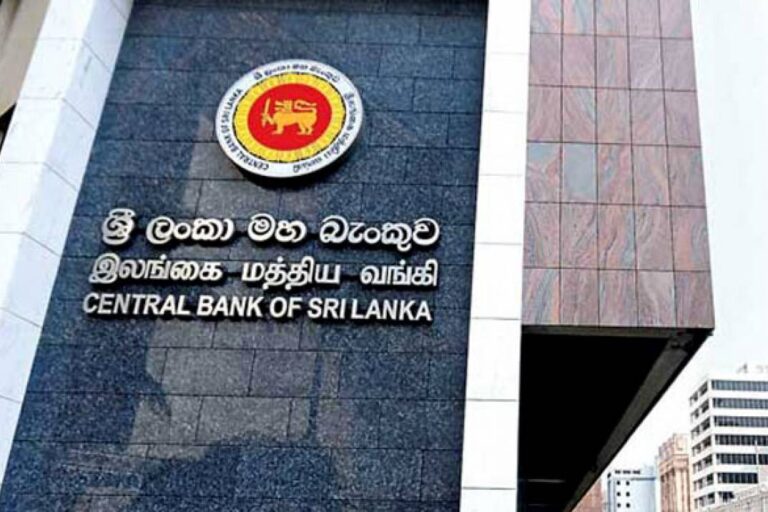
CBSL Tightens AML Net as Financial Sector Faces Scrutiny

0

Sri Lanka’s Central Bank has stepped up enforcement of anti-money laundering and counter-terrorism financing regulations in 2025, signaling a tougher regulatory posture aimed at safeguarding financial stability and restoring international confidence. The latest action imposing Rs. 9.5 million in penalties on seven institutions underscores a broader compliance drive that carries significant economic implications.

 The fines, imposed through the Financial Intelligence Unit (FIU), targeted banks, non-bank financial institutions, a casino, a jewellery firm, and a mobile payment operator. While the monetary penalties themselves are modest, the message is substantial: regulatory tolerance for weak AML/CFT controls is diminishing.

Sri Lanka’s economy remains in a fragile recovery phase following years of debt distress and external shocks. In this context, strengthening financial integrity has become a strategic priority. The country’s ability to maintain correspondent banking relationships, attract foreign investment, and integrate with global financial markets depends heavily on compliance with international AML standards, including Financial Action Task Force (FATF) benchmarks.

According to CBSL disclosures, several institutions failed to report high-value electronic fund transfers exceeding Rs. 1 million within stipulated timeframes. Others lacked adequate screening mechanisms against United Nations sanctions lists or had not implemented basic internal AML policies. While no direct links to designated individuals were uncovered, regulators emphasized that procedural weaknesses alone pose systemic risks.

From an economic standpoint, enhanced AML enforcement can deliver long-term gains despite short-term compliance costs. Stronger controls reduce illicit financial flows, protect tax revenue, and improve transparency factors that contribute to macroeconomic stability. In 2025, Sri Lanka has relied increasingly on digital payments and non-bank financial services to support consumption and small businesses, making robust oversight even more critical.

The inclusion of sectors such as casinos, jewellery trading, and mobile financial services highlights a shift toward risk-based supervision beyond traditional banking. These sectors are often cash-intensive and vulnerable to misuse, and their regulation plays a key role in protecting the wider financial ecosystem.

Importantly, the penalties collected were credited to the Consolidated Fund, reinforcing the principle that enforcement supports public finance as well as compliance. More broadly, CBSL’s actions send a signal to global lenders and development partners that Sri Lanka is serious about financial governance reforms.

While enforcement alone cannot transform the economy, it creates the trust framework necessary for sustainable growth. In that sense, the CBSL’s AML push in 2025 is not merely regulatory housekeepingit is an economic confidence-building measure with long-term implications.