The Low-level atmospheric disturbance in the South-east of Sri Lanka is expected to develop further and therefore, rainy conditions over most parts of the Island will expect to enhance further, the Department of Meteorology said in a statement today (09).
Showers will occur at times in Eastern, Uva, North and North-Central provinces and in Matale district.
Showers or thundershowers will occur elsewhere during the afternoon or night.
Heavy showers above 100 mm can be expected at some places in Eastern, Uva, Sabaragamuwa, Central and Southern provinces.
General public is kindly requested to take adequate precautions to minimise damages caused by temporary localised strong winds and lightning during thundershowers.
Marine Weather:
The Low-level atmospheric disturbance in the South-east of Sri Lanka is expected to develop further during the next 48hours, therefore it is requested to be vigilant in Naval and fishing activities in the sea areas off the coast extending from Hambantota to Kankasanturaivia Batticaloa and Trincomalee.
Condition of Rain:
Showers or thundershowers will occur at times in the sea areas around the island.
Winds:
Winds will be North-easterly or variable in direction. Wind speed will be (20-30) kmph. Wind speed may increase up to (40-45) kmph at times in the sea areas off the coast extending from Batticaloa to Puttalam via Trincomalee, Kankasanturai and Mannar.
State of Sea:
The sea areas off the coast extending from Batticaloa to Puttalam via Trincomalee, Kankasanturai and Mannar will be fairly rough at times. The other sea areas around the island will be moderate. Temporarily strong gusty winds and very rough seas can be expected during thundershowers.
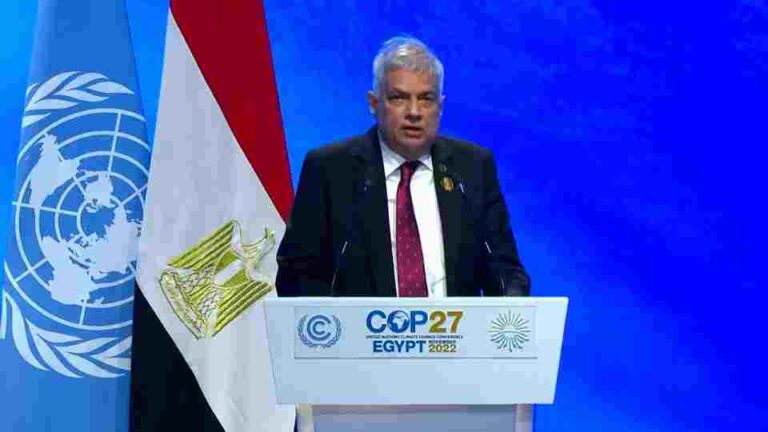
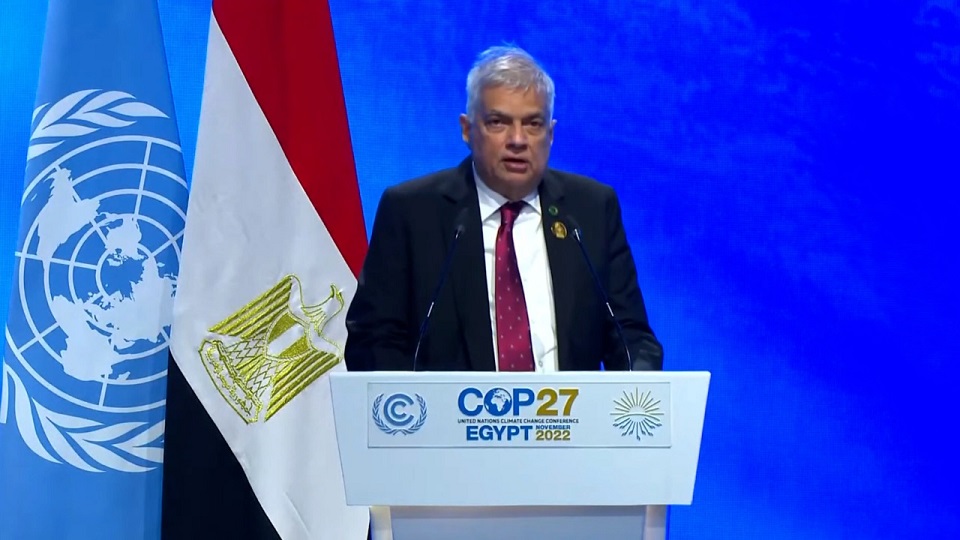
President Ranil Wickremesinghe addresses COP27: says colonialism transferred rich resources of Asia and Africa to Europe, and used those to industrialise colonising countries: states the countries that were plundered, became poor: asserts “umbrella industrialisation” of developed economies is root cause of climate change.
NFF Leader and “independent” Opposition MP Wimal Weerawansa says CB Governor Dr. Nandalal Weerasinghe earns salaries from CB and IMF: asserts that creates a major “conflict of interest”.
Senior Advisor to the President Sagala Ratnayake says World Bank Country Director for Sri Lanka, Faris Hadad-Zervos had been “amazed” by the action policy and vision of President Ranil Wickremesinghe, and had expressed support for the President’s vision.
Former Minister and SJB MP Dr. Rajitha Senaratne says President Ranil Wickremesinghe has brought the country to a stable level by providing solutions for the immediate problems: SLPP MP Mahindananda Aluthgamage says the President has provided solutions for the burning problems.
Speaker Mahinda Yapa Abeywardene blames Opposition for President’s criticism of Parliament: Speaker’s Media Secretary attributes reasons for such blame, including delay in appointing joint Committees: Chief Opposition Whip Lakshman Kiriella says Opposition would not join Committees until Government discloses agreement with IMF, in Parliament.
International Organisation for Migration says 303 Sri Lankans have been rescued from a distressed vessel and taken to the Port of Vung Tau in Vietnam, 1800 km away from Hanoi.
Former CB Governor Ajith Nivard Cabraal publishes book titled “ආර්ථික ඝාතකයන් මැද” (“Among Economic Hitmen”): book said to contain “answers to all questions” pertaining to the manner and persons behind the bankruptcy of the country.
Colombo Additional Magistrate Keminda Perera orders the remand of 2 police officers and a school principal for torturing Grade 5 students at the Millaniya Primary School, Horana.
Sri Lanka Cricket appoints 3-member panel of Justice Sisira Ratnayake, Attorneys at law Niroshana Perera & Asela Rekawa to inquire into the alleged incident involving Danushka Gunathilaka and a woman introduced to him via an Australian “dating” site.
UN teams in SL and NGOs extend a “Humanitarian Needs and Priorities” (HNP) Plan that aims to provide life-saving assistance to 3.4 million people amid SL’s worst economic crisis since independence.
The first ever SportUnleash Throwers Championships, which will host some of the world-class competitions for the throwing events in the sport of track and field will take place on Saturday, the 12th of November from 9am to 4pm at the Torrington Grounds, Colombo 07.
This will feature Shot Put throw, Discus throw and Javelin throw for both boys and girls for age categories under 14, 16 and 18. Individuals and schools from around the island are invited to compete, and registrations are currently taking place online through its website www.sportunleashthrowers.com.
There will only be 24 competitors per event and a maximum of 12 competitors in a heat, out of which the best 8 will receive 6 throws with every throw being measured. The top eight performances will also receive certificates, and the top three best throwers will receive Gold, Silver, and Bronze Medals. Three Sri Lanka Athletics Association (SLAA) judges will be present at each event to officialize and verify when Sri Lankan records are broken.
Talavou Alailima, the Chairman of the Organizing Committee, said, “The SportUnleash Throwers Championships 2022 sets the foundation for a new culture of hosting competitions that are Athlete centric. If we, as a country, desire to realize any noteworthy achievement in the World Arena, every organized competition must ensure that the Athlete can deliver exceptional performances. The SportUnleash Thrower Championships will be an example of what such a competition would look like. We have set ourselves a high standard and plan to achieve them each time until there is a paradigm shift in the Sri Lanka Athletics sphere.”
The Organizing Committee Talavou Alailima – Chairman, and coaches Major Upali Wickramasinghe (Retd), Joy Danushka Perera, Jayakody, Fonseka, and Chethan Silva including coaches Mendis, Hemantha, Janaka in the Sub-Committee.
This inaugural initiative is by SportUnleash which strives to maximize the sports gifting of children and is well known for its Sports Talent Identification Report that exhibits a 360-degree comprehensive evaluation for children between the ages of 9 – 11.
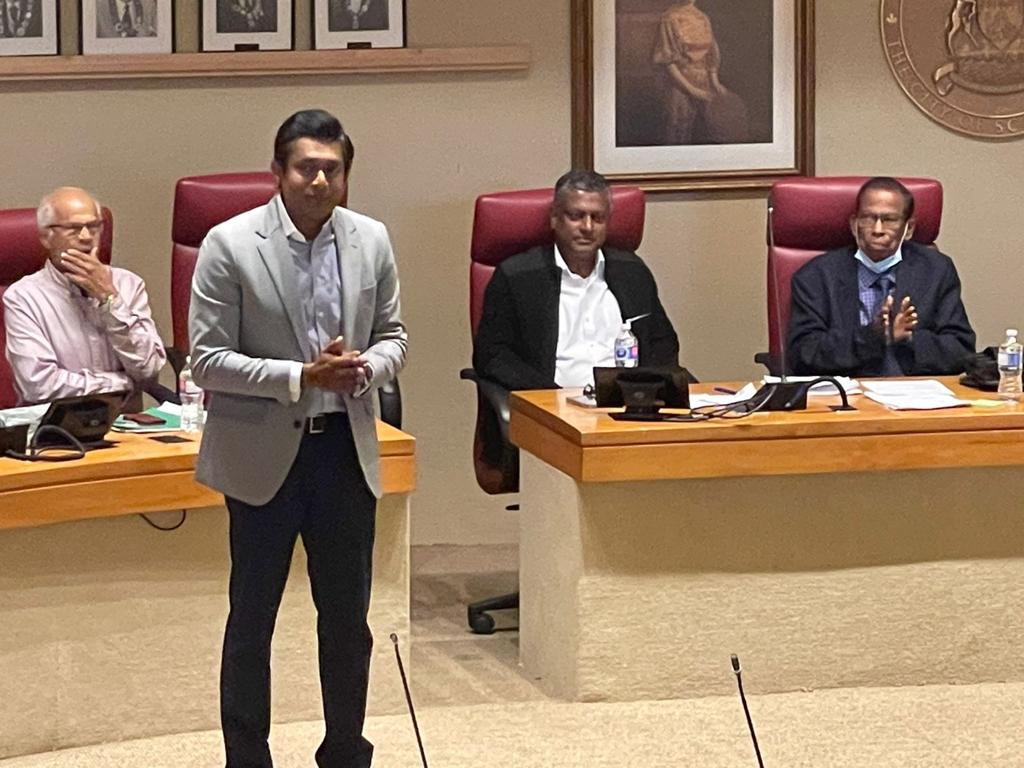
The Consul General of Sri Lanka in Toronto, Thushara Rodrigo participated at the Annual Festivals of the Murugan Kovil in Scarborough on 30 October, 2022 at the invitation of the Chief Priest of the temple. The religious programme was attended by over 2000 devotees from the Sri Lankan Canadian Tamil community.
The Chief Priest in his address to the gathering recognized the representation of the Consulate General in the festival and commended the Consulate General for the continued engagement in the religious activities of the Kovil.
Consul General Rodrigo also met with a group of senior Tamils on 29 October 2022 at Scarborough Civic Center to discuss the importance of further strengthening the Consulate’s engagements with the Tamil community and requested them to actively participate in these efforts. They commended the efforts of the Consulate General and agreed to work collectively by encouraging the young people of their community to work with the Consulate General.
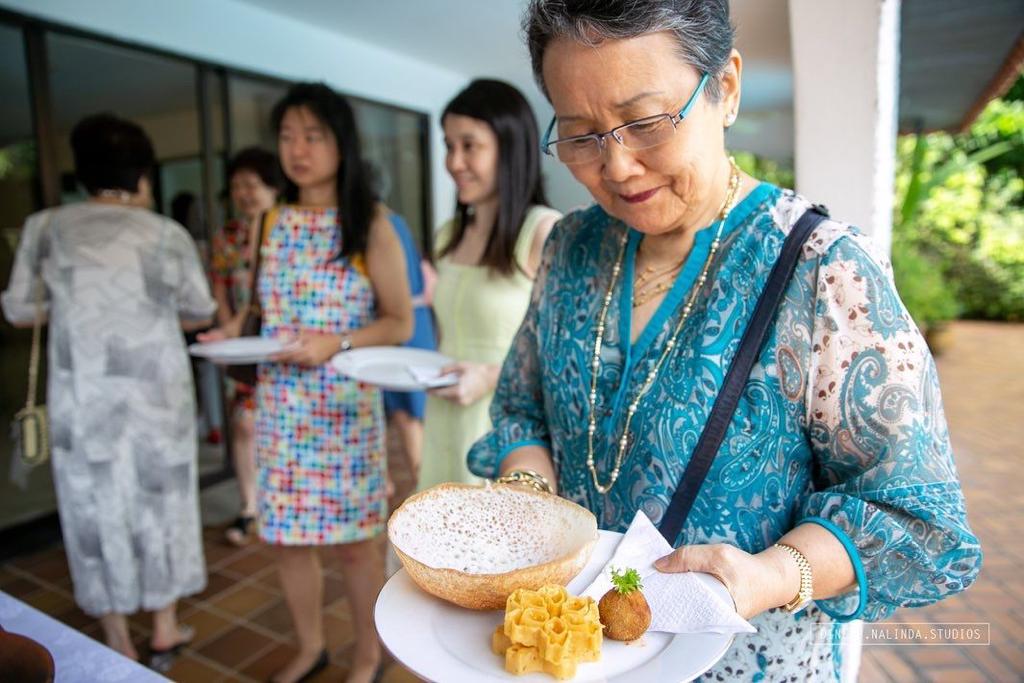
The work of two Sri Lankan designers Sonali Dharmawardhane and Sarita Rajendran was showcased in Singapore at an Afternoon Tea held at the Sri Lanka Residence on 29 October, 2022. The design showcase featured unique Sri Lankan batik evening wear, sarees and resort wear including silver jewellery and custom made clutches. The participants at the event included members of the Chinese Women’s Association of Singapore, the Diplomatic corps, representatives of travel and tour operators, and the media.
The event was attended by close to 80 invitees. A range of Sri Lankan goods including Cinnamon, Gems, Tea and Coconut products were on display and the guests were treated to delicious Sri Lankan cuisine. Speaking at the event, the High Commissioner of Sri Lanka to Singapore Sashikala Premawardhane, invited those present to trade, invest and travel to Sri Lanka and highlighted various aspects of Sri Lanka’s unique tourism offer.
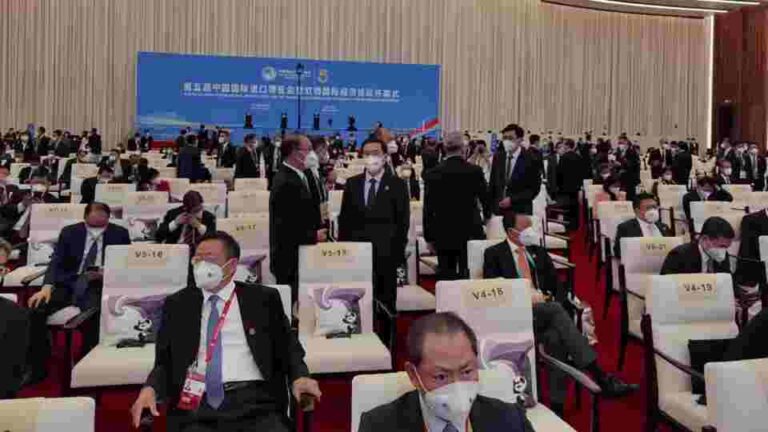
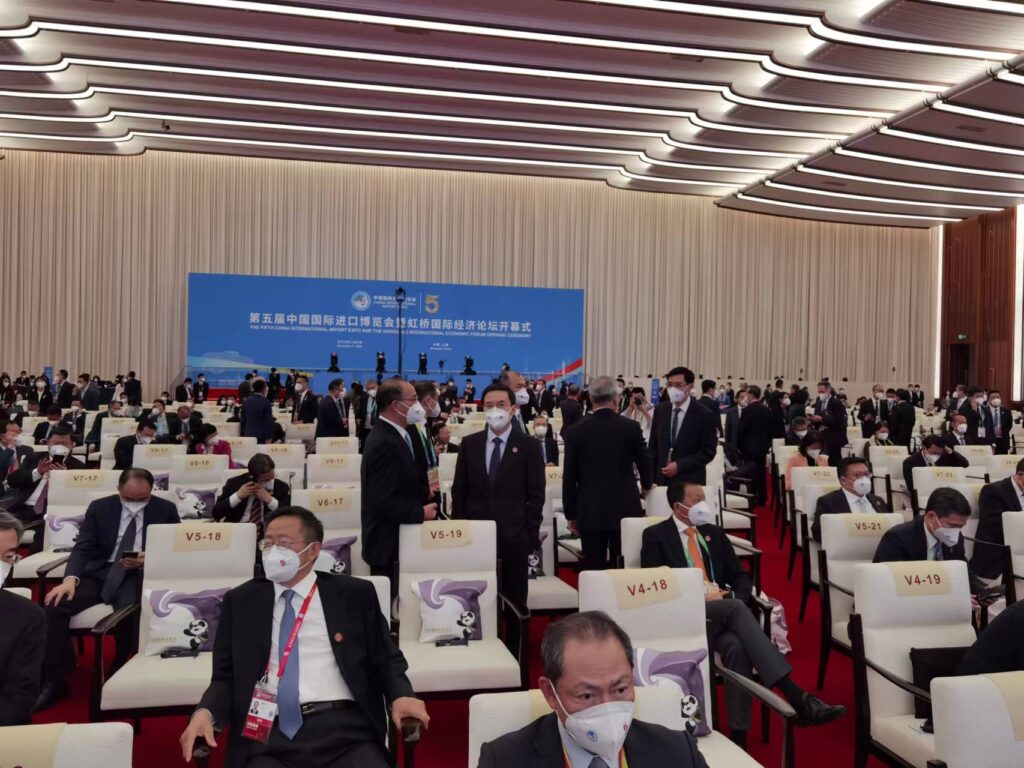
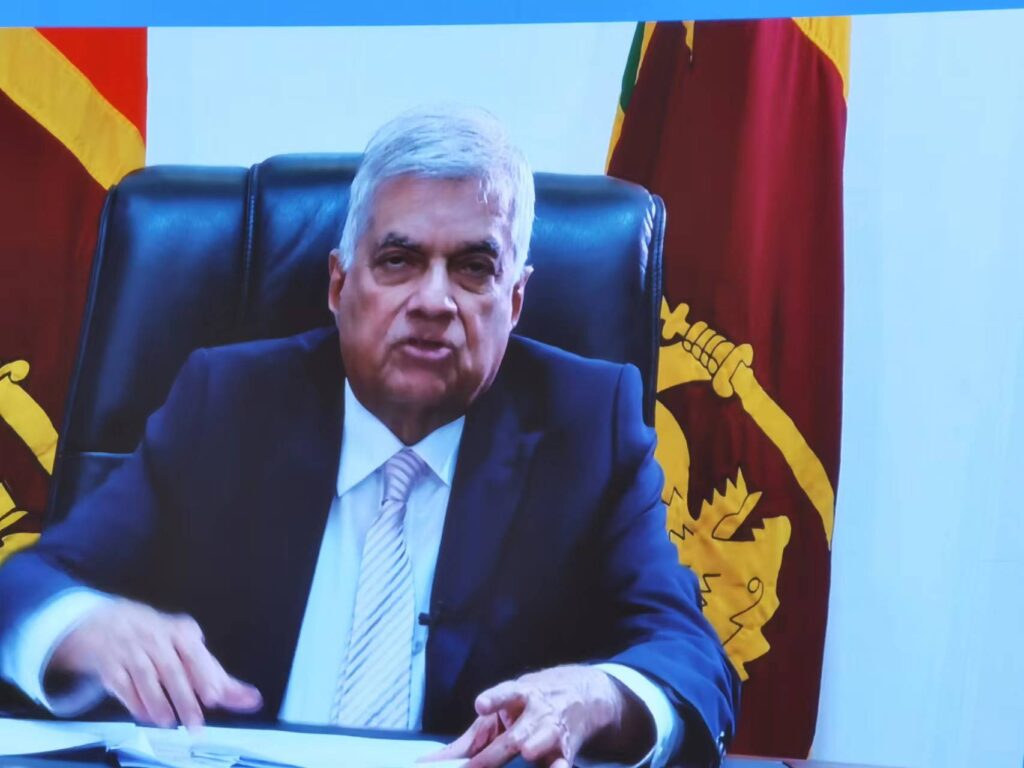
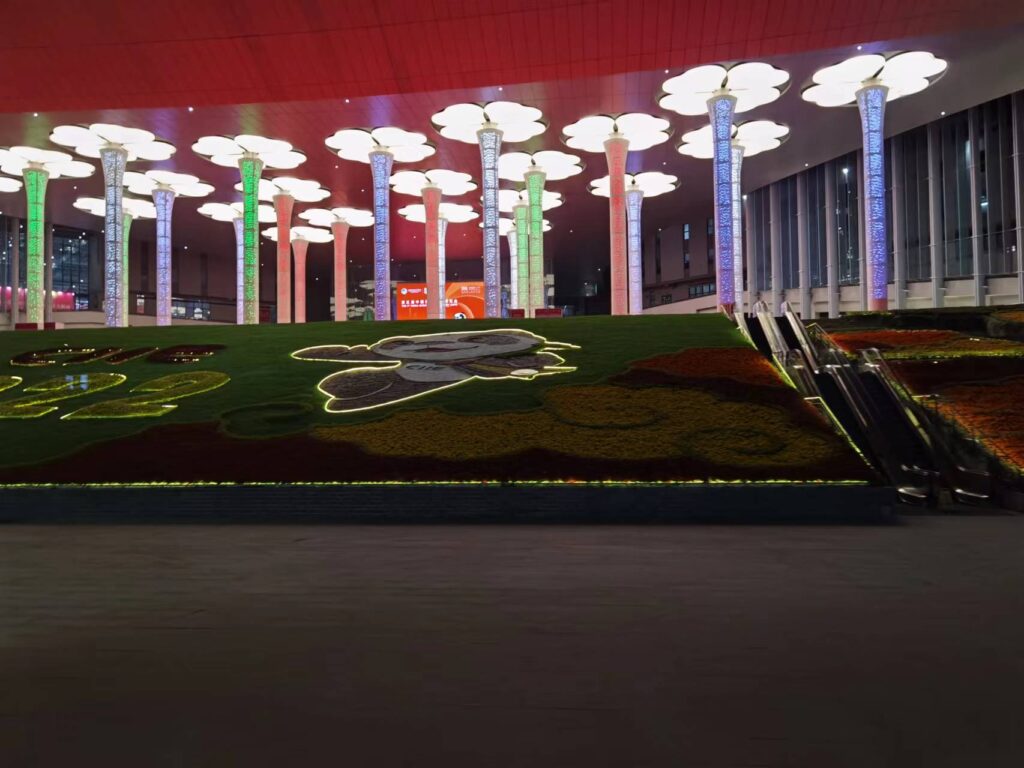
President Ranil Wickremesinghe was the first speaker after President Xi Jinping to address, virtually, the well-attended and highly prestigious 5th China International Import Expo CIIE and the Hongqiao Economic Forum Opening Ceremony. In addition to the President of Sri Lanka, the opening ceremony was addressed by the Heads of State or Government of Mauritania, Mozambique, Belarus, Guyana, Solomon Islands, and the Director General of the World Trade Organisation, the Managing Director of the International Monetary Fund, and the Director General of the United Nations Industrial Development Organization.
Vice Premier Hu Chunghua moderated the opening session., the new Standing Committee member Li Qiang, who is tipped to succeed Li Keqiang as Premier, wrapped up the session. They were both physically present at the opening ceremony.
President Xi underlined the continued high-level opening up of China and its firm commitment to multilateralism. He emphasized his vision of a shared future, and common prosperity for humanity. High quality development will continue to be pursued by China in a dual circulation economy.
Speakers noted the growth of exports to China. China will import ten trillion dollars worth of goods in the next few years creating vast opportunities for all countries. China, even today, is the largest exporter of goods in the world. It is the second largest importer of goods and services.
President Ranil Wickremesinghe emphasised the importance of China as a destination for Sri Lankan exports, the most important source of imports, and a significant source of FDI and tourists.
Ambassador Dr. Palitha Kohona represented Sri Lanka at the ceremony.
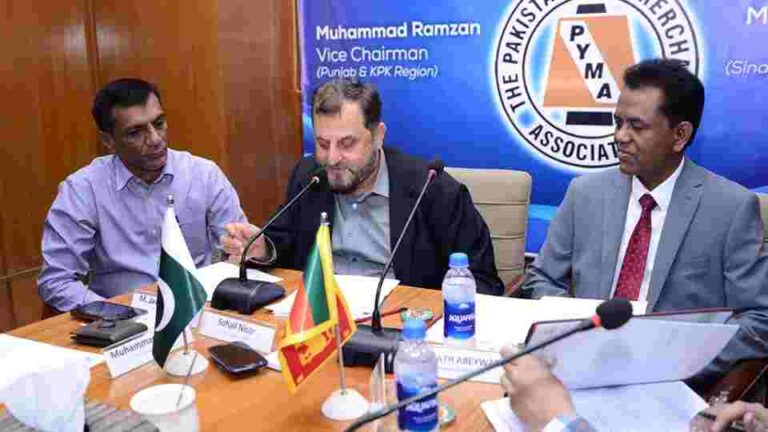
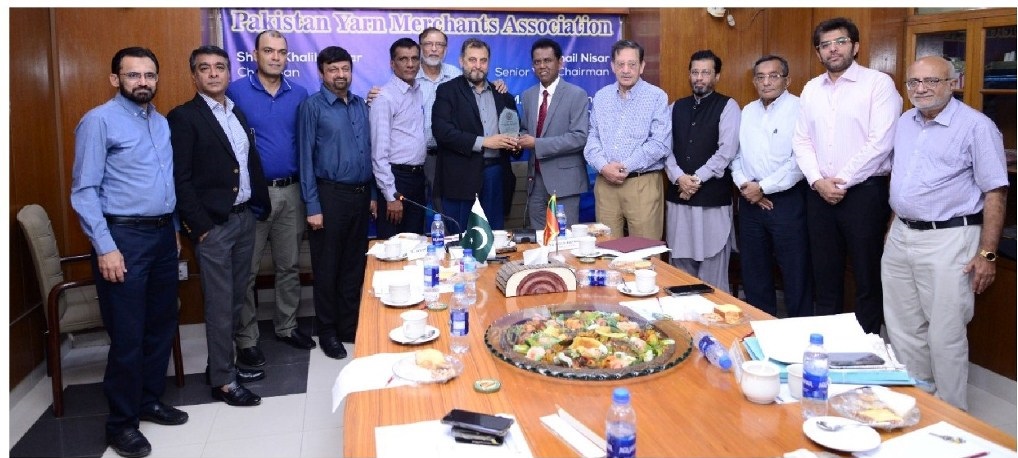
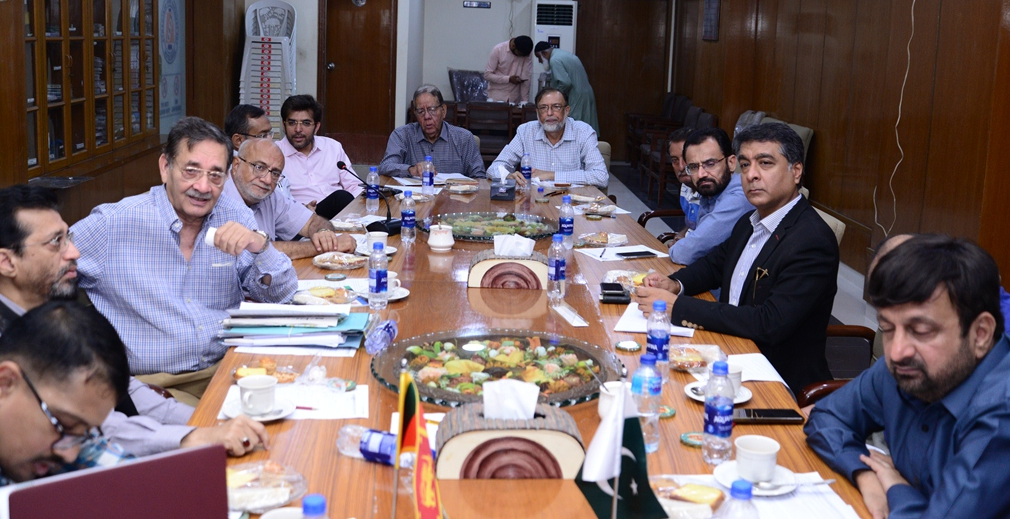
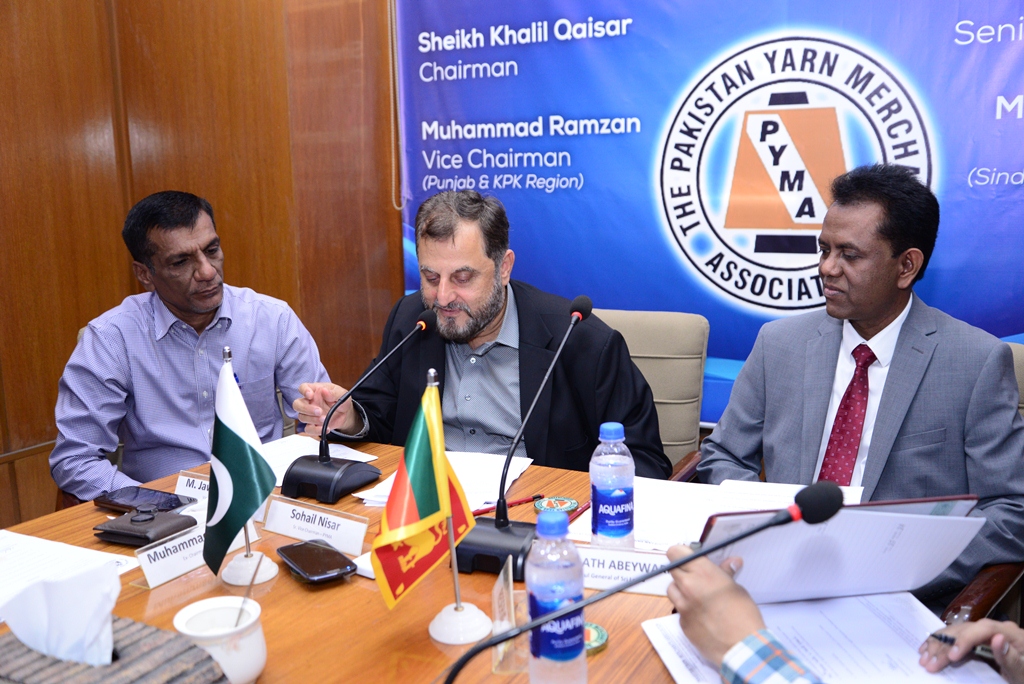
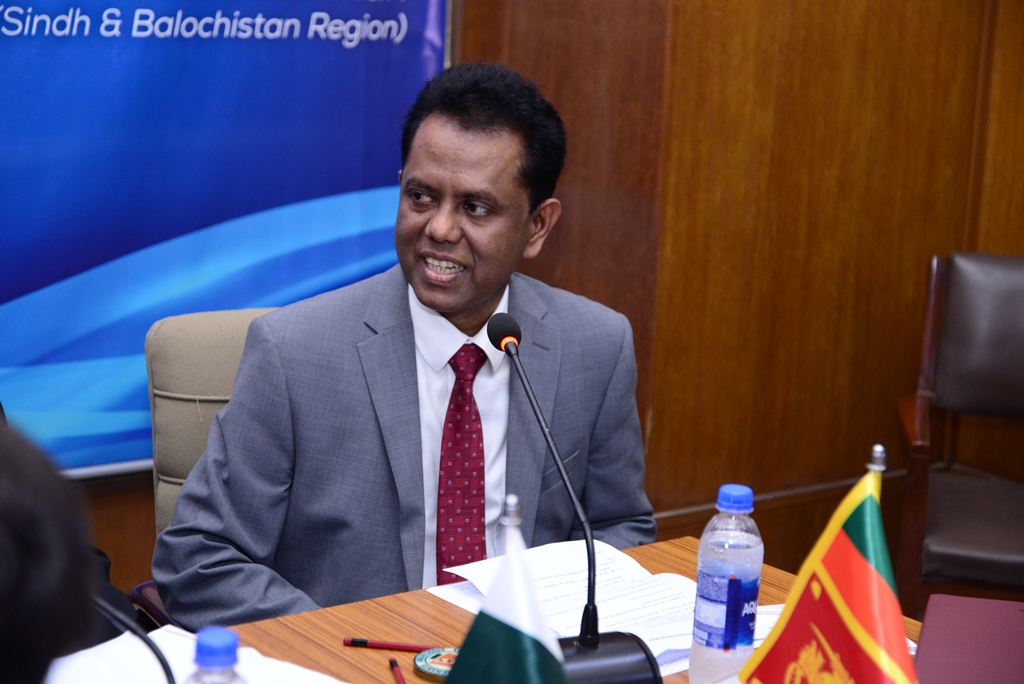
The Consul General of Sri Lanka in Karachi Jagath Abeywarna met with the newly elected Senior Vice-Chairman Sohail Nisar and the members of the Pakistan Yarn Merchants Association on 02 November, 2022 at its head office in Karachi to promote collaboration between the two countries in the field of yarn materials.
The Pakistan Yarn Merchants Association was established in 1960 and has interests in yarn of all grades including cotton & mercerised yarn, silk & rayon yarn, woolen yarn, staple fibre yarn and all other synthetic yarns.
The Association has in its fold more than 600 leading yarn companies in the country.
Sri Lanka exported around US$ 34 Mn. yarn materials in 2021 to the world including US$ 0.7 Mn. to Pakistan while it imported US$ 525 Mn. worth of yarn from the world including US$ 22 Mn. of yarn from Pakistan in the same year.
The senior Vice-Chairman and their members showed their interest in collaborations with the Sri Lanka private sector companies and as a first step, the Association agreed to have a webinar with the Sri Lankan companies in the near future.
Colombo, 07 November 2022: The United Nations (UN) team in Sri Lanka and non-governmental organizations have today revised and extended their joint Humanitarian Needs and Priorities (HNP) Plan, which aims to provide life-saving assistance to 3.4 million people amid Sri Lanka’s worst economic crisis since independence.
Since June, the HNP has been responding to the Government’s request for UN-backed multi-sector support for Sri Lanka’s debt and food and medicine shortages. Governments and donor agencies have helped the humanitarian community reach over 1 million of the country’s most vulnerable people with cash, food, school meals, medicine, protection, and livelihood support. The HNP—aligned with appeals from other UN agencies—has raised US $79 million for Sri Lanka thanks to landmark support from the U.S and USAID, Australia, Japan including JICA, the UN Central Emergency Relief Fund (CERF), as well as Canada, Denmark, Norway, New Zealand, Italy, EU, Switzerland, France, and with additional support from the UK, Germany, Thailand, Sweden, Georgia, Latter Day Saint Charities and private individuals and organizations including Brandix Apparels Ltd, Hemas Holdings PLC, Dilmah Ceylon Tea Company PLC, Daraz (Alibaba Group), Amana Bank PLC and the Citi Foundation. The HNP’s revision extends the plan through 2022 and requires US $70 million in additional funds to reach a total of US $149.7 million.
“We are immensely appreciative of the solidarity the international community has shown with the people of Sri Lanka, including through their generous contributions to the HNP. This solidarity must be sustained if we are to insulate the most at-risk people from the impacts of the ongoing crisis,” said UN Resident Coordinator in Sri Lanka, Hanaa Singer-Hamdy.
In response to the humanitarian community’s updated estimates on the number of people in need across all 25 of Sri Lanka’s districts, the extended appeal will improve nutrition for children, pregnant women, and breastfeeding mothers; secure safe drinking water; and protect vulnerable farming and fishing households. Ms. Singer-Hamdy stressed the importance of strengthening local food production and delivery. “At this point, safeguarding livelihoods is safeguarding lives in Sri Lanka,” she said.
Food insecurity in Sri Lanka has increased dramatically due to two consecutive seasons of poor harvests, foreign exchange shortages, and reduced household purchasing power. With a poor harvest season forecast for 2023 and food inflation of 85.6 per cent in October 2022, many Sri Lankans are struggling. Twenty-eight per cent of the population—or 6.3 million people—face moderate-to-severe acute food insecurity. According to the World Bank’s 2022 Development Update, the poverty rate rose from 13.1 percent to 25.6 percent between 2021 and 2022.
The revised HNP complements existing emergency operations carried out by the UN and humanitarian partners. Among its targets are immediate food assistance for 2.4 million vulnerable and food-insecure people; provision of support and fertilizers for 1.5 million farmers and fishers to revive food systems that have been severely disrupted.
The appeal also seeks to provide nutrition support for 2.1 million people, including pregnant women and schoolchildren; safe drinking water for over 900,000 people; and essential medicines and healthcare, including sexual and reproductive healthcare, for 867,000 people. It will enable protection services to continue for vulnerable women and children at risk of violence.
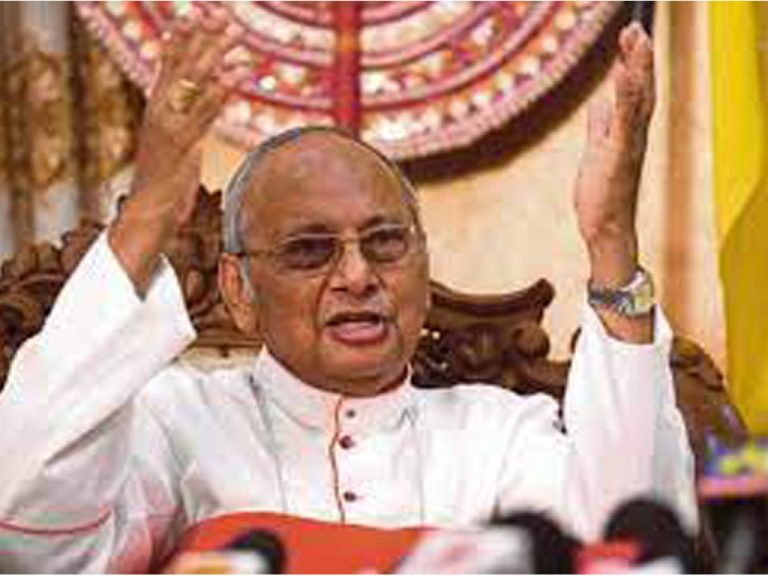
The government’s conduct by which human rights are disregarded and repression is promoted can no longer be tolerated, said Rev. Fr. Dr. Cyril Gamini, delivering a special statement by the Archbishop of Colombo, His Eminence Malcolm Cardinal Ranjith, at a briefing called in today (08).
The Cardinal’s statement focused on the current economic crisis of the country and the state-sponsored repression unleashed which, according to him, have reached to a point of intolerance.
Condemning the arbitrary and unfair use of the controversial Prevention of Terrorism Act (PTA) to arrest peaceful protesters and social activists and leaders and the unamenable manner by which the country is governed, the Archbishop vehemently raises concerns on the arrest and detention of Wasantha Mudalige, the Convener of the Inter-University Students’ Federation (IUSF) and Ven. Galwewa Siridhamma Thero, the Convener of the Inter-University Bhikku Federation, Fr. Gamini noted.
Fr. Gamini further revealed that the Archbishop is urging the government to immediately publicise all volumes of the report issued by the Presidential Commission of Inquiry appointed to probe the Easter Sunday Carnage and implement its recommendations.
Developing countries are the worst affected by rising emissions from the industrialised world, and must be compensated – President Ranil Wickremesinghe emphasises at COP 27
President Ranil Wickremesinghe addressing the COP 27 Climate Change Conference in Sharm El-Sheikh, Egypt said that unbridled industrialisation of the developed countries is the root cause of climate change, leaving the poor to suffer the consequences. He said that the problems facing poor countries are augmented due to the absence of adequate funding.
As a result, these countries are facing double jeopardy – struggling to develop economically while fighting to protect the living standards of their populations.
Therefore, President Wickremesinghe said that the developed countries must deliver on their pledge in Glasgow – by doubling their funding to compensate the developing countries for loss and damage.
Accordingly, he said that as proposed by the Climate Vulnerable Forum, commissioning a Special Report on this aspect to strengthen international awareness for future responses would be appropriate.
President Wickremesinghe thus proposed that before COP 28 in Dubai, like-minded nations should meet at Ministerial Level to discuss the way forward on all aspects of climate finance.
He also noted that this should be followed with a meeting of the Heads of Government of these countries on the margins of COP 28 to display a collective frame of mind to stave off the calamity.
Following is the full speech delivered by President Ranil Wickremesinghe at the Cop 27 Climate Change Summit;
“The salubrious environs of the green city of Sharm El-Sheikh will undoubtedly inspire our discussions at COP 27 to a successful conclusion. I sincerely thank the Government of Egypt for your warm welcome and hospitality.
Sri Lanka is replete with biodiversity and has consistently addressed the challenges of climate change. Let me record the action of Sri Lanka in this regard:
Sri Lanka
• Commenced the process of reducing carbon emissions by 14.5% by 2030
• Initiated Marine Spatial Planning
• Recently established a Climate Office
• Spearheaded the UN declaration of the 1st March, as World Sea Grass Day
Sri Lanka is
• Employing the National Policy for Conservation and Sustainable Utilization of Mangrove Ecosystems
• Implementing the Commonwealth Pilot project for Climate and Ocean Risk Vulnerability
• Led the Commonwealth Blue Charter Action Group on Mangrove Ecosystems and Livelihoods
Sri Lanka
• Will not increase further energy capacity via coal power
• Will phase out fossil fuel subsidies
• Will aim for 70% of renewable energy for electricity generation by 2030
• Will join the recent Global Methane pledge made in Washington
Yet, for climate action to be successful, wide-ranging measures to complement the UNFCC and Paris Agreement must be pursued.
The lack of capacity is the biggest obstacle to the implementation of Climate Action plans. Therefore, capacity building is vital in this regard.
To overcome this obstacle, we propose to establish an International Climate Change University in Sri Lanka, with an ancillary institution in Maldives, which would be the first of its type.
This seat of learning can be a trans-disciplinary global centre for green and blue studies – for scientists, environmentalists, researchers, policymakers, development practitioners, and of course, students the world over, to interchange knowledge transcending national and disciplinary boundaries.
The envisaged Climate Change University will offer both short-term courses and postgraduate academic awards to build capabilities for mitigating and adapting to climate change.
The University will also expedite the skills of the new generations to deliver the political, economic, social, cultural and digital transformations required to prevent a 1.5-degree world.
It will be the vehicle to enlighten domestic climate change challenges and prospects.
The collaboration of multilateral institutions and organizations such as the Commonwealth, World Bank and the ADB amongst others, will be sought for the establishment of this institution of higher learning – making it a multi-stakeholder partnership transcending – national boundaries.
I hope Sri Lanka’s proposal will receive extensive support and endorsement from the international community.
Since the prescriptions for addressing climate change have to be dispensed in the global domain, we will meet again next year, charged with high hopes.
However, the chequered implementation of previous decisions, including those of COP 26 is extremely disheartening.
Regrettably, the ground reality is that the fossil fuel-based industrialized countries of G7 and G20 who have been the main promoters of green hydrogen are now backtracking to use of fossil fuel.
In the last year, Carbon Dioxide emissions increased by 2bn metric tonnes – from 34.3bn to 36.3bn metric tonnes.
Such double standards are unacceptable. Developed nations should be given leadership to overcome climate challenges rather than abdicating their responsibilities.
It is no secret that climate financing has missed the target.
It is ironic that the 100 bn dollars pledged annually, have not been available in the coffers to finance climate challenges – as many developed nations deem it fit to renege on their climate financing contributions.
These countries who are also on both sides of the Ukraine war seem to have no qualms about spending for a war which will finally exceed $350bn. A conflict waged purportedly for the security interests of the combatants.
The only security at stake is food insecurity, acerbated to levels not experienced before the war. Many living both in the developed and developing world are outside the scope of three meals a day.
It is estimated that between 30 to 40 million people are being driven into hunger, especially in Africa. This war has also resulted in the upward spiralling cost of living, and shortages of oil and gas supplies, and it has brought the fight against hunger to our homes.
Expectedly, it has led to the curtailing of much-required climate finance pledged by these very same countries.
The issue we have is not finding the party responsible for the war, but the party that will end the war.
Why do we need this funding? It is a known fact that the practice of colonialism transferred the rich resources of Asia and Africa to Europe and was used to industrialize their countries. We became poor from this plunder.
The unbridled industrialization of the developed economy is also the root cause of climate change, the consequences of which, we the poor countries are forced to suffer. Our problems are augmented due to the absence of adequate funding. Therefore, those in the South are facing double jeopardy – struggling to develop economically while fighting to protect the living standards of our populations.
It is therefore imperative that the developed countries deliver on their pledge in Glasgow – by doubling their funding. Adding insult to injury, damages caused by extreme weather conditions are increasing, and their impacts are exceedingly costly.
Developing countries which are the worst affected by the rise in emissions from the industrialized world, need to be compensated for loss and damage.
While the issue of loss and damage is now included in our formal agenda, we have to ensure that the emitters contribute financially to those affected. As proposed by the Climate Vulnerable Forum, commissioning a Special Report on this aspect to strengthen international awareness for future responses would be appropriate.
Considering the failure of the developed world in bringing about the much-discussed relief, it is proposed that before we get to Dubai for COP 28, like-minded nations should meet at Ministerial Level to discuss the way forward on all aspects of climate finance.
This should be followed with a meeting of the Heads of Government of these countries on the margins of COP 28 to display a collective frame of mind to stave off the calamity.
In conclusion, let me recall the UN Secretary-General’s recent words, “The choice is between collective action or collective suicide”.
The vacuum created due to inaction now requires the global display of sustained political will through dynamic action and constructive cooperation on the part of like-minded countries to prevent this catastrophe.